

P0449 on 2012-2017 Kia Rio: EVAP Vent Valve Circuit Causes and Fixes
On a 2012-2017 Kia Rio, code P0449 is most often caused by a faulty EVAP Canister Close Valve (also called a vent valve) or a clogged canister air filter, a known issue covered by Kia TSBs. Expect to pay $40-$80 for the valve and filter to fix it yourself.
- P0449 on a 2012-2017 Rio is very often related to the issue described in Kia TSB #TSBFUE038_R1.
- The most common symptom, besides the Check Engine Light, is the fuel pump nozzle clicking off before the tank is full.
- Always inspect the EVAP canister air filter (Part #31453-1R000). If it's dirty, replace it.
- The likely failed part is the Canister Close Valve (Part #31453-3K600), located under the car near the charcoal canister.
- This is a relatively simple and inexpensive DIY repair for most home mechanics.
What's Unique About the 2012-2017 Kia RIO
The 2012-2017 Kia Rio (third generation, UB) has a well-documented issue with the P0449 code. Kia issued Technical Service Bulletins (TSBs) acknowledging that symptoms like the check engine light and difficulty refueling are often linked to a clogged EVAP canister air filter, which the TSB refers to as the 'air drain case'. This clogged filter can put extra stress on the Canister Close Valve, leading to its eventual failure and triggering the P0449 code. This makes inspecting the filter a critical first step, which is not a common consideration for this code on many other vehicles.
Diagnostic Flowchart
Tap your situation to follow the diagnostic path that matches what you're seeing on this vehicle.
Symptoms You May Notice
- Check Engine Light is on
- Difficulty filling the fuel tank (gas pump nozzle clicks off repeatedly)
- Possible faint fuel odor
- Replacing the gas cap. A faulty gas cap typically causes a large leak code (like P0455) or a small leak code (P0456), not a circuit malfunction code like P0449.
- Replacing the Purge Valve. The purge valve is located in the engine bay and has its own set of diagnostic codes (e.g., P0441, P0496). P0449 points specifically to the vent valve/circuit at the rear of the vehicle.
Most Likely Causes
- Failed EVAP Canister Close Valve (Vent Valve) 🔴 High Probability → Shop Vapor Canister This is the primary component monitored by the P0449 circuit code. It can fail electrically or become stuck mechanically, often due to stress from a clogged air filter as noted in Kia's TSBs.
How to confirm: Locate the valve near the charcoal canister under the rear of the car. Use a scan tool to command the valve to close; a 'click' should be audible. If it doesn't respond, test for power and ground at the connector. If power is present, the valve itself has likely failed. The TSB advises checking the air filter first.
Typical fix: Replace the Canister Close Valve.
Est. part cost: $35-$70 - Clogged EVAP Canister Air Filter (Air Drain Case) 🔴 High Probability → Shop Vapor Canister Kia issued TSBs #TSBFUE038 and #TSBFUE038_R1 specifically for this issue on 2012-2017 Rios. The TSB refers to this part as the 'air drain case'. Road debris and dust clog the filter, restricting airflow and causing the vent valve to malfunction, leading to P0449 and refueling problems. The TSB explicitly warns technicians to investigate this part before replacing the valve.
How to confirm: Visually inspect the air filter assembly attached to the EVAP canister assembly. If it is filled with dirt, dust, or debris, it is clogged and needs replacement.
Typical fix: Replace the EVAP canister air filter. It is highly recommended to replace this filter whenever the Canister Close Valve is replaced.
Est. part cost: $15-$30 - Damaged Wiring or Connector 🟡 Medium Probability The valve and wiring are located under the vehicle, exposing them to road debris, moisture, and potential corrosion. A blown fuse for the EVAP system can also cause this code.
How to confirm: Visually inspect the wiring harness and connector leading to the Canister Close Valve for any breaks, chafing, or corrosion on the pins. Use a multimeter to check for continuity and proper voltage at the connector. Check the fuse box in the engine compartment for any blown fuses related to the emissions system.
Typical fix: Repair the damaged section of wire, replace the connector pigtail, or replace the blown fuse.
Est. part cost: $10-$25
Rare But Worth Checking
- Faulty Powertrain Control Module (PCM): → Shop Engine Control Module (ECM) This is extremely rare. The PCM is the last item to suspect after all other possibilities (valve, filter, wiring) have been exhaustively tested and ruled out.
Diagnosis Steps
- Scan the vehicle for any other trouble codes. Note if P0451 is also present, as this strongly points to the TSB issue.
- Visually inspect the Canister Close Valve and its wiring harness, located near the charcoal canister under the rear of the car. Look for obvious damage, corrosion, or loose connections.
- Locate and inspect the EVAP canister air filter (also called the 'air drain case'). If it's visibly dirty or clogged, it needs to be replaced. Per the TSB, this should be a primary suspect.
- Check for a blown fuse related to the EVAP system, typically located in the engine bay fuse box.
- If you have a bidirectional scan tool, command the vent valve (Canister Close Valve) to close. Listen for an audible click from the valve.
- If the valve does not click, use a multimeter to check for power and ground at the valve's electrical connector with the key on.
- If power and ground are present but the valve doesn't operate, the valve is faulty and should be replaced.
- If power or ground is missing, trace the wiring back towards the PCM to find the break or short in the circuit.
- After repairs, clear the codes and perform a drive cycle to ensure the Check Engine Light does not return.
Parts You'll Likely Need
- Canister Close Valve (Vent Valve)
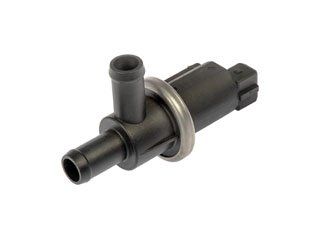
(OEM #31453-3K600 (superseded by 31453-3K600FFF))— This is the component whose circuit is monitored by code P0449. It is the most common part to fail, often due to stress from a clogged filter. The original part number has been superseded.
Trusted brands: Genuine Kia, Dorman (e.g., 911-809, verify fitment)
OEM price range: $50-$70
Aftermarket price range: $35-$55 - EVAP Canister Air Filter
(OEM #31453-1R000)— A known issue for this vehicle, as per Kia TSBs. A clogged filter causes P0449 and refueling problems. It should be replaced with the valve as a preventative measure.
Trusted brands: Genuine Kia
OEM price range: $15-$30
Aftermarket price range: $10-$20
Related Codes That Often Appear With This One
- P0451 — This code for 'EVAP System Pressure Sensor/Switch Range/Performance' is explicitly mentioned alongside P0449 in Kia's TSBs (#TSBFUE038, #TSBFUE038_R1). A clogged filter or faulty vent valve can cause erratic pressure readings in the system, triggering P0451.
Technical Service Bulletins (TSBs) & Recalls
- TSBFUE038_R1: Addresses MIL on with P0449/P0451 and/or fuel filling issues due to a clogged canister air filter ('air drain case').
- TSBFUE038: The original version of the bulletin, which covers Rio models from 2012-2017 and advises checking the air filter assembly before replacing the vent valve.
Platform-Specific Known Issues
- Kia Technical Service Bulletin #TSBFUE038_R1 (and the earlier #TSBFUE038) specifically addresses MIL illumination with DTC P0449 or P0451, along with early shut-off during fuel refilling. It applies to Kia Rios produced from June 21, 2011, through March 31, 2017. The bulletin points to a clogged canister air filter (referred to as the 'air drain case') as the primary cause and advises investigating it before replacing the valve itself.
Mechanic-Grade Diagnostic Values
- Canister Close Valve (CCV) circuit feedback voltage — expected: Approximately 12V (battery voltage). Failure: A significantly lower voltage (e.g., 10V) indicates high resistance in the valve's solenoid coil or wiring, which can trigger a P0449 circuit code even if the valve still clicks. 🎬 Watch: Understanding complex diagnostic variables for this EVAP code.
- Canister Close Valve (CCV) coil resistance — expected: Generally 20-40 Ohms (consult specific service data for exact spec). Failure: A reading in the mega-ohms (MΩ) or 'O.L.' (Open Loop) indicates a failed, open solenoid coil. A reading of zero ohms indicates a short circuit.
Scan Tool Commands That Help
- Kia GDS (Global Diagnostic System) / KDS (Kia Diagnostic System): Actuation Test for Canister Close Valve (CCV) — This OEM-level command allows a technician to manually force the CCV to open and close. It's used to verify if the valve is mechanically functioning (an audible click should be heard) and to check for correct voltage and ground response at the valve's connector while it's being commanded.
Wiring & Ground Locations
- CCV Wiring Harness — The wiring runs from the Canister Close Valve, located on the charcoal canister assembly under the rear of the vehicle near the fuel tank, towards the front of the car to the PCM.. Due to its location under the vehicle, this wiring is highly susceptible to damage from road debris, moisture, and corrosion. A common failure point is a broken or corroded wire right at the connector, which creates an open circuit and triggers P0449. A thorough visual and physical inspection of this harness is critical.
Real Owner Repair Stories
- YouTube channel 'Carburetors & Coffee' (2008 Chevy Equinox (Note: Not a Kia Rio, but illustrates a textbook P0449 wiring failure)) — Check Engine Light with a 'hard code' for P0449 that would return instantly after clearing.
❌ Tried (didn't work) Replacing a different, unrelated sensor.
✅ What actually fixed it The wire for the vent valve circuit was found to be completely severed and corroded near the valve's connector. The owner noted the wire likely got a small nick from road debris, which allowed salt and moisture to corrode it until it broke. Repairing the broken wire by soldering it and protecting it with heat shrink tubing permanently resolved the code.
OEM Part Supersession History
31453-3K600→31453-3K600FFF— An improved part was released. A separate TSB for different codes (P0455/P0456) on the same vehicle notes the improved part has a material change for the rubber seal.
Heads up: The new part is a direct replacement. The improved version can be visually identified by a tan-colored port, whereas the original part had a black port.
Helpful Videos


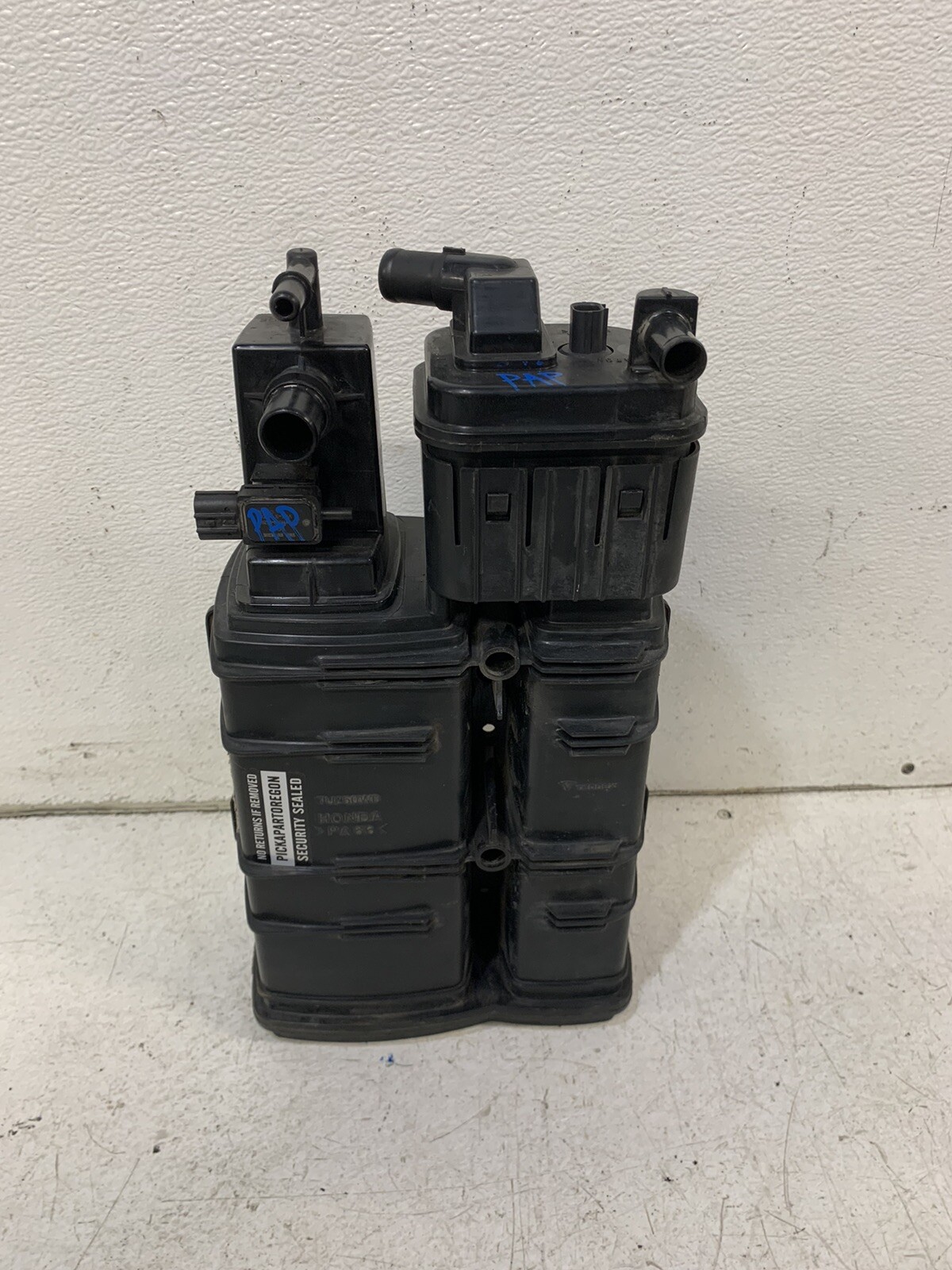
Used OEM Parts in Stock
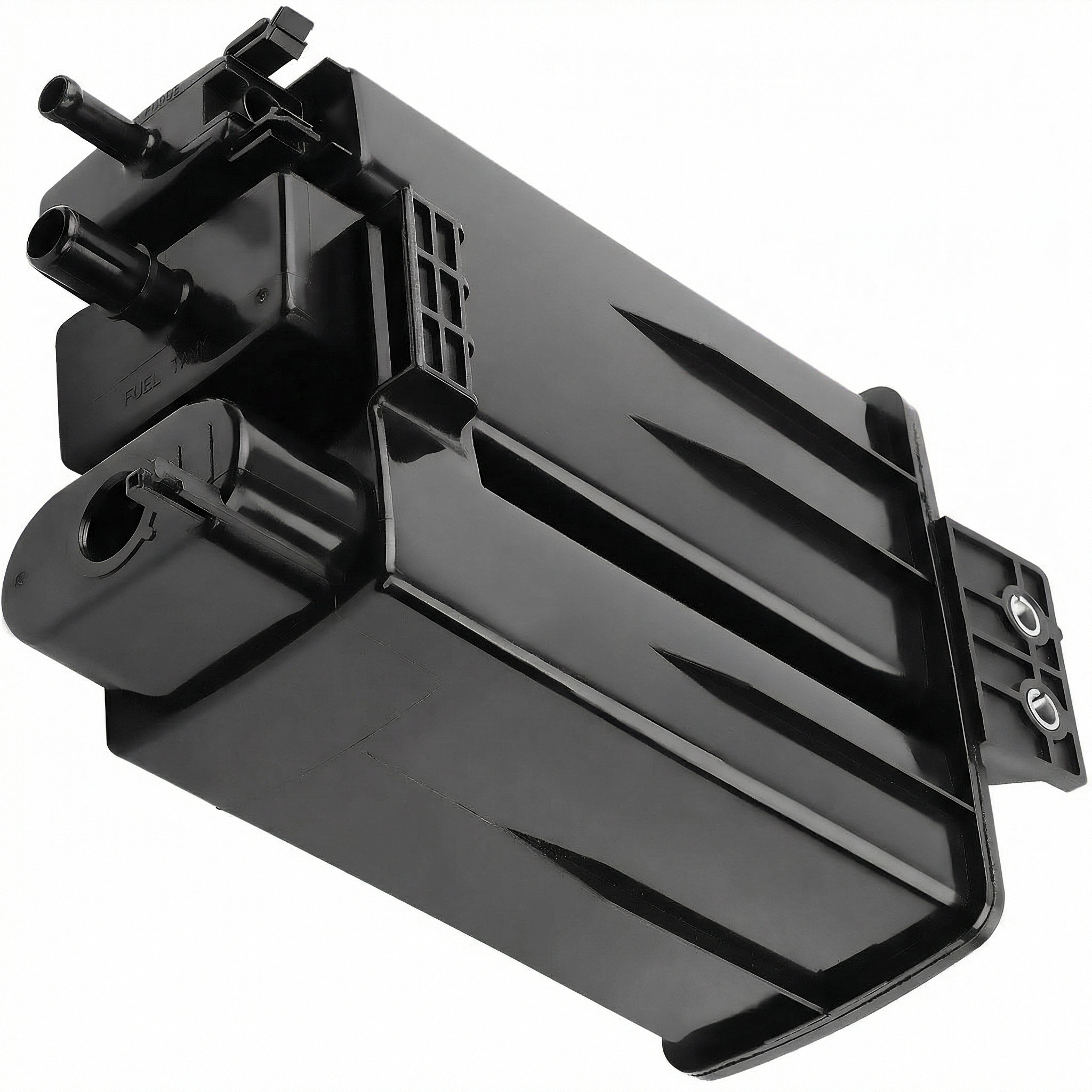
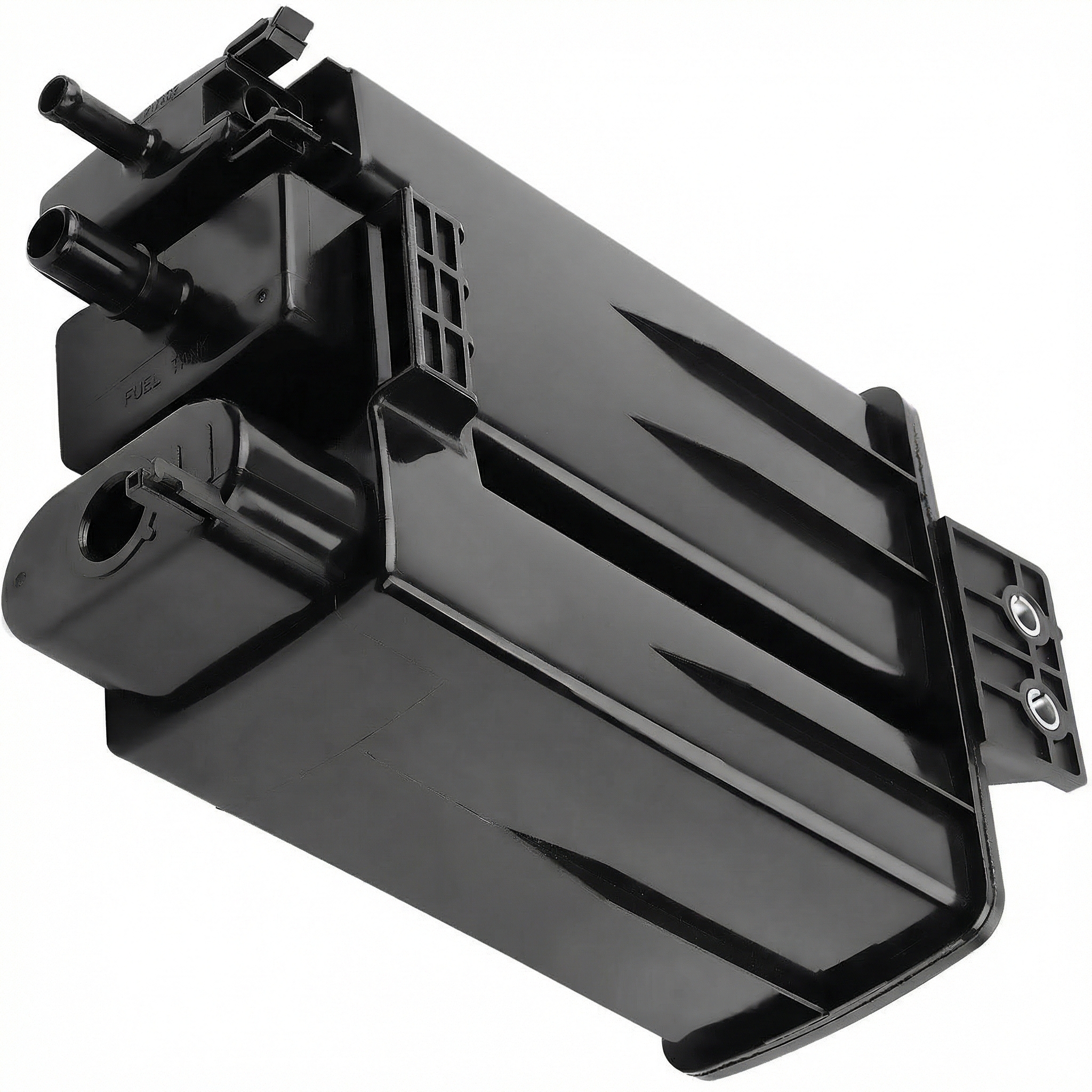
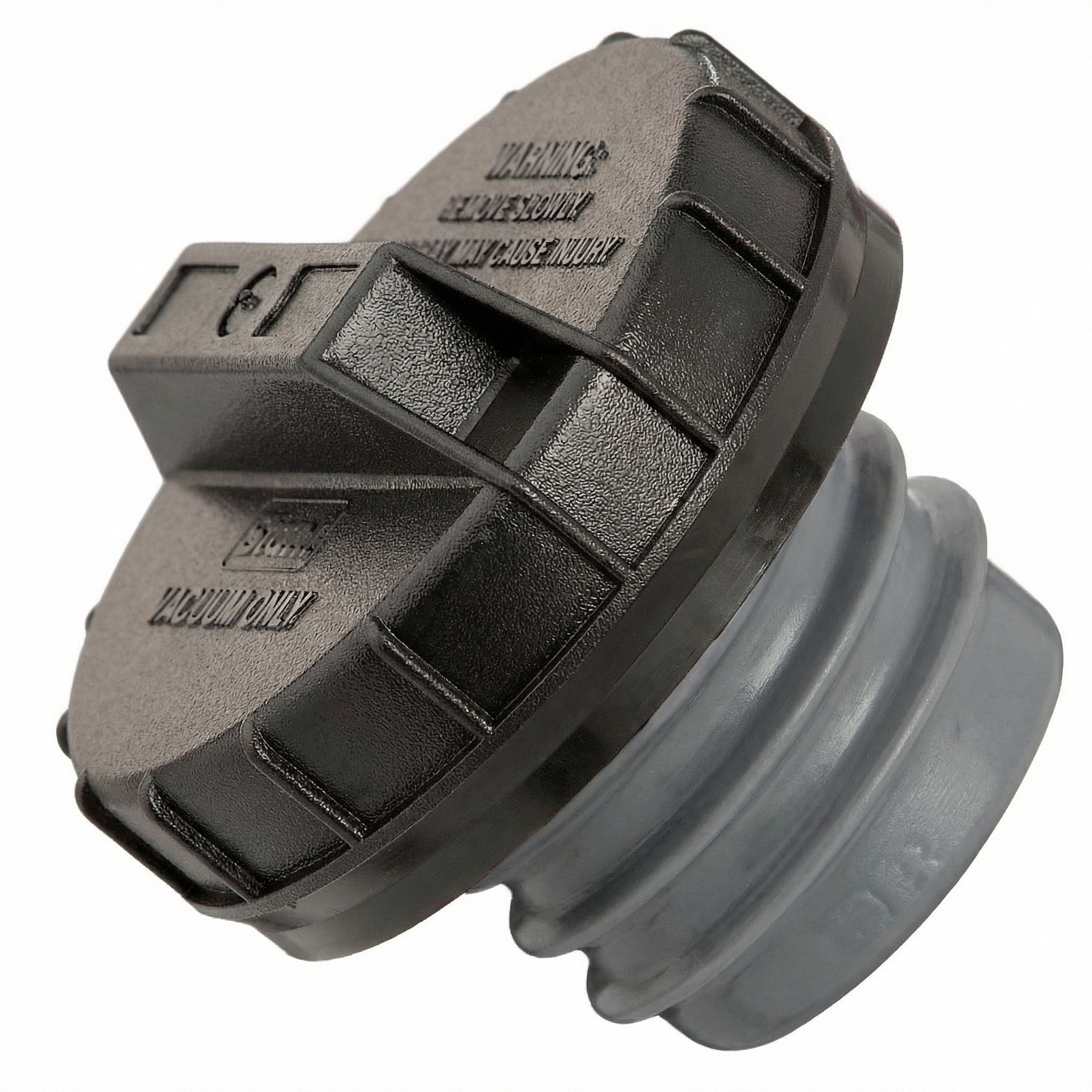
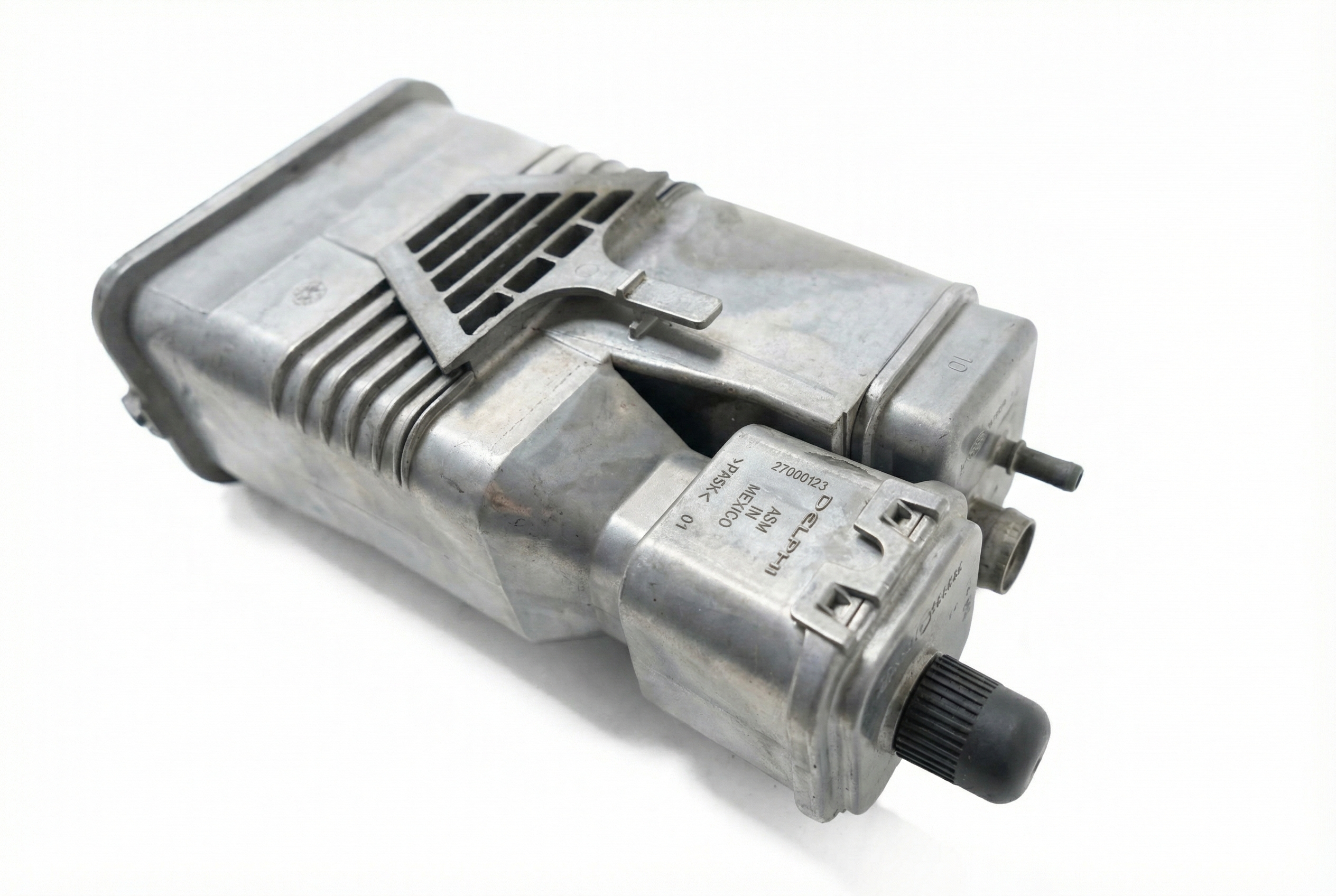
New Aftermarket Parts Available

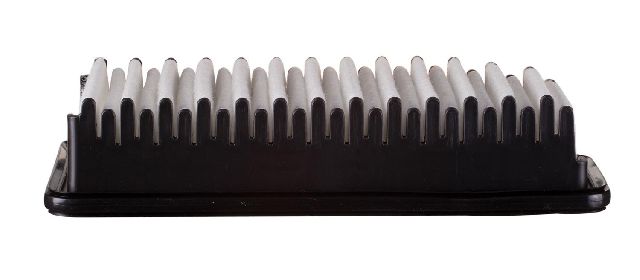


The information in this article is provided for general reference and educational purposes only. Vehicle specifications, procedures, and part compatibility can vary by production date, trim level, and region. Always consult your vehicle's factory service manual and verify part numbers before purchasing or performing repairs. Safety-critical components such as airbags, seat belts, and braking systems should be installed by a qualified professional.
- Kia RIO:
- 🧭 Diagnostic Flowchart
- 🎬 Helpful Videos
- 🛍️ Shop This Part
- What's Unique About the 2012-2017 Kia RIO
- Symptoms You May Notice
- Most Likely Causes
- Rare But Worth Checking
- Diagnosis Steps
- Parts You'll Likely Need
- Related Codes That Often Appear With This One
- Technical Service Bulletins (TSBs) & Recalls
- Platform-Specific Known Issues
- Mechanic-Grade Diagnostic Values
- Scan Tool Commands That Help
- Wiring & Ground Locations
- Real Owner Repair Stories
- OEM Part Supersession History
- 🎟️ Get 5% Off