

P0449 on 2017-2019 Kia Sportage: Causes and Fixes for the EVAP Vent Valve Circuit
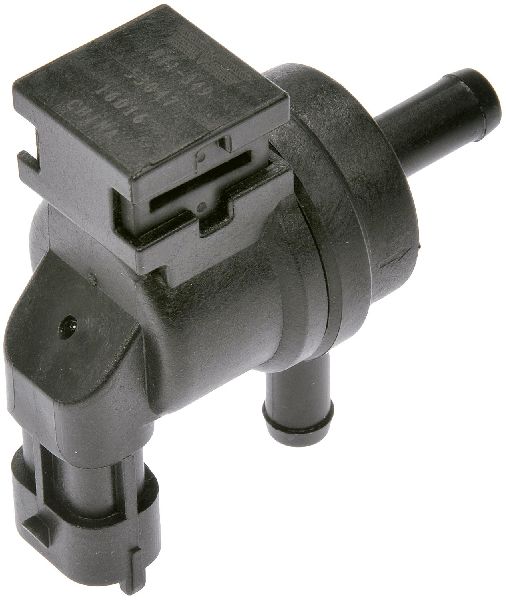
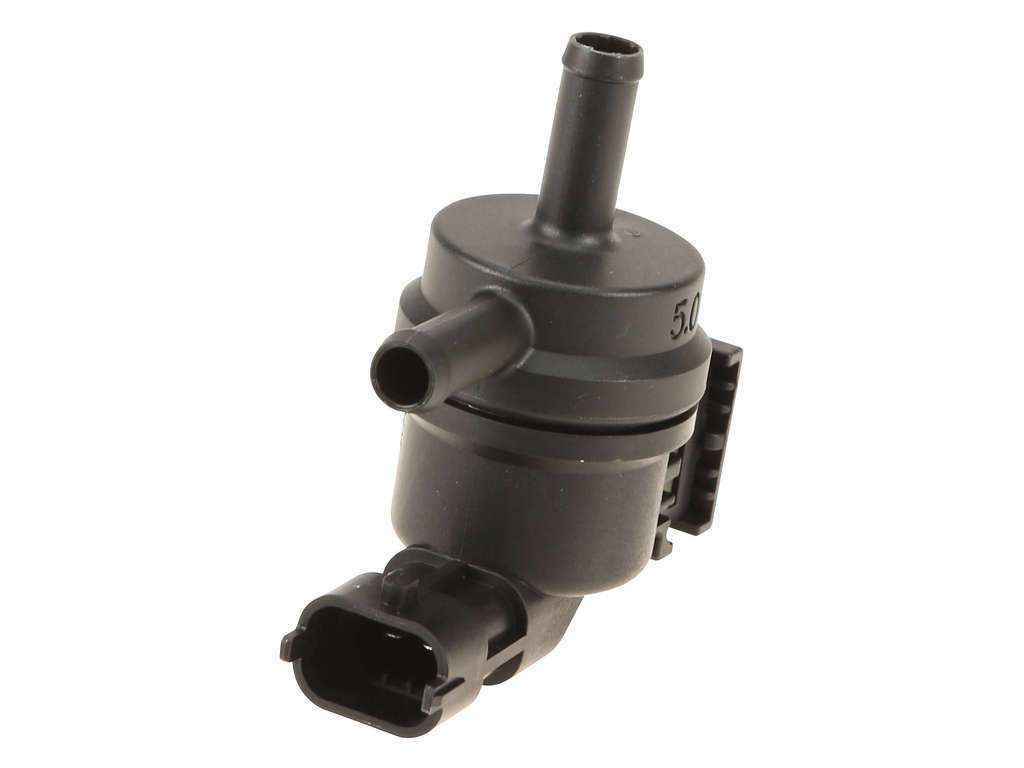
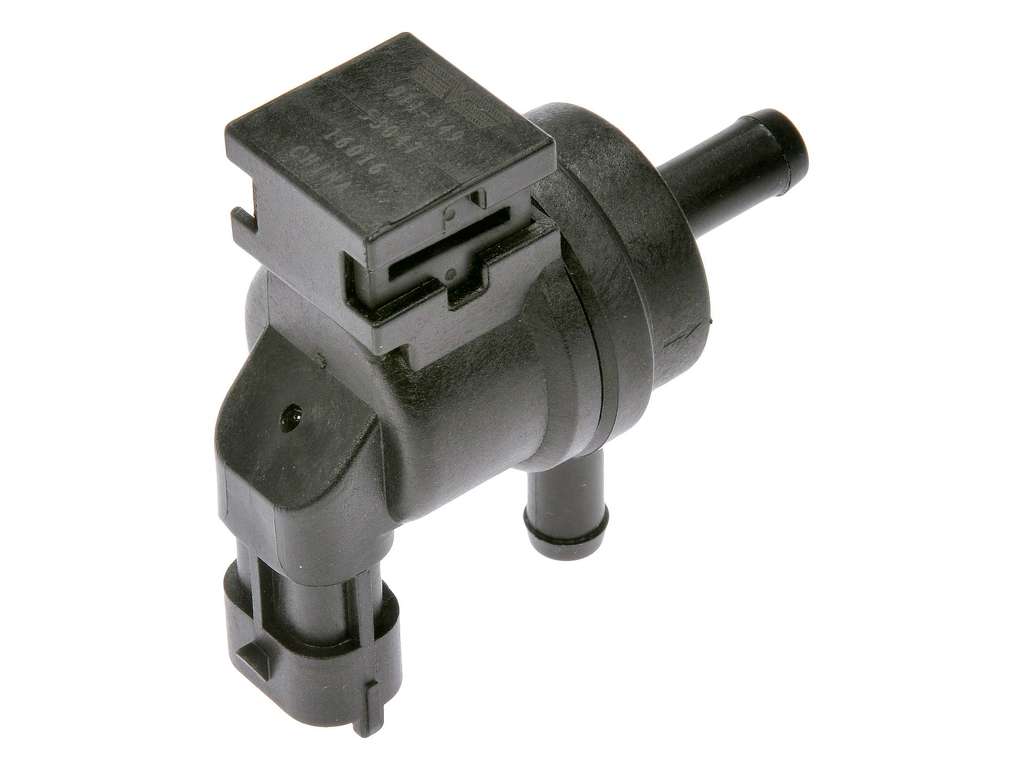
P0449 on a 2017-2019 Kia Sportage almost always indicates a faulty EVAP Canister Close Valve (also called a vent valve). This is a known issue confirmed by Kia's technical service bulletins. The part itself is relatively inexpensive, typically costing between $30 and $70, and is a DIY-friendly repair for many owners.
- For a 2017-2019 Kia Sportage, P0449 strongly points to a failed EVAP canister close valve.
- This is a known issue acknowledged by Kia in service bulletins, so it's the first part you should suspect.
- Before buying the part, perform a quick check for power at the valve's connector to rule out a simple wiring or fuse issue.
- The repair is DIY-friendly for those comfortable working under their vehicle; the valve is near the charcoal canister at the rear and held by one bolt and two clamps.
- If the valve and wiring are good, check for blockages in the vent hoses, as this is another known, though less common, cause.
What's Unique About the 2017-2019 Kia SPORTAGE
This is a well-documented problem on the fourth-generation (QL) Kia Sportage. Kia issued Technical Service Bulletins (TSBs) specifically for the 2017-2018 models regarding code P0449. This indicates a higher-than-normal failure rate for the canister close valve or related components, making it the primary suspect, often before considering wiring issues. The issue is also common on its platform-mate, the Hyundai Tucson.
Diagnostic Flowchart
Tap your situation to follow the diagnostic path that matches what you're seeing on this vehicle.
Symptoms You May Notice
- Check Engine Light is on
- Difficulty filling the gas tank (fuel pump nozzle clicks off repeatedly).
- Faint fuel odor near the rear of the vehicle, especially after refueling.
- Possible rough idle in some cases.
- Audible rattling or noise from the rear of the vehicle when going over bumps, which could be a loose canister assembly.
- Replacing the gas cap. A loose or faulty gas cap typically causes EVAP leak codes (like P0455 or P0456), not a circuit malfunction code like P0449.
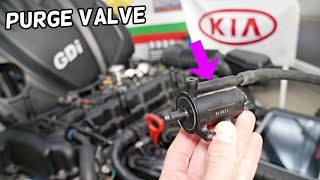
- Replacing the purge valve/solenoid. The purge valve is a different component located in the engine bay. 🎬 See this video to locate and replace the purge control valve. P0449 specifically refers to the vent valve/circuit located at the rear of the vehicle near the fuel tank.
Most Likely Causes
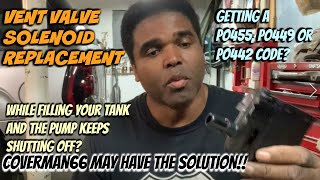
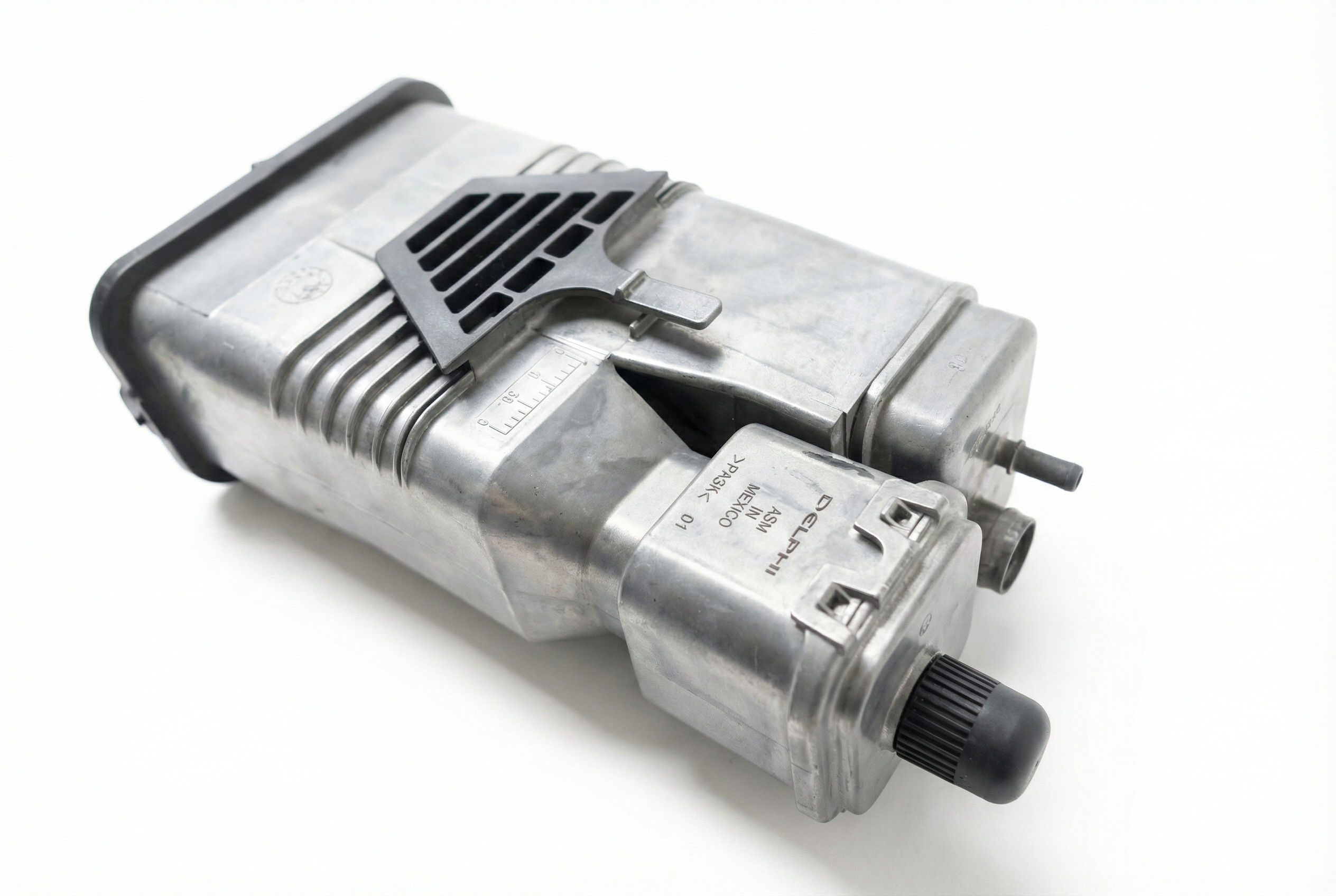
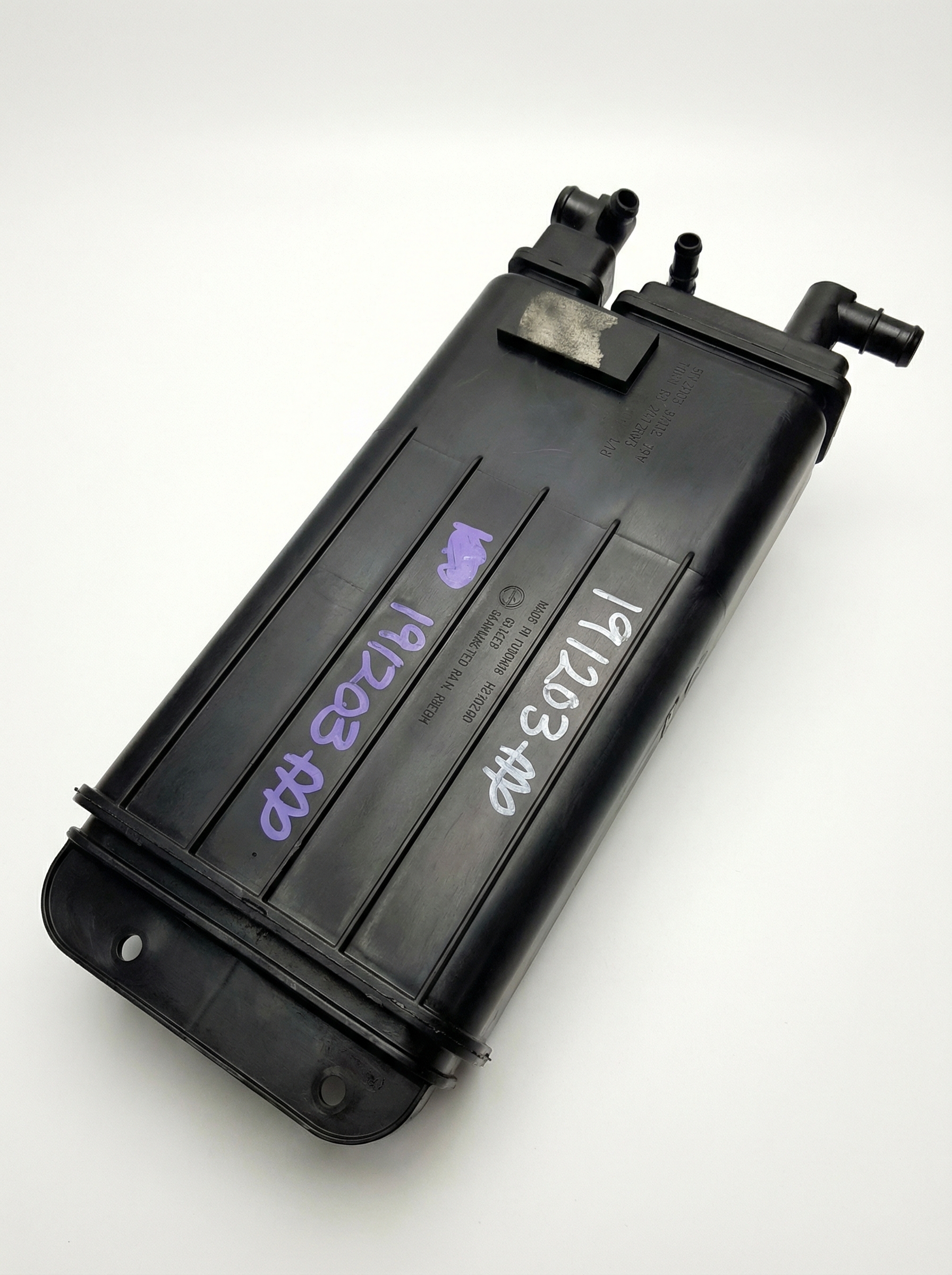
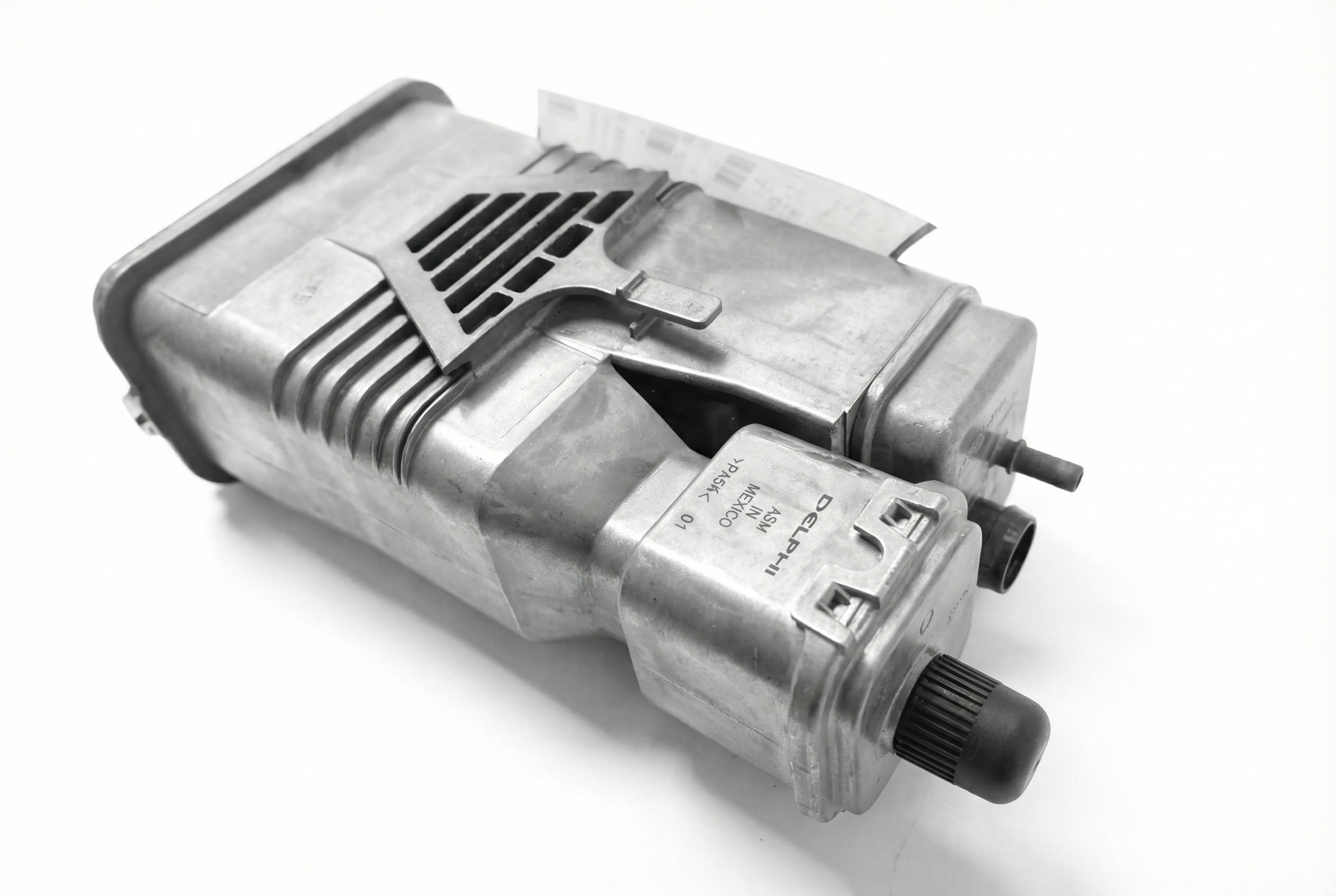
- Faulty EVAP Canister Close Valve (Vent Valve) 🔴 High Probability → Shop Vapor Canister Kia has issued TSBs #PS532 and #PS532_R1 for this exact issue on 2017-2018 models, pointing to a known weakness in the valve or related EVAP components. This is the most common failure point for this code across many Kia/Hyundai vehicles.
How to confirm: Using a capable scan tool, command the vent valve solenoid to activate. Listen for an audible click from the valve, which is located near the charcoal canister under the rear of the vehicle, typically near the driver's side rear wheel. If there is no click, test for power and ground at the connector. If power and ground are present, the valve itself has failed. You can also remove the valve and try to blow through it; it should be open by default. Applying 12V power should make it click closed, and you should no longer be able to blow through it.
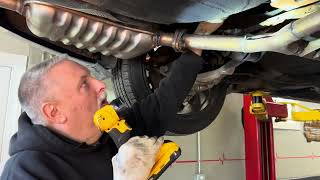
Typical fix: Replace the canister close valve. 🎬 Watch: This step-by-step guide shows you how to fix the P0449 code. On the Sportage, it is mounted near the charcoal canister and is held in by a single bolt and two hose clamps, making it accessible without removing the fuel tank.
Est. part cost: $30-$70 - Damaged Wiring or Connector 🟡 Medium Probability The valve and its wiring are located under the vehicle, exposing them to road debris, moisture, and potential corrosion which can damage the harness or connector pins.
How to confirm: Visually inspect the wiring harness leading to the canister close valve for any breaks, chafing, or corrosion on the connector pins. Use a multimeter to check for continuity and proper voltage at the connector with the ignition on.
Typical fix: Repair the damaged section of the wiring harness or clean/replace the connector. Ensure the connection is secure.
Est. part cost: $5-$50 - Blocked EVAP Vent Hose ⚪ Low Probability TSB #PS532_R1 specifically mentions that spider nests or other foreign objects can block the vent hoses, particularly near the fuel filler neck. This physically prevents the system from venting, which can be misinterpreted by the PCM as a valve circuit issue.
How to confirm: After confirming the valve and wiring are good, disconnect the vent hoses and inspect them for blockages. The TSB advises using a pipe cleaner to clear obstructions.
Typical fix: Remove the obstruction from the hose. Kia's TSB warns against using compressed air as it may be ineffective.
Est. part cost: $0-$10
Rare But Worth Checking
- Blown Fuse: Always a quick and easy check. The EVAP system components are powered by a fuse, and if it blows, it will cut power to the vent valve circuit.
- Faulty Powertrain Control Module (PCM): → Shop Engine Control Module (ECM) This is extremely rare and should only be considered after all other possibilities (valve, wiring, fuses, blockages) have been exhaustively ruled out. A Reddit user with a similar Hyundai vehicle reported this as the final solution after replacing all other components.
Diagnosis Steps
- Read the code with an OBD-II scanner to confirm P0449 is present.
- Locate the EVAP canister close valve (vent valve) under the rear of the vehicle, typically mounted to a bracket near the charcoal canister on the driver's side.
- Visually inspect the valve, its electrical connector, and the wiring harness for any obvious signs of damage, corrosion, or loose connections.
- Check the fuse box 🎬 Watch: A quick tip on what to check for a P0449 code. (both in the cabin and engine bay) for any blown fuses related to the emissions system.
- Use a bidirectional scan tool to command the vent valve to cycle on and off. Listen for a distinct clicking sound from the valve.
- If no click is heard, disconnect the electrical connector. With the ignition on, use a multimeter to verify that one pin has battery voltage and the other has a good ground (or is being commanded by the PCM).
- If power and ground are present but the valve doesn't click, the valve solenoid is faulty and the valve assembly must be replaced. This is the most likely outcome.
- If power or ground is missing, trace the wiring back towards the PCM to find the break or short in the circuit.
- If the valve clicks and the wiring is good, but the code returns, disconnect and inspect the vent hoses for blockages as noted in TSB PS532_R1. Spiders are a known cause of blockages in the vent line near the fuel filler neck.
Parts You'll Likely Need
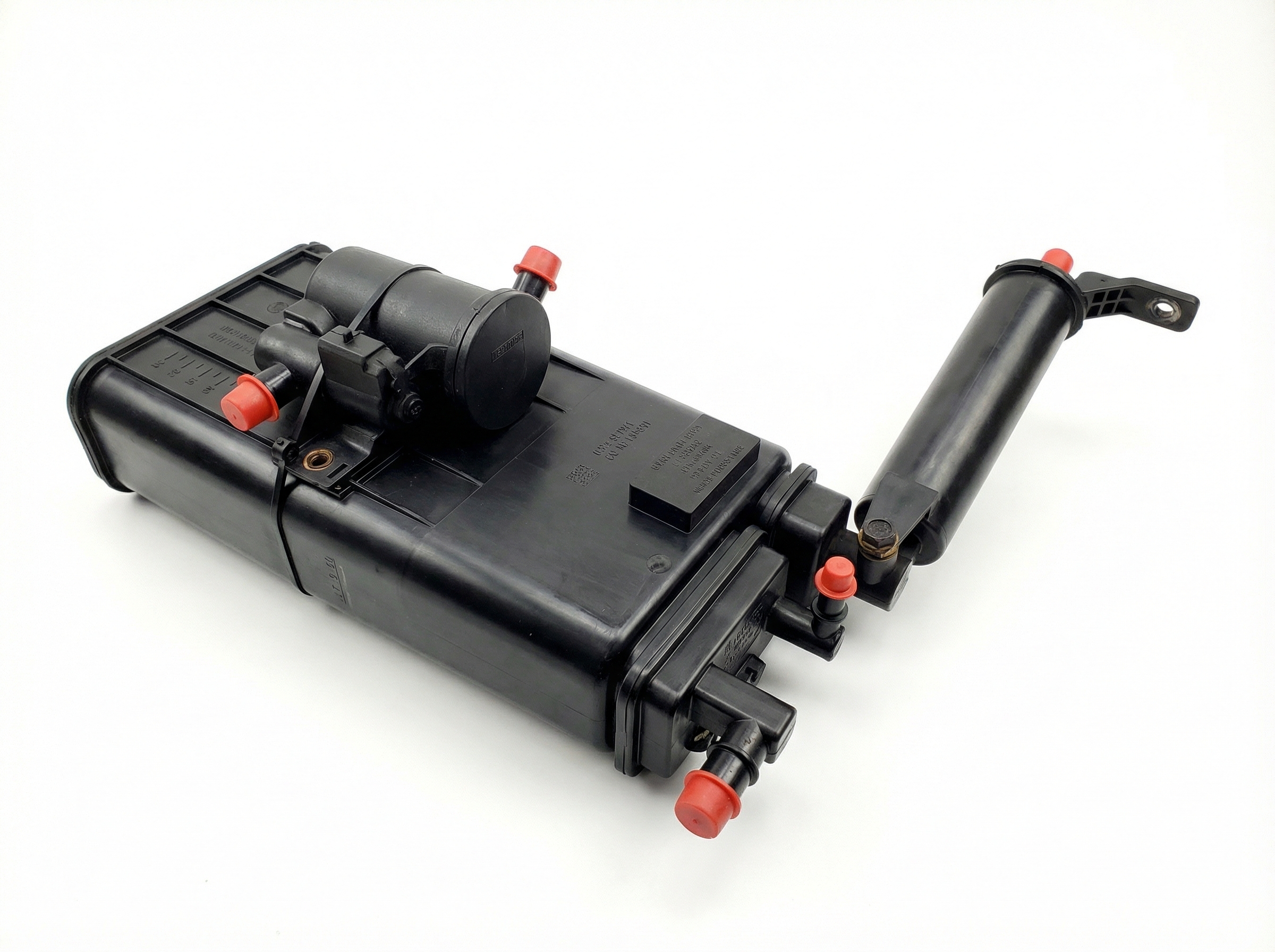
- EVAP Canister Close Valve
(OEM #31453-3K500 (Note: This is a widely used Hyundai/Kia part number. Also seen as 31453-D3100 for this platform. Always verify with VIN.))— This is the most common failure point for code P0449 on this vehicle, as confirmed by manufacturer TSBs and extensive owner reports.
Trusted brands: Genuine Kia/Hyundai, Dorman, SKP, Standard Motor Products
OEM price range: $50-$70
Aftermarket price range: $30-$55
Related Codes That Often Appear With This One
- P2422 — This code means "EVAP System Vent Valve Stuck Closed." Kia's TSB #PS532_R1 explicitly links P0449 and P2422, as a circuit fault can prevent the valve from opening, or a mechanical blockage can cause both codes.
Technical Service Bulletins (TSBs) & Recalls
- PS532_R1: PITSTOP - DTC P0449 VENT VALVE/SOLENOID CIRCUIT & P2422 VENT VALVE STUCK CLOSED
- PS532: PITSTOP - DTC P0449 VENT VALVE/SOLENOID CIRCUIT
Platform-Specific Known Issues
- Kia issued Technical Service Bulletin #PS532_R1, which covers 2017 and newer Sportage models for codes P0449 and P2422. It notes that if the Canister Close Valve (CCV) and its circuit test fine, technicians should inspect for flow restrictions, such as spider nests, in the EVAP ventilation hoses.
- A YouTube video for a 2016 Sportage (same generation) shows the replacement process, highlighting that the valve is held by one rusty bolt and two hose clamps, making it a straightforward but potentially dirty job. The creator notes that finding the part specifically listed for the Sportage can be difficult, but it's a common part shared with other Kia/Hyundai models.
Mechanic-Grade Diagnostic Values
- Canister Close Valve (CCV) Solenoid Resistance — expected: 19.5 - 22.5 Ω at 23°C (73.4°F). Failure: A reading outside of this range indicates a faulty solenoid coil.
- Voltage at CCV Connector — expected: One pin should show battery voltage (approx. 12V) with the ignition on.. Failure: No voltage suggests a wiring issue, blown fuse, or problem with the power supply from the PCM.
Scan Tool Commands That Help
- Kia GDS (Global Diagnostic System): Forced Actuation / Output Test for EVAP Canister Close Valve — This bidirectional command allows a technician to manually command the CCV to open and close. It's used to verify if the valve clicks and functions electrically, isolating the problem to either the valve itself or the wiring/PCM. This is the most effective way to test the circuit without manual probing.
Wiring & Ground Locations
- General Ground Point — A factory ground bolt is often located near the interior fuse panel, to the right side. It will be a silver bolt with multiple wires attached.. A poor ground for the EVAP system or the PCM can cause erratic voltage and trigger circuit codes like P0449. While not the specific ground for the CCV, checking main chassis grounds is a valid step when diagnosing persistent electrical faults.
- CCV Connector — On the Canister Close Valve itself, located under the rear of the vehicle near the charcoal canister.. This is the primary point for testing voltage, ground, and resistance of the CCV circuit. One pin is the power supply (often from a relay or PCM) and the other is the control (ground-side switched by the PCM).
Real Owner Repair Stories
- iATN (International Automotive Technicians Network) Post (Kia (model not specified, but behavior is relevant)) — Check Engine Light with code P0449.
❌ Tried (didn't work) Replacing the canister vent valve once, which tested bad.
✅ What actually fixed it The code returned three weeks later. The second diagnosis found water inside the new valve and the fuel tank air filter. Replacing the valve and clearing the water resolved the issue, indicating an issue with water intrusion into the EVAP system, not just a simple part failure.
Model Year Variations Within This Range
- 2017-2018: The official NHTSA TSBs #PS532 and #PS532_R1 specifically call out the 2017-2018 model years for the P0449 issue. While the 2019 model is part of the same generation and uses similar parts, the TSBs focus on the earlier years of the generation, suggesting a potential revision or higher failure rate in those specific years.
Helpful Videos

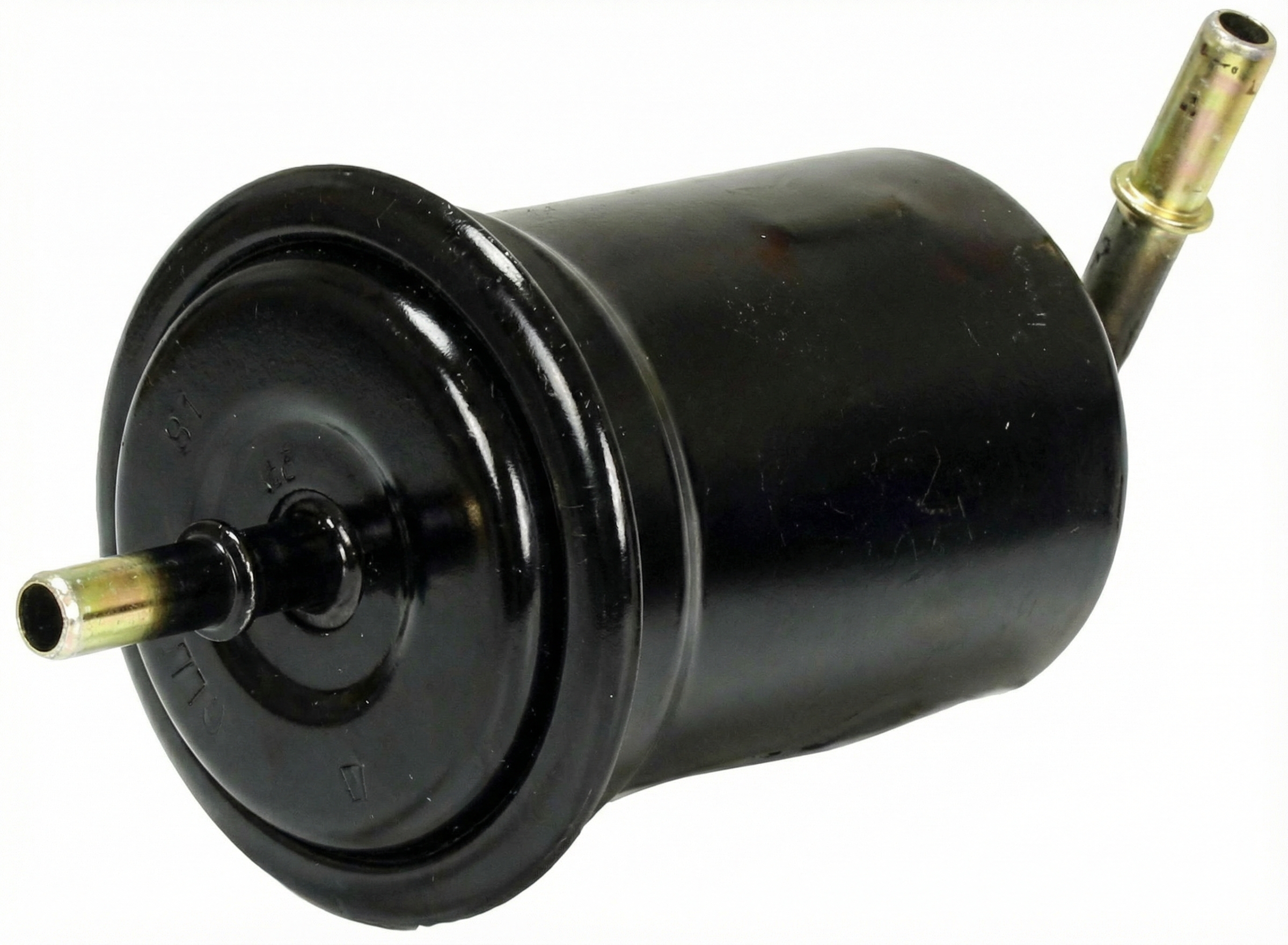
Used OEM Parts in Stock
New Aftermarket Parts Available


The information in this article is provided for general reference and educational purposes only. Vehicle specifications, procedures, and part compatibility can vary by production date, trim level, and region. Always consult your vehicle's factory service manual and verify part numbers before purchasing or performing repairs. Safety-critical components such as airbags, seat belts, and braking systems should be installed by a qualified professional.
- Kia SPORTAGE:
- 🧭 Diagnostic Flowchart
- 🎬 Helpful Videos
- 🛍️ Shop This Part
- What's Unique About the 2017-2019 Kia SPORTAGE
- Symptoms You May Notice
- Most Likely Causes
- Rare But Worth Checking
- Diagnosis Steps
- Parts You'll Likely Need
- Related Codes That Often Appear With This One
- Technical Service Bulletins (TSBs) & Recalls
- Platform-Specific Known Issues
- Mechanic-Grade Diagnostic Values
- Scan Tool Commands That Help
- Wiring & Ground Locations
- Real Owner Repair Stories
- Model Year Variations Within This Range
- 🎟️ Get 5% Off