

P0451 on 2014-2016 Mazda MAZDA6: EVAP Pressure Sensor Causes and Fixes
For a 2014-2016 Mazda6, code P0451 most often points to a faulty Fuel Tank Pressure (FTP) sensor. A specific TSB also notes this code can be triggered by a frozen canister vent hose in cold climates. Checking the gas cap first is wise, but the sensor is the most probable culprit. In some cases, corroded wiring to the sensor is to blame, especially in regions with heavy road salt usage.
- P0451 on a 2014-2016 Mazda6 points to a problem with the Fuel Tank Pressure sensor's reading, not necessarily a system leak.
- Before buying parts, check that the gas cap is tight and its seal is intact.
- If you live in a cold climate and the light came on after a freezing night, the issue is likely a frozen vent hose, as described in TSB 01-003-17.
- The most common part to fail is the Fuel Tank Pressure (FTP) sensor itself.
- This is a DIY-friendly repair for those comfortable with basic tools, but the FTP sensor is on the fuel tank and may require lifting the vehicle for access.
What's Unique About the 2014-2016 Mazda MAZDA6
The 2014-2016 Mazda6 (and related models like the Mazda3 and CX-5) is subject to a specific Technical Service Bulletin (TSB 01-003-17) for the P0451 code. This bulletin states that in freezing weather, water can accumulate and freeze in the canister vent hose, causing a restriction that triggers the code on the first start of the day. This is a known issue for this platform and is a unique diagnostic consideration compared to other vehicles where the sensor itself is the primary cause. Additionally, owners in northern climates report corroded wiring harnesses to the sensor as a frequent cause.
Diagnostic Flowchart
Tap your situation to follow the diagnostic path that matches what you're seeing on this vehicle.
Symptoms You May Notice
- Check Engine Light is on
- A faint smell of fuel, particularly in a confined space like a garage.
- Difficulty or unusual behavior when refueling (as noted in NHTSA complaint #11680564)
- Code may appear specifically after refueling and then clear on its own.
- Hard starting after filling the gas tank.
- Replacing the purge or vent solenoid when the issue is actually the FTP sensor itself. While these can be related, P0451 specifically points to the sensor's performance, not necessarily a flow or leak issue.
- Replacing the fuel cap when the issue is a faulty sensor or wiring. While a new cap is an inexpensive first step, if the code returns, further diagnosis is required. 🎬 See two simple DIY methods to address the P0451 code.
Most Likely Causes
- Faulty Fuel Tank Pressure (FTP) Sensor 🔴 High Probability → Shop Fuel Tank The sensor is the primary component that measures the pressure data. Electronic sensors can fail over time, providing incorrect voltage readings that trigger a range/performance code. Forum discussions and general mechanic advice point to this as a very common failure point for Mazda vehicles of this era.
How to confirm: Use a scan tool to monitor the FTP sensor voltage/pressure reading. With the gas cap off, it should read near atmospheric pressure (around 0 PSI or 2.5-2.6 volts). If the reading is stuck high or low, or doesn't change when a vacuum/pressure is applied to the tank with a hand pump, the sensor is likely bad. A video guide shows how to test the sensor with a multimeter and vacuum tester.
Typical fix: Replace the Fuel Tank Pressure sensor. On many Mazdas, the sensor is located on the fuel tank or charcoal canister and may require removing the fuel tank for access. 🎬 Watch this walkthrough on how to access the fuel tank.
Est. part cost: $80-$200 - Frozen Water in Canister Vent Hose (Cold Climates) 🟡 Medium Probability → Shop Vapor Canister Mazda issued TSB 01-003-17 specifically for this issue on 2014-2016 Mazda6 and Mazda3 models. Water can get into the vent hose and freeze in sub-zero temperatures, creating a blockage that the system interprets as a pressure sensor fault.
How to confirm: This issue will typically only occur on the first start of the day in freezing weather. A visual inspection of the canister vent hose may reveal ice or water. The TSB outlines a specific diagnostic and repair procedure.
Typical fix: The official Mazda fix involves modifying or cutting the vent hose to prevent water from accumulating, as detailed in TSB 01-003-17. The labor time is estimated at 0.5 hours.
Est. part cost: $0-$20 (if a new hose section or tie-wrap is needed) - Damaged Wiring or Poor Connection to FTP Sensor 🟡 Medium Probability The sensor wiring runs underneath the vehicle and is exposed to the elements, making it susceptible to corrosion or physical damage over time, particularly from road salt in winter climates. A user on a Mazda6 forum reported this exact issue, requiring harness replacement.
How to confirm: Visually inspect the wiring harness and connector going to the FTP sensor for any breaks, corrosion, or loose pins. A Reddit user with a 2014 Mazda6 GT reported their P0451 code was fixed by replacing a corroded wire harness to the canister/vent, a repair that took three hours of labor to diagnose and fix. Use a multimeter to check for proper voltage (typically a 5V reference), ground, and signal continuity at the connector. A good ground connection should read less than 1 ohm.
Typical fix: Repair the damaged section of wiring or clean/replace the connector and harness. The reported cost for a shop to diagnose and repair was around $450 CAD.
Est. part cost: $5-$50 - Loose or Faulty Gas Cap ⚪ Low Probability → Shop Fuel Tank Cap While a bad gas cap typically causes a leak code (like P0455 or P0456), it can sometimes cause erratic pressure readings that trigger P0451. It's a simple and common EVAP system failure point and the easiest first step in diagnosis.
How to confirm: Ensure the gas cap is tightened until it clicks. Inspect the cap's seal for cracks or damage. If the seal is worn, the cap should be replaced.
Typical fix: Tighten or replace the gas cap.
Est. part cost: $15-$40
Rare But Worth Checking
- Clogged or Faulty Charcoal Canister: → Shop Vapor Canister A recall (7414D) was issued for some 2014 Mazda6 models where over-fueling could saturate the charcoal canister. If the canister becomes clogged or saturated with fuel, it can cause abnormal pressure readings, potentially leading to a P0451 code. The recall procedure involved weighing the canister to check for fuel saturation.
- Stuck EVAP Purge or Vent Valve: If the purge or vent valve sticks open or closed, it can cause the pressure in the tank to be outside the expected range during the EVAP self-test, which could trigger the P0451 code instead of a specific valve code.
Diagnosis Steps
- Check the gas cap. Ensure it is tight and the seal is in good condition. Clear the code and see if it returns.
- Consider the weather conditions. If the code appeared only after a cold start in freezing temperatures, investigate TSB 01-003-17 regarding a frozen canister vent hose.
- Visually inspect the wiring harness and connector at the FTP sensor for damage, corrosion, or looseness. This is a known failure point, especially in areas with road salt.
- Connect a capable OBD-II scanner and monitor the live data for the Fuel Tank Pressure (FTP) sensor. The reading should be close to 0 PSI or 2.6V with the gas cap removed.
- If the reading is stuck or irrational, and the wiring is intact, the FTP sensor is the most likely cause and should be replaced.
- If the sensor and wiring test good, further diagnosis of the charcoal canister and vent/purge valves may be needed, possibly with a smoke machine to check for blockages or leaks.
Parts You'll Likely Need
- Fuel Tank Pressure Sensor
(OEM #G4YJ-42-6EXA (Note: This part number is for the sensor itself, but it is often sold as part of a hose assembly. Verify with VIN.))— This sensor is the most common point of failure for a P0451 code, as it directly measures the data that the PCM has flagged as out of range.
Trusted brands: Mazda OE, Bosch, Duralast, NTK
OEM price range: $150-$220
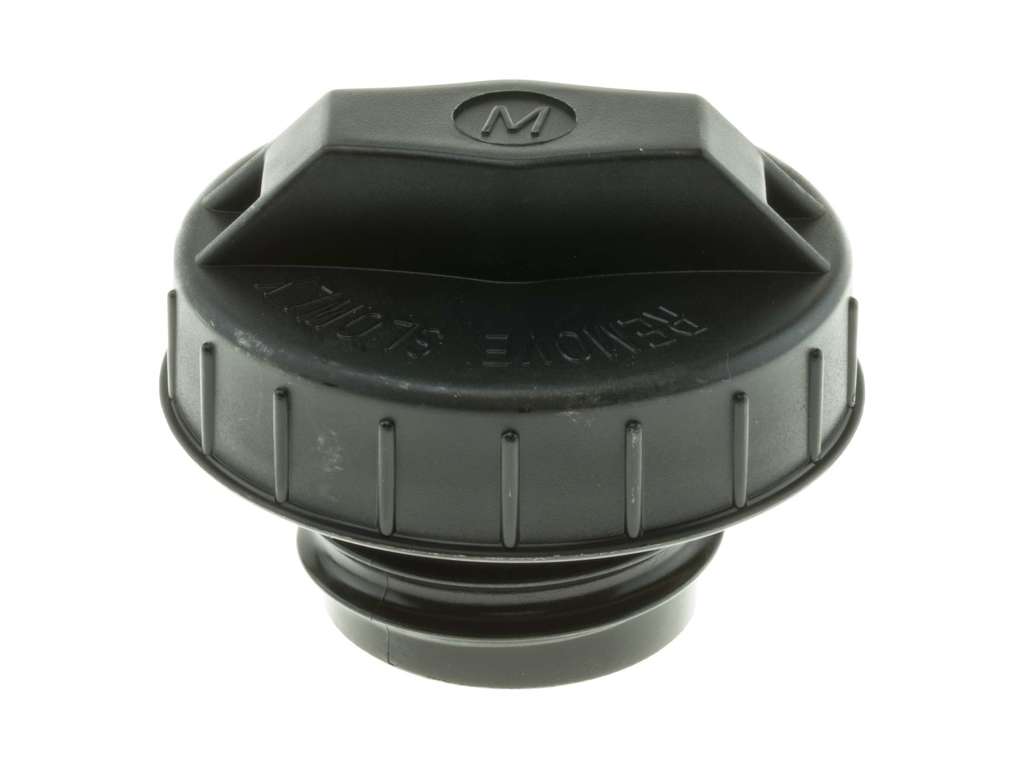
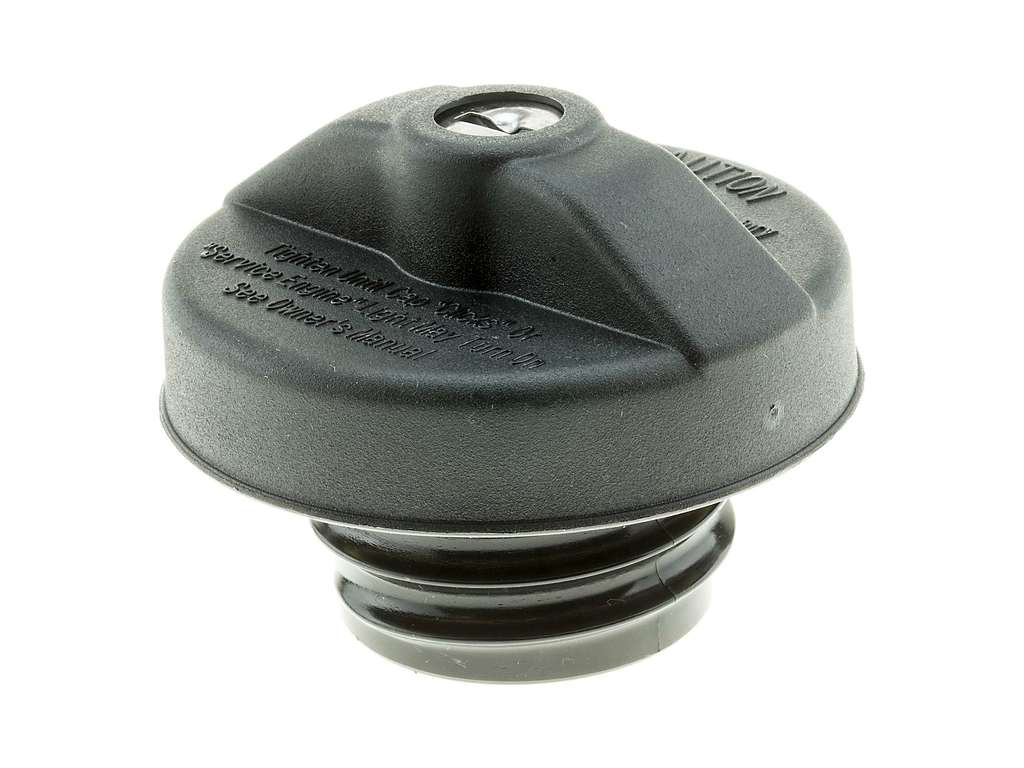
Aftermarket price range: $80-$150 - Fuel Cap — A worn gas cap seal is a common, inexpensive, and easy-to-replace part that can cause various EVAP system codes.
Trusted brands: Mazda OE, Stant
OEM price range: $25-$40
Aftermarket price range: $15-$25
Related Codes That Often Appear With This One
- P0452 —
- P0453 —
Technical Service Bulletins (TSBs) & Recalls
- 01-003-17: Check Engine Light on with DTC P0451 in cold weather due to a frozen canister vent hose. Applies to 2014-2016 Mazda3 and Mazda6.
Platform-Specific Known Issues
- TSB 01-003-17: A known issue where water can accumulate and freeze in the canister vent hose in cold weather, causing a restriction and triggering code P0451 on startup. The fix involves modifying the hose.
- NHTSA ODI #11680564: An owner reported the P0451 code appears specifically after filling the gas tank to the first click, suggesting a pressure sensor issue related to refueling events.
- Corroded Wiring Harness: A user on Reddit with a 2014 Mazda6 GT reported their P0451/P0452 codes were caused by a corroded wire harness to the canister/vent, likely due to road salt. The repair cost approximately $450 CAD at a shop.
Mechanic-Grade Diagnostic Values
- FTP Sensor Signal Voltage (Key On, Engine Off, Gas Cap Off) — expected: Approx. 2.6 V. Failure: Voltage is stuck high (near 5V) or low (near 0V), or does not match atmospheric pressure.
- FTP Sensor Signal Voltage (Live Data at Idle) — expected: Approx. 2.5V at 0 PSI. Failure: Erratic readings, or voltage that doesn't correspond to pressure changes (e.g., stuck at 0V or 5V).
- FTP Sensor Circuit - Ground Wire Resistance — expected: < 1 ohm. Failure: > 5 ohms indicates a poor ground connection.
- FTP Sensor Circuit - Power Wire Voltage — expected: 5V with ignition ON. Failure: 0V indicates a blown fuse or broken wire.
- FTP Sensor Response to Vacuum — expected: Voltage should decrease smoothly from ~2.5V as light vacuum is applied with a hand pump.. Failure: Voltage does not change, or changes erratically. Do not apply excessive vacuum; a drop to ~1.5V is sufficient for testing.
Scan Tool Commands That Help
- Mazda M-MDS (or equivalent professional scanner): EVAP System Leak Test / Purge/Vent Valve Activation — This function allows a technician to command the purge and vent solenoids to open or close. By sealing the system and then activating the purge valve, you can monitor the FTP sensor's live data to see if it responds correctly to the change in vacuum, helping to isolate a faulty sensor from a faulty valve.
Wiring & Ground Locations
- G3 — Left side of engine compartment.. A wiring diagram for a 2014 Mazda 6 indicates 'G3' as a ground point on the left side of the engine compartment. While not exclusively for the FTP sensor (which is at the rear), a poor engine bay ground can cause a variety of sensor and PCM issues. Verifying major ground points is a good step when diagnosing persistent electrical faults.
Real Owner Repair Stories
- Mazdas247 Forum User 'qck' (2011 Mazda CX-9) — Check Engine Light with code P0451.
❌ Tried (didn't work) Initial diagnosis was uncertain between gas cap and sensor.
✅ What actually fixed it The dealer found the fuel tank pressure sensor had been shorted out. The cause was attributed to an undercoating service performed a week prior, where the material likely contaminated the sensor's electrical connector. The fix was to replace the sensor. - KBB Q&A User 'Skymonkey' (Not specified, but symptoms match EVAP issue.) — Car flutters as if not getting gas after refueling; have to press the gas pedal to keep it from stalling.
✅ What actually fixed it The user reported that replacing the Purge Canister Valve (Purge Solenoid) resolved the issue of hard starting and unstable idle after filling the gas tank. This is a case where a faulty valve caused symptoms that could be mistaken for a pressure sensor range issue.
"I Checked Everything" — The Actual Cause
- The P0451 code is a 'Range/Performance' code, not a leak code like P0455/P0456. Therefore, a smoke test will often come back clean because there is no physical leak in the system. The problem is typically electrical: the sensor is providing irrational data, the wiring is compromised, or a blockage (like the frozen vent hose in TSB 01-003-17) is causing an unexpected pressure reading during the EVAP monitor self-test.
Model Year Variations Within This Range
- 2016: The 2016 Mazda6 received a significant interior and exterior refresh. This included a new dashboard design with the Mazda Connect infotainment system, an electronic parking brake, and a 'Sport' mode switch. Exterior changes included a revised grille, LED headlights, and different wheel finishes. However, the underlying powertrain and EVAP system components, including the FTP sensor and related parts, remained the same as the 2014-2015 models.
Helpful Videos
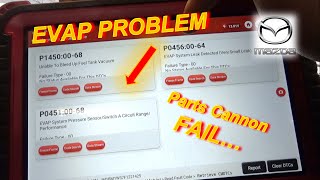
![How to Fix P0451 Engine Code in 3 Minutes [2 DIY Methods / Only $4.35]](https://img.youtube.com/vi/Kj7MQbCh4UA/mqdefault.jpg)

We Have This Part in Stock


The information in this article is provided for general reference and educational purposes only. Vehicle specifications, procedures, and part compatibility can vary by production date, trim level, and region. Always consult your vehicle's factory service manual and verify part numbers before purchasing or performing repairs. Safety-critical components such as airbags, seat belts, and braking systems should be installed by a qualified professional.
- Mazda MAZDA6:
- 🧭 Diagnostic Flowchart
- 🎬 Helpful Videos
- 🛍️ Shop This Part
- What's Unique About the 2014-2016 Mazda MAZDA6
- Symptoms You May Notice
- Most Likely Causes
- Rare But Worth Checking
- Diagnosis Steps
- Parts You'll Likely Need
- Related Codes That Often Appear With This One
- Technical Service Bulletins (TSBs) & Recalls
- Platform-Specific Known Issues
- Mechanic-Grade Diagnostic Values
- Scan Tool Commands That Help
- Wiring & Ground Locations
- Real Owner Repair Stories
- "I Checked Everything" — The Actual Cause
- Model Year Variations Within This Range
- 🎟️ Get 5% Off