

P0452 on 2007-2017 Jeep Patriot: EVAP Pressure Sensor Circuit Low Causes and Fixes
This code almost always points to a failed fuel tank pressure sensor or its wiring. The sensor is on top of the fuel tank, so replacement requires dropping the tank. Expect to pay $50-$175 for the part, with significant labor if done at a shop. Severe subframe rust on Patriots from salt-belt states can complicate this repair significantly.
- P0452 is an electrical code for the Fuel Tank Pressure sensor, not a system leak code.
- The most likely cause is a failed sensor, followed by a wiring issue.
- Do not waste time or money on a smoke test or replacing the gas cap for this specific code.
- The repair is moderately difficult for a DIYer because the fuel tank must be removed to access the sensor.
- Be prepared for complications from severe subframe rust, especially on vehicles from northern climates.
- The issue is consistent across all 2007-2017 Jeep Patriot models.
What's Unique About the 2007-2017 Jeep Patriot
For the Jeep Patriot, the P0452 code is a straightforward electrical issue. The fuel tank pressure sensor is a known failure point. Unlike EVAP leak codes (like P0456), this code directs diagnostics specifically toward the sensor and its electrical circuit. The most significant challenge on this vehicle is the sensor's location on top of the fuel tank, which makes replacement a labor-intensive job. A major vehicle-specific issue is that severe corrosion of the rear subframe, common in these vehicles, can make dropping the fuel tank much more difficult and costly if bolts are seized or the subframe itself needs replacement.
Generation note: The 2007-2017 Jeep Patriot is considered a single generation (MK74). A facelift in 2011 brought cosmetic changes, but the underlying Chrysler MK platform and EVAP system design remained consistent, so the causes and fixes for P0452 apply to all years in this range.
Symptoms You May Notice
- Check Engine Light is on
- Possible faint fuel smell near the rear of the vehicle
- Will cause a failed emissions inspection
- Slight decrease in fuel economy
- Replacing the gas cap. While a bad gas cap can cause other EVAP codes (like P0455 or P0457 for leaks), it is highly unlikely to cause a P0452 circuit-specific code.
- Performing a smoke test. A smoke test is used to find physical leaks in the EVAP system. P0452 is an electrical code, so a smoke test will almost always pass and will not help diagnose the root cause.
Most Likely Causes
- Faulty Fuel Tank Pressure (FTP) Sensor 🔴 High Probability → Shop Fuel Tank The sensor is a common failure item due to age and constant exposure to fuel vapors. Internal electronics can fail, causing the output voltage to drop below the specified threshold, triggering the code.
How to confirm: Using a scan tool, monitor the live data for the FTP sensor voltage. If the voltage is stuck at a very low reading (typically under 0.25 volts) and does not change when you open the gas cap, the sensor is likely bad. You can also test it by applying a very small amount of vacuum to the sensor and watching for a voltage change with a multimeter; if the voltage doesn't change, the sensor is faulty.
Typical fix: Replace the fuel tank pressure sensor. This requires dropping the fuel tank to access the top where the sensor is mounted.
Est. part cost: $50-$175 - Wiring or Connector Issue 🟡 Medium Probability The wiring harness running to the fuel tank is exposed to the elements under the vehicle, making it susceptible to corrosion, chafing, or damage from road debris. Wires can break or short to ground, causing a low voltage reading.
How to confirm: Visually inspect the wiring harness and connector leading to the FTP sensor for any signs of damage, corrosion, or loose pins. Use a multimeter to check for the 5V reference voltage and a good ground at the sensor connector. If power or ground is missing, trace the wiring back to find the break.
Typical fix: Repair the damaged section of wire or clean/replace the corroded connector. In some cases, a new connector pigtail may need to be spliced in.
Est. part cost: $5-$50 - Pinched or Blocked EVAP Vapor Line ⚪ Low Probability Vapor lines can be pinched during other repairs or become blocked over time, though this is less common than a sensor failure for a 'circuit low' code. A blockage could potentially create a vacuum that the sensor reads as a low voltage.
How to confirm: Visually inspect the EVAP lines running from the fuel tank to the charcoal canister and engine bay for any obvious kinks, pinches, or damage.
Typical fix: Repair or replace the damaged section of the EVAP line.
Est. part cost: $20-$100
Rare But Worth Checking
- Faulty Powertrain Control Module (PCM): This is very rare. The PCM should only be considered after all other possibilities, including the sensor and wiring, have been thoroughly tested and ruled out.
Diagnosis Steps
- Confirm the P0452 code is present using an OBD-II scanner.
- Check the gas cap to ensure it is tight and the seal is intact. While unlikely to be the cause, it is a simple first step.
- Use a scan tool to observe the live data from the Fuel Tank Pressure (FTP) sensor. Note the voltage reading. A reading below 0.25V with the key on, engine off is a strong indicator of a problem.
- With the vehicle off, remove the gas cap. The voltage reading should change slightly. If it remains static and low, this points towards a sensor or circuit issue.
- Raise the vehicle and locate the FTP sensor on top of the fuel tank. Visually inspect the electrical connector and wiring harness for any visible damage, corrosion, or loose connections. Pay close attention to areas where the harness may rub against the frame or subframe.
- If the wiring appears intact, disconnect the connector. Use a multimeter to verify a 5-volt reference signal and a good ground are present at the connector with the key on.
- If power and ground are good, the most likely cause is a failed FTP sensor.
- If power or ground is missing, consult a wiring diagram to trace the faulty circuit back to the PCM.
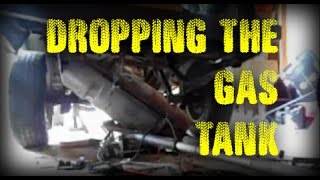
- Replacing the sensor requires safely siphoning and dropping the fuel tank. 🎬 See this walkthrough on how to safely drop the fuel tank Be aware of potentially rusted subframe bolts which can complicate the job significantly.
Parts You'll Likely Need
- Fuel Tank Pressure Sensor
(OEM #4593949AB)— This sensor is the most common failure point for a P0452 code, as its internal electronics fail over time, resulting in a low voltage signal.
Trusted brands: Mopar, Bosch, Duralast, Crown Automotive, Standard Motor Products
OEM price range: $125-$175
Aftermarket price range: $50-$100
Technical Service Bulletins (TSBs) & Recalls
- While no TSBs directly address P0452 on the Patriot, TSB 23-007-17 (superseded by X69 Warranty Extension) addresses the related issue of front and rear crossmember corrosion, which can complicate the P0452 repair by making fuel tank removal difficult.
Platform-Specific Known Issues
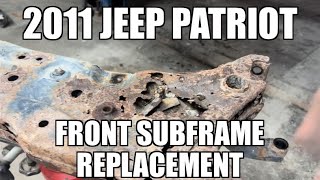
- Rear Subframe Corrosion: Many Patriots, especially those from the 'salt belt', suffer from severe rear subframe rust. This can make dropping the fuel tank to access the pressure sensor extremely difficult, as mounting bolts may be seized or the subframe itself may be structurally unsound, adding significant time and cost to the repair. 🎬 Watch: Dealing with severe subframe corrosion and replacement An extended warranty (X69) was issued for some years to cover crossmember replacement due to rust.
Mechanic-Grade Diagnostic Values
- FTP Sensor Signal Voltage (Key On, Engine Off) — expected: ~2.5 Volts (at atmospheric pressure, e.g., gas cap off). Failure: A reading below 0.22V indicates a low input fault and will trigger P0452.
- FTP Sensor Connector - 5V Reference — expected: 5.0 Volts. Failure: Significantly less than 5.0V points to a wiring issue or a fault in the PCM's 5V supply circuit.
- FTP Sensor Connector - Ground Circuit Resistance — expected: Less than 1.0 Ω to a known good ground. Failure: High resistance (e.g., > 1.0 Ω) indicates a poor ground connection, which can cause incorrect sensor readings.
Scan Tool Commands That Help
- wiTECH (or equivalent professional scanner): EVAP System Test / Active Test — This function allows a technician to command the purge and vent solenoids to operate while monitoring the FTP sensor voltage. For P0452, it can help confirm if the sensor voltage is truly stuck low and unresponsive to system pressure changes commanded by the test.
Wiring & Ground Locations
- G302 — Located in the left quarter trim panel area, inside the vehicle near the rear.. This is a primary ground point for several rear components. While not exclusively for the FTP sensor, a corroded or loose G302 can cause various electrical issues in the rear of the vehicle, potentially affecting the fuel pump module and sensor circuits that share grounding paths.
- Fuel Pump Module Connector — On top of the fuel tank, connecting the main vehicle harness to the fuel pump assembly (which includes the FTP sensor).. This is the most likely location for wiring issues. The connector is exposed to moisture and debris kicked up from the road. Corrosion on the 5V reference, ground, or signal pins within this connector is a common cause of P0452.
Real Owner Repair Stories
- jeeppatriot.com forum user (2014 Jeep Patriot) — P0452 code, Check Engine Light.
❌ Tried (didn't work) Initial diagnosis pointed to the FTP sensor.
✅ What actually fixed it The owner replaced the entire fuel pump assembly, which includes the integrated FTP sensor. The code did not return after the replacement, confirming the fault was within the fuel pump module on top of the tank.
OEM Part Supersession History
4593949AA, 4593949AB→68525698AA— Standard part consolidation and revision by Mopar.
Diagnostic Flowchart
Other Known Issues on This Vehicle
Issues unrelated to this code that are worth knowing about as an owner of this generation:
- Premature CVT Transmission Failure 🔴 High — Very common, especially on 2008-2015 models. Symptoms include whining, overheating warnings, and loss of acceleration. Failure can occur at various mileages. (Ref: No specific recall, but the subject of a class-action lawsuit (Jatco JF011E transmission).)
- Water Leaks into Cabin 🟠 Medium — Widespread across all model years. Commonly caused by clogged sunroof drains, but also from failed seals at the rear hatch or roof rails. Can lead to wet headliners, carpets, and electrical issues with dome lights.
- Front and Rear Subframe Corrosion 🔴 High — Extremely common on vehicles operated in salt-belt states. Subframes can rust to the point of structural failure. (Ref: Warranty Extension X69 (supersedes TSB 23-007-17) was issued for 2008-2012 models, extending coverage to 10 years for crossmember replacement.)
- Engine Stalling 🟠 Medium — Reported in multiple model years. Can be caused by several issues, including intermittent crankshaft/camshaft sensors (Recall S26 for 2016 models) or fuel delivery interruption (Recall M11 for 2012 models). (Ref: Multiple recalls (e.g., S26, M11, N17) address potential stalling issues for specific year ranges.)
Used vs. New Parts: Buying Guide for This Vehicle
When a used part is the smart pick: Due to the high labor cost of dropping the fuel tank, using a used part is generally not recommended. The risk of a premature failure of a used sensor or fuel pump module outweighs the part cost savings. If the repair must be done on a strict budget, a complete used fuel pump assembly from a low-mileage, late-model (e.g., 2015-2017) donor vehicle is a better bet than a standalone used sensor, as it also replaces the pump and level sender.
Donor-vehicle mileage cap: roughly under 60000 miles for the part to have meaningful remaining life.
What to inspect on the donor part:
- Verify the donor vehicle was not from a heavy salt-belt region to avoid corroded components.
- Inspect the electrical connector on the used assembly for any signs of green corrosion or bent pins.
- Ensure there are no cracks in the plastic housing of the fuel pump module, especially around the hose connections.
OEM-only on this vehicle (don't cheap out):
- While aftermarket sensors are available, the significant labor involved makes using a quality OEM Mopar part a safer investment to avoid repeat repairs.
Aftermarket brands forum-validated for this vehicle:
- Bosch
- Standard Motor Products (SMP)
- Crown Automotive
Brands owners have reported issues with on this vehicle:
- No-name, unbranded sensors from online marketplaces are a significant gamble due to the high labor cost of replacement.
Real Owner Stories
Aggregated from forums and TSBs cited above. Mileages and costs reflect what owners reported in those sources.
2014 Jeep Patriot — 109230 miles
Symptoms: Check Engine Light with code P0452 present.
What fixed it: Diagnosed a faulty purge valve, which was removed and replaced.
Source hint: Easy Rider Service Center
2012 Jeep Patriot
Symptoms: The Check Engine Light came on with a P0452 code.
What fixed it: Replacing the fuel tank pressure sensor resolved the issue. The repair was very difficult because the fuel tank had to be dropped and the subframe bolts were badly rusted.
Source hint: jeeppatriot.com
2010 Jeep Patriot
Symptoms: Check Engine Light for P0452. When inspecting underneath, noticed the rear subframe was extremely rusted.
What fixed it: The issue was a failed FTP sensor, but the repair was complicated by the severe subframe rust, which posed a significant challenge to dropping the fuel tank for access.
Source hint: Reddit: r/JeepPatriot and r/Justrolledintotheshop
Related OBD-II Codes
Frequently Asked Questions
My 2011 Patriot has code P0452 and the mechanic says the subframe is rusted out. Is this a known issue?
Does the Jeep Warranty Extension X69 cover the repair for code P0452?
What is the most likely part I need to fix P0452 on my Jeep Patriot?
How can I be sure it's the FTP sensor before I drop the fuel tank?
Is this P0452 code related to the common water leaks or CVT transmission problems on the Patriot?
I have a Dodge Caliber with P0452. Does this information apply to my car?
Helpful Videos
We Have This Part in Stock


The information in this article is provided for general reference and educational purposes only. Vehicle specifications, procedures, and part compatibility can vary by production date, trim level, and region. Always consult your vehicle's factory service manual and verify part numbers before purchasing or performing repairs. Safety-critical components such as airbags, seat belts, and braking systems should be installed by a qualified professional.
- Jeep Patriot:
- 🧭 Diagnostic Flowchart
- 🎬 Helpful Videos
- 🛍️ Shop This Part
- What's Unique About the 2007-2017 Jeep Patriot
- Symptoms You May Notice
- Most Likely Causes
- Rare But Worth Checking
- Diagnosis Steps
- Parts You'll Likely Need
- Technical Service Bulletins (TSBs) & Recalls
- Platform-Specific Known Issues
- Mechanic-Grade Diagnostic Values
- Scan Tool Commands That Help
- Wiring & Ground Locations
- Real Owner Repair Stories
- OEM Part Supersession History
- Other Known Issues on This Vehicle
- Used vs. New Parts: Buying Guide for This Vehicle
- Real Owner Stories
- 2014 Jeep Patriot — 109230 miles
- 2012 Jeep Patriot
- 2010 Jeep Patriot
- Related OBD-II Codes
- Frequently Asked Questions
- 🎟️ Get 5% Off