

P0452 on 2010-2015 Toyota Prius: EVAP Pressure Sensor Low Input Causes and Fixes
P0452 on a 2010-2015 Prius most often points to a faulty fuel tank pressure sensor or its wiring. The sensor is part of the emissions system and is often located on the charcoal canister or fuel pump assembly. Replacing the sensor is a common fix. This code specifically indicates a low voltage electrical fault, not a physical leak like a loose gas cap.
- P0452 specifically points to a low voltage electrical problem in the fuel tank pressure sensor circuit, not a physical leak in the EVAP system.
- The most likely cause is a failed fuel tank pressure sensor.
- Before replacing the sensor, always test for proper power (5V reference) and ground at the sensor's connector to rule out a simple wiring issue.
- Driving with this code is safe, but it will cause an automatic failure on an emissions test.
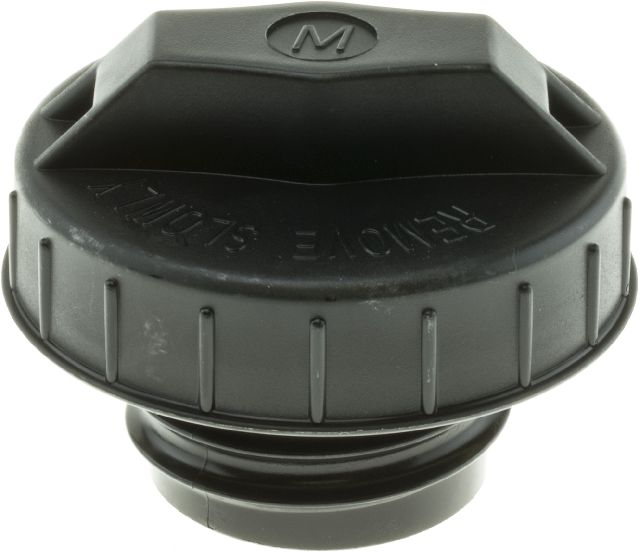
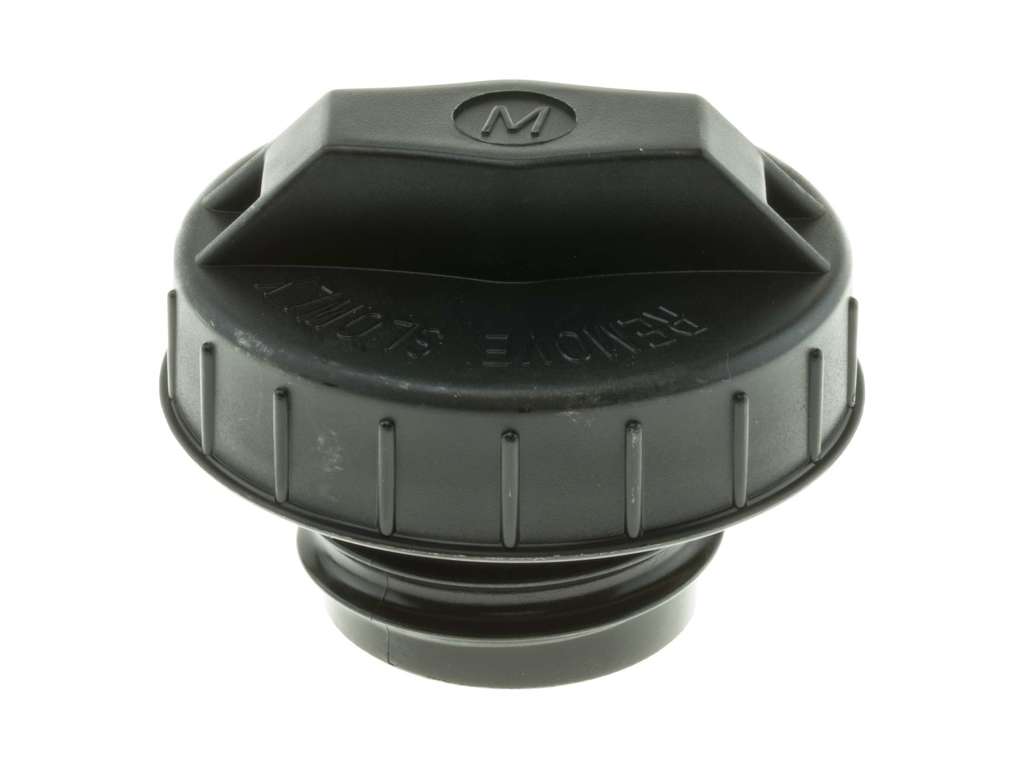
- Do not replace the gas cap to fix this specific code; it is almost never the cause.
What's Unique About the 2010-2015 Toyota Prius
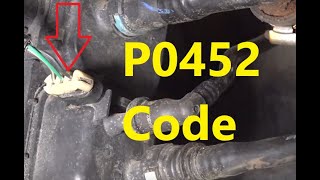
For the third-generation Prius (2010-2015), the fuel tank pressure sensor is a common point of discussion in owner forums. While the system is standard, accessing the sensor can be involved, as it is often located on top of the fuel tank or attached to the charcoal canister assembly at the rear of the vehicle. Unlike some EVAP codes that point to leaks (like a loose gas cap), P0452 specifically indicates an electrical circuit issue 🎬 Watch: Understanding P0452 causes and common fixes—a low voltage input—which directs diagnostics toward the sensor and its wiring rather than a physical leak in a hose.
Symptoms You May Notice
- Check Engine Light is on
- A faint smell of fuel near the gas tank area (rare)
- Inability to pass a state emissions (smog) test
- Difficulty refueling (fuel pump nozzle clicks off frequently) (rare)
- Replacing the gas cap. While a loose or faulty gas cap can cause many other EVAP codes (like P0455 or P0456), it is not a typical cause for P0452, which points to an electrical circuit fault, not a system leak.
Most Likely Causes
- Faulty Fuel Tank Pressure (FTP) Sensor 🔴 High Probability → Shop Fuel Tank Sensors can fail over time due to age, heat cycles, and exposure to fuel vapors. It is the primary component responsible for the signal the ECU is reporting as faulty.
How to confirm: Use a scan tool to monitor the FTP sensor voltage with the key on, engine off. It will likely read very low (close to 0 volts). You can also use a multimeter to test the sensor's reference voltage (should be ~5V), ground, and signal wire. A direct test with a vacuum gauge while observing the scan tool data can confirm 🎬 Watch: How to test and replace the EVAP pressure sensor if the sensor responds to pressure changes.
Typical fix: Replace the fuel tank pressure sensor. On the Gen 3 Prius, this sensor is often located on the charcoal canister assembly at the rear of the vehicle. The OEM part number is commonly cited as 89461-47010 or 89461-48020, though it's critical to verify with a VIN.
Est. part cost: $100-$225 - Wiring or Connector Issue 🟡 Medium Probability The wiring harness leading to the fuel tank area is exposed to the elements under the car, making it susceptible to corrosion, chafing, or damage from road debris. Rodents can also chew on the wires.
How to confirm: Visually inspect the wiring harness and connector for any signs of damage, corrosion, or loose pins. Check for continuity, a short to ground, or an open circuit on the signal, power, and ground wires between the sensor and the PCM using a multimeter and a wiring diagram.
Typical fix: Repair the damaged section of wire or replace the connector pigtail. Clean corroded contacts with electrical cleaner.
Est. part cost: $10-$50 - Faulty Charcoal Canister ⚪ Low Probability → Shop Vapor Canister On some Toyota models, including the Prius, the pressure sensor is integrated into the charcoal canister assembly. If the canister itself is damaged, saturated with fuel from overfilling the tank, or internally blocked, it can affect sensor readings or require replacement of the entire unit.
How to confirm: Inspect the canister for physical cracks or signs of being saturated with liquid fuel. This is often diagnosed after replacing the sensor doesn't resolve the code.
Typical fix: Replace the entire charcoal canister assembly.
Est. part cost: $250-$400
Rare But Worth Checking
- Powertrain Control Module (PCM) Fault: This is extremely rare. A PCM fault can cause it to misread a normal sensor voltage. Before suspecting the PCM, all other possibilities, including the sensor, wiring, and connections, must be exhaustively tested and ruled out.
Diagnosis Steps
- Use an OBD-II scanner to confirm P0452 is the only code present. Note any other EVAP codes, as they can provide clues.
- Check the gas cap to ensure it is tight and the seal is intact, although this is an unlikely cause.
- Using the live data function on a scan tool, observe the Fuel Tank Pressure sensor voltage reading. A reading near zero volts or a negative pressure value at rest points towards a sensor or circuit issue.
- Locate the fuel tank pressure sensor. It is typically on the charcoal canister or on top of the fuel pump module at the rear of the vehicle.
- Inspect the sensor's electrical connector and nearby wiring for any visible damage, corrosion, or loose connections.
- With the key on and engine off, use a multimeter to test the wiring at the sensor connector. You should find a 5-volt reference wire, a good ground wire, and a signal wire. If power or ground is missing, trace the wiring back to the PCM to find the open or short circuit.
- If power and ground are present, the issue is most likely the sensor itself. You can further test it by applying a small amount of vacuum and watching for a change in the signal voltage on your scan tool or multimeter.
- If the sensor and wiring test good, inspect the charcoal canister and associated vent/purge valves for blockages or damage, although this is less common for a P0452-only code.
Parts You'll Likely Need
- Fuel Tank Vapor Pressure Sensor
(OEM #89461-47010 or 89461-48020 (Verify with VIN))— This sensor is the most common failure point for a P0452 code, as it directly generates the voltage signal that the PCM is reporting as too low.
Trusted brands: Denso, Bosch, Standard Motor Products, Genuine Toyota
OEM price range: $180-$250
Aftermarket price range: $100-$175
Platform-Specific Known Issues
- Sensor Location: On the Gen 3 Prius, the fuel tank pressure sensor is most commonly located on the charcoal canister assembly, which is mounted near the fuel tank under the rear of the vehicle. Access requires safely lifting the vehicle.
Mechanic-Grade Diagnostic Values
- Fuel Tank Pressure (FTP) Sensor Voltage (Live Data) — expected: 1.3V - 2.5V with key on, engine off, and gas cap removed (at atmospheric pressure). The normal operating range is generally 0.5V to 4.5V.. Failure: The ECM will set code P0452 if the sensor voltage is less than 0.45V for 0.5 seconds. A reading stuck near 0V on a scan tool strongly indicates a short to ground or a failed sensor.
- FTP Sensor Reference Voltage (at sensor connector) — expected: Approximately 5V DC between the reference wire (VCC) and a known good ground, with the sensor unplugged and key on.. Failure: Significantly less than 5V indicates a problem with the wiring from the PCM or the PCM itself.
- FTP Sensor Ground Circuit Resistance (at sensor connector) — expected: Near 0 ohms between the ground wire and the chassis ground.. Failure: High resistance indicates a poor ground connection, which can cause incorrect sensor readings.
Hidden / Shadow Codes Worth Checking
- Mode $06, Test ID (TID) $81-$84: These Test IDs correspond to the EVAP system monitor results. While not a 'shadow code,' reviewing Mode $06 data with an advanced scan tool can show the raw test values from the last time the EVAP monitor ran, providing insight into system performance even before a code is set. (see via An OBD-II scan tool with Mode $06 functionality is required.)
Scan Tool Commands That Help
- Toyota Techstream: Utility -> Evaporative System Check — This is a dealer-level automated test that forces the EVAP monitor to run without waiting 🎬 Watch: Professional EVAP system diagnostic and testing tips for the typical 6-hour cold soak. It sequentially operates all EVAP valves and monitors the pressure sensor to provide a definitive pass/fail result, which is useful for verifying a repair.
- Toyota Techstream: Active Test -> Activate the VSV for CCV — This command manually operates the Canister Close Valve (Vent Valve). While not a direct test for P0452, it helps confirm other parts of the EVAP system are functioning correctly if the diagnosis becomes more complex.
- Toyota Techstream: Active Test -> Activate the VSV for Evap Control — This command manually opens and closes the purge valve in the engine bay. This is used to verify the purge valve's physical operation, ruling it out as a contributing factor.
Wiring & Ground Locations
- V7 Connector — The electrical connector on the charcoal canister assembly, which connects to the Fuel Tank Pressure sensor.. This is the primary connector to inspect for corrosion, damage, or loose pins. All voltage and resistance tests for the sensor circuit should be performed at this connector's pins.
- E7 Connector (Pin 30) — One of the main connectors at the Powertrain Control Module (PCM/ECM). Pin E7-30 (designated PPMP) is the specific terminal for the FTP sensor signal wire.. This is the termination point for the sensor's signal wire. Checking for continuity between V7 and E7-30 is necessary to rule out an open or shorted wire in the harness.
- BQ Ground Point — Located in the right rear of the vehicle, near the EVAP system components.. This is a likely grounding point for the EVAP system. A loose or corroded connection here can cause erratic sensor readings and trigger various EVAP codes, including P0452.
"I Checked Everything" — The Actual Cause
- A common point of confusion for P0452 is performing a smoke test and finding no leaks. This is expected behavior. The code P0452 does not indicate a physical leak in the EVAP system (like codes P0455 or P0456 do). Instead, it specifically flags a 'Low Input' from the pressure sensor's electrical circuit. A smoke test will almost always be clean. The actual cause is the one reported by the code: the sensor's voltage signal to the computer is abnormally low, pointing directly to a faulty sensor, a short in the signal wire, or a bad ground, not a physical hole in a hose.
OEM Part Supersession History
89461-47010→No supersession noted.— This part number remains active and is used on many Toyota models, including recent model years.89461-48020→No supersession noted.— This part number remains active and has been used across a wide range of Toyota vehicles for many years.
Model Year Variations Within This Range
- 2010-2015: No significant variations in the EVAP system, charcoal canister, or fuel tank pressure sensor have been identified within the 2010-2015 generation that would affect the diagnosis or repair of a P0452 code. While a facelift occurred in 2012 and engine piston rings were updated in 2014-2015, the relevant emissions components remained consistent.
Diagnostic Flowchart
Other Known Issues on This Vehicle
Issues unrelated to this code that are worth knowing about as an owner of this generation:
- Excessive Oil Consumption 🔴 High — Common in earlier models (2010-2014) especially over 100,000 miles, due to piston ring design. (Ref: TSB T-SB-0168-16 and T-SB-0169-16 detail the oil consumption test and repair procedure.)
- Brake Booster / Actuator Assembly Failure 🔴 High — A well-documented issue that can lead to a loss of braking assist. Failures can occur at various mileages. (Ref: Toyota issued a Customer Support Program (ZJB) extending warranty coverage for this issue, often related to DTCs C1391, C1252, C1256, or C1253. There have also been recalls for related components.)
- Inverter (IPM) Failure 🔴 High — Can cause the vehicle to lose power and enter a limp-home mode. Affects 2010-2014 models. (Ref: Toyota issued a Warranty Enhancement Program (ZE3) extending coverage for this failure.)
Used vs. New Parts: Buying Guide for This Vehicle
When a used part is the smart pick: A used Fuel Tank Pressure (FTP) sensor can be a cost-effective option if sourced from a reputable salvage yard with a clear return policy and from a low-mileage donor vehicle. Since it is a purely electronic component, it either works or it doesn't.
Donor-vehicle mileage cap: roughly under 80000 miles for the part to have meaningful remaining life.
What to inspect on the donor part:
- Check for a donor vehicle with no signs of major rear-end collision damage.
- Inspect the sensor's plastic housing for any cracks or brittleness.
- Ensure the electrical connector pins are clean, straight, and free of corrosion.
- If possible, get the sensor from a vehicle that did not have any check engine lights or emissions-related codes.
OEM-only on this vehicle (don't cheap out):
- Gas Cap: Aftermarket gas caps are a frequent cause of EVAP leak codes and may not seal correctly on the Prius fuel filler neck. Always use a genuine OEM Toyota gas cap if replacement is needed for other codes.
- Charcoal Canister Assembly: It is risky to buy this assembly used. It can be internally saturated with liquid fuel from the previous owner 'topping off' the tank, a condition that is impossible to see externally and can cause repeat sensor failures or other EVAP codes.
Aftermarket brands forum-validated for this vehicle:
- Denso: Denso is the original equipment manufacturer (OEM) for many of Toyota's electronic components, including sensors. A Denso-branded sensor is often identical to the genuine Toyota part but at a lower cost.
Brands owners have reported issues with on this vehicle:
- Avoid no-name, generic brands from online marketplaces. While cheaper, they have a higher failure rate and may not have the same response curve as the OEM sensor, potentially causing issues even if they clear the code initially.
Real Owner Stories
Aggregated from forums and TSBs cited above. Mileages and costs reflect what owners reported in those sources.
2010-2015 Toyota Prius
Symptoms: Check Engine Light on; confirmed P0452 was the only code present.
What fixed it: Tested for 5V reference and ground at the sensor and found them present; successfully resolved the code by replacing the fuel tank pressure sensor located on the charcoal canister.
Source hint: PriusChat.com: Numerous threads on this forum discuss P0452
2010-2015 Toyota Prius
Symptoms: Check Engine Light active with P0452 code.
What fixed it: Inspected the wiring harness for rodent damage before replacing parts, as the harness is exposed to the elements and pests under the car.
Source hint: Reddit.com/r/prius: Discussions echo the PriusChat findings
Related OBD-II Codes
Frequently Asked Questions
Where is the Fuel Tank Pressure (FTP) sensor located on my Gen 3 Prius?
Can I use an aftermarket sensor to fix P0452, or should I stick with OEM?
Is it safe to buy a used charcoal canister to resolve this code?
Does the Prius oil consumption TSB relate to the P0452 code?
Could a loose gas cap be causing my P0452 code?
What voltage should I see when testing the FTP sensor wiring?
Helpful Videos


We Have This Part in Stock


The information in this article is provided for general reference and educational purposes only. Vehicle specifications, procedures, and part compatibility can vary by production date, trim level, and region. Always consult your vehicle's factory service manual and verify part numbers before purchasing or performing repairs. Safety-critical components such as airbags, seat belts, and braking systems should be installed by a qualified professional.
- Toyota Prius:
- 🧭 Diagnostic Flowchart
- 🎬 Helpful Videos
- 🛍️ Shop This Part
- What's Unique About the 2010-2015 Toyota Prius
- Symptoms You May Notice
- Most Likely Causes
- Rare But Worth Checking
- Diagnosis Steps
- Parts You'll Likely Need
- Platform-Specific Known Issues
- Mechanic-Grade Diagnostic Values
- Hidden / Shadow Codes Worth Checking
- Scan Tool Commands That Help
- Wiring & Ground Locations
- "I Checked Everything" — The Actual Cause
- OEM Part Supersession History
- Model Year Variations Within This Range
- Other Known Issues on This Vehicle
- Used vs. New Parts: Buying Guide for This Vehicle
- Real Owner Stories
- 2010-2015 Toyota Prius
- 2010-2015 Toyota Prius
- Related OBD-II Codes
- Frequently Asked Questions
- 🎟️ Get 5% Off