

P0452 on 2016-2018 Toyota RAV4 Hybrid: EVAP Pressure Sensor Low Input Fixes
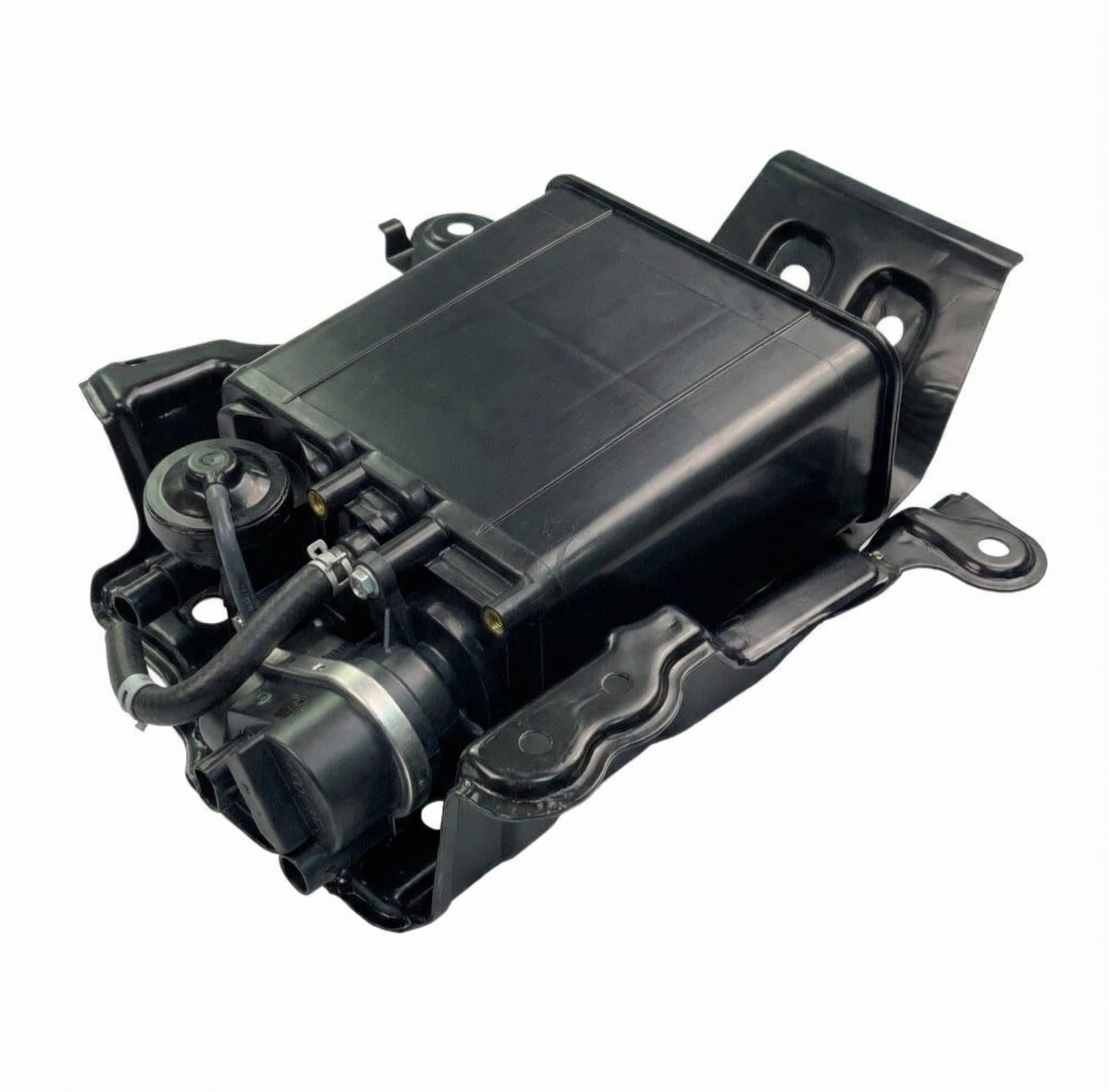
This code indicates a low voltage signal from the EVAP system pressure sensor. The most common cause is a faulty sensor, which on this RAV4 Hybrid is part of the charcoal canister assembly. Expect to replace the entire canister assembly, as the sensor is often integrated.
- P0452 specifically indicates an electrical problem (low voltage) in the EVAP pressure sensor circuit, not a system leak.
- The most likely culprit on a 2016-2018 RAV4 Hybrid is a failed pressure sensor.
- On this vehicle, the sensor is part of the complete charcoal canister assembly and is not sold separately.
- Before replacing the expensive canister assembly, always verify the wiring has the correct 5-volt reference and ground at the sensor connector to rule out a simple wiring fault.
- While checking the gas cap is good practice, it is an extremely unlikely cause for this specific electrical circuit code.
What's Unique About the 2016-2018 Toyota RAV4 Hybrid
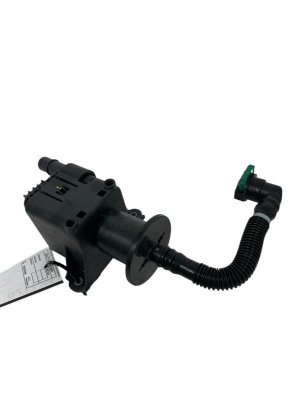
On many modern Toyotas, including the 2016-2018 RAV4 Hybrid, the EVAP pressure sensor is not sold as a separate component. Instead, it is integrated into a larger unit called the canister pump module, which is attached to the charcoal canister. This design means that a simple sensor failure often requires the replacement of the entire charcoal canister assembly, making the repair more expensive than on vehicles where the sensor can be replaced individually.
Symptoms You May Notice
- Check Engine Light is on
- Inability to pass an emissions test
- A slight decrease in fuel economy (rare)
- A faint fuel smell (very rare, and more commonly associated with leak codes)
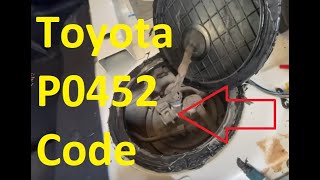
- Replacing other EVAP components like the purge solenoid or vent valve. The P0452 code specifically points to an electrical circuit issue with the pressure sensor 🎬 Watch: Causes and fixes for the Toyota P0452 code (low voltage input), not the mechanical function of other valves or a physical leak in the system.
Most Likely Causes
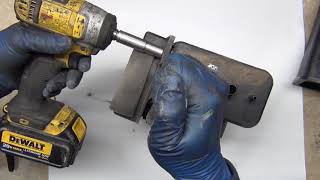
- Faulty EVAP Pressure Sensor (Integrated in Charcoal Canister) 🔴 High Probability The sensor is integrated into the charcoal canister assembly, a common failure point for this code. The entire assembly must be replaced. 🎬 See this step-by-step evap canister replacement walkthrough Some owners have reported needing to replace this canister multiple times, suggesting potential issues with the part itself or underlying wiring problems causing repeat failures.
How to confirm: Using a scan tool, observe the live data for the EVAP pressure sensor. The voltage will likely be stuck at a very low reading (e.g., under 0.5 volts, with some sources specifying below 0.1V) regardless of actual tank pressure. A normal reading with the gas cap off should be around 1.3V - 2.5V. You can also use a multimeter to check for the correct 5-volt reference and ground at the sensor connector. If power and ground are present, the sensor is faulty.
Typical fix: Replace the entire charcoal canister assembly, which includes the integrated pressure sensor and pump module.
Est. part cost: $300-$500 - Wiring or Connector Issue 🟡 Medium Probability The charcoal canister assembly is located underneath the rear of the vehicle, exposing the wiring harness and connector to road debris, moisture, and potential corrosion, which can lead to a short to ground or an open circuit.
How to confirm: Visually inspect the wiring harness and connector going to the canister pump module for any signs of damage, corrosion, or loose pins. Use a multimeter to test for continuity and check for a short to ground on the signal wire between the sensor and the ECM. A Toyota service document for P0452 specifies checking for a short to ground on the power supply wire as well.
Typical fix: Repair the damaged section of wiring or clean/replace the connector.
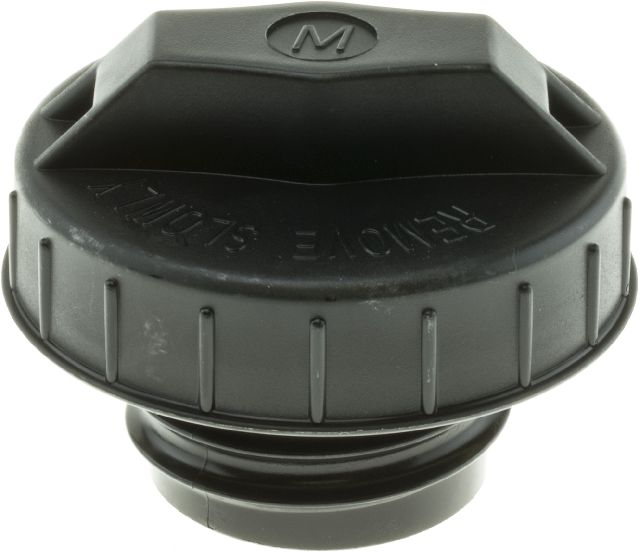
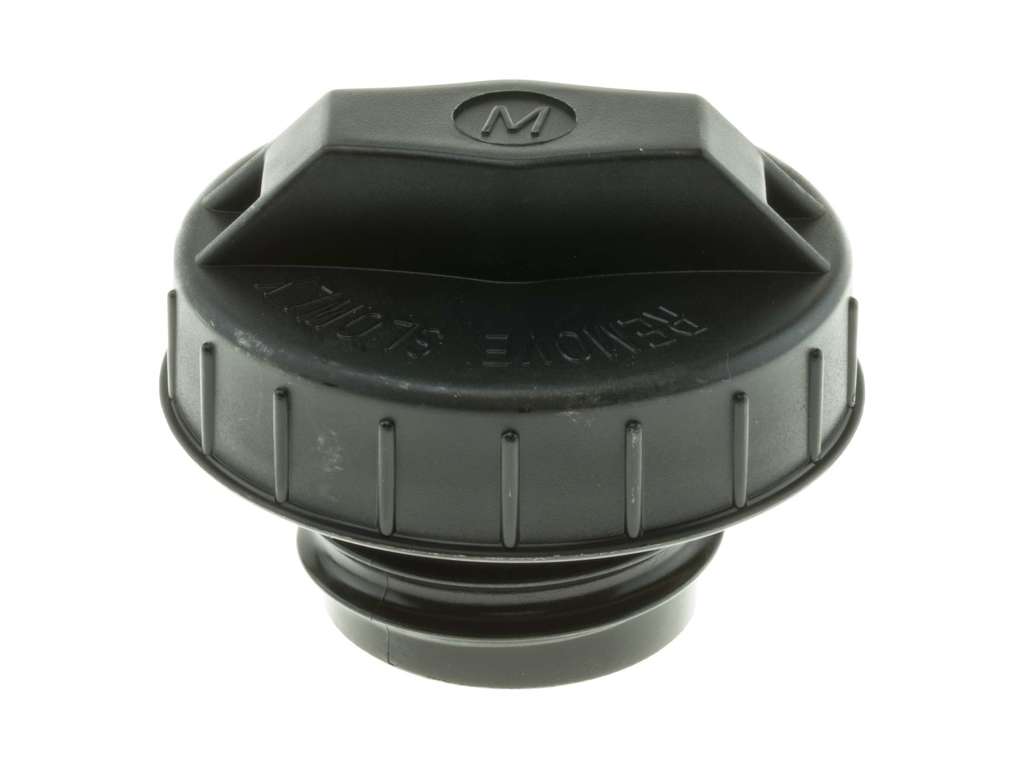
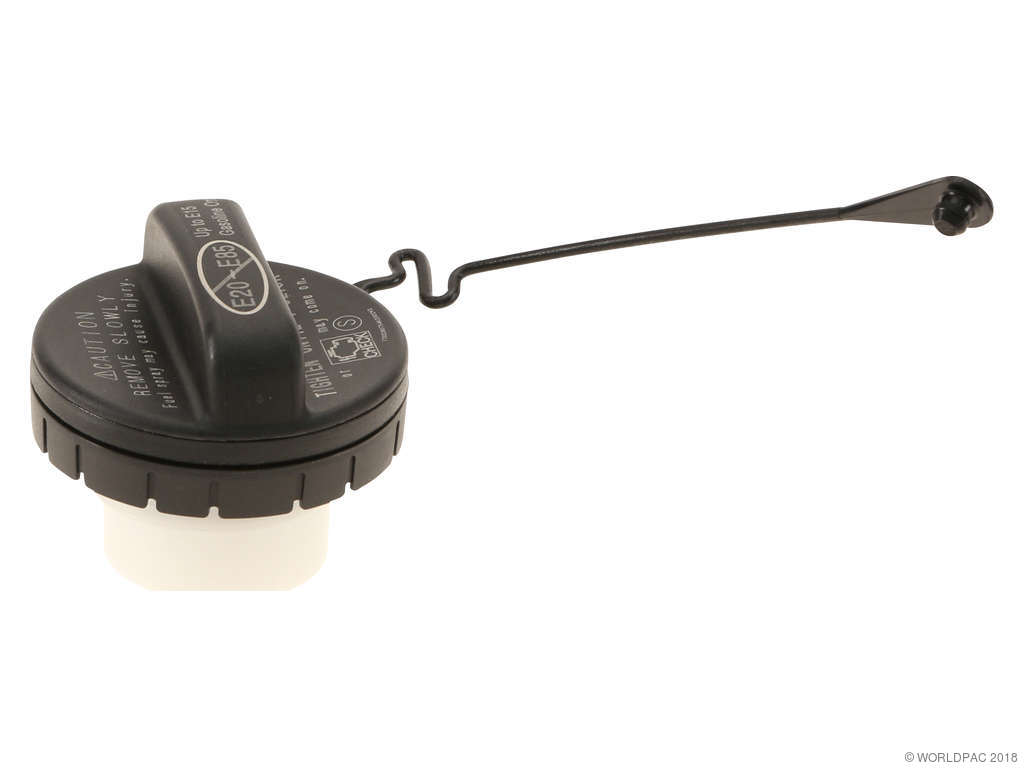
Est. part cost: $5-$50 - Loose or Faulty Gas Cap ⚪ Low Probability → Shop Fuel Tank Cap
How to confirm: While a loose gas cap typically causes large leak codes (like P0455), it's a simple first check. Ensure the cap is tight and the seal is not cracked or worn. Clear the code and see if it returns. This code is specifically for a circuit fault, making the gas cap an unlikely cause.
Typical fix: Tighten or replace the gas cap.
Est. part cost: $20-$60
Rare But Worth Checking
- Faulty Engine Control Module (ECM): This is extremely rare. The ECM should only be considered after all other possibilities, including the sensor and wiring, have been exhaustively tested and ruled out.
Diagnosis Steps
- Read the Code: Use an OBD-II scanner to confirm P0452 is the only code present. Note the freeze frame data to understand the conditions when the code was set.
- Inspect the Gas Cap: Check that the gas cap is tight and the O-ring seal is in good condition. While unlikely to cause P0452, it's a basic first step.
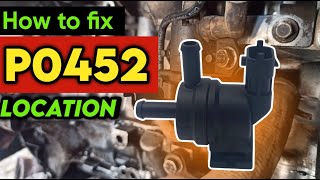
- Check Live Data: Use a scan tool to monitor the live data from the EVAP pressure sensor (sometimes labeled Fuel Tank Pressure). With the key on and engine off, the voltage reading should be stable. A reading that is stuck very low (e.g., below 0.5V) points towards a sensor or circuit fault. According to Toyota's diagnostic chart, a pressure reading of -2.65kPa or less indicates a fault. 🎬 Watch: Understanding fuel tank pressure sensor circuit low voltage
- Inspect Wiring: Locate the charcoal canister assembly (under the rear of the vehicle, near the fuel tank). Visually inspect the electrical connector and wiring harness for any damage, corrosion, chafing, or loose connections.
- Test the Circuit: Disconnect the sensor and use a multimeter to test the connector. You should find a 5-volt reference wire, a ground wire, and a signal wire. If the 5V reference or ground is missing, there is a wiring issue between the ECM and the sensor. If power and ground are good, check the signal wire for a short to ground.
- Confirm the Sensor: If the wiring provides proper power and ground and there are no shorts, the fault is almost certainly the sensor itself. Since the sensor is integrated into the canister assembly on this vehicle, the entire assembly will need to be replaced.
Parts You'll Likely Need
- Charcoal Canister Assembly
(OEM #77740-42100, 77740-42110, 77740-42120)— This assembly contains the integrated EVAP pressure sensor, which is the most common failure point for a P0452 code on this vehicle. Part numbers may have been superseded; 77740-42110 is listed for Japan-built models from 01/2016. Always verify the correct part number with a VIN.
Trusted brands: Toyota (Genuine OEM)
OEM price range: $320-$510
Aftermarket price range: Not commonly available - Fuel Tank Cap
(OEM #77300-52040)— A faulty gas cap seal is a less common but possible cause for general EVAP issues. It's an inexpensive first step before more complex diagnostics, though less likely for this specific circuit code.
Trusted brands: Toyota (Genuine OEM), Stant
OEM price range: $30-$50
Aftermarket price range: $15-$30
Platform-Specific Known Issues
- Repeated Canister Failures: A user on Reddit with a 2017 RAV4 reported having the charcoal canister replaced twice by a dealership for the same recurring check engine light, indicating that either the replacement parts are also prone to failure or an underlying wiring issue was missed during the initial diagnosis.
Mechanic-Grade Diagnostic Values
- EVAP Pressure Sensor Voltage (Key On, Engine Off, Gas Cap Off) — expected: 1.3V - 2.5V. Failure: A voltage reading stuck below 0.5V, often as low as 0.1V-0.2V.
- EVAP Pressure Sensor 5V Reference at Connector — expected: ~5.0 Volts. Failure: Missing or significantly low voltage, indicating a wiring or ECM fault.
- EVAP Pressure Sensor Ground Circuit Resistance — expected: Near 0 Ohms to chassis ground. Failure: High resistance (open circuit) on the ground wire.
Scan Tool Commands That Help
- Toyota Techstream: Active Test: EVAP System Check — This is an automated test that commands all EVAP solenoids and the leak detection pump to run through a diagnostic sequence. It can help verify the functionality of the entire system after a repair or narrow down a fault if the cause is not immediately obvious.
- Toyota Techstream: Data List > EVAP Pressure — To monitor the live voltage or pressure reading from the sensor. For P0452, you would use this to confirm the sensor signal is stuck at an abnormally low voltage, which is the primary indicator of this specific code.
Wiring & Ground Locations
- Vapor Canister Connector — On the charcoal canister assembly, which is located underneath the rear of the vehicle, near the fuel tank.. This is the primary electrical connection for the integrated pressure sensor. It is exposed to road debris and moisture, making it a critical point to inspect for corrosion, damage, or loose pins that could cause the low voltage signal of P0452.
- Chassis Ground Points (Rear) — While specific ground point designators (e.g., 'GXXX') require a factory wiring diagram, the ground wire from the canister harness will bolt to the vehicle's chassis or subframe in the vicinity of the canister assembly.. A corroded or loose ground connection can create high resistance in the sensor's circuit, leading to an incorrect low voltage reading at the ECM and triggering a P0452 code even if the sensor itself is functional.
Real Owner Repair Stories
- Blazer Forum (similar P0452 issue) (2nd Gen S-Series Blazer) — Persistent P0452 Check Engine Light after multiple part replacements.
❌ Tried (didn't work) Replaced gas cap, Replaced fuel tank pressure sensor, Replaced purge solenoid, Replaced vacuum solenoid, Replaced EVAP canister
✅ What actually fixed it The wiring harness loom had not been properly secured after a previous fuel pump replacement, allowing it to rub against the driveshaft. This eventually wore through the loom and three wires, causing a short. Repairing the damaged wires by splicing in new sections and properly securing the harness resolved the code.
OEM Part Supersession History
77740-42100→77740-42110, 77740-42120— Standard part evolution and updates by the manufacturer.
Heads up: Always verify the correct part number using the vehicle's VIN. While the parts may look identical, there could be minor internal differences. Using an incorrect part number for the vehicle's build location (e.g., Japan vs. North America) could lead to compatibility issues.
Diagnostic Flowchart
Other Known Issues on This Vehicle
Issues unrelated to this code that are worth knowing about as an owner of this generation:
- Transmission Shudder/Vibration 🟠 Medium — Some owners report a shudder or vibration under light throttle between 25-50 mph. This was more pronounced on earlier non-hybrid models of this generation, but some hybrid owners have noted hesitation. (Ref: T-SB-0004-18 (for 2018 non-hybrid, but describes similar symptoms))
- Infotainment System Glitches 🟡 Low — Owners report issues with the infotainment system freezing, rebooting, or being unresponsive. Software updates from the dealer can sometimes resolve these issues.
Used vs. New Parts: Buying Guide for This Vehicle
When a used part is the smart pick: A used charcoal canister assembly is generally not recommended for this repair. The primary failure is the integrated electronic pressure sensor, which is a wear item. A used part carries a high risk of having the same fault or a short remaining lifespan. The cost savings are often not worth the risk of having to perform the labor twice.
Donor-vehicle mileage cap: roughly under 40000 miles for the part to have meaningful remaining life.
What to inspect on the donor part:
- Verify the part number on the used unit exactly matches the required OEM number for your VIN.
- Inspect the plastic housing for any cracks, stress marks, or signs of physical damage.
- Check the electrical connector pins for any corrosion, moisture, or damage.
- If possible, ask for the mileage of the donor vehicle; lower mileage is always preferable.
OEM-only on this vehicle (don't cheap out):
- Charcoal Canister Assembly
Aftermarket brands forum-validated for this vehicle:
- No well-documented, reliable aftermarket alternatives exist for the complete canister assembly with the integrated sensor for this specific vehicle. Genuine Toyota OEM is the recommended choice.
Brands owners have reported issues with on this vehicle:
- Unknown or unbranded parts from online marketplaces should be avoided due to the high likelihood of premature failure or incorrect sensor calibration.
Real Owner Stories
Aggregated from forums and TSBs cited above. Mileages and costs reflect what owners reported in those sources.
2017 Toyota RAV4
Symptoms: Check engine light came on; the owner experienced a recurring light even after initial repairs.
What fixed it: The charcoal canister was replaced twice by the dealership to resolve the recurring issue.
Source hint: Reddit user u/SnooDoughnuts2310 in r/Toyota thread 'Check engine light, replaced charcoal canister 2x'
Related OBD-II Codes
Frequently Asked Questions
Can I just replace the EVAP pressure sensor on my 2017 RAV4 Hybrid to fix P0452?
Is there a TSB for the P0452 code on my 2018 RAV4 Hybrid?
What voltage should I see from the EVAP pressure sensor on a healthy RAV4 Hybrid?
Why does the charcoal canister fail so often on the 2016-2018 RAV4 models?
Should I buy a used charcoal canister to save money on this repair?
Could a loose gas cap be the cause of P0452 on my Toyota?
Helpful Videos
Used OEM Parts in Stock
New Aftermarket Parts Available


The information in this article is provided for general reference and educational purposes only. Vehicle specifications, procedures, and part compatibility can vary by production date, trim level, and region. Always consult your vehicle's factory service manual and verify part numbers before purchasing or performing repairs. Safety-critical components such as airbags, seat belts, and braking systems should be installed by a qualified professional.
- Toyota RAV4 Hybrid:
- 🧭 Diagnostic Flowchart
- 🎬 Helpful Videos
- 🛍️ Shop This Part
- What's Unique About the 2016-2018 Toyota RAV4 Hybrid
- Symptoms You May Notice
- Most Likely Causes
- Rare But Worth Checking
- Diagnosis Steps
- Parts You'll Likely Need
- Platform-Specific Known Issues
- Mechanic-Grade Diagnostic Values
- Scan Tool Commands That Help
- Wiring & Ground Locations
- Real Owner Repair Stories
- OEM Part Supersession History
- Other Known Issues on This Vehicle
- Used vs. New Parts: Buying Guide for This Vehicle
- Real Owner Stories
- 2017 Toyota RAV4
- Related OBD-II Codes
- Frequently Asked Questions
- 🎟️ Get 5% Off