

P0455 on 2001-2006 Acura MDX: EVAP Large Leak Causes and Fixes
For a 2001-2006 Acura MDX, a P0455 code is most often caused by a loose or faulty gas cap. Always use a genuine OEM Acura cap for replacement, as aftermarket versions are known to cause issues. If a new cap doesn't fix it, the next most likely causes are a faulty EVAP canister vent solenoid (under the car) or a stuck-open EVAP purge valve (in the engine bay). A new OEM gas cap costs about $25-$40.
- Always check the gas cap first for a P0455 code. Ensure it's tight and the seal is not cracked. An OEM cap is recommended.
- If the gas cap is not the issue, the problem is most likely a faulty EVAP purge valve (in the engine bay) or vent solenoid (near the gas tank).
- This code will not affect your MDX's drivability but will cause it to fail an emissions test.
- A smoke test is the most efficient way to find the leak if it is not obvious from a visual inspection of the cap and hoses.
What's Unique About the 2001-2006 Acura MDX
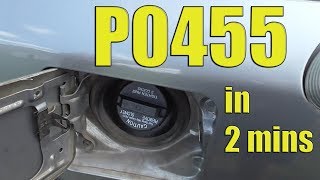
The 2001-2006 Acura MDX (first generation, YD1) has a straightforward EVAP system without the more complex capless fuel fillers found on later models. Unlike newer Acuras which have specific TSBs for filler neck leaks, the first-generation MDX's P0455 issues are more traditional. Owner experiences on forums like Acurazine and MDXers.org consistently confirm the diagnostic process is traditional, starting with the gas cap and moving to common components like the purge and vent valves. The most frequent advice in owner forums is to use a genuine Acura gas cap, as aftermarket caps can sometimes fail to seal properly, making them a common source of misdiagnosis. 🎬 Watch: Understanding common causes and fixes for the P0455 code A key issue for this platform is the location of the EVAP canister and its valves under the car, where they are exposed to road salt and moisture, leading to heavy rust on components like the canister vent solenoid and its mounting screws, often complicating repairs.
Symptoms You May Notice
- Check Engine Light is on
- A noticeable smell of gasoline, especially around the rear of the vehicle or after refueling.
- The gas cap feels loose, doesn't click when tightened, or the click feels weak.
- Difficulty starting or a rough idle immediately after refueling (this specifically points to a stuck-open EVAP purge valve). 🎬 See this simple walkthrough for replacing the purge valve
- Difficulty refueling (the pump clicks off before the tank is full), which can point to a faulty or stuck-closed vent valve.
- Replacing the charcoal canister when the actual problem is a much cheaper and simpler faulty vent solenoid attached to it.
- Replacing the fuel tank pressure sensor without first performing a smoke test to confirm there is no actual leak.
- Using an aftermarket gas cap which fails to seal properly, leading to a recurring P0455 code and unnecessary further diagnosis.
Most Likely Causes
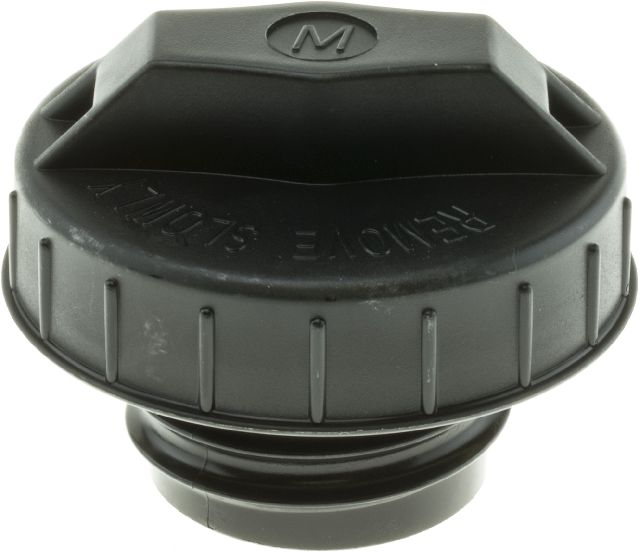
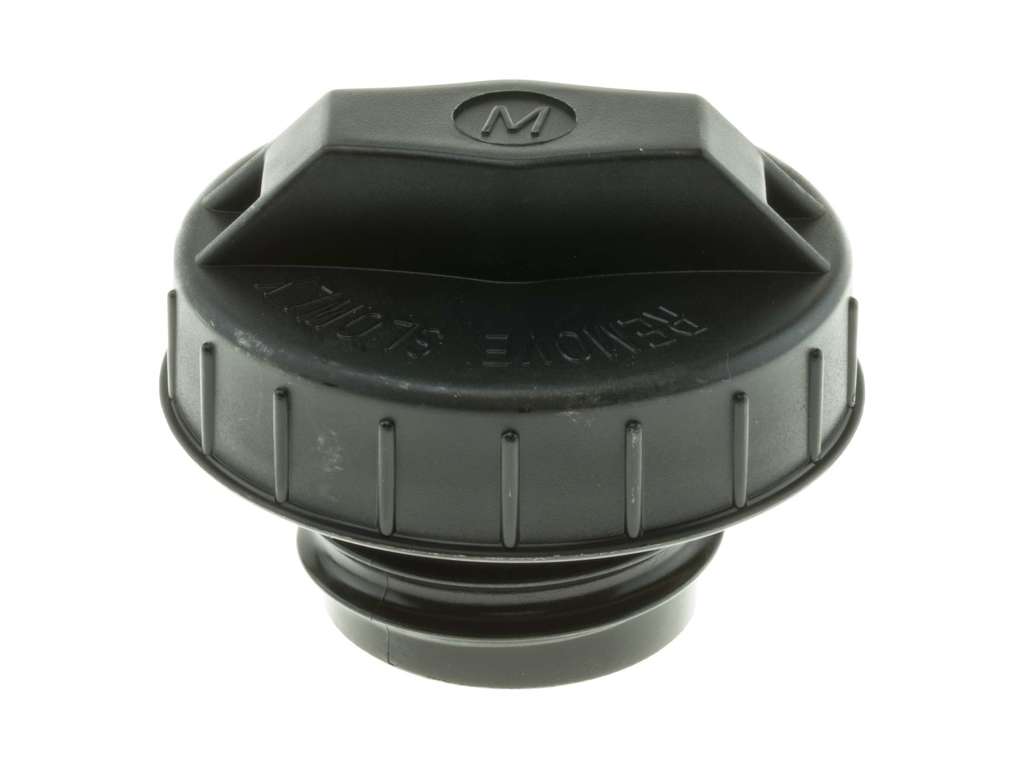
- Loose, Damaged, or Incorrect Gas Cap 🔴 High Probability → Shop Fuel Tank Cap The gas cap is the most frequently handled part of the EVAP system, and its rubber seal degrades over time, leading to an improper seal. This is the most common cause for P0455 on any vehicle, and Honda/Acura vehicles are particularly sensitive to non-OEM caps. Manufacturer TSB Bulletin #Service Bulletin notes that the MIL comes on with DTC P0455 because the fuel fill cap may be loose or have a stickiness to it.
How to confirm: Ensure the cap is tightened until it clicks at least three times. Inspect the rubber gasket on the cap for any cracks, stiffness, or deformities. If the light returns after clearing the code, the cap is likely faulty. Many forum users report that only a genuine Acura cap will solve the problem.
Typical fix: Replace the gas cap with a new, genuine OEM Acura part (Part No. 17670-S3V-A01).
Est. part cost: $25-$40 - Faulty EVAP Canister Purge Valve 🟡 Medium Probability → Shop Vapor Canister This solenoid valve, located in the engine bay, can get stuck open due to carbon buildup or age, creating a constant vacuum leak within the EVAP system.
How to confirm: Locate the valve in the engine bay. Disconnect the electrical connector and hoses. Try to blow through it. If air passes through, it is stuck open and needs to be replaced. A stuck-open purge valve often causes a rough idle or stalling right after filling the gas tank.
Typical fix: Replace the EVAP canister purge valve. The part number for many J-series V6 engines of this era is 36162-RDM-A01, which was later superseded by 36162-RDV-J01.
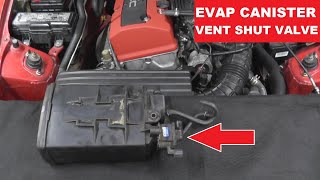
Est. part cost: $80-$120 - Faulty EVAP Vent Solenoid/Valve 🟡 Medium Probability → Shop Vapor Canister This valve is located near the charcoal canister under the rear of the vehicle. It is normally open and must close to seal the system for testing. Its location exposes it to road debris, salt, and moisture, which can cause it to fail or get stuck open. This is a very common failure point on platform-mates like the Honda Odyssey and Pilot, often triggering the related P1457 code.
How to confirm: The valve can be tested by applying 12V power to its terminals; it should click and close. A smoke test is the most effective way to confirm a leak, as smoke will pour out of a stuck-open vent valve. Be prepared for heavily rusted mounting screws.
Typical fix: Replace the EVAP vent solenoid. It is often sold with the charcoal canister but can sometimes be replaced separately. The associated two-way valve part number is often 17371-S84-A01, and the vent solenoid itself is often 17310-S0X-A02.
Est. part cost: $70-$120 - Cracked or Disconnected EVAP Hoses ⚪ Low Probability Over time, the rubber hoses in the EVAP system can become brittle from heat and age, leading to cracks, especially at connection points to the canister, purge valve, and filler neck.
How to confirm: Visually inspect all accessible EVAP lines, from the engine bay to the charcoal canister in the rear. A smoke test is the most effective method to find a leak in a hose that is not easily visible.
Typical fix: Replace the cracked section of hose or reconnect the loose line.
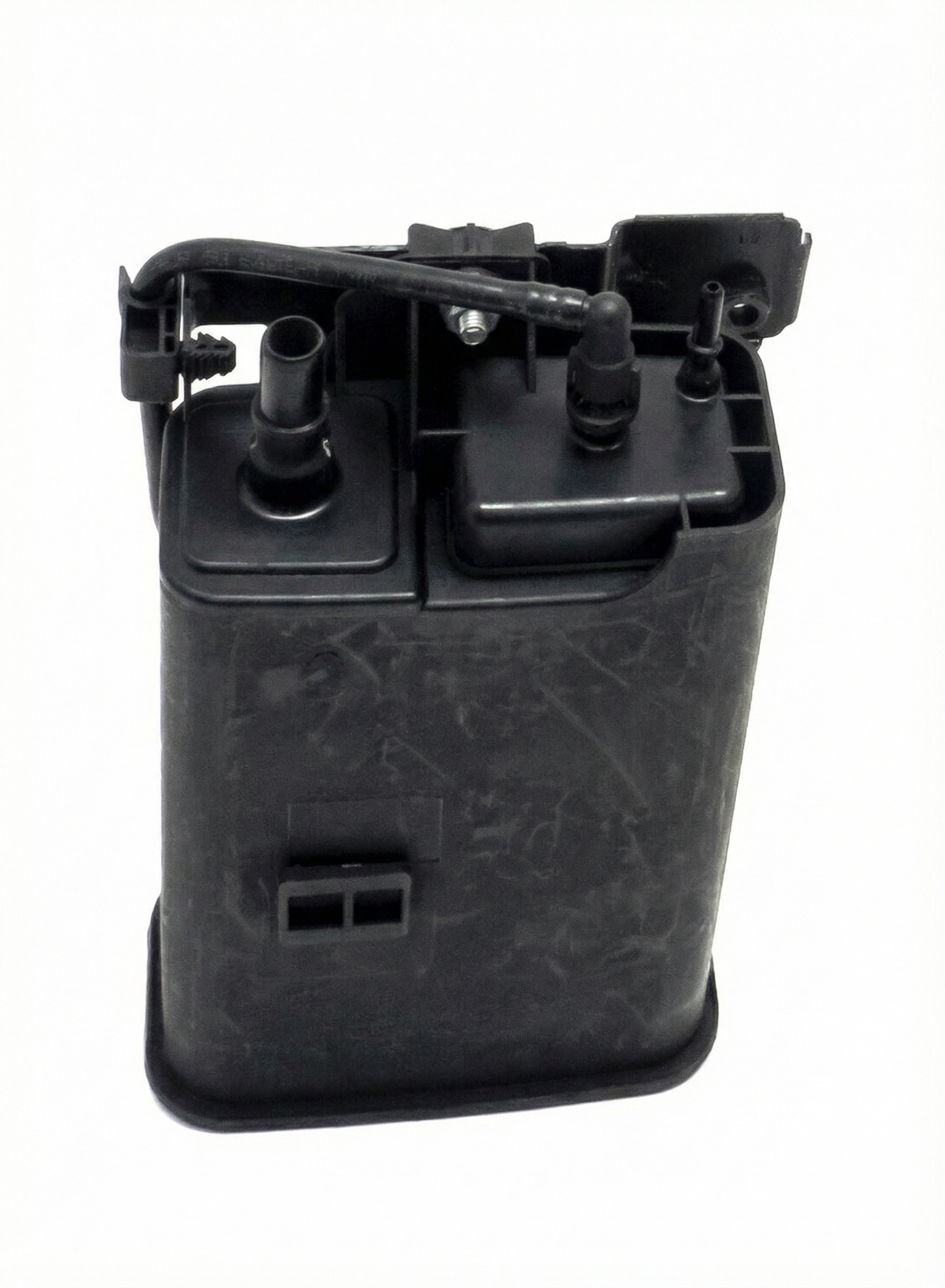
Est. part cost: $10-$50 - Cracked EVAP Charcoal Canister ⚪ Low Probability → Shop Vapor Canister The plastic housing of the canister, located under the vehicle near the fuel tank, can be cracked by road debris or become brittle with age. This is a common failure point on platform-mate Honda Pilots as well.
How to confirm: A visual inspection may reveal a crack, but a smoke test is the definitive way to confirm a leak from the canister body itself. The leak is often from a crack near a mounting tab or hose connection.
Typical fix: Replace the entire charcoal canister assembly. The part number for 2001-2002 models is 17011-S84-A00. Later models may use a different part.
Est. part cost: $200-$300
Rare But Worth Checking
- Rusted or Damaged Fuel Filler Neck: → Shop Fuel Filler Neck The metal pipe leading to the gas tank can rust and develop holes, creating a large leak. This is more common in regions where road salt is used. A smoke test will quickly reveal a leak from the filler neck. Manufacturer TSB Bulletin #BTS170202 advises that if there is an EVAP system leak from the filler neck causing DTC P0455, technicians should replace the mis-installed or damaged component rather than the entire fuel fill pipe.
- Faulty Fuel Tank Pressure (FTP) Sensor: → Shop Fuel Tank While uncommon for causing a P0455, a faulty FTP sensor can send incorrect readings to the PCM, tricking it into thinking there is a large leak when there isn't one. This will typically be accompanied by other FTP-specific codes (e.g., P0451, P0452, P0453).
Diagnosis Steps
- Check the Gas Cap: This is the first and easiest step. Remove the gas cap, inspect the seal for cracks or damage, and reinstall it, making sure it clicks several times. Clear the code. If it returns, purchase a new OEM Acura gas cap (17670-S3V-A01) before proceeding.
- Visual Inspection: If the code returns, visually inspect the easily accessible EVAP hoses in the engine bay for obvious cracks, disconnections, or signs of dry rot. Check the lines running to and from the purge valve.
- Test the Purge Valve: Locate the EVAP purge valve in the engine bay. Disconnect it and try to blow through it. If air passes, it's stuck open and needs to be replaced. Watch for rough idle after refueling as a key symptom.
- Inspect Under the Vehicle: Safely raise the vehicle and inspect the charcoal canister, vent solenoid, and connecting hoses near the fuel tank for any visible damage, rust, or cracks. The canister is a black plastic box. Pay close attention to the vent solenoid and its mounting screws, which are prone to severe rust.
- Perform a Smoke Test: If the leak isn't obvious, the most effective diagnostic step is a smoke test. A mechanic will introduce pressurized, non-flammable smoke into the EVAP system via a service port. The smoke will exit from the point of the leak, making it easy to pinpoint whether it's a hose, valve, canister, or the fuel filler neck. 🎬 Watch: How to find an EVAP leak using a smoke tester This is the definitive way to find leaks that are not visually apparent.
Parts You'll Likely Need
- Fuel Filler Cap
(OEM #17670-S3V-A01)— This is the most common failure point, causing a P0455 code. The seal wears out over time, and aftermarket caps are notoriously unreliable on Honda/Acura vehicles.
Trusted brands: Acura (OEM)
OEM price range: $25-$40
Aftermarket price range: $15-$30 - EVAP Canister Purge Valve
(OEM #36162-RDM-A01)— This valve can get stuck open, causing a large leak. It's a common failure point after the gas cap. Superseded by 36162-RDV-J01.
Trusted brands: Acura (OEM), Denso, Standard Motor Products (SMP)
OEM price range: $80-$120
Aftermarket price range: $40-$80 - EVAP Canister Vent Solenoid / Two-Way Valve
(OEM #17371-S84-A01)— Located under the car, this valve is prone to failure from corrosion and debris, causing it to stick open. It's crucial for sealing the system during the self-test. Often associated with code P1457.
Trusted brands: Acura (OEM), Dorman, Bosch
OEM price range: $100-$150
Aftermarket price range: $60-$100 - EVAP Charcoal Canister
(OEM #17011-S3V-A00)— The canister itself can crack from road debris or age. It's typically replaced only if a smoke test confirms a leak from the canister body itself.
Trusted brands: Acura (OEM)
OEM price range: $200-$300
Aftermarket price range: $150-$250
Related Codes That Often Appear With This One
- P0442 — This code indicates a small EVAP leak. Sometimes a deteriorating component, like a gas cap seal, can cause intermittent large and small leak codes before failing completely.
- P1457 — This is a Honda/Acura-specific code for a leak in the EVAP canister system area. If you see this with P0455, it strongly points to a problem with the canister, vent solenoid, or the two-way bypass valve, rather than the gas cap or filler neck. A TSB (03-001) was issued for this code due to corroded EVAP bypass solenoid valves.
Platform-Specific Known Issues
- Owner Experience: Gas Cap is the First Fix: → Shop Fuel Tank Cap Multiple threads on Acurazine and other Honda forums confirm that the first step owners take, and what often solves the P0455 code, is replacing the gas cap with a new OEM one. A user on Acurazine with a 2004 MDX was immediately advised to check for other leaks after the gas cap didn't solve the issue, showing this is the established first step.
- Owner Experience: Rusted Filler Neck: In salt-belt states, owners have reported the fuel filler neck rusting through, causing a large EVAP leak and a P0455 code. This is often discovered during a smoke test when smoke billows out from the area around the rear wheel well where the filler neck is located.
Mechanic-Grade Diagnostic Values
- Fuel Tank Pressure (FTP) Sensor Signal Voltage — expected: Approximately 1.3V - 1.7V with key on, engine off (atmospheric pressure). Voltage should decrease as vacuum is applied.. Failure: Voltage stuck near 0V or 5V, or does not change when pressure/vacuum is applied.
- FTP Sensor Reference Voltage — expected: A steady 5.0 volts on the reference wire (often Gray) to ground (often Black) with the key on, connector unplugged.. Failure: No voltage or significantly lower voltage indicates a wiring problem or a fault in the PCM's 5V reference circuit.
- EVAP Purge/Vent Solenoid Coil Resistance — expected: Typically between 15 and 30 ohms, but checking the service manual for the specific part is recommended.. Failure: A reading of infinity (Open Loop) or near zero ohms (short) indicates a failed solenoid coil.
Hidden / Shadow Codes Worth Checking
- Mode 6, Monitor ID $3A, Test ID $BA: This specific test monitors the time it takes for the fuel tank pressure to equalize with atmospheric pressure after the engine is off. A failure here directly relates to the large leak detected by P0455. (see via A professional scan tool capable of displaying OBD-II Mode 6 data.)
Scan Tool Commands That Help
- Honda Diagnostic System (HDS) or equivalent professional scan tool: EVAP System Function Test — This is a guided, automated test that commands the various EVAP solenoids (purge, vent) to open and close in sequence while monitoring the FTP sensor. It's used to verify the function of individual components and confirm the system can hold a vacuum after a repair.
- Professional bidirectional scan tool: EVAP Purge Valve On/Off — To manually command the purge valve open and closed to check for a response. With the engine running, commanding it open should cause a change in engine RPM or fuel trims. With the engine off, you should hear it click.
- Professional bidirectional scan tool: EVAP Vent Valve On/Off — To manually command the normally-open vent valve to close. This is essential before performing a smoke test to seal the system. If smoke pours out of the vent with it commanded closed, the valve is faulty.
Wiring & Ground Locations
- G301 — At the left rear of the engine compartment.. This is a primary engine compartment ground. A poor connection here could potentially affect the operation of the engine-bay-mounted EVAP Purge Valve.
- G601 — Located under the floor, below the left front seat.. This is a major body ground point in the general vicinity of the EVAP canister assembly. Corrosion or a loose connection here could cause intermittent electrical issues for the canister-mounted vent solenoid and bypass valve.
- EVAP Component Connectors — The EVAP Purge Valve connector is in the engine bay. The EVAP Vent Solenoid and other canister-side valve connectors are under the vehicle, in front of the driver's side rear wheel.. The 2-pin connectors for the solenoids should have battery voltage (~12V) on one pin with the key on. The other pin is ground-controlled by the PCM. Lack of voltage could indicate a blown fuse or wiring issue.
Real Owner Repair Stories
- Acurazine Forum User (2000 Acura TL (similar EVAP system)) — Check Engine Light with code P1457 (canister side leak).
❌ Tried (didn't work) Initial diagnosis pointed to multiple possible valve failures.
✅ What actually fixed it The user performed a smoke test which revealed a leak from the top of the EVAP bypass solenoid valve (#6 in the diagram). They decided to replace the charcoal canister (#5), the bypass solenoid valve (#6), and the canister vent shut valve (#8) all at once to prevent future issues, which resolved the code.
OEM Part Supersession History
36162-RDM-A01→36162-RDV-J01— Part consolidation and potential design revision by the manufacturer.
Heads up: The new part number is a direct replacement for the original.17310-S84-A01 / 17310-S84-A02→17310-S0X-A02— Part consolidation and design revision for the EVAP Canister Vent Solenoid.
Heads up: 17310-S0X-A02 is the correct direct replacement for the earlier versions.
Model Year Variations Within This Range
- 2001-2002 vs 2003-2006: The 2003 model year introduced a major refresh with a more powerful engine (J35A5 vs J35A3), drive-by-wire throttle, and styling changes. However, the core EVAP system components related to P0455 and P1457, such as the canister, purge valve, and vent solenoid, remained functionally identical across the 2001-2006 range.
Diagnostic Flowchart
Other Known Issues on This Vehicle
Issues unrelated to this code that are worth knowing about as an owner of this generation:
- Automatic Transmission Failure 🔴 High — Very common on 2001-2003 models, often failing between 100,000 and 130,000 miles. Less frequent but still a concern on 2004-2006 models. Symptoms include gear slippage, shuddering, and eventual total failure. (Ref: Numerous unofficial reports and owner complaints, but no all-encompassing recall for all years. A class-action lawsuit was filed for related Honda transmissions.)
- Failing Engine Mounts 🟠 Medium — The hydraulic engine mounts, particularly the front and side mounts, are prone to cracking and leaking fluid, typically after 80,000-120,000 miles. This results in excessive engine vibration felt in the cabin, especially at idle or when in gear.
- Torque Converter Shudder 🟠 Medium — Common in models from 2003-2007, drivers report a distinct shudder or vibration when driving at steady speeds between 25-50 mph, often described as driving over rumble strips. This is often a torque converter issue that can lead to transmission damage if ignored.
- EGR Valve Clogging 🟡 Low — The EGR (Exhaust Gas Recirculation) valve and passages can become clogged with carbon, leading to rough idling, hesitation, and triggering EGR-specific trouble codes (e.g., P0401). This is a common maintenance item on higher-mileage J-series engines.
Used vs. New Parts: Buying Guide for This Vehicle
When a used part is the smart pick: A used charcoal canister assembly from a junkyard can be a cost-effective option, especially if the failure is a cracked housing on your original part. It's best to source one from a vehicle in a dry, salt-free region to minimize the risk of rusted valves.
Donor-vehicle mileage cap: roughly under 120000 miles for the part to have meaningful remaining life.
What to inspect on the donor part:
- Inspect the plastic canister body for any cracks, especially around mounting tabs and hose ports.
- Check the mounting screws on the attached solenoids (vent valve, bypass valve) for excessive rust. If they are heavily corroded, they will be extremely difficult to remove if you need to replace just one valve later.
- Look for a donor vehicle from a southern or western state to avoid parts exposed to road salt.
OEM-only on this vehicle (don't cheap out):
- Fuel Filler Cap: Aftermarket caps are a well-documented cause of recurring P0455 codes on Honda/Acura vehicles due to improper sealing. Always buy a genuine OEM Acura cap.
- Sensors (e.g., Fuel Tank Pressure Sensor): While some aftermarket brands are reliable, the cost savings are often minimal compared to the risk of incorrect readings. OEM is the safest bet.
Aftermarket brands forum-validated for this vehicle:
- Denso (often the Original Equipment Manufacturer for Honda/Acura)
- Standard Motor Products (SMP)
- Bosch
Brands owners have reported issues with on this vehicle:
- No-name, unbranded parts from online marketplaces, especially for critical sealing components like the gas cap or electronic parts like the purge valve.
Real Owner Stories
Aggregated from forums and TSBs cited above. Mileages and costs reflect what owners reported in those sources.
2004 Acura MDX 3.5L V6
Symptoms: The owner replaced the gas cap but the P0455 code persisted, leading to advice to check for other leaks in the system.
What fixed it: The initial step was the gas cap, but the source indicates the diagnostic path then moved to checking for bad hoses.
Source hint: Acurazine.com thread titled 'p0455 for Acura MDX 2004'
2001-2006 Acura MDX 3.5L V6
Symptoms: A large EVAP leak and P0455 code, often discovered during a smoke test where smoke billows from the rear wheel well area.
What fixed it: Replacement of the fuel filler neck that had rusted through.
Source hint: vehicle_specific_issues: Owner Experience: Rusted Filler Neck
Related OBD-II Codes
Frequently Asked Questions
Which specific gas cap should I buy for my 2001-2006 Acura MDX to fix a P0455 code?
I just refilled my MDX and now it's idling roughly and hard to start. Is this related to P0455?
Why does the gas pump keep clicking off when I try to fill up my MDX?
Where is the EVAP vent solenoid located on the 2001-2006 MDX?
Is the charcoal canister a common failure point on the MDX platform?
How can I tell if my P0455 code is caused by the purge valve in the engine bay?
Helpful Videos
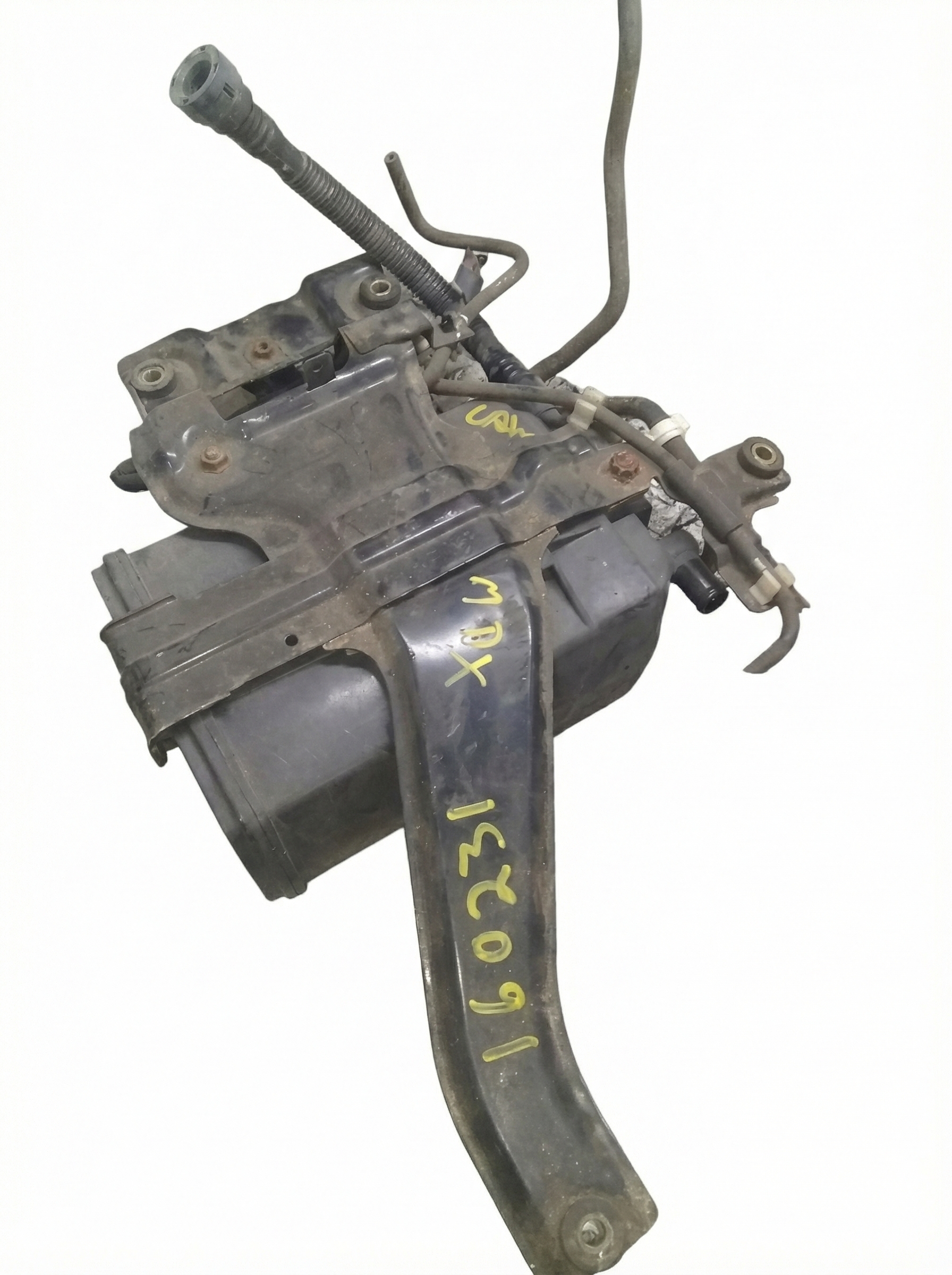
Used OEM Parts in Stock
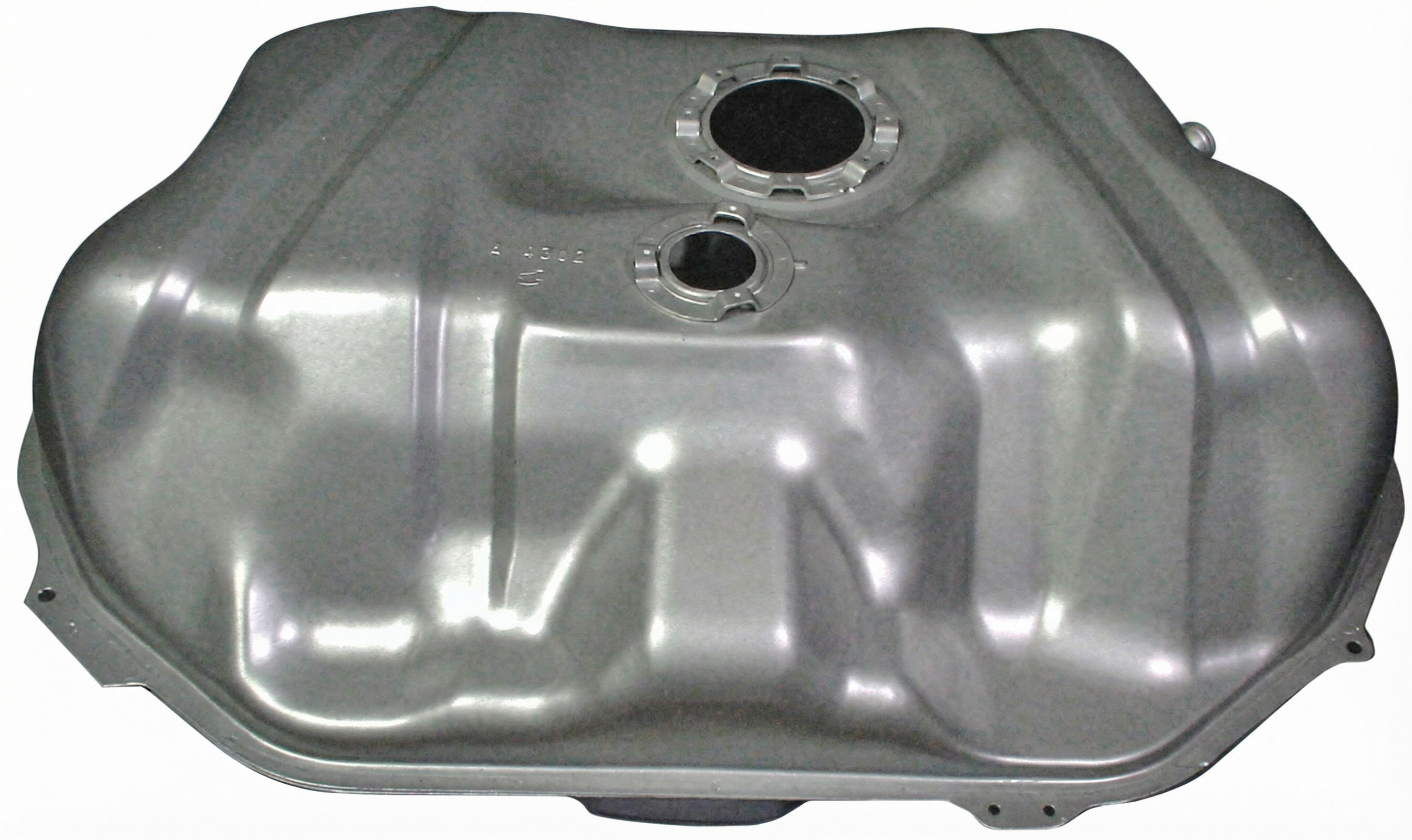
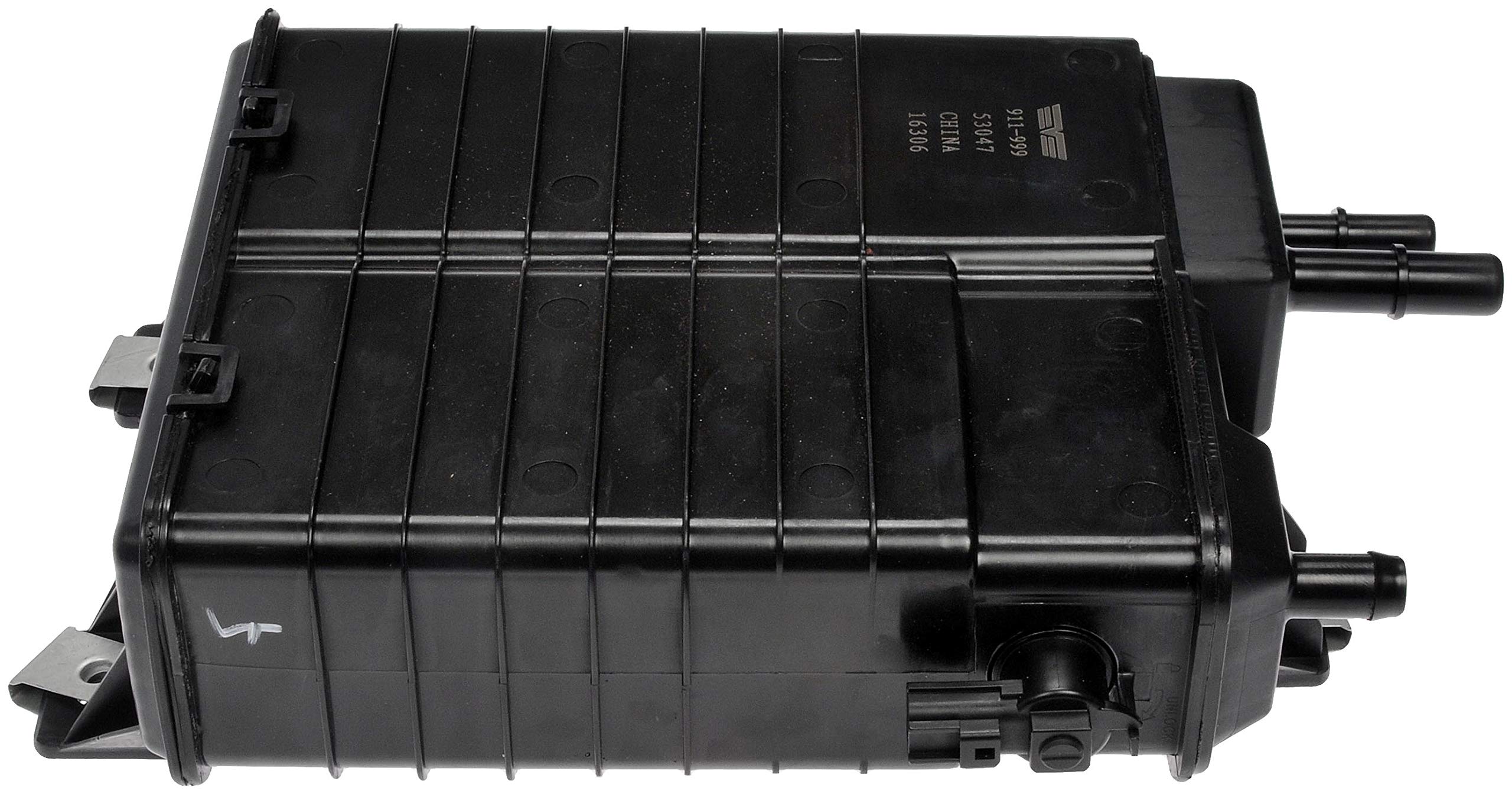
New Aftermarket Parts Available


The information in this article is provided for general reference and educational purposes only. Vehicle specifications, procedures, and part compatibility can vary by production date, trim level, and region. Always consult your vehicle's factory service manual and verify part numbers before purchasing or performing repairs. Safety-critical components such as airbags, seat belts, and braking systems should be installed by a qualified professional.
- Acura MDX:
- 🧭 Diagnostic Flowchart
- 🎬 Helpful Videos
- 🛍️ Shop This Part
- What's Unique About the 2001-2006 Acura MDX
- Symptoms You May Notice
- Most Likely Causes
- Rare But Worth Checking
- Diagnosis Steps
- Parts You'll Likely Need
- Related Codes That Often Appear With This One
- Platform-Specific Known Issues
- Mechanic-Grade Diagnostic Values
- Hidden / Shadow Codes Worth Checking
- Scan Tool Commands That Help
- Wiring & Ground Locations
- Real Owner Repair Stories
- OEM Part Supersession History
- Model Year Variations Within This Range
- Other Known Issues on This Vehicle
- Used vs. New Parts: Buying Guide for This Vehicle
- Real Owner Stories
- 2004 Acura MDX 3.5L V6
- 2001-2006 Acura MDX 3.5L V6
- Related OBD-II Codes
- Frequently Asked Questions
- 🎟️ Get 5% Off