

P0455 on 2012-2017 Acura MDX: EVAP Large Leak Causes and Fixes
P0455 on a 2012-2017 Acura MDX indicates a large leak in the evaporative emissions system. The most common and cheapest fix is checking for a loose or faulty gas cap. Acura has also issued service bulletins for this exact issue, pointing to a faulty cap gasket (2012-13 models) or a problem with the 'mis-fuel inhibit device' at the fuel filler neck on later models (2017).
- Always check the gas cap first. Make sure it's tight and clicks. If it's old or the Check Engine Light returns, replace it. This is the cheapest and most likely fix.
- Acura has issued specific service bulletins (TSBs) for this code on your MDX, pointing to known issues with the gas cap and fuel filler neck.
- Do not let a mechanic replace the entire fuel filler pipe without first consulting TSB #BTS170202, which suggests a much cheaper repair is often possible.
- If the gas cap doesn't solve the issue, a smoke test is the most efficient way to find the leak, which could be a cracked hose or a faulty valve.
What's Unique About the 2012-2017 Acura MDX
The 2012-2017 Acura MDX, which spans two vehicle generations, is known to have specific weak points in its EVAP system that trigger the P0455 code. Acura has released Technical Service Bulletins (TSBs) that directly address these common failures. One TSB points to a faulty fuel fill cap gasket that creates too much friction, preventing a proper seal. Another identifies leaks at the fuel filler neck on capless models, providing a specific repair that avoids replacing the entire expensive fuel fill pipe. These manufacturer documents confirm that the gas cap and filler neck area are primary suspects on this vehicle.
Diagnostic Flowchart
Tap your situation to follow the diagnostic path that matches what you're seeing on this vehicle.
Generation note: This range covers the end of the second generation (2012-2013) and the start of the third generation (2014-2017). While the causes for P0455 are similar across both, specific part numbers for components like the fuel cap (2nd gen) and fuel filler neck assembly (3rd gen) will differ. Always verify the part number for your specific model year.
Symptoms You May Notice
- Check Engine Light is on
- A 'Tighten Fuel Cap' message appearing on the Multi-Information Display (MID), often before the Check Engine Light turns on.
- A faint to strong smell of gasoline, especially after refueling or when parked.
- A loose-feeling gas cap that doesn't click when tightened, or has a 'stick-slip' feeling (on 2012-2013 models).
- Difficulty starting or a rough, shaking idle immediately after refueling (this can point to a stuck-open purge valve).
- Replacing the entire fuel fill pipe. Acura TSB #BTS170202 specifically warns against this, stating that the leak is often from smaller, replaceable components at the top of the neck, saving significant cost.
Most Likely Causes
- Loose or Faulty Fuel Cap 🔴 High Probability → Shop Fuel Tank Cap Acura issued Technical Service Bulletin 14-006 for 2012-2013 MDX models, noting that the original black gasket on the fuel cap can create too much friction, causing a 'stick-slip' feeling and preventing a proper seal. This is the most common and easiest cause to check.
How to confirm: First, ensure the cap is tightened until it clicks at least once. If the light returns, inspect the cap's seal for cracks or damage. Per TSB 14-006, remove the cap and check the gasket color. If the gasket is black, it is the original problematic part and should be replaced. The updated part has a brown gasket.
Typical fix: Replace the fuel fill cap with the updated OEM part.
Est. part cost: $25-$45 - Fuel Filler Neck Leak (Capless System) 🟡 Medium Probability → Shop Fuel Filler Neck Acura TSB #BTS170202 specifically calls out leaks from the filler neck area on 2017 MDX models with the capless system. The bulletin advises against replacing the entire fuel fill pipe. Another TSB (18-007) notes that the shutter mechanism can freeze in cold weather, which indicates a potential entry point for moisture and debris that could compromise the seal over time.
How to confirm: A visual inspection may reveal rust or damage around the filler neck where you insert the gas nozzle. The most accurate way to confirm this leak is with a professional smoke test, which forces smoke into the EVAP system to reveal the exact leak source. The leak often originates from the seal of the internal flap unit. 🎬 Watch: How to clean and maintain your capless filler neck.
Typical fix: Per TSB #BTS170202, the fix is to replace the 'mis-fuel inhibit device and the main flap unit' rather than the entire pipe assembly.
Est. part cost: $100-$300 for filler neck components - Stuck-Open EVAP Canister Purge Valve ⚪ Low Probability → Shop Vapor Canister
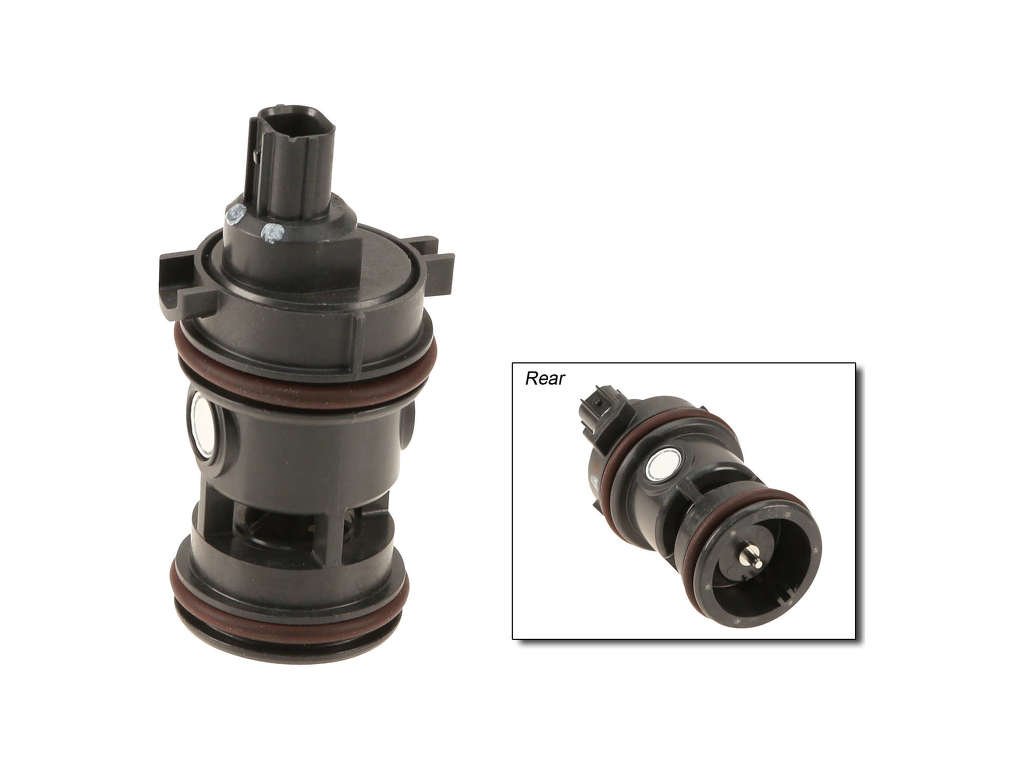
How to confirm: A key symptom is a rough idle or difficulty starting right after filling the gas tank. The purge valve is normally closed. You can remove the valve (usually located in the engine bay) and try to blow through it. If air passes through, it is stuck open and faulty. 🎬 See this walkthrough on replacing the EVAP purge valve. A mechanic can also command it open and closed with a scan tool to test its function.
Typical fix: Replace the EVAP canister purge valve.
Est. part cost: $40-$90 - Cracked or Disconnected EVAP Hose ⚪ Low Probability Hoses can become brittle over time due to age and heat cycles, especially at connection points.
How to confirm: Visually inspect all accessible EVAP lines between the engine, charcoal canister (usually near the fuel tank), and fuel tank. A smoke test is the most reliable method to find a small crack or loose connection that isn't obvious.
Typical fix: Replace the cracked section of hose or reconnect it.
Est. part cost: $10-$30
Rare But Worth Checking
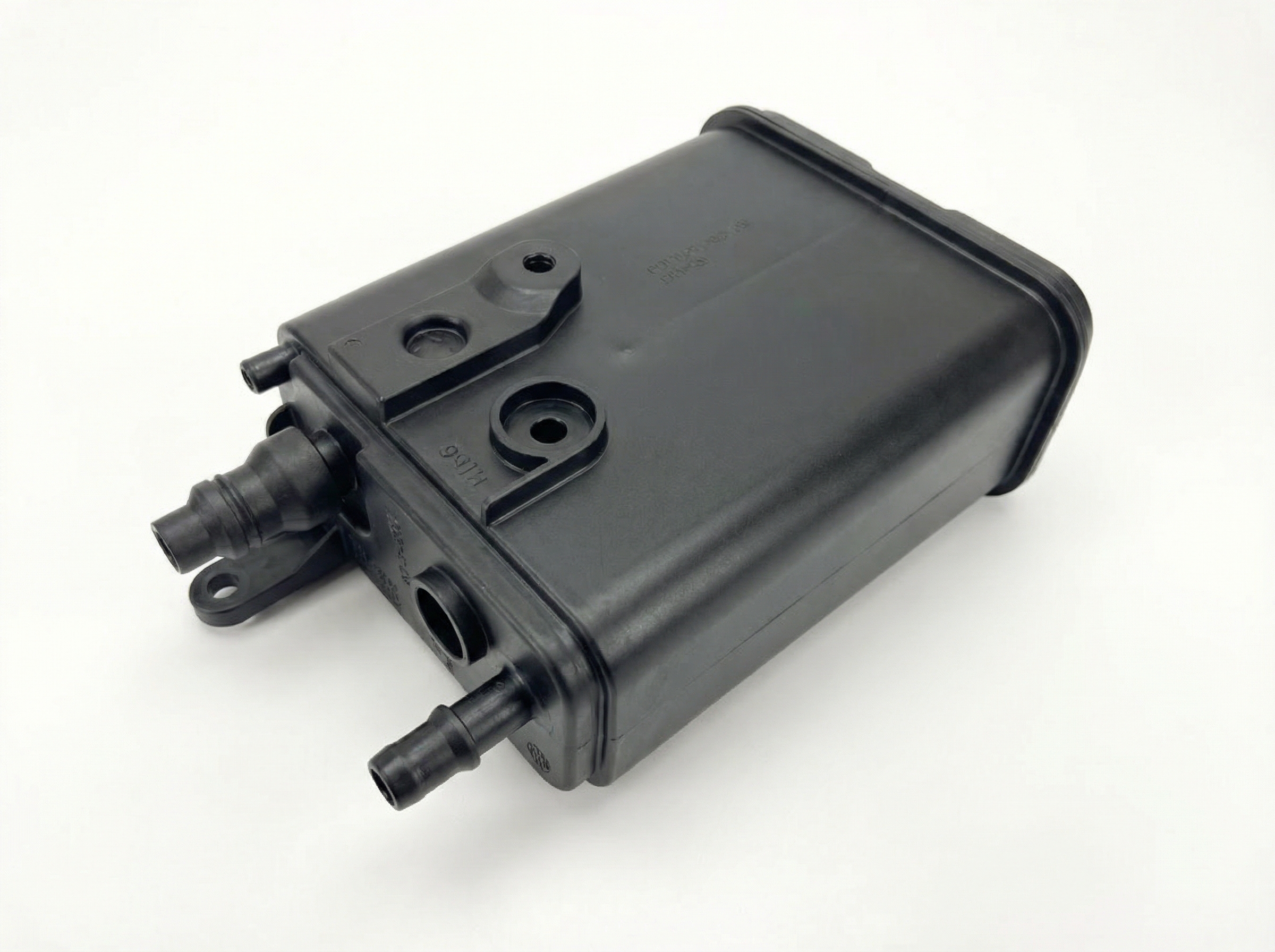
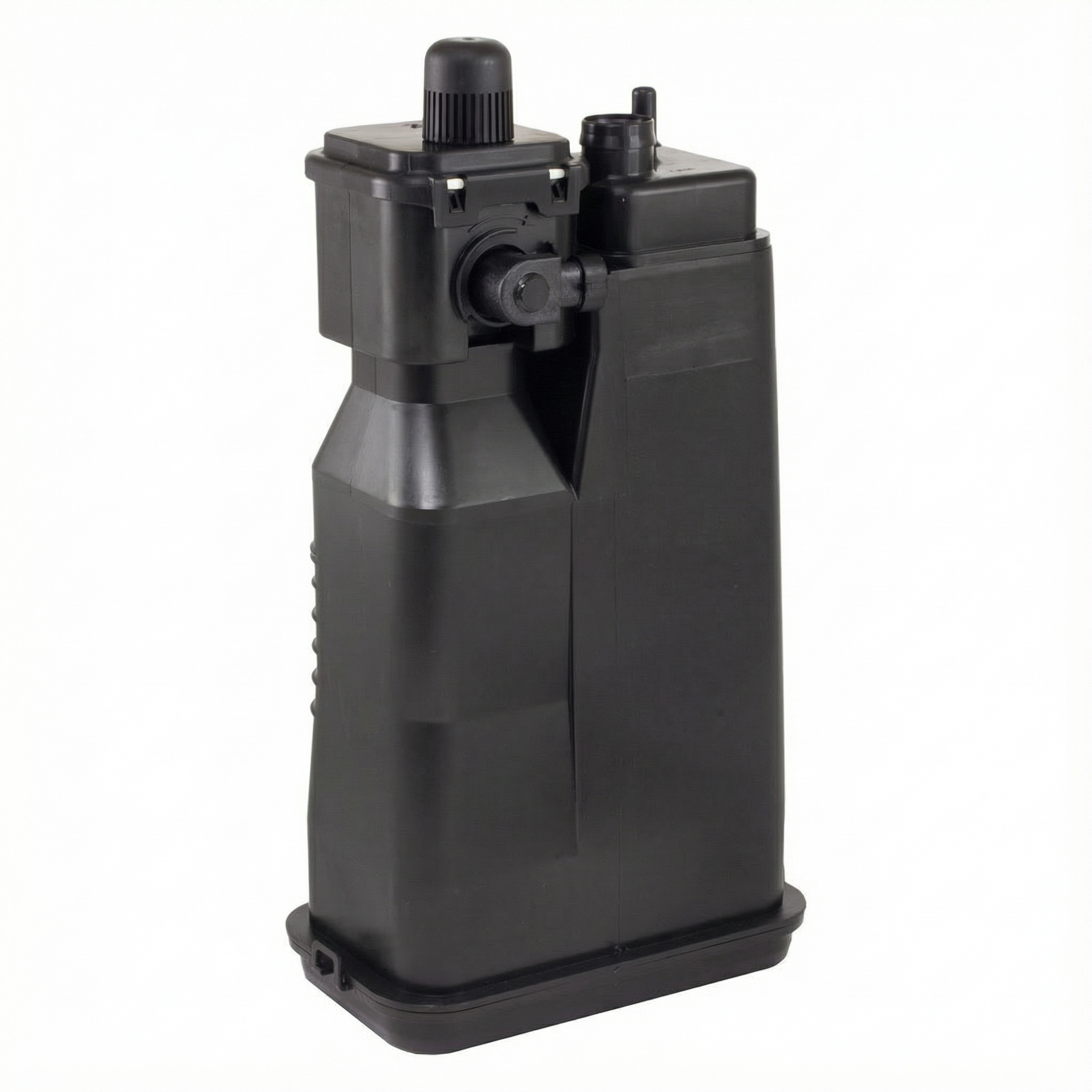
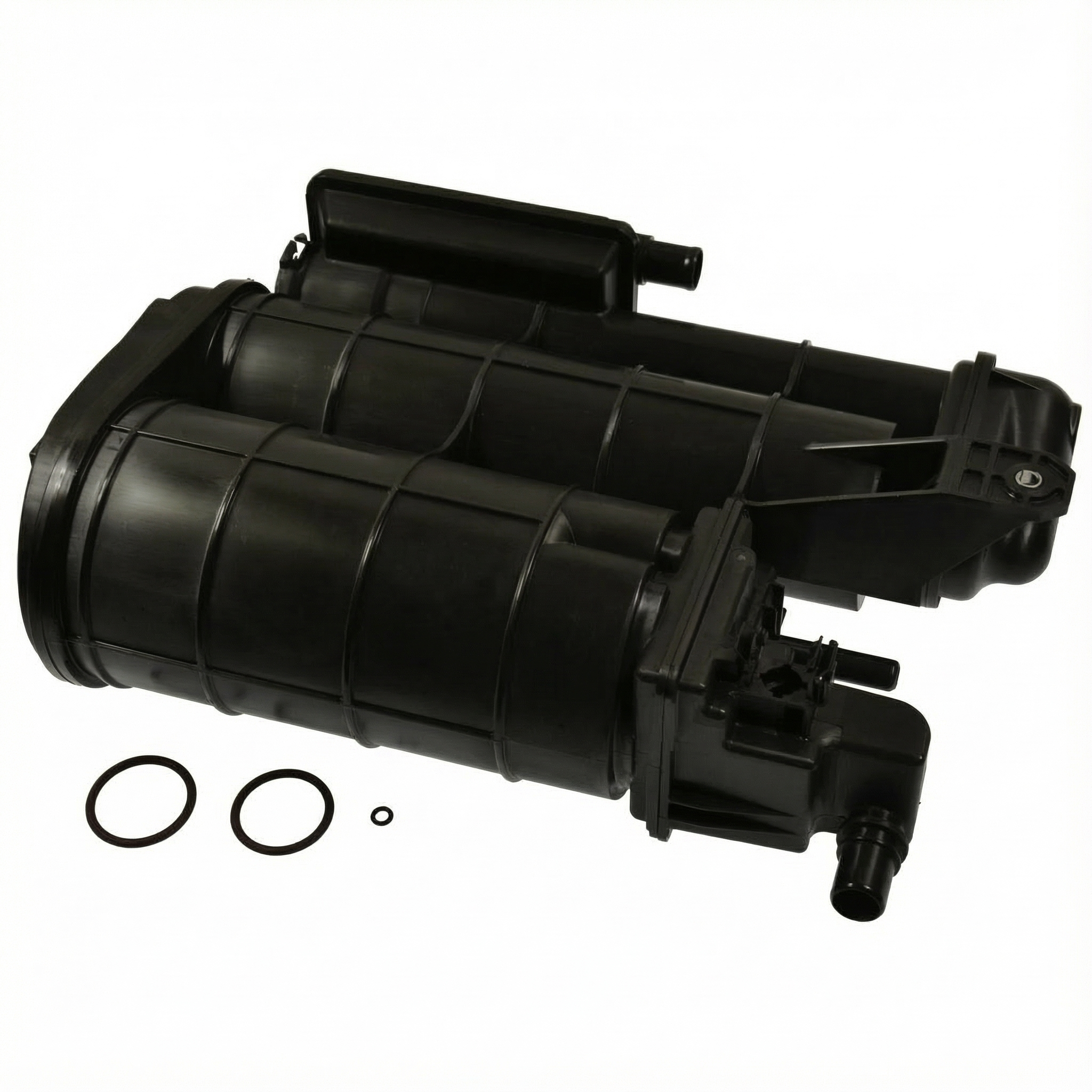
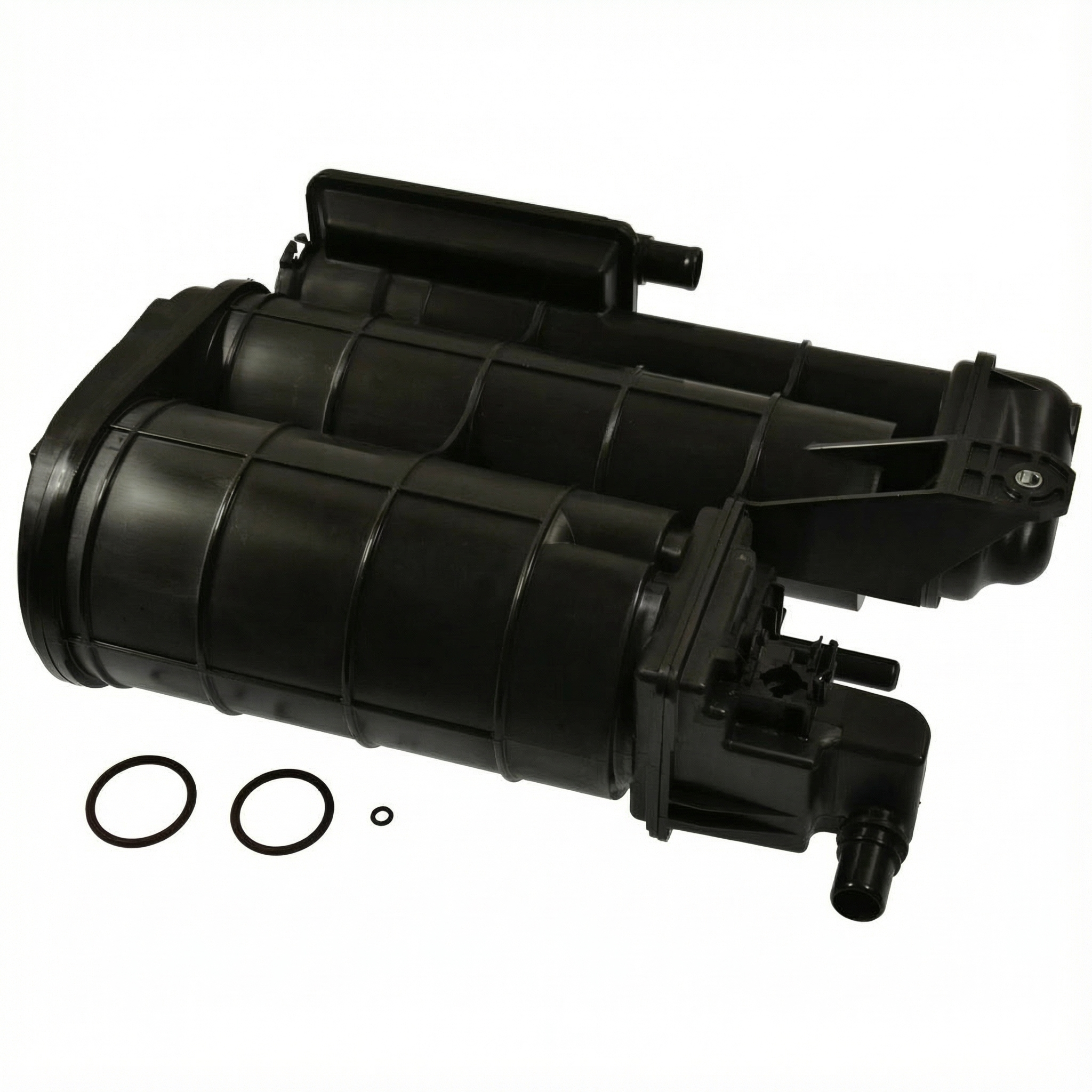
- Cracked EVAP Charcoal Canister: → Shop Vapor Canister The canister itself can develop a crack from road debris or age, creating a large leak. This is usually found during a smoke test after all other common causes have been ruled out. In some cases, a leak can occur where a sensor or valve mounts to the canister body.
- Faulty EVAP Vent Solenoid: → Shop Vapor Canister This valve is normally open and closes to seal the system for a leak test. If it fails to close (stuck open), it will cause a P0455 code. It is typically located on or near the charcoal canister. It can be tested by applying 12v power; a functioning solenoid will 'click' closed.
Diagnosis Steps
- Read the code with an OBD-II scanner and record any freeze-frame data.
- Check for a 'Tighten Fuel Cap' message on the dashboard.
- Inspect the gas cap (2012-2013 models). Ensure it is tight. If it feels loose, has a damaged seal, or has the old black gasket style (per TSB 14-006), replace it.
- For 2014-2017 models, inspect the capless fuel filler opening for debris or damage to the internal flap and seal.
- Clear the code and drive for a few days to see if the Check Engine Light returns. If it does, proceed to the next step.
- If the engine runs rough or stalls after refueling, suspect the EVAP purge valve.
- Visually inspect all accessible EVAP hoses in the engine bay and around the rear of the vehicle for obvious cracks, disconnections, or damage.
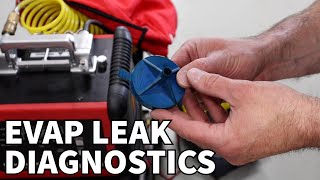
- If no obvious issues are found, the most effective next step is to have a smoke test performed. This test will pressurize the system with visible smoke, making even hard-to-find leaks easy to spot. 🎬 Watch: How to use a smoke machine to find leaks.
- Based on the smoke test results, test the specific leaking component. For example, if no external leaks are found, test the purge valve and vent solenoid for proper electrical operation.
Parts You'll Likely Need
- Fuel Filler Cap (2012-2013)
(OEM #17670-TR0-A11)— This is the most frequent cause for 2012-13 models, confirmed by Acura TSB 14-006. The original gasket with a black color fails to seal properly.
Trusted brands: Acura (OEM)
OEM price range: $30-$45
Aftermarket price range: $15-$30 - Mis-fuel Inhibit Device (2017)
(OEM #17671-TZ3-A02)— This component of the capless filler neck is a known leak point on 2017 models, as identified in Acura TSB BTS170202.
Trusted brands: Acura (OEM)
OEM price range: $15-$25
Aftermarket price range: N/A - EVAP Canister Purge Valve (Solenoid)
(OEM #36162-5G0-A01 (for 2014-2017 models))— A common failure point in many EVAP systems. If it gets stuck open, it creates a permanent leak and can cause rough running after refueling.
Trusted brands: Acura (OEM), Dorman, Standard Motor Products
OEM price range: $35-$50
Aftermarket price range: $25-$45 - Fuel Filler Neck
(OEM #17660-TZ5-A02)— Corrosion or damage to the neck can prevent the gas cap from sealing or create a leak in the pipe itself. TSB #BTS170202 points to issues in this area, though often only smaller components of the neck need replacement.
Trusted brands: Acura (OEM), Spectra Premium
OEM price range: $250-$350
Aftermarket price range: $90-$200
Related Codes That Often Appear With This One
- P0456 — This code is for a 'very small leak'. It can appear alongside P0455 or precede it as a component begins to fail. The Acura TSBs for the gas cap and filler neck apply to both P0455 and P0456.
- P0442 — This code indicates a 'small leak'. It represents a leak size between P0455 (large) and P0456 (very small) and shares the same potential causes.
Technical Service Bulletins (TSBs) & Recalls
- BTS170202: EVAP System Leak from the Filler Neck? Don't Replace the Fuel Fill Pipe!
- 14-006 / BTB 50992: MIL Comes On With DTC P0455 and/or P0456 (Faulty Fuel Fill Cap Gasket)
- 18-007: Shutter Set for Capless Fuel Filler (Mis-Fuel Inhibit Device) Is Frozen
Platform-Specific Known Issues
- TSB 14-006 (also listed as BTB 50992): For 2012-2013 MDX, the MIL may come on with P0455/P0456 due to a fuel fill cap gasket that creates too much friction, causing a 'stick-slip' feeling and preventing a proper seal. The fix is to replace the cap if it has a black gasket with an updated one that has a brown gasket.
- TSB BTS170202: For 2017 MDX, if P0455/P0456 is set due to a leak at the capless filler neck, the bulletin advises replacing the 'mis-fuel inhibit device and the main flap unit' instead of the entire fuel fill pipe.
- TSB 18-007: For 2017-2018 MDX, this bulletin addresses the capless fuel shutter (mis-fuel inhibit device) freezing in cold weather, preventing refueling. While not dir
Mechanic-Grade Diagnostic Values
- EVAP Canister Purge Valve Solenoid Resistance — expected: 15 to 30 Ohms. Failure: A reading far outside this range indicates a damaged internal circuit in the valve.
Scan Tool Commands That Help
- Acura HDS (Honda Diagnostic System) or equivalent advanced scan tool: EVAP System Function Test — This command is used to have the vehicle's computer automatically run a full EVAP system self-test. It will command the vent and purge valves to seal the system and monitor pressure, which can confirm if a leak is present without waiting for the vehicle's own automatic test cycle.
- Advanced Bidirectional Scan Tool: EVAP Purge Valve Control — This allows a technician to manually command the purge valve to open and close. It's used to verify the valve's mechanical operation and to check for vacuum changes in the system, helping to isolate a stuck-open or non-functioning valve.
Real Owner Repair Stories
- Acurazine forum user (2007 Acura TL (similar EVAP system design)) — P0455 and P0456 codes, sluggish and shaking start immediately after refueling.
❌ Tried (didn't work) Replaced the purge valve, Replaced the gas cap
✅ What actually fixed it The user performed a smoke test which revealed no leaks. The final suspected cause, though not explicitly confirmed with a follow-up, was a faulty fuel tank pressure sensor, as it can cause these codes without an actual leak. - Reddit user in r/MechanicAdvice (2014 Acura RDX V6 3.5L) — P0455 code that would return after being cleared, regardless of fuel level.
❌ Tried (didn't work) Replacing the gas cap (only worked for one week)
✅ What actually fixed it The user's research pointed towards the EVAP canister purge valve as the next likely culprit, especially given the intermittent nature of the fix from the gas cap replacement.
"I Checked Everything" — The Actual Cause
- In some cases, a P0455 code can be triggered even if a smoke test shows no leaks. This often points to a faulty sensor rather than a physical leak. The Fuel Tank Pressure (FTP) sensor can fail and send incorrect data to the car's computer, making it believe a large leak exists when the system is actually sealed.
OEM Part Supersession History
17670-TR0-A01 (or similar with black gasket)→17670-TR0-A11 (with brown gasket)— The original fuel fill cap's black gasket created too much friction, preventing a proper seal and causing a 'stick-slip' feeling when tightening. The updated part with a brown gasket resolves this issue.
Model Year Variations Within This Range
- 2012-2013: These models use a traditional, screw-on fuel filler cap. The most common P0455 issue is related to a faulty cap gasket, as addressed in TSB 14-006.
- 2014-2017: These third-generation models feature a capless fuel filler system. P0455 issues are more commonly related to the internal flap and seal mechanism ('mis-fuel inhibit device') at the filler neck, as noted in TSB BTS170202.
Helpful Videos
Used OEM Parts in Stock
New Aftermarket Parts Available


The information in this article is provided for general reference and educational purposes only. Vehicle specifications, procedures, and part compatibility can vary by production date, trim level, and region. Always consult your vehicle's factory service manual and verify part numbers before purchasing or performing repairs. Safety-critical components such as airbags, seat belts, and braking systems should be installed by a qualified professional.
- Acura MDX:
- 🧭 Diagnostic Flowchart
- 🎬 Helpful Videos
- 🛍️ Shop This Part
- What's Unique About the 2012-2017 Acura MDX
- Symptoms You May Notice
- Most Likely Causes
- Rare But Worth Checking
- Diagnosis Steps
- Parts You'll Likely Need
- Related Codes That Often Appear With This One
- Technical Service Bulletins (TSBs) & Recalls
- Platform-Specific Known Issues
- Mechanic-Grade Diagnostic Values
- Scan Tool Commands That Help
- Real Owner Repair Stories
- "I Checked Everything" — The Actual Cause
- OEM Part Supersession History
- Model Year Variations Within This Range
- 🎟️ Get 5% Off