

Acura RDX P0455 Code (2013-2015): EVAP Large Leak Causes and Fixes
On a 2013-2015 Acura RDX, code P0455 is overwhelmingly caused by a loose or faulty gas cap. Acura TSB 14-006 confirms the original cap's gasket can fail. Replacing the fuel cap with a genuine OEM part (17670-T3W-A01) is the most common and effective first step, costing around $40-$60.
- Always start with the simplest and most likely solution: check that your gas cap is tight.
- If the check engine light persists, the next step is to replace the fuel cap with a genuine Acura part (Part No. 17670-T3W-A01). Aftermarket caps are known to cause recurring issues.
- If a new OEM cap does not resolve the code, the canister purge valve (Part No. 36162-RMX-A01) is the next most likely culprit.
- This code will cause an automatic failure on an emissions test, so it must be resolved to pass inspection.
What's Unique About the 2013-2015 Acura RDX
For this specific generation of Acura RDX, the P0455 code is so commonly linked to the fuel cap that Acura issued Technical Service Bulletin 14-006. This TSB notes that the original fuel cap's black gasket can create too much friction, preventing a proper seal and causing a 'stick-slip' feeling when tightening. The recommended fix is to replace it with an updated cap featuring a brown gasket. Another TSB mentions that on short drives, the vehicle's computer might misinterpret sensor data, falsely triggering a P0455 code or a "TIGHTEN FUEL CAP" message.
Diagnostic Flowchart
Tap your situation to follow the diagnostic path that matches what you're seeing on this vehicle.
Symptoms You May Notice
- Check Engine Light is illuminated
- A "TIGHTEN FUEL CAP" message appears on the multi-information display.
- A faint to strong smell of gasoline, particularly after refueling or on hot days.
- Intermittent hard starting or rough running after refueling, which can be caused by a stuck-open purge valve flooding the intake with vapor.
- Replacing the charcoal canister when only the vent valve is bad. The vent valve is often serviced separately and is much cheaper.
- Replacing other EVAP components before checking and replacing the gas cap with a genuine OEM part, which is the most common and cheapest solution.
Most Likely Causes
- Loose, Damaged, or Incorrect Fuel Cap 🔴 High Probability → Shop Fuel Tank Cap Acura TSB 14-006 was issued specifically for this issue. It states the original cap's black gasket material could prevent a proper seal. Aftermarket caps are also a very frequent cause of this code, as they often fail to meet OEM sealing specifications.
How to confirm: Ensure the cap is tightened until it clicks at least once. Inspect the cap's rubber seal for cracks, stiffness, or damage. Per TSB 14-006, if the gasket is black, it is the original problematic part and should be replaced. The updated OEM cap has a brown gasket.
Typical fix: Replace the fuel cap with a new, genuine OEM part (No. 17670-T3W-A01). This is an inexpensive and highly effective first step that resolves the majority of cases.
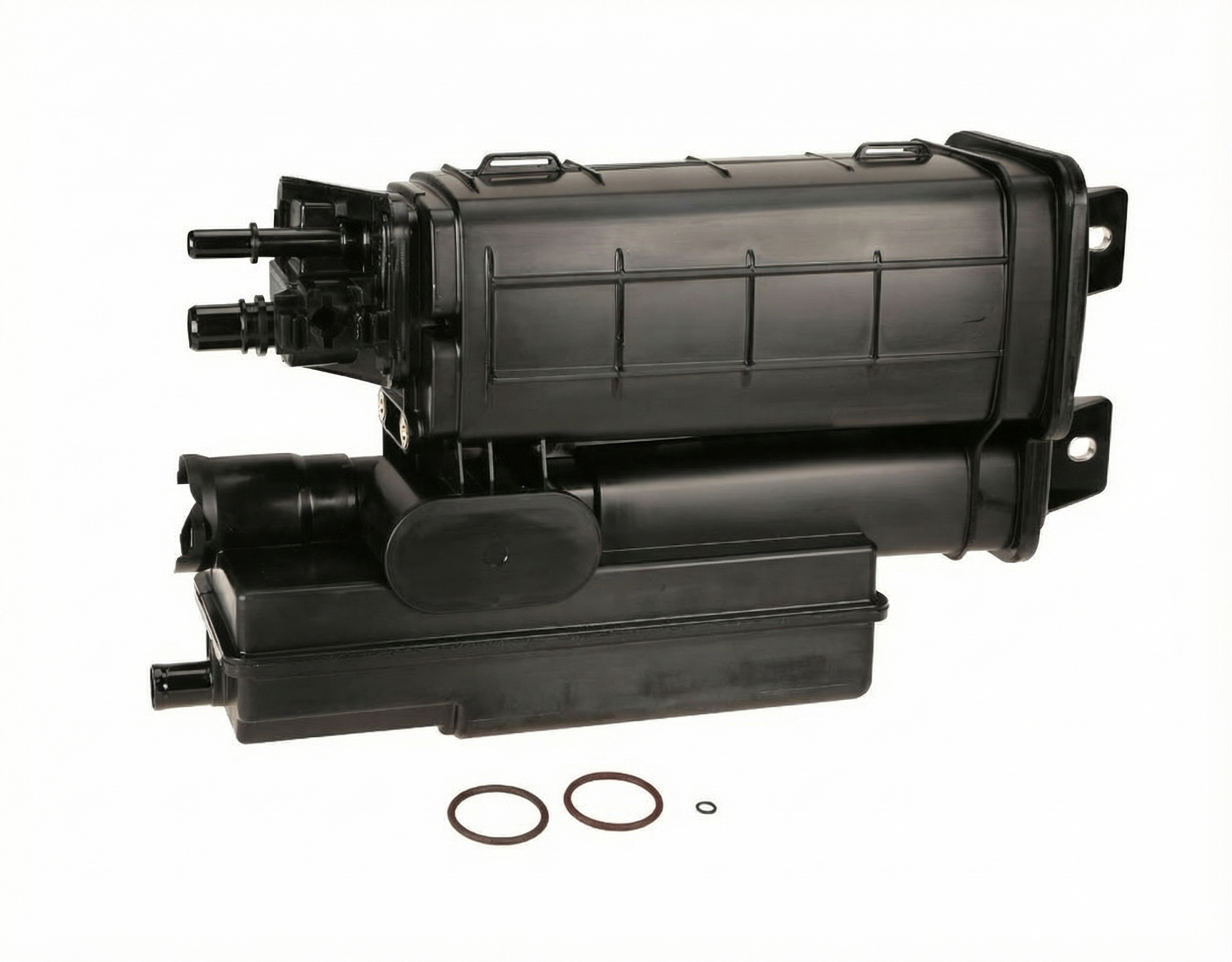
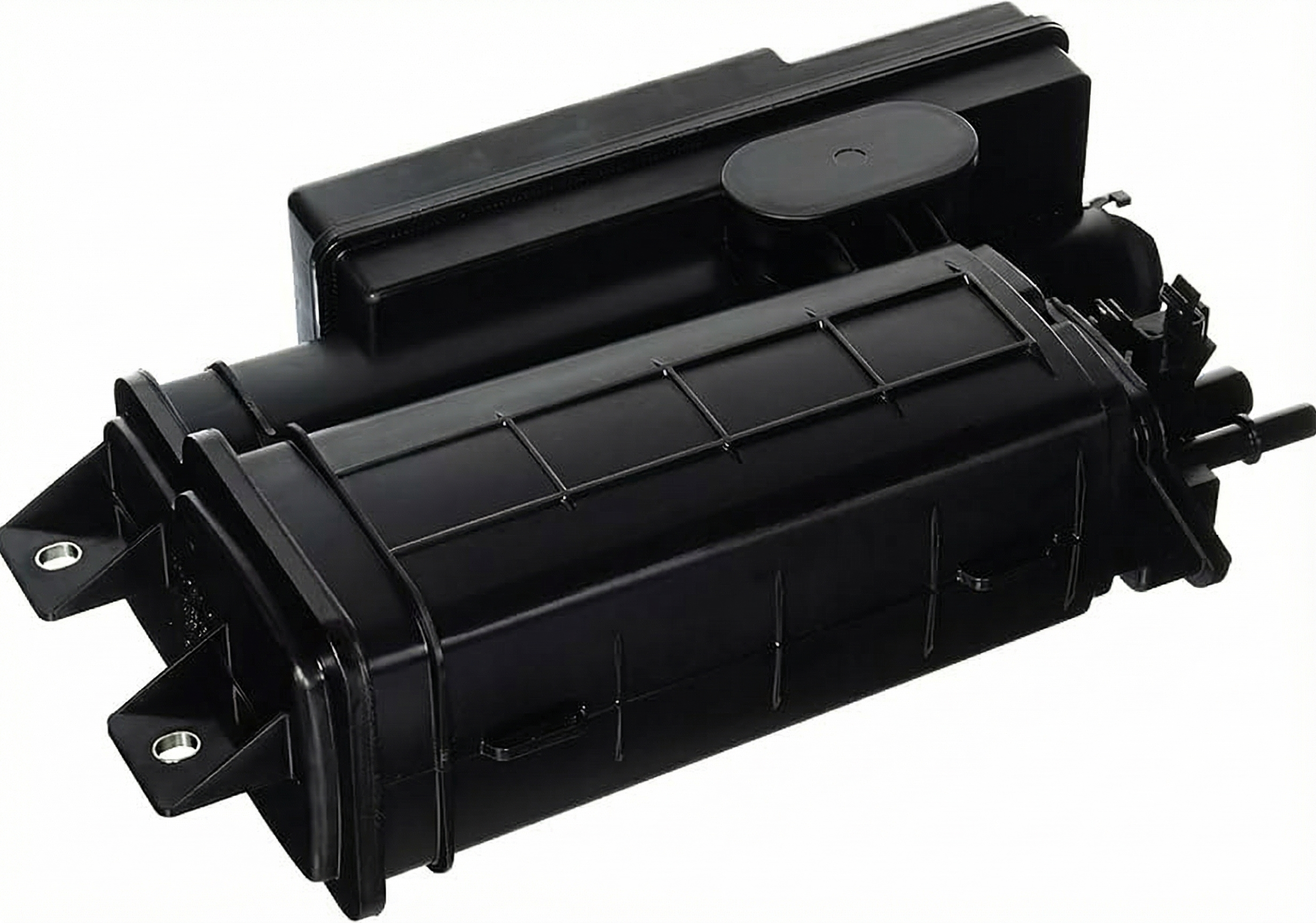
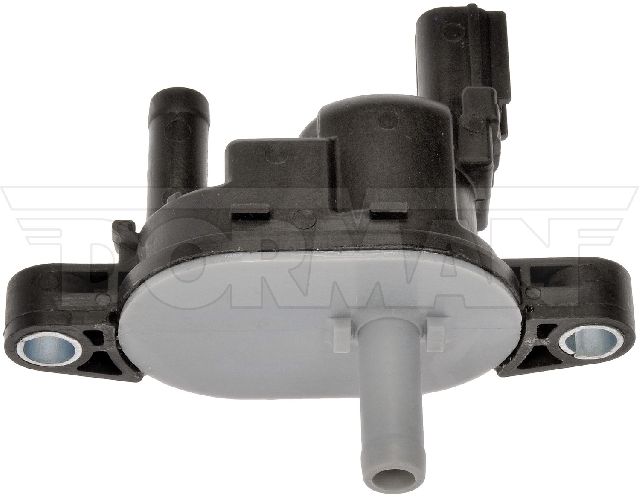
Est. part cost: $40-$60 - Faulty EVAP Canister Purge Valve 🟡 Medium Probability → Shop Vapor Canister This is the second most common failure after the gas cap. The valve can get stuck open, creating a constant vacuum leak that the system interprets as a large leak. This can sometimes lead to hard-starting issues.
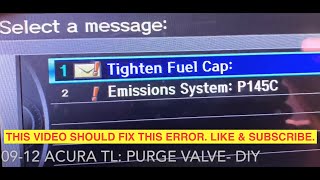
How to confirm: The valve is located in the engine bay, mounted to the intake manifold. 🎬 See how to replace the purge valve in this walkthrough. With the engine off, remove the valve. It is a normally-closed valve, so you should not be able to blow air through it when it is unpowered. If air passes through, the valve is stuck open and faulty.
Typical fix: Replace the canister purge valve solenoid with an OEM part (No. 36162-RMX-A01).
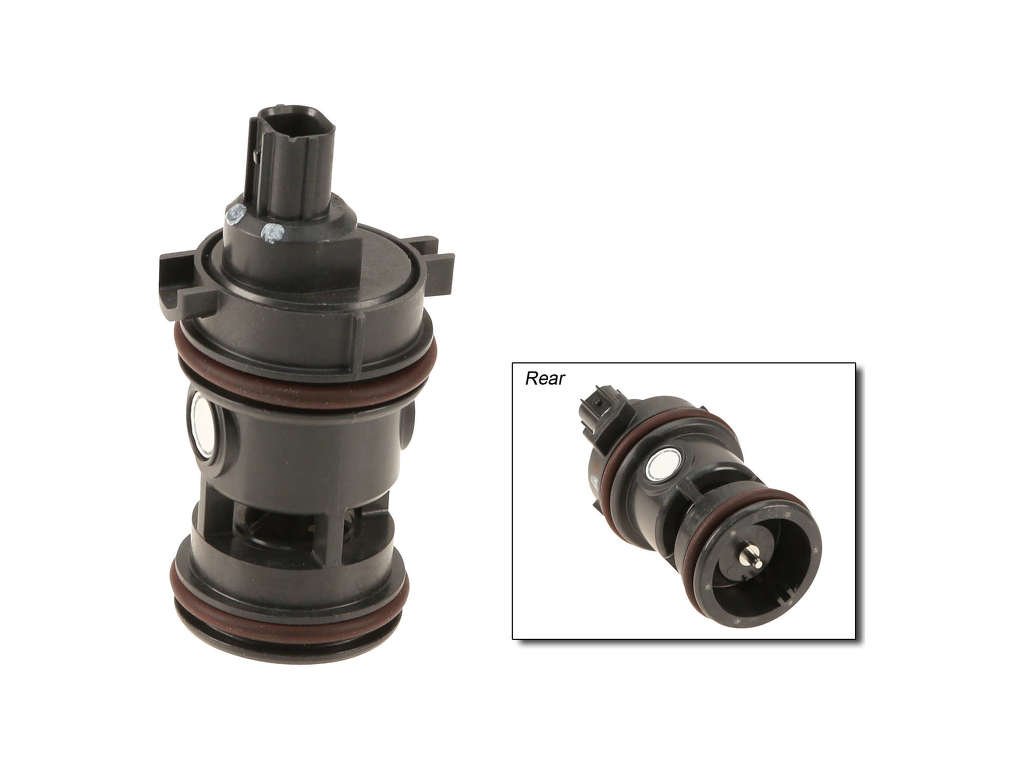
Est. part cost: $60-$90 - Faulty EVAP Canister Vent Solenoid/Valve ⚪ Low Probability → Shop Vapor Canister This valve, located near the charcoal canister under the vehicle, can get stuck open or fail to close, preventing the system from sealing itself for its pressure test. It is exposed to more road grime and moisture than engine bay components.
How to confirm: This valve is harder to access and is best diagnosed with a smoke test. A professional scan tool can also command the valve to close to test its function electronically. Visually inspecting it for cracks or damage is a first step if you can access it.
Typical fix: Replace the vent solenoid. It often twists into the charcoal canister assembly. 🎬 Watch: How to test and replace the canister vent valve.
Est. part cost: $70-$120 - Cracked or Disconnected EVAP Hose ⚪ Low Probability Rubber hoses can become brittle and crack over time due to heat cycles and age. A disconnected or split hose, especially a larger one connected to the canister or purge valve, will create a large leak.
How to confirm: Perform a thorough visual inspection of all accessible EVAP lines between the engine, fuel tank, and charcoal canister. A professional smoke test is the most effective way to find a hairline crack or a leak hidden from view.
Typical fix: Replace the damaged section of hose.
Est. part cost: $10-$30
Rare But Worth Checking
- Cracked EVAP Charcoal Canister: → Shop Vapor Canister The plastic housing of the canister itself can develop cracks from road debris impact or age, creating a significant leak.
- Damaged Fuel Filler Neck / Mis-fuel Inhibit Device: → Shop Fuel Filler Neck Rust or damage to the metal filler neck where the gas cap seals can prevent a tight seal. An Acura tech line summary also noted that the mis-fuel inhibit device inside the filler neck can fail, causing P0455, and should be replaced instead of the entire fuel pipe.
- PCM Software Glitch: One TSB mentions that the PCM may misinterpret inputs on short drives. A software update from an Acura dealer may be required in rare cases where no physical leak is found after thorough testing.
Diagnosis Steps
- Check for a "TIGHTEN FUEL CAP" message on the dashboard. This is your first and strongest clue.
- Inspect the fuel cap. Remove it, check the seal for damage, and reinstall it, ensuring it clicks several times. If the cap's gasket is black, it is the faulty original part per TSB 14-006.
- Replace the fuel cap with a new OEM Acura part (17670-T3W-A01). Do not use a cheap aftermarket cap, as they are a known cause of recurring codes.
- Clear the code with an OBD-II scanner and drive for a few days. The EVAP monitor only runs under specific conditions (fuel level, temperature, etc.), so it may take time for the system to re-test.
- If the code returns, locate the EVAP purge valve on the engine's intake manifold. Remove it and try to blow through it. If air passes, the valve is stuck open and needs to be replaced.
- If the purge valve is good, visually inspect all visible EVAP hoses in the engine bay for obvious cracks or disconnections.
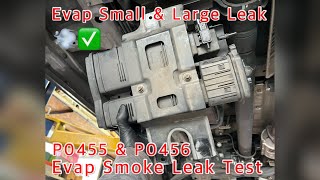
- If no obvious issues are found, the next step is a professional smoke test. This involves injecting low-pressure smoke into the EVAP system to pinpoint the exact location of the leak. 🎬 Watch: Step-by-step smoke test for Acura RDX EVAP leaks. This can identify a faulty vent solenoid, a cracked charcoal canister, or a hard-to-see leaking hose.
- Based on the smoke test results, replace the identified leaking component.
Parts You'll Likely Need
- Fuel Filler Cap
(OEM #17670-T3W-A01)— This is the most common cause of P0455 on this vehicle, as documented by Acura TSB 14-006. This part number supersedes the earlier 17670-TR0-A11 mentioned in the TSB.
Trusted brands: Acura (OEM)
OEM price range: $40-$60
Aftermarket price range: $15-$30 - Vapor Canister Purge Valve
(OEM #36162-RMX-A01)— This is the second most common failure point after the gas cap. It can stick open, causing a large leak code and sometimes hard starting.
Trusted brands: Acura (OEM), Dorman
OEM price range: $60-$90
Aftermarket price range: $40-$70
Related Codes That Often Appear With This One
- P0456 — P0456 is for a 'very small leak'. It can appear alongside P0455 if the system detects different leak sizes during various tests, or if a component like the gas cap seal is failing intermittently. The primary TSB for this issue, 14-006, explicitly covers both codes.
Technical Service Bulletins (TSBs) & Recalls
- Acura TSB 14-006: MIL Comes On With DTC P0455 and/or P0456. Attributes the cause to a faulty fuel fill cap gasket and provides the diagnostic step of checking the gasket color (black is bad, brown is good).
- Acura TSB 14-053: TIGHTEN FUEL CAP Message On or DTC P0455 and/or P0456 is Set. Notes the PCM may misinterpret inputs on short drives, potentially requiring a software update.
Platform-Specific Known Issues
- Acura Service Bulletin 14-006 states that the MIL will come on with DTC P0455/P0456 because the original fuel fill cap (with a black gasket) creates too much friction, preventing a proper seal. The fix is to replace the cap with the updated version (with a brown gasket).
- Acura Service Bulletin 14-053 (referenced in forums) notes that the 'TIGHTEN FUEL CAP' message or DTC P0455/P0456 can be set because the PCM misinterprets inputs during short drive cycles, suggesting a potential software logic issue in some cases that may require a dealer update.
Mechanic-Grade Diagnostic Values
- EVAP Canister Purge Valve Function Test (unpowered) — expected: Valve should be fully closed; no air should pass through.. Failure: If you can blow air through the valve with it disconnected from power, it is stuck open and has failed.
- EVAP Canister Vent Solenoid/Valve Function Test — expected: Valve is normally open. When 12V power is applied to its pins, the valve should click and close, preventing air from passing through.. Failure: If the valve does not close when power is applied, or if it is stuck closed when unpowered, it is faulty.
- Fuel Tank Pressure (FTP) Sensor Voltage (Key-On, Engine-Off) — expected: Approximately 1.4V-1.5V with the gas cap off (at atmospheric pressure).. Failure: A voltage that is significantly different or does not change when pressure/vacuum is applied may indicate a faulty sensor, though this is a less common cause for P0455.
Scan Tool Commands That Help
- Honda HDS / Professional Bidirectional Scanner: EVAP System Functional Test — This automated test commands the vent and purge valves to cycle while monitoring the fuel tank pressure sensor to check the entire system's integrity.
- Honda HDS / Professional Bidirectional Scanner: Purge Valve On/Off Command — To manually test the purge valve. A technician can command it open while checking for engine vacuum at the valve's inlet port to confirm it is opening correctly.
- Honda HDS / Professional Bidirectional Scanner: Vent Valve On/Off (Close) Command — To manually test the vent valve. Commanding the valve closed is the first step before performing a smoke test to ensure the system is sealed.
Wiring & Ground Locations
- G101 — Top right front of the engine compartment.. A poor engine ground can cause erratic behavior in engine-mounted sensors and solenoids, including the EVAP Purge Valve.
- G402 — Behind the right side of the dashboard.. This ground serves various interior and control modules. A fault here could potentially affect the PCM or other related systems, though it is less likely to be a primary cause.
- G501 / G502 — G501 is behind the left side of the dash; G502 is near the steering column.. These are major grounds for the instrument panel and driver-side controls. A fault could theoretically impact the instrument cluster messages, like the 'TIGHTEN FUEL CAP' warning.
- G602 — Located in the upper left 'D' pillar (rear of the vehicle).. This ground is physically closer to the rear-mounted EVAP components like the charcoal canister and vent valve. A poor connection here could affect the vent valve's operation.
Real Owner Repair Stories
- Acurazine.com user 'Redsrig' (2015 Acura RDX with 200,000 km) — P0455 code appeared, but the car was running fine.
❌ Tried (didn't work) Initial check of the gas cap showed it was tight and the seal looked good., Applying synthetic grease to the gas cap seal., Took the vehicle to a dealer for a $190 inspection, which found no issues.
✅ What actually fixed it The user noted their gas cap was identical to the one on their 2011 Honda Civic. They swapped the caps between the two vehicles as a diagnostic test before buying a new part. While the final outcome wasn't posted, this action strongly implies the cap was the suspected culprit, and this troubleshooting step confirmed it without an initial parts purchase.
OEM Part Supersession History
17670-TR0-A11→17670-T3W-A01— The original fuel cap (with a black gasket) had a material that could create excess friction, preventing a proper seal. The updated part uses a different gasket material (brown) to resolve this.
Helpful Videos
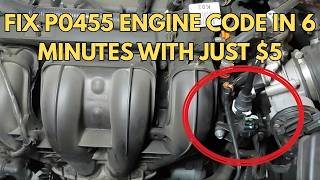
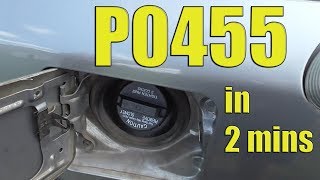
![How to Fix P0455 Engine Code in 3 Minutes [2 DIY Methods / Only $4.61]](https://img.youtube.com/vi/b-o1a2XuVN4/mqdefault.jpg)
Used OEM Parts in Stock
New Aftermarket Parts Available


The information in this article is provided for general reference and educational purposes only. Vehicle specifications, procedures, and part compatibility can vary by production date, trim level, and region. Always consult your vehicle's factory service manual and verify part numbers before purchasing or performing repairs. Safety-critical components such as airbags, seat belts, and braking systems should be installed by a qualified professional.
- Acura RDX:
- 🧭 Diagnostic Flowchart
- 🎬 Helpful Videos
- 🛍️ Shop This Part
- What's Unique About the 2013-2015 Acura RDX
- Symptoms You May Notice
- Most Likely Causes
- Rare But Worth Checking
- Diagnosis Steps
- Parts You'll Likely Need
- Related Codes That Often Appear With This One
- Technical Service Bulletins (TSBs) & Recalls
- Platform-Specific Known Issues
- Mechanic-Grade Diagnostic Values
- Scan Tool Commands That Help
- Wiring & Ground Locations
- Real Owner Repair Stories
- OEM Part Supersession History
- 🎟️ Get 5% Off