

P0455 on 2012-2019 BMW 3 Series: EVAP Gross Leak Causes and Fixes
On a 2012-2019 BMW 3 Series (F30), code P0455 is most often caused by a loose gas cap, a failed fuel tank vent valve, or a faulty DMTL pump. Start by checking the gas cap, as it's a free fix. A replacement vent valve or DMTL pump is typically $50-$150 for the part.
- Always check the gas cap first for code P0455. Ensure it's tight and the seal is intact. This solves the problem a significant amount of the time.
- If the gas cap isn't the issue, the two most likely culprits on an F30 3 Series are the fuel tank vent valve (in the engine bay) and the DMTL pump (near the rear passenger wheel).
- This code does not affect the car's performance or safety, but it will cause an automatic failure on an emissions test.
- A smoke test is the most reliable method to find the leak if it's not an obvious component like the gas cap or a visibly cracked hose.
- Verify the correct part number for your specific engine (N20, N26, N55, B58) before ordering a new fuel tank vent valve, as they are different.
What's Unique About the 2012-2019 BMW 3 Series
Unlike many vehicles that use a vacuum-based leak detection system, BMWs in this era employ a Diagnostic Module Tank Leakage (DMTL) pump. This electric pump, located near the charcoal canister, lightly pressurizes the fuel tank and EVAP system to test for leaks. While this allows for more precise measurement, the DMTL pump itself is a common failure point on the F30 platform and can be the direct cause of a P0455 code, either through internal failure or a cracked housing. Furthermore, the wiring harness leading to the pump can become damaged or chafed near the wheel well, causing an electrical fault that also triggers EVAP codes.
Generation note: The 2012-2019 range primarily covers the F30/F31/F34 generation (2012-2018). However, 2012 also included the final E92/E93 coupe and convertible models, and 2019 saw the introduction of the new G20 sedan. While the EVAP system principles are similar, this guide focuses on the F30 generation as it constitutes the bulk of this model year range. Part numbers and component locations can differ between these generations.
Symptoms You May Notice
- Check Engine Light illuminated
- A faint smell of gasoline, especially around the rear of the car or after parking in a garage
- Difficulty during refueling (gas pump clicks off repeatedly) can sometimes be related to a faulty vent valve
- A 'Check Fuel Cap' message may appear on the instrument cluster
- A broken gas cap tether may be an indirect symptom, as it increases the chance of the cap being improperly tightened or left behind.
- Replacing the oxygen sensors. O2 sensors are not related to the EVAP system.
- Replacing the fuel injectors. While a bad purge valve can sometimes affect idle, injectors are not a cause for a P0455 code.
- Assuming it's a complex, expensive issue before checking the gas cap. Always start with the simplest fix.
Most Likely Causes
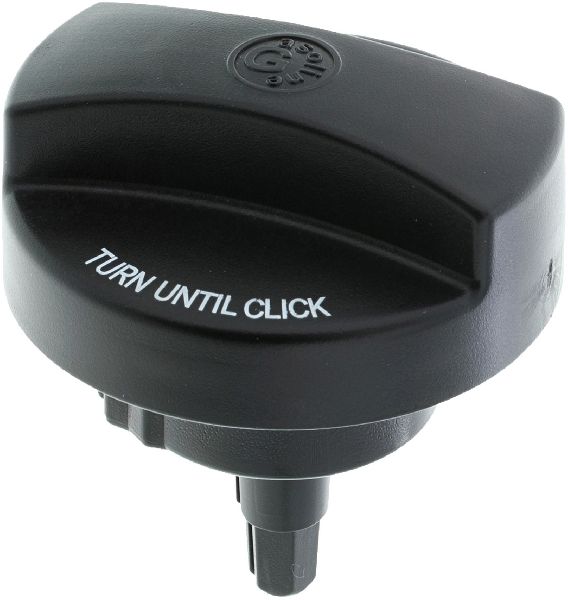
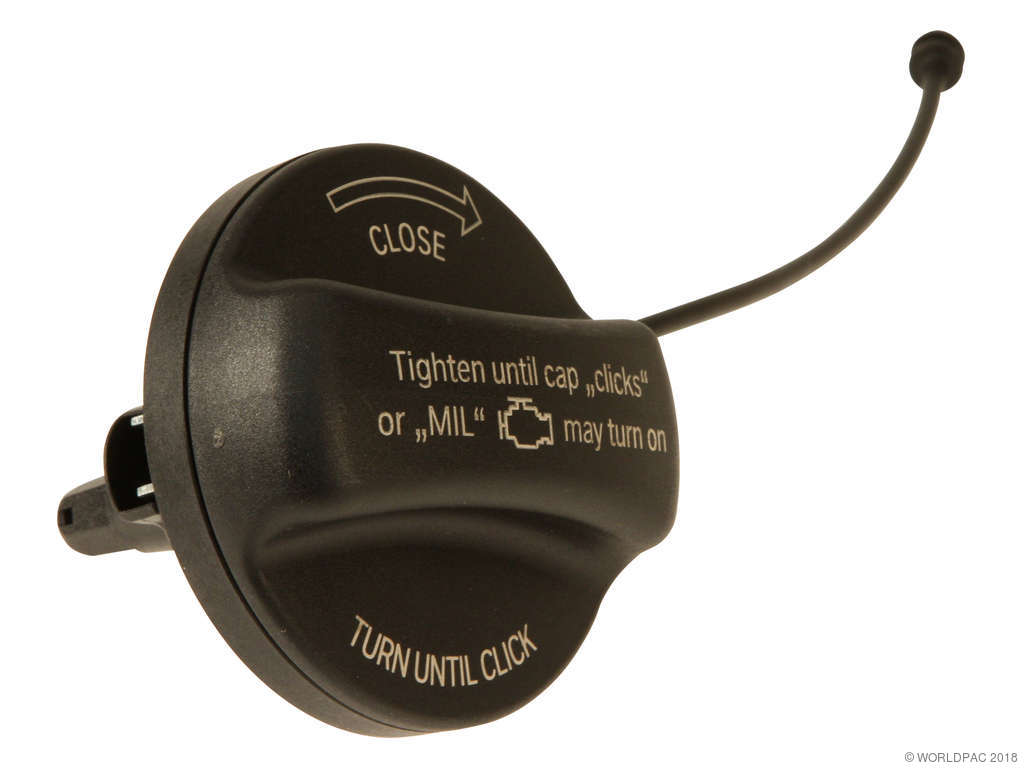
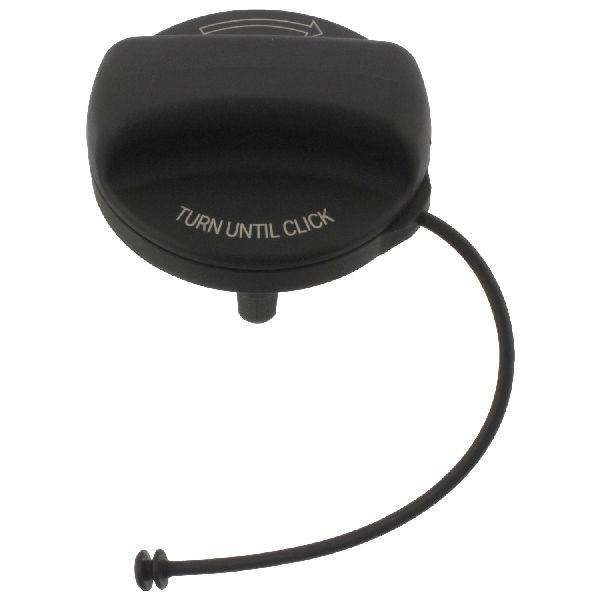
- Loose or Faulty Gas Cap 🔴 High Probability → Shop Fuel Tank Cap The gas cap is a frequently used component and the seal can wear out or be improperly tightened. It's the most common cause for this code across all vehicles.
How to confirm: Inspect the gas cap for cracks or damage to the rubber O-ring seal. Ensure it is tightened until it clicks at least once. If the seal is worn, replacement is the only confirmation.
Typical fix: Tighten or replace the gas cap.
Est. part cost: $20-$40 - Failed Fuel Tank Vent Valve (Purge Valve) 🟡 Medium Probability → Shop Fuel Tank This solenoid valve is located in the engine bay and is subject to heat and constant use. It can get stuck open, creating a permanent leak path from the EVAP system to the intake manifold.
How to confirm: With the engine off, disconnect the valve and try to blow through it. If air passes through, it is stuck open and has failed. It should be normally closed. A healthy valve 🎬 Watch: How to test the purge valve on N55 engines. on an N55 engine should have a resistance of around 33 ohms, while a failing one might read lower, such as 25 ohms.
Typical fix: Replace the fuel tank vent valve and its associated lines if they are brittle.
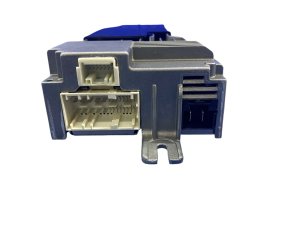
Est. part cost: $60-$150 - Failed DMTL Pump (Leak Detection Pump) 🟡 Medium Probability → Shop Evaporative Emissions System Leak Detection Pump The DMTL pump is a known failure point on many BMW models, including the F30. The internal motor can fail, or the plastic housing can crack, creating a leak.
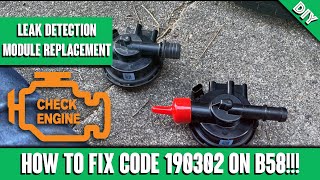
How to confirm: The pump is located near the passenger-side rear wheel. A visual inspection may reveal cracks in the housing. A BMW-specific scan tool can run a DMTL system test to check pump function. If the pump doesn't run or the test fails, the pump is likely faulty. When replacing, owners report needing to transfer a rubber mounting grommet 🎬 See this step-by-step guide for replacing the leak detection module. from the old pump to the new one.
Typical fix: Replace the DMTL pump module.
Est. part cost: $50-$120 - Cracked or Disconnected EVAP Hoses ⚪ Low Probability Over time, plastic and rubber hoses in the engine bay and under the vehicle can become brittle from heat and age, leading to cracks.
How to confirm: A visual inspection may reveal obvious cracks or disconnections. A smoke test is the most effective way to find a leak in the hose network if it's not visually apparent.
Typical fix: Replace the specific cracked hose section.
Est. part cost: $30-$100
Rare But Worth Checking
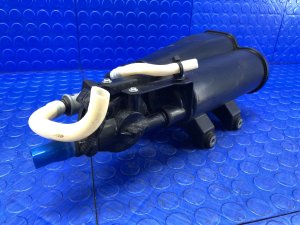
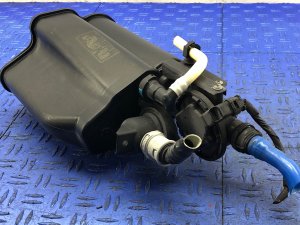
- Cracked Charcoal Canister: → Shop Vapor Canister The charcoal canister itself can develop cracks from road debris or age, creating a large leak. This is less common but should be inspected during a smoke test if other components check out.
- Damaged Fuel Filler Neck: → Shop Fuel Filler Neck Corrosion or damage to the metal fuel filler neck can prevent the gas cap from sealing properly, causing a persistent P0455 code even with a new cap.
- Damaged DMTL Pump Wiring Harness: → Shop Evaporative Emissions System Leak Detection Pump The wiring leading to the DMTL pump can chafe against the chassis or wheel well liner, causing a short or open circuit. This prevents the pump from running its test and can log an EVAP fault.
Diagnosis Steps
- Read the Code: Use an OBD-II scanner to confirm P0455 is the active code. Note any other codes present.
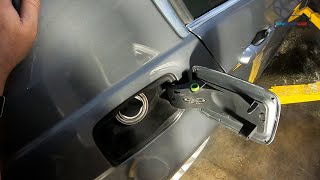
- Inspect the Gas Cap: This is the most common cause. Remove the gas cap. Check the rubber seal for cracks, stiffness, or damage. Ensure you are tightening it until it clicks. If in doubt, a new cap is an inexpensive first step.
- Clear Code and Drive: After tightening or replacing the gas cap, clear the code and drive for a few days to see if it returns. The EVAP monitor needs to run to confirm the fix. This can take over 100 miles of driving in some cases.
- Visually Inspect Hoses: Perform a visual inspection of the EVAP hoses in the engine bay, particularly around the fuel tank vent valve (purge valve), and under the car near the charcoal canister and DMTL pump. Look for obvious cracks, loose connections, or damage.
- Test the Fuel Tank Vent Valve (Purge Valve): Locate the valve on or near the engine's intake manifold. Disconnect it and attempt to blow through it. If air passes, the valve is stuck open and must be replaced. Check the resistance across the two pins; a healthy N55-era valve should read around 28-33 Ohms.
- Inspect the DMTL Pump and Wiring: Raise the rear of the vehicle and locate the DMTL pump, typically near the passenger-side rear wheel well. Visually inspect the pump and its connections for cracks or damage. Crucially, inspect the wiring harness leading to the pump for any signs of chafing, breaks, or corrosion where it passes near the chassis.
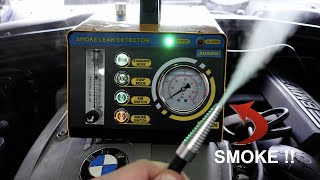
- Perform a Smoke Test: If the leak source is still not found, the next step is to perform a smoke test. This involves injecting low-pressure smoke into the EVAP system (usually through the purge valve line) and watching for where the smoke escapes. 🎬 Watch: How to perform a professional EVAP smoke test. This is the most definitive way to find a cracked hose, leaking canister, or bad seal.
Parts You'll Likely Need
- Gas Cap
(OEM #16117222391)— The seal wears out over time, making it the most common cause of EVAP leaks.
Trusted brands: Genuine BMW, Blau
OEM price range: $30-$40
Aftermarket price range: $20-$30 - Fuel Tank Vent Valve (Purge Valve)
(OEM #13907636145 (N20/N26), 13907636153 (N55), 13907643106 (B58))— A common failure item that gets stuck open, causing a constant leak. Part number varies by engine.
Trusted brands: Bosch, Genuine BMW
OEM price range: $90-$150
Aftermarket price range: $60-$100 - DMTL Pump (Leak Diagnosis Module)
(OEM #16137333302)— The motor in this pump fails or the housing cracks, which is a very common issue on the F30 platform causing EVAP codes. This part number supersedes older versions like 16137448092 and 16137315813.
Trusted brands: Bosch, Genuine BMW, URO Parts
OEM price range: $100-$150
Aftermarket price range: $50-$90
Related Codes That Often Appear With This One
- P0456 — P0456 indicates a 'small' EVAP leak. Sometimes a component is in the process of failing and may trigger both small and large leak codes at different times.
- P0442 — This is another code for a 'medium' EVAP leak. Seeing it with P0455 can point to an intermittent but significant leak, like a failing valve or a hose that is starting to split.
Technical Service Bulletins (TSBs) & Recalls
- For some BMW models, a TSB was issued for fault code 190302 (micro-leak), which can be related to P0455. The TSB notes a potentially defective pressure switch within the EVAP system as a common cause.
Platform-Specific Known Issues
- Owner Experience: Chasing a Persistent P0455: A common story on forums involves owners who correctly replace the most likely culprits—gas cap, purge valve, and even the DMTL pump—only to have the P0455 code return. This highlights that subtle, hard-to-find leaks in hoses or a damaged fuel filler neck can be the root cause, making a thorough and patient smoke test essential if the primary components don't solve the issue.
Mechanic-Grade Diagnostic Values
- Fuel Tank Vent Valve (Purge Valve) Solenoid Resistance — expected: 27-33 Ohms. Failure: A significantly lower reading (e.g., 25 Ohms) or a completely open/shorted circuit can indicate a failing valve. Readings over 100 Ohms have also been reported on faulty valves.
- DMTL Pump Operating Current — expected: The DME monitors the pump motor's amperage draw as its primary diagnostic metric. During the reference measurement phase, the pump draws air through a calibrated orifice (e.g., 0.5mm), and the DME stores the resulting amperage as the baseline for a small leak.. Failure: If, during the full system test, the amperage draw does not reach the reference value, it indicates a large leak (P0455) because the pump cannot build sufficient pressure.
Hidden / Shadow Codes Worth Checking
- 190302: This is a BMW-specific code for "Tank ventilation system, micro-leak: Leakage greater than 0.5 mm". It often appears alongside the generic P0455/P0456 codes and points more directly towards a failure of a component like the DMTL pump or a cracked vent valve diaphragm. (see via BMW-specific diagnostic software like ISTA or advanced scanners (e.g., BimmerLink, Foxwell for BMW).)
- 2A18 / P240A: DMTL Pump Heater Circuit Open. This indicates an electrical fault specifically with the heater element inside the DMTL pump module, often caused by a break in the wiring harness running to the rear of the car. (see via BMW-specific diagnostic software like ISTA.)
Scan Tool Commands That Help
- ISTA (BMW Dealer Software): DMTL System Test Plan (or 'Fuel tank leakage diagnostic module DMTL') — This is the definitive, manufacturer-approved procedure for diagnosing the EVAP system. It automatically runs a reference measurement, seals the system, and pressurizes it with the DMTL pump to check for leaks. It will confirm if the DMTL pump itself is functional and if the system can hold pressure.
- ISTA (BMW Dealer Software): DMTL pump activation — If the main test plan detects a leak but cannot pinpoint it, this function allows a technician to manually run the DMTL pump. This pressurizes the system so that a smoke machine or ultrasonic leak detector can be used to find the physical source of the leak without having to apply external pressure, which can cause false readings.
Wiring & Ground Locations
- Engine Ground Strap — On the N55 engine, this is a braided strap that bolts to the rear of the cylinder head on the driver's side. On F30s in general, it is located between the subframe and the transmission.. A corroded or loose main engine ground can cause a host of intermittent electrical issues and seemingly unrelated fault codes as modules struggle to find a proper ground path. While not a direct cause of P0455, verifying this ground is a crucial step in diagnosing any electrical fault on the vehicle.
- DMTL Pump Connector (X17140) — At the DMTL pump, located near the charcoal canister in the passenger-side rear wheel well area.. This is the primary connection point for testing. The wiring harness leading to this connector is a known chafe point. Technicians can test for continuity from the DME connectors in the engine bay (e.g., X60002) to this connector to rule out a broken wire.
- Jump Start / Main Power Terminals — Under the hood, there is a positive (+) terminal under a red plastic cap and a dedicated negative (-) grounding post nearby.. When performing electrical tests on components like the purge valve or DMTL pump, these provide a safe and stable source of battery voltage without needing to access the battery directly in the trunk.
Real Owner Repair Stories
- G20 Bimmerpost Forum (2022 M340i (G20, B58 engine)) — Check Engine Light with BMW code 190302.
❌ Tried (didn't work) The owner first suspected the gas cap and purge valve, as the purge valve had been replaced recently for a different code.
✅ What actually fixed it The dealership performed a smoke test and found a crack on the vent valve diaphragm. The part was replaced under warranty, resolving the code. - YouTube - 50sKid (BMW E90 (similar DMTL system to F30)) — DMTL-related fault codes.
❌ Tried (didn't work) Simply replacing the DMTL pump without a full diagnosis.
✅ What actually fixed it The video emphasizes a crucial diagnostic sequence: 1) Check the wiring harness near the wheel well for chafing/breaks. 2) Check fuse #17 if the harness is damaged. 3) Check the small vapor return hose at the fuel filler neck for cracks. 4) Replace the gas cap if it's the older style. Only after these checks should the pump be replaced.
OEM Part Supersession History
16137448092, 16137315813→16137333302— Standard part evolution and revision by the manufacturer (Bosch) to improve reliability.
Model Year Variations Within This Range
- 2012-2016 (N-series engines) vs 2016-2019 (B-series engines): The F30 generation saw a major engine refresh (LCI) around 2016, moving from the N20/N55 engines to the B48/B58 engines. While the EVAP system principle (DMTL) remains the same, many components like the fuel tank vent valve have different part numbers and may have slightly different locations in the engine bay. The B-series engines also feature different fuel systems and cooling systems, which can affect access to EVAP components.
Diagnostic Flowchart
Other Known Issues on This Vehicle
Issues unrelated to this code that are worth knowing about as an owner of this generation:
- N20/N26 Engine Timing Chain Guide Failure 🔴 High — Common on models produced before 2015, typically showing signs between 60,000-100,000 miles. A distinct whining noise from the front of the engine is a key symptom. Failure can be catastrophic, leading to engine destruction. (Ref: SIB 11 03 17 - BMW extended the warranty for this specific issue to 7 years/70,000 miles.)
- Oil Filter Housing Gasket (OFHG) Leak 🔴 High — Extremely common across all engines (N20, N55, etc.), often failing after 60,000 miles. The rubber gasket hardens from heat, causing oil to leak onto the serpentine belt. This can cause the belt to slip or shred, leading to a loss of power steering and alternator function, and potentially catastrophic engine damage if the belt is ingested by the main crank seal.
- Electric Water Pump & Thermostat Failure 🔴 High — A notorious failure point on the N55 engine, but also affects other modern BMW engines. The pump often fails suddenly with little warning, typically between 60,000 and 90,000 miles, causing rapid overheating. Many owners replace it preventatively.
- Valve Cover & Gasket Leak 🟠 Medium — Very common due to heat cycling causing the plastic cover to warp or the gasket to become brittle. Symptoms include a burning oil smell from oil dripping onto the exhaust manifold and visible oil residue around the engine.
Used vs. New Parts: Buying Guide for This Vehicle
When a used part is the smart pick: For this repair, a used DMTL pump or charcoal canister from a low-mileage donor vehicle can be a cost-effective option. These parts are generally durable unless they have physical damage (cracks). A used fuel tank vent valve is also a possibility, but given its relatively low cost new and its nature as a moving part (solenoid), new is often preferred.
Donor-vehicle mileage cap: roughly under 75000 miles for the part to have meaningful remaining life.
What to inspect on the donor part:
- Visually inspect the DMTL pump housing for any hairline cracks, especially around the hose connections.
- Check the donor vehicle's history if possible to ensure it wasn't from a region with heavy road salt use, which can corrode electrical connectors.
- Ensure all plastic hose clips and electrical connector housings are intact and not brittle.
OEM-only on this vehicle (don't cheap out):
- Gas Cap: Always buy a new gas cap. The seal is the critical component, and a used one offers no guarantee. A new OEM or high-quality OEM-supplier (e.g., Blau) cap is an inexpensive and crucial first step.
Aftermarket brands forum-validated for this vehicle:
- Bosch: As the original equipment manufacturer for most of these BMW parts, Bosch is a reliable choice for the DMTL pump and fuel tank vent valve.
- Lemforder, Mahle: While more known for other components, these are trusted OEM suppliers for BMW and their parts are generally high quality.
Brands owners have reported issues with on this vehicle:
- URO Parts: Forum discussions frequently mention quality control issues with URO parts for BMWs, suggesting they should be avoided for critical components to prevent repeat labor.
Real Owner Stories
Aggregated from forums and TSBs cited above. Mileages and costs reflect what owners reported in those sources.
2012-2019 BMW 3 Series (F30)
Symptoms: The owner replaced the gas cap, purge valve, and DMTL pump, but the P0455 code persisted.
What fixed it: A thorough and patient smoke test to identify subtle, hard-to-find leaks in the hoses or a damaged fuel filler neck.
Source hint: vehicle_specific_issues: 'Owner Experience: Chasing a Persistent P0455'
Related OBD-II Codes
Frequently Asked Questions
Does SIB 16 01 23 apply to my BMW 3 Series if I have a P0455 code?
I replaced my gas cap and purge valve on my F30, but P0455 keeps coming back. What should I check next?
What is the specific resistance for a healthy fuel tank vent valve on an N55 engine?
Is there a specific part I need to keep when replacing the DMTL pump on my 3 Series?
Where is the DMTL pump located on the 2012-2019 BMW 3 Series?
Can a broken gas cap tether cause a P0455 code on my BMW?
Helpful Videos

Used OEM Parts in Stock
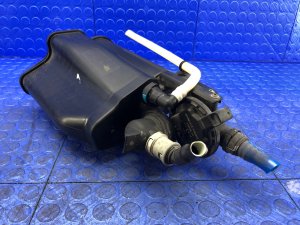
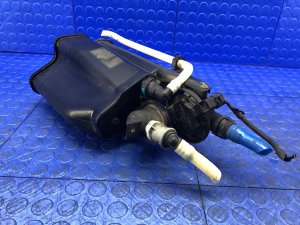
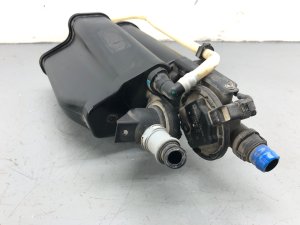
New Aftermarket Parts Available
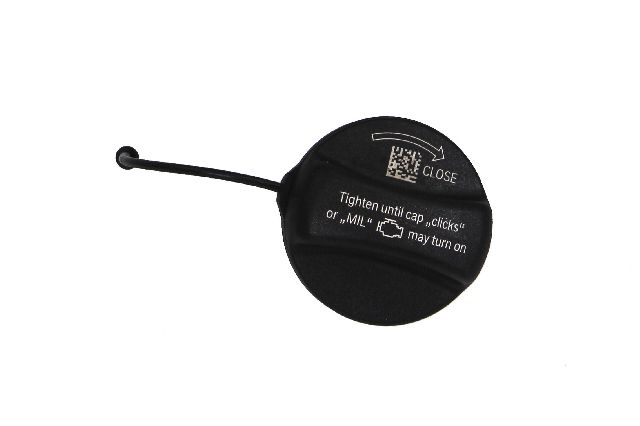


The information in this article is provided for general reference and educational purposes only. Vehicle specifications, procedures, and part compatibility can vary by production date, trim level, and region. Always consult your vehicle's factory service manual and verify part numbers before purchasing or performing repairs. Safety-critical components such as airbags, seat belts, and braking systems should be installed by a qualified professional.
- BMW 3 Series:
- 🧭 Diagnostic Flowchart
- 🎬 Helpful Videos
- 🛍️ Shop This Part
- What's Unique About the 2012-2019 BMW 3 Series
- Symptoms You May Notice
- Most Likely Causes
- Rare But Worth Checking
- Diagnosis Steps
- Parts You'll Likely Need
- Related Codes That Often Appear With This One
- Technical Service Bulletins (TSBs) & Recalls
- Platform-Specific Known Issues
- Mechanic-Grade Diagnostic Values
- Hidden / Shadow Codes Worth Checking
- Scan Tool Commands That Help
- Wiring & Ground Locations
- Real Owner Repair Stories
- OEM Part Supersession History
- Model Year Variations Within This Range
- Other Known Issues on This Vehicle
- Used vs. New Parts: Buying Guide for This Vehicle
- Real Owner Stories
- 2012-2019 BMW 3 Series (F30)
- Related OBD-II Codes
- Frequently Asked Questions
- 🎟️ Get 5% Off