

P0455 on 2021-2022 Buick Encore: EVAP Gross Leak Causes and Fixes
For a 2021-2022 Buick Encore, a P0455 code is most often caused by a loose or faulty gas cap. If the cap is secure, the next most likely culprit is a failed EVAP purge valve, a known issue for this platform. GM has issued Special Coverage N232395310 for the purge valve on 2021 models. A new gas cap costs around $15-$30, while a purge valve is about $30-$70.
- Always check the gas cap first for a P0455 code; it's the most common and cheapest fix.
- The EVAP purge valve (P/N 55573017) is a known weak point on the 1.4L engine in the Buick Encore and is the second most likely cause.
- P0455 indicates a *large* leak, which will cause an automatic failure on an emissions test.
- While you can drive the vehicle, you may notice a fuel smell or slight performance issues after refueling.
- If the gas cap and purge valve are not the issue, a smoke test is the most reliable way to find the leak.
What's Unique About the 2021-2022 Buick ENCORE
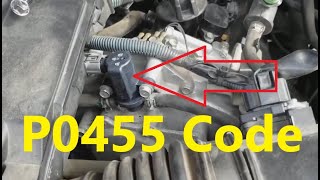
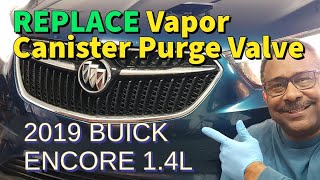
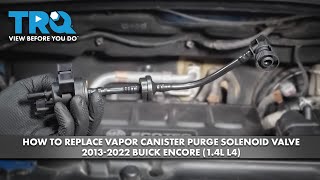
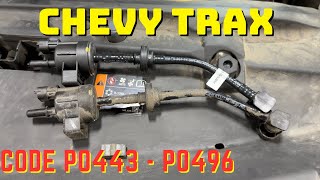
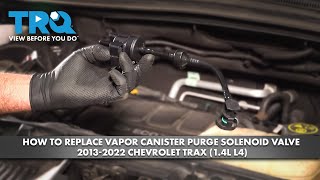
While the common causes for P0455 are typical across most vehicles, the Buick Encore and its platform mates (Chevy Trax, Sonic, Cruze) with the 1.4L engine have a notoriously high failure rate for the EVAP purge valve. 🎬 Watch: Diagnosing a bad purge valve on the Encore 1.4L. GM has acknowledged this by issuing multiple service bulletins and Special Coverage N232395310, which specifically covers the purge valve on the 2021 Buick Encore. Additionally, an older TSB for the Encore platform (#17-NA-383) notes a peculiar issue where spiders can build nests in the EVAP canister vent, causing a blockage that the system may interpret as a large leak.
Diagnostic Flowchart
Tap your situation to follow the diagnostic path that matches what you're seeing on this vehicle.
Symptoms You May Notice
- Check Engine Light is on
- A noticeable fuel smell, especially around the rear of the vehicle or near the gas cap.
- Potentially a rough idle or difficulty starting immediately after refueling if the purge valve is stuck open.
- Remote start feature may be disabled by the active trouble code.
- Replacing the fuel tank pressure sensor when the issue is a simple physical leak.
- Replacing the entire EVAP canister when only the vent valve is faulty or a line is blocked.
- Repeatedly replacing parts without performing a smoke test to find the actual source of the leak, as documented by a user on Reddit with a Chevy Trax.
Most Likely Causes
- Loose, Damaged, or Incorrect Gas Cap 🔴 High Probability → Shop Fuel Tank Cap This is the most common cause for P0455 on any vehicle. The rubber O-ring seal on the cap can wear out, crack, or get dirty, preventing a proper seal.
How to confirm: Inspect the gas cap for any visible cracks or damage to the seal. Ensure it is tightened until it clicks at least three times. A definitive confirmation is a smoke test, which will show smoke escaping from the cap area if the seal is bad.
Typical fix: Tighten or replace the gas cap. Using an OEM cap (GM Genuine Parts) is often recommended for a reliable seal.
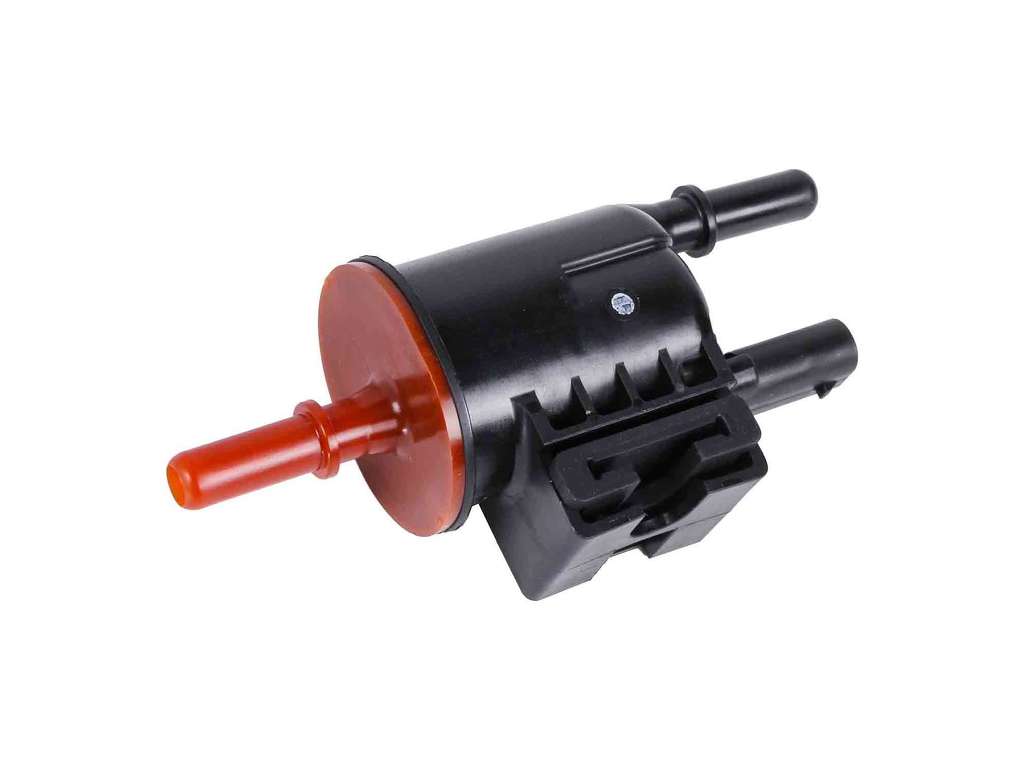
Est. part cost: $15-$30 - Faulty EVAP Purge Solenoid/Valve 🔴 High Probability → Shop Vapor Canister The purge valve on the 1.4L engine is a very common failure point across the Encore, Trax, Sonic, and Cruze platforms. It can get stuck open, creating a constant vacuum leak that the system flags as P0455. GM has acknowledged this with Special Coverage N232395310 for 2021 Encore models.
How to confirm: With the engine idling, disconnect the vapor line from the valve and feel for suction with your finger. There should be no vacuum at idle. If there is, the valve is stuck open and needs replacement. A bi-directional scan tool can also command the valve on and off to test function.
Typical fix: Replace the EVAP purge valve. It is located on top of the engine and is relatively easy to access, held by one or two bolts.
Est. part cost: $30-$70 - Faulty EVAP Vent Solenoid/Valve 🟡 Medium Probability → Shop Vapor Canister This valve is located near the EVAP canister by the fuel tank and is exposed to road debris and moisture, which can cause it to fail or stick open. When it sticks open, the system cannot seal to perform its pressure test.
How to confirm: The valve is normally open and should close when voltage is applied during a system test. A scan tool can command the valve closed to test its function. A smoke test will quickly reveal a stuck-open vent valve as smoke will exit the vent.
Typical fix: Replace the vent solenoid. It is typically mounted to or near the charcoal canister.
Est. part cost: $40-$80 - Cracked or Disconnected EVAP Hose ⚪ Low Probability Rubber hoses can become brittle and crack over time, especially the molded elbows near the purge valve on the engine. TSB 21-NA-124 specifically calls out checking for unseated tube connections as a primary diagnostic step.
How to confirm: A visual inspection may reveal obvious cracks or disconnections. A smoke test is the most effective method to find small cracks or leaks in the hose network.
Typical fix: Replace the damaged section of hose. A user on GM-Forum.com reported successfully fixing a P0455 by replacing a small cracked molded hose near the purge solenoid.
Est. part cost: $10-$50
Rare But Worth Checking
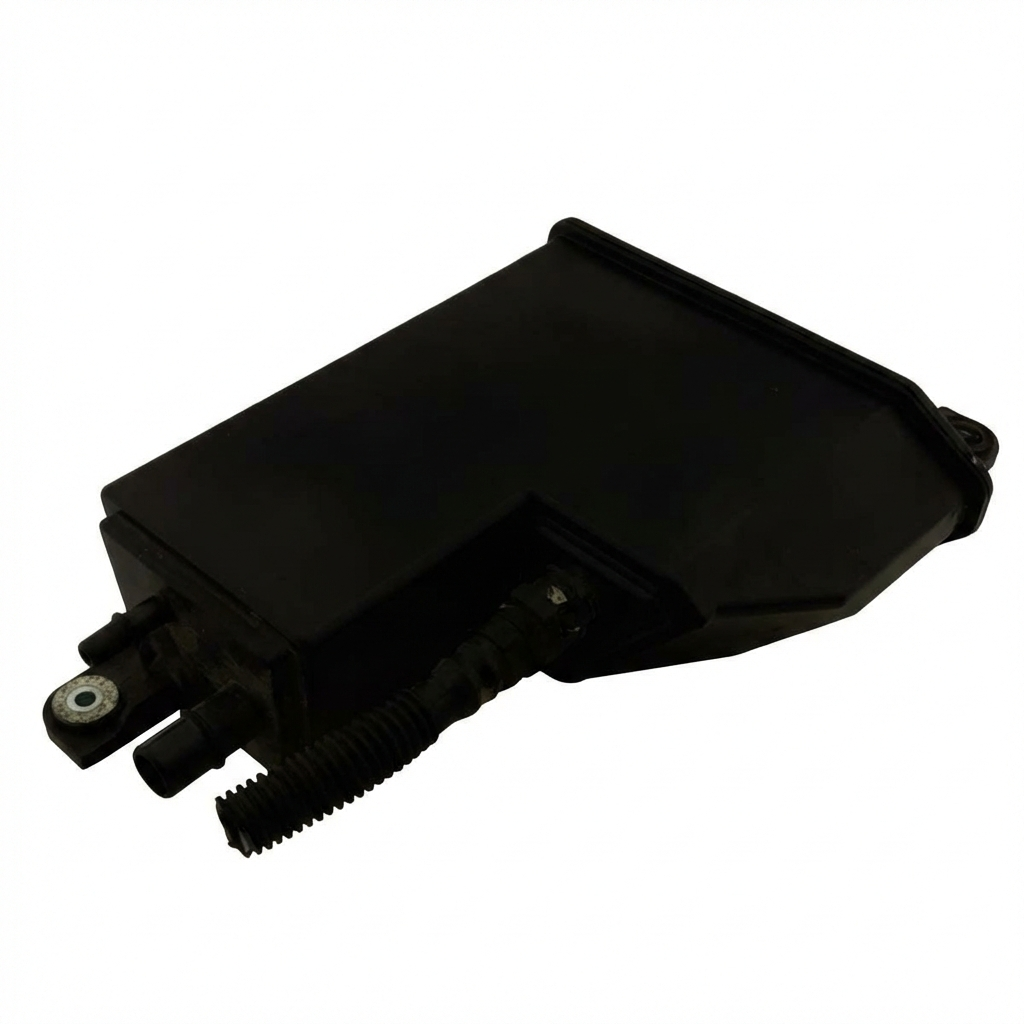
- Spider Nest in EVAP Canister Vent: → Shop Vapor Canister A GM Technical Service Bulletin (#17-NA-383) was issued for older Encore models because spiders can build nests inside the EVAP canister's fresh air vent. This can cause a blockage that the system interprets as a large leak, triggering P0455. While the TSB doesn't cover 2021-2022, it highlights a known vulnerability of the canister design on this platform.
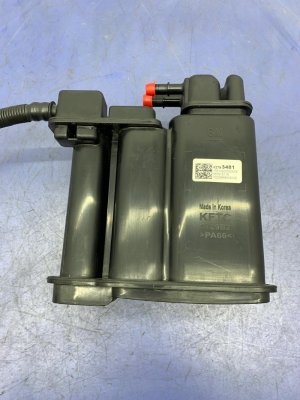
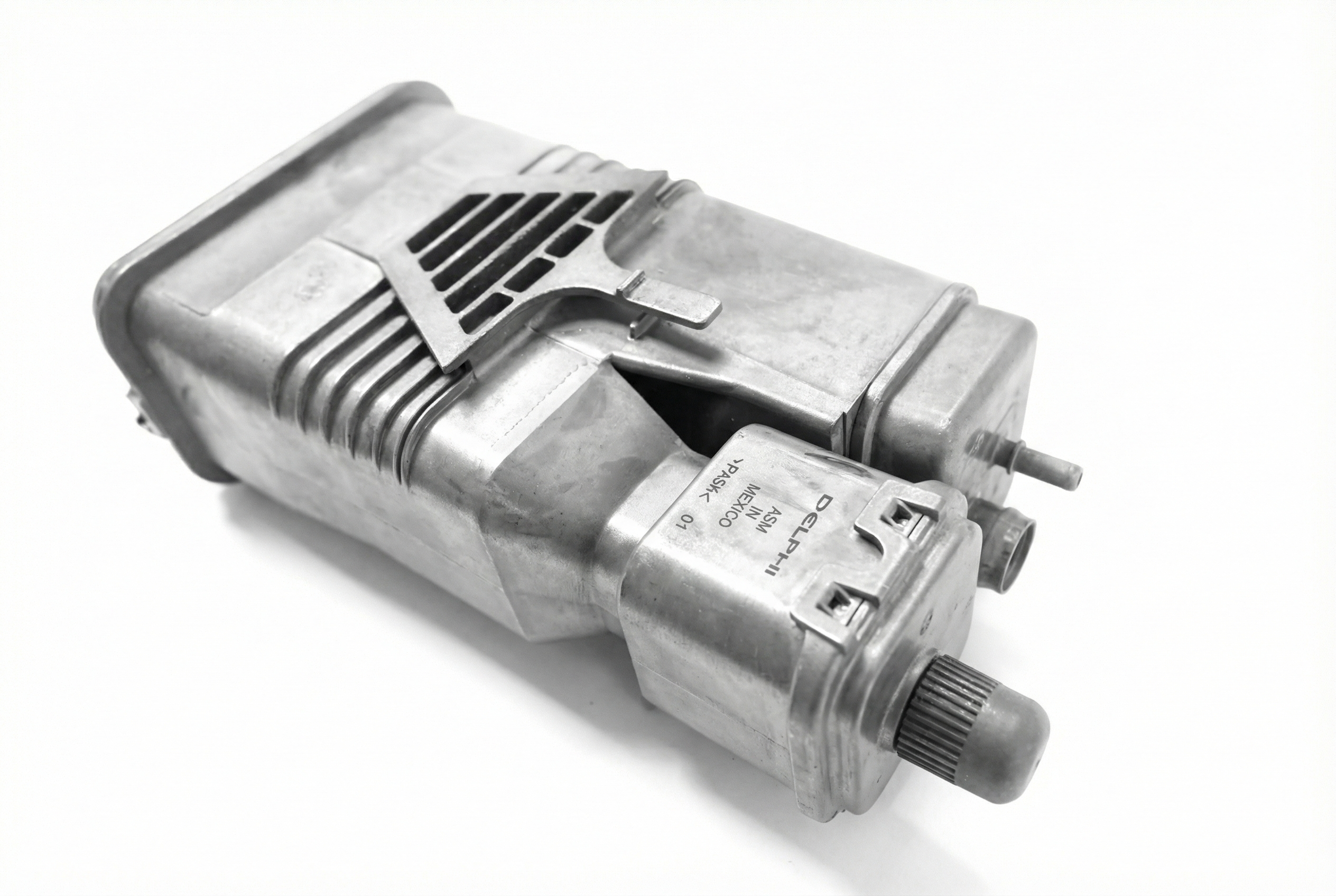
- Cracked EVAP (Charcoal) Canister: → Shop Vapor Canister Physical damage to the canister housing from road debris can cause a large leak. This is less common than component failure but should be checked if there is evidence of an underbody impact.
- Damaged Fuel Filler Neck: → Shop Fuel Filler Neck Rust or corrosion on the metal fuel filler neck where the gas cap seals can prevent a proper seal, leading to a P0455 code. This is more common in regions that use road salt and can be inspected visually or confirmed with a smoke test.
- Stuck-Closed EVAP Purge Valve: → Shop Vapor Canister While less common than sticking open, a purge valve that is stuck closed can also cause a P0455. The ECM commands the purge valve to open to draw a vacuum on the tank for the test. If the valve fails to open, no vacuum is generated, and the system interprets this as a massive leak.
Diagnosis Steps
- Read the code with an OBD-II scanner to confirm P0455 is the primary code.
- Inspect the gas cap. Remove it, check the seal for cracks, and reinstall it, ensuring it clicks several times. Clear the code and drive for a few days to see if it returns.
- If the code returns, follow the diagnostic order from TSB #21-NA-124. First, perform a visual inspection of all accessible EVAP hoses and lines, especially checking for connections that may have come unseated at the purge valve, canister, and along the chassis.
- Test the purge valve. With the engine running, disconnect the vapor line from the valve and feel for suction. If suction is present, the valve is stuck open and must be replaced. Before replacing, check if your 2021 Encore is covered under Special Coverage N232395310 by contacting a GM dealer with your VIN.
- If the purge valve is good, visually inspect the EVAP canister and vent solenoid under the vehicle near the fuel tank for damage.
- If no obvious issues are found, the most effective next step is to have a professional perform a smoke test. This involves injecting smoke into the EVAP system to quickly and accurately locate the source of the leak, whether it's a cracked hose, bad seal, or faulty canister.
Parts You'll Likely Need
- Gas Cap — This is the most frequent and simplest fix for a P0455 code. The seal fails over time. An OEM cap is highly recommended.
Trusted brands: ACDelco, GM Genuine Parts
OEM price range: $20-$35
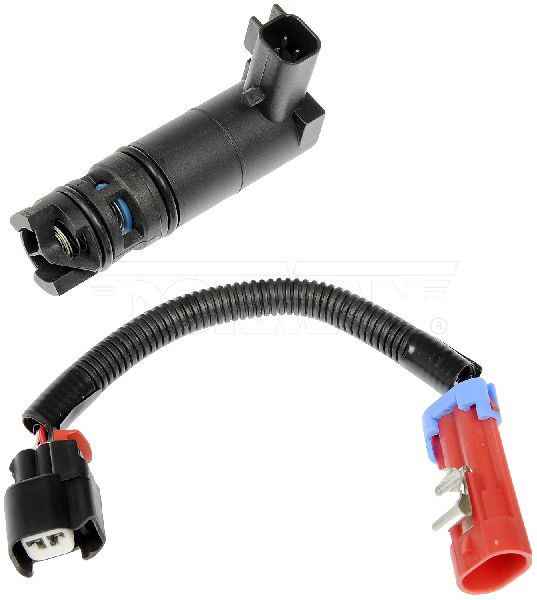
Aftermarket price range: $15-$25 - Vapor Canister Purge Valve
(OEM #55573017)— A very common failure on the 1.4L Turbo engine. It gets stuck open, causing a large leak detected code. This part is covered for 2021 models under Special Coverage N232395310.
Trusted brands: ACDelco (GM OE), Bosch, Delphi, Dorman (P/N: 911-409), Standard Motor Products (P/N: CP781)
OEM price range: $50-$70
Aftermarket price range: $25-$50 - Vapor Canister Vent Solenoid
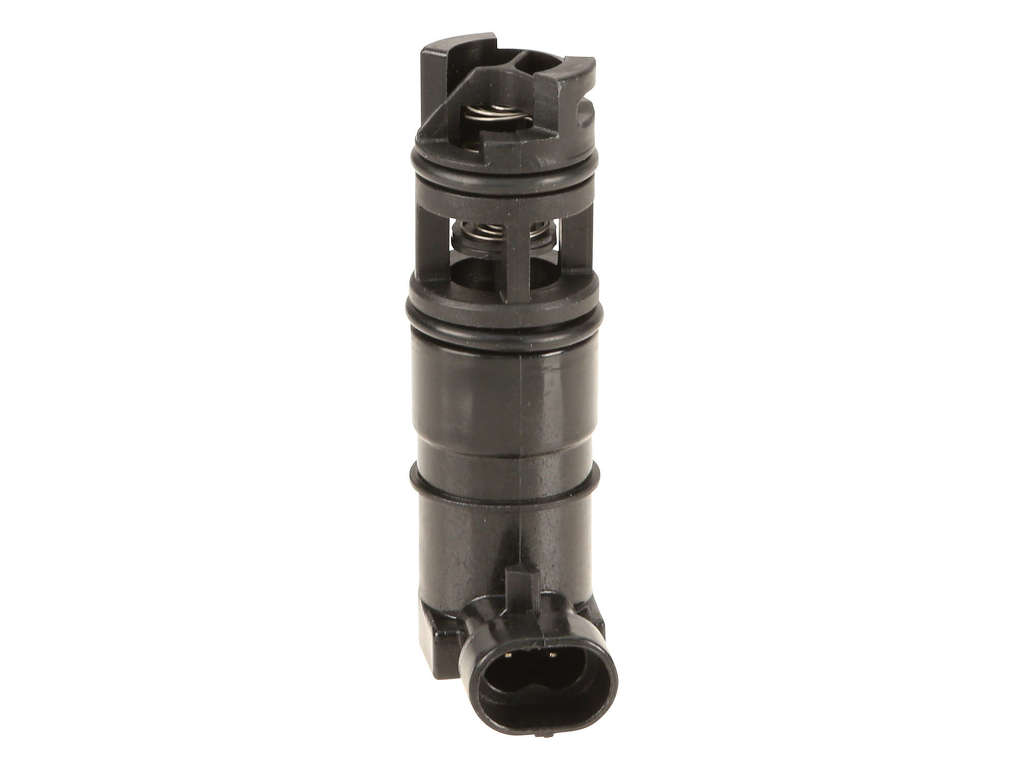
(OEM #22865590)— This valve can get stuck open due to its location under the vehicle, causing a large leak. It is the next most likely component to fail after the gas cap and purge valve.
Trusted brands: ACDelco, Dorman
OEM price range: $60-$80
Aftermarket price range: $40-$60
Related Codes That Often Appear With This One
- P0442 — P0442 indicates a small EVAP leak. Sometimes a component is beginning to fail and may trigger both small and large leak codes at different times. TSB #21-NA-124 addresses both codes together.
- P0171 — P0171 (System Too Lean) can appear with P0455 if the purge valve is stuck open, causing a vacuum leak that allows unmetered air into the intake manifold, disrupting the air-fuel ratio.
- P0496 — This code specifically indicates 'EVAP Flow During a Non-Purge Condition,' which almost always points directly to a purge valve that is stuck open. It is very commonly seen with P0455 on this platform.
Technical Service Bulletins (TSBs) & Recalls
- Bulletin #21-NA-124: Diagnostic tips for P0442 and/or P0455 EVAP leak codes.
- Bulletin #17-NA-383: Notes a rare cause of P0455 on older models (spiders in EVAP canister), highlighting canister vulnerability.
- Special Coverage #N232395310: Covers the purge valve on 2021 Buick Encore models.
- Special Coverage #N232395300: Covers the purge valve on 2020 Buick Encore models, showing a pattern of failure for the part.
Platform-Specific Known Issues
- Special Coverage N232395310 - Evaporative Emission Purge Pump: GM issued this special coverage for certain 2021 Buick Encore models (and other vehicles with the 1.4L LUV engine) due to a high failure rate of the EVAP purge valve. This program extends the warranty coverage for this specific part. Owners should contact a GM dealership with their VIN to verify eligibility for a free repair.
Mechanic-Grade Diagnostic Values
- EVAP Purge Valve Solenoid Resistance — expected: 15 - 30 Ohms. Failure: A reading of 0 Ohms (short) or infinite/OL (open circuit) indicates a failed coil.
- EVAP Canister Vent Valve Solenoid Resistance — expected: 10 - 30 Ohms. Failure: A reading outside this range indicates a failed solenoid coil.
- Fuel Tank Pressure (FTP) Sensor Voltage at Atmospheric Pressure (Key On, Engine Off, gas cap off) — expected: 1.3V - 1.7V (typically around 1.5V). Failure: A reading fixed at 0V, 0.3V, or 5V suggests a faulty sensor or a wiring issue.
Hidden / Shadow Codes Worth Checking
- Mode 10 (Permanent DTC): After a repair is made and the active P0455 code is cleared, the code may remain as a 'Permanent DTC'. This code cannot be erased with a standard scanner command and is only cleared by the vehicle's computer after it successfully runs and passes the internal EVAP monitor test over several drive cycles. (see via Most modern OBD-II scan tools can display Permanent DTCs, often listed under a 'Mode $0A' or 'Permanent Codes' menu.)
Scan Tool Commands That Help
- GDS2 / Tech2: EVAP Service Bay Test — This is a guided, automated test that commands the system to seal and pulls a vacuum to check for leaks, providing a pass/fail result. It's the most definitive way to test the system's integrity without a smoke machine, but requires prerequisites like fuel level (15-85%) to be met.
- GDS2 / Tech2 (or professional bidirectional scanner): EVAP Purge/Seal — This function, often under 'Output Controls', allows a technician to manually command the purge valve (by percentage) and the vent valve (On/Off) independently. This is crucial for isolating a faulty component or sealing the system for a smoke test.
- GDS2 / Tech2 (or professional bidirectional scanner): EVAP Vent Solenoid Control — This command specifically closes the normally-open vent valve. It is a required first step to seal the system before performing a smoke test to check for physical leaks.
Wiring & Ground Locations
- G101 / G106 — G101 is on the lower front of the engine block and jumpers to G106 at the center of the frame cross rail under the crank pulley.. These are critical grounds for the Engine Control Module (ECM). A poor connection here can cause erratic sensor readings and incorrect diagnostic results, potentially mimicking an EVAP fault.
- G103 — Located at the left rear of the engine compartment on the cowl, above the brake booster.. This is a major ground point for the Body Control Module (BCM) and the Data Link Connector (DLC), which is the port used for scanning codes. A bad ground here can interfere with diagnostics.
Real Owner Repair Stories
- General Repair Story (applicable to Encore) (Various vehicles, common scenario for P0455) — Check Engine Light with code P0455.
❌ Tried (didn't work) Replacing the gas cap.
✅ What actually fixed it A smoke test revealed a visible vapor leak from a cracked rubber EVAP hose right where it connected to the charcoal canister. The hose had become brittle from age and heat. Replacing the small section of hose and securing it with a new clamp resolved the leak.
"I Checked Everything" — The Actual Cause
- A critical scenario outlined in GM TSB 21-NA-124 is a P0455 code caused by a stuck-CLOSED purge valve. A technician may perform a smoke test, which pressurizes the system, and find zero leaks. This happens because the smoke test only checks for physical leaks to the atmosphere; it does not test the function of the valves. The P0455 code sets because the ECM's self-test tries to open the purge valve to draw engine vacuum into the fuel tank. If the valve is stuck closed, no vacuum is generated, and the Fuel Tank Pressure sensor reading doesn't change. The ECM interprets this as a massive leak, when in fact it's a flow blockage. The fix is to test the purge valve's operation directly with a bidirectional scanner, not just the system's ability to hold pressure.
OEM Part Supersession History
22865590→42933353— Part number has been updated by GM. Reasons can include design improvements, change in manufacturer, or consolidation of parts.
Heads up: The new part number 42933353 is the direct replacement for 22865590 and should be used for service.95128163→42782039— Part number for the EVAP Charcoal Canister has been updated by GM.
Heads up: The new part number 42782039 is the direct replacement for the older canister.
Helpful Videos
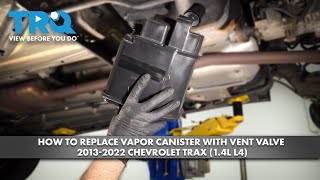
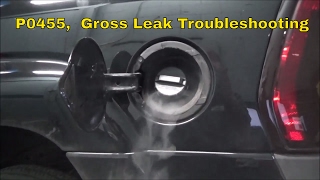
![How to Fix P0455 Engine Code in 3 Minutes [2 DIY Methods / Only $4.61]](https://img.youtube.com/vi/b-o1a2XuVN4/mqdefault.jpg)


Used OEM Parts in Stock
New Aftermarket Parts Available


The information in this article is provided for general reference and educational purposes only. Vehicle specifications, procedures, and part compatibility can vary by production date, trim level, and region. Always consult your vehicle's factory service manual and verify part numbers before purchasing or performing repairs. Safety-critical components such as airbags, seat belts, and braking systems should be installed by a qualified professional.
- Buick ENCORE:
- 🧭 Diagnostic Flowchart
- 🎬 Helpful Videos
- 🛍️ Shop This Part
- What's Unique About the 2021-2022 Buick ENCORE
- Symptoms You May Notice
- Most Likely Causes
- Rare But Worth Checking
- Diagnosis Steps
- Parts You'll Likely Need
- Related Codes That Often Appear With This One
- Technical Service Bulletins (TSBs) & Recalls
- Platform-Specific Known Issues
- Mechanic-Grade Diagnostic Values
- Hidden / Shadow Codes Worth Checking
- Scan Tool Commands That Help
- Wiring & Ground Locations
- Real Owner Repair Stories
- "I Checked Everything" — The Actual Cause
- OEM Part Supersession History
- 🎟️ Get 5% Off