

P0455 on 2013-2019 Buick LaCrosse: EVAP Large Leak Causes and Fixes
On a 2013-2019 Buick LaCrosse, code P0455 is most often caused by a loose gas cap or a failed EVAP canister purge valve. First, check that your gas cap is tight and the seal is intact. If the code returns, the purge valve is the next likely culprit, costing around $25-$50 for an OEM part and is a DIY-friendly repair. This is a very common issue on GM vehicles.
- Always check your gas cap first. Ensure it's tight and the seal is in good condition before attempting any other repairs.
- For the 2013-2019 LaCrosse, the two most common part failures for P0455 are the purge valve (in the engine bay) and the vent valve (at the rear of the car).
- If you also have a P0496 code, focus on the purge valve. If you have trouble filling the gas tank, focus on the vent valve.
- Be aware that the 2013-2016 and 2017-2019 models use different part numbers for the purge valve. Verify the correct part for your specific year.
- If a simple inspection doesn't reveal the leak, a professional smoke test is the fastest way to pinpoint the exact location.
What's Unique About the 2013-2019 Buick LACROSSE
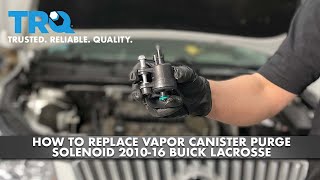
The 2013-2019 LaCrosse spans two different vehicle generations (2013-2016 and 2017-2019), which use different parts for the same function, most notably the canister purge valve. 🎬 Watch: Step-by-step purge valve replacement for 2013-2016 models. Like many GM vehicles, the purge valve is a very common failure point that can trigger a P0455 code. While the gas cap is always the first suspect, owners of these vehicles should be aware that the purge valve is a frequent and well-documented cause of this specific code, often failing by sticking open.
Diagnostic Flowchart
Tap your situation to follow the diagnostic path that matches what you're seeing on this vehicle.
Generation note: The 2013-2019 range covers the end of the second generation (2013-2016) and the beginning of the third generation (2017-2019). Key emissions parts, like the EVAP Purge Valve, are different between these generations and have unique part numbers. The second generation LaCrosse shares its platform and many parts with the 2014-2020 Chevrolet Impala, which experiences identical P0455 issues.
Symptoms You May Notice
- Check Engine Light is on
- A 'tighten gas cap' message may appear on the dashboard
- A noticeable fuel smell, especially around the rear of the car or in the garage overnight
- Difficulty filling the gas tank (fuel nozzle clicks off prematurely), which often points to a faulty or clogged vent solenoid
- Slightly rough idle or difficulty starting after refueling (if the purge valve is stuck open)
- A slight decrease in fuel economy, though it may not be easily noticeable.
- Replacing the fuel tank pressure sensor. While it's part of the system, it's more likely to fail in a way that sets its own specific code (e.g., P0452) rather than a large leak code.
- Immediately replacing the vent solenoid when the purge solenoid is the actual cause. A stuck-open purge solenoid is a very common GM failure and easier to test first.
Most Likely Causes
- Loose, Worn, or Incorrect Gas Cap 🔴 High Probability → Shop Fuel Tank Cap This is the most common cause for a P0455 code on any vehicle due to user error or simple wear of the cap's seal. Aftermarket gas caps are a frequent source of leaks if they do not seal as well as the OEM design.
How to confirm: Ensure the gas cap clicks at least three times when tightened. Inspect the rubber O-ring on the cap for cracks, stiffness, or damage. A 'tighten gas cap' message is a strong clue. Some owners have successfully used a plastic bag as a temporary seal to test if the cap is the issue.
Typical fix: Tighten the cap and clear the code. If the code returns, replace the gas cap with a new, high-quality OEM part. Clean the fuel filler neck surface where the cap seals.
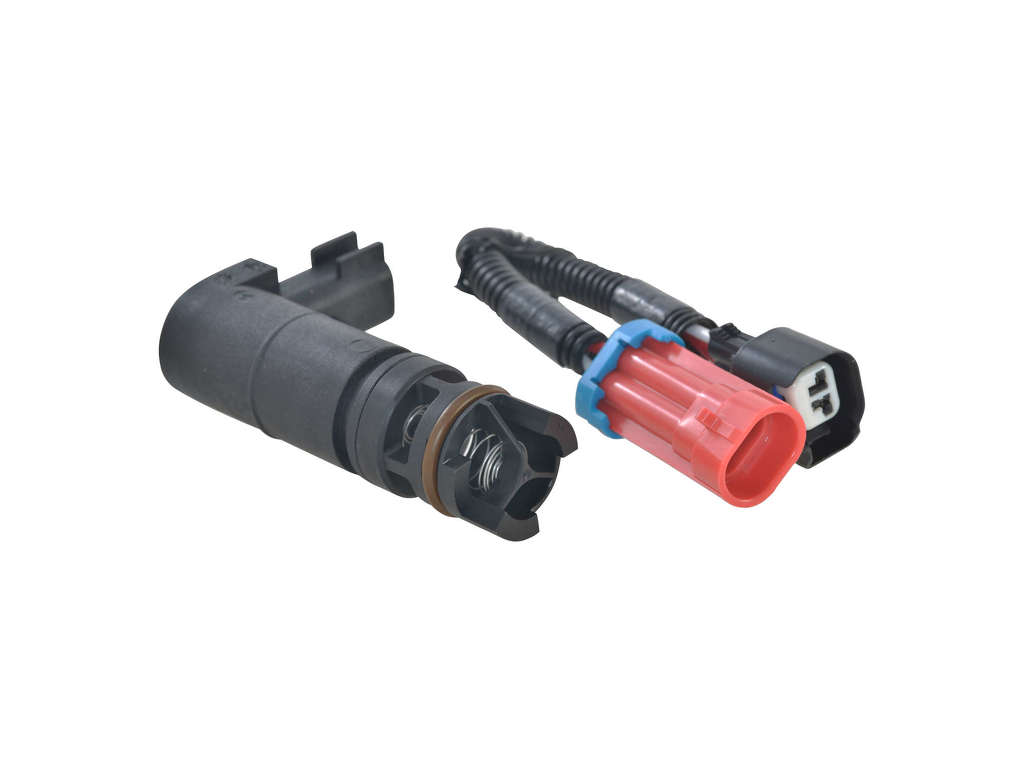
Est. part cost: $15-$35 - Failed EVAP Canister Purge Valve (Solenoid) 🟡 Medium Probability → Shop Vapor Canister This is a very common failure item on GM vehicles, including the LaCrosse and its platform-mate, the Chevy Impala. The valve can get stuck open, creating a permanent leak path that the system detects as a large leak.
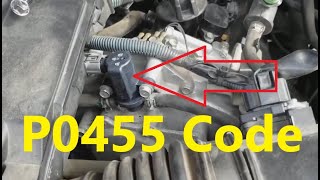
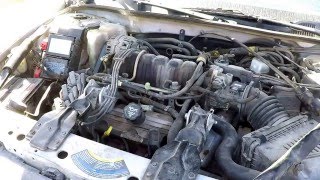
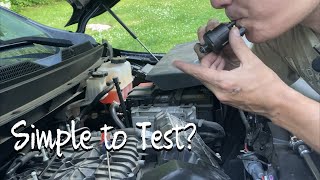
How to confirm: The purge valve is located in the engine bay, on top of the engine. With the engine off, disconnect the valve and try to blow through it. If air passes through, it is stuck open and has failed. If this valve fails, it often triggers code P0496 as well.
Typical fix: Replace the purge valve. This is generally a simple repair involving one 10mm bolt and two connections.
Est. part cost: $25-$50 - Failed EVAP Canister Vent Valve (Solenoid) 🟡 Medium Probability → Shop Vapor Canister This valve, located near the charcoal canister at the rear of the car, can get stuck open due to dirt and road debris, preventing the system from sealing for its pressure test. It can also get stuck closed, causing refueling issues.
How to confirm: This valve is normally open and closes when commanded by the ECM. Confirmation often requires a bi-directional scan tool to command the valve shut and see if it holds a vacuum or smoke. Difficulty refueling is a strong symptom of a stuck-closed valve. On the LaCrosse, accessing this part may require lowering the fuel tank.
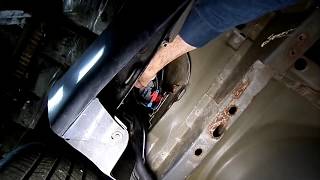
Typical fix: Replace the vent valve solenoid. Accessing it may require safely raising the rear of the vehicle and potentially dropping the fuel tank.
Est. part cost: $30-$85 - Cracked or Disconnected EVAP Hoses ⚪ Low Probability Over time, the plastic and rubber hoses in the EVAP system can become brittle and crack, especially the molded elbows near the purge solenoid or the lines running along the frame.
How to confirm: Visually inspect all accessible EVAP lines, from the engine bay to the charcoal canister in the rear. A smoke test is the most effective way to find a hard-to-see crack or leak.
Typical fix: Replace the cracked section of hose. In some cases, a custom-molded hose may be required from the dealer.
Est. part cost: $10-$50
Rare But Worth Checking
- Cracked EVAP Charcoal Canister: → Shop Vapor Canister While not common, physical damage from road debris or age can crack the plastic housing of the canister, creating a large leak. This is usually found during a smoke test.
- Damaged Fuel Tank Filler Neck: → Shop Fuel Tank Rust or damage on the filler neck can prevent the gas cap from creating a proper seal, leading to a P0455 code even with a new cap. This is more common in areas that use road salt.
- Leaking Fuel Tank Pressure Sensor Seal: → Shop Fuel Tank The sensor itself may be fine, but the gasket where it mounts to the fuel tank or sending unit can degrade and cause a leak. This is often found via a smoke test.
Diagnosis Steps
- Check the Gas Cap: This is the first and easiest step. Remove the cap, inspect the seal for cracks or damage, and reinstall it, making sure it clicks several times. Clear the code and drive for a few days to see if it returns.
- Visual Inspection: Carefully inspect the EVAP hoses in the engine bay, particularly around the purge valve, for any obvious cracks, loose connections, or signs of wear.
- Test the Purge Valve: Locate the purge valve on the engine. Disconnect it and try to blow air through it. If air passes, the valve is stuck open and must be replaced. This is a very common failure.
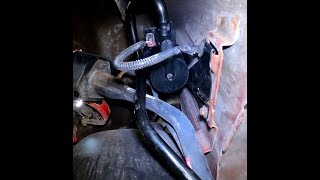
- Inspect the Vent Valve: Locate the vent valve near the charcoal canister at the rear of the car. Check its wiring and hoses for damage. A definitive test requires a scan tool to command it closed. On the LaCrosse, this part can be difficult to access and may require lowering the fuel tank.
- Perform a Smoke Test: If the leak is not obvious, the most reliable method is to have a smoke test performed. A machine injects non-harmful smoke into the EVAP system, and any leaks will be revealed by escaping smoke. This is the definitive way to find cracked hoses or leaks at the canister or fuel tank.
Parts You'll Likely Need
- EVAP Canister Purge Valve
(OEM #12690512 (superseded by 12737252 for 2013-2016), 12630282 (for 2017-2019))— A very common failure point on GM vehicles that gets stuck open, causing a P0455 code. Part numbers differ by generation. It is highly recommended to use OEM/ACDelco parts as aftermarket versions are known to fail quickly.
Trusted brands: ACDelco (GM Genuine), Dorman
OEM price range: $25-$50
Aftermarket price range: $20-$40 - Fuel Cap
(OEM #GT330 (ACDelco))— The most frequent cause of a P0455 code is a gas cap that is loose or has a failed seal. Using an OEM cap is highly recommended for a proper seal, as aftermarket caps can be problematic.
Trusted brands: ACDelco
OEM price range: $20-$35
Aftermarket price range: $15-$25 - EVAP Canister Vent Solenoid
(OEM #25950499 (ACDelco for 2013-2016), check VIN for 2017-2019)— This valve gets stuck open from exposure to road debris, preventing the EVAP system from sealing. It's a common cause, especially if you have trouble filling the fuel tank. Access can be difficult.
Trusted brands: ACDelco, Standard Motor Products (SMP), Dorman
OEM price range: $45-$85
Aftermarket price range: $30-$60
Related Codes That Often Appear With This One
- P0442 — This code is for a 'small' EVAP leak. Sometimes a component is beginning to fail and may initially set a P0442 before worsening and triggering a P0455. The TSB for this vehicle groups them together for diagnosis.
- P0496 — This code indicates 'EVAP Flow During a Non-Purge Condition,' which is a classic symptom of a purge valve that is stuck open. If you see P0496 with P0455, the purge valve is almost certainly the culprit.
- P0449 — This code points specifically to a malfunction in the EVAP vent solenoid circuit. If you see P0449 with P0455, the vent solenoid is the primary suspect.
Technical Service Bulletins (TSBs) & Recalls
- 21-NA-124: A broad GM technical service bulletin providing diagnostic tips for testing EVAP system leaks related to codes P0442 (small leak) and P0455 (large leak). It advises a chronological investigation: 1. Check all EVAP lines and connections. 2. Check for damaged lines. 3. Investigate the vent valve. 4. Investigate the purge valve.
Platform-Specific Known Issues
- Difficult Vent Valve Access: Unlike some other GM vehicles where the vent valve is easily accessible near the rear wheel, on the 2014 LaCrosse (and likely similar years), forum users have reported that the vent valve and fuel tank pressure sensor are located on top of the fuel tank, requiring the tank to be dropped for replacement. This significantly increases the labor and complexity of the repair.
Mechanic-Grade Diagnostic Values
- EVAP Purge or Vent Solenoid Coil Resistance — expected: 15 to 30 Ohms. Failure: A reading far outside this range, or an open circuit (infinite resistance), indicates a failed internal coil.
- EVAP Vent Solenoid Bench Test — expected: With 12V applied to the terminals, the normally-open valve should 'click' and close, preventing air from being blown through it.. Failure: If the valve does not click, or if it clicks but air can still pass through, the valve has failed.
- Fuel Tank Pressure (FTP) Sensor Connector Voltage — expected: With the key on and engine off, you should find a 5-volt reference wire, a ground wire (0 volts), and a signal wire with a specific voltage (typically ~1.5-2.5V at atmospheric pressure).. Failure: Absence of the 5V reference or ground indicates a wiring issue. A signal voltage that is stuck high or low, or does not change when a vacuum/pressure is applied, points to a failed sensor.
Scan Tool Commands That Help
- GDS2 / Professional Scan Tool: EVAP System Service Bay Test — This is a comprehensive, automated test that commands the purge and vent valves to seal the system and monitors the FTP sensor to check for leaks, helping to confirm system integrity after a repair.
- GDS2 / Professional Scan Tool: EVAP Vent Solenoid Valve Control — This bidirectional command allows a technician to manually command the normally-open vent valve to close. This is essential during a smoke test to seal the system and force smoke to exit from any leak points.
Wiring & Ground Locations
- EVAP Purge Valve Connector — In the engine bay, at the rear of the engine near the throttle body on 3.6L V6 models.. Damage to this connector or its wiring can prevent the purge valve from operating correctly, potentially causing it to remain open and trigger a P0455.
- EVAP Vent Valve Solenoid Wiring — Underneath the vehicle near the EVAP canister, which is located near the fuel tank ahead of the rear driver's side wheel.. This circuit is commonly a 2-wire setup. One wire receives 12V when the ignition is on, and the other is a ground controlled by the ECM. A break in the power or ground wire will prevent the normally-open valve from closing during a system test, causing the test to fail and set a P0455.
Real Owner Repair Stories
- YouTube channel 'P0455: EVAP LARGE LEAK DETECTED FIXED FAST & EASY' (2014 Chevrolet Impala (platform-mate)) — Check Engine Light with code P0455.
✅ What actually fixed it The vehicle had an aftermarket gas cap that was not sealing correctly. Replacing it with a new, proper-fitting gas cap resolved the large leak code. - YouTube channel 'richpin06a' (2009 Chevrolet Impala (platform-mate)) — Check Engine Light with code P0455.
❌ Tried (didn't work) Checking the gas cap, which was secure.
✅ What actually fixed it The EVAP canister vent solenoid was removed and tested by applying 12V. The valve failed to close when energized, confirming it was faulty. Replacing the vent solenoid fixed the code. - Reddit user in r/Buick (2014 Buick LaCrosse) — Check Engine Light on, AutoZone scan pointed to canister vent valve solenoid.
❌ Tried (didn't work) Getting quotes from a shop ($100 just for a smoke test).
✅ What actually fixed it A responding user confirmed the location for this model year: the solenoid is on top of the EVAP canister located underneath the car, requiring removal of the canister (3-4 nuts and hoses) to access it. This confirms the 'Difficult Vent Valve Access' issue noted in Pass 2.
"I Checked Everything" — The Actual Cause
- In one documented case on a GM vehicle, a P0455 code was present but the shop's smoke test found no leaks. The owner then tested the vent valve by applying 12V from a battery and discovered it would not close, even though it wasn't leaking smoke while at rest (in its normally open state). Replacing the electrically failed but physically intact vent valve solved the problem, highlighting that a passed smoke test does not always rule out a bad valve.
OEM Part Supersession History
12690512→12737252— This is a standard part revision for the EVAP Canister Purge Valve for the 2013-2016 LaCrosse. The new part number is the current GM-recommended replacement.
Heads up: Part number 12737252 also replaces even older part numbers 12610560 and 12661763, indicating a long history of revisions for this component.
Model Year Variations Within This Range
- 2013-2016 (Second Generation): The common EVAP Purge Valve is part number 12690512, which has been superseded by 12737252.
- 2017-2019 (Third Generation): Uses a different EVAP Purge Valve, such as part number 12630282. The EVAP canister and related components also differ from the previous generation.
Helpful Videos

Used OEM Parts in Stock
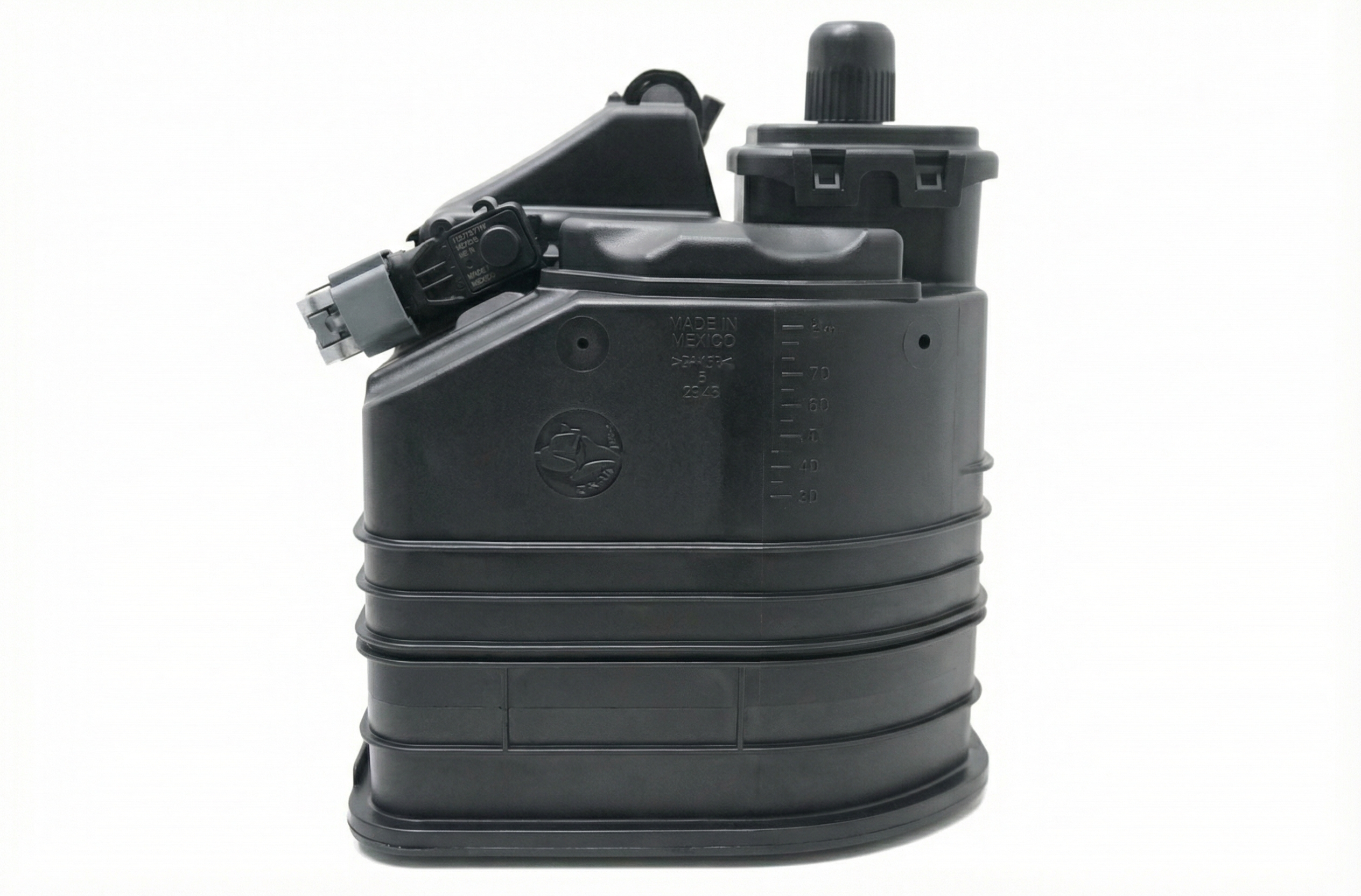
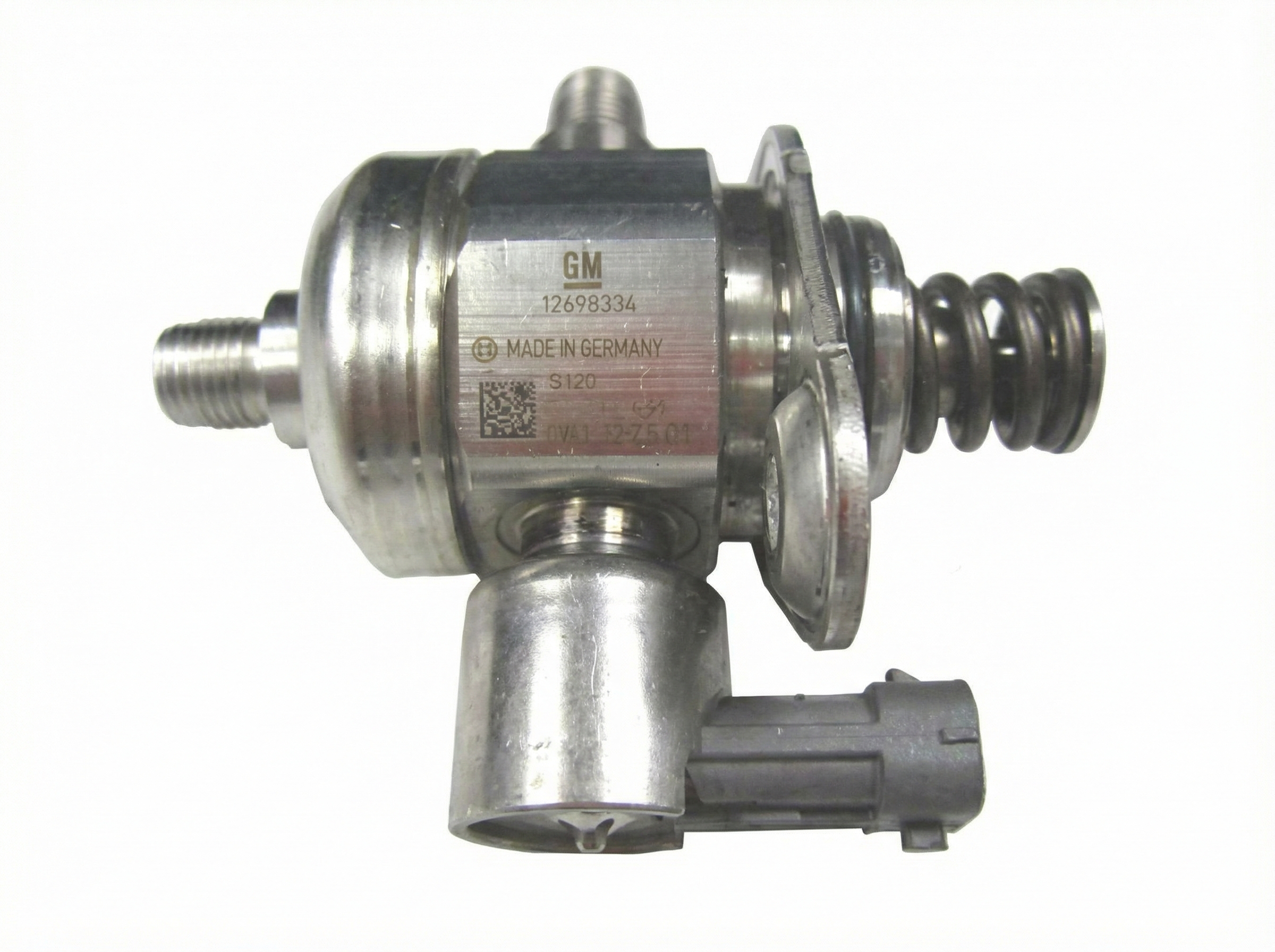
New Aftermarket Parts Available

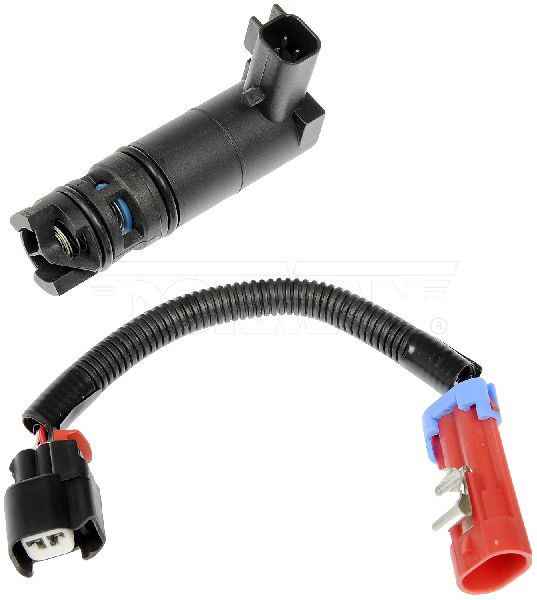
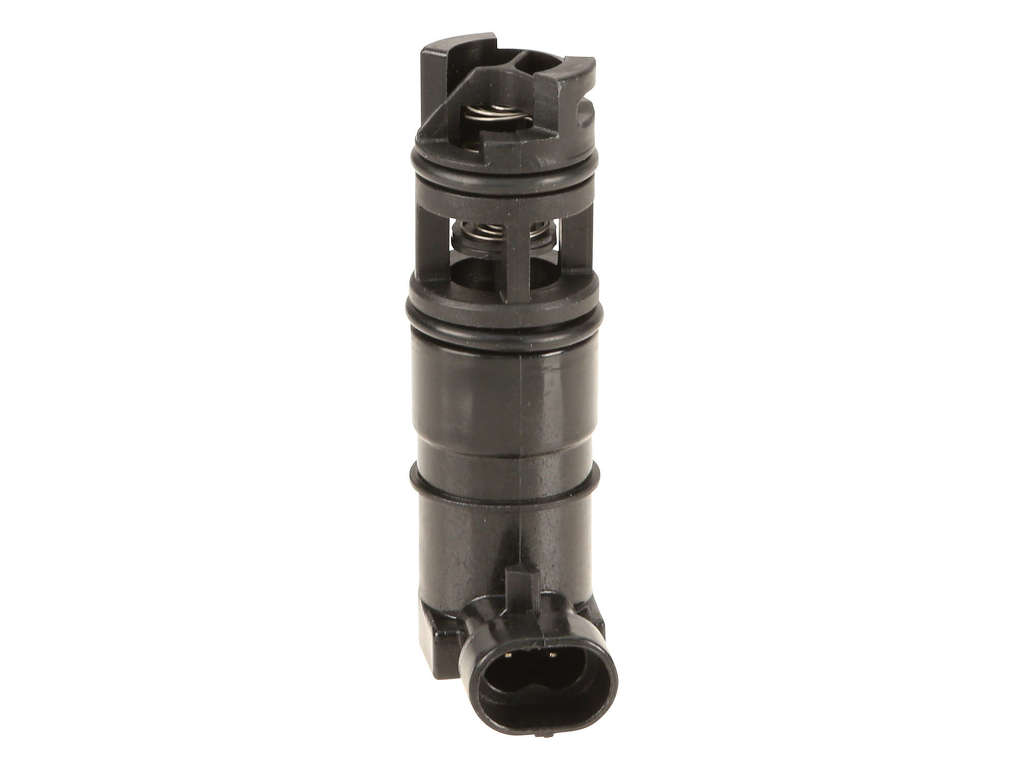

The information in this article is provided for general reference and educational purposes only. Vehicle specifications, procedures, and part compatibility can vary by production date, trim level, and region. Always consult your vehicle's factory service manual and verify part numbers before purchasing or performing repairs. Safety-critical components such as airbags, seat belts, and braking systems should be installed by a qualified professional.
- Buick LACROSSE:
- 🧭 Diagnostic Flowchart
- 🎬 Helpful Videos
- 🛍️ Shop This Part
- What's Unique About the 2013-2019 Buick LACROSSE
- Symptoms You May Notice
- Most Likely Causes
- Rare But Worth Checking
- Diagnosis Steps
- Parts You'll Likely Need
- Related Codes That Often Appear With This One
- Technical Service Bulletins (TSBs) & Recalls
- Platform-Specific Known Issues
- Mechanic-Grade Diagnostic Values
- Scan Tool Commands That Help
- Wiring & Ground Locations
- Real Owner Repair Stories
- "I Checked Everything" — The Actual Cause
- OEM Part Supersession History
- Model Year Variations Within This Range
- 🎟️ Get 5% Off