

P0455 on 2000-2005 Buick Park Avenue: EVAP Large Leak Causes and Fixes
For a 2000-2005 Buick Park Avenue, a P0455 code most often means a loose or faulty gas cap. Before buying parts, check that the cap is tight and the seal is intact. Also, inspect the fuel filler neck for rust. If the cap is not the issue, the next most likely causes are a faulty EVAP purge valve or vent valve, both commonly located in the engine bay on this model.
- Always check the gas cap first. It's the most common, cheapest, and easiest fix.
- On the 2000-2005 Park Avenue, the charcoal canister and vent valve are likely in the front driver's side of the engine bay, not by the gas tank.
- If the gas cap isn't the problem, the purge valve and vent valve are the next most likely culprits and are relatively affordable to replace.
- A smoke test is the most definitive way to find a leak if visual inspection doesn't reveal the cause.
What's Unique About the 2000-2005 Buick PARK AVENUE
On the 2000-2005 Buick Park Avenue, which shares its H-body platform with the LeSabre and Pontiac Bonneville, some EVAP components are in an unusual location. While many cars have the charcoal canister and vent valve near the rear fuel tank, on these GM vehicles, they are often located in the front driver's side of the engine bay, under the air filter box. This can make access easier for diagnosing and replacing these specific parts compared to dropping the fuel tank, which is a common procedure on other vehicles for vent valve replacement.
Diagnostic Flowchart
Tap your situation to follow the diagnostic path that matches what you're seeing on this vehicle.
Symptoms You May Notice
- Check Engine Light is on
- A noticeable smell of gasoline, especially around the fuel tank area or under the hood.
- A "Tighten Gas Cap" message may appear on the driver information center.
- Fuel pump nozzle clicks off repeatedly during refueling, long before the tank is full.
- Replacing the charcoal canister when only the vent valve is bad. The vent valve is often sold separately and is the more likely failure point.
- Replacing the fuel tank pressure sensor without checking for other codes. The sensor itself is rarely the cause of a P0455 code alone.
- Repeatedly replacing the gas cap when the true cause is a rusted or separated fuel filler neck that prevents any cap from sealing properly.
Most Likely Causes
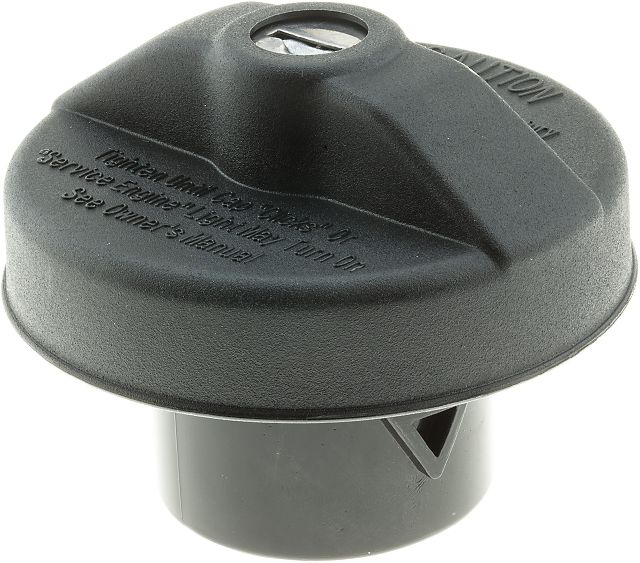
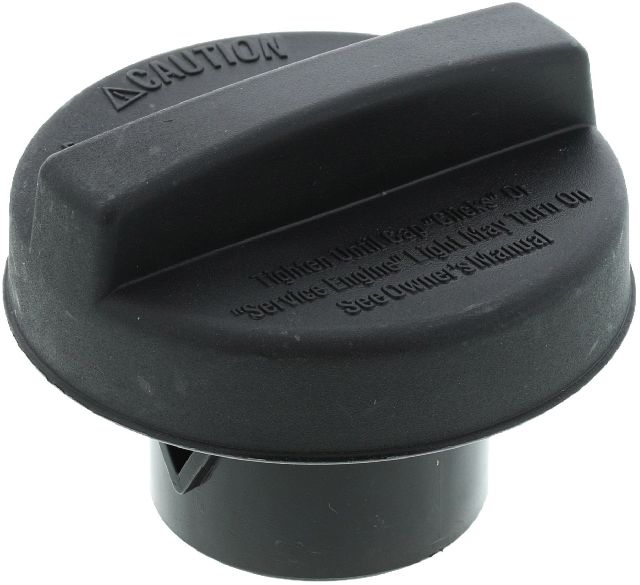
- Loose, Damaged, or Incorrect Gas Cap 🔴 High Probability → Shop Fuel Tank Cap This is the most common cause for a P0455 code on almost all vehicles, as the seal can degrade over time or the cap can be left loose after refueling.
How to confirm: Ensure the gas cap clicks several times when tightened. Inspect the cap's rubber seal for cracks, stiffness, or damage. Critically, inspect the metal rim of the fuel filler neck for rust or corrosion, which can prevent a good seal even with a new cap. Cleaning the rim with a cloth or fine-grit sandpaper can sometimes resolve the issue.
Typical fix: Tighten or replace the gas cap. Clean the filler neck sealing surface.
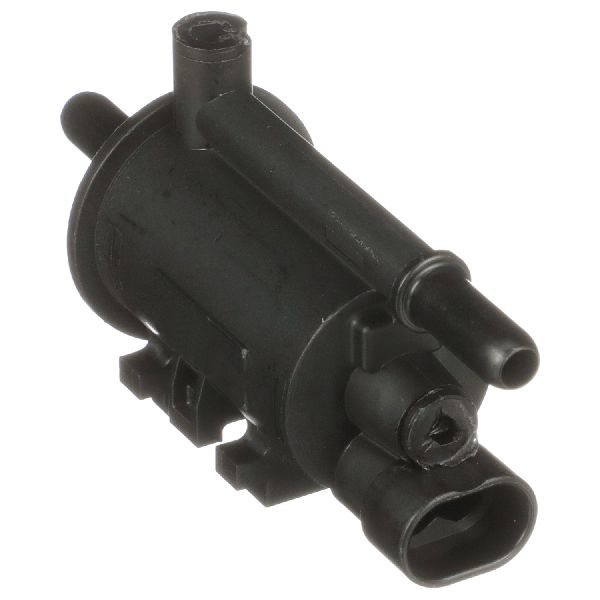
Est. part cost: $10-$25 - Faulty EVAP Purge Valve (Solenoid) 🟡 Medium Probability → Shop Vapor Canister The purge valve can get stuck open, creating a constant vacuum leak from the EVAP system into the engine. On the Park Avenue, this valve is located on top of the engine and is relatively easy to access and replace.
How to confirm: With the engine running, disconnect the vapor line from the purge valve. There should be no vacuum felt at the valve's port. If there is suction, the valve is stuck open and needs replacement. Sometimes the small, molded rubber hoses connected to the valve can crack, causing the leak.
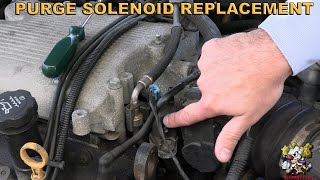
Typical fix: Replace the EVAP purge valve. 🎬 See this walkthrough on testing and replacing the purge valve. Inspect and replace cracked connecting hoses.
Est. part cost: $25-$50 - Faulty EVAP Vent Valve (Solenoid) 🟡 Medium Probability → Shop Vapor Canister Vent Valve This valve is normally open and closes to seal the system for testing. If it gets stuck open or fails to close due to internal failure or being clogged with dirt, the system cannot seal, causing a large leak code. On this platform, it is often located with the charcoal canister in the engine bay, making it more accessible than on cars where it is mounted on top of the fuel tank.
How to confirm: The valve can be tested by applying 12v power to see if it actuates with an audible click. A professional will use a scan tool to command it closed and then perform a smoke test to see if smoke exits the valve.
Typical fix: Replace the EVAP vent valve solenoid. 🎬 Watch: How to fix P0455 and P0499 codes on GM vehicles.
Est. part cost: $30-$60 - Cracked or Disconnected EVAP Hoses ⚪ Low Probability Rubber and plastic hoses can become brittle and crack over time due to age and heat cycles in the engine bay. A common failure point is a small molded rubber elbow connecting to the purge solenoid.
How to confirm: Visually inspect all accessible EVAP hoses for cracks, especially at connection points. A smoke test is the most effective way to find a leak in a hose that isn't obvious.
Typical fix: Replace the cracked hose section.
Est. part cost: $5-$30
Rare But Worth Checking
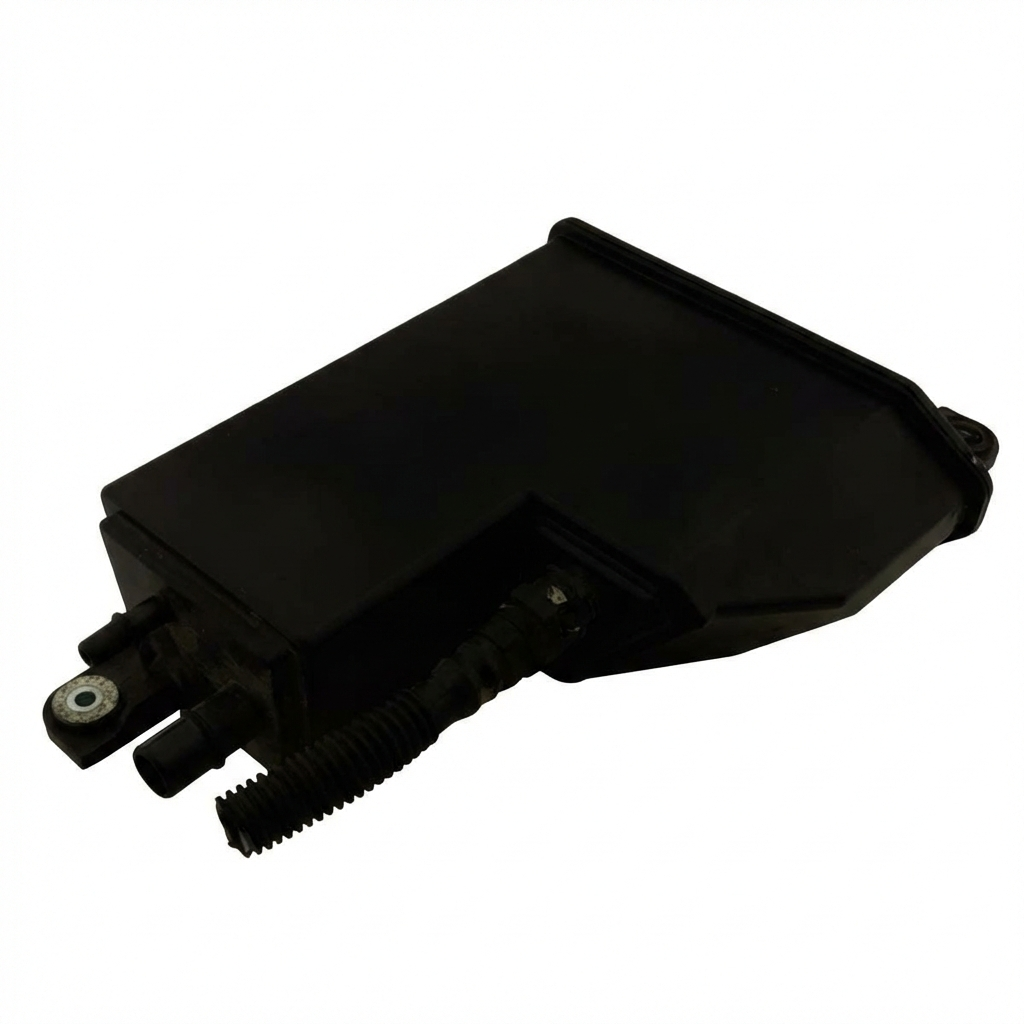
- Cracked Charcoal Canister: → Shop Vapor Canister The canister itself can develop a crack from road debris or age, creating a large leak. This is less common than valve failures but should be visually inspected.
- Damaged or Rusted Fuel Filler Neck: → Shop Fuel Filler Neck Severe rust or damage to the metal filler neck where the gas cap seals can prevent a proper seal. On this platform, the metal flange at the top of the filler neck has been known to separate from the plastic tube, creating a large leak path. Owners have reported successfully repairing this with JB Weld epoxy.
- Faulty Fuel Tank Pressure Sensor: → Shop Fuel Tank A faulty sensor could incorrectly report a large leak to the computer. However, this usually triggers other specific sensor-related codes (like P0452) and is rarely the sole cause of P0455.
Diagnosis Steps
- Check the gas cap. Remove it, inspect the seal for damage, and retighten it until it clicks at least three times. Clear the code and drive for a few days to see if it returns.
- Inspect the fuel filler neck rim where the cap seals. Clean off any rust or debris with a cloth or fine-grit sandpaper.
- If the code returns, visually inspect the EVAP hoses in the engine bay, particularly the small rubber lines connected to the purge valve, for any obvious cracks or disconnections.
- Locate the EVAP purge valve in the engine compartment. With the engine running, disconnect the hose from the valve and feel for suction on the valve's port. There should be none. If suction is present, the valve is stuck open and bad.
- Locate the EVAP vent valve, which on this model is likely in the engine bay near the charcoal canister. Inspect it for damage. Test its operation with a scan tool or by applying 12V power and listening for a click.
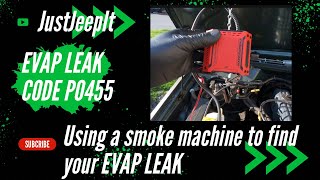
- If the leak source is still not found, the most effective method is to have a smoke test performed. This involves injecting vaporized smoke into the EVAP system to visually identify the source of the leak 🎬 Watch: How to find an EVAP leak using a smoke tester. from a hose, valve, or the filler neck.
Parts You'll Likely Need
- Gas Cap
(OEM #GT231 (ACDelco))— This is the most frequent cause of a P0455 code due to a lost or worn-out seal.
Trusted brands: ACDelco, Stant
OEM price range: $20-$30
Aftermarket price range: $10-$20 - EVAP Vapor Canister Purge Valve
(OEM #214-2246 (ACDelco))— This valve can stick open, causing a large leak. It's a common failure point and is relatively inexpensive and easy to replace.
Trusted brands: ACDelco, Bosch, Delphi, Dorman
OEM price range: $40-$60
Aftermarket price range: $25-$45 - EVAP Vapor Canister Vent Valve/Solenoid
(OEM #25950499 (ACDelco - verify fitment))— This valve fails by getting stuck open or becoming clogged with debris, preventing the system from sealing during its self-test.
Trusted brands: ACDelco, Dorman
OEM price range: $40-$70
Aftermarket price range: $30-$50
Related Codes That Often Appear With This One
- P0442 — P0442 indicates a small EVAP leak. These codes often appear together because the underlying issue (like a failing valve or seal) can be intermittent or worsen over time, being detected as both small and large leaks by the ECM. TSB #21-NA-124 specifically groups these two codes for diagnosis.
- P0440 — This is a general EVAP system malfunction code. It can be triggered alongside P0455 if the computer detects a general fault in addition to the large leak.
- P0171 — P0171 indicates a 'System Too Lean' condition. A stuck-open EVAP purge valve can cause both a P0455 (large leak) and a P0171 because it creates a vacuum leak, allowing unmetered air into the intake manifold.
Technical Service Bulletins (TSBs) & Recalls
- 21-NA-124: Diagnostic tips/steps on testing for possible EVAP leaks in the system to correct a customer concern of an MIL Illuminated with DTCs P0442 and/or P0455 Set.
Platform-Specific Known Issues
- As noted in TSB #21-NA-124, GM has issued diagnostic tips for finding EVAP leaks related to codes P0442 and P0455, indicating this is a recognized issue requiring specific test procedures.
- The fuel filler neck is a known weak point. It can rust at the sealing surface, or the metal flange can separate from the plastic tube, causing a persistent large leak that a new gas cap won't fix.
Mechanic-Grade Diagnostic Values
- EVAP Canister Purge Valve Solenoid Resistance — expected: 30 to 38 ohms. Failure: A reading outside this range indicates a faulty solenoid coil.
- EVAP Canister Vent Solenoid Resistance — expected: 48 to 65 ohms. Failure: A reading outside this range suggests the solenoid coil is bad.
- Fuel Tank Pressure (FTP) Sensor Voltage — expected: ~1.5 Volts. Failure: A significantly different voltage with the gas cap off (system at atmospheric pressure) can indicate a skewed or faulty sensor. Voltage should decrease into negative values when a vacuum is applied.
Scan Tool Commands That Help
- GM Tech 2: EVAP Service Bay Test — This is a guided, automated test to verify the integrity of the entire EVAP system by commanding valves and monitoring pressure sensors. It can confirm a leak exists before manual inspection. Note: Per TSB #02-06-04-014, this function was disabled by GM for 2001-2002 Park Avenue models, which must be diagnosed with a smoke machine instead.
- Professional Scan Tool (e.g., Tech 2): Purge/Seal Test — This bidirectional control allows a technician to manually command the vent solenoid closed and the purge solenoid open to check if the system can pull a vacuum, which is essential for diagnosing a stuck-closed purge valve.
Wiring & Ground Locations
- Main Engine Ground — The main, thick ground cable from the battery negative terminal connects to the lower center front of the engine block or transaxle.. While not a direct cause, a poor main engine ground can create a host of bizarre electrical issues and incorrect sensor readings for the PCM.
- EVAP Purge Valve — On top of the 3800 V6 engine, typically on the right (passenger) side.. This is the location for visual inspection and electrical/vacuum testing of the purge solenoid.
- EVAP Canister & Vent Valve — Unusually located in the front driver's side of the engine bay, underneath the air filter housing.. This non-standard location makes access easier than on vehicles where it is near the fuel tank. A common wiring failure occurs here where the wire breaks inside the insulation right at the vent valve connector, passing a visual check but failing a continuity test.
Real Owner Repair Stories
- YouTube Channel 'Pine Hollow Auto Diagnostics' (GM Vehicle with 3.1L V6 (similar EVAP system design)) — P0455 Large EVAP Leak code, Check Engine Light on.
❌ Tried (didn't work) Visual inspection, Smoke test (passed, no leaks found)
✅ What actually fixed it The EVAP purge solenoid was stuck closed. The PCM interpreted the inability to draw a vacuum during the self-test as a large leak. Replacing the purge solenoid resolved the code.
"I Checked Everything" — The Actual Cause
- A common scenario where a smoke test passes (finds no leaks) is when the EVAP purge solenoid is mechanically stuck closed. The smoke test pressurizes the system, and since the purge valve is normally closed, it will seal properly and show no leak. However, when the PCM runs its self-test, it commands the purge valve to open to draw a vacuum on the tank. If the valve fails to open, no vacuum is created, and the PCM incorrectly logs a P0455 for a large leak. The fix is to use a scan tool to command the purge valve open and verify it is actually flowing.
OEM Part Supersession History
Varies→19239625 (GM) / 214-2246 (ACDelco)— This is the current service part number for the EVAP Purge Valve.
Model Year Variations Within This Range
- 2001-2002: According to GM TSB #02-06-04-014, the 'EVAP Service Bay Test' function was disabled from the Tech 2 scan tool for these model years. Technicians are instructed to use a dedicated EVAP system tester (smoke machine) for diagnosis instead of the automated scan tool test, representing a significant change in the official diagnostic procedure.
Helpful Videos

Used OEM Parts in Stock
New Aftermarket Parts Available


The information in this article is provided for general reference and educational purposes only. Vehicle specifications, procedures, and part compatibility can vary by production date, trim level, and region. Always consult your vehicle's factory service manual and verify part numbers before purchasing or performing repairs. Safety-critical components such as airbags, seat belts, and braking systems should be installed by a qualified professional.
- Buick PARK AVENUE:
- 🧭 Diagnostic Flowchart
- 🎬 Helpful Videos
- 🛍️ Shop This Part
- What's Unique About the 2000-2005 Buick PARK AVENUE
- Symptoms You May Notice
- Most Likely Causes
- Rare But Worth Checking
- Diagnosis Steps
- Parts You'll Likely Need
- Related Codes That Often Appear With This One
- Technical Service Bulletins (TSBs) & Recalls
- Platform-Specific Known Issues
- Mechanic-Grade Diagnostic Values
- Scan Tool Commands That Help
- Wiring & Ground Locations
- Real Owner Repair Stories
- "I Checked Everything" — The Actual Cause
- OEM Part Supersession History
- Model Year Variations Within This Range
- 🎟️ Get 5% Off