

P0455 on 2000-2005 Cadillac DeVille: EVAP Gross Leak Causes and Fixes
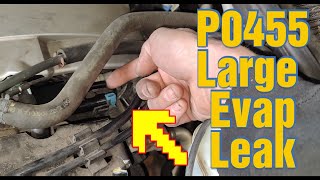
Code P0455 on a 2000-2005 Cadillac DeVille indicates a large leak in the evaporative emissions (EVAP) system. The most common and inexpensive fix is to tighten or replace a faulty gas cap. If the cap isn't the issue, the next most likely culprits are the EVAP vent or purge solenoids, which are known failure points on this platform.
- Always check the gas cap first for code P0455; it's the most common and cheapest fix.
- If the gas cap is not the issue, the EVAP purge solenoid (in the engine bay) and vent solenoid (at the rear of the car) are the next most likely culprits.
- While you can drive the car with this code, you will fail an emissions test and may notice a slight fuel smell.
- A smoke test is the fastest and most accurate professional method to find the exact source of a stubborn EVAP leak.
What's Unique About the 2000-2005 Cadillac DEVILLE
On the 2000-2005 Cadillac DeVille, with the 4.6L Northstar V8, the EVAP components are common failure points, similar to other GM vehicles of this era. The purge solenoid is located in the engine bay, making it susceptible to heat cycles, while the vent solenoid is located at the rear of the car, exposing it to road debris and moisture. The manufacturer has issued technical service bulletins (TSBs) that provide diagnostic tips for finding these leaks, indicating it's a recognized issue. A particularly relevant TSB for related GM vehicles, #02-06-04-037, discusses how dust and dirt intrusion causes vent solenoid failure, a common scenario for the DeVille's under-car placement.
Diagnostic Flowchart
Tap your situation to follow the diagnostic path that matches what you're seeing on this vehicle.
Symptoms You May Notice
- Check Engine Light is on
- A faint smell of gasoline, especially around the rear of the car or near the gas cap.
- Slightly reduced fuel economy in some cases.
- A "Check Gas Cap" message may appear on the driver information center.
- Replacing the fuel tank pressure sensor. This sensor rarely fails in a way that causes a P0455 code without setting its own specific trouble codes (e.g., P0452).
- Replacing the charcoal canister when the leak is actually in a connected hose or the vent solenoid mounted on it. A smoke test is crucial to pinpoint the exact leak source before replacing expensive components.
Most Likely Causes
- Loose, Damaged, or Incorrect Gas Cap 🔴 High Probability → Shop Fuel Tank Cap The gas cap seal is a simple rubber O-ring that degrades and cracks over time with exposure to fuel and weather changes. This is the most frequent cause of all EVAP leak codes on any vehicle.
How to confirm: First, ensure the cap is tight (clicks at least three times). Inspect the rubber seal for cracks, stiffness, or tearing. If it looks worn, it's likely the cause. Many owners report that even a cap that looks good can be faulty.
Typical fix: Replace the gas cap. It's an inexpensive and simple first step. Use a quality OEM or aftermarket cap like Stant or ACDelco for best results.
Est. part cost: $15-$35 - Failed EVAP Vent Solenoid/Valve 🟡 Medium Probability → Shop Vapor Canister This valve is located near the charcoal canister at the rear of the vehicle, where it is exposed to road salt, dirt, and moisture. GM TSB #02-06-04-037 specifically addresses how dirt and dust get sucked into the valve, causing it to stick open and create a large leak. This is a very common failure point confirmed in owner forums.
How to confirm: A smoke test is the most effective method. A mechanic can command the valve closed with a scan tool and see if smoke passes through. It can also be removed and tested by applying 12V power to see if the solenoid actuates. If it's stuck open at rest, it's bad.
Typical fix: Replace the EVAP vent solenoid. On the DeVille, it is located near the fuel tank, typically mounted to a bracket with the charcoal canister. Access requires raising the rear of the vehicle.
Est. part cost: $30-$70 - Failed EVAP Purge Solenoid/Valve 🟡 Medium Probability → Shop Vapor Canister Located in the engine bay, this valve is subjected to constant heat cycles from the Northstar engine, which can cause the internal components to fail and get stuck open.
How to confirm: With the engine off, disconnect the hose from the intake manifold side of the valve and try to blow through it. It should be closed and not allow air to pass. If you can blow through it, it's stuck open. A diagnostic scan tool can also command it open and closed to check for response, as shown in a repair video on a 2005 DeVille.
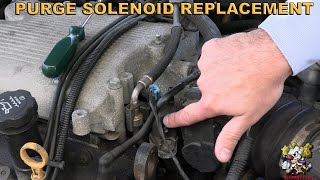
Typical fix: Replace the purge solenoid. It is usually mounted on or near the engine's intake manifold and is relatively easy to access, held by a single 10mm bolt.
Est. part cost: $45-$70 - Cracked or Disconnected EVAP Hoses ⚪ Low Probability The rubber and plastic hoses in the EVAP system can become brittle and crack over time due to age and heat exposure, especially the lines in the engine bay near the purge solenoid and the lines under the car near the vent solenoid.
How to confirm: A visual inspection may reveal obvious cracks or disconnected lines. However, smaller cracks are best found using a smoke test, which forces smoke through the system to reveal the exact location of any leaks.
Typical fix: Replace the damaged section of hose.
Est. part cost: $10-$50
Rare But Worth Checking
- Cracked Charcoal Canister: → Shop Vapor Canister The plastic housing of the canister can crack from road debris impact or age, creating a large leak. This is usually found during a smoke test after all other common causes have been ruled out.
- Damaged Fuel Filler Neck: → Shop Fuel Filler Neck Rust or corrosion on the metal surface where the gas cap seals can prevent a proper seal, even with a new cap. This is a known issue on many vehicles and should be inspected closely by running a finger along the rim when checking the gas cap.
Diagnosis Steps
- Check the gas cap. Remove it, inspect the seal for damage, and reinstall it, making sure it clicks several times. Clear the code. Many owners report this as the fix. If the light returns, proceed to the next step.
- If the light returns, perform a thorough visual inspection of all accessible EVAP hoses in the engine bay and around the fuel tank for obvious cracks, damage, or disconnections.
- Locate the EVAP purge solenoid on the engine. With the engine off, disconnect it and attempt to blow through it. If air passes, the valve is stuck open and must be replaced.
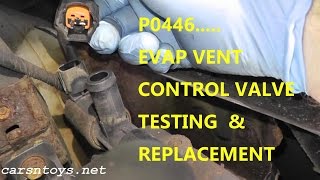
- If the purge valve is good, the next step is to test the vent solenoid located near the fuel tank. This requires raising the vehicle for access. A bidirectional scan tool can be used to command the valve closed while observing system pressure.
- The most definitive diagnostic method is a smoke test. A mechanic will inject pressurized smoke into the EVAP system's service port. Smoke will exit from the point of the leak, making it easy to identify whether it's a hose, solenoid, canister, or the fuel tank itself.
Parts You'll Likely Need
- Fuel Cap
(OEM #GT247 (ACDelco))— This is the most common failure point. The seal wears out, causing a large leak.
Trusted brands: ACDelco, Duralast, Stant
OEM price range: $25-$40
Aftermarket price range: $15-$30 - EVAP Vapor Canister Purge Valve / Solenoid
(OEM #12581282 (GM), 214-641 (ACDelco))— Located in the hot engine bay, this valve often fails by sticking open. It's a very common failure on GM vehicles of this era.
Trusted brands: ACDelco, Dorman, Standard Motor Products
OEM price range: $50-$70
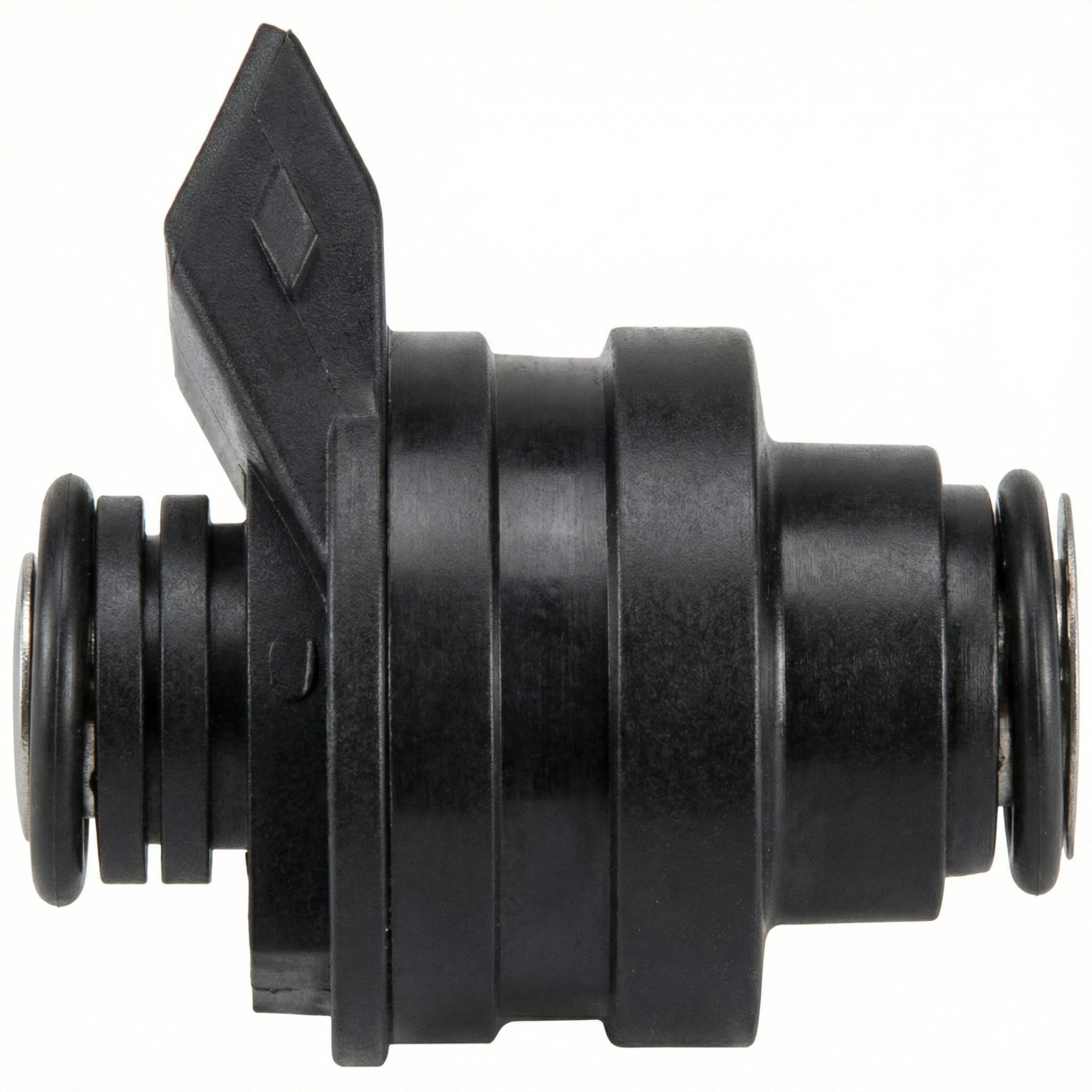
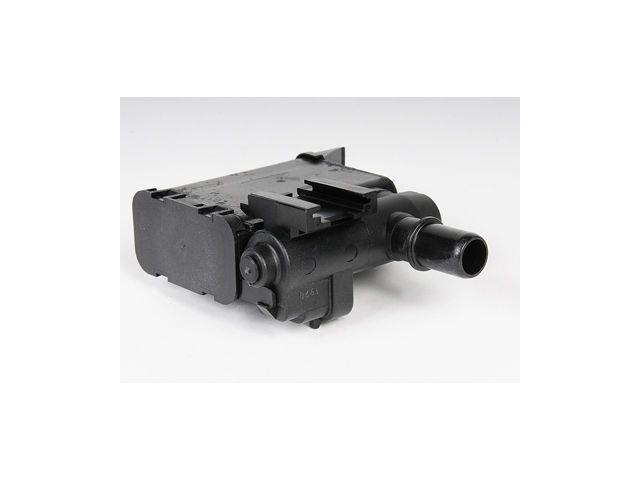
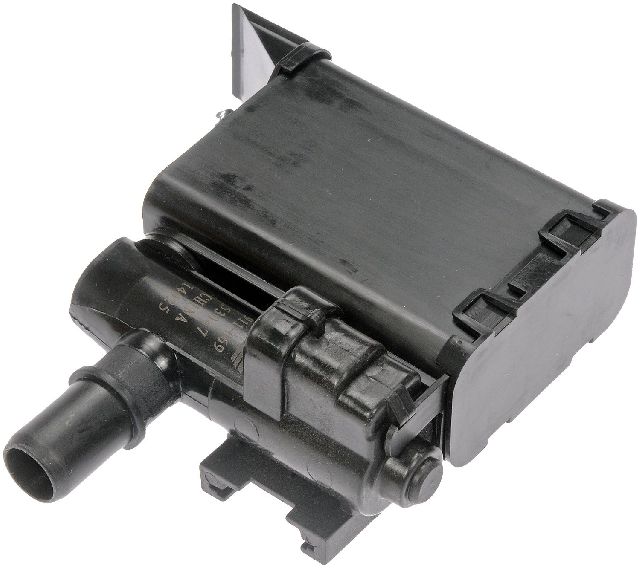
Aftermarket price range: $45-$60 - EVAP Vapor Canister Vent Valve / Solenoid
(OEM #19207762 (GM Service Kit), 214-2149 (ACDelco))— Its location under the car exposes it to the elements, causing it to stick open or fail electronically.
Trusted brands: ACDelco, Dorman
OEM price range: $40-$60
Aftermarket price range: $30-$50
Related Codes That Often Appear With This One
- P0442 — P0442 indicates a small EVAP leak. Sometimes a component is beginning to fail and sets a P0442 intermittently before failing completely and causing a large leak P0455 code. The manufacturer TSB #21-NA-124 addresses both codes together.
- P0449 — This code specifically points to a fault in the EVAP vent solenoid control circuit. If you have P0455 and P0449 together, it strongly suggests the vent solenoid or its wiring is the root cause, as the computer has detected both a large leak and an electrical problem with the component responsible for sealing the system for tests.
Technical Service Bulletins (TSBs) & Recalls
- 21-NA-124: Provides diagnostic tips for testing EVAP system leaks related to DTCs P0442 and P0455.
- 02-06-04-037: Although for GM trucks, it describes the root cause of many vent solenoid failures (dust intrusion) that is directly applicable to the DeVille's P0455 code.
Platform-Specific Known Issues
- GM issued Technical Service Bulletin #21-NA-124, which provides technicians with advanced diagnostic strategies for EVAP leak codes P0442 and P0455, acknowledging the complexity of pinpointing leaks in this system.
- A related TSB for GM trucks, #02-06-04-037, details the common failure of the vent solenoid due to dust and debris. It recommends replacing the valve with a kit that relocates the air filter to a cleaner location. While not written for the DeVille, the failure mechanism is identical and highly relevant.
Mechanic-Grade Diagnostic Values
- EVAP Purge Solenoid Coil Resistance — expected: Approximately 15-30 ohms. Failure: A reading that is significantly higher (open circuit) or lower (short circuit) indicates a faulty coil.
- EVAP Purge Solenoid Connector Voltage (Power Wire) — expected: Battery voltage (approx. 12V) with Key On, Engine Off.. Failure: No voltage suggests a problem with the fuse or wiring leading to the solenoid.
- EVAP Vent Solenoid Control Wire Voltage (Commanded Off) — expected: Battery voltage (approx. 12V). Failure: A reading of 0V when the solenoid should be off (open) points to an open circuit in the solenoid's coil itself. A low voltage reading (e.g., 6V) can indicate high resistance in the circuit or solenoid.
Scan Tool Commands That Help
- Tech2 / Autel MaxiSYS (or similar professional scanner): Active Test: Purge / Seal — This function allows the technician to command the EVAP system to seal (by closing the vent solenoid) and then command the purge solenoid to open, drawing a vacuum on the tank. This directly tests the function of both solenoids and the integrity of the system by monitoring the Fuel Tank Pressure (FTP) sensor.
- Tech2 / Autel MaxiSYS (or similar professional scanner): Active Test: EVAP Vent Solenoid — This command directly actuates the vent solenoid, allowing a technician to open and close it to check for an audible click and to see if it seals the system during a smoke test. This is crucial for diagnosing a stuck-open vent solenoid, a common cause of P0455.
Wiring & Ground Locations
- G401 / G402 — Likely located behind the rear seat on the 'X' brace or in the rear corner of the trunk. GM's numbering scheme places G4xx grounds at the rear of the vehicle.. The EVAP Vent Solenoid, Charcoal Canister, and Fuel Tank Pressure sensor are all located at the rear of the car. A poor or corroded chassis ground in this area can cause intermittent or incorrect operation of these components, leading to failed EVAP tests and codes like P0455 and P0449.
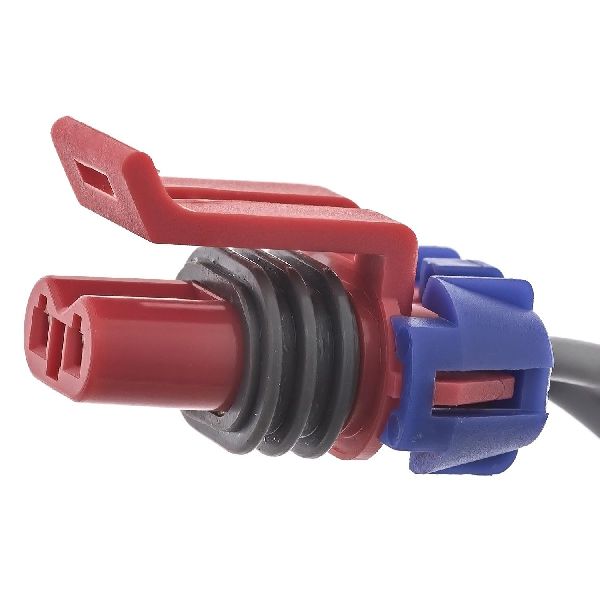
- EVAP Purge Solenoid Connector — On the purge valve itself, located in the engine bay near the intake manifold.. This two-pin connector provides 12V power and the ground-side control signal from the PCM. Verifying power at the pink/black (or similar color) wire is a primary step before condemning the solenoid.
Real Owner Repair Stories
- YouTube channel 'Robert Dotterer (Dotterer's Auto Service)' (2005 Cadillac DeVille 4.6L) — Check Engine Light on with a "Check Gas Cap" message on the dash. Code P0455 was stored.
❌ Tried (didn't work) The initial scan showed the system was not sealing, but the cause was not immediately obvious.
✅ What actually fixed it The technician used a bidirectional scan tool to command the purge solenoid. He could hear it clicking but observed no vacuum being pulled at the hose. He replaced the EVAP purge solenoid in the engine bay, after which the scan tool's 'Purge/Seal' test successfully pulled the fuel tank into a vacuum, confirming the fix. - Reddit user in r/MechanicAdvice (Vehicle with P0455 (generic)) — Check Engine Light with code P0455.
❌ Tried (didn't work) A smoke test was performed by a mechanic, who identified the gas cap as the leak source., The gas cap was replaced and the code was cleared.
✅ What actually fixed it The Check Engine Light returned after two weeks, indicating the gas cap was not the sole or root cause of the problem. This highlights a common scenario where an initial, simple fix does not resolve an underlying or separate issue.
OEM Part Supersession History
21994122 (GM)→ACDelco 214-1363, Dorman 911-069— Standard part lifecycle replacement and aftermarket availability.
Heads up: The original part number for the EVAP Vent Solenoid has been replaced by these common parts.19207762 (GM)→19352776 (GM)— This is the service kit, which often includes the vent solenoid and sometimes a new harness or filter box as part of the TSB-related fix for dust intrusion.
Heads up: This is a key part number for the vent valve solenoid kit. Ensure the kit matches the vehicle, as some are part of a relocation fix.
Model Year Variations Within This Range
- 2000-2003 vs 2004-2005: The EVAP Purge Valve (solenoid in the engine bay) has different part numbers for early and late models in this generation. For example, Dorman lists part #911-068 for 2000-2003 models and #911-030 for 2004-2005 models. AC Delco also lists different part numbers (#214-646 vs #214-1105). This indicates a design change, and the parts are not interchangeable.
Helpful Videos
Used OEM Parts in Stock
New Aftermarket Parts Available


The information in this article is provided for general reference and educational purposes only. Vehicle specifications, procedures, and part compatibility can vary by production date, trim level, and region. Always consult your vehicle's factory service manual and verify part numbers before purchasing or performing repairs. Safety-critical components such as airbags, seat belts, and braking systems should be installed by a qualified professional.
- Cadillac DEVILLE:
- 🧭 Diagnostic Flowchart
- 🎬 Helpful Videos
- 🛍️ Shop This Part
- What's Unique About the 2000-2005 Cadillac DEVILLE
- Symptoms You May Notice
- Most Likely Causes
- Rare But Worth Checking
- Diagnosis Steps
- Parts You'll Likely Need
- Related Codes That Often Appear With This One
- Technical Service Bulletins (TSBs) & Recalls
- Platform-Specific Known Issues
- Mechanic-Grade Diagnostic Values
- Scan Tool Commands That Help
- Wiring & Ground Locations
- Real Owner Repair Stories
- OEM Part Supersession History
- Model Year Variations Within This Range
- 🎟️ Get 5% Off