

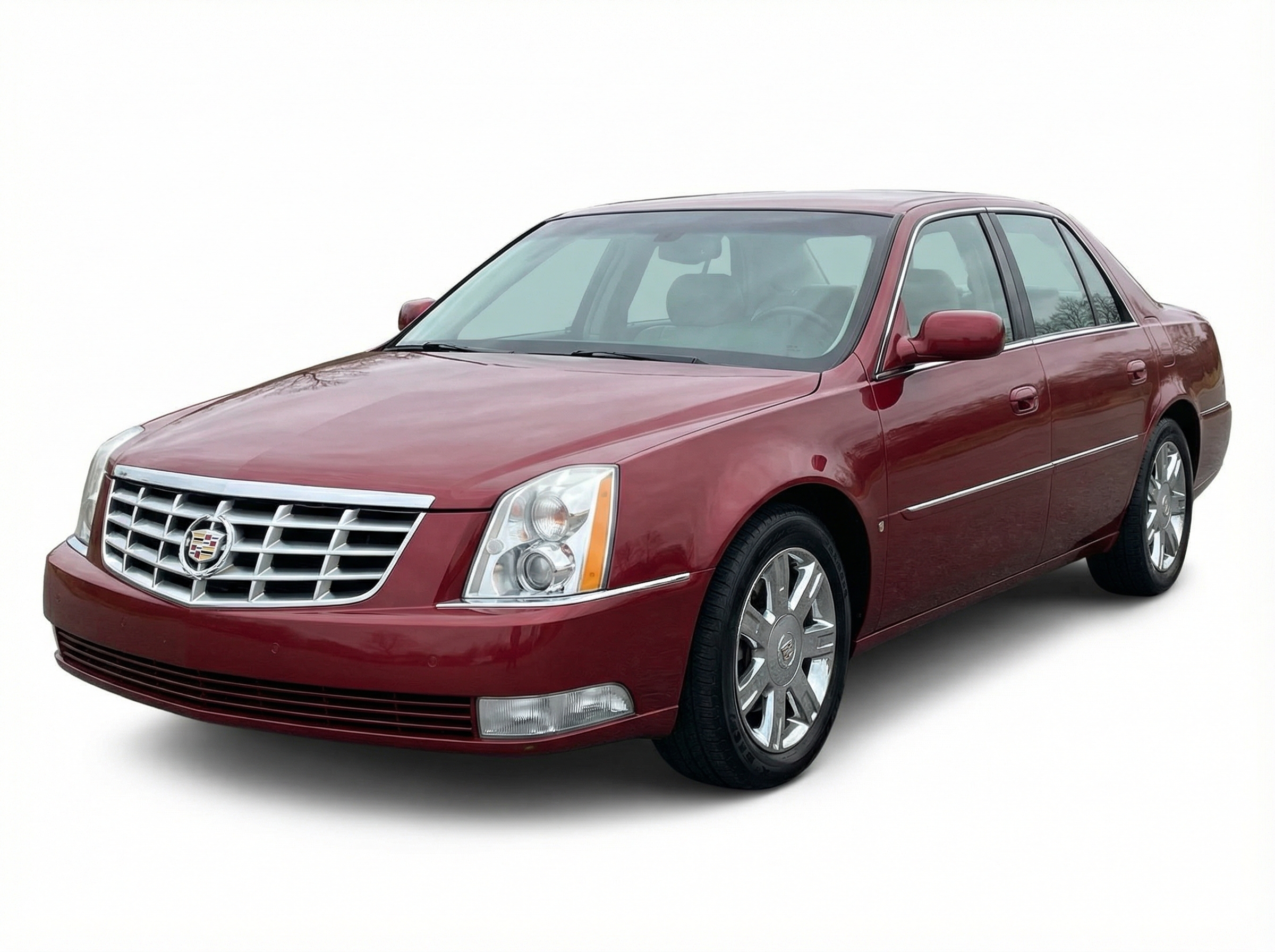
P0455 on 2006-2011 Cadillac DTS: EVAP Large Leak Causes and Fixes
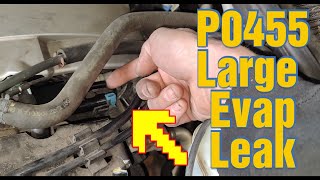
For a 2006-2011 Cadillac DTS, code P0455 most often means the gas cap is loose, worn out, or missing. If the cap is secure, the next most likely causes are a faulty EVAP vent solenoid or purge valve. A key symptom of a bad vent solenoid is the gas pump nozzle clicking off repeatedly during fueling. A new gas cap is about $15-$30, while solenoids can range from $40 to $100.
- Start with the simplest fix: check that your gas cap is tight. If it's old, replace it.
- P0455 will not affect how your car drives, but it will cause you to fail an emissions test.
- The two most common parts to fail after the gas cap are the purge valve (on the engine) and the vent valve (near the gas tank).
- If a new gas cap doesn't solve the issue, a smoke test is the most reliable way to find the exact source of the leak.
What's Unique About the 2006-2011 Cadillac DTS

On the Cadillac DTS, like many GM vehicles of this era including its platform-mate the Buick Lucerne, the EVAP components are common points of failure over time. The system uses both a purge solenoid on the engine and a vent solenoid near the rear of the car by the charcoal canister. While the causes are typical for most cars, GM issued a Technical Service Bulletin (TSB #21-NA-124) providing diagnostic tips for this exact code, indicating it's a recognized issue. Owners often find the fix is either a simple gas cap or one of the two easily accessible solenoids.
Diagnostic Flowchart

Tap your situation to follow the diagnostic path that matches what you're seeing on this vehicle.
Symptoms You May Notice

- Check Engine Light is on
- A noticeable smell of gasoline, especially around the rear of the car or gas cap area.
- Slightly reduced fuel economy in some cases.
- Difficulty filling the fuel tank (gas pump nozzle clicks off prematurely). This is a strong indicator of a faulty EVAP vent solenoid.
- Replacing the fuel tank pressure sensor. While this sensor is part of the EVAP system, its failure typically results in different trouble codes (like P0452 or P0453) and is not a common cause for a P0455 leak code.
Most Likely Causes

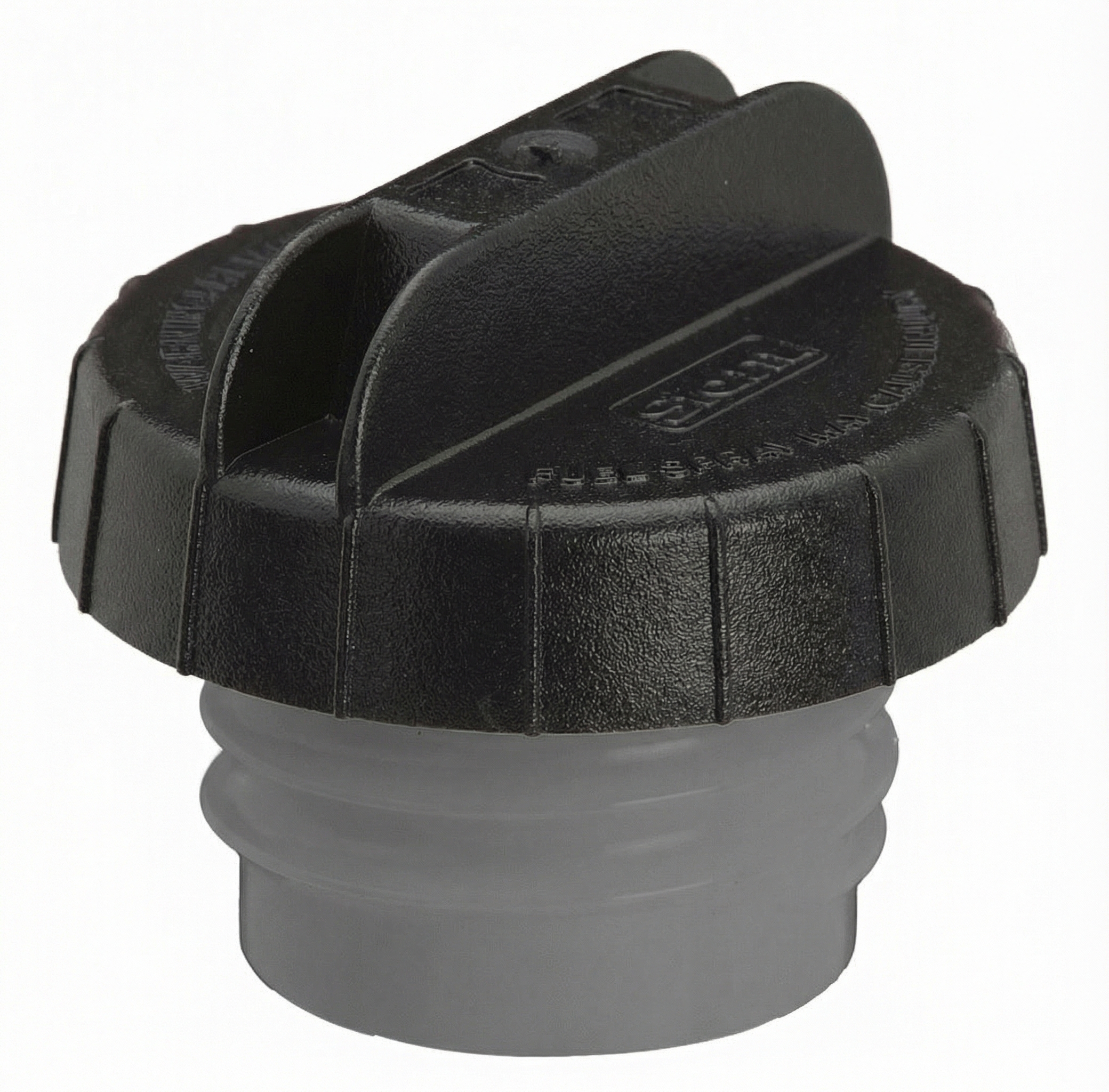
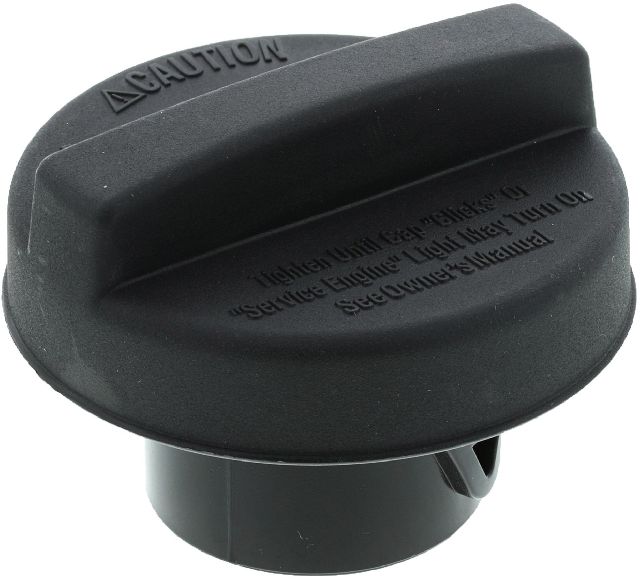
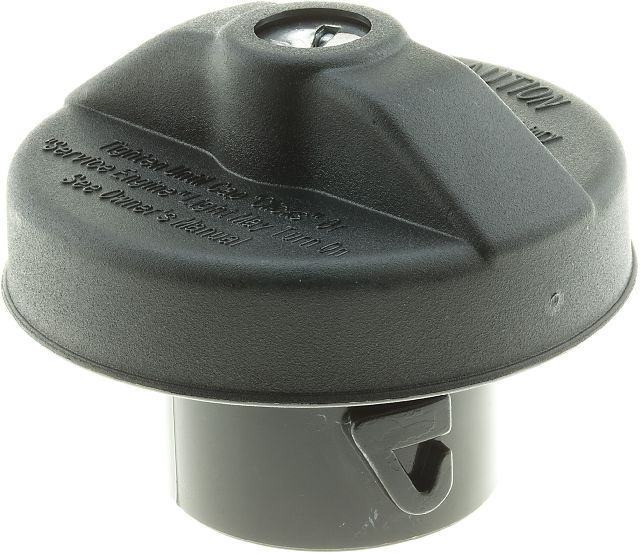
- Loose, Damaged, or Incorrect Gas Cap 🔴 High Probability → Shop Fuel Tank Cap The gas cap seal is a simple rubber O-ring that degrades over time, losing its ability to create a perfect seal. This is the most common and inexpensive first step in diagnosis for any vehicle. Many owners try replacing the cap first, though the issue often turns out to be another component.
How to confirm: Ensure the cap is tightened until it clicks at least three times. Inspect the rubber seal for cracks, stiffness, or damage. If it looks worn, it's best to replace it with an OEM ACDelco cap, as some aftermarket caps are known to cause sealing issues.
Typical fix: Replace the gas cap.
Est. part cost: $15-$40 - Faulty EVAP Vent Solenoid 🟡 Medium Probability → Shop Vapor Canister This solenoid is located at the rear of the vehicle by the charcoal canister, exposing it to road debris, salt, and moisture which can cause it to clog or fail. It can get stuck open (its normal state) and fail to close when the system runs its test, causing a large leak code.
How to confirm: A key symptom is the gas pump nozzle clicking off when refueling. A mechanic can command the valve closed with a scan tool. A DIY method involves removing the valve (it should be open by default, allowing air to pass) and applying 12V to its terminals to see if it clicks and closes. A smoke test will definitively show smoke exiting a faulty, stuck-open vent valve.
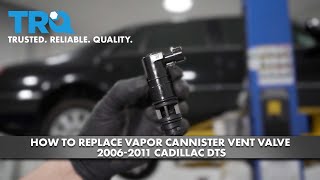
Typical fix: Replace the EVAP vent solenoid. A video guide specifically for the 2006-2011 DTS shows this process, which involves removing the charcoal canister to access the valve.
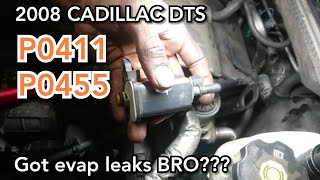
Est. part cost: $40-$90 - Faulty EVAP Purge Valve/Solenoid 🟡 Medium Probability → Shop Vapor Canister This valve is located in the engine bay and can fail by getting stuck open, creating a constant vacuum leak into the intake manifold. This is a common failure part on many GM vehicles, including the DTS's platform-mate, the Buick Lucerne.
How to confirm: With the engine off, remove the valve and try to blow through it. A healthy purge valve is normally closed, so no air should pass. If you can blow through it, it's stuck open and faulty. If codes P0455 and P0496 are present together, the purge valve is almost certainly the culprit.
Typical fix: Replace the purge valve. It is typically located on top of the engine and is easy to access, often held by a single 10mm bolt.
Est. part cost: $50-$100 - Cracked or Disconnected EVAP Hoses ⚪ Low Probability Rubber and plastic lines become brittle with age and heat cycles, leading to cracks. This is less common than component failure but still possible, especially at connection points.
How to confirm: A visual inspection of all accessible EVAP lines between the engine, charcoal canister, and fuel tank may reveal obvious damage. The most definitive method is a smoke test, which forces smoke into the system to reveal the exact location of any leaks, no matter how small.
Typical fix: Replace the damaged section of hose or secure the connection.
Est. part cost: $10-$50
Rare But Worth Checking
- Cracked Charcoal Canister: → Shop Vapor Canister The plastic housing of the canister itself can develop cracks from age or impact, creating a large leak. This is usually found during a smoke test.
- Leaking Fuel Tank Filler Neck: → Shop Fuel Tank The metal tube where you insert the gas nozzle can rust and develop holes, especially in regions that use road salt. This will prevent the system from sealing and is a known cause for P0455.
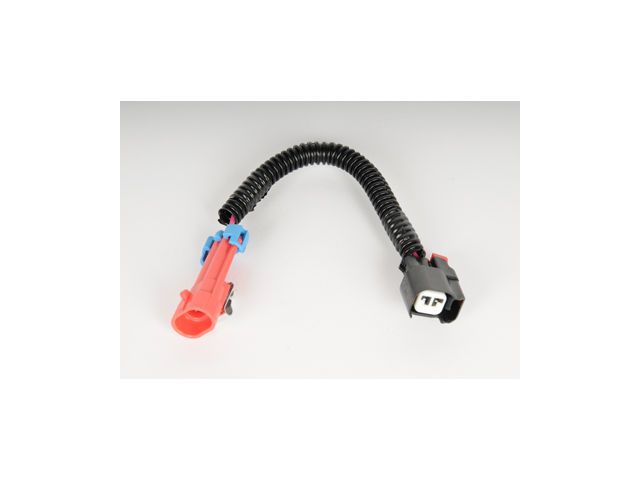
- Damaged or Chewed Wiring: The wiring to the vent solenoid, being at the rear of the car, can be damaged by road debris or rodents, preventing it from operating. A visual inspection of the harness is recommended during diagnosis.
Diagnosis Steps
- Check the Gas Cap: Ensure it is tight and clicks. Remove it and inspect the seal for any signs of cracking or damage. If in doubt, replace it with an OEM part as a cheap first step.
- Check for Fueling Issues: Note if you have had trouble filling the gas tank. If the pump clicks off repeatedly, it strongly suggests the EVAP vent solenoid is the problem.
- Visual Inspection: Look over the EVAP hoses in the engine bay and around the charcoal canister (located near the fuel tank at the rear) for any obvious cracks, breaks, or disconnections.
- Test the Purge Valve: Locate the purge valve on the engine. With the engine off, disconnect it and try to blow through it. A healthy purge valve is normally closed, so no air should pass. If you can blow through it, it's stuck open and needs replacement.
- Test the Vent Valve: Locate the vent valve on or near the charcoal canister at the rear of the vehicle. This valve is normally open. A scan tool is the best way to command it closed for testing. Without a scan tool, you can apply 12V to the terminals to see if it actuates and closes.
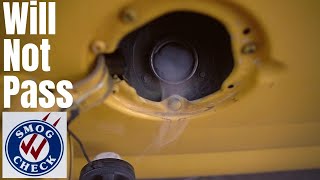
- Perform a Smoke Test: If the above steps do not reveal the cause, the next step is a smoke test. This involves injecting pressurized smoke into the EVAP system's service port. The smoke will exit from any leaks, making them easy to spot. This is the most effective way to find cracked hoses, a leaking canister, or a bad filler neck.
- Post-Repair Note: After replacing a part, the Check Engine Light may not turn off immediately. The vehicle's computer must run a self-test on the EVAP system, which requires a specific drive cycle. This can often take 2-3 days of normal driving and includes a cold start with the fuel level between 1/4 and 3/4 full.
Parts You'll Likely Need

- Gas Cap
(OEM #ACDelco GT294 / 15901533)— This is the most frequent and inexpensive first part to replace for a P0455 code due to the seal wearing out over time.
Trusted brands: ACDelco (OEM Recommended), Gates
OEM price range: $25-$40
Aftermarket price range: $15-$30 - Vapor Canister Purge Valve / Solenoid
(OEM #12597567)— This valve, located on the engine, often gets stuck open, causing a large leak code, sometimes accompanied by P0496.
Trusted brands: ACDelco (OEM), Dorman 911-147, Standard Motor Products CP470
OEM price range: $60-$100
Aftermarket price range: $45-$75 - Vapor Canister Vent Valve / Solenoid
(OEM #25932571)— Located at the rear of the car, this valve can get stuck or fail due to debris, preventing the EVAP system from sealing. Failure often causes difficulty when refueling. This part number supersedes 10382105, 15750484, and 22728634.
Trusted brands: ACDelco (OEM), Dorman 911-140, Standard Motor Products CVS38
OEM price range: $50-$90
Aftermarket price range: $40-$70
Related Codes That Often Appear With This One
- P0442 — P0442 indicates a small EVAP leak. Sometimes a deteriorating component can cause intermittent small and large leak codes before failing completely. A failing gas cap seal or vent valve can initially trigger a P0442 before it becomes a P0455.
- P0496 — P0496 indicates 'EVAP Flow During a Non-Purge Condition,' which almost always points directly to a faulty purge valve that is stuck open. If you see P0455 and P0496 together, the purge valve is the most likely culprit.
Technical Service Bulletins (TSBs) & Recalls
- 21-NA-124: Offers diagnostic tips for testing EVAP leaks related to DTCs P0442 and/or P0455.
Platform-Specific Known Issues
- TSB Confirmation: GM issued Technical Service Bulletin #21-NA-124, which provides diagnostic advice for technicians dealing with P0455 and P0442 codes, confirming this is a known area for service inquiries.
- Vent Solenoid Vulnerability: The location of the EVAP Vent Solenoid at the rear of the car, near the charcoal canister, makes it susceptible to damage and clogging from road dirt, moisture, and debris, a common real-world cause of failure.
- Fueling Issue as a Key Symptom: A strong indicator of a failed vent solenoid on the DTS is difficulty refueling, where the gas pump nozzle repeatedly clicks off before the tank is full. This happens because the blocked vent cannot release displaced air from the tank.
Helpful Videos

Used OEM Parts in Stock
New Aftermarket Parts Available


The information in this article is provided for general reference and educational purposes only. Vehicle specifications, procedures, and part compatibility can vary by production date, trim level, and region. Always consult your vehicle's factory service manual and verify part numbers before purchasing or performing repairs. Safety-critical components such as airbags, seat belts, and braking systems should be installed by a qualified professional.
- Cadillac DTS:
- 🧭 Diagnostic Flowchart
- 🎬 Helpful Videos
- 🛍️ Shop This Part
- What's Unique About the 2006-2011 Cadillac DTS
- Symptoms You May Notice
- Most Likely Causes
- Rare But Worth Checking
- Diagnosis Steps
- Parts You'll Likely Need
- Related Codes That Often Appear With This One
- Technical Service Bulletins (TSBs) & Recalls
- Platform-Specific Known Issues
- 🎟️ Get 5% Off