

P0455 on 2014-2016 Cadillac ELR: EVAP Gross Leak Causes and Fixes
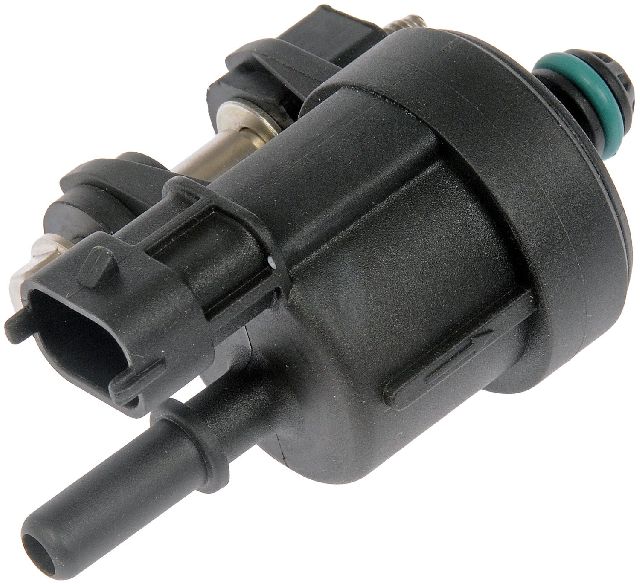
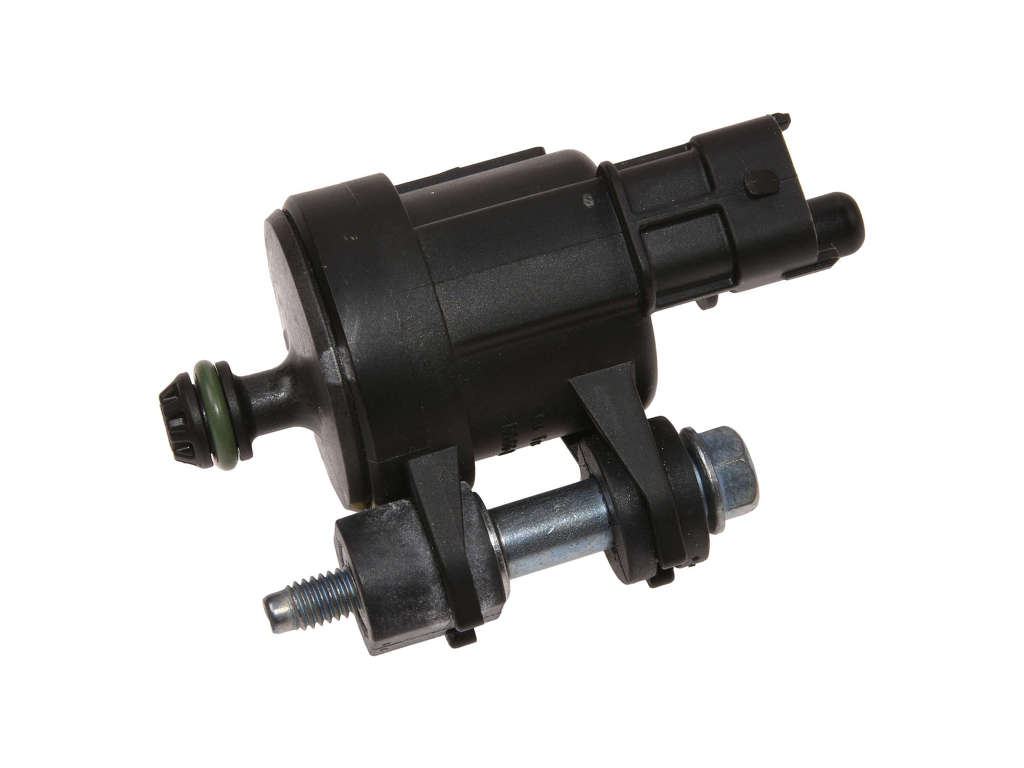
For a 2014-2016 Cadillac ELR, a P0455 code most often indicates a loose gas cap or a faulty EVAP purge valve. First, check that the gas cap is tight and its seal is not cracked. If the light returns, the purge valve on top of the engine is the next most likely culprit, costing around $25-$50 for an ACDelco part. This is a common failure on the shared Chevrolet Volt platform.
- P0455 indicates a large leak in the EVAP (emissions) system.
- The most common and simplest fix is to inspect and tighten the gas cap.
- The second most common fix is replacing the EVAP purge valve, located on top of the engine, which is an easy DIY task.
- A smoke test is the most reliable method to find the exact source of a leak if the gas cap or purge valve are not the cause.
- The Cadillac ELR shares its EVAP system with the first-generation Chevy Volt, making parts and repair information more accessible.
What's Unique About the 2014-2016 Cadillac ELR
The Cadillac ELR is a range-extended electric vehicle (EREV) that shares its 1.4L engine and Voltec EREV drivetrain with the first-generation Chevrolet Volt. This is a key point because the gasoline engine runs less frequently than in a conventional car. While the EVAP components are standard GM parts, their testing cycles are adapted for the hybrid operation. The fuel tank is also a pressurized system, which is a critical design element for plug-in hybrids to manage vapors over long periods when the gas engine isn't running. Infrequent use of the gas engine could potentially lead to components like the purge valve sticking more often than in a traditional vehicle.
Diagnostic Flowchart
Tap your situation to follow the diagnostic path that matches what you're seeing on this vehicle.
Symptoms You May Notice
- Check Engine Light is on
- A faint smell of gasoline may be noticeable, especially after parking or near the rear of the vehicle.
- Remote start may be disabled.
- Difficulty starting the car or rough idle after refueling (less common, but points to a stuck-open purge valve).
- Replacing the purge valve when the vent valve is the actual problem, or vice-versa.
- Replacing EVAP components without first checking for a loose gas cap.
- Replacing parts randomly without performing a smoke test to pinpoint the exact location of the leak.
- Assuming a purge valve is good because it clicks with a scan tool; the valve can be electrically functional but mechanically stuck.
Most Likely Causes
- Loose or Faulty Gas Cap 🔴 High Probability → Shop Fuel Tank Cap This is the most common cause for P0455 on any vehicle due to user error (not tightening) or simple seal degradation over time. It is the first thing to check.
How to confirm: Ensure the gas cap is tightened until it clicks at least once. Remove the cap and inspect its O-ring or seal for cracks, dirt, or signs of wear. A visual inspection is often sufficient.
Typical fix: Tighten or replace the gas cap.
Est. part cost: $15-$40 - Faulty EVAP Purge Valve/Solenoid 🟡 Medium Probability → Shop Vapor Canister This is a very common failure item on many GM vehicles, including the Volt/ELR platform. The valve can get stuck open, creating a constant leak. It can also get stuck closed, which the ECM may interpret as a large leak when it fails to draw a vacuum during a test cycle.
How to confirm: The valve is located on top of the 1.4L engine. With the engine off, remove the valve and try to blow through it. If air passes, it is stuck open and has failed. A scan tool can also be used to command the valve open and closed to test its function.
Typical fix: Replace the EVAP purge valve solenoid. This is typically a 10-minute job requiring only a 10mm socket.
Est. part cost: $25-$60 - Faulty EVAP Vent Solenoid/Valve ⚪ Low Probability → Shop Vapor Canister This valve is required to close to seal the system for the pressure test. It can fail by getting stuck open or having a weak solenoid. It's a known issue on GM platforms but less common than the purge valve.
How to confirm: The vent solenoid is located near the charcoal canister at the rear of the vehicle. Diagnosis requires a bi-directional scan tool to command the valve closed, followed by a smoke test to see if smoke escapes from the valve. Difficulty filling the fuel tank (pump clicks off repeatedly) can also be a symptom of a bad vent valve.
Typical fix: Replace the EVAP vent valve solenoid.
Est. part cost: $25-$50 - Cracked or Disconnected EVAP Hose ⚪ Low Probability Rubber and plastic hoses can become brittle and crack over time due to heat and age. TSB 21-NA-124 specifically calls out checking for unseated tube connections as a primary diagnostic step.
How to confirm: Visually inspect all accessible EVAP lines between the engine, charcoal canister, and fuel tank. The most definitive method is to perform a smoke test, which involves injecting vaporized smoke into the EVAP system and looking for where it escapes.
Typical fix: Replace the damaged hose section and any broken clips.
Est. part cost: $10-$50
Rare But Worth Checking
- Cracked EVAP Charcoal Canister: → Shop Vapor Canister The canister itself can develop a crack from road debris or age. Overfilling the fuel tank can also saturate it with liquid fuel, leading to other EVAP codes like P0497, but a physical crack will cause a large leak.
- Leaking Fuel Tank or Filler Neck: → Shop Fuel Tank Rust or physical damage can cause a leak in the fuel tank or the pipe leading to it, which will be detected by the EVAP system test.
Diagnosis Steps
- Inspect the gas cap. Remove it, check the seal for damage, and retighten it until it clicks. Clear the code and drive for a few days to see if it returns. This is the most common fix.
- If the code returns, visually inspect all accessible EVAP hoses in the engine bay and under the vehicle for obvious cracks, disconnections, or damage. Per TSB 21-NA-124, pay close attention to connection points.
- Test the EVAP purge valve on top of the engine. Disconnect it and attempt to blow through it; if air passes, it's faulty and needs replacement. This is a very common failure.
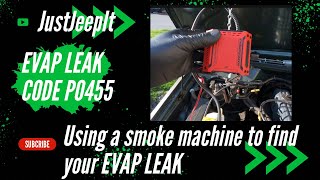
- If the above steps do not reveal the issue, the most effective next step is a professional smoke test. A machine fills the EVAP system with a harmless, visible smoke. The leak will be wherever the smoke is seen escaping.
- Using a bi-directional scan tool, command the EVAP vent valve (near the canister) to close and listen for a click. This confirms the solenoid is activating, though it doesn't rule out a mechanical fault.
- If a leak is traced to the fuel tank or filler neck, inspect those areas closely for rust or damage.
Parts You'll Likely Need
- Gas Cap
(OEM #13595462)— This is the most frequent cause of P0455 due to being frequently removed/reinstalled or having its seal wear out.
Trusted brands: ACDelco, Gates, Stant
OEM price range: $25-$40
Aftermarket price range: $15-$25 - EVAP Vapor Canister Purge Valve
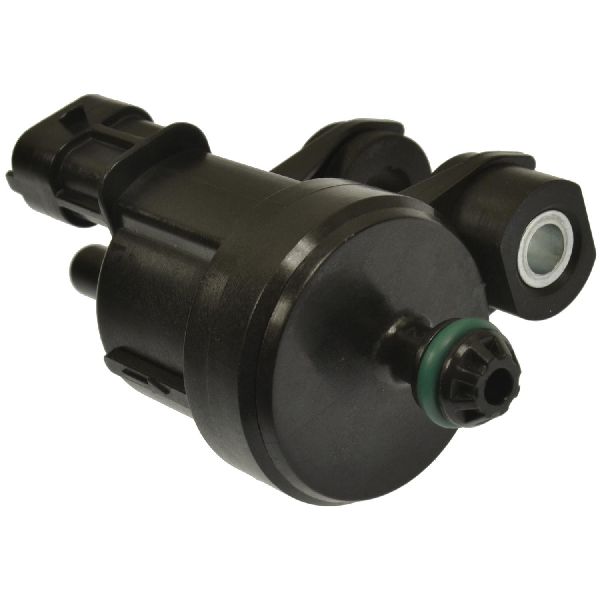
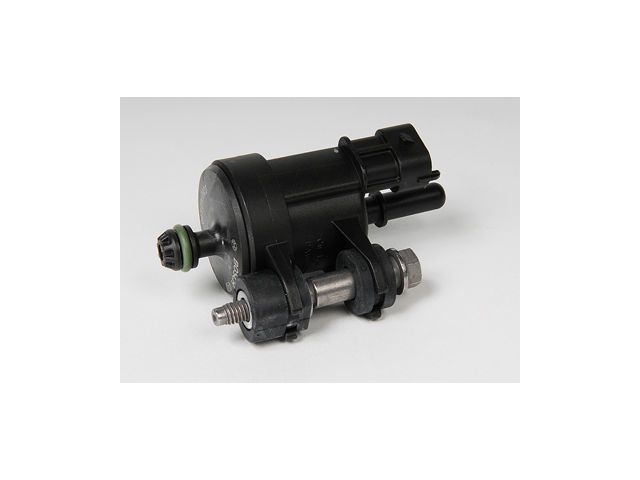
(OEM #12690512)— A very common failure point on GM vehicles, including the ELR's sister platform, the Chevy Volt. It gets stuck open, causing a leak that the system detects during its self-test.
Trusted brands: ACDelco, Dorman, Standard Motor Products
OEM price range: $30-$60
Aftermarket price range: $20-$45 - EVAP Vapor Canister
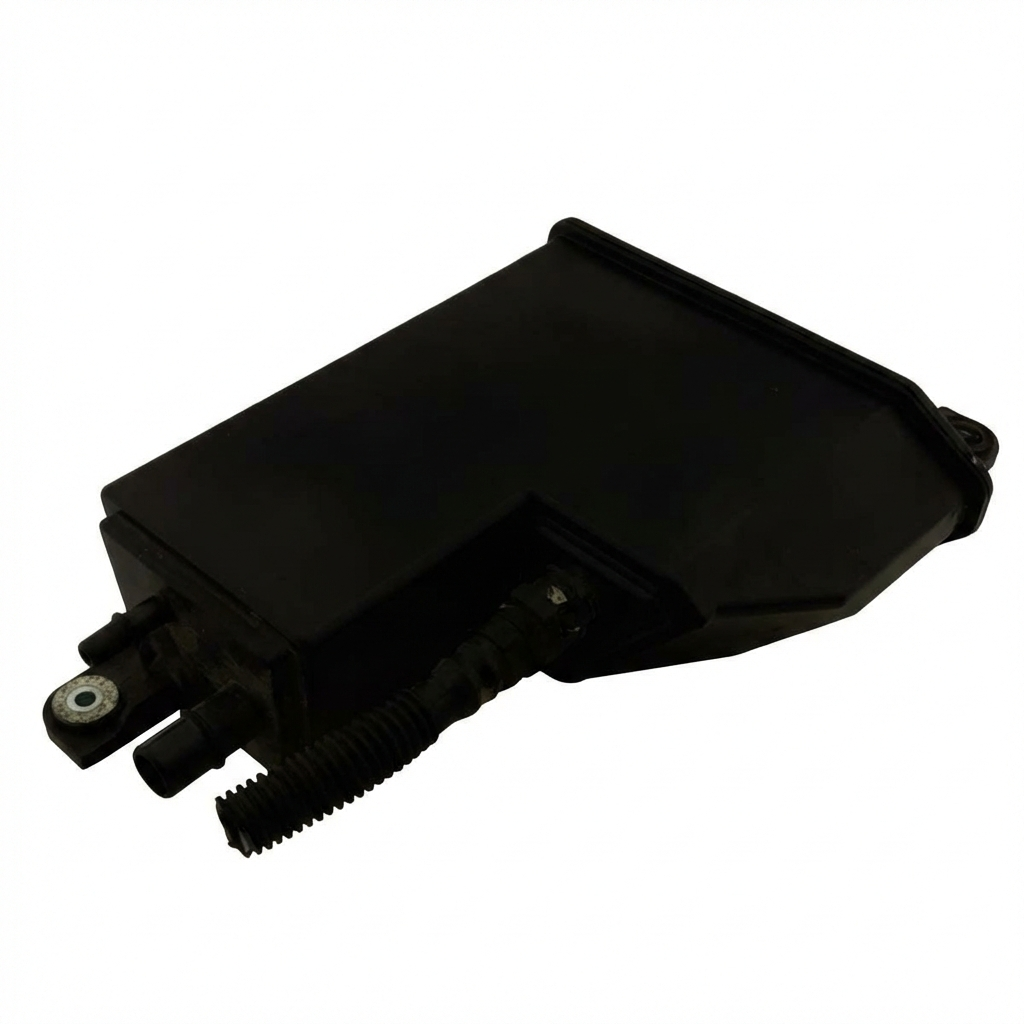
(OEM #23481208)— While less common for causing a P0455 leak unless physically cracked, it's a key component. The 2014-2016 ELR shares this part with the 2011-2015 Volt. Overfilling the fuel tank can saturate it, leading to other codes like P0497.
Trusted brands: ACDelco
OEM price range: $150-$250
Aftermarket price range: $100-$180
Related Codes That Often Appear With This One
- P0442 — P0442 indicates a small EVAP leak. It's common to see both codes if a leak is intermittent or on the borderline between 'small' and 'large' as defined by the ECM. The TSB #21-NA-124 specifically mentions these two codes together.
- P0449 — This code indicates a fault in the EVAP vent valve control circuit. If the vent valve cannot be commanded closed due to an electrical issue, the system will not be able to seal and will report a large leak (P0455).
- P0496 — This code indicates high purge flow, which is almost always caused by a purge valve that is stuck open. A stuck-open purge valve creates a large leak path, which will also trigger P0455.
Technical Service Bulletins (TSBs) & Recalls
- 21-NA-124: Provides diagnostic tips for testing EVAP system leaks that cause DTCs P0442 and/or P0455. It advises checking line connections and the vent valve before suspecting the purge valve.
Platform-Specific Known Issues
- Owner Experience: Purge Valve is the Usual Suspect: → Shop Vapor Canister On forums like gm-volt.com, which covers the ELR's powertrain, owners frequently report that the P0455 code is resolved by replacing the purge valve solenoid (ACDelco 12690512). One user on a Reddit thread for a similar GM vehicle noted that after getting a P0455, they found they could blow air right through the old valve, confirming it was stuck open. After a 5-10 minute replacement, the code was resolved and remote start functionality was restored.
- Diagnostic Priority from TSB 21-NA-124: GM's own service bulletin for P0455/P0442 advises a specific diagnostic order. First, inspect all EVAP line connections to ensure they are fully seated. Second, check for damaged lines. Third, investigate the vent valve for being stuck open. Only after these checks should the purge valve be investigated. This suggests that connection issues and vent valve problems are common enough to warrant checking before the often-replaced purge valve.
Mechanic-Grade Diagnostic Values
- EVAP Purge or Vent Solenoid Coil Resistance — expected: 14-30 Ohms. Failure: An open circuit (infinite resistance) or a reading far outside the expected range indicates a failed solenoid coil.
- Fuel Tank Pressure (FTP) Sensor Voltage (Key On, Engine Off, Gas Cap Off) — expected: Approximately 1.5V (at atmospheric pressure).. Failure: Voltage that is stuck high (e.g., near 5V) or low (e.g., 0V), or does not change when vacuum is applied, points to a faulty sensor or wiring.
- EVAP Solenoid Connector Voltage (Key On, Connector Unplugged) — expected: One pin should show battery voltage (~12V). The other pin is the ground-side control from the ECM.. Failure: No voltage on the power feed pin indicates a wiring issue or blown fuse upstream. Voltage on both pins may indicate an open in the control wire.
Scan Tool Commands That Help
- GDS2 (GM Global Diagnostic System 2): EVAP Purge/Seal — This function is essential during a smoke test. It allows a technician to manually command the EVAP Vent Solenoid closed to seal the system, then toggle the Purge Solenoid to test its function while monitoring the Fuel Tank Pressure (FTP) sensor response.
- GDS2 (GM Global Diagnostic System 2): EVAP Service Bay Test — This is an automated test to run after a repair has been made. It forces the EVAP monitor to run and verify the fix without needing to perform a full, lengthy drive cycle, which can be complex for this EREV platform.
Wiring & Ground Locations
- EVAP Canister Vent Solenoid / Canister Assembly — Located at the rear of the vehicle, near the fuel tank. Access requires removing a protective plastic skid plate.. This component must seal for the EVAP test to run. Its under-vehicle location makes it susceptible to moisture and road debris, and its wiring and ground connection are critical for proper operation.
- G305 (Ground) — On similar GM platforms, grounds for rear components are located on the frame rail near the rear of the vehicle.. A poor ground connection at this location can prevent the rear-mounted EVAP vent solenoid from closing properly, causing the system to fail its leak test and trigger a P0455 code.
- EVAP Canister Purge Solenoid Connector — On top of the 1.4L engine, easily visible after removing the plastic engine cover.. This 2-wire connector provides power and control to the purge solenoid. One wire is a 12V power feed (Key On) and the other is the ground-side control wire from the ECM. Testing voltage here is a key step to rule out a wiring issue before replacing the valve.
Real Owner Repair Stories
- gm-volt.com forum user (cited by Go-Parts.com) (2013 Chevrolet Volt (Gen 1, same platform as ELR)) — Check Engine Light with P0442 (small leak) and gas pump nozzle clicking off repeatedly when trying to refuel.
❌ Tried (didn't work) Replacing the gas cap, Replacing the purge valve solenoid in the engine bay
✅ What actually fixed it The EVAP vent valve solenoid, located near the charcoal canister at the rear of the car, was stuck closed. Replacing the vent valve/canister assembly resolved all symptoms.
"I Checked Everything" — The Actual Cause
- If a smoke test shows no leaks, the issue is likely not a physical hole but an electrical or sensor-related fault. A common culprit in this scenario is a faulty Fuel Tank Pressure (FTP) sensor. A user on a Chevrolet forum reported their FTP sensor was stuck at a 4.8V reading on a scan tool, which the ECM interprets as a leak, even though the system was sealed. The fix is to replace the FTP sensor itself, not to continue searching for a non-existent leak.
OEM Part Supersession History
12610560, 12690512→12737252— Standard part evolution by GM for improved reliability or manufacturing efficiency.
Heads up: The part numbers in this chain are generally interchangeable for the EVAP Vapor Canister Purge Valve on this platform.22891981, 20910150→23294932— Part evolution for the EVAP Charcoal Canister.
Heads up: This canister (23294932) is specific to the Gen 1 Volt platform (2011-2015 Volt, 2014-2016 ELR) and is not interchangeable with the canister from the Gen 2 Volt (2016-2019).
Model Year Variations Within This Range
- 2014 vs 2016: While the 2016 ELR received significant performance upgrades (horsepower, torque, suspension) and a slightly larger battery, there is no evidence to suggest any changes were made to the 1.4L range extender engine's EVAP system. The causes and fixes for P0455 are identical for both the 2014 and 2016 model years.
Helpful Videos
![How to Fix P0455 Engine Code in 3 Minutes [2 DIY Methods / Only $4.61]](https://img.youtube.com/vi/b-o1a2XuVN4/mqdefault.jpg)

Used OEM Parts in Stock
New Aftermarket Parts Available


The information in this article is provided for general reference and educational purposes only. Vehicle specifications, procedures, and part compatibility can vary by production date, trim level, and region. Always consult your vehicle's factory service manual and verify part numbers before purchasing or performing repairs. Safety-critical components such as airbags, seat belts, and braking systems should be installed by a qualified professional.
- Cadillac ELR:
- 🧭 Diagnostic Flowchart
- 🎬 Helpful Videos
- 🛍️ Shop This Part
- What's Unique About the 2014-2016 Cadillac ELR
- Symptoms You May Notice
- Most Likely Causes
- Rare But Worth Checking
- Diagnosis Steps
- Parts You'll Likely Need
- Related Codes That Often Appear With This One
- Technical Service Bulletins (TSBs) & Recalls
- Platform-Specific Known Issues
- Mechanic-Grade Diagnostic Values
- Scan Tool Commands That Help
- Wiring & Ground Locations
- Real Owner Repair Stories
- "I Checked Everything" — The Actual Cause
- OEM Part Supersession History
- Model Year Variations Within This Range
- 🎟️ Get 5% Off