

P0455 on 2018-2023 Cadillac Escalade: EVAP Large Leak Causes and Fixes
For a P0455 code on a 2018-2023 Cadillac Escalade, the most common cause is a loose or faulty gas cap. If tightening or replacing the cap (~$25) doesn't work, the next most likely culprits are the EVAP vent solenoid or purge valve. This is a very common issue across the entire GM truck and SUV lineup.
- Always check your gas cap first for a P0455 code. It's the easiest and most likely fix.
- If the gas cap is not the issue, the EVAP purge valve (on the engine) and vent valve (by the tank) are the next most common parts to fail on an Escalade.
- A symptom of a bad purge valve is difficulty starting after getting gas; a symptom of a bad vent valve is the gas pump shutting off constantly during refueling.
- Do not repeatedly top off your fuel tank, as this can force liquid gasoline into the charcoal canister and cause expensive damage.
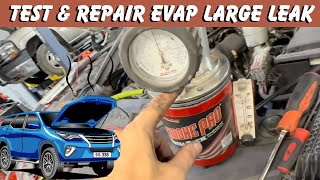
- A smoke test is the most effective way to find a leak if it's not one of the common components.
What's Unique About the 2018-2023 Cadillac ESCALADE
On this generation of GM trucks and SUVs (platforms K2XX and T1XX), including the Escalade, Tahoe, and Yukon, the EVAP vent and purge valves are known, frequent failure points that can trigger a P0455 code. While the gas cap is always the first check, owners often find the solution involves replacing one of these solenoids. The 2021-2023 models feature a capless fuel filler system, where the sealing flap can become dirty or fail, replacing the traditional gas cap as a primary leak source. GM issued a Technical Service Bulletin (21-NA-124) specifically to help technicians diagnose P0455 and P0442, underscoring how common the issue is.
Diagnostic Flowchart
Tap your situation to follow the diagnostic path that matches what you're seeing on this vehicle.
Generation note: This range covers two Escalade generations: the 4th (2018-2020, GMT K2XX platform) and the 5th (2021-2023, GMT T1XX platform). The 4th generation uses a traditional gas cap, while the 5th generation introduced a capless fuel filler system. While many EVAP components are similar, part numbers for valves and canisters may differ between generations. The 2021 model year also introduced Dynamic Fuel Management and a Start/Stop system for the 6.2L V8 engine.
Symptoms You May Notice
- Check Engine Light is on
- A noticeable smell of gasoline, particularly around the rear of the vehicle or near the gas cap.
- Difficulty starting the engine immediately after refueling (points to a faulty purge valve stuck open).
- Fuel pump nozzle clicks off repeatedly when trying to fill the gas tank (points to a blocked vent valve or canister).
- A "Tighten Gas Cap" message on the driver information center, even if the cap is tight.
- Replacing the charcoal canister when only the attached vent solenoid has failed.
- Replacing expensive components before checking if the gas cap is simply loose or has a bad seal.
- Assuming a P0455 code is always a large physical hole, when it can be a valve that is stuck open or even stuck closed, which the system interprets as a large leak.
Most Likely Causes
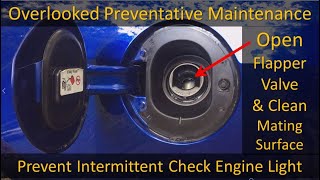
- Loose, Damaged, or Incorrect Gas Cap / Faulty Capless Filler Neck Seal 🔴 High Probability → Shop Fuel Tank Cap This is the most common cause for any vehicle. The seal on the cap degrades over time or the cap isn't tightened correctly. On 2021+ models, the capless system's spring-loaded door can fail to seal due to dirt, debris, or wear.
How to confirm: Ensure the gas cap is tightened until it clicks several times. Inspect the cap's rubber O-ring for cracks or damage. For capless systems, clean the sealing area inside the filler neck with a clean cloth. 🎬 See how to properly clean a capless fuel filler neck seal.
Typical fix: Replace the gas cap. This is an inexpensive and simple first step. For 2018-2020 models, a common replacement is ACDelco GT330.
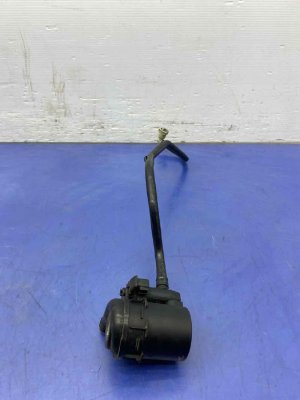
Est. part cost: $15-$40 - Faulty EVAP Canister Vent Valve/Solenoid 🟡 Medium Probability → Shop Vapor Canister This is a very common failure item on GM trucks and SUVs. The valve is normally open and must close to seal the system for a leak test. It often gets stuck open due to dirt or internal failure, creating a permanent large leak that the ECM detects.
How to confirm: The valve is located near the charcoal canister by the fuel tank. It can be tested by applying 12V power to see if it actuates (clicks) and closes. A smoke test will show smoke exiting the vent valve if it's stuck open.
Typical fix: Replacement of the vent valve solenoid. It is often sold as a unit with a new hose assembly. A commonly cited part number for this platform is ACDelco 23481275.
Est. part cost: $30-$70 - Faulty EVAP Purge Valve/Solenoid 🟡 Medium Probability → Shop Vapor Canister This valve, located on the engine, is normally closed. It can fail and get stuck open, creating a vacuum leak that the ECM interprets as a large EVAP leak. This failure often triggers a P0496 code as well.
How to confirm: Remove the valve from the engine. With the engine off, try to blow through it. If air passes through, the valve is stuck open and is faulty. A common symptom is difficulty starting after filling the gas tank.
Typical fix: Replacement of the purge valve solenoid. A forum-confirmed part for this platform is ACDelco 214-1680 (also listed as GM 12690512).
Est. part cost: $25-$60 - Cracked or Disconnected EVAP Hose ⚪ Low Probability Rubber and plastic lines can become brittle with age and exposure to the elements, leading to cracks. Connections can also become loose, especially at the canister or purge valve.
How to confirm: A visual inspection may reveal an obvious disconnection or large crack. The most effective method is to use a smoke machine, which fills the EVAP system with visible smoke, revealing the exact location of any leaks.
Typical fix: Replace the cracked hose or re-secure the loose connection.
Est. part cost: $10-$50
Rare But Worth Checking
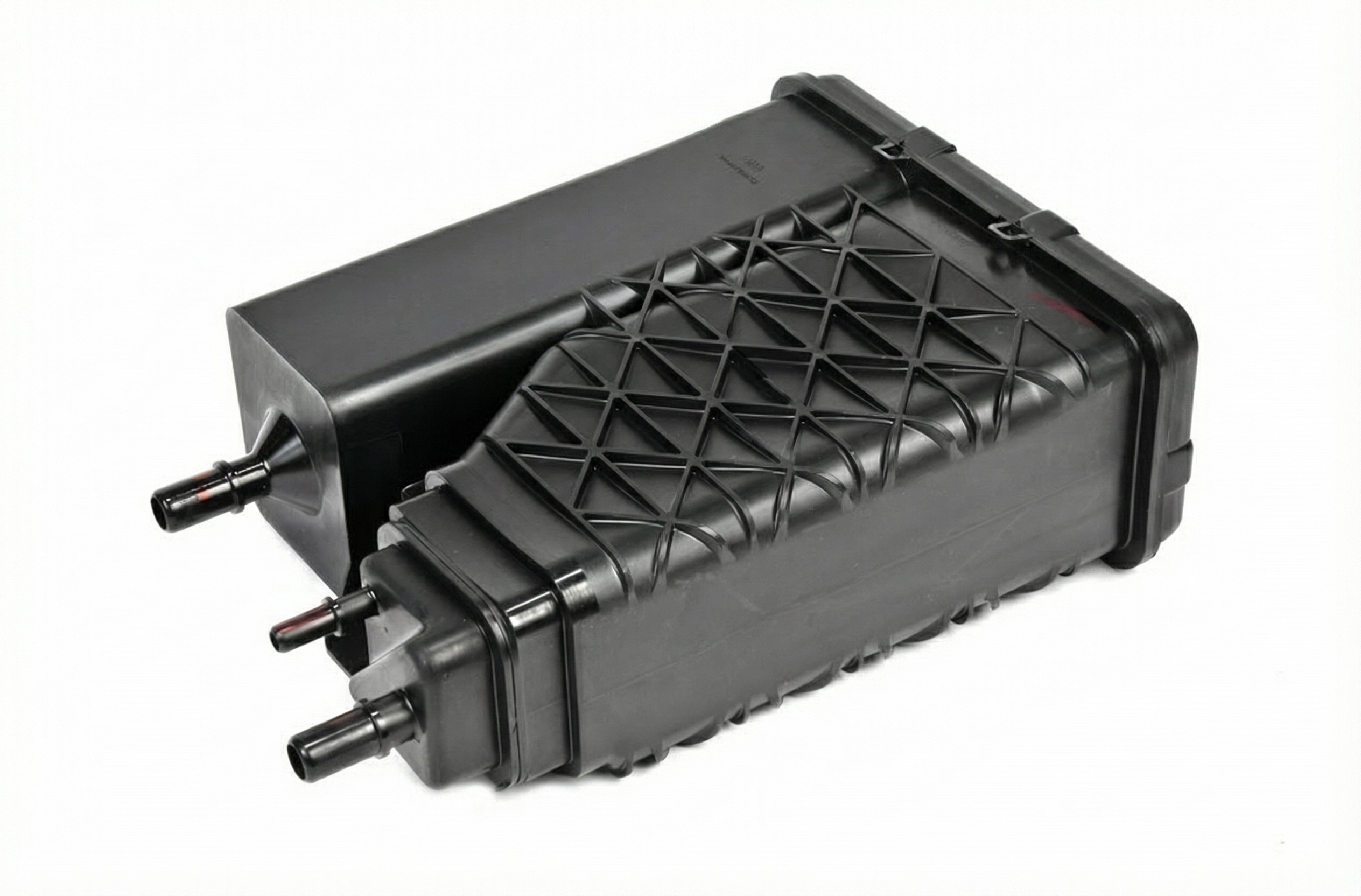
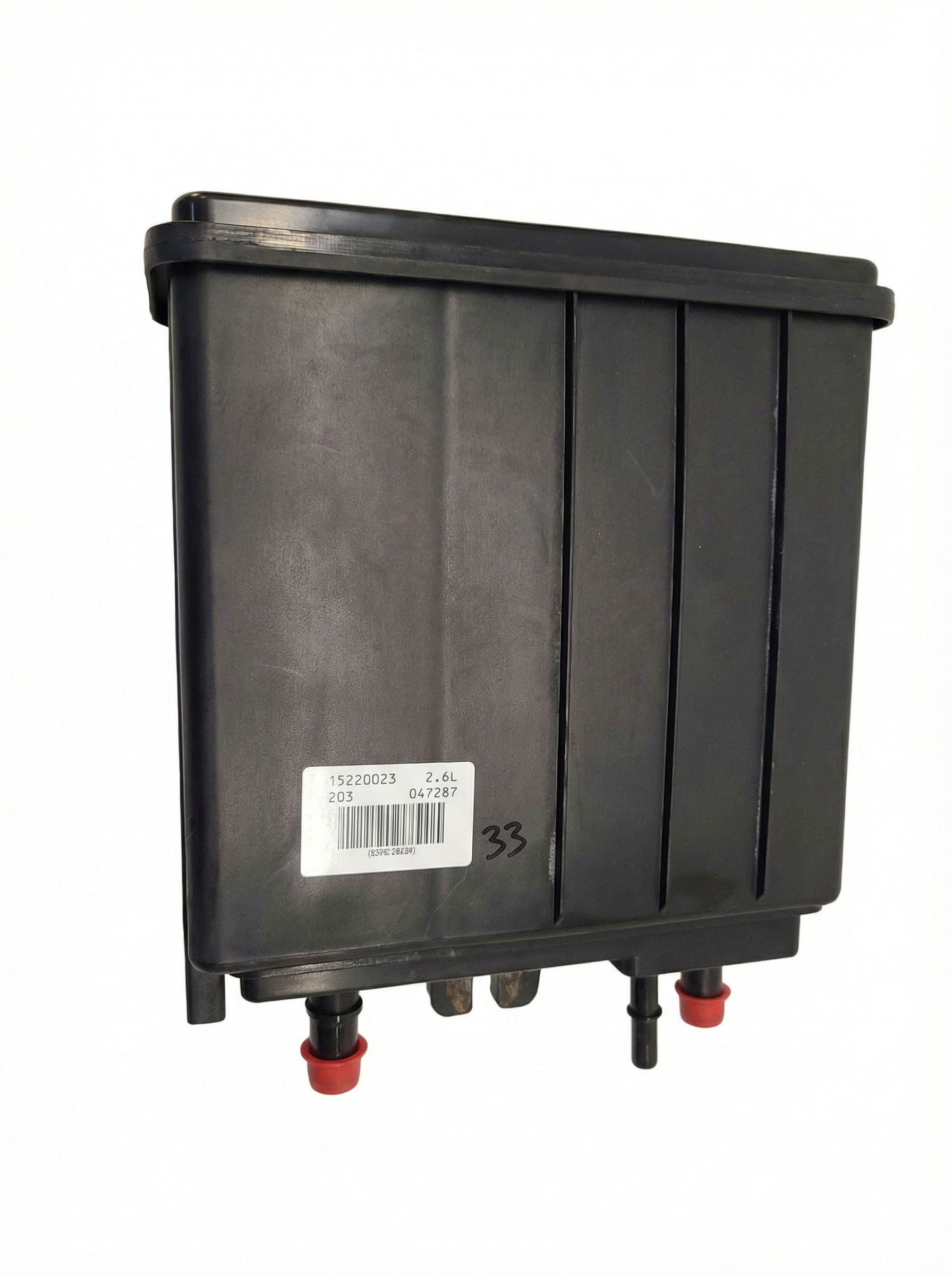
- Cracked EVAP Charcoal Canister: → Shop Vapor Canister The canister itself can be damaged by road debris or develop cracks. Overfilling the fuel tank can also saturate it with liquid fuel, causing it to fail and sometimes release charcoal pellets into the EVAP lines.
- Leaking Fuel Tank Gasket / Damaged Fuel Filler Neck: → Shop Fuel Filler Neck The seal for the fuel pump module on top of the tank can degrade, or the metal filler neck where the gas cap seals can become corroded or damaged, preventing a proper seal. A smoke test is the best way to find this type of leak.
- Leaking Fuel Pump Module Gasket: → Shop Fuel Pump In some cases, after replacing common EVAP parts without success, owners have performed a smoke test and found the leak originating from a faulty gasket on the fuel pump assembly, located on top of the fuel tank.
Diagnosis Steps
- Check the gas cap. Remove it, inspect the seal for cracks, and retighten it until it clicks multiple times. If you have a capless system (2021+), inspect the filler neck opening for debris and ensure the flap seals correctly. Clear the code and drive for a few days to see if it returns.
- Follow the diagnostic procedure outlined in GM TSB 21-NA-124. First, perform a thorough visual inspection of all accessible EVAP lines and connections, ensuring they are properly seated and not damaged.
- Per the TSB, the next step is to investigate the vent valve. It is normally open, so a smoke test without powering the valve should show smoke exiting it. Then, apply 12V to the valve; it should close and stop the flow of smoke. If it still leaks smoke when powered, it is faulty.
- If the vent valve functions correctly, the TSB advises investigating the purge valve next. Located on the engine, this valve is normally closed. Remove it and try to blow through it; if air passes, it is stuck open and must be replaced.
- If the cause is not obvious after checking the cap and valves, the most definitive diagnostic step is a smoke test. A mechanic will introduce pressurized smoke into the EVAP system's service port. Smoke will exit from the location of the leak (e.g., a cracked hose, fuel pump gasket, or filler neck), making it easy to pinpoint.
Parts You'll Likely Need
- Fuel Tank Cap (2018-2020)
(OEM #ACDelco GT330)— This is the most frequent and cheapest fix for capped models. The seal wears out over time, causing a large leak.
Trusted brands: ACDelco, Gates, Stant
OEM price range: $20-$40
Aftermarket price range: $15-$30 - EVAP Canister Vent Valve Solenoid
(OEM #ACDelco 23481275)— A very common failure point on this platform. It gets stuck open, preventing the system from sealing for its self-test.
Trusted brands: ACDelco, Dorman, Delphi
OEM price range: $40-$80
Aftermarket price range: $30-$60 - EVAP Purge Valve Solenoid
(OEM #ACDelco 214-1680 (GM 12690512))— Another common failure. When it sticks open, it creates a vacuum leak that triggers P0455, often along with P0496.
Trusted brands: ACDelco, Bosch, Standard Motor Products
OEM price range: $35-$70
Aftermarket price range: $25-$50
Related Codes That Often Appear With This One
- P0442 — P0442 indicates a small EVAP leak. The same fault can sometimes be interpreted as a small or large leak at different times. TSB #21-NA-124 specifically groups P0455 and P0442 together for diagnosis.
- P0496 — This code indicates 'EVAP Flow During a Non-Purge Condition' and very commonly points to a purge valve that is stuck open, which also causes the P0455 leak code.
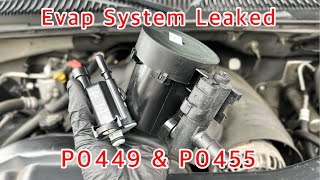
- P0449 — This code specifically points to a fault in the EVAP vent valve control circuit, a common cause for the P0455 leak.
Technical Service Bulletins (TSBs) & Recalls
- 21-NA-124: Provides official GM diagnostic tips for codes P0442 and P0455, advising a check of all connections before suspecting valve failure.
Platform-Specific Known Issues
- source — In a thread on Tahoe Yukon Forum, an owner with a P0455 code first replaced the EVAP vent valve (ACDelco 23481275), but the code returned. They then replaced the gas cap (ACDelco GT330) and the purge valve (ACDelco 214-1680) at the same time, which finally resolved the issue. This highlights that sometimes multiple components can be at or near the end of their service life, and a sequential approach is often necessary.
Mechanic-Grade Diagnostic Values
- Fuel Tank Pressure (FTP) Sensor Voltage (Key On, Engine Off) — expected: ~1.5V at atmospheric pressure (gas cap off). Failure: Voltage is stuck high or low and does not change when the system is sealed or vacuum is applied.
- EVAP Purge Valve Solenoid Resistance — expected: 20 - 30 Ohms. Failure: A reading that is significantly higher, lower, or infinite (open circuit) indicates a faulty solenoid coil.
Scan Tool Commands That Help
- GDS2 / Tech2 (or equivalent): EVAP Service Bay Test — This is an automated, on-demand test that commands the entire EVAP system to seal and pull a vacuum, monitoring the FTP sensor to see if it holds. It's used to verify a leak exists or to confirm a repair without a full drive cycle.
- GDS2 / Tech2 (or equivalent): EVAP Purge/Seal — This function allows a technician to manually command the purge and vent solenoids on/off. It is essential for performing a smoke test (by commanding the vent valve closed) and for testing individual valve function.
- GDS2 / Tech2 (or equivalent): EVAP Vent Solenoid Valve Control — Used to specifically command the normally-open vent valve to close. A technician will use this during a smoke test; if smoke still exits the vent with the valve commanded closed, the valve is faulty.
Wiring & Ground Locations
- Frame Grounds (Driver Side) — Under the driver's side of the vehicle, attached to the main frame rail.. The EVAP vent solenoid and fuel pump module are mounted to the chassis and rely on a clean frame ground. On GM trucks, these grounds are known to corrode, which can cause erratic voltage and intermittent operation of the vent solenoid, leading to false codes.
"I Checked Everything" — The Actual Cause
- In one documented case for a GM vehicle, a P0455 'large leak' code was set, but the actual cause was a purge valve that was stuck *closed*. The ECM commanded the purge valve to open to pull a vacuum on the tank for the self-test. When it saw no change in the fuel tank pressure sensor reading, it incorrectly assumed there was a massive leak preventing a vacuum from forming, when in reality, no vacuum was being applied at all. This is a critical misdiagnosis scenario where a smoke test would show no leaks.
OEM Part Supersession History
Multiple (e.g., 25932566, 20995472)→23481275— Part consolidation and design updates by GM.
Heads up: The vent valve part number 23481275 has superseded many previous numbers. While it fits a wide range of GM trucks and SUVs, always verify with a VIN as some older models may require a wiring harness adapter if the connector style changed.12690512→12737252— Standard part revision by the manufacturer.
Heads up: GM part 12690512, the common purge valve, has been superseded by 12737252. The parts are expected to be interchangeable for the specified applications.
Model Year Variations Within This Range
- 2021-2023: The 5th generation (T1XX platform) introduced a capless fuel filler system, making the sealing flap in the filler neck a primary leak point instead of a traditional gas cap. The 6.2L V8 in these years also added Dynamic Fuel Management and, on models built before mid-2021, an Automatic Stop/Start system, though this doesn't directly affect the P0455 cause.
Helpful Videos
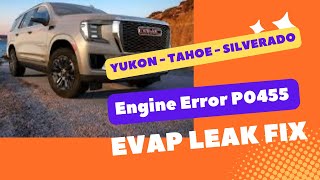
Used OEM Parts in Stock

New Aftermarket Parts Available


The information in this article is provided for general reference and educational purposes only. Vehicle specifications, procedures, and part compatibility can vary by production date, trim level, and region. Always consult your vehicle's factory service manual and verify part numbers before purchasing or performing repairs. Safety-critical components such as airbags, seat belts, and braking systems should be installed by a qualified professional.
- Cadillac ESCALADE:
- 🧭 Diagnostic Flowchart
- 🎬 Helpful Videos
- 🛍️ Shop This Part
- What's Unique About the 2018-2023 Cadillac ESCALADE
- Symptoms You May Notice
- Most Likely Causes
- Rare But Worth Checking
- Diagnosis Steps
- Parts You'll Likely Need
- Related Codes That Often Appear With This One
- Technical Service Bulletins (TSBs) & Recalls
- Platform-Specific Known Issues
- Mechanic-Grade Diagnostic Values
- Scan Tool Commands That Help
- Wiring & Ground Locations
- "I Checked Everything" — The Actual Cause
- OEM Part Supersession History
- Model Year Variations Within This Range
- 🎟️ Get 5% Off