

P0455 on 2011-2018 Cadillac Escalade ESV: EVAP Large Leak Causes & Fixes
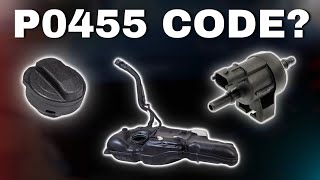
The P0455 code on a 2011-2018 Cadillac Escalade ESV indicates a large leak in the EVAP system. The most common fix is replacing a loose or faulty gas cap. If that doesn't work, the next most likely culprits are the EVAP vent solenoid near the spare tire or the purge solenoid on the engine. A smoke test is the most reliable way to find the exact source of the leak.
- P0455 means your Escalade has a large leak in the fuel vapor system.
- Always check your gas cap first. Make sure it's tight and the seal is intact.
- The two most likely parts to fail are the purge solenoid on the engine and the vent solenoid near the spare tire.
- A fuel smell is a common symptom that should be investigated promptly.
- If simple checks don't find the leak, a smoke test is the most reliable way to diagnose the problem.
What's Unique About the 2011-2018 Cadillac ESCALADE ESV

The 2011-2018 Escalade ESV spans two generations (GMT900 and K2XX), but the EVAP system components that typically fail are similar. A common issue noted in GM Technical Service Bulletin (TSB) 15-NA-019 is a fuel odor that can accompany this code, caused by a fracture of the fuel tank filler vent hose connector on 2013-2014 models. Owners on forums like TahoeYukonForum.com frequently report issues with the vent solenoid, which is located under the vehicle near the spare tire and is exposed to the elements, making it prone to failure from corrosion and debris.
Diagnostic Flowchart

Tap your situation to follow the diagnostic path that matches what you're seeing on this vehicle.
Generation note: The 2011-2018 model years cover two Escalade generations: the third generation (GMT900, 2011-2014) and the fourth generation (K2XX, 2015-2018). While the specific part numbers for EVAP components may differ, the common causes, symptoms, and diagnostic principles for code P0455 are largely the same across both generations. Both platforms share their EVAP system design with the Chevrolet Suburban/Tahoe and GMC Yukon/Yukon XL, which experience identical P0455 failures. A key difference is the 2015+ K2XX models feature a capless fuel filler system, shifting the 'loose gas cap' issue to a potential failure of the capless assembly's seal.
Symptoms You May Notice
- Check Engine Light is on
- A noticeable smell of fuel, especially around the gas cap or rear of the vehicle.
- Difficulty filling the fuel tank (gas pump nozzle clicks off repeatedly).
- A 'whoosh' sound of air when opening the gas cap, indicating the system is not venting properly.
- Difficulty starting the engine immediately after refueling (associated with a stuck-open purge valve).
- Replacing the expensive charcoal canister when the actual fault is a much cheaper and easier-to-replace vent or purge solenoid.
- Replacing sensors without first performing a smoke test to find the physical leak. Many owners on forums chase the code by replacing parts when a smoke test would have identified the leak source immediately.
- Assuming a large leak (P0455) must be a large physical hole, when it can also be triggered by a purge valve that is stuck closed, preventing the system from pulling a vacuum during its test.
Most Likely Causes

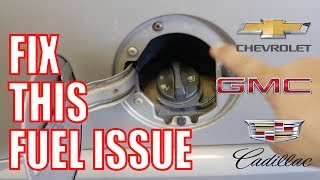
- Loose, Incorrect, or Faulty Gas Cap 🔴 High Probability → Shop Fuel Tank Cap This is the most common cause for a P0455 code on any vehicle, as the cap seal can degrade over time or may not have been tightened properly after refueling. For 2015+ models, this shifts to a faulty capless fuel filler neck seal.
How to confirm: Inspect the gas cap for cracks or damage to the rubber seal. Ensure it is the correct cap for the vehicle and that it clicks at least three times when tightened. A cap that doesn't seal will often be the first suspect.
Typical fix: Tighten the existing cap or replace it with a new OEM or equivalent cap. For 2015+ models, inspect and clean the capless filler neck opening.
Est. part cost: $15-$40 - Faulty EVAP Vent Solenoid/Valve 🟡 Medium Probability → Shop Vapor Canister The vent solenoid is located under the vehicle near the spare tire, making it vulnerable to road debris, moisture, and corrosion which can cause it to fail or get stuck open. This is a very common failure point discussed in owner forums.
How to confirm: The valve is normally open. A mechanic can command it closed with a scan tool. A DIY method involves applying 12V to the solenoid to see if it clicks and closes; if it doesn't, it's faulty. A smoke test will show smoke exiting the valve if it's stuck open.
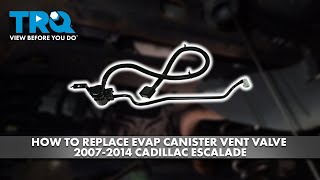
Typical fix: Replace the vent solenoid assembly. This often involves lowering the spare tire for access. Some replacement parts are updated and may require a wiring harness adapter.
Est. part cost: $40-$100 - Faulty EVAP Purge Solenoid/Valve 🟡 Medium Probability → Shop Vapor Canister This valve is located on the engine and can get stuck open or closed. When stuck open, it creates a constant vacuum leak; when stuck closed, the system can't pull a vacuum for its self-test and may falsely interpret this as a large leak.
How to confirm: The valve is normally closed. With the engine off, remove the valve and try to blow through it. If air passes through, it is stuck open and needs to be replaced. A scan tool can also command it open to check for operation.
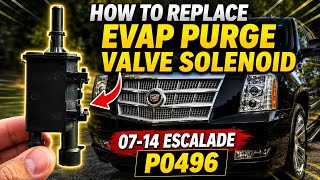
Typical fix: Replace the purge solenoid. This is typically an easy repair located on top of the engine under the plastic cover.
Est. part cost: $25-$60 - Cracked or Disconnected EVAP Hose or Line ⚪ Low Probability Rubber and plastic lines can become brittle and crack over time due to heat and age. TSB 15-NA-019 specifically points to a fractured fuel filler vent hose connector on 2013-2014 models.
How to confirm: A visual inspection may reveal obvious cracks or disconnections. The most effective method is a smoke test, which forces smoke into the EVAP system to reveal the source of the leak.
Typical fix: Replace the damaged section of hose or the entire line assembly. For the issue in TSB 15-NA-019, the entire vent hose assembly must be replaced.
Est. part cost: $20-$150
Rare But Worth Checking
- Cracked Fuel Filler Neck: → Shop Fuel Filler Neck Corrosion can cause pinholes or cracks in the metal filler neck where you insert the gas pump, creating a leak. This should be inspected, especially in areas where road salt is used.
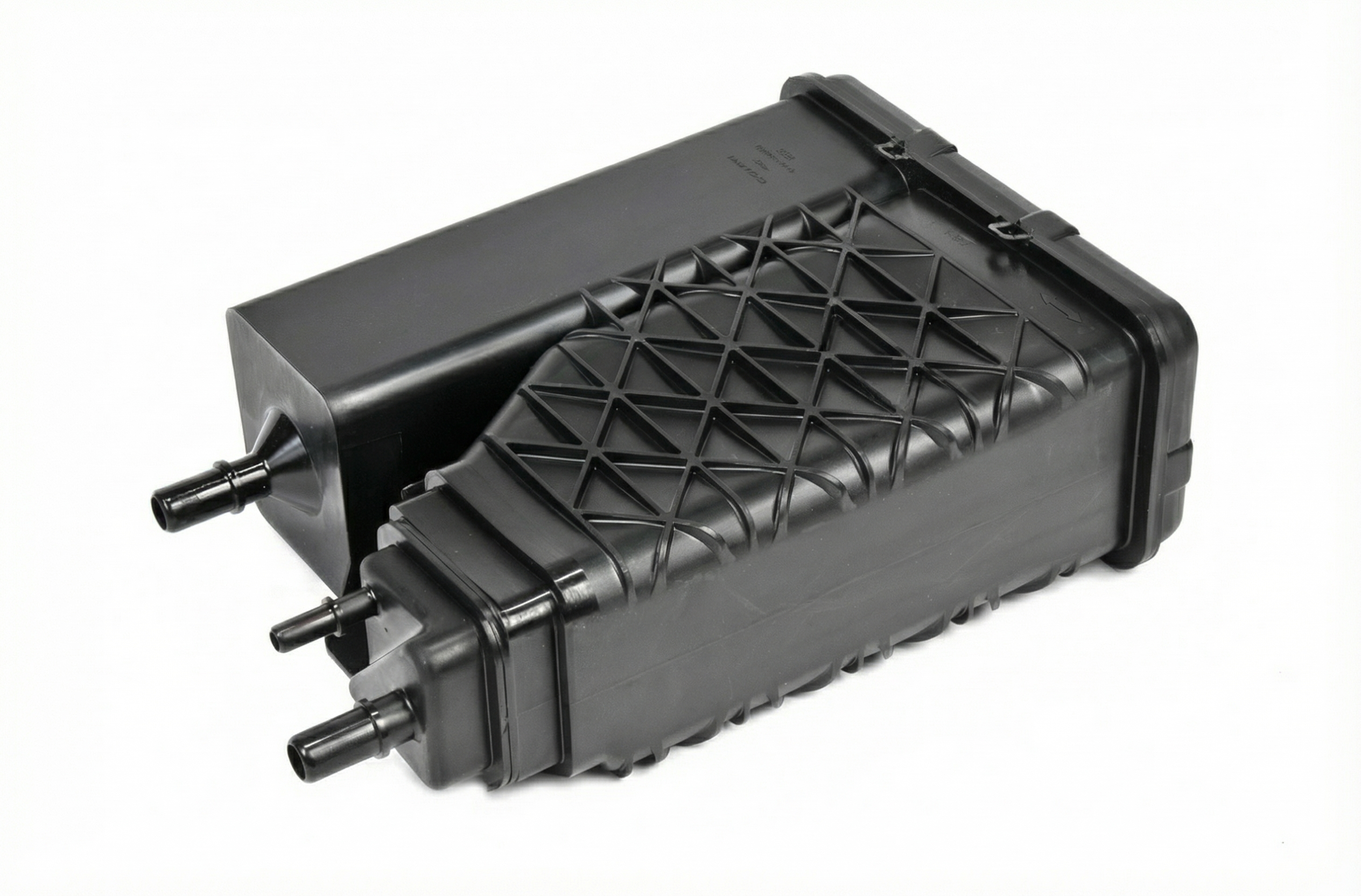
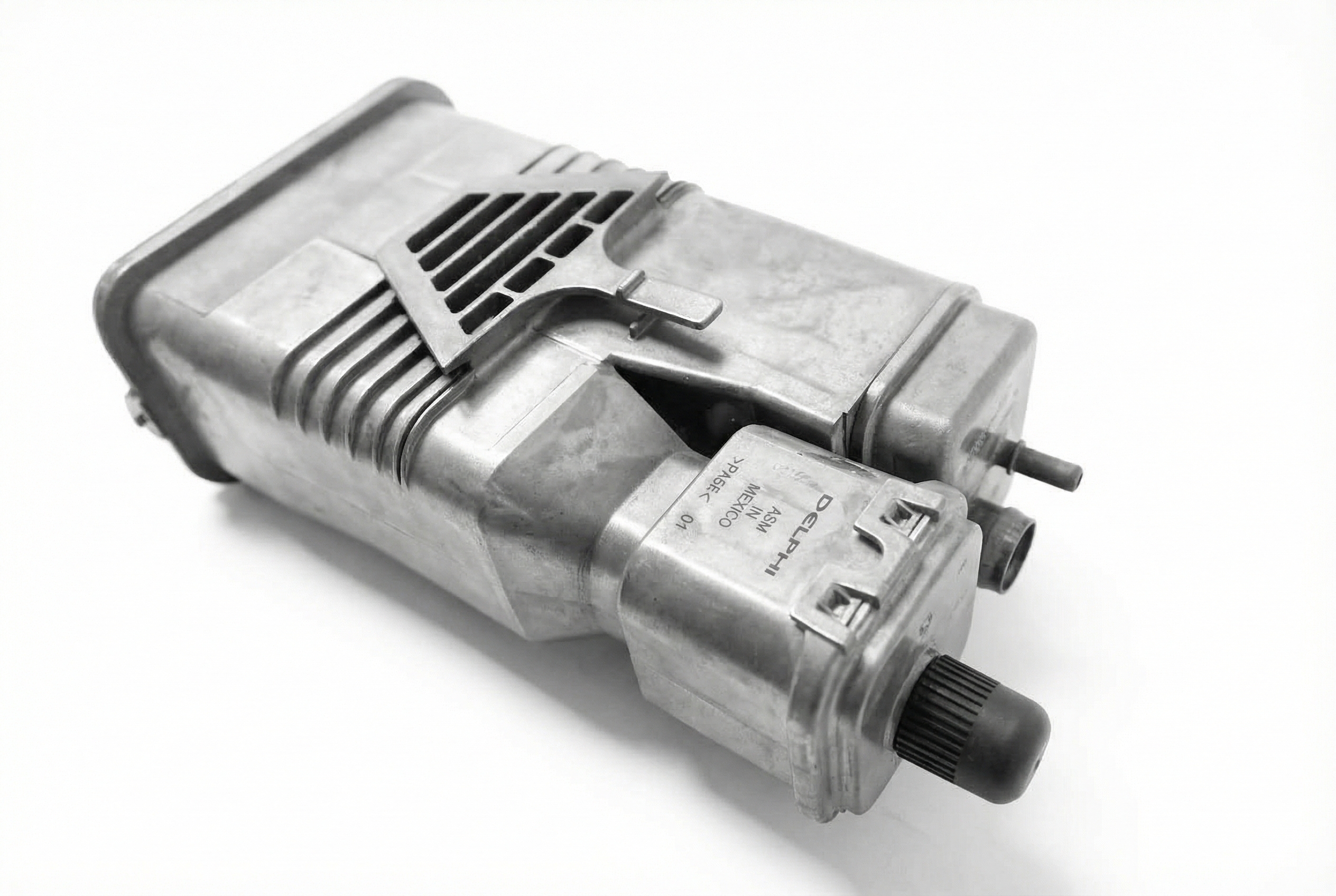
- Damaged Charcoal Canister: → Shop Vapor Canister The canister itself can be physically damaged by road debris, causing a crack and a large leak. This is less common than the solenoids failing but possible.
- Charcoal Pellets Contaminating System: If the internal structure of the charcoal canister fails, activated charcoal pellets can be drawn into the EVAP lines, clogging the vent and purge solenoids and causing them to stick open or closed. This can cause persistent, hard-to-diagnose issues and may require dropping the fuel tank to blow out all the lines.
Diagnosis Steps

- Check the Gas Cap: This is the simplest first step. Ensure it is tight and clicks multiple times. Inspect the seal for cracks or damage. If in doubt, it's an inexpensive first part to replace. Clear the code and drive for a few days to see if it returns.
- Visual Inspection: Following the advice of TSB 21-NA-124, look under the vehicle around the fuel tank, spare tire, and along the frame rails for any obviously cracked, disconnected, or damaged EVAP hoses. Pay special attention to the fuel filler neck area for corrosion or damage.
- Test the Purge Solenoid (Engine): Locate the purge solenoid on the engine. With the engine off, disconnect it and try to blow through it. If air passes, it's stuck open and must be replaced. You can also use a scan tool to command it on and off to listen for a click.
- Test the Vent Solenoid (Under Vehicle): Locate the vent solenoid near the charcoal canister (by the spare tire). It is normally open. A scan tool can command it closed for testing. Without a scan tool, you can apply 12V power to the solenoid; you should hear a click as it closes. If it doesn't operate or is stuck open, it is faulty.
- Perform a Smoke Test: If the cause is still not found, the most effective next step is to introduce smoke into the EVAP system using a smoke machine. The smoke will exit from the location of the leak, making it easy to spot. This is the definitive way to find cracked hoses, a bad canister, or a faulty filler neck.
Parts You'll Likely Need
- EVAP Vapor Canister Purge Solenoid
(OEM #12597567)— This valve, located on the engine, often gets stuck open or closed, causing a P0455 code and sometimes a P0496. It's a common failure point and is easy to replace. The ACDelco service part number is 214-1680.
Trusted brands: ACDelco, Dorman, GM Genuine
OEM price range: $30-$60
Aftermarket price range: $20-$40 - EVAP Vapor Canister Vent Solenoid
(OEM #25932571)— Located under the truck by the spare tire, this valve is exposed to the elements and frequently fails by getting stuck open, causing a large leak code. The ACDelco service part number is 214-2149. Newer versions may require a wiring adapter.
Trusted brands: ACDelco, Dorman, Standard Motor Products
OEM price range: $50-$80
Aftermarket price range: $35-$65 - Fuel Tank Cap — The seal on the gas cap is the most common failure point in the EVAP system. It's the first part to check and replace due to its low cost and high probability of being the cause. Applies to 2011-2014 models.
Trusted brands: ACDelco, Stant, Motorad
OEM price range: $20-$40
Aftermarket price range: $15-$25
Related Codes That Often Appear With This One
- P0442 — P0442 indicates a small EVAP leak. It's common to see both codes because a component may be intermittently failing, or the system's self-test may interpret the same leak differently on separate drive cycles. Both TSBs 21-NA-124 and 15-NA-019 mention P0442 alongside P0455.
- P0449 — This code specifically points to a fault in the EVAP vent solenoid control circuit. Since a faulty vent solenoid is a very common cause of the P0455 leak code on these vehicles, the two codes are often seen together.
- P0496 — This code indicates 'High Purge Flow,' often caused by a purge valve that is stuck open. A stuck-open purge valve is a leak from the EVAP system to the intake manifold, which can also be interpreted by the system as a large leak, triggering P0455.
Technical Service Bulletins (TSBs) & Recalls
- 21-NA-124: Diagnostic Tip for Malfunction Indicator Lamp (MIL) Illuminated - DTC P0442 and/or P0455 Set. This bulletin advises a specific diagnostic order: 1. Check for properly seated EVAP lines. 2. Inspect lines for damage. 3. Test the vent valve for being stuck open. 4. Test the purge valve.
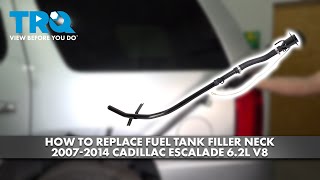
- 15-NA-019: Fuel Odor During Fuel Filling or During Idle, Possible P0442 or P0455 DTCs Set. This TSB notes that on 2013-2014 Escalade models, a strong fuel odor and P0455 can be caused by a fractured gasoline filler neck recirculation line connector. The fix is to replace the fuel tank filler vent hose assembly (Part No. 22802075 for ESV).
- Unnumbered TSB for Dusty Environments: A GM bulletin notes that vehicles operated in extremely dusty environments may experience dust intrusion that plugs the charcoal canister and vent solenoid, leading to codes P0442, P0446, P0455, or P0449.
Platform-Specific Known Issues
- TSB #15-NA-019: On 2013-2014 models, a fuel odor and P0455 code may be caused by a fractured fuel tank filler vent hose connector. The fix requires replacing the entire hose assembly (GM Part #22802075 for Escalade ESV).
- TSB #21-NA-124: Provides a clear diagnostic hierarchy for technicians (and DIYers) to follow when diagnosing P0455, starting with visual inspection of lines, then testing the vent valve, and finally testing the purge valve.
- Vent Solenoid Location: The location of the vent solenoid, under the vehicle by the spare tire, makes it highly susceptible to damage from water, road salt, and debris, leading to frequent failures on these large SUVs.
- Charcoal Canister Contamination: A recurring theme in owner forums is the failure of the charcoal canister, which releases carbon pellets into the EVAP lines, causing repeated issues with solenoids and blockages that are difficult to diagnose without blowing out the lines.
Mechanic-Grade Diagnostic Values
- EVAP Canister Purge Valve Resistance — expected: 30 - 38 Ohms (with engine cooled). Failure: A reading outside this range, or an open/short circuit, indicates a faulty valve coil.
- EVAP Canister Vent Solenoid Resistance — expected: 48 - 65 Ohms. Failure: A reading outside this range, or an open/short circuit, indicates a faulty solenoid coil.
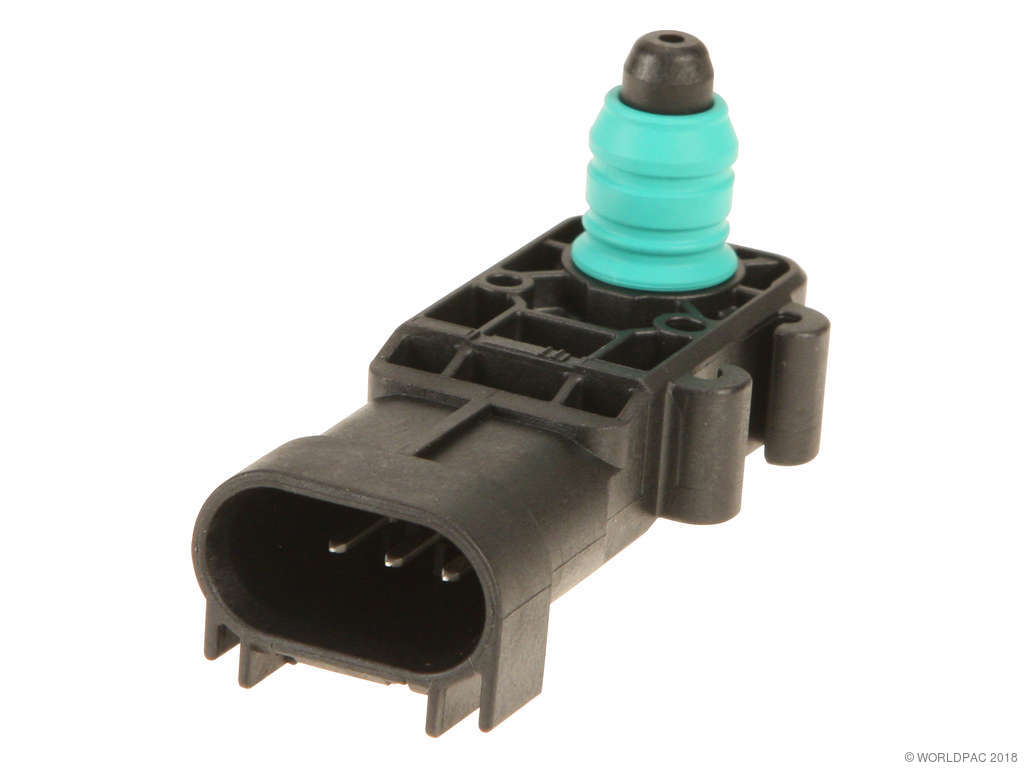
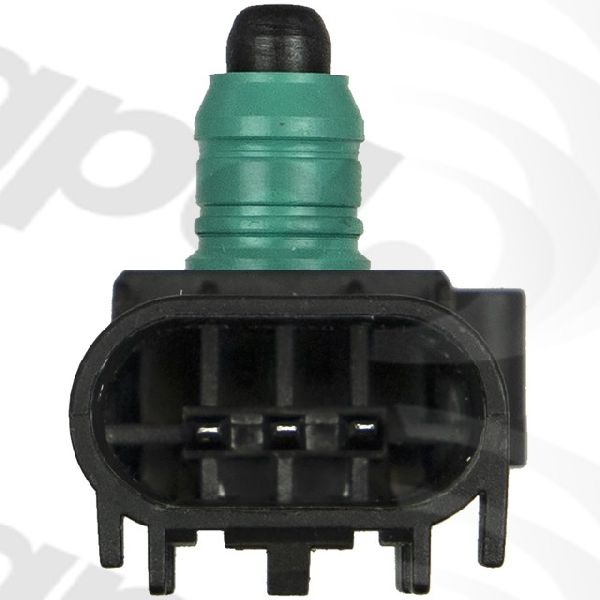
- Fuel Tank Pressure (FTP) Sensor Voltage — expected: Approximately 1.45V - 1.47V with the key on, engine off, and gas cap removed (system at atmospheric pressure).. Failure: Voltage stuck high or low, or not changing when pressure/vacuum is applied, indicates a faulty sensor.
- EVAP Monitor Run Conditions — expected: Fuel level 15-85%, ECT and IAT between 4-30°C (39-86°F), BARO > 75 kPa, among other parameters.. Failure: If these conditions are not met, the EVAP self-test will not run, and the code status will not update.
Scan Tool Commands That Help
- GDS2 / Tech2 / Professional Scan Tool: EVAP Purge/Seal — This function allows the technician to command the purge and vent solenoids on and off to seal the system for pressure testing, verifying solenoid operation without manual activation.
- Snap-on (or similar high-end): EVAP Service Bay Test — This is an automated function that runs the vehicle's own EVAP self-diagnostic routine in the service bay, verifying the entire system's integrity after a repair without needing a full drive cycle.
Wiring & Ground Locations
- X50A — Underhood Fuse Block on 2015+ K2XX models.. This fuse block powers various engine control components, including potentially the EVAP system solenoids. A poor connection or corrosion here could affect the circuit.
- EVAP System Grounds — Typically located on the frame rail near the fuel tank and/or on the engine block.. The EVAP solenoids and FTP sensor require a clean ground to function. A corroded or loose ground point (e.g., G101, G102 on similar GM platforms) can cause intermittent or failed operation of these components, leading to codes.
Real Owner Repair Stories
- YouTube channel 'Cadillac Escalade Emissions Gross Leak Repair (P0455 Code)' (2008 Cadillac Escalade (GMT900 platform, similar to 2011-2014)) — Check Engine Light with code P0455 (Gross Leak).
❌ Tried (didn't work) The owner had previously replaced the purge valve twice and the canister vent valve once before for other issues.
✅ What actually fixed it The owner built a DIY smoke machine and introduced smoke into the EVAP system. After commanding the normally-open vent solenoid closed by applying 12V, smoke was still seen exiting the vent solenoid's snorkel. This confirmed the new vent valve had failed and was stuck open. Replacing the canister vent valve again resolved the P0455 code.
"I Checked Everything" — The Actual Cause
- A smoke test passed, but the P0455 code returned. The actual cause was an intermittent electrical failure in the EVAP vent solenoid. The solenoid's coil would fail when hot, causing it to stick open, but would test fine with a smoke machine when the vehicle was cold. The fix was replacing the vent solenoid and its associated wiring harness.
OEM Part Supersession History
12597567 (EVAP Vapor Canister Purge Solenoid)→12735397— Standard part evolution and consolidation.
Heads up: The new part number (12735397) is the current replacement for 12597567 and several other older part numbers.25932571 (EVAP Vapor Canister Vent Solenoid)→Varies by VIN, requires dealer confirmation.— Part redesign.
Heads up: Part 25932571 has been redesigned. Parts vendors explicitly warn that this number is likely incorrect for a specific vehicle and that the VIN must be used to verify the correct, updated part number. The new part may also require a new wiring harness adapter, which was a common update for this component.
Model Year Variations Within This Range
- 2015-2018 (K2XX Generation): These models use a capless fuel filler system. While this eliminates a loose gas cap as a cause, the spring-loaded door and seal of the capless system can fail or get stuck with debris, creating a large leak and triggering P0455.
- 2011-2014 (GMT900 Generation): These models use a traditional screw-on gas cap, which is a primary suspect for P0455 due to wear, damage, or not being tightened correctly. TSB 15-NA-019 for a fractured filler vent hose also applies specifically to 2013-2014 models within this range.
Helpful Videos

![How to Fix P0455 Engine Code in 3 Minutes [2 DIY Methods / Only $4.61]](https://img.youtube.com/vi/b-o1a2XuVN4/mqdefault.jpg)
Used OEM Parts in Stock

New Aftermarket Parts Available


The information in this article is provided for general reference and educational purposes only. Vehicle specifications, procedures, and part compatibility can vary by production date, trim level, and region. Always consult your vehicle's factory service manual and verify part numbers before purchasing or performing repairs. Safety-critical components such as airbags, seat belts, and braking systems should be installed by a qualified professional.
- Cadillac ESCALADE ESV:
- 🧭 Diagnostic Flowchart
- 🎬 Helpful Videos
- 🛍️ Shop This Part
- What's Unique About the 2011-2018 Cadillac ESCALADE ESV
- Symptoms You May Notice
- Most Likely Causes
- Rare But Worth Checking
- Diagnosis Steps
- Parts You'll Likely Need
- Related Codes That Often Appear With This One
- Technical Service Bulletins (TSBs) & Recalls
- Platform-Specific Known Issues
- Mechanic-Grade Diagnostic Values
- Scan Tool Commands That Help
- Wiring & Ground Locations
- Real Owner Repair Stories
- "I Checked Everything" — The Actual Cause
- OEM Part Supersession History
- Model Year Variations Within This Range
- 🎟️ Get 5% Off