

P0455 on 2002-2006 Cadillac Escalade EXT 1500: EVAP Large Leak Causes and Fixes
For a 2002-2006 Escalade, P0455 almost always means you have a loose gas cap or a bad EVAP canister vent valve. Check the gas cap first. If that's not it, the vent valve, located near the spare tire, is the next most likely culprit, costing around $30-$75 for the part. This is a very common failure on these GMT800 platform trucks due to its exposed location.
- Always check the gas cap first for code P0455. A loose or worn-out cap is the most common and cheapest fix.
- On the 2002-2006 Escalade EXT, the EVAP vent valve solenoid, located near the spare tire, is a very frequent failure point due to its exposure to the elements.
- You can safely drive with this code, but your vehicle will fail any emissions test and may have its remote start feature disabled.
- If the cause isn't obvious, a professional smoke test is the fastest and most accurate way to locate the source of the leak.
What's Unique About the 2002-2006 Cadillac ESCALADE EXT 1500
The 2002-2006 Escalade EXT is part of the GMT800 truck platform. A very common issue on these vehicles is the failure of the EVAP canister vent valve (also called a vent solenoid). This is largely due to its location under the truck near the spare tire, where it is exposed to road salt, moisture, and debris, causing it to corrode or get stuck open. While a loose gas cap is always the first suspect for P0455, this specific valve is a well-known weak point on this generation of GM trucks and SUVs. GM issued a TSB (02-06-04-037) for a related code (P0446) that involves replacing the original vent valve with an updated kit to relocate the filter to a less exposed area, highlighting the known issue with the original design.
Diagnostic Flowchart
Tap your situation to follow the diagnostic path that matches what you're seeing on this vehicle.
Symptoms You May Notice
- Check Engine Light is on.
- Possible faint fuel odor, especially near the rear of the vehicle.
- Remote start may be disabled by the vehicle's computer when a Check Engine Light is active.
- No impact on drivability or engine performance.
- "Tighten Fuel Cap" message may appear on the driver information center.
- Replacing the fuel tank or fuel pump when the leak is simply a bad gas cap or vent valve.
- Replacing the purge valve in the engine bay when the more common failure point on this truck is the vent valve under the vehicle.
- Assuming there is a physical hole in a line when a valve is simply stuck open.
- Replacing the EVAP canister when it is not cracked. GM TSBs specifically advise against replacing the canister unless it fails a leak test.
Most Likely Causes
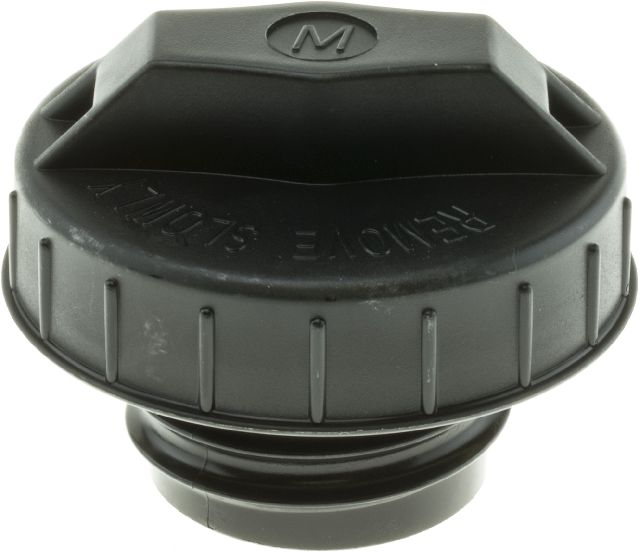
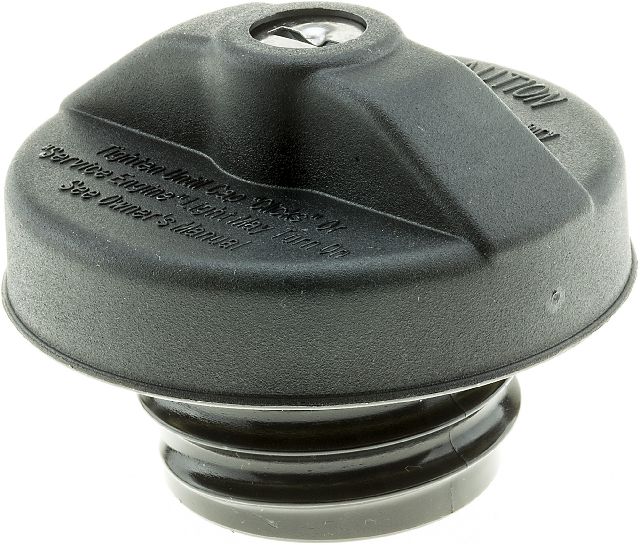
- Loose, Damaged, or Incorrect Gas Cap 🔴 High Probability → Shop Fuel Tank Cap This is the most common cause for P0455 on any vehicle. The seal can wear out over time or the cap may not have been tightened properly after refueling.
How to confirm: Inspect the gas cap for cracks in the rubber seal. Ensure it is tightened until it clicks at least once. If the seal is worn or damaged, replace the cap. Using a non-OEM cap can sometimes cause sealing issues.
Typical fix: Tighten or replace the gas cap. It is often recommended to use an OEM or high-quality aftermarket cap like ACDelco.
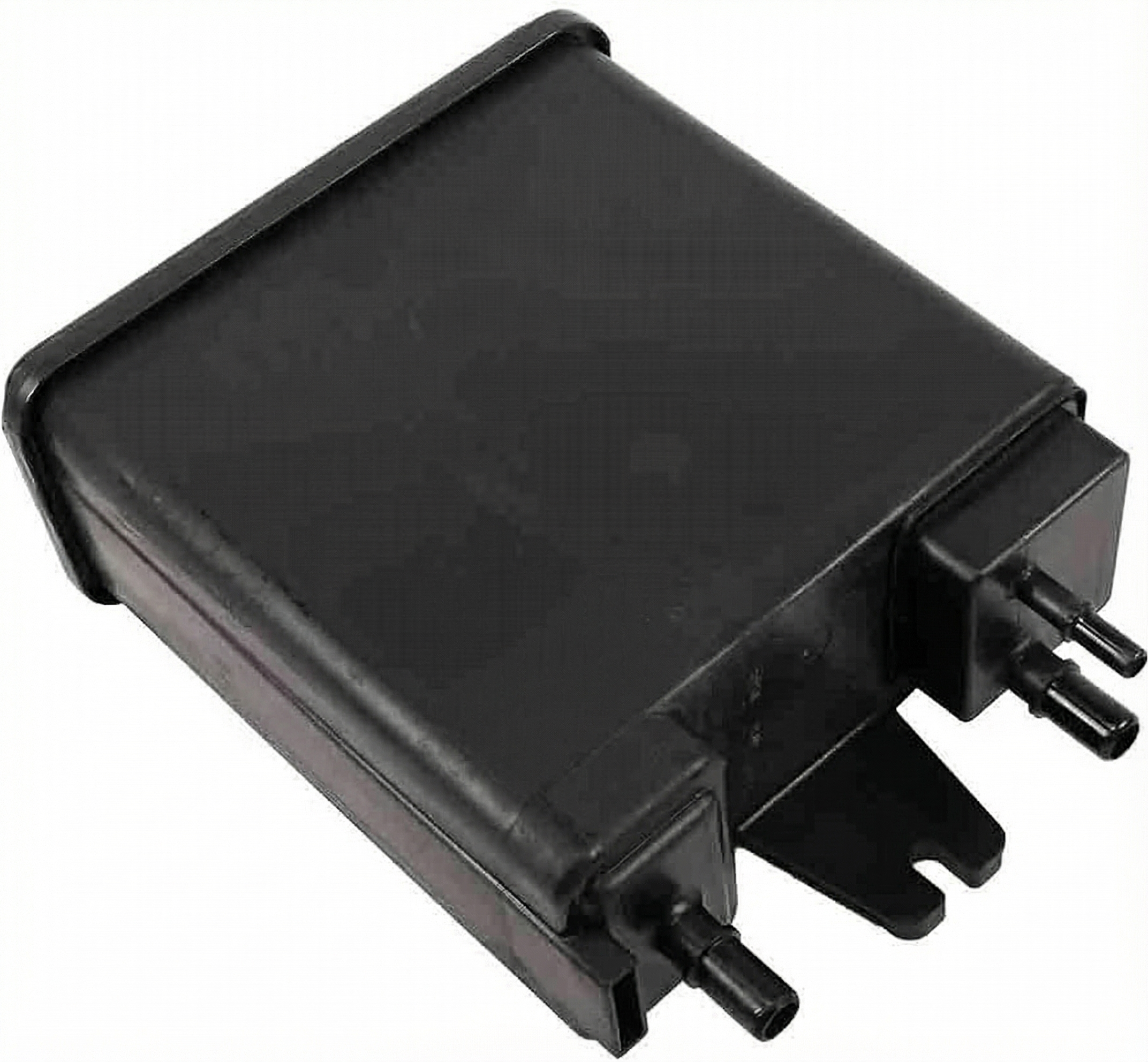
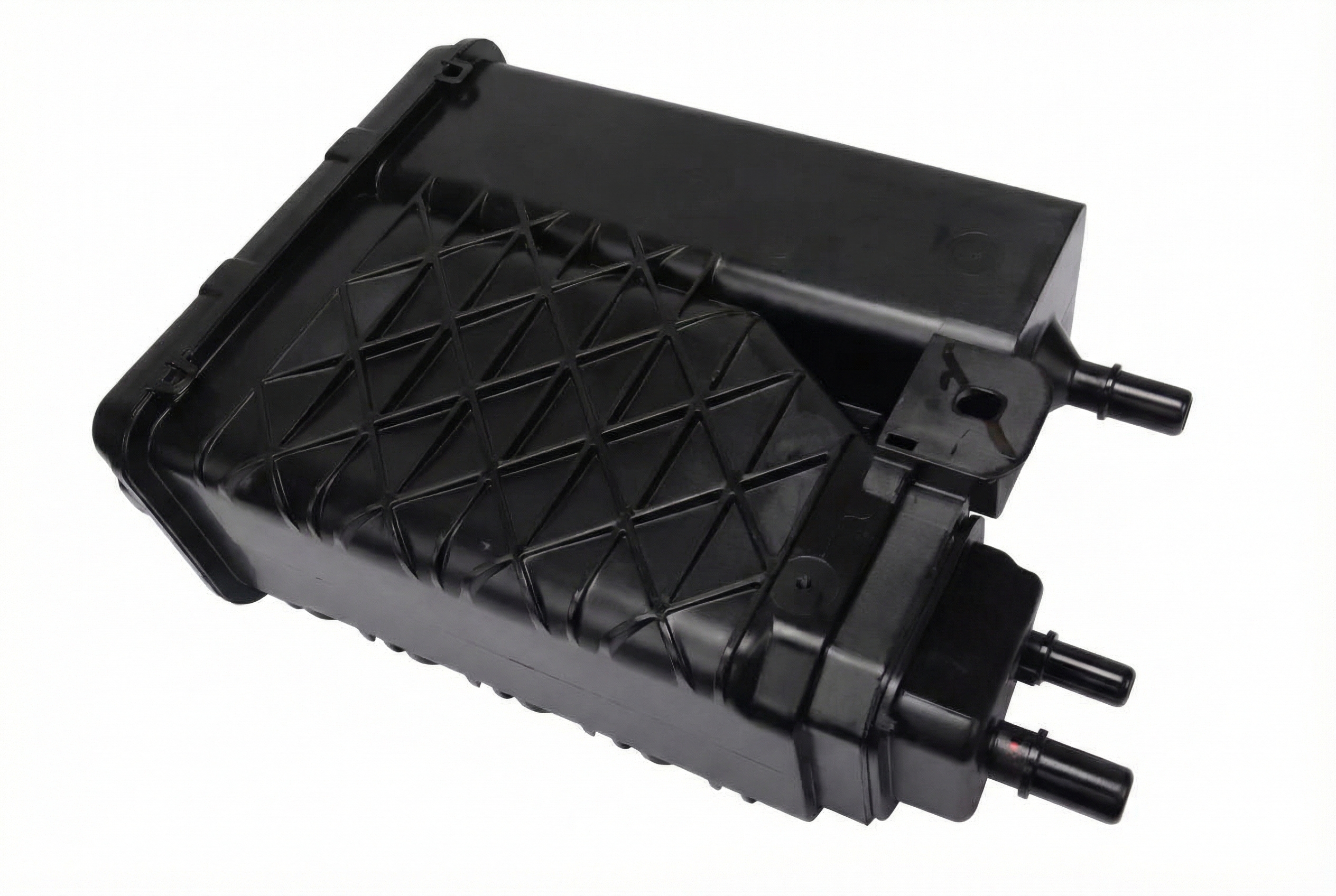
Est. part cost: $15-$30 - Faulty EVAP Canister Vent Valve/Solenoid 🔴 High Probability → Shop Vapor Canister This valve is located near the charcoal canister by the fuel tank and is highly exposed to road debris, salt, and moisture, causing it to fail or get stuck open. This is a very common failure on GMT800 platform trucks and is often the root cause if the gas cap is not the issue.
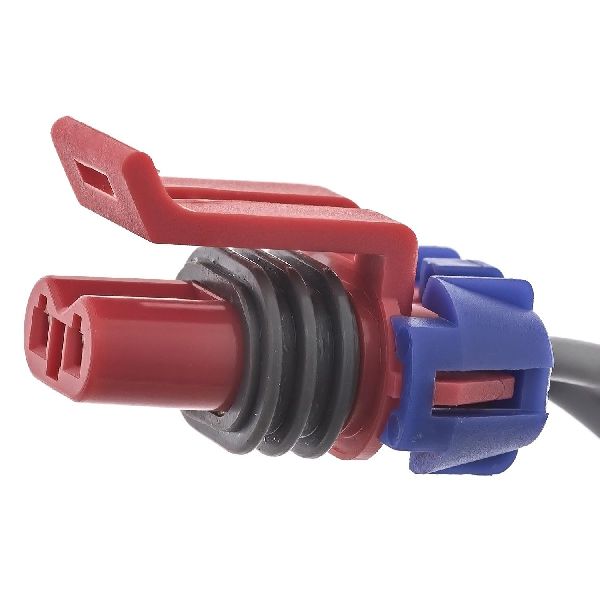
How to confirm: The valve is normally open. A scan tool can command it closed. A definitive test involves a smoke test; with the valve commanded closed, smoke should not escape from the vent port. You can also apply 12v power to the solenoid's two pins to see if it actuates and closes. If you can still blow through it when 12v is applied, it has failed.
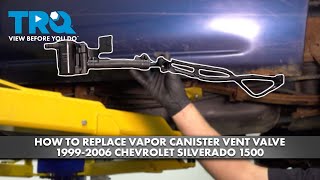
Typical fix: Replace the EVAP canister vent valve solenoid. The ACDelco part 214-2149 is the common replacement. 🎬 Watch: Step-by-step guide to replacing the vent valve solenoid.
Est. part cost: $30-$75 - Faulty EVAP Purge Valve/Solenoid 🟡 Medium Probability → Shop Vapor Canister This is a common wear item on many GM vehicles. It controls the flow of stored vapors from the canister to the engine.
How to confirm: This valve is located in the engine bay and is normally closed. Remove the valve and try to blow through it. If air passes through, it is stuck open and has failed. A stuck-open purge valve can sometimes cause difficulty starting the engine right after refueling. Another simple test is to disconnect the electrical connector and the hose leading to the canister, start the engine, and feel for any vacuum on the valve's port; there should be none at idle.
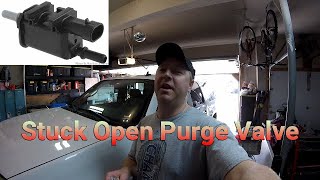
Typical fix: Replace the purge valve solenoid. The ACDelco part 214-1680 is a common replacement. 🎬 See how to easily swap out the engine bay purge valve.
Est. part cost: $25-$60 - Cracked or Disconnected EVAP Hoses ⚪ Low Probability Over time, the rubber and plastic lines can become brittle from heat cycles and age, leading to cracks or broken fittings, particularly the small plastic 'straw' nozzles on components.
How to confirm: Visually inspect all accessible EVAP lines between the engine, charcoal canister, and fuel tank. A smoke test is the most effective way to find a leak in a hose.
Typical fix: Replace the damaged section of hose or the broken fitting.
Est. part cost: $10-$50
Rare But Worth Checking
- Leaking Fuel Filler Neck: → Shop Fuel Filler Neck In regions with heavy road salt use, the metal filler neck can corrode and develop holes, creating a large leak that will be found with a smoke test. This was a known issue on some GMT800s.
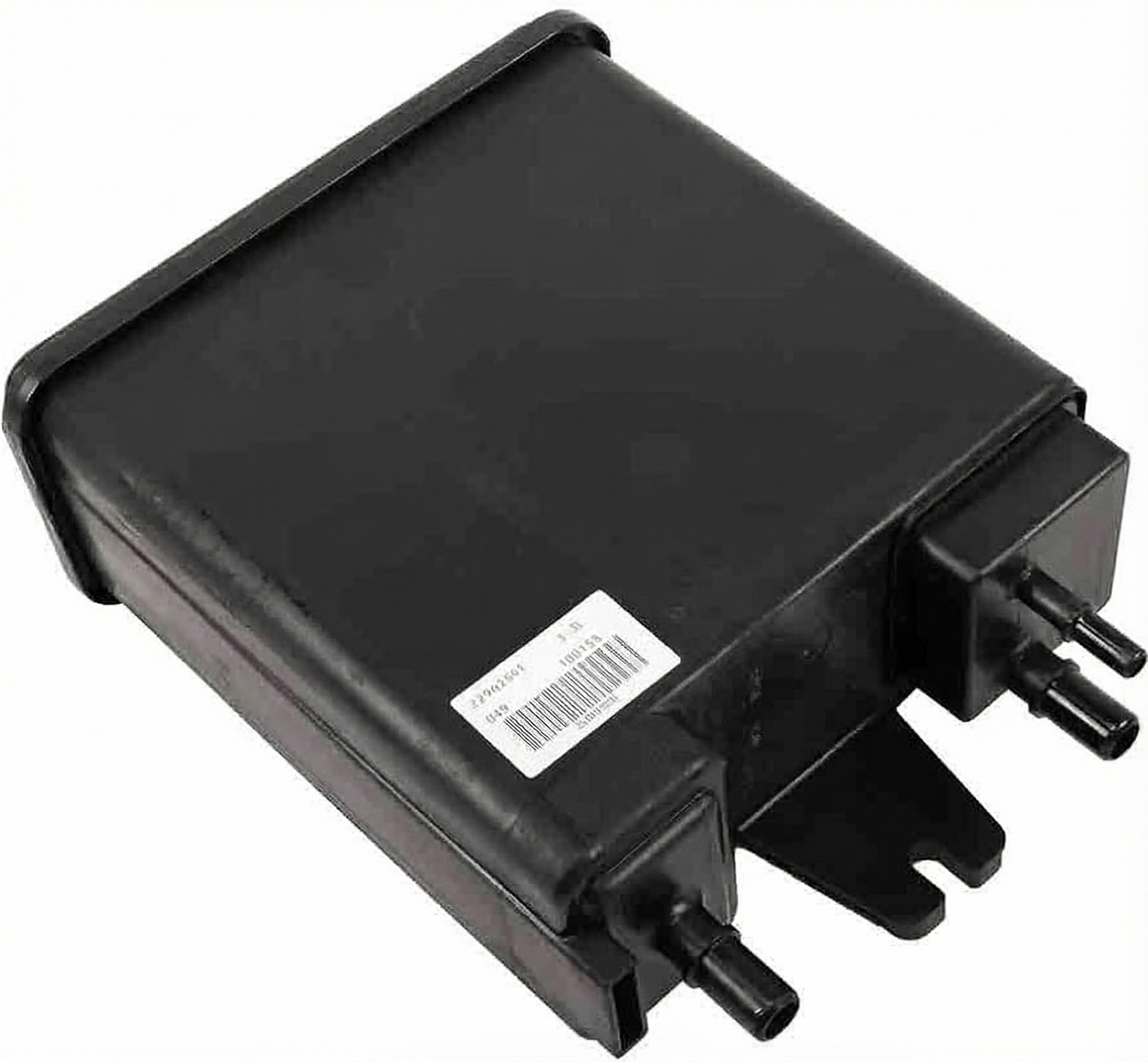
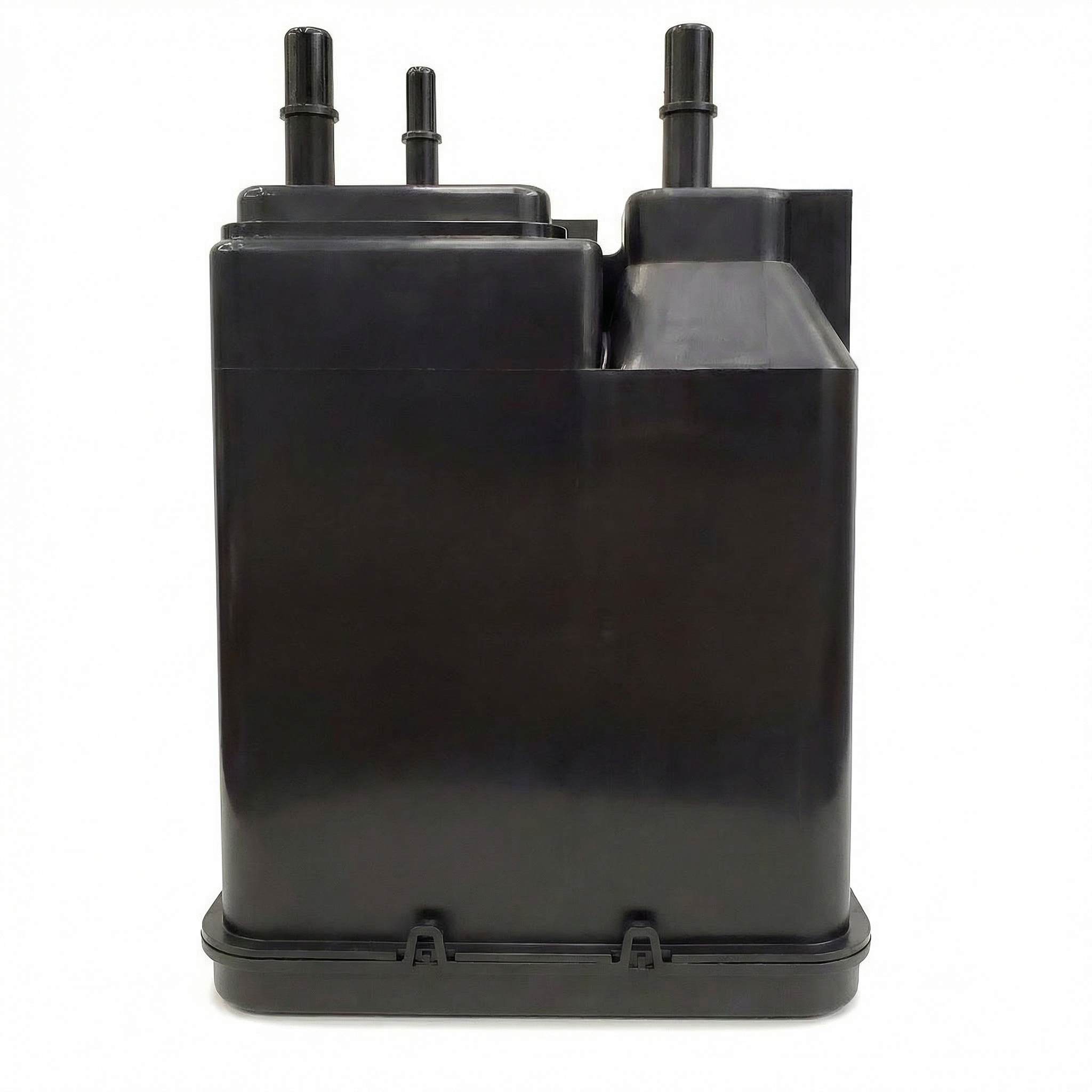
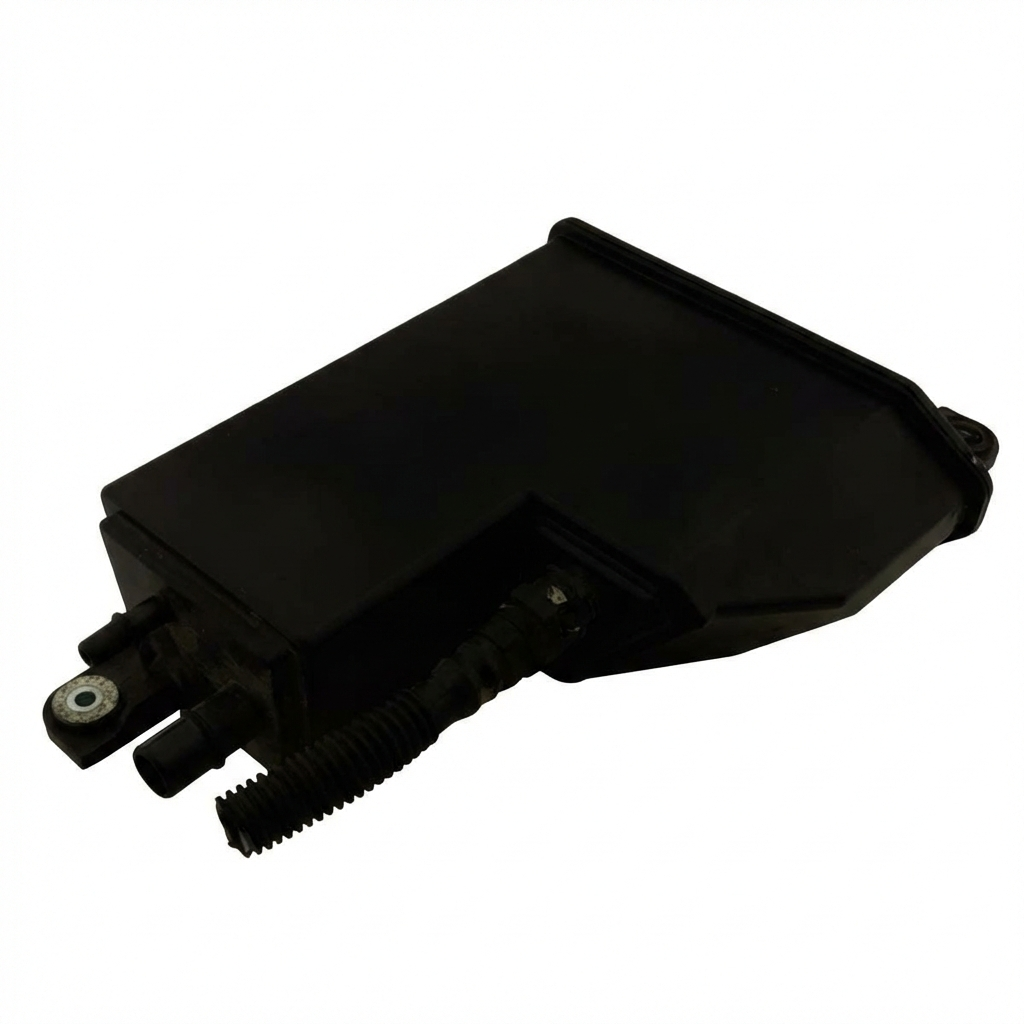
- Cracked EVAP Charcoal Canister: → Shop Vapor Canister The canister body itself can crack from age or impact from road debris, causing a large leak. Repeatedly overfilling the fuel tank can also saturate the charcoal with raw fuel, causing it to fail and potentially send carbon pellets into the lines, creating blockages.
- Leaking Fuel Tank Pressure (FTP) Sensor Gasket: → Shop Fuel Tank The sensor itself rarely fails in a way that causes a leak, but the gasket where it mounts to the fuel pump module can degrade and leak over time. This is often found during a smoke test as smoke will appear from the top of the fuel tank.
- Rusted Fuel Pump Module Top: → Shop Fuel Pump In the rust belt, the metal top of the fuel pump sending unit can rust through, creating a leak in the EVAP system directly at the top of the fuel tank.
Diagnosis Steps
- Visually inspect the gas cap. Ensure it is tight and the seal is not cracked or brittle. If in doubt, replace it with an OEM part, clear the code, and drive for a few days to see if the light returns.
- If the gas cap is not the issue, visually inspect the EVAP purge valve on the engine and the vent valve and charcoal canister near the spare tire for any obvious cracks or damage.
- Inspect the accessible EVAP hoses for cracks, brittleness, or loose connections. Pay close attention to fittings on the canister and valves.
- The most effective diagnostic method is to use an automotive smoke machine. The machine fills the EVAP system with a low-pressure, visible smoke via the EVAP service port.
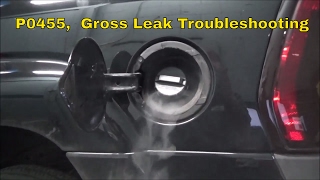
- Introduce smoke into the EVAP service port. The leak will be wherever smoke is seen escaping. 🎬 Watch: How to perform a smoke test for gross leaks. Common areas are the vent valve, purge valve, hoses, or the gas cap seal.
- If a smoke machine is not available, you can test the valves individually. The purge valve (on engine) should be closed with no power (air should not pass through). The vent valve (by tank) should be open with no power, and close when 12V is applied.
Parts You'll Likely Need
- Gas Cap
(OEM #GT261)— This is the most frequent cause of a P0455 code due to a worn seal or not being tightened properly.
Trusted brands: ACDelco
OEM price range: $20-$30
Aftermarket price range: $15-$25 - EVAP Canister Vent Valve Solenoid
(OEM #214-2149)— This is the second most common failure point for P0455 on the 2002-2006 Escalade. Its location under the truck makes it prone to failure from dirt and corrosion.
Trusted brands: ACDelco, Dorman (911-021), Standard Motor Products (CVS6)
OEM price range: $40-$75
Aftermarket price range: $25-$50 - EVAP Canister Purge Valve Solenoid
(OEM #214-1680)— Located on the engine, this valve can stick open, causing a large leak code. It is a common wear item.
Trusted brands: ACDelco, Bosch
OEM price range: $30-$60
Aftermarket price range: $20-$40
Related Codes That Often Appear With This One
- P0442 — This code is for a small EVAP leak. It can appear alongside P0455 if the system has multiple leaks or if the computer's leak detection threshold varies. The manufacturer TSB #21-NA-124 specifically groups these two codes together.
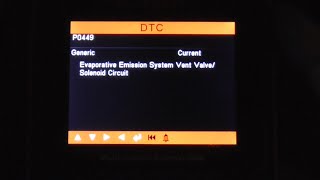
- P0449 — This code indicates a fault in the EVAP vent valve solenoid control circuit. If the vent valve's electrical circuit fails, it can cause the valve to remain open, which the system then detects as a large leak (P0455). Seeing both codes together strongly points to a bad vent valve or its wiring.
- P0496 — This code for 'EVAP Flow During a Non-Purge Condition' almost always points to a faulty EVAP Purge Valve on the engine that is stuck open. A stuck-open purge valve creates a constant vacuum leak into the intake and will also cause the system to fail a leak test, triggering P0455.
Technical Service Bulletins (TSBs) & Recalls
- 21-NA-124: "...des diagnostic tips/steps on testing for possible EVAP leaks in the system to correct a customer concern of an MIL Illuminated with DTCs P0442 and/or P0455 Set."
- 02-06-04-037 (multiple revisions): Addresses DTC P0446 caused by dirt/dust intrusion into the EVAP canister vent hose. The fix is to replace the vent valve and relocate the air filter intake to a cleaner location, such as up near the transmission bell housing.
Platform-Specific Known Issues
- A GM Technical Service Bulletin (TSB #21-NA-124) was issued to provide dealers with diagnostic tips for testing EVAP leaks related to codes P0442 and P0455.
- Another related TSB, #02-06-04-037, addresses a P0446 code (vent path restriction) caused by dust and debris entering the vent valve. The fix involves an updated part kit (GM #19207763) that relocates the filter to a cleaner area, away from the dust and debris kicked up by the tires.
Mechanic-Grade Diagnostic Values
- Fuel Tank Pressure (FTP) Sensor Voltage — expected: Approximately 1.4V - 1.6V with the system at atmospheric pressure (key on, engine off, gas cap removed).. Failure: During a scan tool-commanded test, if voltage fails to rise significantly (e.g., above 2.0V) when a vacuum is being pulled, it indicates a large leak.
- EVAP Purge or Vent Solenoid Coil Resistance — expected: Generally between 15 and 30 ohms.. Failure: A reading of infinite resistance (OL) indicates an open circuit in the coil. A reading of zero ohms indicates a short circuit.
- EVAP Vent/Purge Solenoid Power Supply — expected: 12V (battery voltage) on the power wire (often Pink or Orange) with the key in the ON position.. Failure: No voltage indicates a blown fuse (check underhood fuse block) or a break in the power supply wire.
Scan Tool Commands That Help
- Tech 2 / GDS2 (or equivalent professional scanner): EVAP Purge/Seal Test or Service Bay Test — This is a primary diagnostic step after checking the gas cap. It allows a technician to command the normally-open Vent Valve closed and then command the normally-closed Purge Valve open to pull a vacuum on the tank. Monitoring the FTP sensor voltage during this test confirms if the system can hold a vacuum or if a large leak is present.
Wiring & Ground Locations
- Fuel Pump Ground — On the driver's side frame rail.. The Fuel Tank Pressure (FTP) sensor is often part of the fuel pump module. A poor ground here can cause erratic FTP sensor readings, potentially fooling the ECM into setting an incorrect EVAP code.
- Fuel Filler Neck Ground — A ground strap connecting the chassis to the metal fuel filler neck.. Ensures the filler neck is properly grounded to prevent static buildup during refueling. While not a direct cause of P0455, its integrity is part of the overall EVAP system's safety and design.
- G103 / G104 — G103 is on the right rear of the engine block; G104 is on the left rear of the engine.. These are primary engine block grounds. The PCM and various sensors rely on a solid ground connection through the block. A corroded ground here can cause a wide range of seemingly unrelated issues, including faulty sensor readings.
Real Owner Repair Stories
- YouTube user 'Greeks Garage' (2008 Cadillac Escalade (GMT900, but same P0455/P0496 symptom/cause)) — Check Engine Light with codes P0455 and P0496. Engine cranks but won't start immediately after refueling.
❌ Tried (didn't work) The diagnosis immediately pointed to the purge valve due to the hard-start-after-fueling symptom.
✅ What actually fixed it Replacing the EVAP canister purge valve solenoid located on the engine intake manifold. - YouTube user 'Steve's DIYs' (2008 Cadillac Escalade) — Check Engine Light with code P0455.
❌ Tried (didn't work) Owner had previously replaced the purge valve and the vent valve.
✅ What actually fixed it The owner used a smoke machine while applying 12V directly to the vent valve to command it closed. Smoke was observed leaking from the body of the new-ish vent valve itself, proving it was faulty and stuck open. Replacing the vent valve a second time resolved the code.
"I Checked Everything" — The Actual Cause
- A persistent P0455 where a smoke test reveals no visible leaks from hoses, the canister, or valves. The actual cause can be a degraded O-ring/gasket for the Fuel Tank Pressure (FTP) sensor on top of the fuel pump module. This leak may be too small to show with low-pressure smoke or may only open under vacuum, causing it to be missed during a standard smoke test.
When the Usual Fixes Don't Work
- While the most common path is Gas Cap -> Vent Valve, a P0455 can be caused by a faulty Purge Valve on the engine. If the code is accompanied by a P0496 and/or difficulty starting the engine immediately after refueling, the purge valve should be the primary suspect.
- A P0455 code does not always mean there is a leak. In some cases, it can be triggered by a mechanically stuck-closed purge valve. The engine computer attempts to run its leak test by pulling a vacuum, but the stuck valve prevents this. The computer interprets the inability to create a vacuum as a massive leak, setting the P0455 code even though the system is sealed.
OEM Part Supersession History
ACDelco 214-2149 (and others like 10357992, 15196253, 19152349)→GM Service Kit 19207763— The original vent valve design was prone to failure from dust and water intrusion due to its exposed location.
Heads up: The kit is the recommended replacement for all vehicles in this range. It includes a new valve and a hose to relocate the filter/inlet to a cleaner, more protected location higher in the chassis to prevent repeat failures.
Model Year Variations Within This Range
- 2002-2006: There are no significant design changes to the EVAP system within this specific model year range. The failure points and diagnostic procedures are consistent across the entire 2002-2006 GMT800 platform for this code.
Helpful Videos
Used OEM Parts in Stock
New Aftermarket Parts Available


The information in this article is provided for general reference and educational purposes only. Vehicle specifications, procedures, and part compatibility can vary by production date, trim level, and region. Always consult your vehicle's factory service manual and verify part numbers before purchasing or performing repairs. Safety-critical components such as airbags, seat belts, and braking systems should be installed by a qualified professional.
- Cadillac ESCALADE EXT 1500:
- 🧭 Diagnostic Flowchart
- 🎬 Helpful Videos
- 🛍️ Shop This Part
- What's Unique About the 2002-2006 Cadillac ESCALADE EXT 1500
- Symptoms You May Notice
- Most Likely Causes
- Rare But Worth Checking
- Diagnosis Steps
- Parts You'll Likely Need
- Related Codes That Often Appear With This One
- Technical Service Bulletins (TSBs) & Recalls
- Platform-Specific Known Issues
- Mechanic-Grade Diagnostic Values
- Scan Tool Commands That Help
- Wiring & Ground Locations
- Real Owner Repair Stories
- "I Checked Everything" — The Actual Cause
- When the Usual Fixes Don't Work
- OEM Part Supersession History
- Model Year Variations Within This Range
- 🎟️ Get 5% Off