

P0455 on 2006-2009 Cadillac XLR: EVAP Large Leak Causes and Fixes
For a 2006-2009 Cadillac XLR, code P0455 almost always points to a loose or faulty gas cap. Before suspecting other parts, ensure the cap is tight and the seal is intact. A new OEM gas cap is an inexpensive first step. If the cap is not the issue, the vent or purge solenoid are the next most likely culprits on this platform.
- P0455 indicates a large leak in the fuel vapor (EVAP) system.
- Always check the gas cap first. Ensure it is tight and the seal is not cracked. Replacing it is an easy and inexpensive first step that often solves the problem.
- If the gas cap isn't the issue, the vent solenoid (rear of car) or purge solenoid (engine bay) are the next most likely causes.
- The XLR shares its complex dual-tank fuel system with the C6 Corvette, introducing unique potential leak points like the crossover pipe.
- A smoke test is the most reliable way to find the leak if it's not an obvious component like the gas cap.
What's Unique About the 2006-2009 Cadillac XLR
The Cadillac XLR shares its Y-body platform with the C6 Chevrolet Corvette, which includes a complex dual-tank fuel system. This setup, with crossover hoses and multiple connections, provides more potential points for a large leak to develop compared to a single-tank design. A known failure point on these cars is the crossover pipe connecting the two tanks, which can develop leaks at its connections. While the most common cause is still a simple gas cap issue, diagnosing leaks on this platform can be more involved if the cap isn't the culprit, often requiring a smoke test to pinpoint the exact source.
Diagnostic Flowchart
Tap your situation to follow the diagnostic path that matches what you're seeing on this vehicle.
Symptoms You May Notice
- Check Engine Light is on
- A noticeable smell of gasoline, especially around the rear of the vehicle near the fuel tanks.
- A loose, damaged, or missing gas cap
- Difficulty fueling (gas pump nozzle clicks off repeatedly before the tank is full), which can point to a clogged canister or stuck vent valve.
- Replacing the charcoal canister when the actual problem is a much cheaper vent or purge solenoid.
- Replacing the fuel tank pressure sensor, which typically sets its own specific codes (e.g., P0452) if it fails.
Most Likely Causes
- Loose, Damaged, or Incorrect Gas Cap 🔴 High Probability → Shop Fuel Tank Cap This is the most frequent cause for a P0455 code on any vehicle. The rubber O-ring on the cap can crack, dry out, or get dirty, preventing a proper seal. GM issued an Engineering Information bulletin (EI07238) specifically to investigate this issue on 2005-2006 XLRs and Corvettes.
How to confirm: Remove the gas cap, inspect the rubber O-ring for cracks or damage, and ensure it's the correct type for the vehicle. Reinstall it, making sure it clicks several times. Clear the code and see if it returns after a few drive cycles. A user on Cadillac XLR Forums confirmed simply removing and resetting the cap fixed their issue.
Typical fix: Replace the gas cap with a new, high-quality OEM or equivalent part. Cleaning the seal with a cloth and applying a light film of silicone grease can sometimes restore the seal on an older cap.
Est. part cost: $15-$50 - Faulty EVAP Canister Vent Solenoid/Valve 🟡 Medium Probability → Shop Vapor Canister This valve is normally open but must close for the system to perform a leak test. It is located near the charcoal canister at the rear of the vehicle and is exposed to road debris. If it gets stuck open, the system can't seal, and the test fails, triggering the P0455 code.
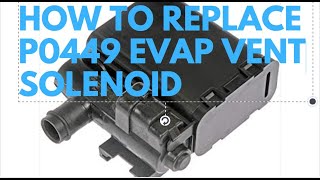
How to confirm: A capable scan tool can command the valve to close. A definitive diagnosis often requires a smoke test; if smoke exits from the vent valve when it's commanded closed, it has failed. On the C6 Corvette platform mate, this part is located on the passenger side of the transmission, in front of the differential. 🎬 See this walkthrough for replacing the vent solenoid on this platform.
Typical fix: Replace the vent solenoid. The ACDelco Professional part number is 214-2149.
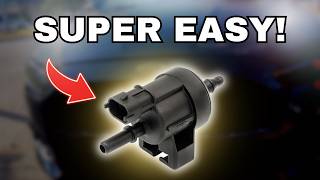
Est. part cost: $30-$80 - Faulty EVAP Canister Purge Valve 🟡 Medium Probability → Shop Vapor Canister The purge valve can get stuck open, creating a constant vacuum leak within the EVAP system that the computer interprets as a large leak. This part is located in the engine bay. 🎬 Watch: How to replace your purge valve like a pro.
How to confirm: The purge valve is normally closed. It can be removed and tested by trying to blow through it; if air passes, it's stuck open and faulty. A scan tool can also command it open and closed to check for an audible click.
Typical fix: Replace the purge valve solenoid. The ACDelco GM Original Equipment part number appears to be 214-1473.
Est. part cost: $25-$70 - Cracked or Disconnected EVAP Hoses/Lines ⚪ Low Probability Rubber and nylon hoses can become brittle and crack over time due to age and heat exposure. The XLR's dual-tank system has numerous connections, including a crossover pipe, where a leak could occur. GM TSB #21-NA-124 specifically advises technicians to check for improperly seated or damaged lines first when diagnosing P0455.
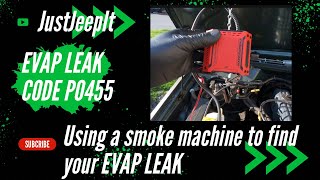
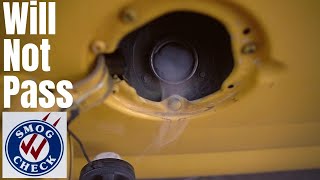
How to confirm: A visual inspection may reveal obvious cracks or disconnected hoses. The most effective method is a smoke test, which will make the source of the leak visible. 🎬 Watch: How to find an EVAP leak with a smoke tester.
Typical fix: Replace the damaged section of hose or secure the connection.
Est. part cost: $10-$100
Rare But Worth Checking
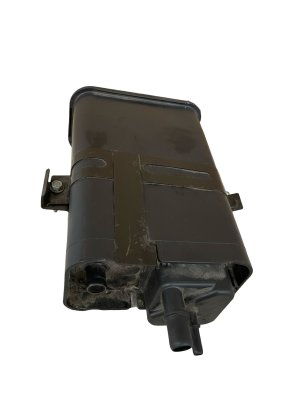
- Cracked EVAP Charcoal Canister: → Shop Vapor Canister The plastic housing of the canister can develop cracks from age or impact, creating a large leak. This is less common than valve or hose failures, but replacement is very difficult on the XLR/Corvette platform, requiring removal of the passenger-side fuel tank.
- Leaking Fuel Tank or Filler Neck: → Shop Fuel Tank Rust or physical damage to the fuel tank or the filler neck can cause a large EVAP leak. A leak at the filler neck sealing surface was investigated by GM under bulletin EI07238. Leaks at the crossover pipe connections between the dual fuel tanks are also a known issue on the C6 platform.
Diagnosis Steps
- Read the code with an OBD-II scanner to confirm P0455 is present.
- Inspect the gas cap. Remove it, check the seal for damage, and reinstall it, ensuring it clicks multiple times. Clean the seal if it's dirty.
- If the cap looks old or worn, replace it with an OEM part (ACDelco #19436184), clear the code, and drive for a few days to see if the light returns.
- If the code comes back, perform a thorough visual inspection of all accessible EVAP hoses and lines between the engine bay, charcoal canister, and fuel tank. Per TSB #21-NA-124, check carefully for lines that are not properly seated or are damaged.
- Locate the EVAP purge valve in the engine compartment and the vent valve near the rear of the vehicle. Use a scan tool to command them open and closed, listening for an audible click.
- The most definitive diagnostic step is to perform a smoke test. A smoke machine injects low-pressure, vaporous smoke into the EVAP service port. The leak will be revealed by the smoke exiting the faulty component (e.g., a cracked hose, a faulty valve, the filler neck, or the canister itself).
Parts You'll Likely Need
- Fuel Tank Filler Cap (Gas Cap)
(OEM #19436184)— This is the most common failure point. The seal wears out over time, preventing the system from sealing properly. It was the subject of a specific GM investigation (EI07238) for the 2006 XLR.
Trusted brands: ACDelco, Motorad
OEM price range: $25-$45
Aftermarket price range: $15-$30 - EVAP Canister Purge Solenoid Valve
(OEM #214-1473)— This valve can get stuck open, causing a permanent leak in the system. It is located in the engine bay for relatively easy access.
Trusted brands: ACDelco, Dorman, Duralast
OEM price range: $40-$70
Aftermarket price range: $25-$50 - EVAP Canister Vent Solenoid Valve
(OEM #214-2149)— This valve can fail and get stuck open, preventing the system from sealing itself for a pressure test. It is located at the rear of the vehicle.
Trusted brands: ACDelco, Dorman, Standard Motor Products (SMP)
OEM price range: $50-$100
Aftermarket price range: $30-$80
Related Codes That Often Appear With This One
- P0442 — This code indicates a small EVAP leak. It can appear alongside P0455 if the system has multiple leaks or if the size of the leak is borderline between small and large. The manufacturer TSB #21-NA-124 specifically groups these two codes together for diagnosis.
- P0449 — This code specifically points to a malfunction in the EVAP Vent Valve/Solenoid circuit. If you see P0449 along with P0455, it's a very strong indicator that the vent valve is the root cause of the large leak.
Technical Service Bulletins (TSBs) & Recalls
- Bulletin #21-NA-124: Provides general diagnostic tips for P0442/P0455 on GM vehicles, emphasizing checking for damaged or improperly seated EVAP lines before replacing parts.
- Bulletin #EI07238: An Engineering Information bulletin for dealers to gather data on P0442/P0455 codes caused by fuel caps not sealing properly on 2005-2006 Cadillac XLR and Chevrolet Corvette models.
Platform-Specific Known Issues
- Fuel Filler Neck / Gas Cap Seal Issues: → Shop Fuel Filler Neck GM issued Engineering Information bulletin EI07238 specifically to investigate the root cause of P0442 and P0455 codes related to the fuel cap not sealing correctly on 2005-2006 XLR and Corvette models. This highlights the gas cap and filler neck area as a known weak point.
- Crossover Pipe Leaks: Due to the dual-tank design shared with the C6 Corvette, the crossover pipe that connects the two fuel tanks is a potential leak source not present on most vehicles. A user on CorvetteForum noted a gas smell and EVAP issues after service was performed on the tanks and crossover pipe, suggesting the connections are a critical seal point.
Mechanic-Grade Diagnostic Values
- EVAP Purge/Vent Solenoid Coil Resistance — expected: 20-50 Ohms. Failure: A reading of 0 Ohms (short) or infinite/OL (open) indicates a failed coil.
- EVAP Vent Solenoid Connector Voltage (Key On, Engine Off) — expected: ~12V (Battery Voltage) on one pin. Failure: No voltage suggests a problem with the fuse or wiring leading to the solenoid.
- Fuel Tank Pressure (FTP) Sensor Voltage (Atmospheric Pressure) — expected: ~1.5 Volts. Failure: A significantly different voltage reading with the system open to the air can indicate a faulty FTP sensor.
Scan Tool Commands That Help
- GM Tech 2 / GDS2: EVAP Purge/Seal Functional Test — This function allows a technician to manually command the purge and vent solenoids on and off to seal the system and then draw a vacuum with the purge valve. It's used to verify the function of both solenoids and to check if the system can hold a vacuum, which helps isolate the leak.
- GM Tech 2 / GDS2: EVAP Service Bay Test — This is an automated test that runs the vehicle's own EVAP leak detection strategy on command. If the test fails and reports a large leak, it confirms the P0455 condition is currently present before starting manual diagnosis.
Wiring & Ground Locations
- G401 / G402 — Bolted to the side of the rear frame rails (left-hand and right-hand respectively) near the fuel tanks.. These are the primary grounds for rear-mounted components, including the EVAP vent solenoid. A corroded or loose ground here can cause the vent solenoid to operate erratically or fail, leading to EVAP codes like P0449 or P0455.
- Main Engine Ground (G105/G106 on Corvette) — Located under the battery tray area on the frame rail.. While not directly for the EVAP system, a poor main engine ground on the C6 platform is a notorious source of widespread, difficult-to-diagnose electrical issues. Cleaning this ground is a common preventative maintenance step for any electrical fault.
Real Owner Repair Stories
- YouTube channel 'South Main Auto Repair' (2008 Pontiac Torrent 3.4L (Similar GM EVAP System)) — Check Engine Light with P0455 Large EVAP Leak.
❌ Tried (didn't work) The owner replaced the gas cap multiple times with no change.
✅ What actually fixed it The EVAP purge solenoid was stuck closed. Even though it was being commanded on by the ECM, it was mechanically seized and would not open to pull a vacuum on the tank. The ECM interpreted the lack of vacuum change during the test as a massive leak, setting the P0455 code. A tap with a screwdriver handle temporarily freed it, confirming the mechanical failure. Replacing the purge solenoid fixed the issue. - YouTube channel 'VWs And Vettes' (C6 Corvette (Shared platform with XLR)) — Check Engine Light with P0449 (Vent Valve Circuit) and a 'Check Gas Cap' message on the dash.
❌ Tried (didn't work) Checking/tightening the gas cap did not resolve the issue.
✅ What actually fixed it The EVAP vent solenoid/valve assembly had failed. The part is located on the passenger side, next to the transmission and in front of the differential. The owner replaced the part with a Dorman aftermarket unit, which resolved the code and message.
"I Checked Everything" — The Actual Cause
- A P0455 can occur even if a smoke test shows no leaks if the EVAP purge solenoid is mechanically stuck closed. The system's self-test commands the purge valve to open to draw a vacuum on the fuel tank. If the valve fails to open, no vacuum is generated. The Fuel Tank Pressure sensor reports no change, which the ECM interprets as a massive leak (as if the gas cap were off), triggering P0455. A smoke test won't find this because the system is actually sealed; the fault is a failure to perform the test correctly.
OEM Part Supersession History
Unknown→214-2149 (ACDelco)— Standard replacement part for the EVAP canister vent solenoid.
Heads up: While 214-2149 is a widely cited part number, some other GM applications list 25950499. There can be minor differences in included hoses or brackets, so visual confirmation against the original part is recommended.
Model Year Variations Within This Range
- 2006-2009: The XM radio antenna was integrated into the outside rearview mirrors starting in 2006. On 2004-2005 models, it was a separate, dealer-installed antenna on the decklid. This is relevant for any diagnosis that requires removing rear trim or accessing wiring in that area.
- 2009: The 2009 model year received a cosmetic refresh with different front and rear fascias and new fender vents. While the core EVAP system is unlikely to have changed, access points or surrounding components may differ slightly from earlier years.
Helpful Videos


Used OEM Parts in Stock
New Aftermarket Parts Available


The information in this article is provided for general reference and educational purposes only. Vehicle specifications, procedures, and part compatibility can vary by production date, trim level, and region. Always consult your vehicle's factory service manual and verify part numbers before purchasing or performing repairs. Safety-critical components such as airbags, seat belts, and braking systems should be installed by a qualified professional.
- Cadillac XLR:
- 🧭 Diagnostic Flowchart
- 🎬 Helpful Videos
- 🛍️ Shop This Part
- What's Unique About the 2006-2009 Cadillac XLR
- Symptoms You May Notice
- Most Likely Causes
- Rare But Worth Checking
- Diagnosis Steps
- Parts You'll Likely Need
- Related Codes That Often Appear With This One
- Technical Service Bulletins (TSBs) & Recalls
- Platform-Specific Known Issues
- Mechanic-Grade Diagnostic Values
- Scan Tool Commands That Help
- Wiring & Ground Locations
- Real Owner Repair Stories
- "I Checked Everything" — The Actual Cause
- OEM Part Supersession History
- Model Year Variations Within This Range
- 🎟️ Get 5% Off