

P0455 on 2004-2008 Chevrolet Aveo: EVAP Gross Leak Causes and Fixes
For a P0455 code on a 2004-2008 Chevy Aveo, the most common cause is a loose or faulty gas cap. If tightening or replacing the cap (~$10-$25) doesn't fix it, the next likely culprits are the EVAP vent solenoid (near the rear wheel) or the purge solenoid (behind the intake manifold), both of which are known failure points on this platform.
- Always check the gas cap first. Make sure it's tight and the seal is intact before buying any parts.
- If the gas cap isn't the issue, the EVAP vent valve (in the rear passenger wheel well) and the purge valve (in the engine bay) are the next most likely causes on an Aveo.
- You can continue to drive the car with a P0455 code, but you should get it fixed to pass an emissions test and prevent fuel vapors from polluting the atmosphere.
- A smoke test is the most reliable way to find a leak if it's not an obvious component like the gas cap or a valve.
What's Unique About the 2004-2008 Chevrolet AVEO
On the first-generation Chevrolet Aveo (T200/T250), the EVAP components are known to be common failure points. The charcoal canister and vent valve are located in the passenger-side rear wheel well, an area highly exposed to road debris, water, and salt, which leads to corrosion and damage. Owners on AveoForum.com frequently report that simply replacing the gas cap is not enough, often leading them to replace the vent valve or the canister itself to resolve a persistent P0455 code.
Diagnostic Flowchart
Tap your situation to follow the diagnostic path that matches what you're seeing on this vehicle.
Generation note: The 2004-2008 range covers the first generation Aveo, including the initial T200 models and the T250 facelift (2007-2008). The EVAP system components and their locations are generally consistent across this generation and its platform mates, the Pontiac G3/Wave and Suzuki Swift+.
Symptoms You May Notice
- Check Engine Light is on
- A noticeable smell of fuel, especially around the rear of the car or near the gas cap.
- Slight decrease in fuel mileage.
- A 'thumping' or 'knocking' noise from the rear of the car shortly after startup, which some owners have associated with a failing EVAP system component before fixing the P0455 code.
- Replacing the oxygen sensors. Oxygen sensors are not part of the EVAP system and will not cause a P0455 code.
- Replacing the catalytic converter. This is an exhaust component and is unrelated to the fuel vapor system.
Most Likely Causes
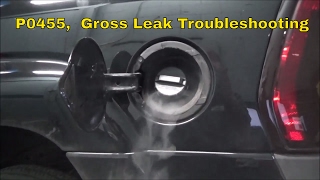
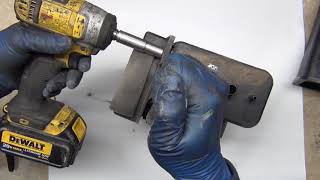
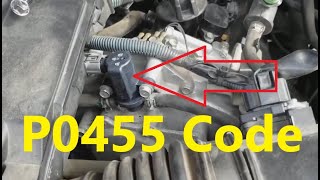
- Loose or Faulty Gas Cap 🔴 High Probability → Shop Fuel Tank Cap This is the most common cause for a P0455 on any vehicle, accounting for over 50% of cases. 🎬 Watch: A breakdown of common P0455 causes and fixes. The seal on the cap can wear out, crack, or the cap may simply not have been tightened correctly after refueling.
How to confirm: First, ensure the gas cap is tightened until it clicks at least once. If the code returns, inspect the rubber seal on the cap for any cracks, stiffness, or damage. A worn seal is a very common failure point.
Typical fix: Tighten the cap. If the seal is bad, replace the entire gas cap with a new OEM or equivalent part. An ACDelco OEM cap is part number GT281.
Est. part cost: $10-$30 - Faulty EVAP Vent Valve/Solenoid 🟡 Medium Probability → Shop Vapor Canister Located in the rear passenger wheel well, this valve is exposed to the elements, causing it to rust and fail by getting stuck open. Forum users on AveoForum.com report this as a very common fix after the gas cap fails to solve the issue.
How to confirm: The valve is normally open. It can be tested by applying 12V power to see if it clicks and closes, holding a vacuum. A professional will use a scan tool to command it closed for testing. Often, it is so corroded that it is visibly damaged. The resistance of the solenoid coil should be between 48 and 65 ohms.
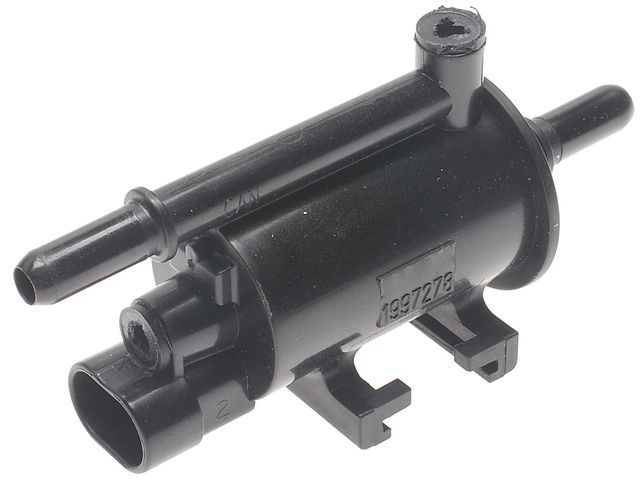
Typical fix: Replace the vent valve solenoid. It is located next to the charcoal canister. The ACDelco OEM part is #214-2149, and a common aftermarket replacement is Dorman #911-031.
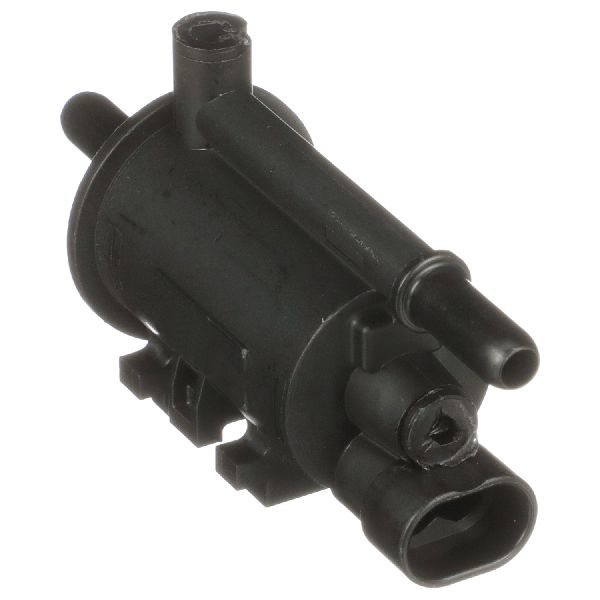
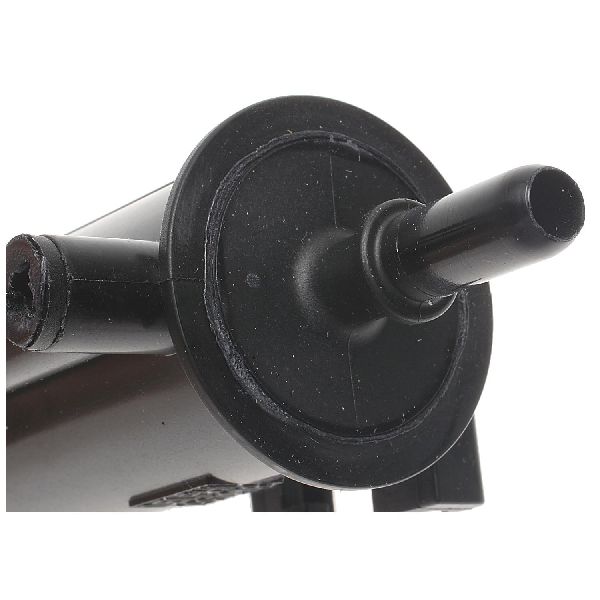
Est. part cost: $25-$60 - Faulty EVAP Purge Valve/Solenoid 🟡 Medium Probability → Shop Vapor Canister This valve can get stuck open, creating a constant vacuum leak into the intake manifold. On the Aveo, it's in a tricky spot, mounted to the firewall behind the intake manifold, making it less susceptible to elements but harder to access.
How to confirm: The purge valve is normally closed. With the engine off, disconnect the hose leading to the intake manifold and see if you can blow through it. If air passes, it's stuck open and needs replacement. The coil resistance should be between 28-32 ohms.
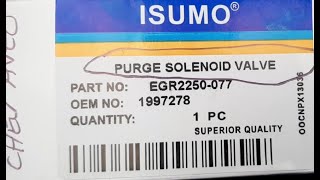
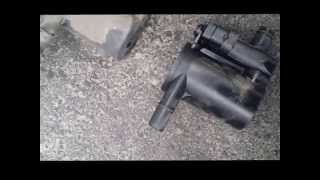
Typical fix: Replace the purge valve solenoid. The GM OEM part number is 96440655. 🎬 Watch: How to replace the purge solenoid valve.
Est. part cost: $20-$50 - Cracked or Disconnected EVAP Hoses ⚪ Low Probability Rubber hoses become brittle and crack over time, especially those exposed to engine heat or under the vehicle. A large leak can occur if a hose disconnects entirely or develops a significant split, such as the large hose connecting the filler neck to the tank.
How to confirm: Visually inspect all accessible EVAP lines from the engine bay to the charcoal canister. A smoke test is the most effective way to find a leak that isn't visually obvious.
Typical fix: Replace the damaged section of hose.
Est. part cost: $5-$30
Rare But Worth Checking
- Cracked Charcoal Canister: → Shop Vapor Canister While less common, the canister can be damaged by road debris, especially given its location in the wheel well on the Aveo. In a thread on AveoForum.com, an owner reported finally fixing their P0455 by replacing the canister after the gas cap, purge valve, and vent valve had all been replaced without success.
- Faulty Fuel Tank Pressure Sensor: → Shop Fuel Tank A bad sensor can incorrectly report a large leak to the computer when one doesn't exist. One forum user on AveoForum.com reported this as the final fix after replacing many other parts, curing both the code and a related 'thump' noise from the tank area.
- Leaking Fuel Filler Neck: → Shop Fuel Filler Neck Rust and corrosion can create holes in the metal tube that connects the gas cap to the fuel tank, causing a large leak that a new gas cap cannot fix. This is a known issue on other GM vehicles of the era and can be diagnosed with a smoke test where smoke will be seen escaping from around the filler neck area.
Diagnosis Steps
- Check the Gas Cap: Remove and reinstall the gas cap, ensuring it clicks several times. Clear the code and drive for a few days. If it returns, inspect the cap's seal for damage and consider replacing it with an OEM part like ACDelco GT281.
- Visual Inspection: Carefully inspect all visible EVAP hoses in the engine bay and under the car, paying close attention to the components in the passenger-side rear wheel well. Look for obvious cracks, holes, or disconnected lines. Check the fuel filler neck for heavy rust or deformation where the cap seals.
- Test the Purge Valve: Locate the purge valve on the firewall behind the intake manifold. With the engine off, it should be closed. Disconnect it and try to blow through it; if air passes, it's faulty and must be replaced.
- Test the Vent Valve: Locate the vent valve near the charcoal canister in the rear passenger wheel well. This valve is normally open. Apply 12V to its connector; you should hear a click, and the valve should close, preventing air from passing through. If it doesn't close or is visibly rusted, it needs replacement.
- Perform a Smoke Test: If the leak source is still not found, a smoke test is the definitive method. A machine fills the EVAP system with low-pressure smoke, which will escape from any leaks, making them easy to spot. This is the best way to find cracks in the canister, filler neck, or hard-to-see hoses.
Parts You'll Likely Need
- Fuel Cap
(OEM #ACDelco GT281 / GM 96553863)— This is the most frequent and simplest fix for a large EVAP leak code.
Trusted brands: ACDelco, Stant
OEM price range: $20-$30
Aftermarket price range: $10-$20 - EVAP Canister Vent Valve Solenoid
(OEM #ACDelco 214-2149 / GM 96554018)— A common failure point on the Aveo due to its exposed location in the rear wheel well, leading to corrosion and malfunction.
Trusted brands: ACDelco, Dorman (911-031)
OEM price range: $40-$70
Aftermarket price range: $25-$50 - EVAP Canister Purge Valve Solenoid
(OEM #GM 96440655)— This valve can get stuck open, causing a leak. It's a common failure on many GM vehicles.
Trusted brands: ACDelco, Bosch, Standard Motor Products
OEM price range: $35-$60
Aftermarket price range: $20-$40
Related Codes That Often Appear With This One
- P0442 — P0442 indicates a small EVAP leak. You might see this code appear before or after a P0455 if the leak size changes or if the computer's test parameters vary. The NHTSA TSB #21-NA-124 specifically groups P0442 and P0455 together as related diagnostic issues.
- P0449 — This code specifically points to a fault in the EVAP vent valve solenoid circuit. Since a failing vent valve is a common cause of P0455 on the Aveo, it's common to see P0449 appear alongside it.
Technical Service Bulletins (TSBs) & Recalls
- 21-NA-124: Diagnostic tips on testing for possible EVAP leaks in the system to correct a customer concern of an MIL Illuminated with DTCs P0442 and/or P0455 Set.
Platform-Specific Known Issues
- A General Motors Technical Service Bulletin (TSB #21-NA-124) was issued providing diagnostic tips for finding EVAP leaks that cause P0455 and P0442 codes, indicating this is a recognized issue by the manufacturer.
- The location of the vent solenoid and charcoal canister in the rear passenger wheel well makes them extremely vulnerable to physical damage from road debris and accelerated corrosion from water and road salt, a frequently cited issue in owner forums.
Mechanic-Grade Diagnostic Values
- EVAP Canister Vent Solenoid Coil Resistance — expected: 48 to 65 Ohms. Failure: A reading outside this range indicates a faulty solenoid coil.
- EVAP Canister Purge Solenoid Coil Resistance — expected: 28 to 32 Ohms. Failure: A reading outside this range suggests a faulty solenoid coil.
- Fuel Tank Pressure (FTP) Sensor Voltage (Key On, Engine Off, Gas Cap Removed) — expected: 1.3 to 1.7 Volts. Failure: A voltage stuck low (e.g., near 0V) or high (near 5V) points to a faulty sensor or wiring issue.
Scan Tool Commands That Help
- Tech2 / GDS2 or equivalent professional scan tool: EVAP System Test / Output State Control — This command allows the technician to manually seal the EVAP system by commanding the vent solenoid closed and the purge solenoid closed. This is used to trap pressure (from a smoke machine) or vacuum to verify system integrity and pinpoint leaks without having to manually apply voltage to components.
Wiring & Ground Locations
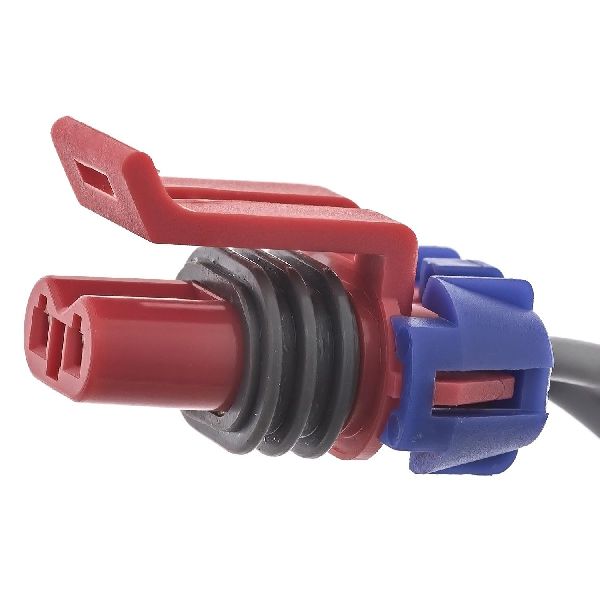
- F20 (Engine Compartment Fuse Block) — In the underhood fuse block, located on the driver's side of the engine compartment.. For 2007 Sedan models, the 15A F20 fuse provides power to the EVAP Canister Purge Solenoid, among other sensors. A blown fuse here will cause the purge solenoid to be inoperative, potentially setting circuit codes and affecting EVAP tests.
- ECM Pin 52 (Light Blue wire) — At the Engine Control Module (ECM) connector.. This is the signal wire for the Fuel Tank Pressure (FTP) sensor. Technicians can probe this wire to check for the correct voltage signal (1.3-1.7V) coming from the sensor, helping to diagnose a faulty sensor versus a wiring problem.
- ECM Pin 60 (Yellow wire) — At the Engine Control Module (ECM) connector for 2009 models.. This is the control circuit for the EVAP Canister Purge Solenoid. The ECM sends a signal on this wire to open the valve. Checking for a signal here can confirm if the ECM is commanding the purge and if the wiring is intact.
- G103 — On the starter mounting bolt.. This is a primary engine ground point. A poor connection at G103 can cause erratic behavior or failure of multiple engine components, including the ECM which controls the EVAP system. While not a direct cause, a bad ground here can lead to misdiagnosis.
- G401 / G402 — On the left and right side of the rear compartment/trunk panel.. These are the main body grounds for the rear of the vehicle. Since the EVAP canister, vent solenoid, and fuel tank pressure sensor are all located at the rear, a corroded or loose connection at G401 or G402 can cause intermittent or total failure of these components.
Real Owner Repair Stories
- Forum Commenter on YouTube (Unspecified year Chevrolet) — Persistent P0455 code.
❌ Tried (didn't work) Smoke test passed with no leaks found, Replaced gas cap, Replaced vent valve, Replaced purge valve
✅ What actually fixed it The problem was finally resolved by replacing the charcoal canister itself.
"I Checked Everything" — The Actual Cause
- In some cases, a smoke test may not reveal a leak, yet the P0455 code persists. This often points away from a physical leak (like a cracked hose) and towards a component that is failing electrically or intermittently. A common culprit in this scenario is a faulty Fuel Tank Pressure (FTP) sensor that is sending incorrect data to the ECM, tricking it into thinking there is a large leak when there isn't one. Another possibility is a vent or purge valve that tests fine when static but fails to operate correctly under specific vacuum or temperature conditions.
Model Year Variations Within This Range
- 2004-2006 (T200) vs 2007-2008 (T250): The 2007 model year marked the introduction of the T250 facelift sedan. While the core EVAP system components and their problematic locations remained largely the same, there were minor changes to body panels and wiring. For example, the fuse box layout and specific fuse assignments for EVAP components changed with the T250 refresh. The underlying powertrain and emissions hardware, however, were carried over with minimal changes.
Helpful Videos
We Have This Part in Stock


The information in this article is provided for general reference and educational purposes only. Vehicle specifications, procedures, and part compatibility can vary by production date, trim level, and region. Always consult your vehicle's factory service manual and verify part numbers before purchasing or performing repairs. Safety-critical components such as airbags, seat belts, and braking systems should be installed by a qualified professional.
- Chevrolet AVEO:
- 🧭 Diagnostic Flowchart
- 🎬 Helpful Videos
- 🛍️ Shop This Part
- What's Unique About the 2004-2008 Chevrolet AVEO
- Symptoms You May Notice
- Most Likely Causes
- Rare But Worth Checking
- Diagnosis Steps
- Parts You'll Likely Need
- Related Codes That Often Appear With This One
- Technical Service Bulletins (TSBs) & Recalls
- Platform-Specific Known Issues
- Mechanic-Grade Diagnostic Values
- Scan Tool Commands That Help
- Wiring & Ground Locations
- Real Owner Repair Stories
- "I Checked Everything" — The Actual Cause
- Model Year Variations Within This Range
- 🎟️ Get 5% Off