

P0455 on 2011-2018 Chevrolet Camaro: EVAP Large Leak Causes & Fixes
For a 2011-2018 Camaro, code P0455 almost always means you have a large leak in the fuel vapor system. The most common cause is a loose or faulty gas cap (on 5th gen) or a poor seal on the capless filler neck (on 6th gen). If checking the cap doesn't fix it for under $30, the next most likely culprit is a failed EVAP purge or vent solenoid, which are also relatively affordable and simple to replace.
- Always check your gas cap first. Ensure it is tight and the seal is intact before spending any money.
- P0455 is an emissions-related code and will not cause immediate driving problems, but it will cause you to fail an emissions test.
- The most likely parts to fail after the gas cap are the EVAP purge solenoid (in the engine bay) and the EVAP vent solenoid (under the car near the tank).
- The 2011-2015 (5th Gen) and 2016-2018 (6th Gen) Camaros are different cars; ensure you buy parts that are specified for your exact year.
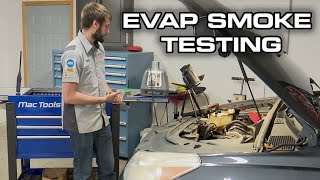
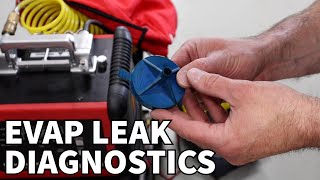
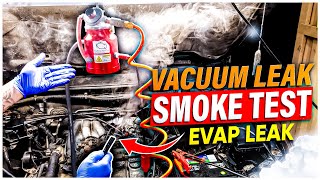
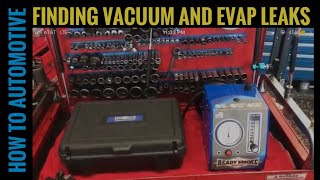
- If a visual inspection and replacement of common parts don't solve the issue, a smoke test is the most reliable way to find the leak.
What's Unique About the 2011-2018 Chevrolet CAMARO

On the Camaro, this code is a very common and straightforward issue. The most frequent failures are the same as on many other GM vehicles: the gas cap and the EVAP purge and vent solenoids. The vehicle's TSB #21-NA-124 specifically provides diagnostic tips for this code, indicating it's a known issue for technicians. The main difference a DIYer will encounter is the physical location of parts between the 5th generation (2011-2015) on the Zeta platform and the redesigned 6th generation (2016-2018) on the Alpha platform, as well as the switch to a capless fuel filler system in the 6th gen.
Diagnostic Flowchart

Tap your situation to follow the diagnostic path that matches what you're seeing on this vehicle.
Generation note: This year range covers two distinct Camaro generations: the fifth (2011-2015) and the sixth (2016-2018). While the P0455 code's meaning is identical for both, the EVAP systems were redesigned along with the chassis. This means that parts like the purge solenoid, vent valve, and connecting hoses will have different part numbers and be in different locations. For example, the 5th gen has a traditional gas cap, while the 6th gen has a capless system where the sealing flap can be a source of leaks. It's crucial to buy parts specific to your model year.
Symptoms You May Notice
- Check Engine Light is on
- A noticeable smell of gasoline, especially around the rear of the car or after refueling.
- Possibly a slight decrease in fuel economy over time.
- Erratic or surging idle, which may even cause the engine to stall in some cases (often points to a stuck-open purge valve).
- Replacing oxygen sensors. This code is unrelated to the exhaust system.
- Replacing the fuel tank pressure sensor without proper testing. While it can fail, it is less common than the solenoids or a simple loose cap and often throws its own specific codes.
Most Likely Causes


- Loose or Faulty Gas Cap / Capless Filler Neck Issue 🔴 High Probability → Shop Fuel Tank Cap This is the most common cause for a P0455 code on almost any vehicle. On 5th gen Camaros, the cap's rubber seal can degrade over time or the cap may not be tightened correctly. On 6th gen models, debris can get into the capless filler neck, preventing the flap from sealing properly.
How to confirm: For 5th gen, check that the gas cap is tightened until it clicks at least once. Inspect the rubber seal for cracks or decay. For 6th gen, inspect the filler neck flap for debris or damage. Some owners report that aftermarket gas caps don't seal as well as OEM ones.
Typical fix: Tighten or clean the cap/filler neck. If the seal is bad or the cap is suspect, replace it with a new OEM-spec cap.
Est. part cost: $15-$35 - Faulty EVAP Purge Solenoid/Valve 🔴 High Probability → Shop Vapor Canister This is a very common failure point on many GM vehicles, including the Camaro. The valve, which is normally closed, gets stuck open, creating a constant vacuum leak into the intake manifold that the ECM detects as a large leak.
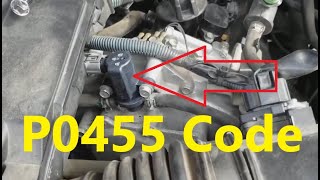
How to confirm: The purge valve is located on the engine. On the V6 LFX engine, it's on the upper part of the intake manifold toward the back. With the engine off, disconnect the valve and try to blow through it. If air passes through, it has failed and is stuck open. A stuck-open purge valve can also cause a rough or surging idle.
Typical fix: Replace the purge solenoid valve. This is generally a simple fix involving one bolt and two hose connections.
Est. part cost: $25-$75 - Faulty EVAP Vent Solenoid/Valve 🟡 Medium Probability → Shop Vapor Canister This valve, located near the charcoal canister by the fuel tank, can get stuck open, preventing the system from sealing to perform its pressure test. Its location underneath the car exposes it to road debris and moisture, leading to corrosion and failure.
How to confirm: The vent valve is normally open and closes when commanded by the ECM during a test. Diagnosis often requires a scan tool to command it closed. A common failure mode is being stuck open due to internal corrosion, which will cause a P0455. A visual inspection may reveal cracks in the plastic housing.
Typical fix: Replace the vent solenoid valve. On the 5th gen Camaro, this part is notoriously difficult to access as it's located above the rear differential.
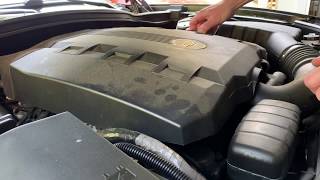
Est. part cost: $30-$80 - Cracked or Disconnected EVAP Hose 🟡 Medium Probability Rubber and plastic lines can become brittle over time due to heat and age, leading to cracks. A line could also be disconnected or pinched during other maintenance, especially around the engine cover. TSB #21-NA-124 specifically calls out checking for unseated tube connections as a primary step.
How to confirm: Visually inspect all accessible EVAP lines, from the engine bay to the charcoal canister in the rear. A smoke test is the most effective method, where smoke is injected into the system to reveal the exact location of any leaks.
Typical fix: Replace the cracked section of hose or reconnect a loose fitting.
Est. part cost: $10-$50
Rare But Worth Checking
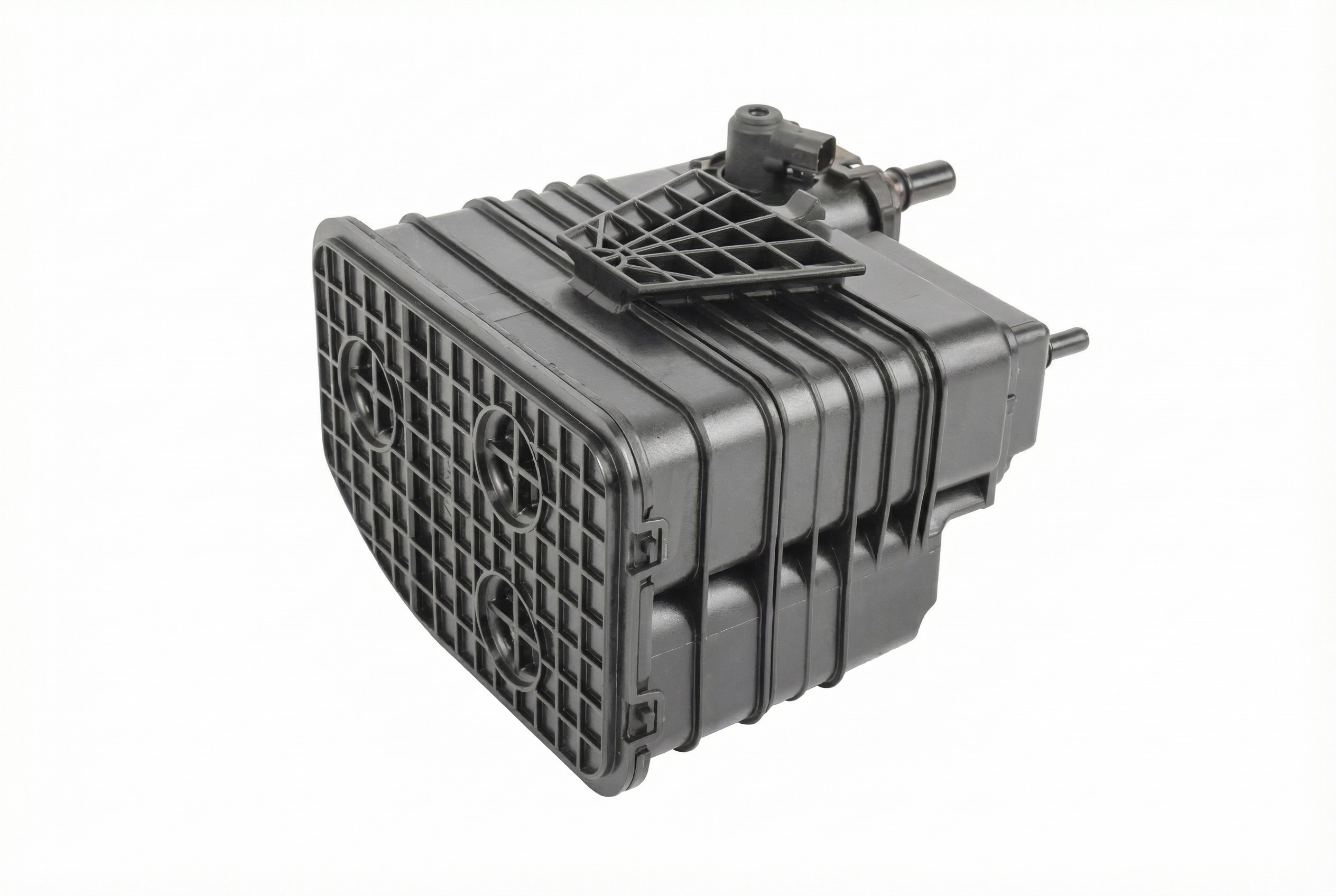
- Cracked Charcoal Canister: → Shop Vapor Canister The canister itself, typically located near the fuel tank, can develop cracks from age, heat exposure, or physical impact from road debris, creating a large leak.
- Leaking Fuel Tank Filler Neck: → Shop Fuel Tank Rust or damage to the metal pipe leading from the gas cap to the tank can cause a leak that the EVAP system will detect.
- Damaged Fuel Tank: → Shop Fuel Tank While uncommon, a crack or puncture in the fuel tank itself will register as a massive EVAP leak.
Diagnosis Steps
- Inspect the Gas Cap/Filler Neck: For 5th gen, remove the gas cap, check the seal for damage, and reinstall it, ensuring it clicks several times. For 6th gen, inspect the capless filler neck's sealing flap for debris. Clear the code and drive for a few days to see if it returns.
- Replace the Gas Cap (5th Gen): If the cap is old or the seal is visibly damaged, replace it with a new OEM-spec cap. Forum users often advise against generic caps as they may not seal properly.
- Inspect the Purge Solenoid: Visually inspect the EVAP purge solenoid in the engine bay (on the V6, it's on the rear of the intake manifold) and the hoses connected to it for any obvious cracks or loose connections.
- Test the Purge Solenoid: With the engine off, disconnect the valve and attempt to blow through it. If air passes, it's stuck open and needs replacement. This is a very common failure.
- Visual Inspection Underneath: Visually inspect the underside of the vehicle near the fuel tank for the charcoal canister and vent solenoid. Look for any damaged or disconnected hoses.
- Perform a Smoke Test: If the simple checks do not reveal the problem, the most effective next step is a professional smoke test. This test fills the EVAP system with a harmless, visible smoke under light pressure, making even tiny leaks easy to spot. One owner on Camaro5 took their car to the dealer twice; the first time they were told it was a loose cap, the second time a smoke test revealed both a large and small leak (P0455 & P0442).
- Follow TSB #21-NA-124 Logic: GM's bulletin suggests a diagnostic order: 1. Check all EVAP line connections. 2. Inspect lines for damage. 3. Test the vent valve. 4. Test the purge valve.
Parts You'll Likely Need
- Fuel Cap
(OEM #ACDelco GT330 / GM 13502573 (5th Gen))— This is the most common cause and the easiest fix. The seal wears out over time, causing a leak. 6th Gen models are capless.
Trusted brands: ACDelco, GM Genuine
OEM price range: $20-$35
Aftermarket price range: $15-$25 - Vapor Canister Purge Valve / Solenoid
(OEM #ACDelco 12690512 (fits many V6/V8 models))— A very common failure item on GM vehicles. It gets stuck open, creating a large, permanent leak in the system. This part is also listed under the older number 214-2137.
Trusted brands: ACDelco, Dorman
OEM price range: $40-$70
Aftermarket price range: $25-$50 - Vapor Canister Vent Valve / Solenoid
(OEM #ACDelco 23481275 (fits many GM trucks/SUVs, check specific Camaro application))— Located under the car, this valve can fail due to exposure to the elements, getting stuck open and preventing the system from sealing for its test. Its location on the 5th gen Camaro makes it a difficult DIY job.
Trusted brands: ACDelco, GM Genuine
OEM price range: $50-$80
Aftermarket price range: $30-$60
Related Codes That Often Appear With This One
- P0442 — P0442 indicates a small EVAP leak. You might see this code alongside P0455 if there are multiple leaks, or if a small leak has become significantly larger. The official TSB for this issue, #21-NA-124, addresses both codes together.
- P0496 — This code indicates 'EVAP Flow During a Non-Purge Condition,' which almost always points directly to a faulty purge valve that is stuck open. If you see P0496 with P0455, the purge valve is the prime suspect.
Technical Service Bulletins (TSBs) & Recalls
- Bulletin #21-NA-124: Diagnostic Tip for Malfunction Indicator Lamp (MIL) Illuminated - DTC P0442 and/or P0455 Set. This TSB advises technicians to first inspect all EVAP line connections for proper seating and damage before suspecting faulty components like the vent or purge valves.
- Bulletin for Dusty Environments: Another GM TSB notes that vehicles operated in extremely dusty conditions can experience dust intrusion that plugs the charcoal canister and vent solenoid, leading to codes P0442, P0446, P0455, or P0449.
Platform-Specific Known Issues
- 5th Gen Vent Valve Accessibility: On the 2011-2015 Camaro, the EVAP vent solenoid is located above the rear differential, making it very difficult to access without lowering the rear subframe. One forum user described it as a 'PITA job' that took over four hours.
- 6th Gen Capless Fuel Filler: The 2016-2018 models use a capless fuel filler system. Instead of a bad cap seal, the leak can be caused by dirt or debris preventing the spring-loaded flap from sealing completely after refueling.
- Erratic Idle from Purge Valve: → Shop Vapor Canister A unique symptom tied to the purge valve failing in the 'stuck open' position is an erratic or surging idle. This happens because unmetered air (fuel vapor) is constantly being drawn into the intake manifold, disrupting the air-fuel mixture. One owner on Camaro5 described the car surging 3-4 times before stalling.
Mechanic-Grade Diagnostic Values
- Fuel Tank Pressure (FTP) Sensor Voltage, Key On, Gas Cap Off — expected: 1.3V - 1.7V (Atmospheric Pressure). Failure: A reading stuck low (e.g., 0.2V) or high indicates a faulty sensor or wiring issue.
- FTP Sensor Signal Wire Voltage Test — expected: Approximately 2.5V with the sensor connected and at rest.. Failure: A reading of 5V could indicate an open in the signal wire, while 0V could indicate a short to ground.
- FTP Sensor 5V Reference Wire — expected: Approximately 5V from the ECM.. Failure: No voltage indicates a wiring problem between the ECM and the sensor, preventing the sensor from operating.
Scan Tool Commands That Help
- GDS2 / Tech2: EVAP Vent Solenoid Valve Command (Venting / Not Venting) — Used to command the vent valve to close (Not Venting state) to seal the system for a leak test. A technician can listen for a click from the valve to confirm mechanical operation.
- GDS2 / Tech2: EVAP Purge Solenoid Valve Command (0-100%) — Used to test the purge valve's response. A technician can use a test light on the control circuit to verify the ECM is sending the PWM signal and the light flickers accordingly. This confirms the wiring and ECM driver are working, pointing to a failed solenoid if it doesn't open.
- Professional Scan Tool: EVAP Service Bay Test / Leak Test — This is an automated test that commands the solenoids and monitors the FTP sensor to confirm if a leak is present after a repair, without needing to complete a full drive cycle.
Wiring & Ground Locations
- EVAP Canister Purge Solenoid Valve — On the 5th gen V8, it is located on the passenger side of the engine. On the 5th gen V6, it is on the rear of the intake manifold.. This is the component itself. A user on Camaro5 noted that the EVAP hose near the purge solenoid on the passenger side can get pinched by the engine cover, potentially causing a restriction or leak that could trigger a code.
- EVAP Vent Solenoid Valve — On the 5th gen Camaro, it is located above the rear differential, making it extremely difficult to access without lowering the rear subframe or using specialized tools.. This is a primary failure point. Its difficult location often leads to high labor costs at a shop and is a very challenging DIY repair.
- G304 (Reference) — On a 2011 Camaro, a key ground point is G202, located under the center console. While not directly tied to the rear-mounted vent solenoid in this diagram, poor grounds in the system can cause erratic behavior of electronic components.. The EVAP vent and purge solenoids rely on a solid ground connection to function correctly. While a specific ground point for the rear vent solenoid isn't easily identifiable from search data, checking major chassis and engine grounds (like G105 on the left side of the engine compartment) is a valid step in diagnosing electrical faults.
Real Owner Repair Stories
- Camaro5 Forums User (2017 2LT Camaro) — Check Engine Light with code P0455. The gas cap warning light had also come on intermittently prior to the CEL.
❌ Tried (didn't work) The owner initially suspected a gas cap issue due to the warning light.
✅ What actually fixed it The owner took the car to a Chevrolet dealer. A smoke test was performed. The dealer stated the cause was the gas cap and/or the vent valve. They replaced the generic gas cap with a GM cap and quoted ~$500 for the vent valve replacement, which included a $75 smoke test, $35 for the cap, and a $45 valve part cost. The owner proceeded with the repair. - Reddit User branson3 (6th Gen Camaro) — Check Engine Light with code P0455.
❌ Tried (didn't work) N/A, sought advice first.
✅ What actually fixed it The user took the vehicle to a dealership, which found nothing wrong. The likely culprit was an improperly sealed capless fuel filler, which was corrected. Another user provided a link to the service manual, pointing to page 11131 for the official diagnostic procedure for P0455 on a 6th gen model.
OEM Part Supersession History
12690512 (ACDelco)→12737252 (GM)— Standard part lifecycle update. The new part number replaces previous numbers 12610560 and 12661763 as well.
Heads up: The new part 12737252 is the direct, backward-compatible replacement for 12690512 and should be used for repairs.
Model Year Variations Within This Range
- 2011-2015: These 5th generation models use a traditional, screw-on gas cap (ACDelco GT330 / GM 13502573). The EVAP vent solenoid is located in a very difficult-to-access spot above the rear differential.
- 2016-2018: These 6th generation models use a capless fuel filler system. A common cause of P0455 is debris preventing the spring-loaded flap in the filler neck from sealing properly.
- 2014-2015: The 2014 model year introduced a mid-cycle refresh with updated front and rear fascias. However, the core powertrain (LFX V6) and EVAP system components remained largely the same as the 2012-2013 models. There are no significant differences between a 2014 and 2015 model regarding the P0455 code.
Helpful Videos
![How to Fix P0455 Engine Code in 3 Minutes [2 DIY Methods / Only $4.61]](https://img.youtube.com/vi/b-o1a2XuVN4/mqdefault.jpg)


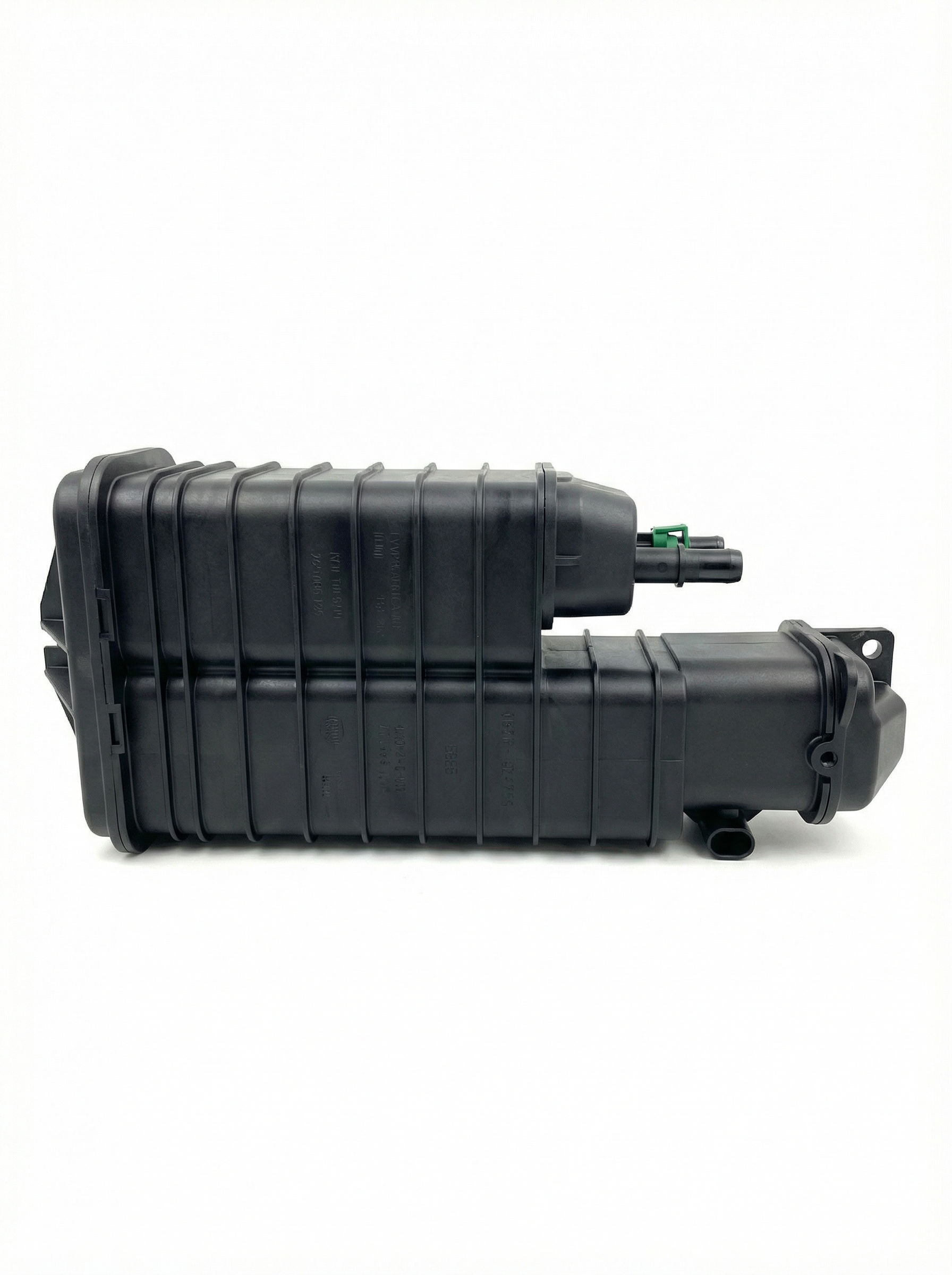
Used OEM Parts in Stock
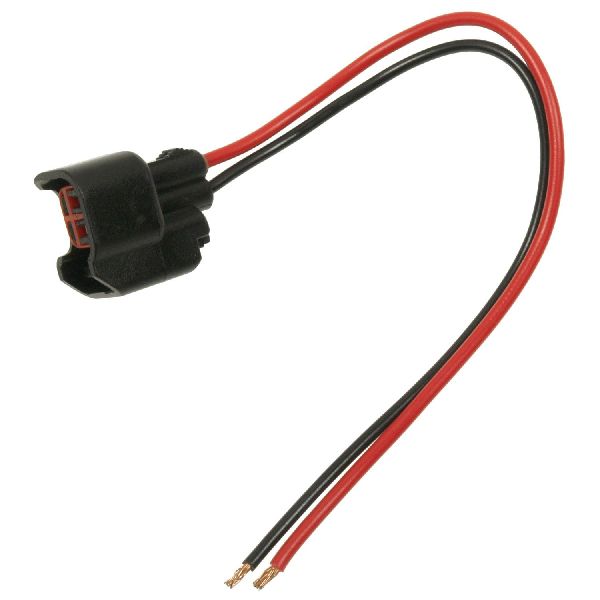
New Aftermarket Parts Available


The information in this article is provided for general reference and educational purposes only. Vehicle specifications, procedures, and part compatibility can vary by production date, trim level, and region. Always consult your vehicle's factory service manual and verify part numbers before purchasing or performing repairs. Safety-critical components such as airbags, seat belts, and braking systems should be installed by a qualified professional.
- Chevrolet CAMARO:
- 🧭 Diagnostic Flowchart
- 🎬 Helpful Videos
- 🛍️ Shop This Part
- What's Unique About the 2011-2018 Chevrolet CAMARO
- Symptoms You May Notice
- Most Likely Causes
- Rare But Worth Checking
- Diagnosis Steps
- Parts You'll Likely Need
- Related Codes That Often Appear With This One
- Technical Service Bulletins (TSBs) & Recalls
- Platform-Specific Known Issues
- Mechanic-Grade Diagnostic Values
- Scan Tool Commands That Help
- Wiring & Ground Locations
- Real Owner Repair Stories
- OEM Part Supersession History
- Model Year Variations Within This Range
- 🎟️ Get 5% Off