

P0455 on 2004-2011 Chevrolet Colorado: EVAP Large Leak Causes and Fixes
For a 2004-2011 Chevrolet Colorado, code P0455 almost always means you have a large leak in the evaporative emissions (EVAP) system. The most common and cheapest fix is replacing a loose or worn-out gas cap. If that doesn't work, the next most likely culprits are the EVAP vent or purge solenoids. A smoke test is the best way to find the exact source of the leak.
- P0455 means your truck has a large leak in the fuel vapor system.
- Always start with the simplest fix: check that your gas cap is tight. If that doesn't work, replace it.
- If the gas cap isn't the issue, the EVAP vent solenoid (located near the spare tire) is the next most likely part to have failed.
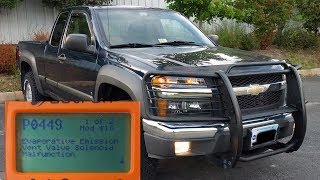
- If you also have a P0449 code, the problem is almost certainly the EVAP vent solenoid.
- This code will not stop you from driving the truck, but it will cause you to fail an emissions test.
What's Unique About the 2004-2011 Chevrolet COLORADO
The first-generation Chevrolet Colorado (and its twin, the GMC Canyon) uses a fairly standard EVAP system for its era. However, like many trucks, its components are exposed to harsh conditions under the vehicle. The EVAP canister and vent solenoid are located near the rear axle and spare tire, making them susceptible to dirt, moisture, and physical damage from road debris. This exposure is a primary reason for the high failure rate of the vent solenoid, which can get stuck open or become clogged with debris, leading to a P0455 code. In cold climates, moisture can freeze inside the solenoid housing, cracking it open and causing a large leak.
Diagnostic Flowchart
Tap your situation to follow the diagnostic path that matches what you're seeing on this vehicle.
Generation note: The 2004-2011 model years cover the first generation of the Chevrolet Colorado (GMT355 platform), which was produced until 2012. Therefore, information regarding this code is consistent across this entire year range. This issue is also common on its platform mates, the GMC Canyon (2004-2012) and Hummer H3 (2006-2010).
Symptoms You May Notice
- Check Engine Light is on.
- A noticeable smell of gasoline, especially around the rear of the truck or after refueling.
- In rare cases, difficulty starting after filling the gas tank.
- Gas pump nozzle clicks off repeatedly or prematurely when refueling.
- Replacing the purge valve when the vent valve is the actual problem. The vent valve is a much more common failure point on this truck.
- Replacing the fuel tank pressure sensor, which rarely causes a large leak code on its own.
- Assuming the gas cap is good without a thorough inspection of the seal.
Most Likely Causes
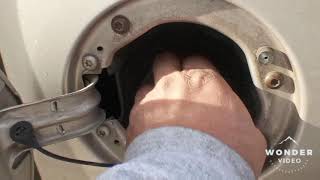
- Loose, Damaged, or Incorrect Gas Cap 🔴 High Probability → Shop Fuel Tank Cap This is the most common cause for a P0455 on any vehicle. The cap's seal can wear out over time, or it may simply not have been tightened correctly after refueling. Using a non-OEM cap can also cause sealing issues.
How to confirm: Check that the gas cap clicks at least three times when tightened. Inspect the rubber O-ring on the cap for cracks, stiffness, or damage. Ensure you are using a cap designed for your vehicle.
Typical fix: First, try tightening the existing cap. Clear the code and drive for a few days. If the code returns, replace the gas cap with a new OEM or equivalent part. This is an inexpensive first step.
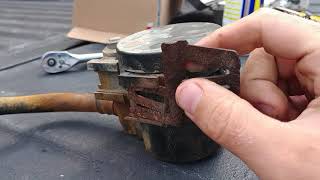
Est. part cost: $15-$40 - Faulty EVAP Vent Solenoid/Valve 🟡 Medium Probability → Shop Vapor Canister The vent solenoid is located under the truck near the charcoal canister, where it is exposed to road grime and moisture. It can get stuck open, causing a large leak condition. This is a very common failure point on these trucks, often failing before other EVAP components. In colder climates, moisture can enter the valve, freeze, and crack the plastic housing.
How to confirm: The vent solenoid is normally open. A diagnostic scan tool can command it closed to check for function; listen for a click. A definitive diagnosis often requires a smoke test to see if smoke escapes from the vent valve when it should be closed. If code P0449 is also present, it strongly points to a faulty vent solenoid or its circuit.
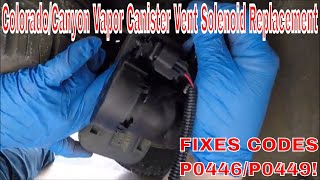
Typical fix: Replace the EVAP vent solenoid. It is mounted to the charcoal canister bracket near the spare tire. The job takes about 30 minutes with basic tools and doesn't require lifting the truck. Some replacement parts come with a new wiring harness adapter.
Est. part cost: $40-$80 - Faulty EVAP Purge Valve/Solenoid ⚪ Low Probability → Shop Vapor Canister The purge valve is located in the engine bay and is less exposed to the elements, but can still fail by getting stuck open. On the I4 and I5 engines, it is located behind the driver's side front wheel well liner, making it somewhat difficult to access.
How to confirm: The purge valve is normally closed when the engine is off. Remove the valve and try to blow through it. If air passes through, it is stuck open and needs to be replaced. A scan tool can also command it open to check for functionality.
Typical fix: Replace the purge valve. Access requires removing the driver's side front wheel and fender liner.
Est. part cost: $25-$60 - Cracked or Disconnected EVAP Hoses ⚪ Low Probability Rubber hoses can become brittle and crack over time due to age and heat cycles. Connections can also become loose, especially after off-road use.
How to confirm: Perform a thorough visual inspection of all EVAP lines between the fuel tank, charcoal canister, and purge valve. A smoke test is the most effective way to find a cracked hose. One owner found a leak from a line on top of the fuel tank using a smoke machine and a borescope.
Typical fix: Replace the damaged section of hose.
Est. part cost: $10-$30
Rare But Worth Checking
- Cracked Charcoal Canister: → Shop Vapor Canister The plastic housing of the charcoal canister can develop cracks from age or impact from road debris, creating a large leak.
- Damaged Fuel Filler Neck: → Shop Fuel Filler Neck Rust or damage to the metal filler neck where the gas cap seals can prevent a proper seal, even with a new cap.
- Damaged Fuel Tank or Fuel Pump Module Seal: → Shop Fuel Pump A crack in the fuel tank itself or a faulty seal on the fuel pump assembly can cause a large EVAP leak. One owner on a forum discovered a previous owner had cracked the fuel tank near the molded-in pressure sensor while trying to replace it. Another owner used a smoke test and borescope to find smoke leaking from the fuel pump area on top of the tank.
Diagnosis Steps
- Read the code with an OBD-II scanner to confirm P0455 is present.
- Inspect the gas cap. Remove it, check the seal for damage, and reinstall it, ensuring it clicks several times. Clear the code and drive for a few days to see if it returns.
- If the code returns, replace the gas cap with a new OEM one. This is an inexpensive and very common fix.
- If the cap doesn't fix it, perform a visual inspection of the EVAP system components under the truck. Look for any obvious cracks or disconnected hoses on the charcoal canister (located near the spare tire) and the lines running to the engine.
- Locate the EVAP vent solenoid on the charcoal canister bracket. Check its electrical connector and hose for damage. Given its high failure rate, this is the next most likely culprit.
- Locate the EVAP purge valve in the engine compartment (behind the driver's side wheel well liner). Check its connections.
- If no visual faults are found, the most effective next step is a smoke test. A mechanic (or DIYer with the right tool) will introduce pressurized smoke into the EVAP system. The source of the large leak will be revealed by where the smoke escapes. This can pinpoint a faulty vent solenoid, purge valve, or a hard-to-see crack in a hose or the canister itself.
Parts You'll Likely Need
- Fuel Cap
(OEM #GT284 (ACDelco))— This is the most frequent cause of a P0455 code due to a worn seal or improper tightening.
Trusted brands: ACDelco, Stant
OEM price range: $25-$40
Aftermarket price range: $15-$25 - EVAP Vapor Canister Vent Solenoid
(OEM #10386359 (Superseded by ACDelco 214-2149))— A very common failure item on the Colorado, it gets stuck open due to its location under the truck, causing a large leak. Often accompanied by code P0449. Some newer replacement parts may require a wiring harness adapter (ACDelco P/N 19257603).
Trusted brands: ACDelco, Dorman, Standard Motor Products (SMP)
OEM price range: $60-$90
Aftermarket price range: $40-$70 - EVAP Canister Purge Valve
(OEM #12690512 (Superseded from 12610560))— Less common than the vent solenoid, but can fail by getting stuck open, directly connecting the fuel tank vapors to the engine intake and creating a leak path.
Trusted brands: ACDelco, Bosch
OEM price range: $40-$60
Aftermarket price range: $25-$50
Related Codes That Often Appear With This One
- P0449 — This code specifically indicates a fault in the EVAP Vent Solenoid Control Circuit. If you see P0449 along with P0455, it's a very strong indicator that the vent solenoid or its wiring is the root cause of the problem.
- P0442 — This code indicates a small EVAP leak. Sometimes a component is in the process of failing and may initially set a P0442 before the leak becomes large enough to trigger a P0455.
Technical Service Bulletins (TSBs) & Recalls
- 21-NA-124: A Technical Service Bulletin that provides diagnostic advice for testing EVAP system leaks related to codes P0442 and/or P0455. It advises technicians to first check for properly seated lines, then damage to lines, then test the vent valve for a stuck-open condition, and finally test the purge valve.
Platform-Specific Known Issues
- The EVAP vent solenoid has a high failure rate on this platform, often due to its exposure to the elements under the truck. Many owners report replacing this part to solve P0455, especially when it appears with P0449.
- Accessing the purge valve on the I4 and I5 engines is more involved than on many other vehicles, requiring removal of the driver's side front wheel and fender liner to reach it.
Mechanic-Grade Diagnostic Values
- Fuel Tank Pressure (FTP) Sensor Voltage — expected: Approximately 1.45V - 1.50V with Key On, Engine Off (KOEO) and the gas cap removed (atmospheric pressure).. Failure: A voltage significantly outside this range at atmospheric pressure indicates a faulty sensor. When the system is sealed and a vacuum is applied during a test, this voltage should rise. If it remains at 1.5V, a large leak is present.
- EVAP Purge or Vent Solenoid Coil Resistance — expected: Approximately 15 to 30 Ohms.. Failure: A reading that is significantly higher, lower, or infinite (Open Line) indicates a failed solenoid coil.
Scan Tool Commands That Help
- Tech2 / GDS2 or equivalent bidirectional scanner: EVAP Vent Solenoid ON/OFF Command — Use this to manually close the normally-open vent solenoid. While listening for a click, this is the first step before a smoke test to confirm if the solenoid is responding to the command. If the solenoid clicks but a leak is still present, a smoke test is needed to see if the valve is mechanically stuck or sealing poorly.
- Tech2 / GDS2 or equivalent bidirectional scanner: EVAP Purge/Seal Test — This function commands the vent solenoid closed and the purge solenoid open while the engine is running, applying engine vacuum to the entire EVAP system. You can monitor the Fuel Tank Pressure (FTP) sensor data. If the system is sealed, the pressure (voltage) should change rapidly. If it remains at atmospheric pressure (approx. 1.5V), it confirms a large leak is present.
Wiring & Ground Locations
- SP105 — Under the hood on the driver's side, near the battery and underhood fuse block.. This is a major grounding splice pack for numerous components, including the fuel pump and fuel-level sender. While not directly tied to the EVAP solenoids in most diagrams, poor grounding here can cause a variety of difficult-to-diagnose electrical issues that could potentially affect related systems.
- EVAP Vent Solenoid Connector — At the EVAP vent solenoid, located near the spare tire on the charcoal canister bracket.. This connector is exposed to road spray and corrosion. A poor connection here can cause code P0449 (Vent Solenoid Circuit Fault) and may prevent the solenoid from closing, leading to a P0455. If replacing the solenoid with an updated part (like ACDelco 214-2149), a harness adapter (ACDelco 19257603) may be required to match the new connector style.
Real Owner Repair Stories
- Reddit user /u/fernandoarafat (2005 Chevrolet Colorado) — P0455 code that would always appear during the winter.
❌ Tried (didn't work) Applying JB Weld to the suspected crack (worked for two years before the code returned).
✅ What actually fixed it The user identified the root cause as a crack in the fuel tank itself, near the molded-in fuel tank pressure sensor. They believe the previous owner caused the crack while attempting to replace the sensor. - YouTube channel Auto Detour (2006 Chevrolet Colorado (Midwest truck with rust)) — Check Engine Light with EVAP codes (P0449 mentioned, often paired with P0455).
✅ What actually fixed it The EVAP canister vent solenoid housing had split open. The cause was identified as moisture getting inside the valve and freezing during a Minnesota winter, which cracked the plastic. Replacing the vent solenoid resolved the issue. - Reddit user /u/coloradobound2021 (2004 Chevrolet Colorado) — P0455 (major evap leak) Check Engine Light.
❌ Tried (didn't work) Replacing the gas cap.
✅ What actually fixed it Using a smoke machine and a borescope, the owner found smoke leaking from the top of the fuel tank in the area of the fuel pump module. This indicated a leak at the fuel pump seal or a crack in the tank/module itself, requiring the tank to be dropped for repair.
OEM Part Supersession History
10386359 (Vent Solenoid)→ACDelco 214-2149— Updated part design.
Heads up: The electrical connector on the new solenoid (214-2149) is different from the original vehicle harness on some model years. A separate adapter harness, ACDelco P/N 19257603, is often required to connect the new solenoid to the old harness.
Helpful Videos
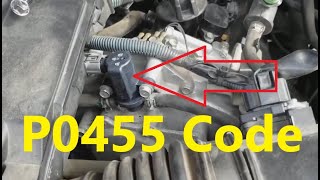
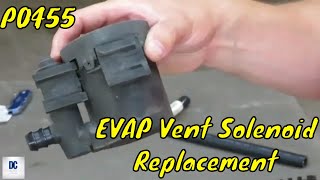
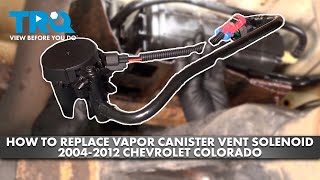
Used OEM Parts in Stock
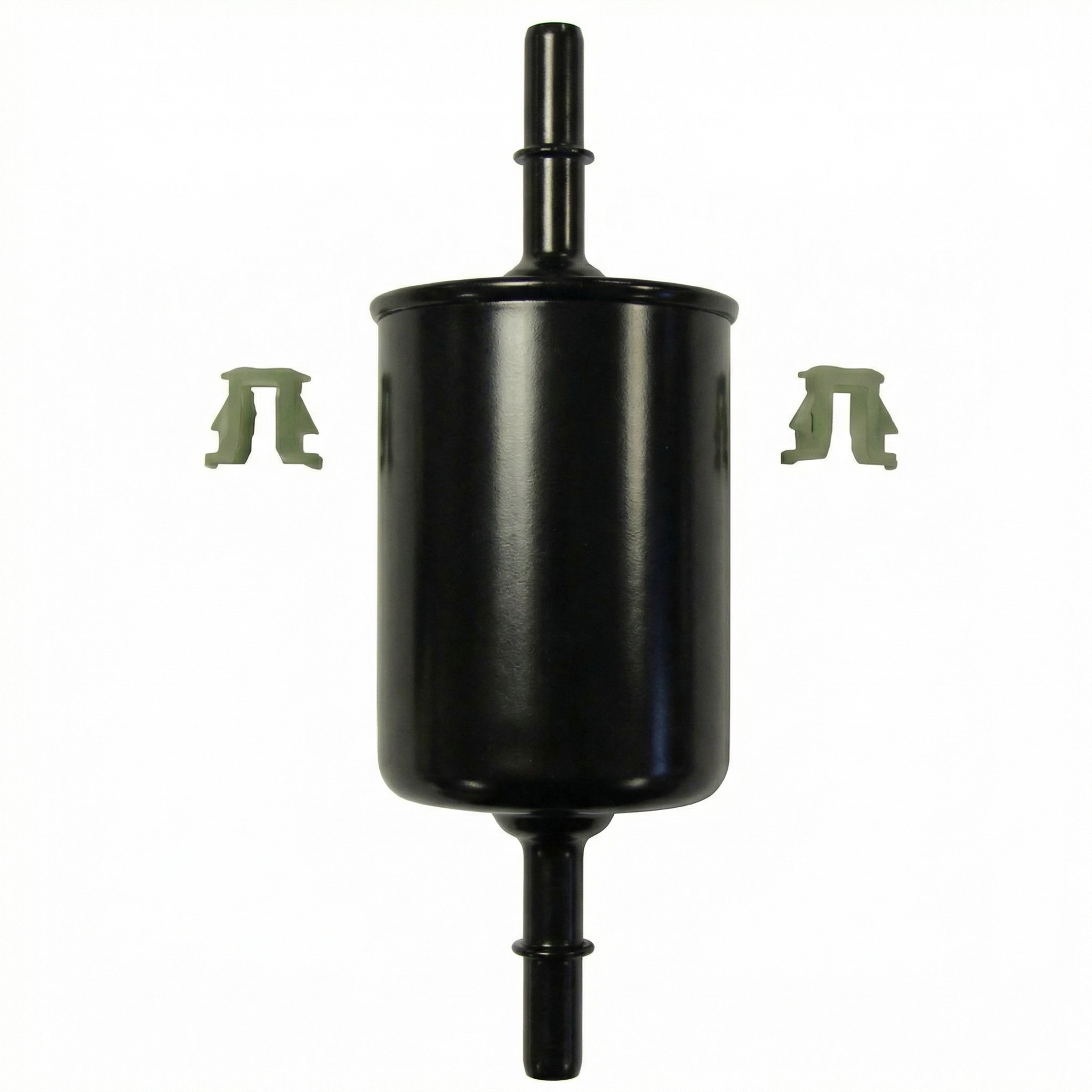
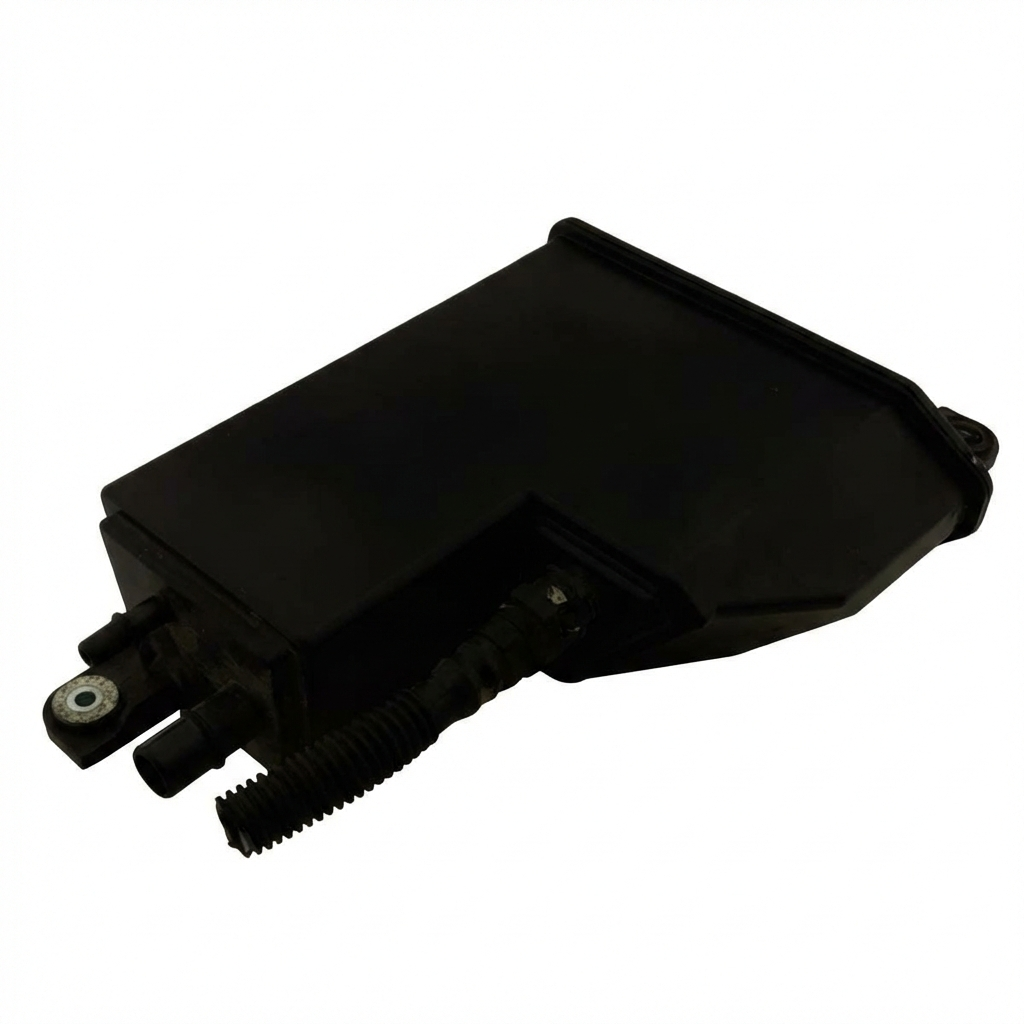
New Aftermarket Parts Available

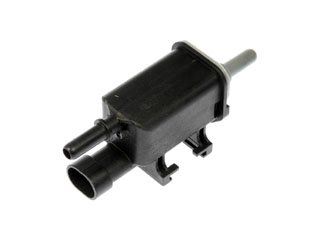

The information in this article is provided for general reference and educational purposes only. Vehicle specifications, procedures, and part compatibility can vary by production date, trim level, and region. Always consult your vehicle's factory service manual and verify part numbers before purchasing or performing repairs. Safety-critical components such as airbags, seat belts, and braking systems should be installed by a qualified professional.
- Chevrolet COLORADO:
- 🧭 Diagnostic Flowchart
- 🎬 Helpful Videos
- 🛍️ Shop This Part
- What's Unique About the 2004-2011 Chevrolet COLORADO
- Symptoms You May Notice
- Most Likely Causes
- Rare But Worth Checking
- Diagnosis Steps
- Parts You'll Likely Need
- Related Codes That Often Appear With This One
- Technical Service Bulletins (TSBs) & Recalls
- Platform-Specific Known Issues
- Mechanic-Grade Diagnostic Values
- Scan Tool Commands That Help
- Wiring & Ground Locations
- Real Owner Repair Stories
- OEM Part Supersession History
- 🎟️ Get 5% Off