

P0455 on 2013-2020 Chevrolet Equinox: EVAP Large Leak Causes and Fixes
For a P0455 code on a 2013-2020 Chevy Equinox, the most likely cause is a loose or faulty gas cap (on 2013-2017 models) or a faulty filler neck flap on the capless system (2018-2020). If securing the cap/inspecting the flap doesn't fix it, the next most common failure is the EVAP purge valve in the engine bay, which is a relatively easy and affordable DIY fix. Many owners have gone through replacing multiple parts, so starting with the simplest fixes is key.
- Always start with the simplest fix: check that your gas cap is tight. If the code returns, replace it with a genuine GM/ACDelco part.
- If the gas cap doesn't solve the issue, the EVAP purge valve in the engine bay is the next most likely and affordable part to replace.
- The 2013-2017 (Gen 2) and 2018-2020 (Gen 3) models use different parts; verify the correct part number for your specific year before purchasing.
- For persistent leaks that aren't fixed by the cap or purge valve, a professional smoke test is the best investment to accurately find the leak and avoid replacing unnecessary parts.
What's Unique About the 2013-2020 Chevrolet EQUINOX

On GM SUVs like the Equinox and its platform-mate, the GMC Terrain, the EVAP purge valve solenoid, located in the engine compartment, has a well-documented history of failure, often becoming the culprit for P0455 if the gas cap isn't the issue. Additionally, owner experiences show that using cheaper, non-OEM gas caps can often cause this code to appear, making it crucial to use a genuine GM part for replacement. The vehicle range also spans two distinct generations (2013-17 and 2018-20) with different part numbers and a change to a capless fuel system in the later generation.
Diagnostic Flowchart

Tap your situation to follow the diagnostic path that matches what you're seeing on this vehicle.
Generation note: The 2013-2020 year range covers two generations of the Chevrolet Equinox: the second generation (2013-2017) and the third generation (2018-2020). While the causes are similar, key EVAP system parts like the gas cap, purge valve, and vent solenoid have different part numbers and sometimes slightly different locations between these generations. A critical difference is the third generation's use of a capless fuel filler system, where the sealing flap can fail instead of a traditional gas cap.
Symptoms You May Notice

- Check Engine Light is on
- A faint smell of gasoline, especially around the rear of the vehicle or after refueling.
- In rare cases of a stuck-closed vent valve, difficulty filling the fuel tank (gas pump nozzle clicks off repeatedly).
- Rough idle or difficulty starting immediately after refueling, which can point specifically to a faulty purge valve stuck open.
- Replacing the purge or vent valve without first checking the gas cap. Always start with the simplest and most common fix.
- Using a cheap, universal, or non-OEM gas cap, which may not seal correctly and can cause the code to return.
- Replacing parts without a proper diagnosis. One owner on a forum replaced the gas cap, purge valve, and vent solenoid/canister, yet the code persisted, indicating the need for a smoke test to find the actual leak. 🎬 Watch: A professional mechanic's diagnostic process for finding large leaks.
Most Likely Causes

- Loose, Damaged, or Incorrect Gas Cap / Faulty Capless Filler Neck Seal 🔴 High Probability → Shop Fuel Tank Cap This is the most common cause for any vehicle. For 2013-2017 models, aftermarket caps are frequently reported by owners to seal improperly. For 2018-2020 models with a capless system, the internal sealing flap can get stuck or fail to seal correctly.
How to confirm: For 2013-2017: Ensure your current cap is tightened until it clicks several times. Inspect the cap's rubber seal for cracks or brittleness. If the light returns, replacing the cap with a genuine OEM part is a cheap and effective diagnostic step. For 2018-2020: Visually inspect the fuel filler neck flap for debris holding it open or any visible damage.
Typical fix: Tighten the existing cap, replace it with a new OEM gas cap, or clean/repair the capless filler neck assembly.
Est. part cost: $20-$40 - Faulty EVAP Purge Valve Solenoid 🟡 Medium Probability → Shop Vapor Canister The purge valve is a known failure point on many GM vehicles, including the Equinox. It can get stuck open, creating a permanent vacuum leak that the system interprets as a large leak. This is often the next part to replace after the gas cap proves ineffective.
How to confirm: The valve is located in the engine bay, on top of the engine. With the engine off, remove the valve and try to blow through it. If air passes through, it is stuck open and needs to be replaced. A scan tool can also command the valve to cycle, and a vacuum gauge can confirm if it's holding vacuum.
Typical fix: Replace the EVAP purge valve solenoid. This is a common DIY repair that takes only a few minutes. 🎬 See this step-by-step walkthrough for replacing the purge valve.
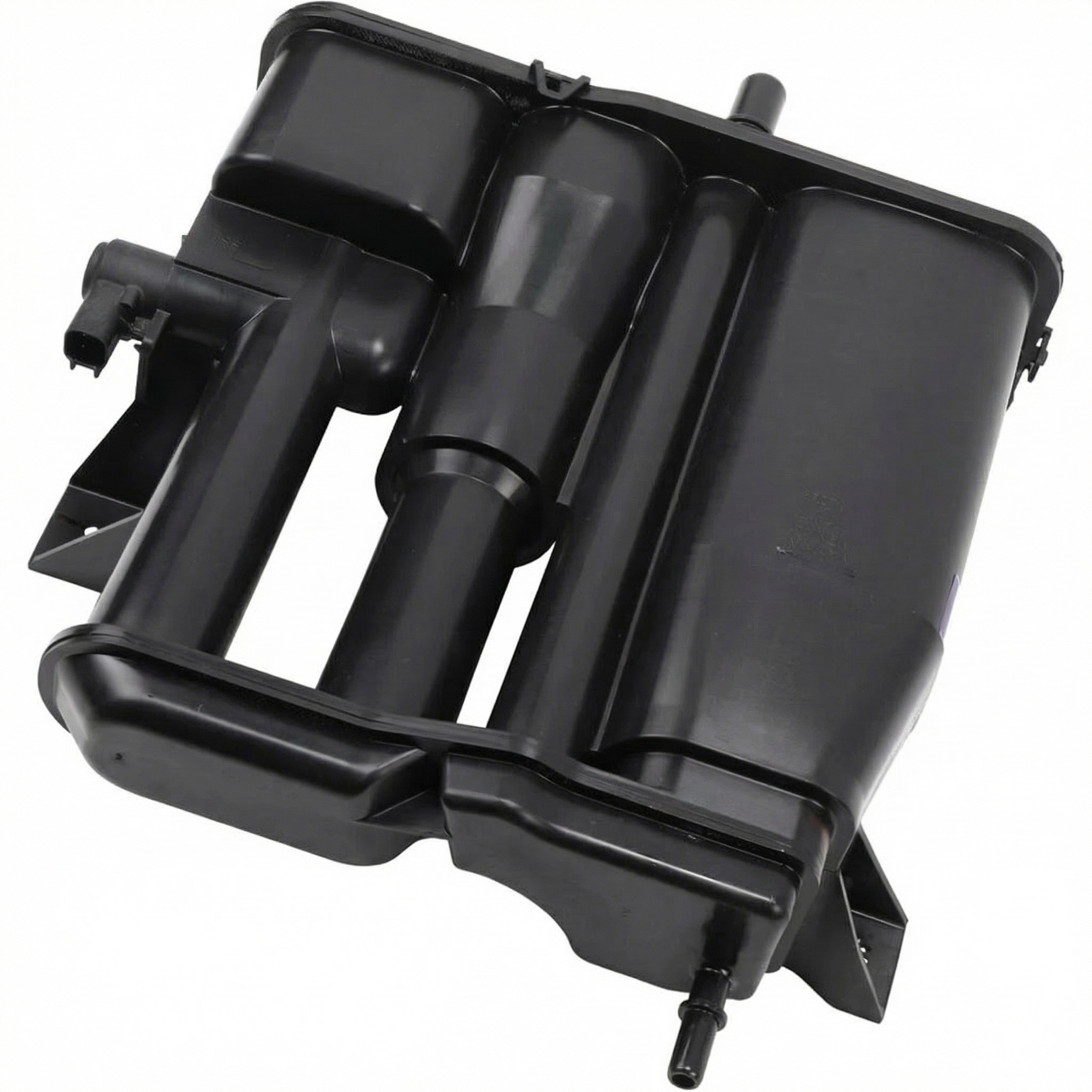
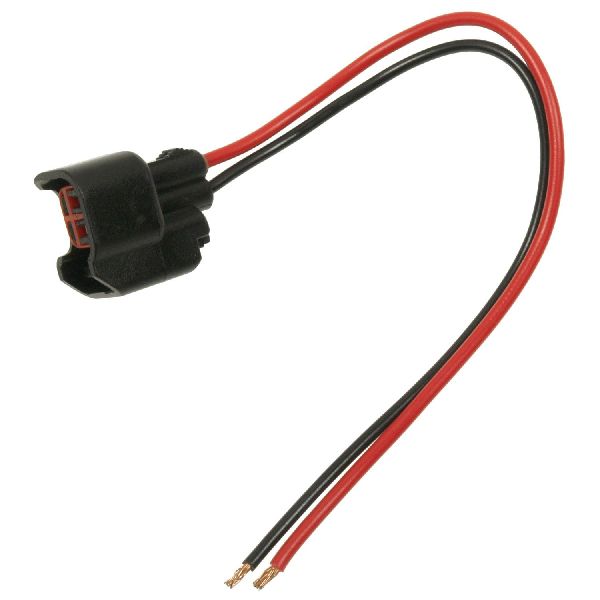
Est. part cost: $30-$80 - Faulty EVAP Vent Valve Solenoid ⚪ Low Probability → Shop Vapor Canister This valve is located near the charcoal canister under the vehicle and is exposed to road grime and moisture, which can cause it to fail and stick open.
How to confirm: This is harder to access than the purge valve. A failure here can sometimes cause difficulty when refueling. The best way to confirm failure is with a smoke test. Smoke is introduced into the EVAP system, and if it escapes from the vent valve (when commanded closed by a scan tool), the valve is bad.
Typical fix: Replace the EVAP vent valve solenoid. It is often replaced along with the charcoal canister. 🎬 Watch: How to access and replace the EVAP vent solenoid.
Est. part cost: $30-$60 - Cracked or Disconnected EVAP Hose ⚪ Low Probability Over time, the plastic and rubber lines in the EVAP system can become brittle and crack, especially at connection points. GM TSB 21-NA-124 specifically advises technicians to check for unseated tube connections first.
How to confirm: A visual inspection may reveal an obviously disconnected or broken line. However, smaller cracks are best found using a professional smoke test, which will show smoke leaking from the damaged area.
Typical fix: Replace the damaged section of the hose or the specific pipe assembly.
Est. part cost: $15-$50
Rare But Worth Checking
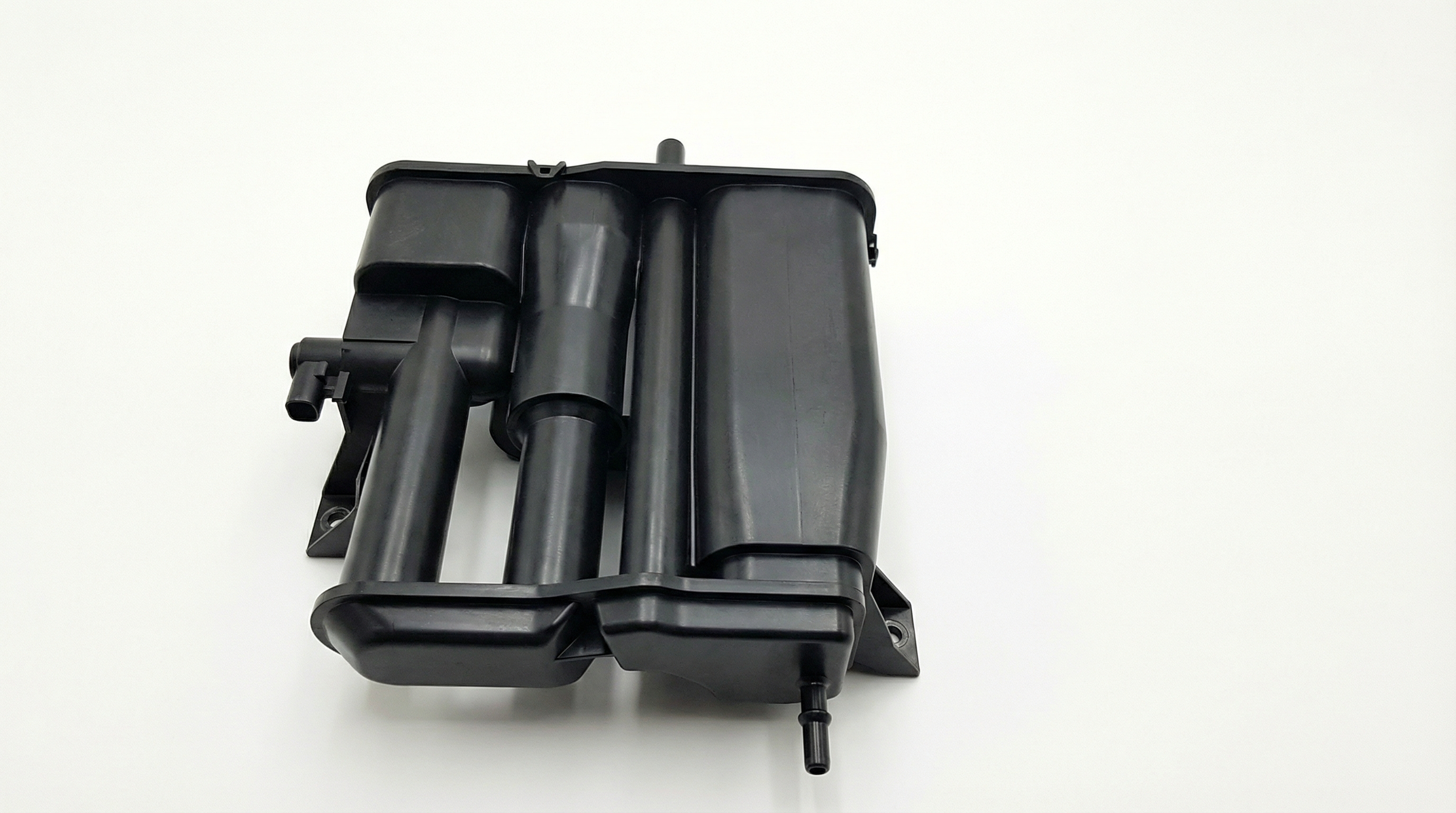
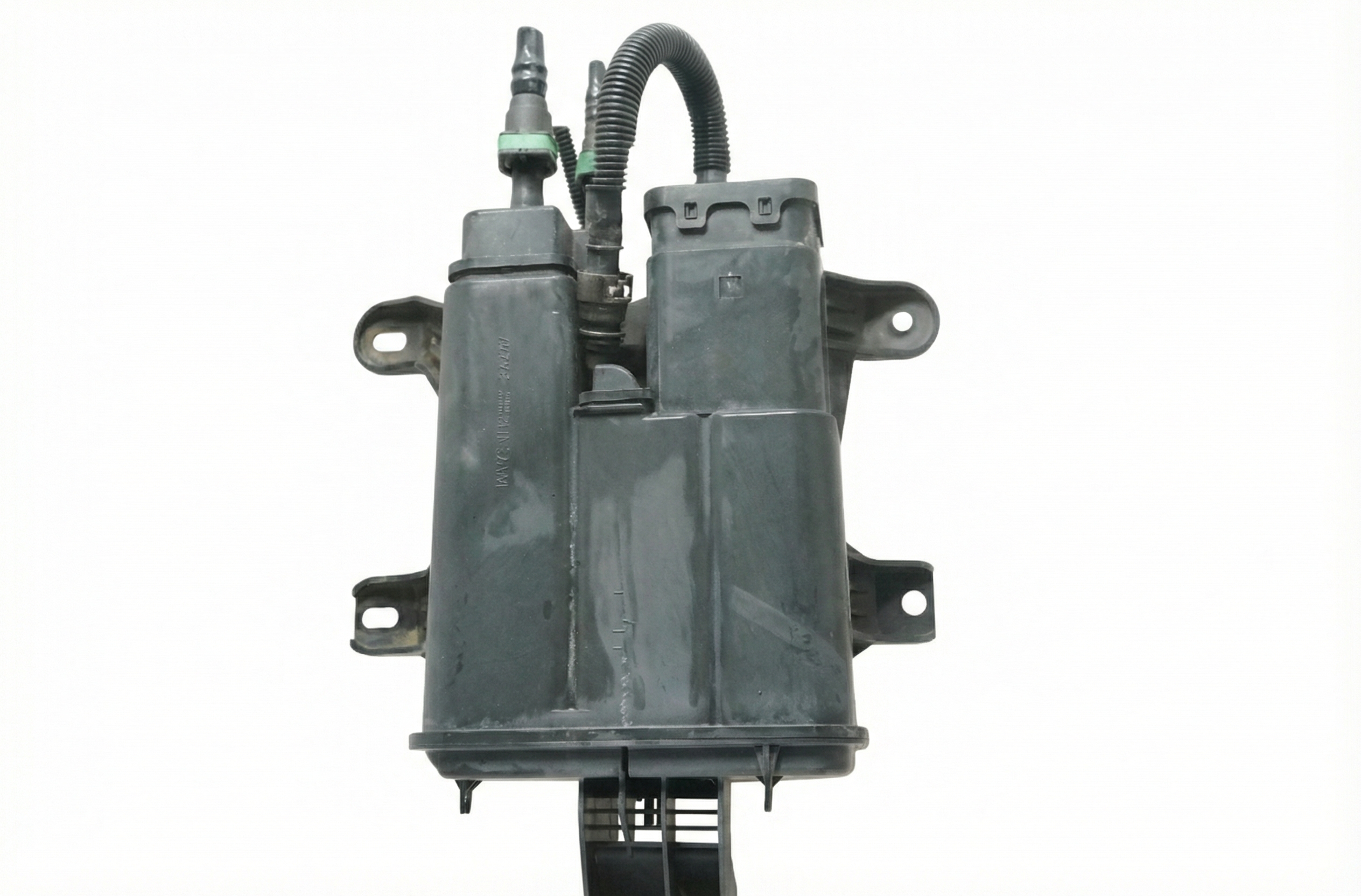
- Cracked Charcoal Canister: → Shop Vapor Canister The canister is a plastic box located under the vehicle near the fuel tank. It can be damaged by road debris, causing a crack that results in a large leak. A smoke test is the best way to identify a cracked canister.
- Damaged Fuel Filler Neck: → Shop Fuel Filler Neck Rust or damage to the metal filler neck (where the gas cap screws on) can prevent even a new cap from sealing properly. Inspect this area for corrosion or deformities when you check the gas cap.
- Dust Intrusion into EVAP System: A GM service bulletin notes that vehicles operated in extremely dusty environments can experience dust intrusion that plugs the canister and vent solenoid, leading to codes like P0455.
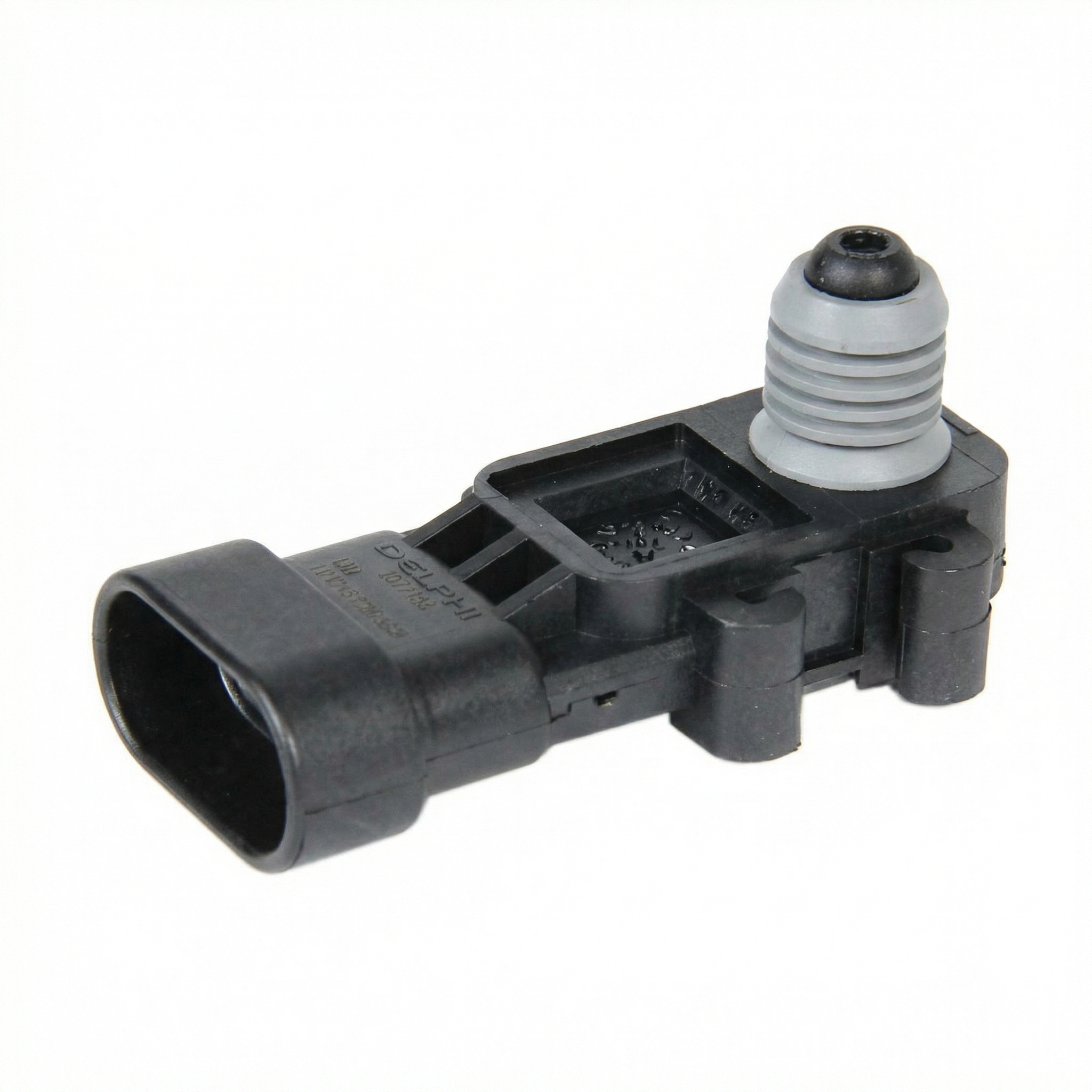
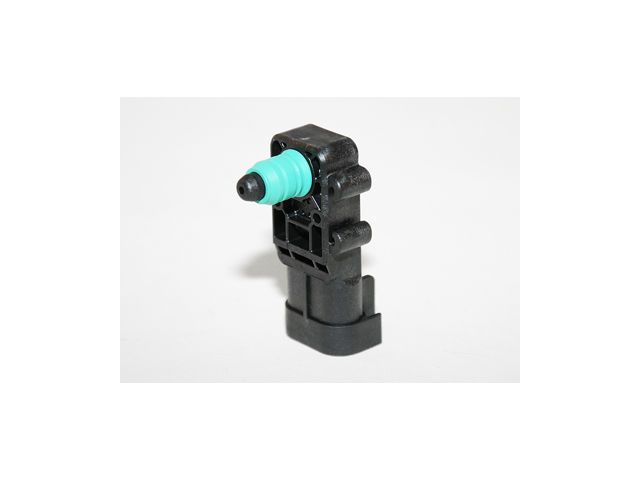
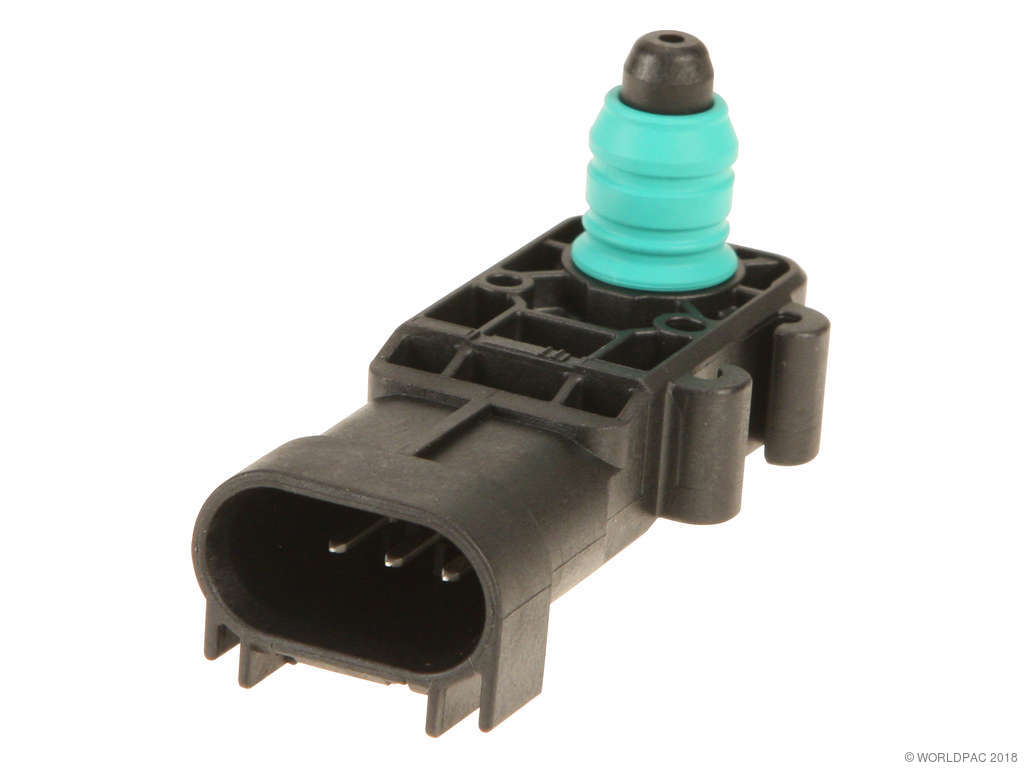
- Faulty Fuel Tank Pressure (FTP) Sensor: → Shop Fuel Tank A faulty FTP sensor can incorrectly report a pressure drop to the ECM, triggering a P0455 code even when no physical leak exists. This is often diagnosed after a smoke test finds no leaks.
Diagnosis Steps
- Check the Gas Cap: Remove the gas cap, inspect the seal for damage or cracks, and make sure the filler neck is clean. Reinstall the cap and tighten it until it clicks at least three times. For 2018+ models, inspect the capless filler neck flap for debris. Clear the code and drive for a few days to see if it returns.
- Replace the Gas Cap: If the light returns on a 2013-2017 model, replace the gas cap with a high-quality OEM part (ACDelco or GM Genuine). This is an inexpensive and very common fix.
- Inspect the Purge Valve: Locate the purge valve in the engine bay. Disconnect it and try to blow through it. If air passes, it's stuck open and needs replacement. This is a very common failure point.
- Visual Inspection per TSB 21-NA-124: Following GM's own advice, visually inspect all accessible EVAP hoses and connections for obvious cracks, disconnections, or damage.
- Perform a Smoke Test: If the cause is still not found, the most effective diagnostic method is a smoke test. A mechanic will inject pressurized smoke into the EVAP system. The leak will be revealed by the escaping smoke. This can pinpoint issues with the vent valve, charcoal canister, or hard-to-see hose cracks.
Parts You'll Likely Need

- Fuel Tank Cap (2013-2017)
(OEM #23368720)— The most common cause of P0455. The seal wears out or the cap is not tightened properly. Using an OEM cap is highly recommended.
Trusted brands: ACDelco, GM Genuine Parts
OEM price range: $20-$30
Aftermarket price range: $10-$20 - Fuel Tank Cap (2018-2020)
(OEM #GT378)— The most common cause of P0455. The seal wears out or the cap is not tightened properly. Using an OEM cap is highly recommended.
Trusted brands: ACDelco, GM Genuine Parts
OEM price range: $25-$40
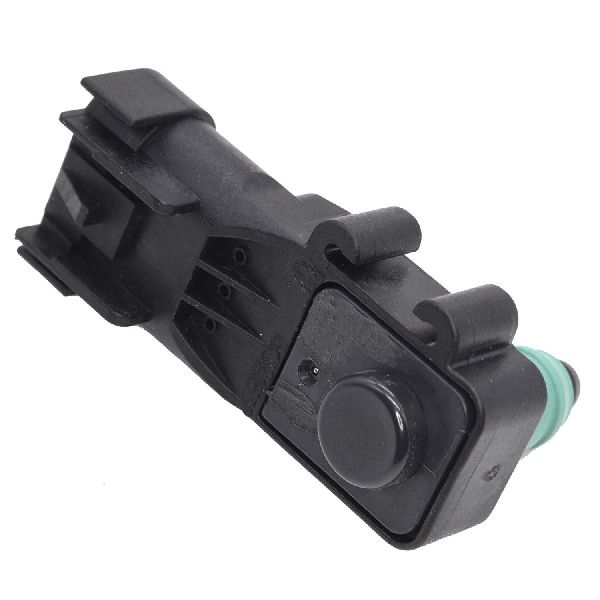
Aftermarket price range: $15-$25 - Vapor Canister Purge Valve (2013-2017)
(OEM #12610560)— A very common failure point on GM vehicles. It gets stuck open, causing a leak. It's located in the engine bay and is easy to replace.
Trusted brands: ACDelco, Dorman, Standard Motor Products
OEM price range: $60-$80
Aftermarket price range: $25-$50 - Vapor Canister Purge Valve (2018-2020)
(OEM #12632174)— A very common failure point on GM vehicles. It gets stuck open, causing a leak. It's located in the engine bay and is easy to replace.
Trusted brands: ACDelco, Dorman, Standard Motor Products
OEM price range: $40-$65
Aftermarket price range: $20-$40 - Vapor Canister Vent Solenoid (2013-2017)
(OEM #Dorman 911-140)— Located under the vehicle, this part is exposed to the elements and can fail, getting stuck open. Often replaced if the purge valve and gas cap don't solve the issue.
Trusted brands: Dorman, ACDelco, Standard Motor Products
OEM price range: $40-$70
Aftermarket price range: $30-$50
Related Codes That Often Appear With This One
- P0442 — P0442 indicates a small EVAP leak. These codes often appear together or interchangeably as the size of the leak can be borderline or intermittent. TSB 21-NA-124 addresses both codes together.
- P0449 — This code specifically points to a fault in the EVAP vent valve solenoid circuit. If you see P0455 and P0449 together, it's a strong indication that the vent valve or its wiring is the source of the problem.
Technical Service Bulletins (TSBs) & Recalls
- 21-NA-124: Diagnostic Tip for Malfunction Indicator Lamp (MIL) Illuminated - DTC P0442 and/or P0455 Set. This TSB advises technicians to first inspect all EVAP lines for proper installation and damage before checking the vent and purge valves.
- PIE0528: Engineering informational bulletin requesting field data on EVAP canister performance related to codes P0442, P0455, P0446, etc. This indicates GM was actively investigating issues with the canister assembly.
- GM Bulletin (uncatalogued): Notes that vehicles in extremely dusty environments may experience dust intrusion into the EVAP system, plugging the canister and vent solenoid, causing P0455.
Platform-Specific Known Issues
- TSB #PIE0528 indicates that GM was investigating EVAP canister performance issues related to P0455, P0442, P0446, and P0449, requesting information from the field on warranty parts.
Mechanic-Grade Diagnostic Values
- Fuel Tank Pressure (FTP) Sensor Reading — expected: ~1.5 Volts or 0 inHg with gas cap removed (Key On, Engine Off).. Failure: A reading that is significantly different, such as a high vacuum reading even with the system open, indicates a faulty sensor.
- EVAP Purge Valve Solenoid Resistance — expected: 15 to 30 Ohms (general specification).. Failure: A reading far outside this range indicates an internal electrical fault in the solenoid.
- EVAP Vent Valve Solenoid Connector Voltage — expected: Battery voltage at Terminal A (Red/White wire) with the ignition ON.. Failure: No voltage indicates a blown fuse (e.g., F10 on 2018+ models) or an open/short in the power-side wiring.
Scan Tool Commands That Help
- GDS2 / Tech2: EVAP Service Bay Test — This is a comprehensive, automated test to verify the integrity of the entire EVAP system after a repair or when diagnosing an intermittent fault. It commands the purge and vent solenoids to seal the system and monitors for pressure decay.
- GDS2 / Tech2 (or other advanced bidirectional scanner): EVAP Vent Solenoid Command ON/OFF — Used during a smoke test to manually close the vent valve. If smoke exits the vent with the valve commanded closed, the valve is faulty.
Wiring & Ground Locations
- G105 / G112 — G105: Top rear of engine (2.4L) or left rear of engine (3.6L). G112: Lower left front of engine (2.4L) or left rear of engine (3.6L).. These are primary engine grounds. A poor ground connection here can cause erratic behavior or failure of engine-mounted sensors and solenoids, including the EVAP Purge Valve.
- Underhood Fuse F21 (2010-2017) — In the underhood fuse block.. This fuse supplies power to the EVAP system on the second-generation Equinox. A blown fuse will cause circuit-related EVAP codes.
- Underhood Fuse F10 (2018-2024) — In the underhood fuse block.. This fuse is labeled for the 'Canister vent' on third-generation models and supplies power to the vent solenoid.
Real Owner Repair Stories
- Chevrolet Forum user 'Mike Alpha' (2004 Chevrolet Trailblazer (similar GM EVAP system)) — Persistent P0455 code.
❌ Tried (didn't work) Passed a professional smoke test with no leaks found., Replaced the vent valve., Replaced the purge valve., Replaced the gas cap.
✅ What actually fixed it The final diagnosis pointed to a faulty Fuel Tank Pressure Sensor (FTPS), which was reporting a leak to the computer even though none existed physically. - YouTube channel 'Alex The Car Doctor' (Chevrolet Equinox (year not specified, 2nd gen)) — P0455 Large EVAP Leak.
❌ Tried (didn't work) The owner had already replaced the gas cap with a new aftermarket one.
✅ What actually fixed it A smoke test revealed the new aftermarket gas cap was leaking profusely. When the mechanic tested the original OEM gas cap, it sealed perfectly. The fix was to advise the customer to get a new OEM gas cap. - RAM forum user 'Gwerner74' (2018 RAM 2500 (different vehicle, same code principle)) — P0455/P0456 codes and 'Check Gas Cap' message.
❌ Tried (didn't work) Replacing the gas cap., Replacing the EVAP Leak Detection module with a Dorman-branded part. This cleared the codes but introduced a new problem: the fuel tank could not be filled.
✅ What actually fixed it Replacing the Dorman part with a Duralast-branded version that had an internal design matching the original OEM part. This resolved both the EVAP codes and the fuel filling issue, highlighting problems with aftermarket part design variance.
"I Checked Everything" — The Actual Cause
- In a documented case on a similar GM vehicle, a P0455 code persisted even after a smoke test found no leaks and the purge valve, vent valve, and gas cap were all replaced. The issue was suspected to be a faulty Fuel Tank Pressure Sensor (FTPS). The sensor was giving an incorrect reading to the computer, faking the symptoms of a large leak. This is a classic edge case where electrical diagnosis is required after mechanical checks pass.
OEM Part Supersession History
12610560→12737252— Standard part revision and update by the manufacturer.
Heads up: The new part number is the direct replacement for the old one. Other aftermarket cross-references include 12690512 and 55593172.
Model Year Variations Within This Range
- 2018-2020: These models use a capless fuel filler system. The common 'loose gas cap' failure is replaced by a failure of the spring-loaded flap in the filler neck to seal properly, which will also cause a P0455.
- 2018-2020 vs 2013-2017: The fuse location for the EVAP system components differs. On 2018+ models, the canister vent solenoid is powered by fuse F10 in the underhood fuse block. On 2013-2017 models, the EVAP system is powered by fuse F21 in the same fuse block.
Helpful Videos
Used OEM Parts in Stock

New Aftermarket Parts Available


The information in this article is provided for general reference and educational purposes only. Vehicle specifications, procedures, and part compatibility can vary by production date, trim level, and region. Always consult your vehicle's factory service manual and verify part numbers before purchasing or performing repairs. Safety-critical components such as airbags, seat belts, and braking systems should be installed by a qualified professional.
- Chevrolet EQUINOX:
- 🧭 Diagnostic Flowchart
- 🎬 Helpful Videos
- 🛍️ Shop This Part
- What's Unique About the 2013-2020 Chevrolet EQUINOX
- Symptoms You May Notice
- Most Likely Causes
- Rare But Worth Checking
- Diagnosis Steps
- Parts You'll Likely Need
- Related Codes That Often Appear With This One
- Technical Service Bulletins (TSBs) & Recalls
- Platform-Specific Known Issues
- Mechanic-Grade Diagnostic Values
- Scan Tool Commands That Help
- Wiring & Ground Locations
- Real Owner Repair Stories
- "I Checked Everything" — The Actual Cause
- OEM Part Supersession History
- Model Year Variations Within This Range
- 🎟️ Get 5% Off