

P0455 on 2000-2007 Chevrolet Impala: EVAP Large Leak Causes and Fixes
For a 2000-2007 Chevrolet Impala, code P0455 is most often caused by a loose or faulty gas cap. If that's not the issue, the next most likely culprits are a failed EVAP vent solenoid or purge valve. A new gas cap is under $25, while solenoids can range from $30 to $100.
- P0455 means your Impala has a large leak in the fuel vapor system.
- Always check your gas cap first. Make sure it's tight and the seal isn't cracked. This is the easiest and most common fix.
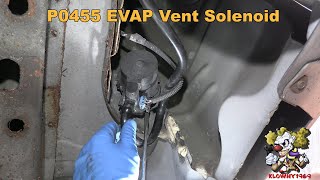
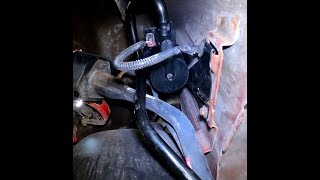
- If the gas cap isn't the problem, the EVAP vent solenoid near the rear wheel is the next most likely part to have failed.
- Other possibilities include the purge valve in the engine bay or a cracked hose, which can be found with a smoke test.
- You can continue to drive the car, but you will fail an emissions test and may notice a fuel smell until the issue is repaired.
What's Unique About the 2000-2007 Chevrolet IMPALA
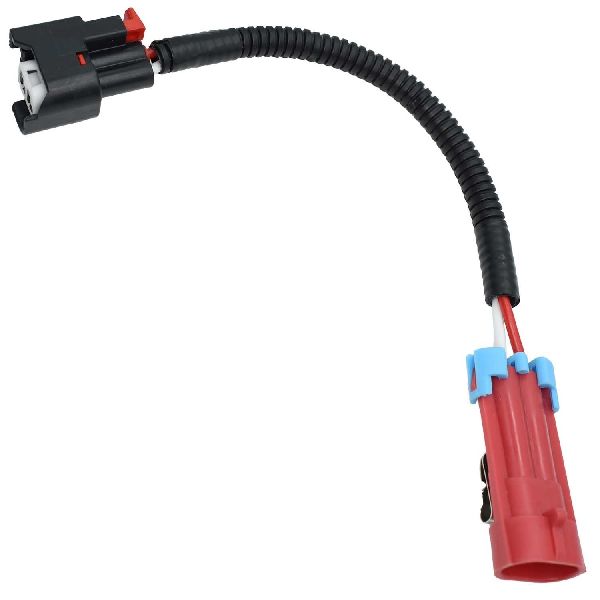
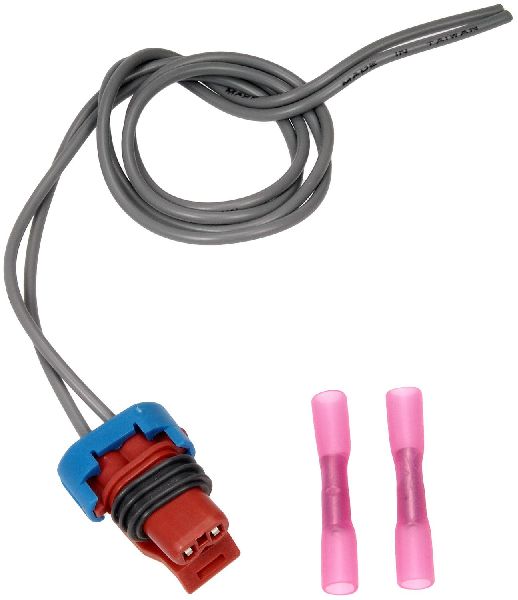
On the 8th and 9th generation Impala, the P0455 code is a very common issue that owners encounter. While the gas cap is a frequent cause on any vehicle, these Impalas are particularly known for failures of the EVAP vent solenoid, located near the fuel tank. This part is exposed to the elements and can fail from rust and debris, getting stuck open and creating the large leak detected by the system. The manufacturer has even updated the part design over the years, which sometimes requires a wiring adapter for replacement.
Diagnostic Flowchart
Tap your situation to follow the diagnostic path that matches what you're seeing on this vehicle.
Generation note: The 2000-2007 year range covers two Impala generations: the 8th Gen (2000-2005) and the 9th Gen (2006-2013). While the EVAP system components and principles are similar, part numbers and specific locations may differ slightly. For example, the EVAP vent solenoid was updated on later models, sometimes requiring a wiring harness adapter for installation on older vehicles.
Symptoms You May Notice
- Check Engine Light is on
- A noticeable smell of gasoline, especially around the rear of the car
- Potentially a whooshing sound when removing the gas cap, or no sound at all if the system has no pressure
- Replacing the purge valve when the vent valve is the actual problem. The vent valve is a more common failure point for a large leak on this platform.
Most Likely Causes
- Loose, Damaged, or Incorrect Gas Cap 🔴 High Probability → Shop Fuel Tank Cap This is the most common cause for P0455 on any vehicle. Aftermarket or worn-out caps often have seals that fail, creating a large leak.
How to confirm: Inspect the gas cap for cracks or a hardened, brittle seal. Ensure it is tightened until it clicks. If you recently replaced it, confirm it's the correct pressurized cap for the vehicle.
Typical fix: Tighten or replace the gas cap.
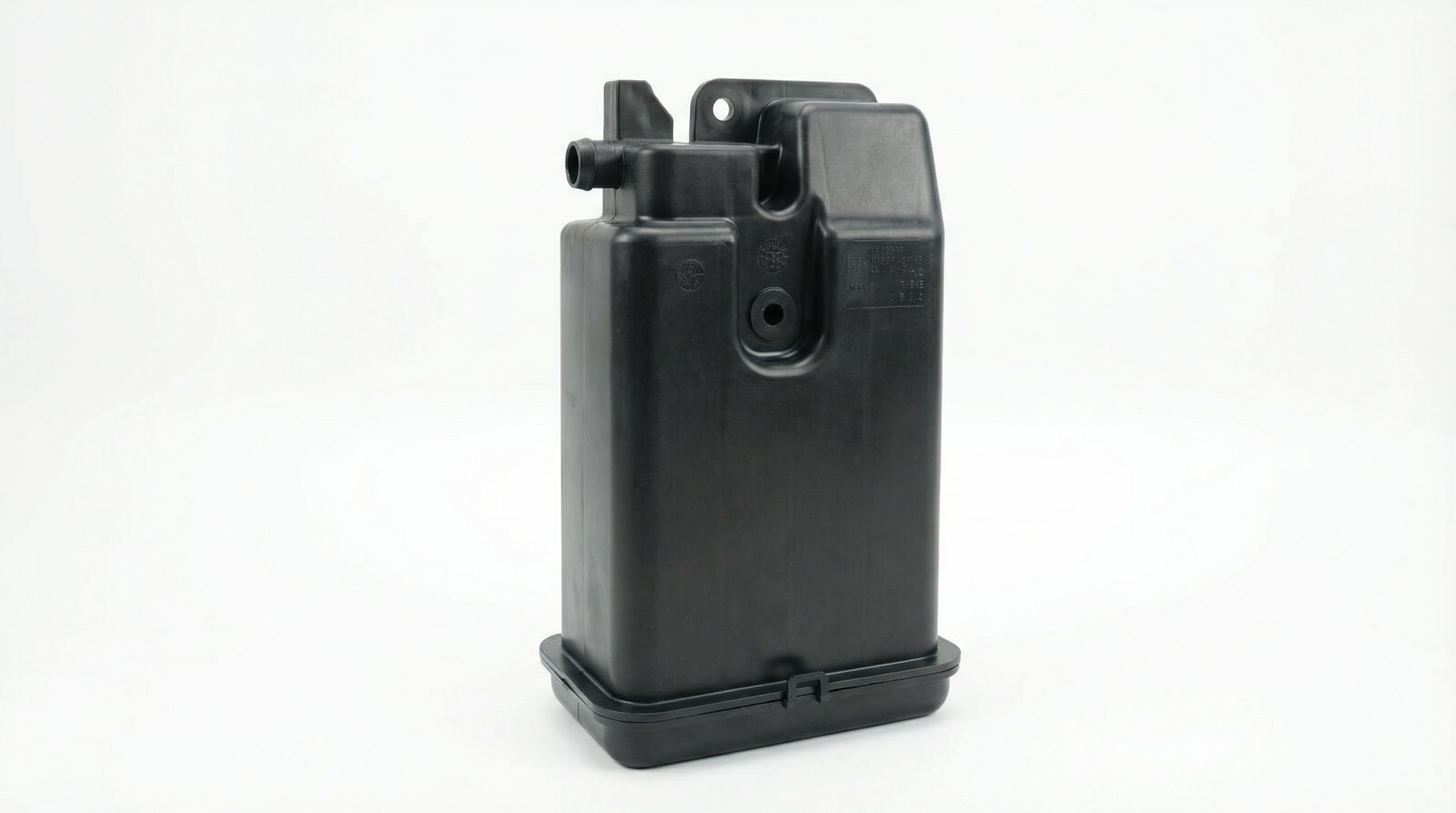
Est. part cost: $10-$25 - Failed EVAP Vent Solenoid/Valve 🔴 High Probability → Shop Vapor Canister Located near the rear of the car by the charcoal canister, this part is exposed to road salt and debris, causing it to fail and stick open. This is a very common failure point on these Impalas.
How to confirm: The valve is normally open and closes when energized. You can remove the valve and apply 12V power to its terminals; it should click and close, preventing air from passing through. If it doesn't close or is stuck open without power, it has failed.
Typical fix: Replace the EVAP vent solenoid. Some replacement parts are an updated design and may require a new wiring harness adapter.
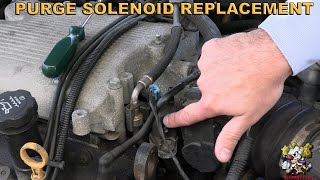
Est. part cost: $30-$80 - Failed EVAP Purge Valve/Solenoid 🟡 Medium Probability → Shop Vapor Canister This valve is located in the engine bay and can get stuck open, creating a constant vacuum leak from the EVAP system into the engine.
How to confirm: The purge valve is normally closed. Disconnect the valve and try to blow through it. If air passes through, it is stuck open and needs to be replaced. A scan tool can also command it to open and close to check for a response.
Typical fix: Replace the purge valve.
Est. part cost: $25-$60 - Cracked or Disconnected EVAP Hoses ⚪ Low Probability Rubber and plastic lines can become brittle and crack over time, especially connections near the charcoal canister or fuel tank filler neck.
How to confirm: A visual inspection may reveal obvious cracks. The most effective way to find a leak in a hose is with a smoke test, which forces smoke into the EVAP system to reveal the source of the leak.
Typical fix: Replace the damaged hose or connector.
Est. part cost: $10-$50
Rare But Worth Checking
- Rusted Fuel Filler Neck: → Shop Fuel Filler Neck In areas with heavy road salt use, the metal fuel filler neck can rust through, creating a large leak. This is more common on older vehicles in the salt belt.
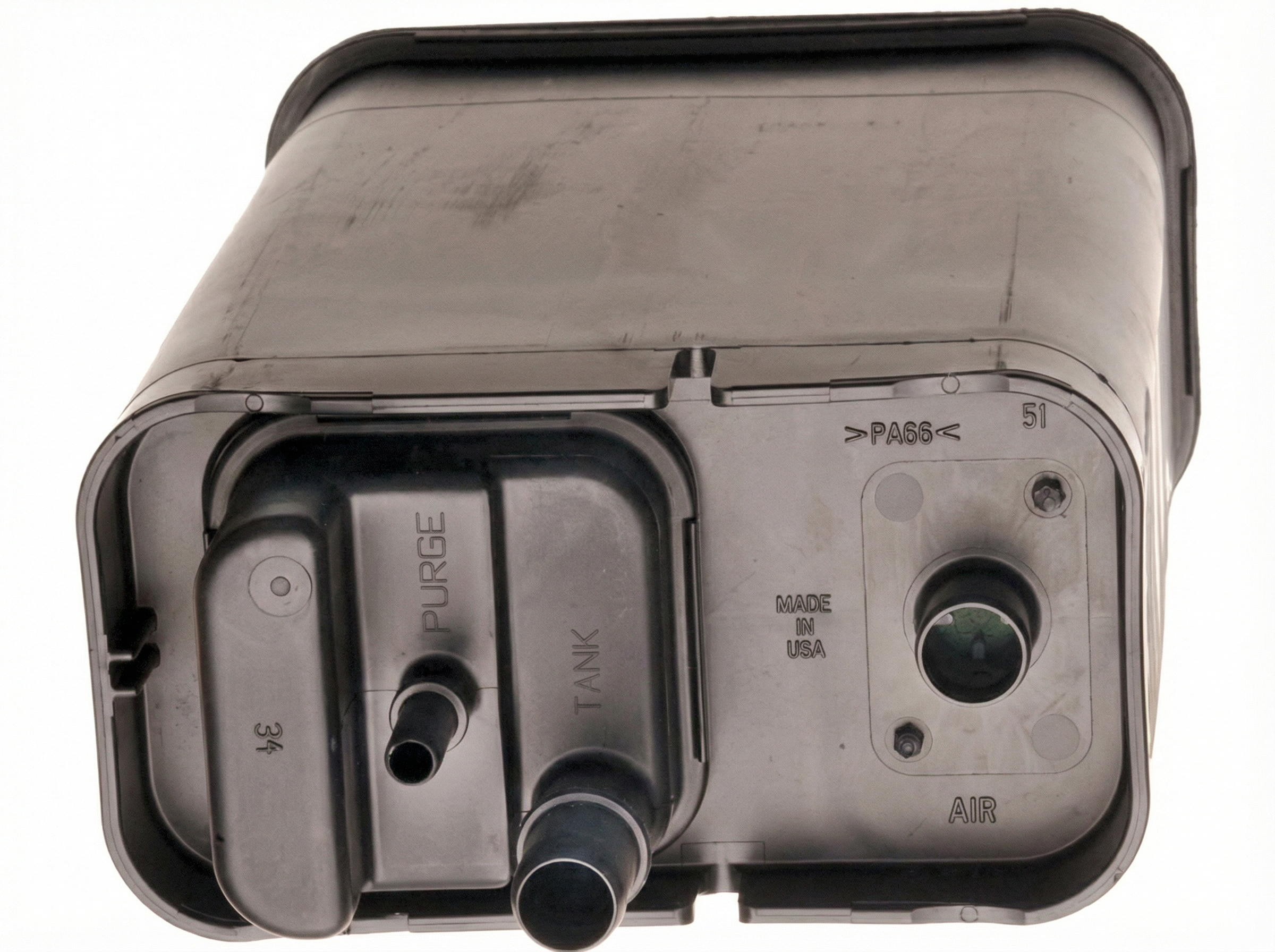
- Cracked Charcoal Canister: → Shop Vapor Canister The plastic housing of the charcoal canister can crack from age or impact, causing a large leak. This is less common than valve failures but can happen.
Diagnosis Steps
- Read the code with an OBD-II scanner to confirm P0455 is present.
- Inspect the gas cap. Ensure it is tight and the seal is not cracked or worn. If in doubt, replace it, clear the code, and drive for a few days to see if it returns.
- If the code returns, perform a visual inspection of all accessible EVAP hoses and lines from the engine bay to the fuel tank, looking for obvious cracks or disconnections.
- Locate the EVAP vent solenoid near the charcoal canister at the rear of the vehicle. Test it by applying 12V power to see if the valve actuates (clicks) and seals. If it's stuck open, it needs replacement.
- Locate the EVAP purge valve in the engine bay. With the engine off, disconnect it and try to blow through it. If air passes, it's stuck open and needs replacement.
- If the cause is still not found, a smoke test is the most effective next step. This involves injecting smoke into the EVAP system to pinpoint the exact location of the leak.
Parts You'll Likely Need
- Gas Cap — This is the most frequent and simplest fix for a P0455 code. The seal wears out over time.
Trusted brands: ACDelco, Stant
OEM price range: $20-$30
Aftermarket price range: $10-$20 - EVAP Vapor Canister Vent Solenoid
(OEM #214-2149)— This part is a very common failure on the 2000-2007 Impala, often getting stuck open and causing a large leak code.
Trusted brands: ACDelco, Dorman, Standard Motor Products
OEM price range: $50-$90
Aftermarket price range: $30-$60 - EVAP Canister Purge Valve
(OEM #12610560)— Less common than the vent solenoid for a large leak, but can fail by sticking open.
Trusted brands: ACDelco, Bosch, Dorman
OEM price range: $40-$70
Aftermarket price range: $25-$50
Related Codes That Often Appear With This One
- P0442 — This code indicates a small EVAP leak. It can sometimes appear alongside P0455 if the system has multiple leaks or if a component is failing intermittently, sometimes causing a large leak and other times a small one.
Technical Service Bulletins (TSBs) & Recalls
- 21-NA-124: A manufacturer Technical Service Bulletin provides diagnostic tips for testing EVAP leaks related to codes P0442 and P0455.
Mechanic-Grade Diagnostic Values
- EVAP Vent Solenoid Coil Resistance — expected: ~20 Ohms. Failure: An open circuit (OL) or very high resistance (e.g., in the Mega-Ohm range) indicates a failed solenoid coil.
- Fuel Tank Pressure (FTP) Sensor Voltage (Key-On, Engine-Off, System Vented) — expected: ~1.5 Volts. Failure: A voltage that is significantly different, or is stuck at 1.5V and does not change when vacuum is applied during a bidirectional test, points to a faulty sensor.
- EVAP Vent Solenoid Control Wire Voltage (Commanded ON/Closed) — expected: ~0 Volts. Failure: If the voltage does not drop to near 0V when commanded ON by a scan tool, it indicates a problem with the ECM driver circuit or the wiring.
Hidden / Shadow Codes Worth Checking
- Diagnostic Test Prerequisite: On many GM vehicles, the diagnostic test for a large leak (P0455) will not run unless the test for high purge flow (P0496) has already run and passed. This means resolving a P0496 code is a necessary first step if both are present. (see via This is not a visible code but a part of the ECM's diagnostic strategy, noted in service literature.)
Scan Tool Commands That Help
- GM Tech 2 / GDS2 or equivalent professional scanner: EVAP Purge/Seal — This bidirectional command is used to diagnose the system without a smoke machine. It commands the vent valve closed and the purge valve open to pull engine vacuum into the EVAP system. The technician can then seal the system and monitor the Fuel Tank Pressure (FTP) sensor to watch for vacuum decay, which indicates a leak.
- GM Tech 2 / GDS2 or equivalent professional scanner: EVAP Vent Solenoid ON/OFF — This command allows for the direct testing of the vent solenoid. By commanding it ON (closed) and OFF (open), a technician can verify its mechanical operation (listening for a click) and test the electrical circuit's integrity with a multimeter.
Wiring & Ground Locations
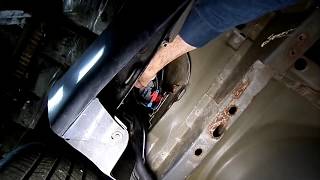
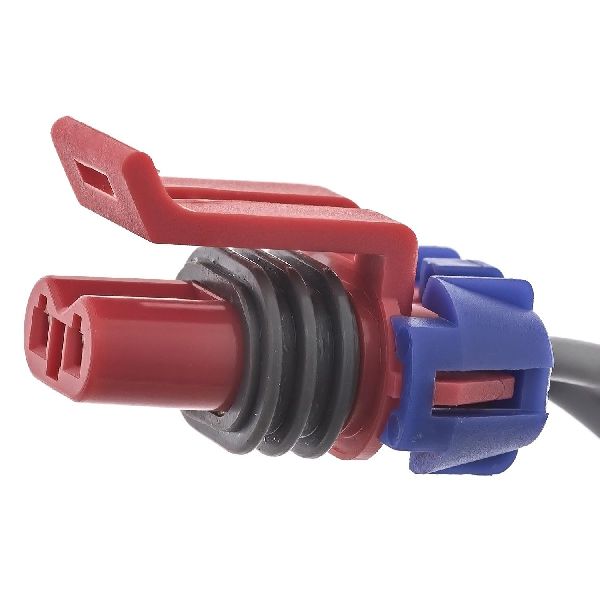
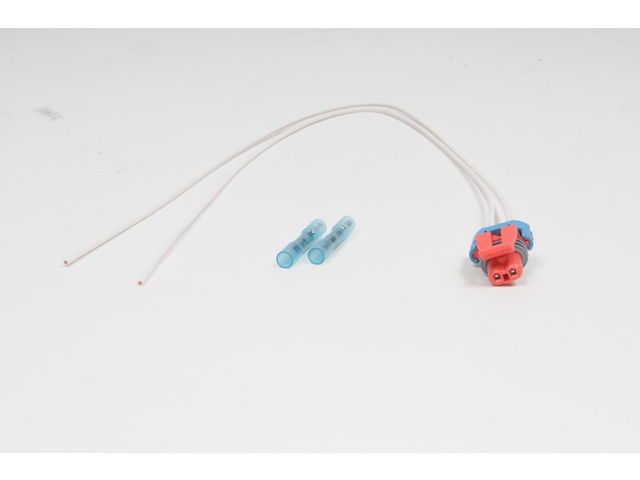
- EVAP Vent Solenoid Connector — At the EVAP vent solenoid, located near the charcoal canister behind the driver's side rear wheel.. The 2-pin connector provides power and control to the solenoid. One pin is a 12V power feed, and the other is a ground-side control from the ECM. Damage to this connector or its wiring can cause a P0455 or related circuit codes.
- BCM (Body Control Module) — Located above the brake pedal, it is a plastic box with three plugs facing the firewall.. While the EVAP system is primarily controlled by the Powertrain Control Module (PCM/ECM), the BCM is a central hub for vehicle wiring and can be a reference point for tracing related circuits.
Real Owner Repair Stories
- YouTube - 2006 Chevy Impala p0445 large leak evap fix (2006 Chevrolet Impala) — P0455 code with a dash message about a loose gas cap.
✅ What actually fixed it The EVAP vent solenoid was stuck open; it would not close even when 12V was applied. Replacing the vent solenoid resolved the code. - YouTube - P0455 Evap Engine Code 2004 Chevy Impala - Troubleshooting and Resolve (2004 Chevrolet Impala LS) — P0455 Large EVAP Leak code.
❌ Tried (didn't work) Testing the EVAP vent solenoid, which was found to be functioning correctly.
✅ What actually fixed it The electrical connector for the EVAP purge valve in the engine bay was broken and not making a secure connection. Repairing the connector fixed the problem. - YouTube - 2006 Chevrolet Impala P0455 DTC repair (2006 Chevrolet Impala) — P0455 Large EVAP Leak code.
✅ What actually fixed it The vapor canister purge solenoid was replaced. The new part had a different connector, which required a jumper harness (GM Part #20941985) to be installed. This fixed the code for over six months.
"I Checked Everything" — The Actual Cause
- A P0455 code can be set even if a smoke test shows no leaks. This can happen if the EVAP purge valve is mechanically stuck closed. During the self-test, the ECM commands the purge valve to open to pull vacuum on the tank. If it fails to open, no vacuum is generated, and the FTP sensor reading does not change. The ECM misinterprets this lack of vacuum change as a massive leak, triggering the P0455 code, when in reality the system is sealed but unable to draw a vacuum.
When the Usual Fixes Don't Work
- While the most common causes are the gas cap and EVAP solenoids, these are not guaranteed fixes. In one documented case for a 2010 Impala (which shares a similar EVAP system), a user replaced the gas cap with an OEM part, the purge valve, and the vent solenoid. A professional smoke test also found no leaks, yet the P0455 code (along with P0442) continued to return, indicating the cause can sometimes be more elusive and not related to the most common component failures or a simple-to-find leak.
OEM Part Supersession History
Varies (original vent solenoid with older connector style)→ACDelco 214-2149 (or equivalent)— The part design was updated, which included a change to the electrical connector.
Heads up: When replacing an original-style vent solenoid on an earlier model (approx. 2000-2005) with the updated part, a wiring adapter harness is typically required. A common part number for this adapter is GM 20941985 or Dorman 645-730. Owners should visually inspect their connector before ordering.
Model Year Variations Within This Range
- 2000-2007: The electrical connector on the EVAP vent solenoid was changed during this production run. Later models (approx. 2006-2007) may have the updated connector from the factory, while earlier models (approx. 2000-2005) using a replacement part will likely need a wiring adapter harness to fit the new solenoid design.
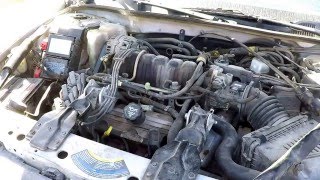
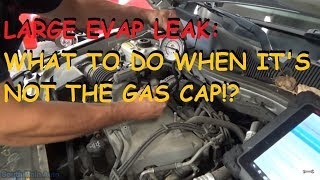
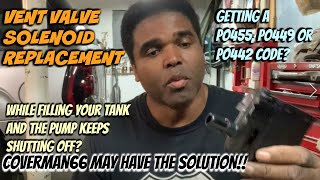
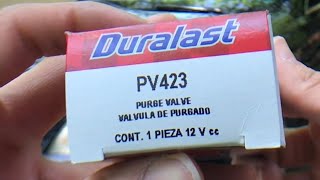
Helpful Videos
Used OEM Parts in Stock
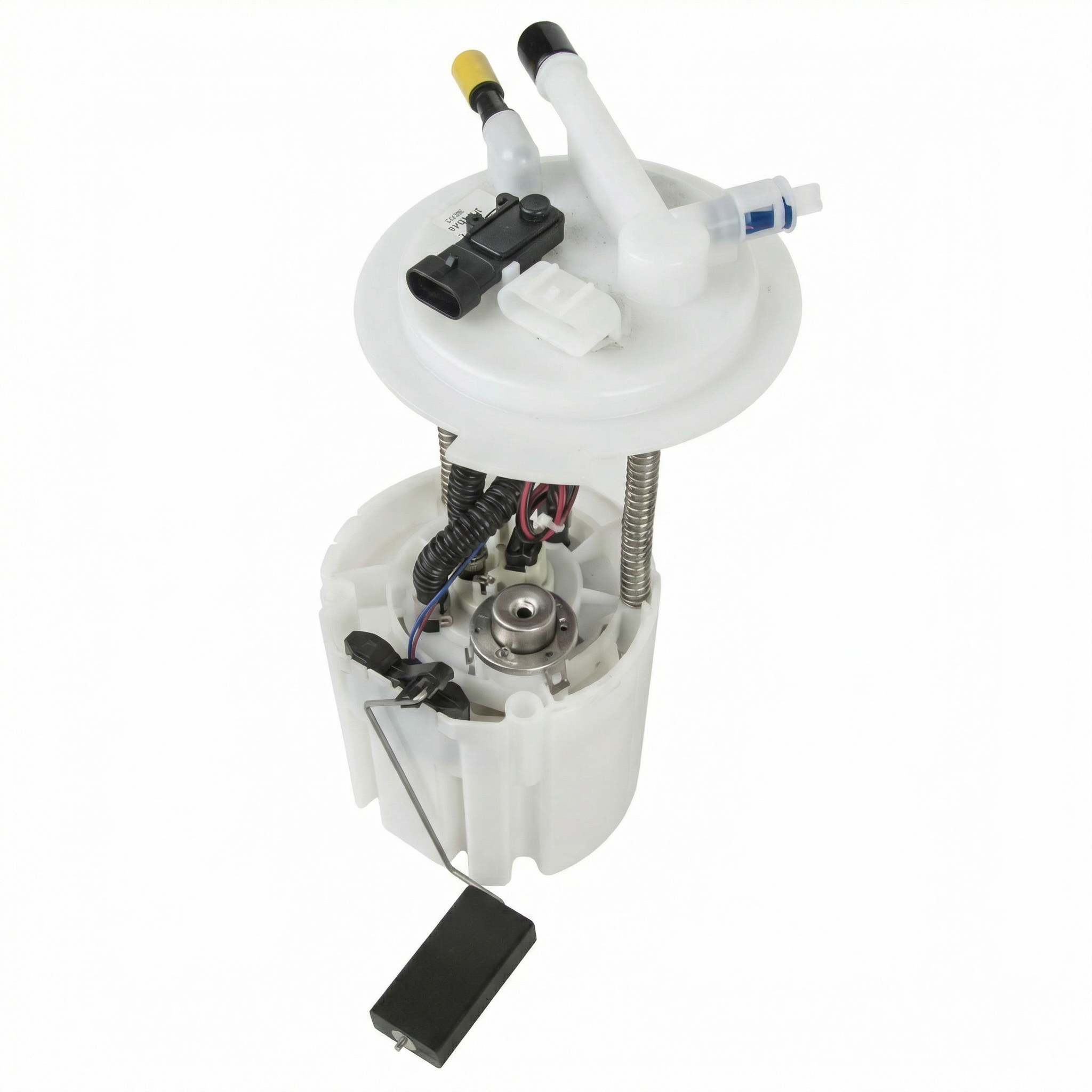
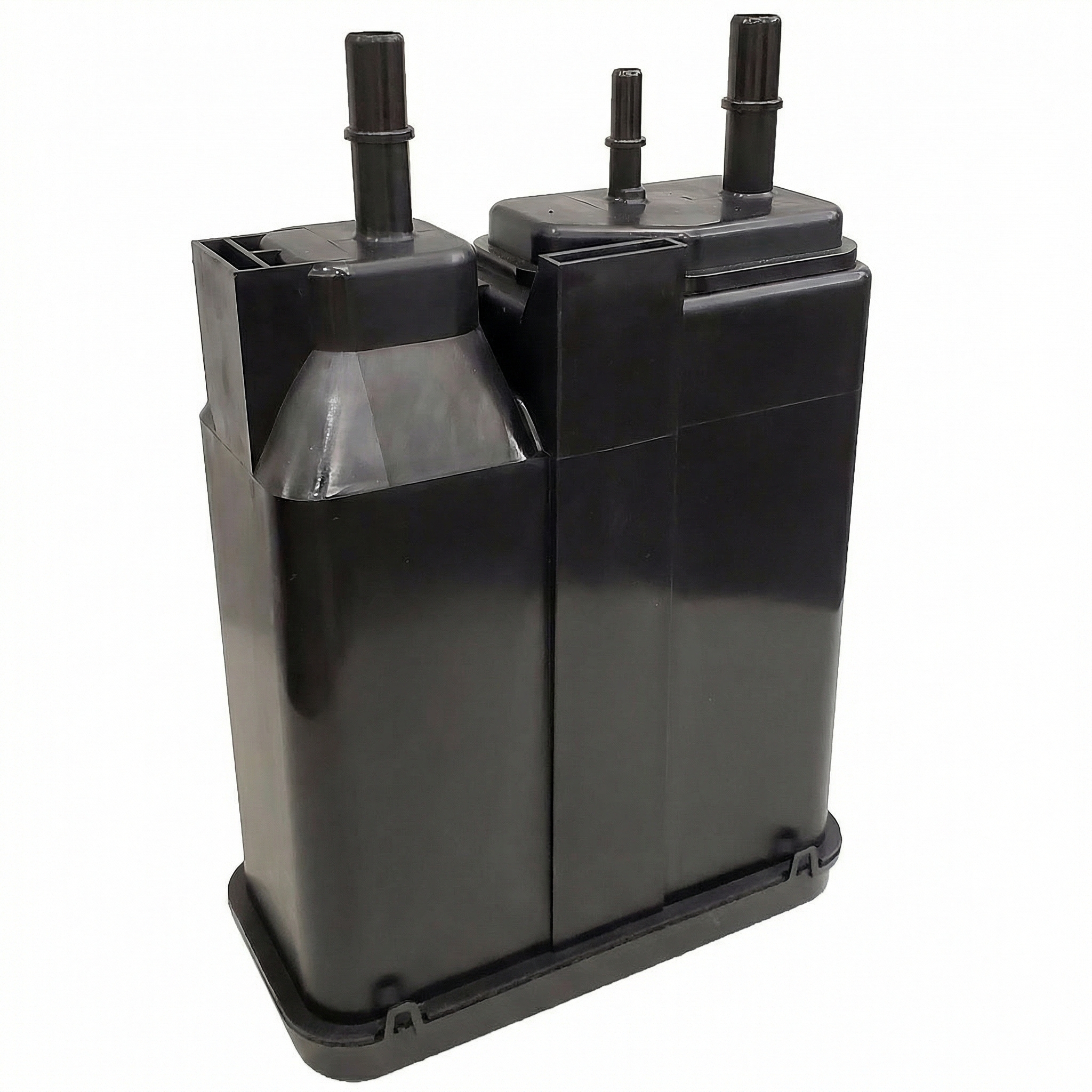
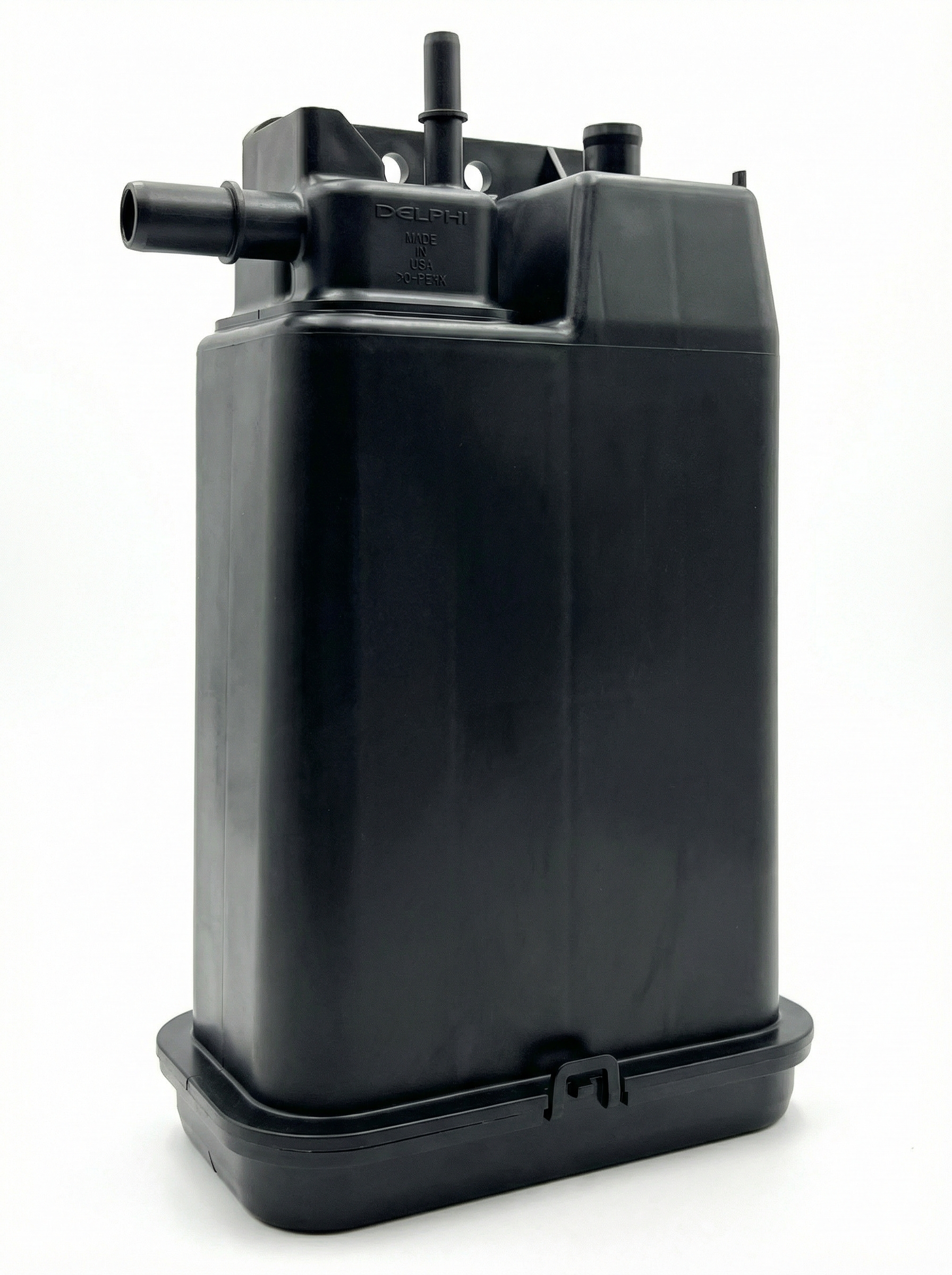
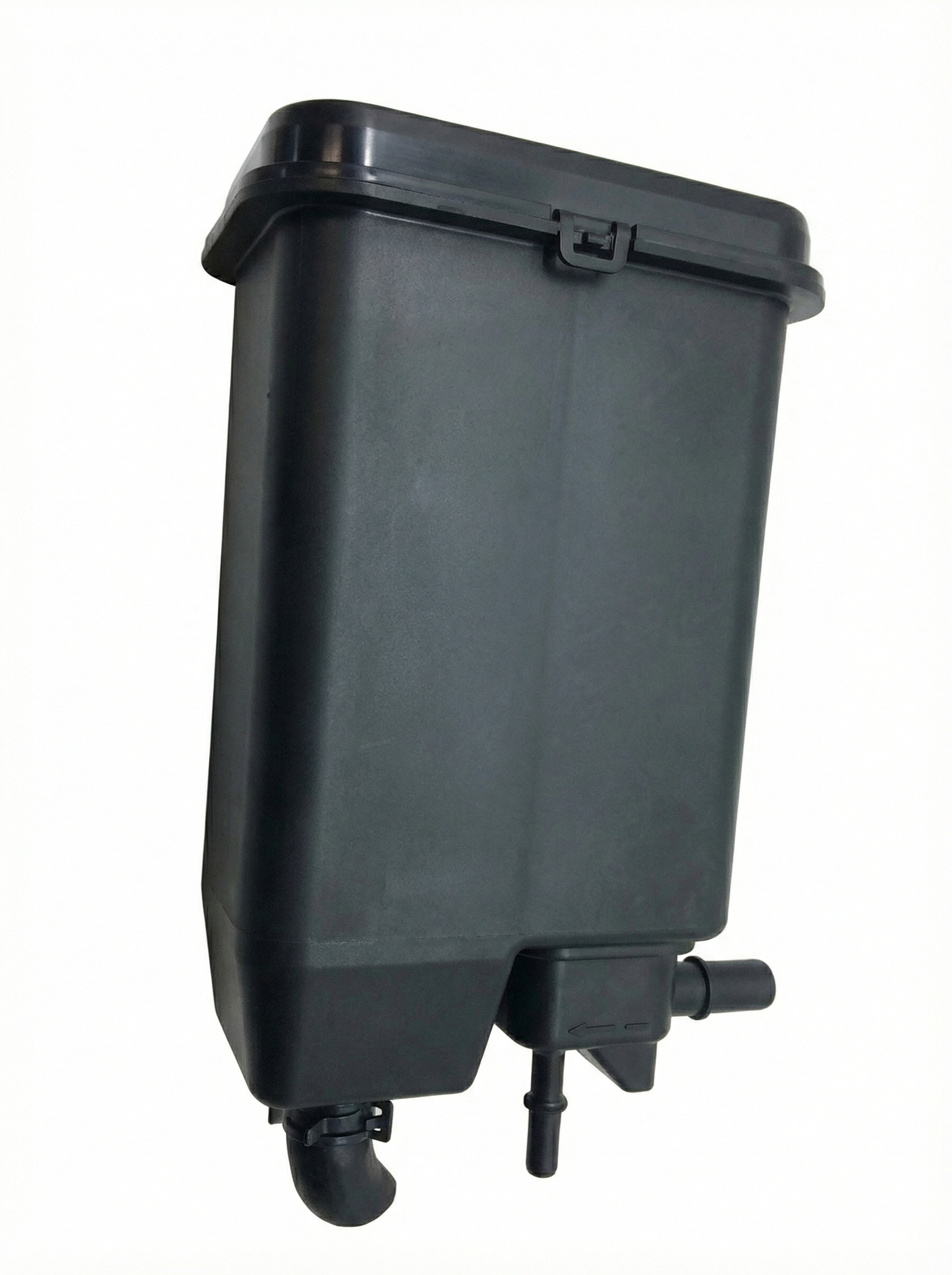
New Aftermarket Parts Available


The information in this article is provided for general reference and educational purposes only. Vehicle specifications, procedures, and part compatibility can vary by production date, trim level, and region. Always consult your vehicle's factory service manual and verify part numbers before purchasing or performing repairs. Safety-critical components such as airbags, seat belts, and braking systems should be installed by a qualified professional.
- Chevrolet IMPALA:
- 🧭 Diagnostic Flowchart
- 🎬 Helpful Videos
- 🛍️ Shop This Part
- What's Unique About the 2000-2007 Chevrolet IMPALA
- Symptoms You May Notice
- Most Likely Causes
- Rare But Worth Checking
- Diagnosis Steps
- Parts You'll Likely Need
- Related Codes That Often Appear With This One
- Technical Service Bulletins (TSBs) & Recalls
- Mechanic-Grade Diagnostic Values
- Hidden / Shadow Codes Worth Checking
- Scan Tool Commands That Help
- Wiring & Ground Locations
- Real Owner Repair Stories
- "I Checked Everything" — The Actual Cause
- When the Usual Fixes Don't Work
- OEM Part Supersession History
- Model Year Variations Within This Range
- 🎟️ Get 5% Off