

P0455 on 2004-2011 Chevrolet Malibu: EVAP Large Leak Causes and Fixes
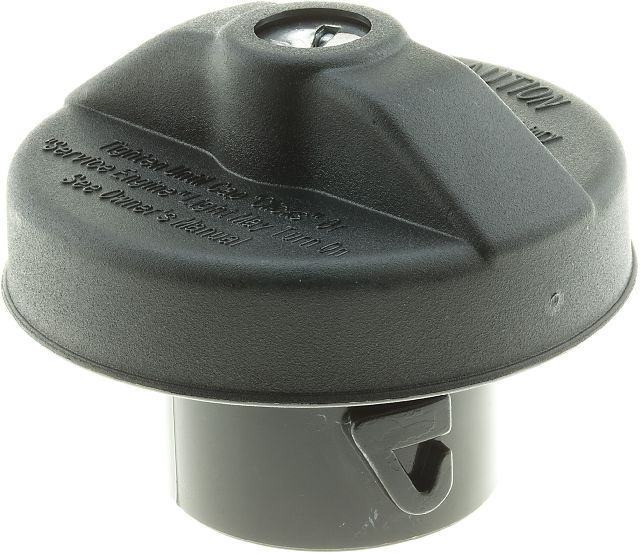
For a 2004-2011 Chevrolet Malibu, the P0455 code is most often caused by a loose, worn, or incorrect gas cap. Before buying any parts, tighten the cap until it clicks and clear the code. If it returns, a new gas cap costs about $10-$25 and is the next logical step. If the cap is not the issue, the purge valve in the engine bay and the vent valve near the fuel tank are the next most common culprits.
- P0455 means your Malibu has a large leak in the emissions system, but it is safe to drive.
- Always check the gas cap first. Make sure it's tight and the seal isn't cracked. This fixes the problem over 50% of the time.
- If the gas cap isn't the issue, the next most likely culprits are the EVAP purge valve (in the engine bay) or the EVAP vent solenoid (near the gas tank).
- For 2008-2011 models, replacing the vent solenoid is a much bigger job because it's on top of the fuel tank.
- A smoke test is the fastest way to accurately find the leak if it's not obvious.
What's Unique About the 2004-2011 Chevrolet MALIBU
On these Malibu generations, the EVAP system components are common failure points as the vehicles age. While the gas cap is the number one culprit, the plastic and rubber components of the vent and purge solenoids become brittle over time. The location of the vent solenoid, particularly on the 7th generation (2008-2011), is on top of the fuel tank, making its replacement significantly more labor-intensive than on many other vehicles as it requires lowering the tank for access.
Diagnostic Flowchart
Tap your situation to follow the diagnostic path that matches what you're seeing on this vehicle.
Generation note: This range covers two Malibu generations: the 6th Gen (2004-2007) and the 7th Gen (2008-2011). While the causes are similar, the location and replacement procedure for the EVAP vent solenoid differ significantly. On the 6th Gen, the vent solenoid is typically located near the charcoal canister and is more accessible. On the 7th Gen, the vent solenoid is located on top of the fuel tank, requiring the tank to be dropped for access, which is a much more involved and time-consuming repair.
Symptoms You May Notice
- Check Engine Light is on
- A faint to strong smell of fuel, especially around the gas cap or rear of the car
- Difficulty starting immediately after refueling (can point to a stuck-open purge valve)
- Slight decrease in fuel economy
- Vehicle may fail an emissions test.
- Replacing the purge valve when the gas cap is the actual problem.
- Replacing the O2 sensors, which are unrelated to the EVAP system.
- Assuming the vent solenoid is an easy fix on 2008-2011 models without realizing the fuel tank must be dropped.
Most Likely Causes
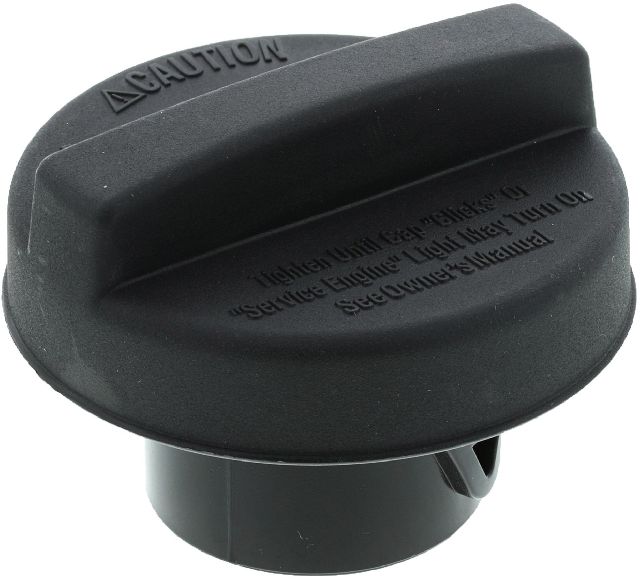
- Loose, Damaged, or Missing Gas Cap 🔴 High Probability → Shop Fuel Tank Cap This is the most common cause for a P0455 code on any vehicle, accounting for over 50% of cases. The rubber seal on the cap can crack and degrade over time, preventing a proper seal. An incorrect or non-OEM cap can also fail to seal properly.
How to confirm: Inspect the gas cap for cracks or a worn, brittle seal. Ensure it is tightened until it clicks at least once. If in doubt, it's an inexpensive part to replace as a first step. Some owners suggest applying a small amount of petroleum jelly to the seal as a temporary measure to see if the code clears.
Typical fix: Tighten or replace the gas cap.
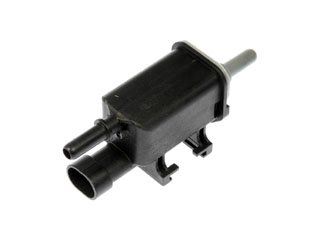
Est. part cost: $10-$25 - Faulty EVAP Vent Solenoid/Valve 🟡 Medium Probability → Shop Vapor Canister The vent solenoid is exposed to the elements under the car and can get stuck open due to dirt, debris, or internal failure. This prevents the EVAP system from sealing during its self-test, causing the P0455 code.
How to confirm: The valve should be normally open but close when commanded by a scan tool. It can be removed and tested with a 12V power source to see if it actuates with an audible click. A smoke test will show smoke exiting a stuck-open valve.
Typical fix: Replace the EVAP vent solenoid. On 7th Gen Malibus (2008-2011), this requires lowering the fuel tank.
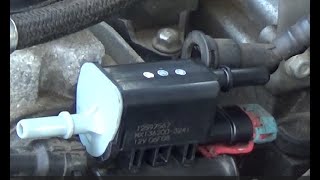
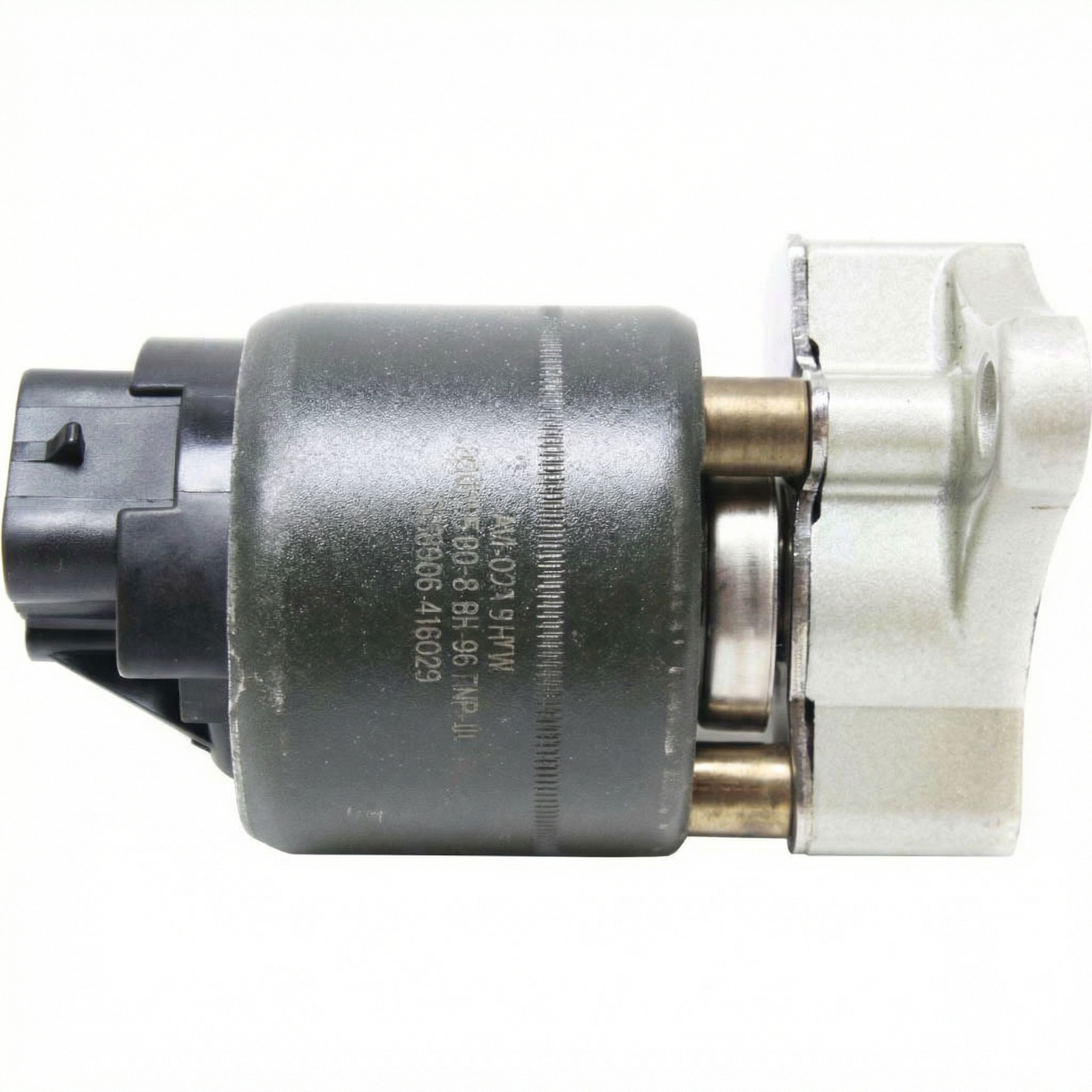
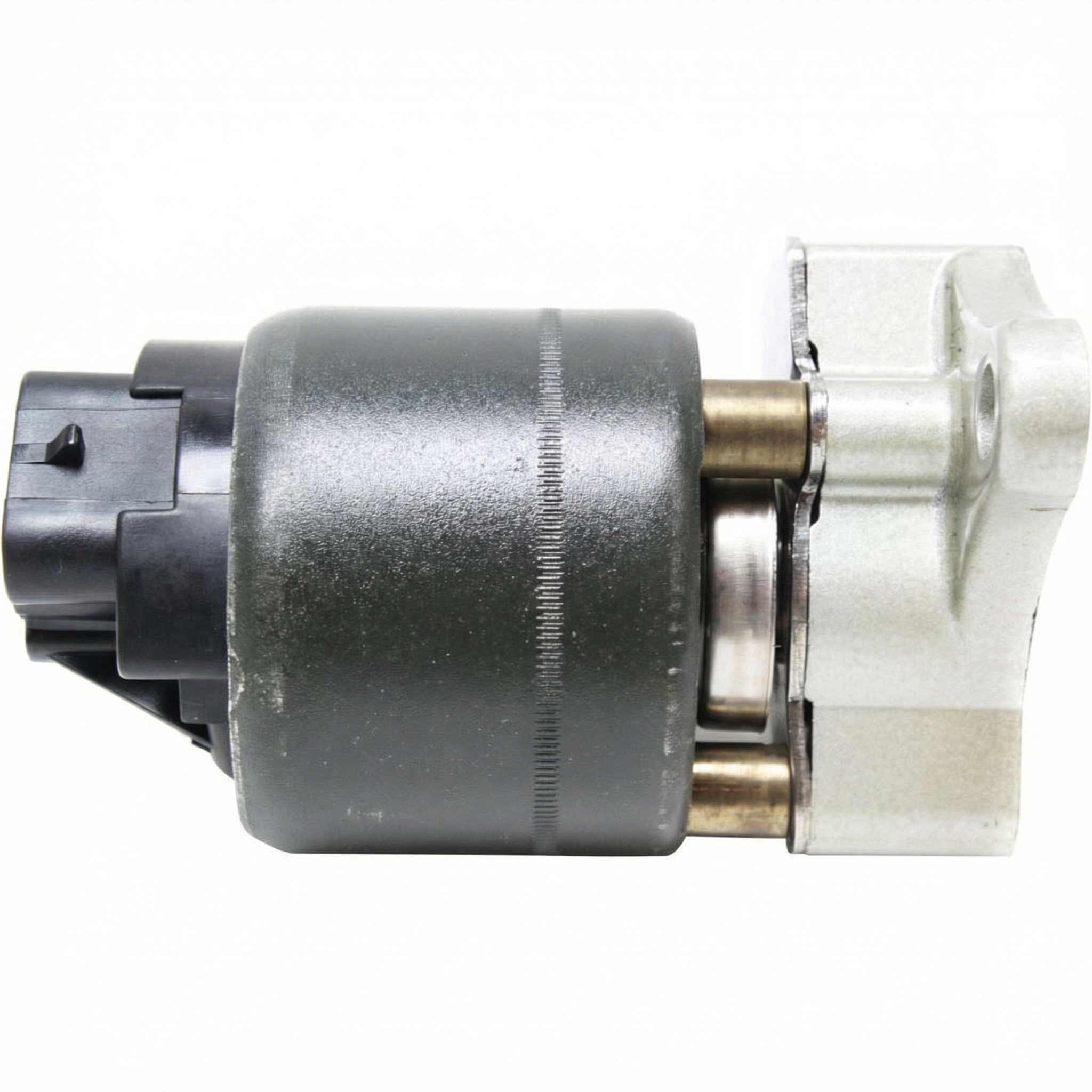
Est. part cost: $25-$60 - Faulty EVAP Purge Valve/Solenoid 🟡 Medium Probability → Shop Vapor Canister Located in the engine bay, this valve can get stuck open, creating a constant vacuum leak into the intake manifold which the system interprets as a large leak. This is a very common failure and is often the cause of rough idling or hard starts after fueling.
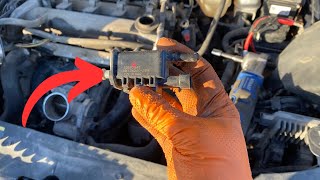
How to confirm: With the engine off, disconnect the valve and try to blow through it; it should be closed and not allow air to pass. A scan tool can command it to open and close to verify function. A video for the 2008-2012 Malibu shows its location on the passenger side of the engine.
Typical fix: Replace the purge valve. This is typically an easy 10-minute repair located on or near the engine intake.
Est. part cost: $20-$50 - Cracked or Disconnected EVAP Hoses/Lines ⚪ Low Probability Over time, the plastic and rubber hoses that make up the EVAP system can become brittle, crack, or get disconnected, especially around connection points to the canister, purge valve, and vent valve.
How to confirm: A visual inspection may reveal obvious cracks or disconnections. A smoke test is the most effective method, as it will force smoke through the system and make even small leaks visible at the source.
Typical fix: Replace the damaged section of hose or reconnect it securely.
Est. part cost: $10-$40
Rare But Worth Checking
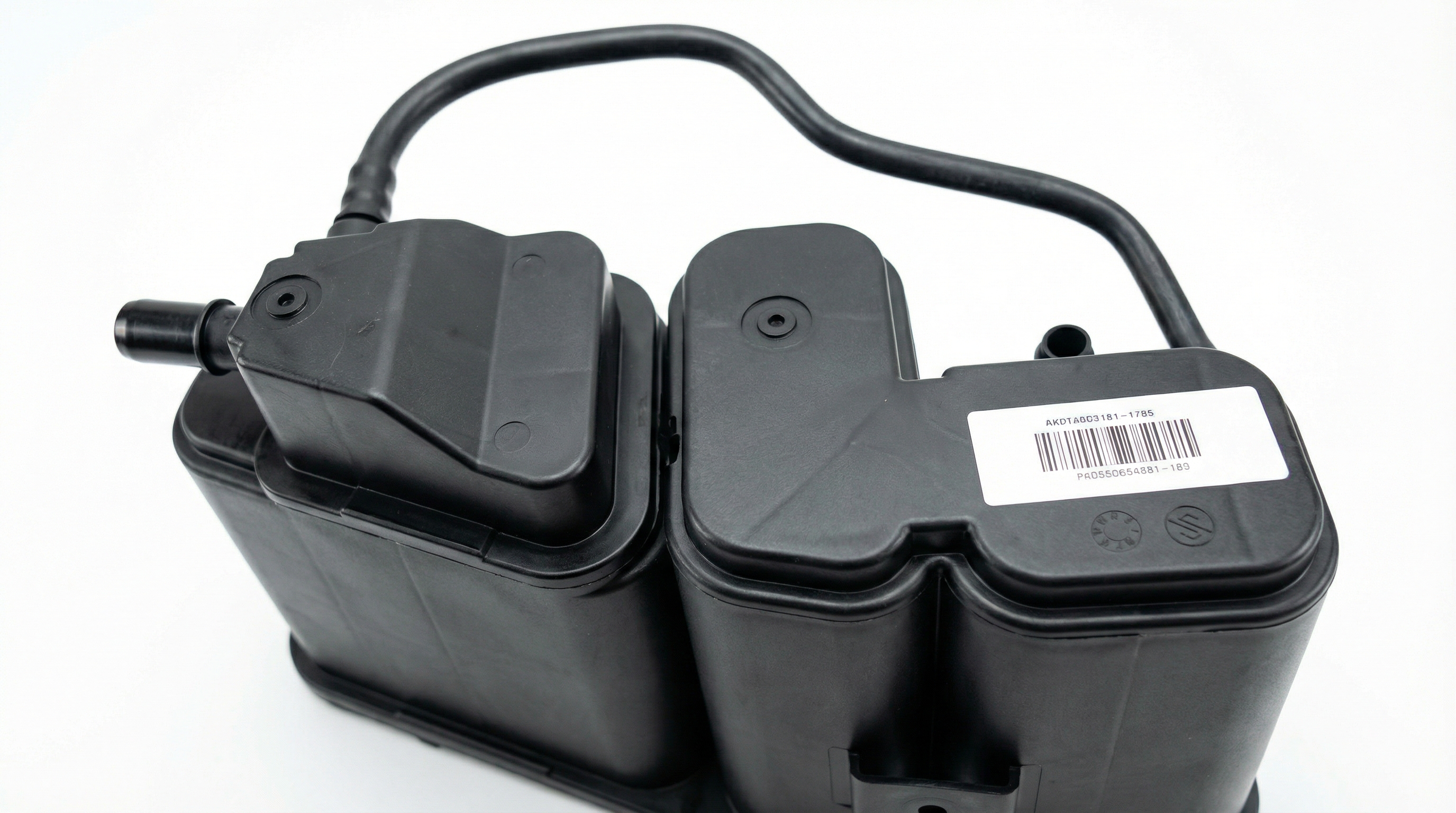
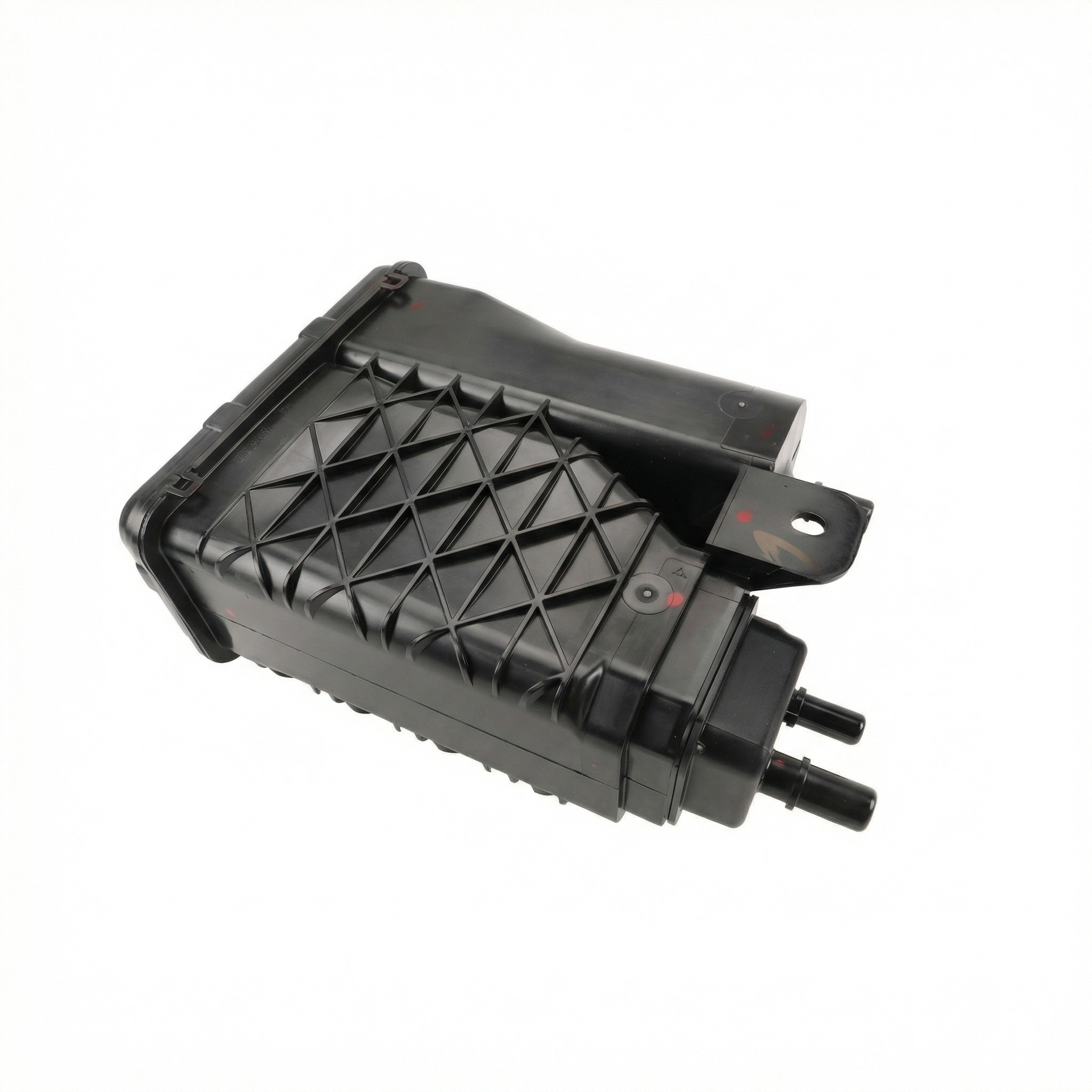
- Cracked EVAP Charcoal Canister: → Shop Vapor Canister The canister itself can develop cracks from road debris or age, creating a large leak. This is usually found during a smoke test after other common components have been checked. A video of a 2010 Malibu shows the canister located on the passenger side of the fuel tank.
- Damaged Fuel Filler Neck: → Shop Fuel Filler Neck Rust or damage to the metal filler neck where the gas cap seals can prevent a proper seal, even with a new cap. This is more common in regions with heavy road salt use. A smoke test will often reveal leaks from the filler neck area.
Diagnosis Steps
- Check the gas cap. Remove it, inspect the seal for cracks, and retighten it until it clicks several times. Clear the code and drive for a few days to see if it returns. This is the simplest and most common fix.
- If the code returns, perform a thorough visual inspection of all accessible EVAP hoses and lines in the engine bay and under the car, looking for obvious cracks, damage, or loose connections.
- Inspect the purge valve in the engine bay (passenger side on 7th gen). With the engine off, disconnect the hose and check if it's stuck open by trying to blow through it.
- Inspect the vent solenoid near the fuel tank. Check for damage or corrosion on the valve and its electrical connector. On 6th gen models (2004-2007), it is more accessible near the canister. On 7th gen models (2008-2011), access requires lowering the fuel tank.
- If no obvious issues are found, the most effective next step is to have a smoke test performed. A mechanic will inject pressurized smoke into the EVAP system. The smoke will escape from the point of the leak, making it easy to identify the faulty component or hose.
- Follow the diagnostic order recommended in TSB #21-NA-124: 1) Check all EVAP lines and connections. 2) Check for damage to lines. 3) Investigate vent valve function. 4) Investigate purge valve function.
Parts You'll Likely Need
- Gas Cap
(OEM #GT281 (ACDelco for 2004-2007), GT330 (ACDelco for 2008-2011))— This is the most frequent cause of a P0455 code due to a worn seal or not being tightened properly.
Trusted brands: ACDelco, Stant
OEM price range: $20-$30
Aftermarket price range: $10-$20 - EVAP Canister Purge Valve
(OEM #12610560 (Supersedes 25932571 for many applications))— This valve can get stuck open, causing a leak and often leading to starting issues after refueling. It's a common failure point and an easy fix.
Trusted brands: ACDelco, Dorman
OEM price range: $35-$50
Aftermarket price range: $20-$40 - EVAP Canister Vent Solenoid
(OEM #214-2149 (ACDelco for 2004-2008 models), 214-2324 (ACDelco for 2009-2011 models))— This valve gets stuck open from dirt and corrosion, preventing the system from sealing for its pressure test. The ACDelco part 214-2149 is listed for the 2004-2008 Malibu. A different part is required for later models.
Trusted brands: ACDelco, Dorman
OEM price range: $40-$60
Aftermarket price range: $25-$45
Related Codes That Often Appear With This One
- P0442 — P0442 indicates a small EVAP leak. Sometimes a component is beginning to fail and may trigger a small leak code before it worsens and triggers a large leak code (P0455). The TSB #21-NA-124 specifically mentions these two codes appearing together.
- P0449 — P0449 is a specific code for a fault in the EVAP vent solenoid control circuit. If this code is present with P0455, it points directly to an electrical issue with the vent solenoid or its wiring, rather than just a mechanical leak (stuck valve).
- P0496 — P0496 indicates 'EVAP Flow During a Non-Purge Condition,' which almost always points to a faulty purge valve that is stuck open. This code is often seen with P0455 because a stuck-open purge valve creates a large leak path. A YouTube video on a 2010 Malibu specifically addresses this combination.
Technical Service Bulletins (TSBs) & Recalls
- Bulletin #21-NA-124: Provides diagnostic tips for testing EVAP system leaks related to DTCs P0442 and/or P0455. It recommends a specific order of operations: check lines, then vent valve, then purge valve.
Platform-Specific Known Issues
- 7th Gen (2008-2011) Vent Solenoid Location: On 2008-2011 models, the EVAP vent solenoid is located on top of the fuel tank. Replacing it requires the fuel tank to be lowered or dropped, which significantly increases labor time and cost compared to the more accessible 6th generation location.
Mechanic-Grade Diagnostic Values
- Fuel Tank Pressure (FTP) Sensor Voltage — expected: ~1.5 Volts with the gas cap off (atmospheric pressure). Failure: A reading that is not ~1.5V with the system open to atmosphere may indicate a faulty sensor.
- EVAP Canister Purge Valve Solenoid Resistance — expected: 20 - 30 Ohms (general specification). Failure: A reading that is significantly higher, lower, or infinite (open circuit) indicates a faulty solenoid coil.
Scan Tool Commands That Help
- GM Tech2 / GDS2 or equivalent professional scan tool: EVAP Purge/Seal Test — This is a primary diagnostic test to run from the driver's seat. It commands the vent valve closed and the purge valve open to create a vacuum, then seals the system. By watching the Fuel Tank Pressure (FTP) sensor data, a technician can determine if the system holds vacuum, confirming or denying a physical leak without first using a smoke machine.
- Professional scan tool: EVAP Canister Vent Solenoid ON/OFF — Used to verify the vent solenoid is receiving the command from the ECM and to listen for an audible click. This helps determine if the issue is the solenoid itself or its wiring/connector.
- Professional scan tool: EVAP Canister Purge Solenoid (0-100%) — Used to command the purge valve open by a specific percentage. This verifies the ECM driver and wiring are functional and allows a technician to check for vacuum pull at the valve's port.
Wiring & Ground Locations
- EVAP Solenoid Wiring — Applies to both Purge and Vent solenoid connectors.. For both the purge and vent solenoids, one terminal (often Pin A) receives ignition voltage, while the other (often Pin B) is the control circuit that is grounded by the ECM to activate the solenoid. Testing for voltage at the connector is a key step in diagnosing a circuit fault (like P0449) vs. a faulty component.
- Purge Valve Location (7th Gen) — In the engine bay, on the passenger side, under the plastic engine cover.. Knowing the physical location is essential for visual inspection and replacement. It is relatively easy to access on these models.
- Vent Valve / Canister Location (7th Gen) — The canister is on the passenger side of the fuel tank, and the vent valve is located on or near it, often on top of the tank.. This confirms the difficult-to-access location for 2008-2011 models, which requires lowering the fuel tank for service and is a major factor in repair cost and difficulty.
Real Owner Repair Stories
- Chevrolet Forum user 'Mike Alpha' (2004 Chevrolet Trailblazer (similar GM EVAP system)) — Check Engine Light with code P0455.
❌ Tried (didn't work) Smoke test (found no leaks), Replaced gas cap, Replaced purge valve, Replaced vent valve (which failed a bench test)
✅ What actually fixed it The code persisted after replacing all common components. The final suspected cause was a faulty Fuel Tank Pressure (FTP) sensor giving incorrect readings, though the final repair was not confirmed in the thread. This highlights a situation where common fixes and even a smoke test are not enough.
"I Checked Everything" — The Actual Cause
- In some cases, a P0455 code can be triggered even if a smoke test shows no leaks. A user on a Chevrolet forum reported this exact scenario. After replacing the gas cap, purge valve, and vent valve, the code remained. The suspected cause was a faulty Fuel Tank Pressure (FTP) sensor, which can send incorrect voltage signals to the computer, making it believe a large leak exists when the system is actually sealed. A faulty FTP sensor is a known, though less common, cause of this code.
When the Usual Fixes Don't Work
- While the vast majority of P0455 codes are fixed by addressing the gas cap, purge valve, or vent valve, there are documented cases where these fixes do not resolve the issue. In one instance, a vehicle owner performed a smoke test which passed, then replaced all three common components, yet the P0455 code returned. The diagnostic path then led to suspecting a faulty Fuel Tank Pressure (FTP) sensor, which can electronically mimic the signature of a large leak without a physical leak being present. This demonstrates that in a minority of cases, the root cause is not a physical leak but a sensor failure.
OEM Part Supersession History
12610560 (Purge Valve)→12737252— Part update or redesign by manufacturer.
Heads up: Part number 12610560 has a complex history and is also shown to replace other numbers like 12661763. However, GM documentation indicates 12610560 is now superseded by 12737252. Always verify the correct part number with the vehicle's VIN.Multiple (e.g., 10382105, 15750484)→25932571 (Vent Valve)— Consolidation of part numbers into a redesigned part.
Heads up: A critical warning exists for part 25932571: 'THIS PART HAS BEEN REDESIGNED AND IS MOST LIKELY NOT CORRECT FOR YOUR VEHICLE. PLEASE CONTACT US WITH YOUR VIN SO WE CAN VERIFY THE CORRECT PARTS YOU NEED.' This indicates a high risk of purchasing an incompatible part if not verified by VIN.
Model Year Variations Within This Range
- 2004-2007 (6th Gen) vs. 2008-2011 (7th Gen): The EVAP vent solenoid on the 6th Gen is located near the charcoal canister in a relatively accessible area under the rear of the car. On the 7th Gen, it is located on top of the fuel tank, requiring the tank to be dropped for replacement, making the repair much more difficult and costly.
- 2004-2008 vs. 2009-2011: The ACDelco part numbers for the EVAP vent solenoid are different. Part #214-2149 is specified for 2004-2008 models, while #214-2324 is for 2009-2011 models, indicating a design change within the 7th generation.
Helpful Videos

Used OEM Parts in Stock
New Aftermarket Parts Available


The information in this article is provided for general reference and educational purposes only. Vehicle specifications, procedures, and part compatibility can vary by production date, trim level, and region. Always consult your vehicle's factory service manual and verify part numbers before purchasing or performing repairs. Safety-critical components such as airbags, seat belts, and braking systems should be installed by a qualified professional.
- Chevrolet MALIBU:
- 🧭 Diagnostic Flowchart
- 🎬 Helpful Videos
- 🛍️ Shop This Part
- What's Unique About the 2004-2011 Chevrolet MALIBU
- Symptoms You May Notice
- Most Likely Causes
- Rare But Worth Checking
- Diagnosis Steps
- Parts You'll Likely Need
- Related Codes That Often Appear With This One
- Technical Service Bulletins (TSBs) & Recalls
- Platform-Specific Known Issues
- Mechanic-Grade Diagnostic Values
- Scan Tool Commands That Help
- Wiring & Ground Locations
- Real Owner Repair Stories
- "I Checked Everything" — The Actual Cause
- When the Usual Fixes Don't Work
- OEM Part Supersession History
- Model Year Variations Within This Range
- 🎟️ Get 5% Off