

P0455 on 2000-2007 Chevrolet Monte Carlo: EVAP Large Leak Causes and Fixes
P0455 on a 2000-2007 Monte Carlo indicates a large leak in the evaporative emissions (EVAP) system. The most common and cheapest fix is to tighten or replace the gas cap. If that doesn't solve it, the EVAP vent solenoid, located near the rear wheel, is the next most likely cause due to its exposure to the elements. The purge solenoid in the engine bay is another frequent culprit.
- P0455 means your Monte Carlo has a large leak in the emissions system designed to control fuel vapors.
- Always check your gas cap first. Make sure it's tight and the seal is in good condition. This is the most common and cheapest fix.
- If the gas cap isn't the issue, the next most likely causes are the EVAP vent solenoid (near the gas tank) or the purge solenoid (in the engine bay).
- You can continue to drive the car, but you will fail an emissions test and may notice a fuel smell until the leak is repaired.
What's Unique About the 2000-2007 Chevrolet MONTE CARLO
The 2000-2007 Chevrolet Monte Carlo belongs to the sixth generation, built on the GM W-body platform. For these vehicles, EVAP system components, particularly the vent and purge solenoids, are common failure points. The vent solenoid is notoriously positioned behind the driver's side rear wheel well, where it is constantly exposed to road salt, water, and debris, causing the valve and its metal bracket to rust and fail. While the gas cap is always the first suspect, owners of these specific cars frequently find the issue lies with one of the system's valves.
Diagnostic Flowchart
Tap your situation to follow the diagnostic path that matches what you're seeing on this vehicle.
Symptoms You May Notice
- Check Engine Light is on.
- A noticeable fuel smell, especially near the gas tank area or when the vehicle is parked in an enclosed space like a garage.
- In rare cases, a rough idle or difficulty starting if the purge valve is stuck open.
- Difficulty refueling where the gas pump nozzle clicks off repeatedly before the tank is full, which can be related to a blocked vent path (often associated with code P0446 but can be linked to vent solenoid issues).
- Replacing the purge valve when the vent valve is the actual problem, or vice-versa. Both can cause the code, so proper diagnosis is key. A smoke test is the best way to differentiate.
- Replacing other fuel system components before checking the gas cap, which is the simplest and most frequent cause.
- Assuming a large leak means a large visible hole. The computer's definition of a 'large' leak can still be a very small, hard-to-see crack in a hose that is only found with a smoke test.
Most Likely Causes
- Loose, Damaged, or Incorrect Gas Cap 🔴 High Probability → Shop Fuel Tank Cap This is the most common cause for a P0455 code on almost any vehicle, including the Monte Carlo. The rubber seal can degrade over time, or the cap may simply not have been tightened until it clicked. Aftermarket caps are also a frequent source of leaks.
How to confirm: Inspect the gas cap for cracks or a worn, brittle seal. Ensure it is tightened until it clicks at least once. Also, inspect the fuel filler neck for rust or debris that could prevent a good seal. A user on a Car Talk forum noted that rust on the filler pipe where the cap seals can cause this code.
Typical fix: Tighten the cap. If the seal is damaged or the cap is incorrect, replace it with a new OEM or high-quality aftermarket cap.
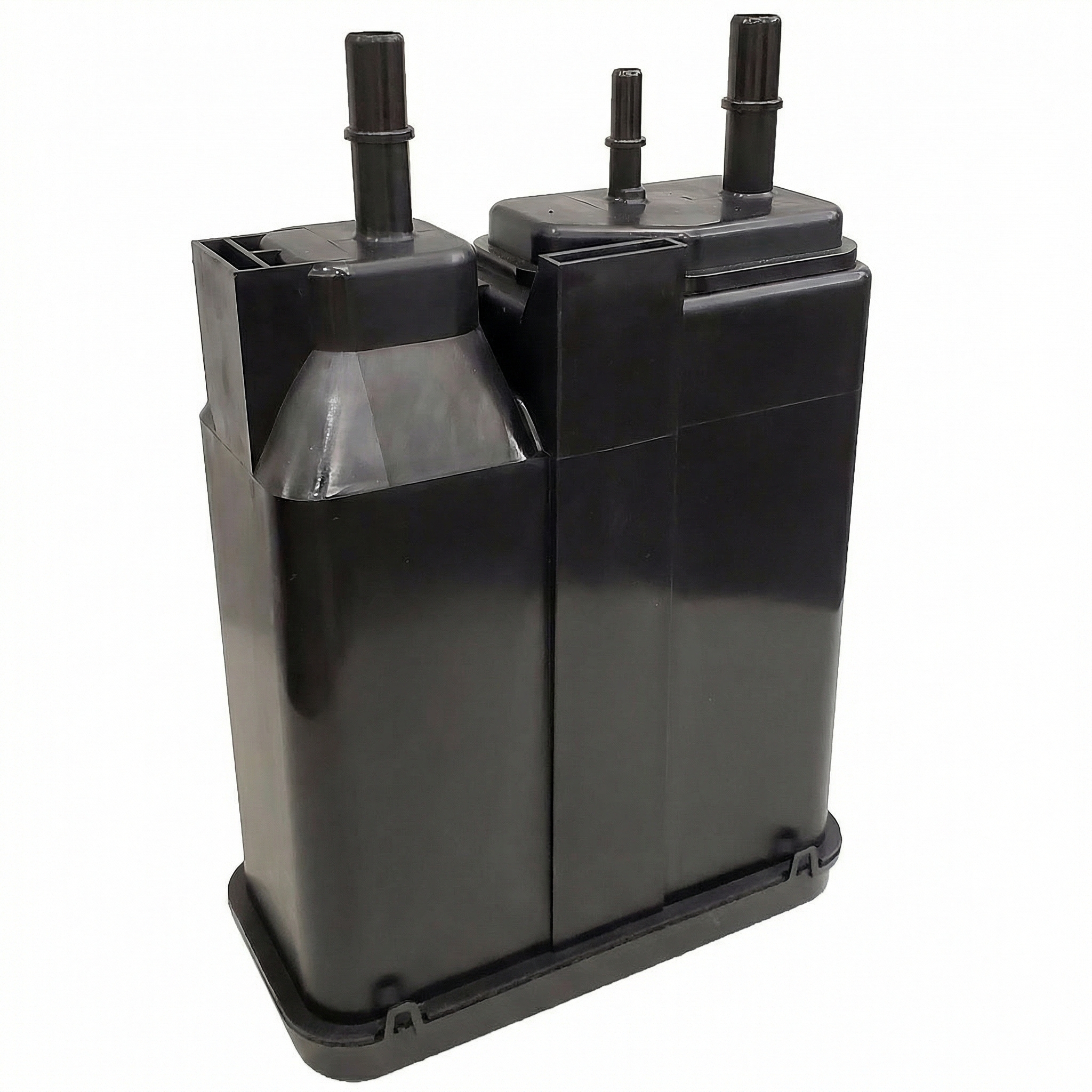
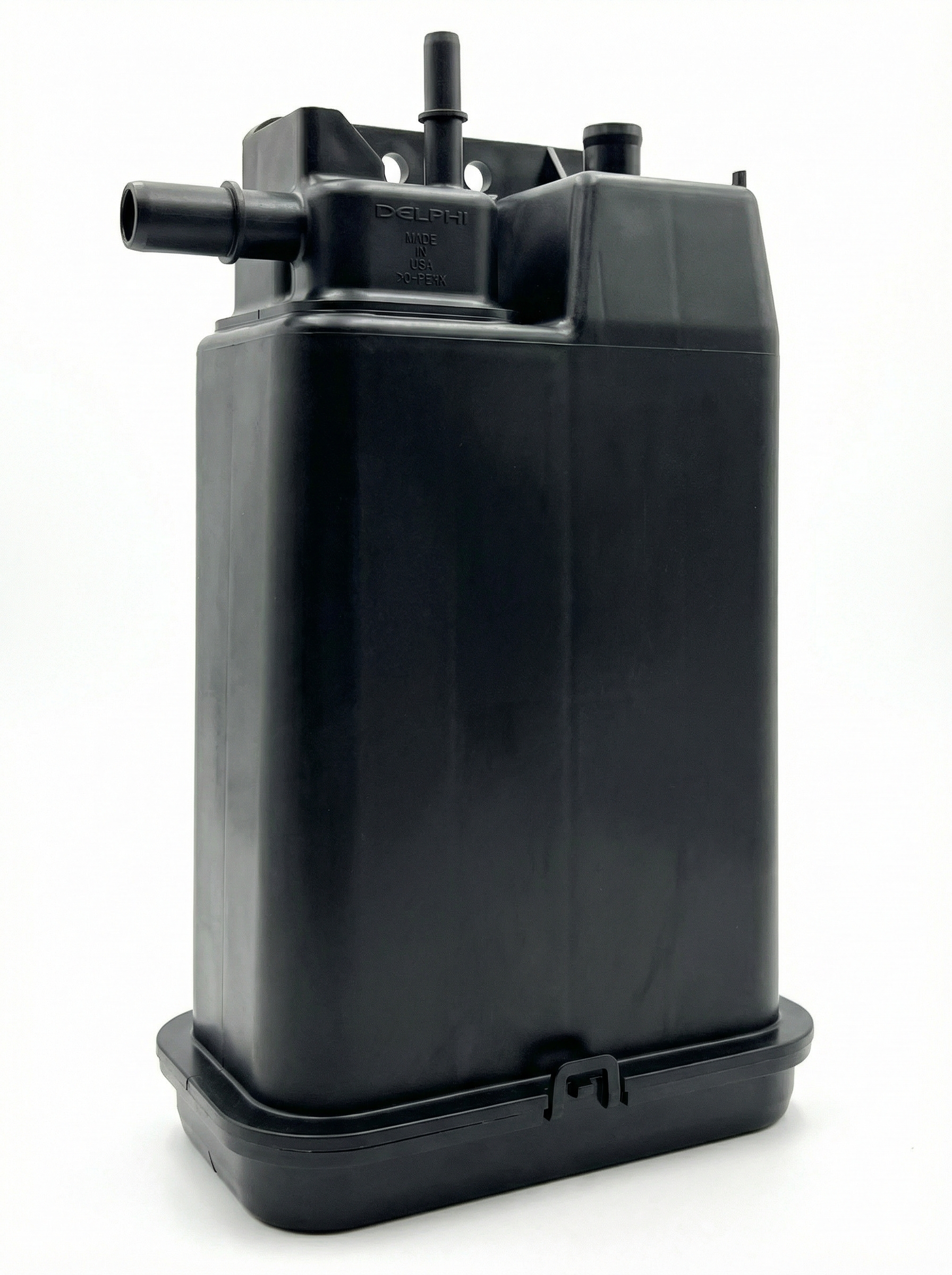
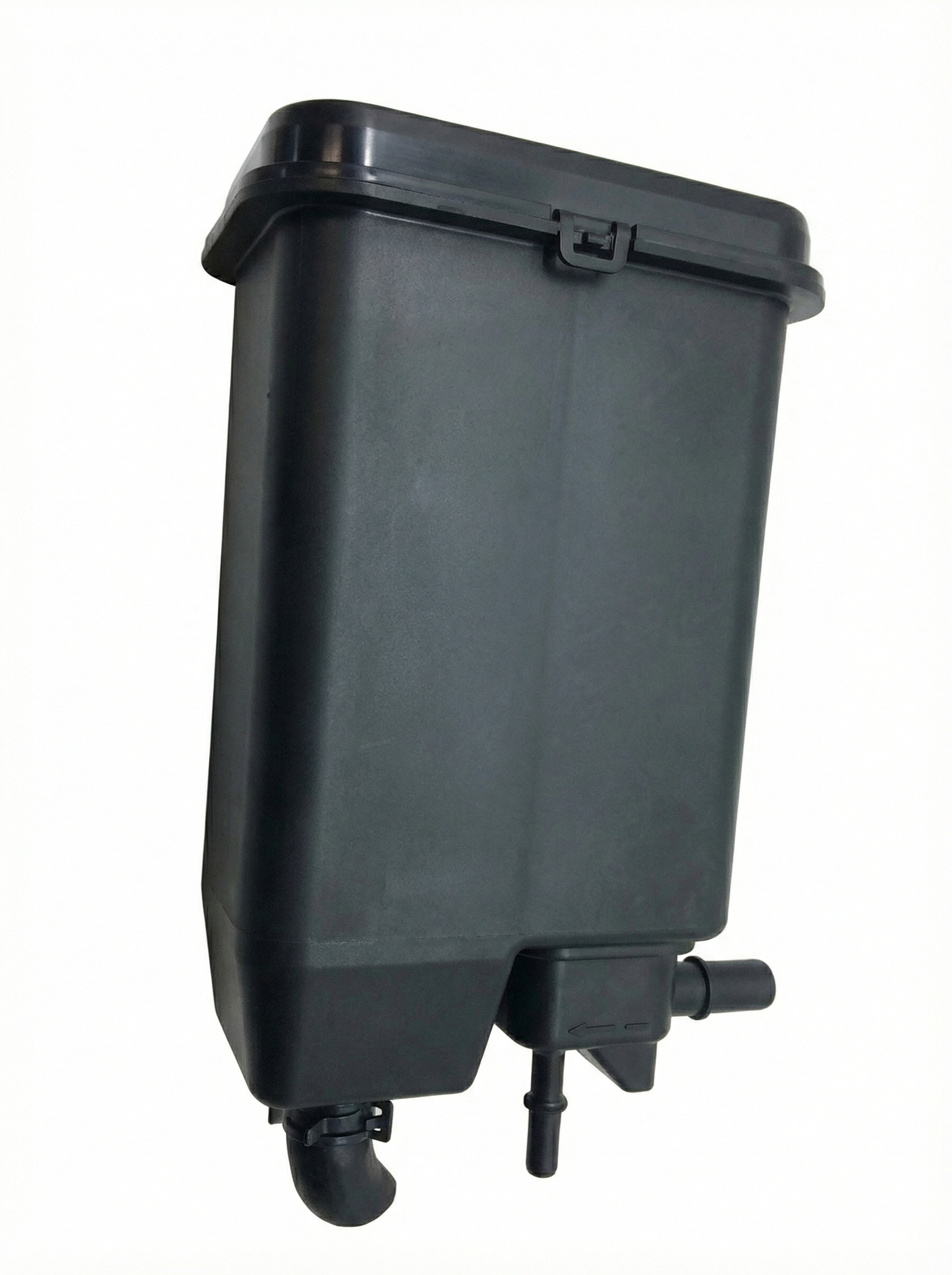
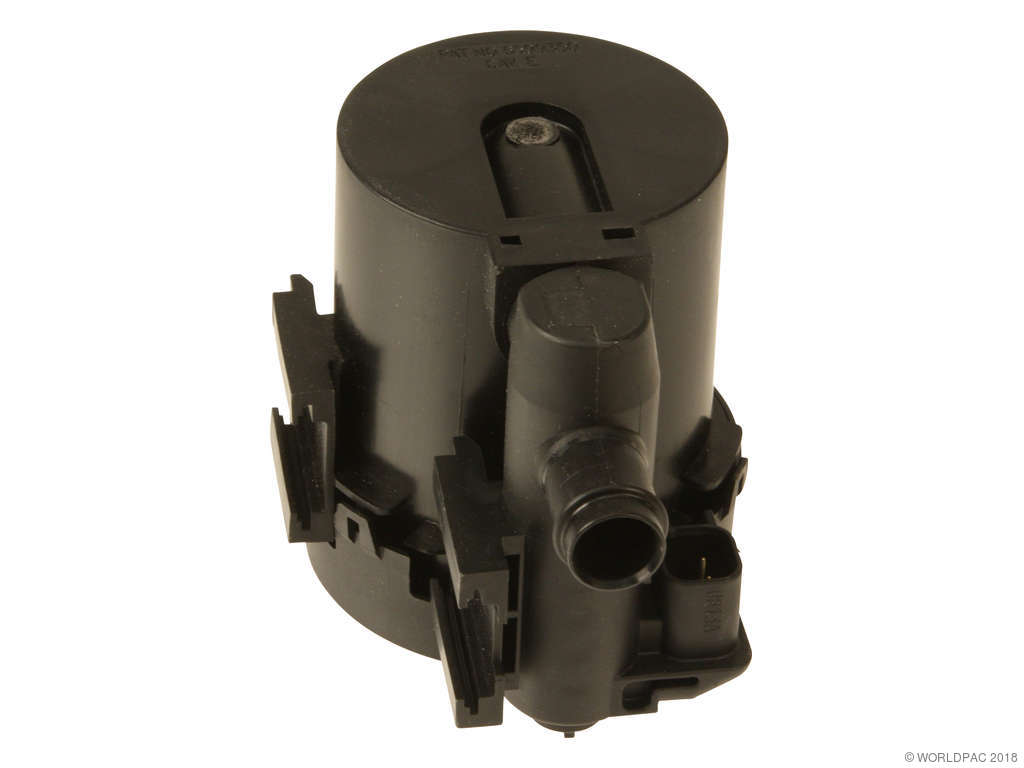
Est. part cost: $10-$30 - Faulty EVAP Vent Solenoid/Valve 🟡 Medium Probability → Shop Vapor Canister The vent solenoid is located behind the driver's side rear wheel, mounted to a bracket near the charcoal canister. This location makes it extremely vulnerable to corrosion from road salt and moisture, causing the valve to get stuck open or closed, or for the electrical connector to fail. The mounting bracket often rusts away completely.
How to confirm: The valve can be tested with a scan tool that can command it to close. A mechanic can also apply 12V power and ground to the solenoid's pins to see if it actuates (clicks). A visual inspection will likely reveal heavy rust. This failure is often accompanied by code P0449 (EVAP Vent Solenoid Control Circuit).
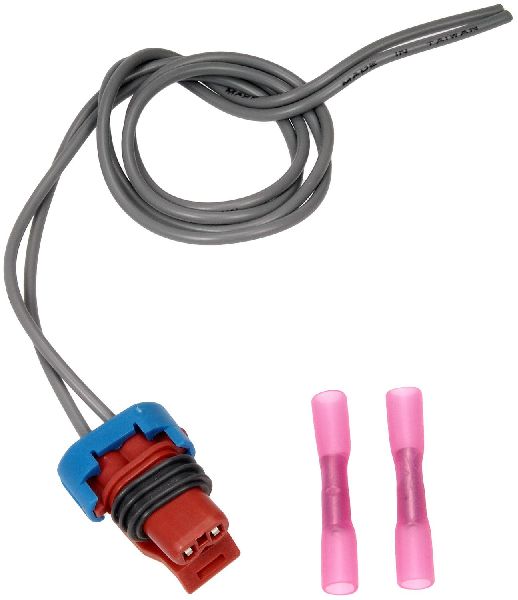
Typical fix: Replacement of the vent solenoid valve. Often the original connector is a different style than the replacement part, requiring the use of an included adapter harness. It's wise to clean or paint the rusty mounting bracket during replacement.
Est. part cost: $25-$60 - Faulty EVAP Purge Solenoid/Valve 🟡 Medium Probability → Shop Vapor Canister This valve is located in the engine bay, usually on top of or near the intake manifold. It can fail by getting stuck open, creating a constant vacuum leak into the intake manifold that the system detects as a large leak. It can also get stuck closed, preventing the system from pulling a vacuum during its self-test.
How to confirm: With the engine off, disconnect the hose from the intake manifold side of the valve and try to blow through it. If air passes through, the valve is stuck open and needs to be replaced. A scan tool can also command the valve to open and close to check for function.
Typical fix: Replacement of the purge solenoid valve. This is typically a very easy repair requiring minimal tools.
Est. part cost: $20-$50 - Cracked or Disconnected EVAP Hoses ⚪ Low Probability Over time, the plastic and rubber lines that make up the EVAP system can become brittle and crack, or get disconnected, especially at connection points to the canister, purge valve, or fuel tank.
How to confirm: A visual inspection of all accessible EVAP lines is the first step. For hard-to-find leaks, a smoke test is the most effective diagnostic method. A machine fills the EVAP system with visible smoke, and the leak can be pinpointed by seeing where the smoke escapes.
Typical fix: Replace the cracked section of hose or reconnect a loose line.
Est. part cost: $5-$20 for a hose section
Rare But Worth Checking
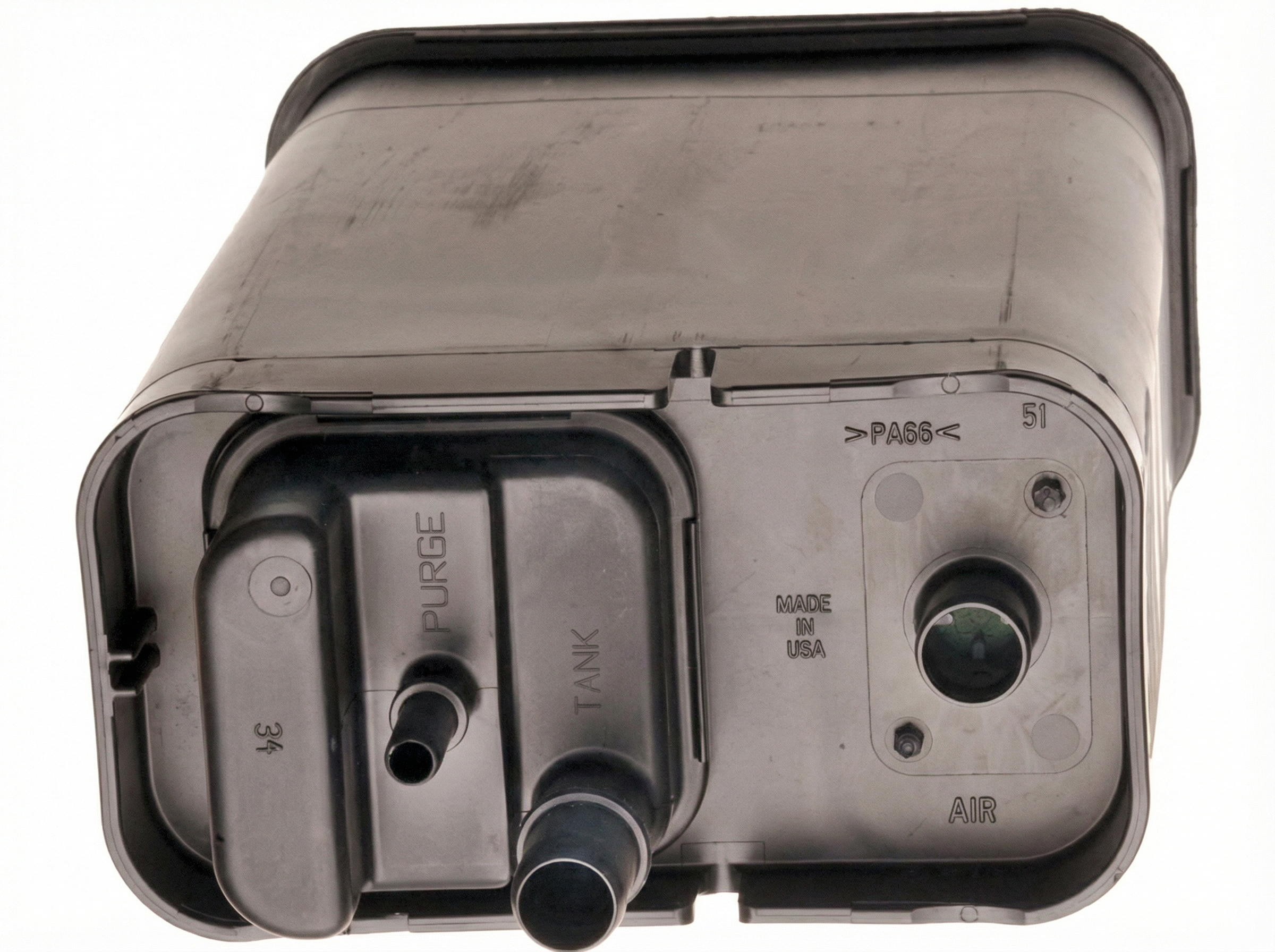
- Cracked Charcoal Canister: → Shop Vapor Canister The canister itself, located near the vent solenoid, can develop cracks from age or impact from road debris, creating a large leak. This is less common than valve failures but should be checked during a smoke test.
- Rusted Fuel Filler Neck: → Shop Fuel Filler Neck In regions with heavy road salt use, the metal fuel filler neck can rust where the gas cap seals, preventing a proper seal even with a new cap. A visual and tactile inspection of the filler neck sealing surface is necessary if a new gas cap doesn't fix the code.
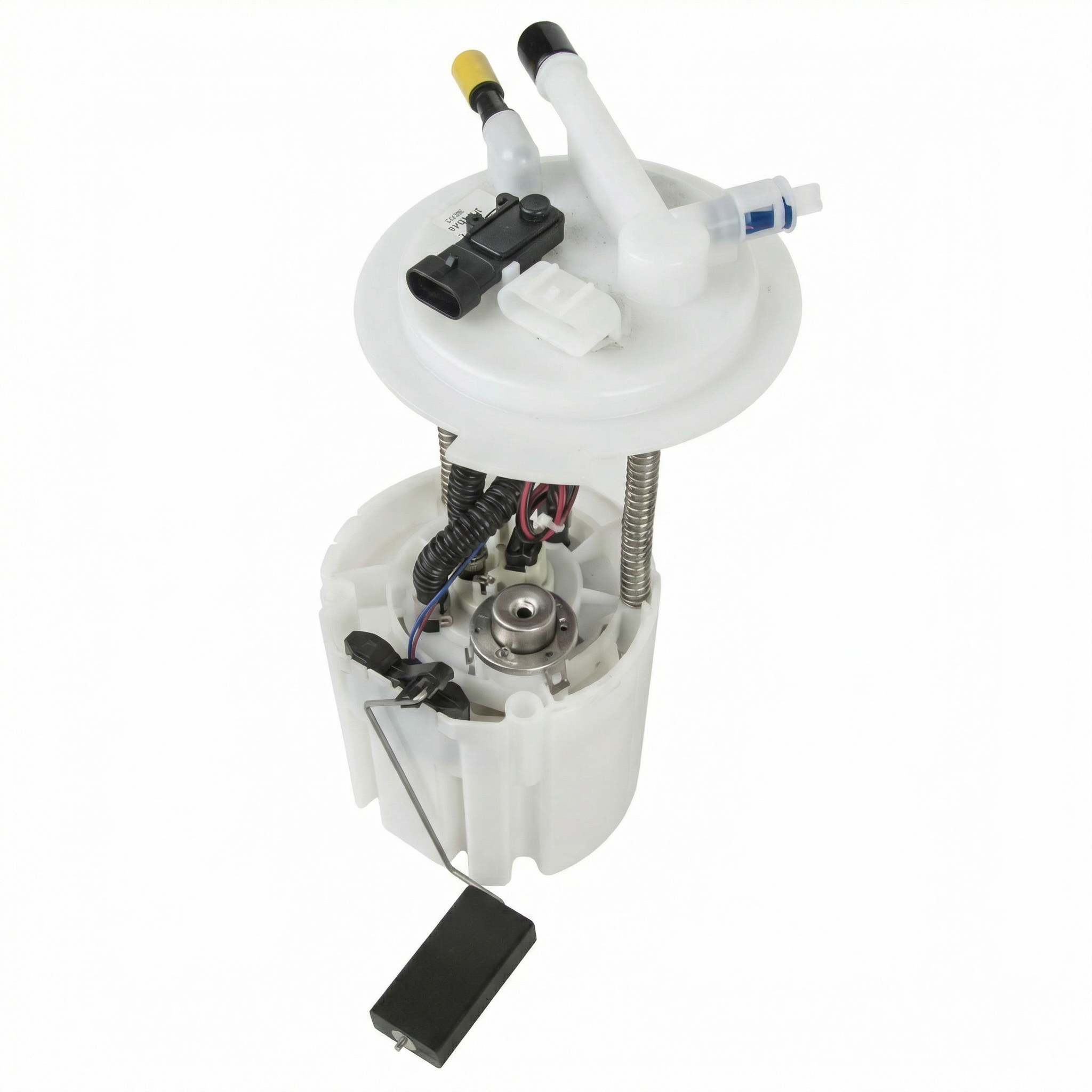
- Faulty Fuel Tank Pressure Sensor: → Shop Fuel Tank A faulty sensor can send incorrect readings to the computer, making it think there is a leak when there isn't one. This will often be accompanied by other pressure sensor-specific codes (e.g., P0452, P0453).
Diagnosis Steps
- Check the gas cap. Ensure it is tight and clicks when closed. Remove it and inspect the rubber seal for cracks or brittleness. Also, check the fuel filler neck for rust or dirt.
- If the gas cap is okay, clear the code and drive for a few days to see if it returns. Some systems require specific drive cycle conditions to re-run the EVAP test.
- If the code returns, perform a thorough visual inspection of all accessible EVAP hoses and lines in the engine bay and under the vehicle near the driver's side rear wheel. Look for obvious cracks, disconnections, or damage.
- Locate the EVAP purge valve in the engine bay. With the engine off, disconnect it and try to blow through it. If air passes, it's stuck open and must be replaced.
- Locate the EVAP vent valve near the charcoal canister at the rear of the vehicle. Inspect it for heavy rust or physical damage. Test it by applying 12V power to see if it clicks.
- If the leak source is still not apparent, the most effective and recommended method is to have a smoke test performed. This will pressurize the system with smoke and make even small leaks visible, saving hours of guesswork.
Parts You'll Likely Need
- Gas Cap
(OEM #GT248 (ACDelco))— This is the most frequent cause of a P0455 code due to being loose or having a failed seal.
Trusted brands: ACDelco, Stant
OEM price range: $20-$35
Aftermarket price range: $10-$25 - EVAP Canister Vent Solenoid Valve
(OEM #214-2324 (ACDelco, supersedes older numbers), 19257603 (Required adapter harness for some replacements))— This part is exposed to the elements under the car and frequently fails by getting stuck or corroding, preventing the system from sealing for its test.
Trusted brands: ACDelco, Dorman (911-060), Standard Motor Products (CVS114)
OEM price range: $40-$70
Aftermarket price range: $25-$60 - EVAP Canister Purge Solenoid Valve
(OEM #214-1680 (ACDelco, for 3.8L V6))— This valve can get stuck open, causing a constant leak that the system detects. It's a common failure point on many GM vehicles of this era.
Trusted brands: ACDelco, Dorman (911-035), Delphi
OEM price range: $30-$60
Aftermarket price range: $20-$50
Related Codes That Often Appear With This One
- P0442 — P0442 indicates a small EVAP leak. Sometimes a component is beginning to fail and may intermittently cause a P0455 or a P0442, as noted in TSB #21-NA-124.
- P0449 — This code specifically points to a fault in the EVAP Vent Solenoid Control Circuit. Since the vent solenoid is a very common failure point on these vehicles, P0449 is frequently seen alongside or instead of P0455.
- P0446 — This code indicates a restriction in the EVAP vent system. It's often caused by a faulty vent solenoid or a filter clogged with dust/debris, as detailed in TSB 02-06-04-037.
Technical Service Bulletins (TSBs) & Recalls
- 21-NA-124: Mentions providing diagnostic tips for testing EVAP leaks related to DTCs P0442 and/or P0455.
- 02-06-04-037J: While specifically for code P0446 (Restricted Vent Path), this TSB is highly relevant. It addresses issues with the vent solenoid and suggests relocating the vent's air filter intake to a less exposed location (like up near the transmission bell housing) to prevent dust and debris from clogging the system, which is a common problem in these vehicles.
Platform-Specific Known Issues
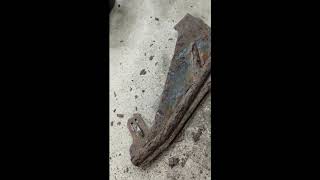
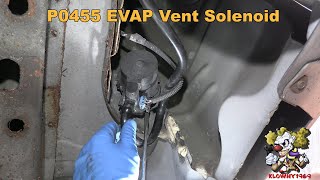
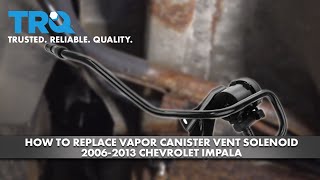
- Vent Solenoid Bracket Rust-Out: The metal bracket holding the vent solenoid in the rear wheel well area is notorious for rusting through and breaking, leaving the solenoid dangling by its hoses and wires. A YouTube video by 'klowny1969' on a 2007 Impala shows this exact failure, which is identical on the Monte Carlo. When replacing the solenoid, it is common practice to sand and paint the bracket or fabricate a new mount.
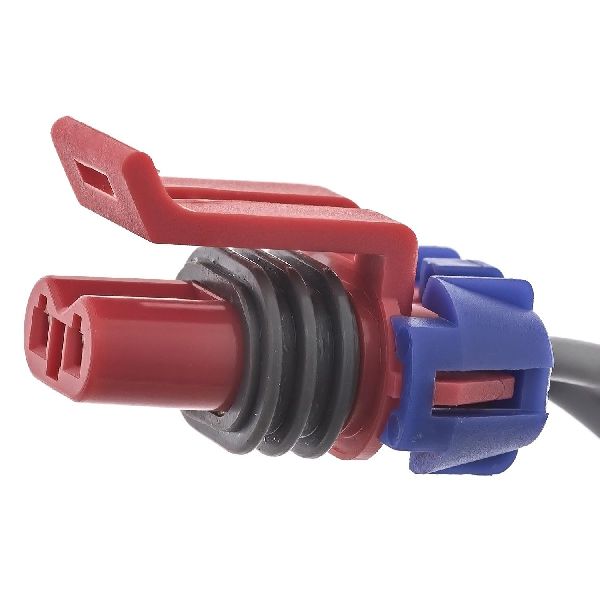
- Vent Solenoid Connector Mismatch: Many replacement vent solenoids are updated designs that use a different electrical connector than the one on the factory wiring harness. These replacement parts typically come with a pigtail adapter harness that must be used to connect the new part to the vehicle.
Mechanic-Grade Diagnostic Values
- EVAP Purge Solenoid Coil Resistance — expected: 20-50 Ohms. Failure: A reading significantly outside this range indicates a faulty solenoid coil.
- EVAP Canister Vent Solenoid Coil Resistance — expected: 48-65 Ohms. Failure: A reading outside this range suggests a bad coil in the vent solenoid.
- Fuel Tank Pressure (FTP) Sensor Voltage (Key On, Engine Off, Gas Cap Off) — expected: Approximately 1.3V to 1.7V. Failure: A reading stuck high (near 5V) or low (near 0V) suggests a faulty sensor or wiring issue.
Scan Tool Commands That Help
- GM Tech 2 / GDS2: EVAP Purge/Seal — This is a powerful bidirectional test that commands the vent solenoid to close (seal) and the purge solenoid to open, applying engine vacuum to the entire EVAP system. While monitoring the Fuel Tank Pressure sensor, a technician can quickly determine if the system can hold a vacuum. If the vacuum doesn't build, it confirms a large leak or blockage.
- GM Tech 2 / GDS2: EVAP Vent Solenoid Control — This command allows the technician to manually open and close the vent solenoid. By commanding it closed and then performing a smoke test, you can confirm if the solenoid is sealing properly. If smoke escapes from the vent solenoid while it's commanded closed, the solenoid is faulty.
Wiring & Ground Locations
- G111 — Top right of the engine, below the ignition control module (on 3.8L engines).. This is a primary engine ground. The engine-mounted EVAP purge solenoid relies on a solid engine ground to function correctly. A loose or corroded G111 can cause intermittent electrical issues for the purge solenoid, potentially leading to EVAP codes.
- G113 — On a transaxle stud, near the starter.. This is another critical ground for engine and transmission-related components. The Powertrain Control Module (PCM), which controls the entire EVAP system, uses this and other grounds as a reference. A poor connection here can cause unpredictable behavior from the PCM and its controlled solenoids.
- EVAP Vent Solenoid Connector — Behind the left rear splash shield in the wheel well, connected to the vent solenoid.. This connector is in a location highly prone to moisture and corrosion. A bad connection here can cause a P0449 (Vent Control Circuit) code or prevent the vent solenoid from closing, directly causing a P0455 leak code.
Real Owner Repair Stories
- Car Talk Community Forum user @blaze420711 (2006 Monte Carlo) — Check engine light with a 'large evap leak' code.
❌ Tried (didn't work) Replacing the gas cap (light went off for a day, then returned).
✅ What actually fixed it The final fix was not posted, but another user (@common-sense-answer) strongly suggested the root cause was likely rust on the fuel-filler pipe where the gas cap seal makes contact, which is a common issue in rust-belt states. Cleaning this surface to shiny metal is the recommended fix before suspecting other parts.
"I Checked Everything" — The Actual Cause
- In cases where a smoke test reveals no visible leaks, the P0455 code can be caused by a faulty Fuel Tank Pressure (FTP) sensor. The sensor may provide an incorrect voltage reading to the computer, making it believe there is a large leak when the system is actually sealed. On a GM vehicle of this era, the FTP sensor should read around 1.5 volts with the gas cap off (at atmospheric pressure). If the scan tool shows a reading that is stuck high or low and does not change when the gas cap is removed, the sensor itself is likely the culprit, not an actual leak.
OEM Part Supersession History
Various older PNs→ACDelco 214-2324— GM consolidated several older vent solenoid designs into this single part number.
Heads up: When replacing an older style vent solenoid with 214-2324, a jumper harness (p/n 19257603) is often required to adapt the new square connector to the vehicle's original oval-shaped harness connector. Many aftermarket kits include this adapter.
Model Year Variations Within This Range
- 2006-2007: The 2006-2007 Monte Carlo introduced new engine options (3.5L V6, 3.9L V6, 5.3L V8) alongside the previous generation's 3.8L V6. While the EVAP system's function is the same, the physical location of the EVAP Purge Solenoid may differ slightly. On the 3.8L, it is typically on the intake manifold, while on the newer engines, its placement may vary. However, the failure-prone EVAP Vent Solenoid remains in the same location at the rear of the vehicle across all engine types for this generation.
Helpful Videos


Used OEM Parts in Stock
New Aftermarket Parts Available


The information in this article is provided for general reference and educational purposes only. Vehicle specifications, procedures, and part compatibility can vary by production date, trim level, and region. Always consult your vehicle's factory service manual and verify part numbers before purchasing or performing repairs. Safety-critical components such as airbags, seat belts, and braking systems should be installed by a qualified professional.
- Chevrolet MONTE CARLO:
- 🧭 Diagnostic Flowchart
- 🎬 Helpful Videos
- 🛍️ Shop This Part
- What's Unique About the 2000-2007 Chevrolet MONTE CARLO
- Symptoms You May Notice
- Most Likely Causes
- Rare But Worth Checking
- Diagnosis Steps
- Parts You'll Likely Need
- Related Codes That Often Appear With This One
- Technical Service Bulletins (TSBs) & Recalls
- Platform-Specific Known Issues
- Mechanic-Grade Diagnostic Values
- Scan Tool Commands That Help
- Wiring & Ground Locations
- Real Owner Repair Stories
- "I Checked Everything" — The Actual Cause
- OEM Part Supersession History
- Model Year Variations Within This Range
- 🎟️ Get 5% Off