

P0455 on 2004-2011 Chevrolet Suburban: EVAP Large Leak Causes and Fixes
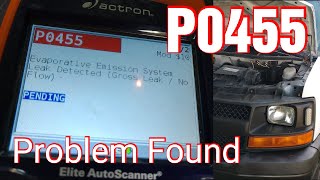
P0455 on a 2004-2011 Suburban indicates a large leak in the EVAP system. The most common causes are a loose or faulty gas cap, or a bad EVAP vent solenoid located near the spare tire. A gas cap is about $15-$30, while a vent solenoid costs between $30 and $70. If code P0449 is also present, the vent solenoid is almost certainly the culprit.
- P0455 means a large EVAP leak. This will not stop you from driving but will cause an emissions test failure.
- Always check the gas cap first. Ensure it's tight and the seal is in good condition.
- The most likely part to have failed is the EVAP vent solenoid, located near the spare tire, due to its exposure to the elements.
- If the gas cap and vent solenoid seem okay, a smoke test is the most reliable way to find the leak and avoid replacing unnecessary parts.
What's Unique About the 2004-2011 Chevrolet SUBURBAN

This year range covers two Suburban generations, the GMT800 (2000-2006) and GMT900 (2007-2014). On both, a very common failure point is the EVAP vent solenoid, which is mounted on the frame near the spare tire. Its exposed location makes it highly susceptible to damage from road debris, moisture, and rust, leading to frequent P0455 codes. Some owners have even relocated the vent valve to a less exposed location to prevent repeat failures. While the part's function is the same across generations, the specific design, part number, and mounting brackets differ significantly.
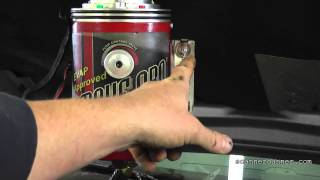
🎬 See this walkthrough for replacing the vent solenoidDiagnostic Flowchart

Tap your situation to follow the diagnostic path that matches what you're seeing on this vehicle.
Generation note: This guide covers the end of the 9th generation (GMT800, 2004-2006) and the beginning of the 10th generation (GMT900, 2007-2011). The EVAP vent solenoid is a common failure on both, located near the spare tire. However, the part design, mounting, and electrical connectors are different. The GMT800 vent solenoid is often a rectangular valve (e.g., ACDelco 214-1091/GM 15759044), while the GMT900 uses a round valve, often sold as a kit with a new filter box (e.g., ACDelco 214-2149/GM 19207763). The purge solenoid is on the intake manifold for both generations but in slightly different positions.
Symptoms You May Notice
- Check Engine Light is on
- A faint smell of gasoline, particularly around the rear of the vehicle or after parking.
- Difficulty starting immediately after refueling (less common).
- Gas pump nozzle clicks off repeatedly before the tank is full (a symptom of a clogged or stuck-closed vent system).
- Replacing the charcoal canister when only the vent solenoid is bad. The vent solenoid is often sold with the canister but can be replaced separately at a much lower cost.
- Replacing multiple parts without diagnosis. As seen in an owner complaint, replacing the gas cap, purge valve, and canister valve without a proper smoke test can be costly and ineffective. [ODI #11315633] A forum user on TahoeYukonForum.com experienced a similar issue, replacing multiple parts before a smoke test was recommended.
- Using cheap aftermarket parts. A forum member reported that their issue was only resolved after replacing aftermarket solenoids with genuine AC Delco parts.
Most Likely Causes

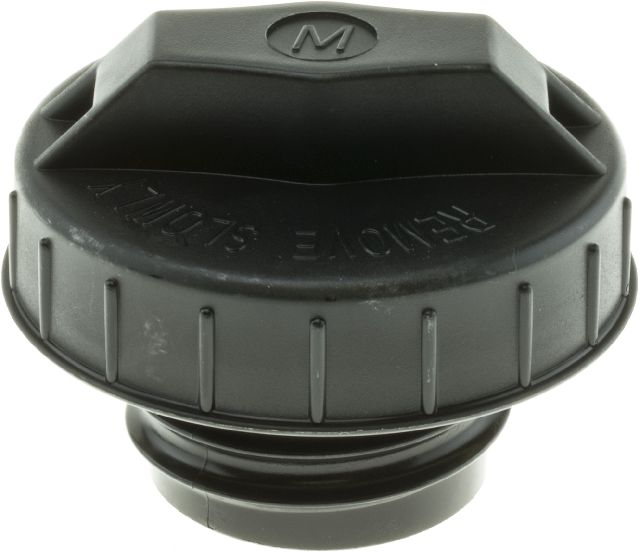
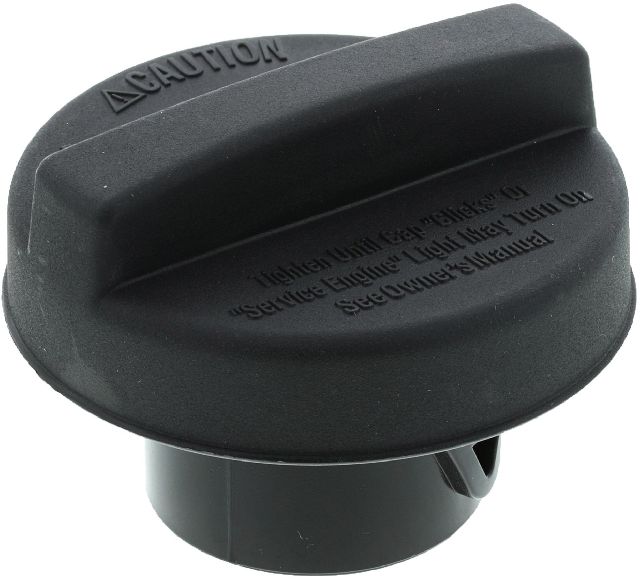
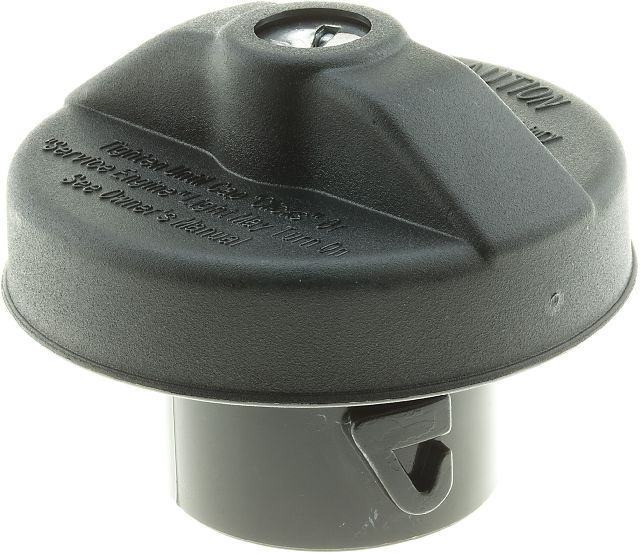
- Loose, Damaged, or Incorrect Gas Cap 🔴 High Probability → Shop Fuel Tank Cap The gas cap is the most frequently removed and re-installed part of the emissions system. Seals wear out over time, and it's easy to forget to tighten it until it clicks. Using a non-OEM cap can also lead to sealing issues.
How to confirm: Ensure the gas cap is tightened until it clicks at least once. Inspect the rubber seal on the cap for cracks, stiffness, or damage. Check that you are using an OEM or equivalent quality cap (e.g., ACDelco GT330). After tightening or replacing, the code must be cleared with a scan tool; it will not go away on its own immediately.
Typical fix: Tighten or replace the gas cap.
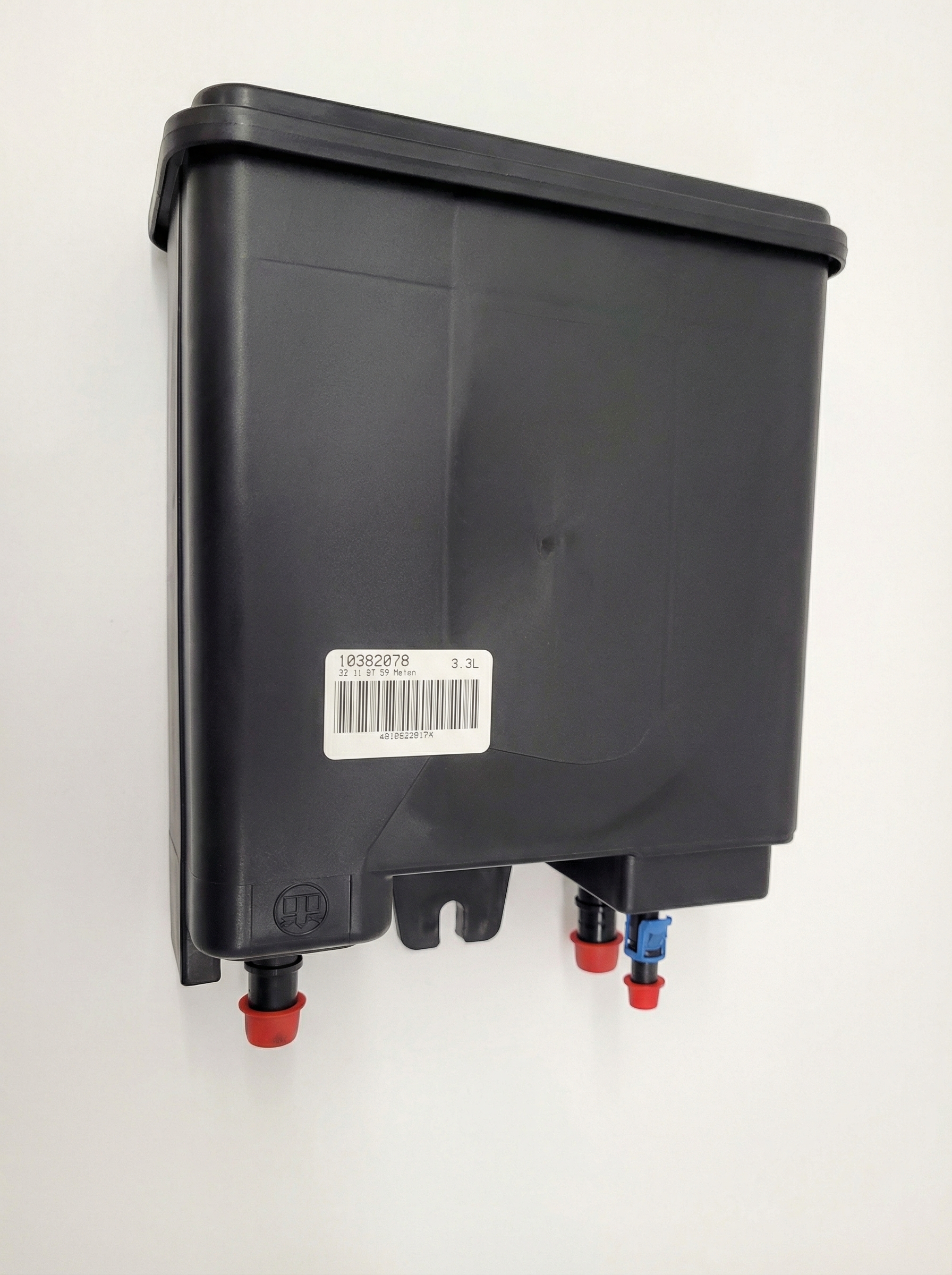
Est. part cost: $15-$30 - Faulty EVAP Vent Solenoid 🔴 High Probability → Shop Vapor Canister The vent solenoid is located under the truck near the spare tire, where it is exposed to road salt, water, and debris. This causes the valve to corrode and get stuck open, creating a large leak. This is such a common failure that GM issued service bulletins and created relocation kits for some truck platforms.
How to confirm: Visually inspect the solenoid for cracks or heavy rust. You can test it by applying 12V power to its terminals; a working solenoid should 'click' closed (it is normally open). If it doesn't click, or if it clicks but remains open (can be tested by blowing through it), it is faulty. A smoke test is the definitive method to confirm it's leaking. The presence of code P0449 alongside P0455 almost guarantees a vent solenoid circuit fault.
Typical fix: Replace the EVAP vent solenoid. It is often recommended to use an OEM ACDelco part, as some owners report issues with aftermarket solenoids.
Est. part cost: $30-$70 - Faulty EVAP Purge Solenoid/Valve 🟡 Medium Probability → Shop Vapor Canister This valve, located on the engine's intake manifold, can get stuck open over time due to carbon buildup or wear, creating a constant vacuum leak from the EVAP system into the engine.
How to confirm: With the engine off, remove the valve and try to blow through it. If air passes through, it is stuck open and faulty. It should be normally closed when no power is applied. You can also test it by starting the engine cold; there should be no vacuum felt at the inlet port until the engine warms up and the computer commands it to open.
Typical fix: Replace the purge solenoid.
Est. part cost: $25-$50 - Cracked or Disconnected EVAP Hoses 🟡 Medium Probability Rubber and plastic lines become brittle with age and heat cycles. Lines near the charcoal canister and fuel tank are also susceptible to road debris damage. On some GM trucks, the steel EVAP lines running along the frame can rust through, causing a leak.
How to confirm: Visually inspect all accessible EVAP lines for obvious cracks, breaks, or loose connections. Pay close attention to the lines running along the frame rail. A smoke test is the most effective way to find a leak in a hose.
Typical fix: Replace the damaged section of hose or rusted steel line.
Est. part cost: $10-$100
Rare But Worth Checking
- Cracked Charcoal Canister: → Shop Vapor Canister The plastic housing of the canister can be cracked by road debris or impact, causing a large leak. This was a part replaced in an owner complaint. [ODI #11315633] An owner on TahoeYukonForum.com also replaced the canister to resolve their P0455 code after other parts failed to fix it.
- Leaking Fuel Tank Filler Neck: → Shop Fuel Tank Rust and corrosion can perforate the metal filler neck where the gas cap seals, preventing a proper seal and causing a large leak code. This is more common in regions that use road salt.
- Rusted Fuel Tank / Fuel Pump Module: → Shop Fuel Pump In the rust belt, the top of the fuel tank or the metal fuel pump sending unit module can rust through, creating a significant leak that will trigger a P0455 code. A smoke test is the best way to identify this.
Diagnosis Steps
- Check the gas cap. Remove it, inspect the seal for damage, and reinstall it, ensuring it clicks several times. Clear the code with a scanner and drive for a few days to see if it returns. A 'Check Gas Cap' message on the driver information center is a strong indicator, but the P0455 code can be set for many other reasons.
- If the code returns, perform a thorough visual inspection of the EVAP system. Look for cracked or disconnected hoses, especially around the purge valve on the engine and the charcoal canister/vent valve under the truck near the spare tire. Check the steel lines along the frame for severe rust.
- Locate the EVAP vent solenoid near the spare tire. Inspect it and its electrical connector for corrosion or physical damage. Test its function by applying 12 volts and listening for a click.
- Locate the EVAP purge valve on the intake manifold. With the engine off, disconnect the valve and try to blow through it. If air passes, the valve is stuck open and needs replacement.
- If codes P0455 and P0449 are present together, focus all diagnosis on the vent solenoid, its wiring harness, and the associated fuse.
- If no obvious issues are found, the most effective next step is to have a smoke test performed. This involves injecting pressurized smoke into the EVAP system (usually via the service port) to quickly and accurately reveal the source of the leak, be it a hose, the canister, filler neck, or the top of the fuel tank.
Parts You'll Likely Need
- EVAP Vent Solenoid Valve
(OEM #GMT800 (04-06): 15759044 / ACDelco 214-1091. GMT900 (07-11): 19207763 / ACDelco 214-2149)— This part is highly prone to failure on Suburbans due to its exposed location under the vehicle, leading to corrosion and sticking. It's a very common fix for P0455, especially when paired with P0449.
Trusted brands: ACDelco, Standard Motor Products, Dorman
OEM price range: $40-$70
Aftermarket price range: $25-$50 - Gas Cap
(OEM #ACDelco GT330)— The seal on the gas cap wears out over time, or the cap may not be tightened properly, making it the simplest and most common cause of all EVAP leak codes.
Trusted brands: ACDelco, Stant
OEM price range: $20-$30
Aftermarket price range: $15-$25 - EVAP Purge Solenoid Valve
(OEM #12597567 / ACDelco 214-1680)— Located on the engine, this valve can stick open, causing a constant, un-metered vacuum leak from the EVAP system which can trigger a large leak code.
Trusted brands: ACDelco, Standard Motor Products, TRQ
OEM price range: $25-$40
Aftermarket price range: $15-$30
Related Codes That Often Appear With This One
- P0442 — This code is for a small EVAP leak. It can appear alongside P0455 if the system has multiple leaks of different sizes or if a leak is intermittent. TSB #21-NA-124 specifically addresses diagnosing both codes.
- P0449 — This code specifically indicates a fault in the EVAP vent solenoid valve control circuit. If you have P0455 and P0449 together, the vent solenoid (or its wiring/fuse) is almost certainly the problem. A blown fuse for the circuit will cause the normally-open vent valve to remain open, creating a large leak.
Technical Service Bulletins (TSBs) & Recalls
- Bulletin #21-NA-124: Diagnostic tips on testing for possible EVAP leaks in the system to correct a customer concern of an MIL Illuminated with DTCs P0442 and/or P0455 Set.
Platform-Specific Known Issues
- GM Technical Service Bulletin #21-NA-124: GM issued a TSB providing diagnostic advice for finding EVAP leaks that cause P0442 and/or P0455. The bulletin advises a specific diagnostic order: 1. Check for properly seated EVAP lines. 2. Inspect lines for damage. 3. Investigate the vent valve for a stuck-open condition. 4. Investigate the purge valve. This confirms the common failure points.
- Owner Complaint Highlights Diagnostic Difficulty: An owner of a 2011 Suburban reported having the P0455 code for two years, and unsuccessfully replaced the gas cap, purge valve, canister valve, and charcoal canister before seeking dealer help, highlighting the importance of proper diagnosis like a smoke test instead of just replacing parts. [ODI #11315633]
- Forum Experience: Aftermarket Parts and Multiple Failures: On TahoeYukonForum.com, a 2005 Suburban owner with P0455 replaced the gas cap with an AC Delco part to no avail. Another user responded that they had the same issue and had previously used aftermarket solenoids which did not fix the problem. They ultimately resolved their code by replacing the charcoal canister and both the vent and purge solenoids with genuine AC Delco parts, emphasizing the potential for multiple failure points and the importance of using quality parts.
Mechanic-Grade Diagnostic Values
- EVAP Purge Solenoid Coil Resistance — expected: Roughly 15 to 30 Ohms at room temperature.. Failure: A reading of 0 Ohms (short circuit) or infinite/OL (open circuit) indicates a failed solenoid coil.
- EVAP Vent Solenoid Power Supply Voltage — expected: 12 Volts (battery voltage) on the power feed wire (often red) with key-on, engine-off.. Failure: No voltage indicates a wiring or fuse issue upstream of the solenoid.
- EVAP Vent Solenoid Control Wire Voltage (Solenoid OFF) — expected: 12 Volts (battery voltage) on the control wire (often white) with the solenoid commanded OFF.. Failure: A reading of 0 volts when the solenoid should be off suggests a short to ground in the wiring or a faulty ECM driver.
- EVAP Vent Solenoid Control Wire Voltage (Solenoid ON/Commanded Closed) — expected: Near 0 Volts on the control wire when the ECM commands the solenoid ON (closed).. Failure: Voltage remaining at 12V indicates an open circuit in the control wire or a faulty ECM that is not providing ground.
Scan Tool Commands That Help
- Tech 2 / GDS2: EVAP Service Bay Test — This is a guided functional test that allows a technician to force the vehicle's ECM to run its internal EVAP leak test on demand in the service bay, rather than waiting for specific drive cycle conditions to be met. It commands the vent and purge solenoids to seal the system and monitors the fuel tank pressure sensor to confirm if a leak is present.
- Tech 2 / GDS2 / High-End OBD2 Scanner: EVAP Vent Solenoid ON/OFF (or Close/Open) — This bidirectional control is used to manually command the normally-open vent solenoid to close. This is essential during a smoke test to seal the system and force smoke to exit from any leaks. It's also used to verify the solenoid clicks and that the control circuit wiring from the ECM is functional.
- Tech 2 / GDS2 / High-End OBD2 Scanner: EVAP Purge Solenoid Duty Cycle Control (%) — Allows the technician to command the normally-closed purge solenoid to open by a specific percentage. This is used to verify the solenoid clicks and opens, and to check for restrictions in the purge line running from the canister to the engine.
Wiring & Ground Locations
- EVAP Vent Solenoid Connector — Under the vehicle, near the spare tire, connected to the EVAP vent solenoid.. This connector and its wiring are highly susceptible to corrosion and physical damage due to its exposed location. A common failure is for the power (often red wire) or control (often white wire) to break inside the insulation near the connector, causing an open circuit and triggering P0449 and P0455.
- EVAP Purge Solenoid Connector — On top of the intake manifold, typically behind the alternator on the 5.3L V8 engine.. While less prone to damage than the vent solenoid wiring, a poor connection here can prevent the purge valve from operating correctly. If the valve is commanded open but doesn't respond, it won't pull a vacuum on the system during the EVAP test, which could contribute to a P0455 test failure.
- EVAP Service Port — In the engine bay, often on the EVAP purge line near the purge solenoid. It has a green cap.. This is the designated connection point for a smoke machine to diagnose leaks in the EVAP system. Knowing its location is critical for performing an accurate smoke test.
Real Owner Repair Stories
- Chevrolet Forum user 'jonvh' (2007 Suburban 1500) — P0455 code and difficulty starting immediately after refueling. The engine would crank but not start for about 5 minutes after a fill-up.
❌ Tried (didn't work) Replacing the gas cap.
✅ What actually fixed it The user disconnected the purge hose at the throttle body and filled the tank, and the hard-start issue disappeared. This confirmed the purge valve was stuck open, flooding the engine with vapors after refueling. Replacing the EVAP purge solenoid/valve resolved the issue.
OEM Part Supersession History
Various older vent solenoid designs→Kits like ACDelco 214-2149 / GM 19207763 (for GMT900) or Dorman 911-239— The original vent solenoid's filter was prone to clogging with dust and debris due to its location. The updated kits often include a new design valve and a long hose to relocate the filter box to a cleaner location, such as up near the fuel filler neck, to prevent repeat failures.
Heads up: These kits often include a new valve, bracket, and filter box that look different from the original part. The installation requires routing the new filter hose and mounting the valve in a slightly different way than the factory setup.
Model Year Variations Within This Range

- 2004-2006 (GMT800): These models use a rectangular-style EVAP vent solenoid (e.g., ACDelco 214-1091). The charcoal canister and associated brackets are specific to this generation.
- 2007-2011 (GMT900): These models use a round-style EVAP vent solenoid, often sold as a kit with a relocation hose and filter box (e.g., ACDelco 214-2149). The purge valve is located behind the alternator under a cover.
Helpful Videos
Used OEM Parts in Stock
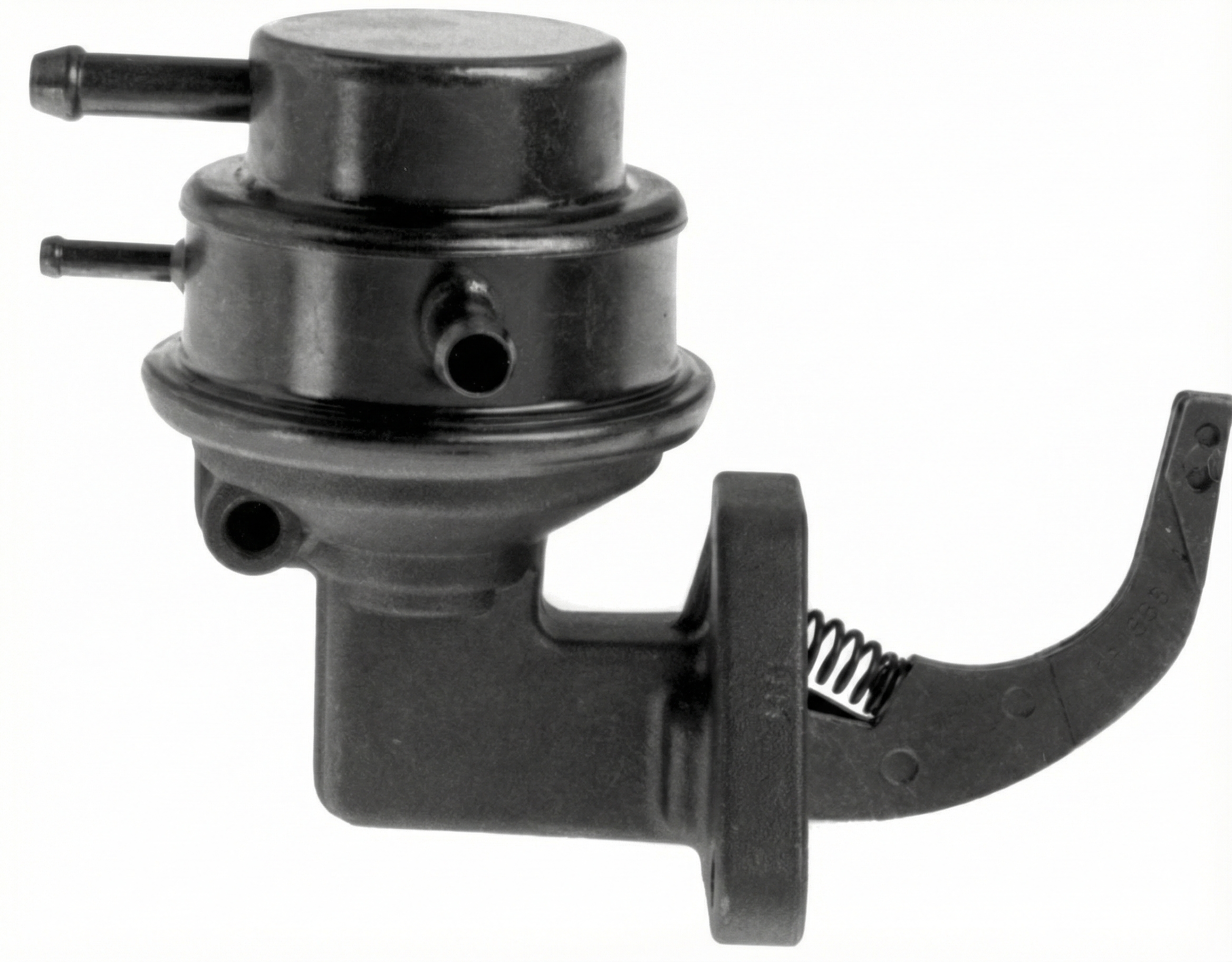
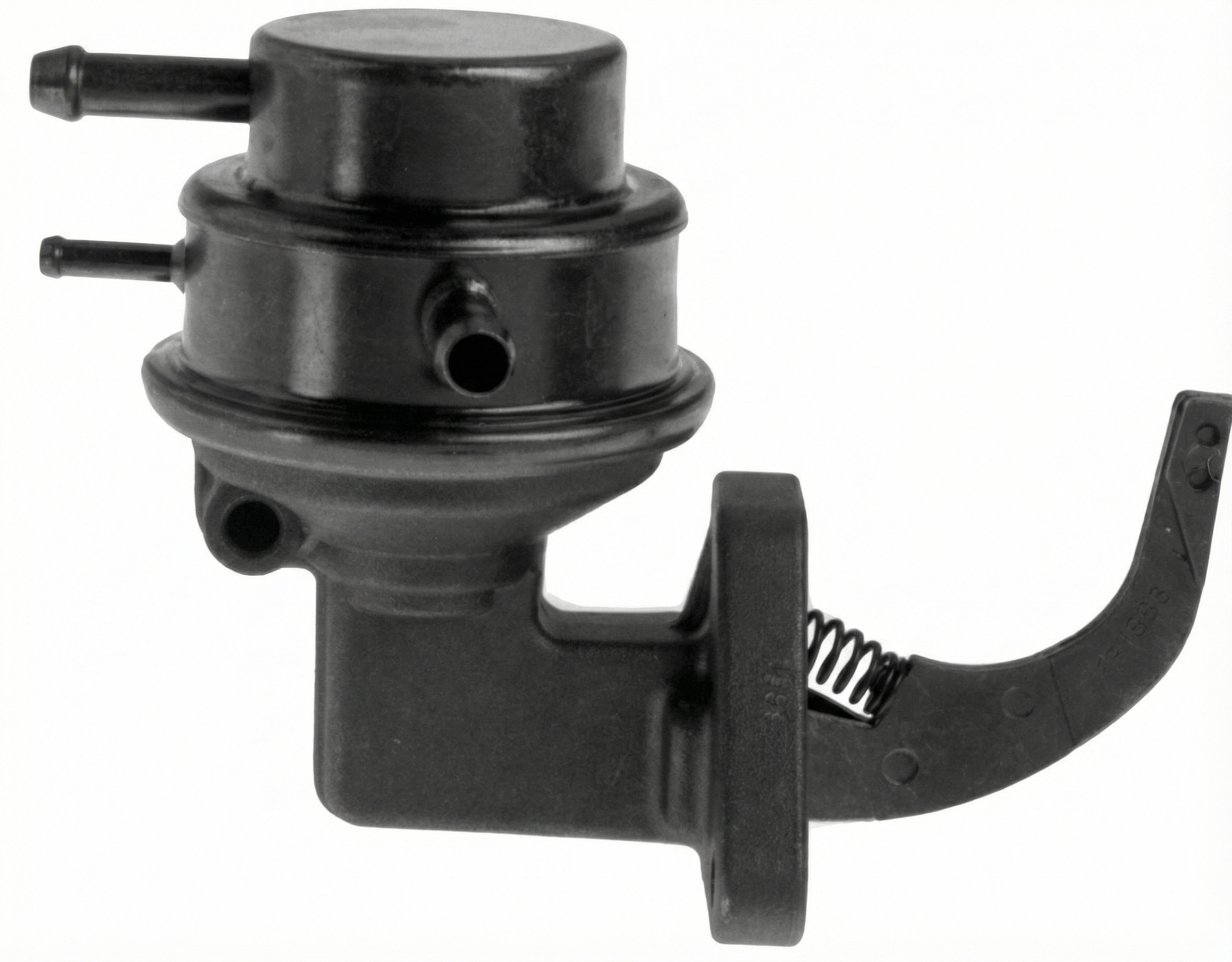

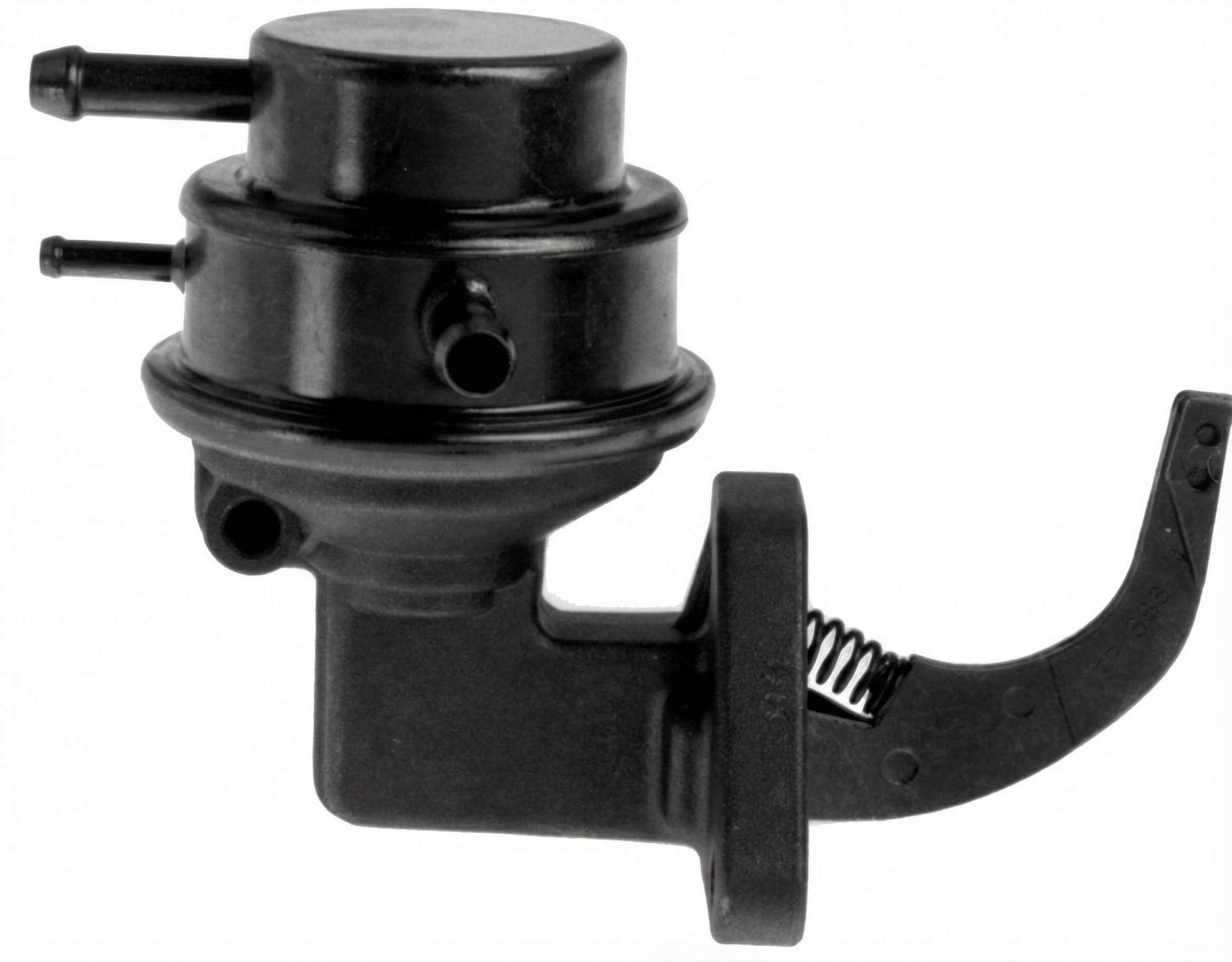
New Aftermarket Parts Available


The information in this article is provided for general reference and educational purposes only. Vehicle specifications, procedures, and part compatibility can vary by production date, trim level, and region. Always consult your vehicle's factory service manual and verify part numbers before purchasing or performing repairs. Safety-critical components such as airbags, seat belts, and braking systems should be installed by a qualified professional.
- Chevrolet SUBURBAN:
- 🧭 Diagnostic Flowchart
- 🎬 Helpful Videos
- 🛍️ Shop This Part
- What's Unique About the 2004-2011 Chevrolet SUBURBAN
- Symptoms You May Notice
- Most Likely Causes
- Rare But Worth Checking
- Diagnosis Steps
- Parts You'll Likely Need
- Related Codes That Often Appear With This One
- Technical Service Bulletins (TSBs) & Recalls
- Platform-Specific Known Issues
- Mechanic-Grade Diagnostic Values
- Scan Tool Commands That Help
- Wiring & Ground Locations
- Real Owner Repair Stories
- OEM Part Supersession History
- Model Year Variations Within This Range
- 🎟️ Get 5% Off