

P0455 on 2017-2023 Chevrolet Traverse: EVAP Large Leak Causes and Fixes
For a 2017-2023 Chevrolet Traverse, a P0455 code most often means the EVAP purge valve has failed or the gas cap is loose or faulty. A classic symptom is a rough idle right after refueling. Replacing the purge valve is a common, relatively inexpensive DIY fix, costing around $25-$50 for the part.
- P0455 on a Traverse is a large EVAP leak, which is an emissions issue but won't stop you from driving.
- Before buying any parts, check your gas cap (2017) or inspect the capless fuel filler neck for debris (2018+).
- The most likely part to have failed is the EVAP purge valve, a common and affordable DIY replacement.
- If the purge valve isn't the issue, the vent solenoid is the next most likely cause, followed by a cracked hose.
- A professional smoke test is the best way to find a leak if it's not caused by the gas cap or purge valve.
What's Unique About the 2017-2023 Chevrolet TRAVERSE

The 2017-2023 Traverse spans two generations, but the P0455 code is a persistent issue across both. The EVAP purge valve, in particular, is a well-documented weak point, especially on the second-generation (2018+) models. In fact, GM has issued Technical Service Bulletins (TSBs) providing diagnostic advice for this exact code, indicating it's a known issue for technicians. Many owners report having to replace the purge valve to resolve the check engine light, often accompanied by code P0496.
Diagnostic Flowchart

Tap your situation to follow the diagnostic path that matches what you're seeing on this vehicle.
Generation note: This range covers two generations: the first-generation (2009-2017) and the second-generation (2018-present). While the P0455 code is common to both, the location and part numbers for components like the purge valve and vent solenoid differ. The purge valve on the 2017 model is more accessible on top of the engine, while on 2018+ models it is tucked behind the throttle body, requiring removal of the engine cover and intake ducting for access.
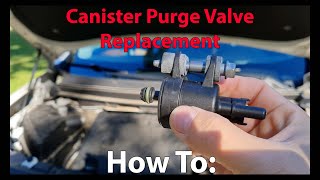
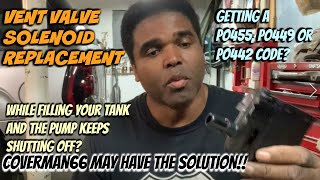
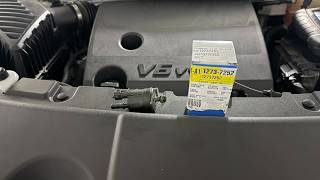
🎬 Watch: How to access and replace the purge valve.Symptoms You May Notice

- Check Engine Light is on
- A faint smell of fuel, particularly outside the vehicle
- Difficulty filling the fuel tank (the pump clicks off prematurely)
- Rough idle or difficulty starting, especially right after refueling
- Replacing the charcoal canister when the vent solenoid is the actual problem. The vent solenoid is often attached to the canister but can be replaced separately.
- Replacing O2 sensors or other unrelated components before properly diagnosing the EVAP system.
Most Likely Causes

- Loose or Faulty Gas Cap / Capless Fuel Filler Issue 🔴 High Probability → Shop Fuel Tank Cap This is the most common cause for a P0455 on any vehicle. Second-generation Traverse models (2018+) have a capless system, where the internal flap can get stuck or fail to seal properly due to debris.
How to confirm: For 2017 models, remove the gas cap, inspect the seal for cracks or damage, and ensure it clicks at least three times when tightened. For 2018+ models, inspect the capless filler neck for debris holding the flap open and ensure it moves freely.
Typical fix: Tighten or replace the gas cap (2017). Clean the capless filler neck (2018+).
Est. part cost: $15-$30 - Failed EVAP Purge Valve/Solenoid 🔴 High Probability → Shop Vapor Canister This is a very frequent failure point on the Traverse and its platform mates, often getting stuck open. Numerous owner forums and mechanic videos cite this as the primary fix, especially when P0496 is also present. A rough idle after filling the gas tank is a tell-tale symptom of this specific failure.
How to confirm: Remove the purge valve (located on the engine). With the engine off, try to blow through it. If air passes through, it's stuck open and needs to be replaced. A scan tool can also be used to command the valve closed and monitor fuel tank pressure to confirm it's not sealing.
Typical fix: Replace the EVAP purge valve solenoid.
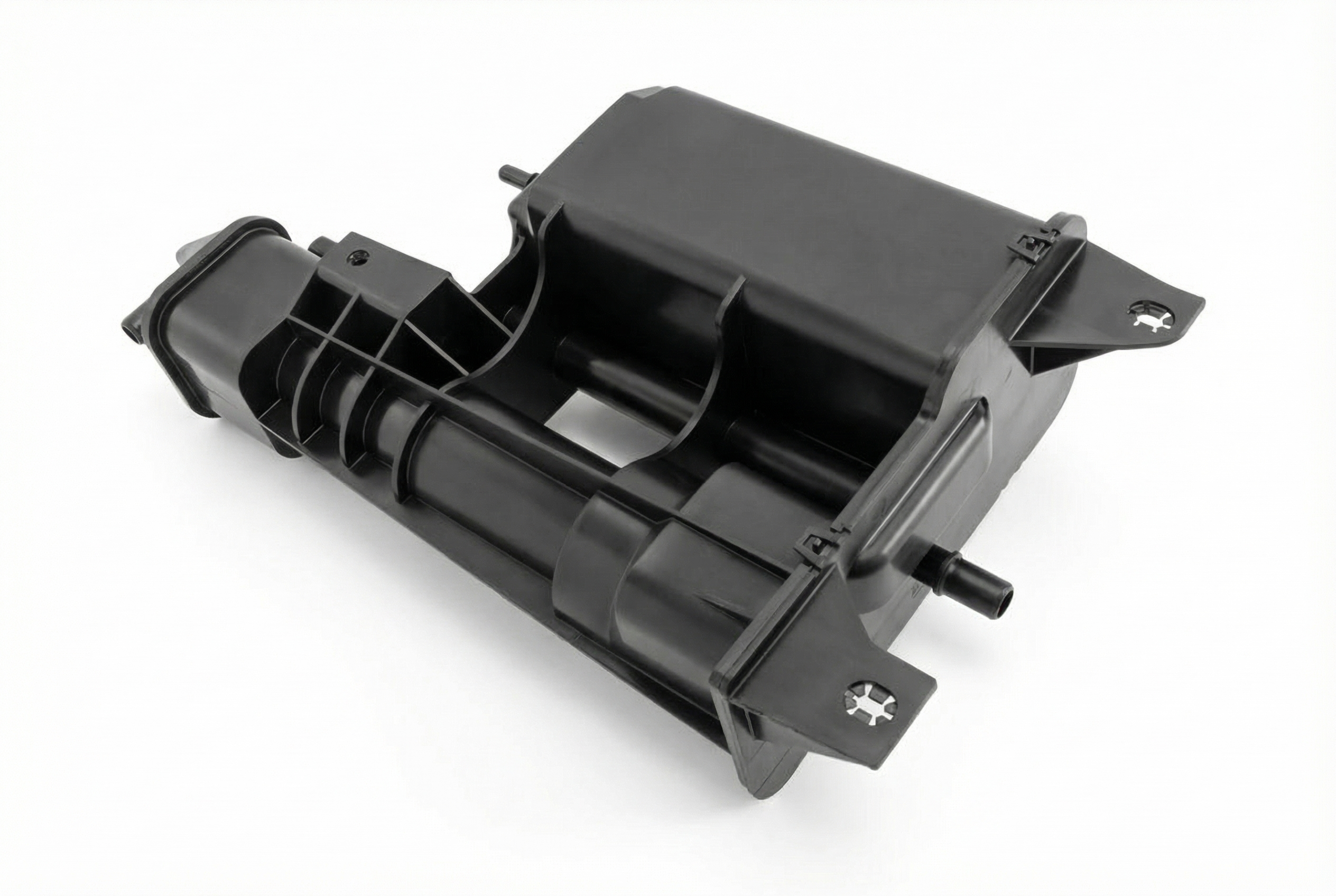
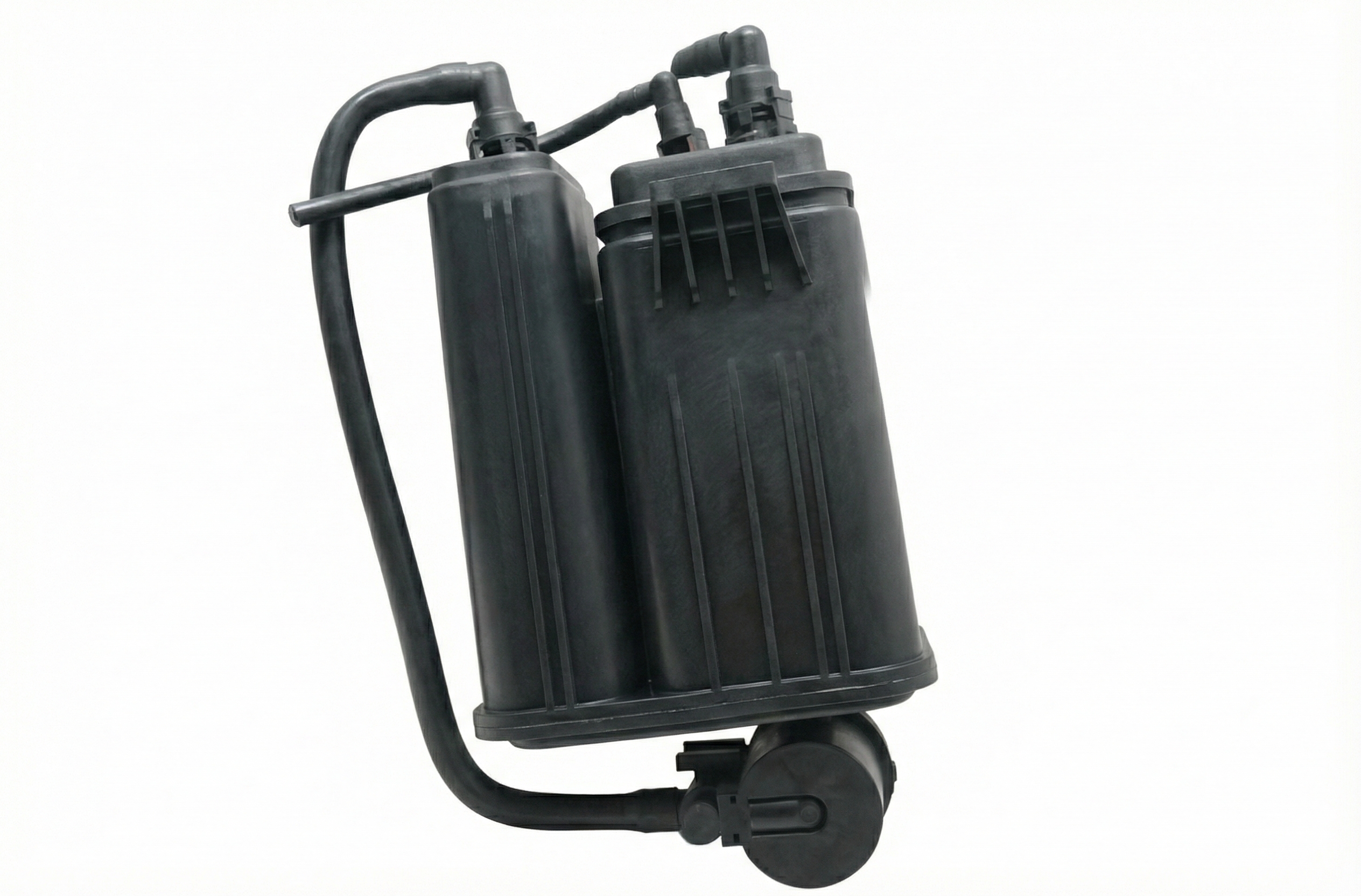
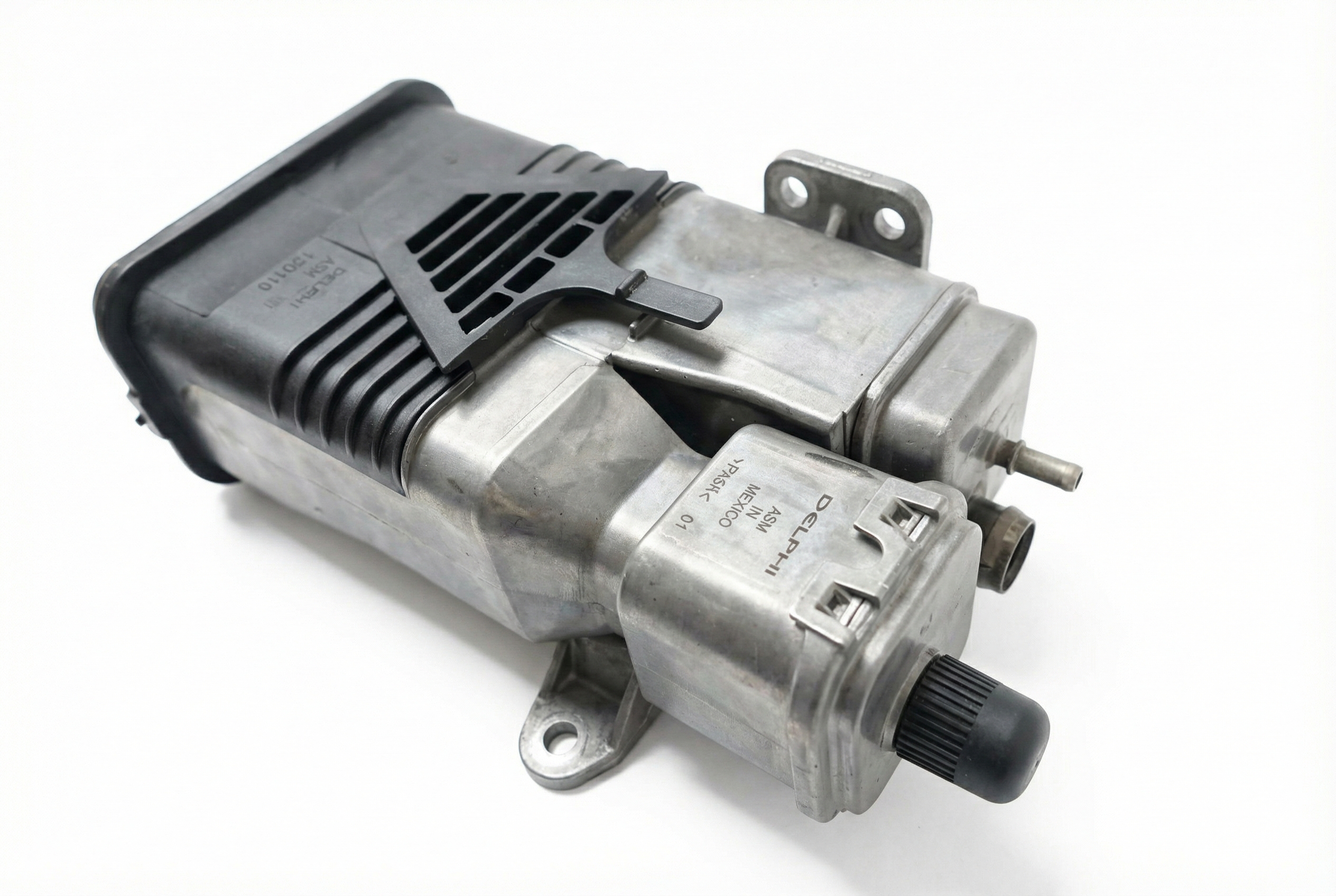
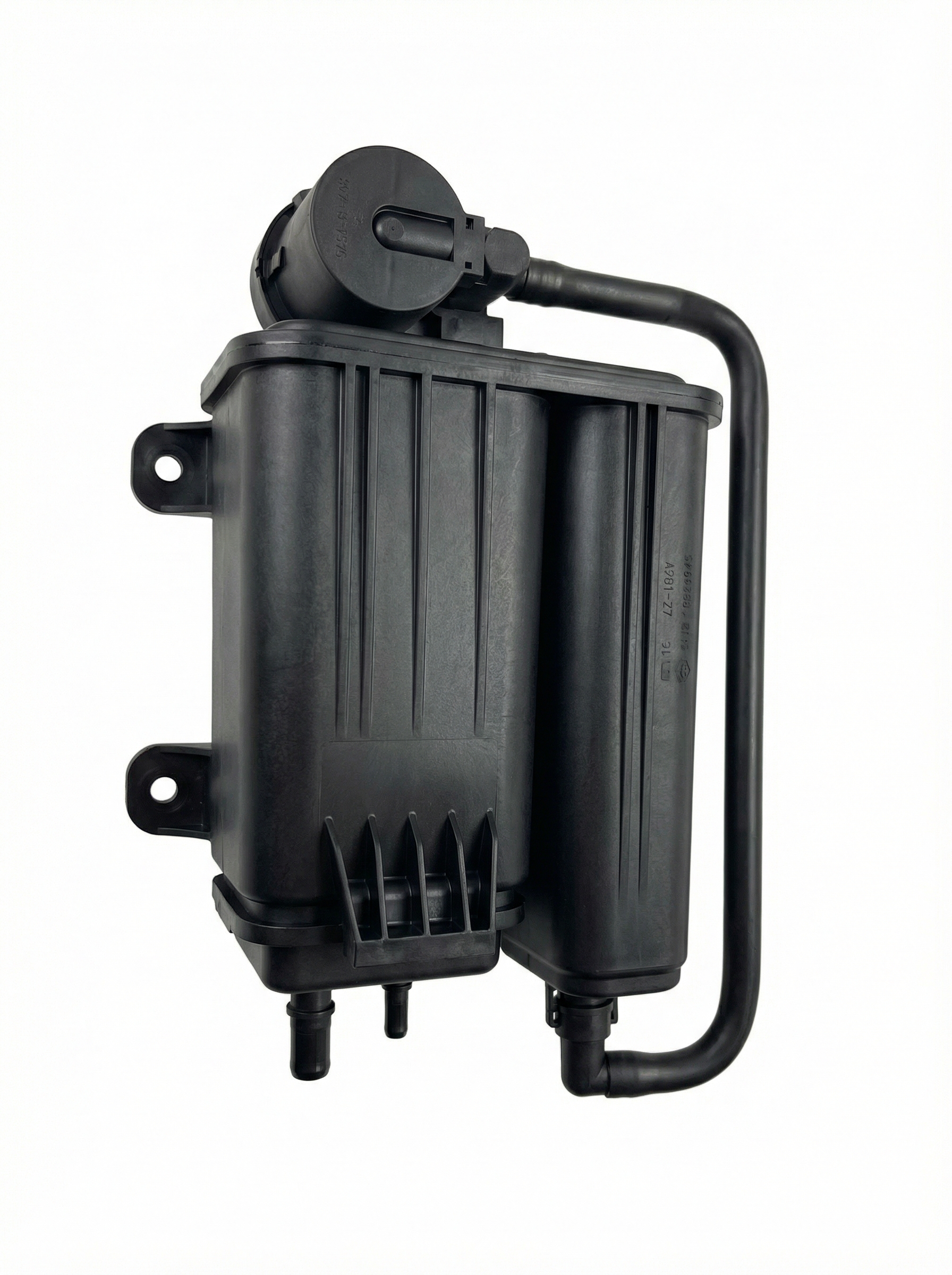
Est. part cost: $25-$50 - Failed EVAP Vent Valve/Solenoid 🟡 Medium Probability → Shop Vapor Canister The vent solenoid, located near the charcoal canister at the rear of the vehicle, can get stuck open or closed, preventing the system from sealing for its self-test. It is exposed to road debris and moisture, which can lead to failure.
How to confirm: This part is harder to access, often requiring the vehicle to be raised. It can be tested by applying 12V power to see if the valve actuates. A professional smoke test is the most reliable way to confirm a vent valve failure. Some owners have fixed their P0455 by replacing this part after the purge valve replacement 🎬 See this guide on replacing the vent valve solenoid. did not solve the issue.
Typical fix: Replace the EVAP vent valve solenoid.
Est. part cost: $30-$60 - Cracked or Disconnected EVAP Hose ⚪ Low Probability Rubber hoses throughout the EVAP system can become brittle and crack over time, causing a large leak. TSB 21-NA-124 specifically calls out checking for improperly seated or damaged lines as a primary diagnostic step.
How to confirm: Perform a thorough visual inspection of all accessible EVAP lines from the engine bay to the charcoal canister. The definitive method is a smoke test, which forces smoke into the system to reveal the leak's location.
Typical fix: Replace the cracked section of hose.
Est. part cost: $10-$40
Rare But Worth Checking
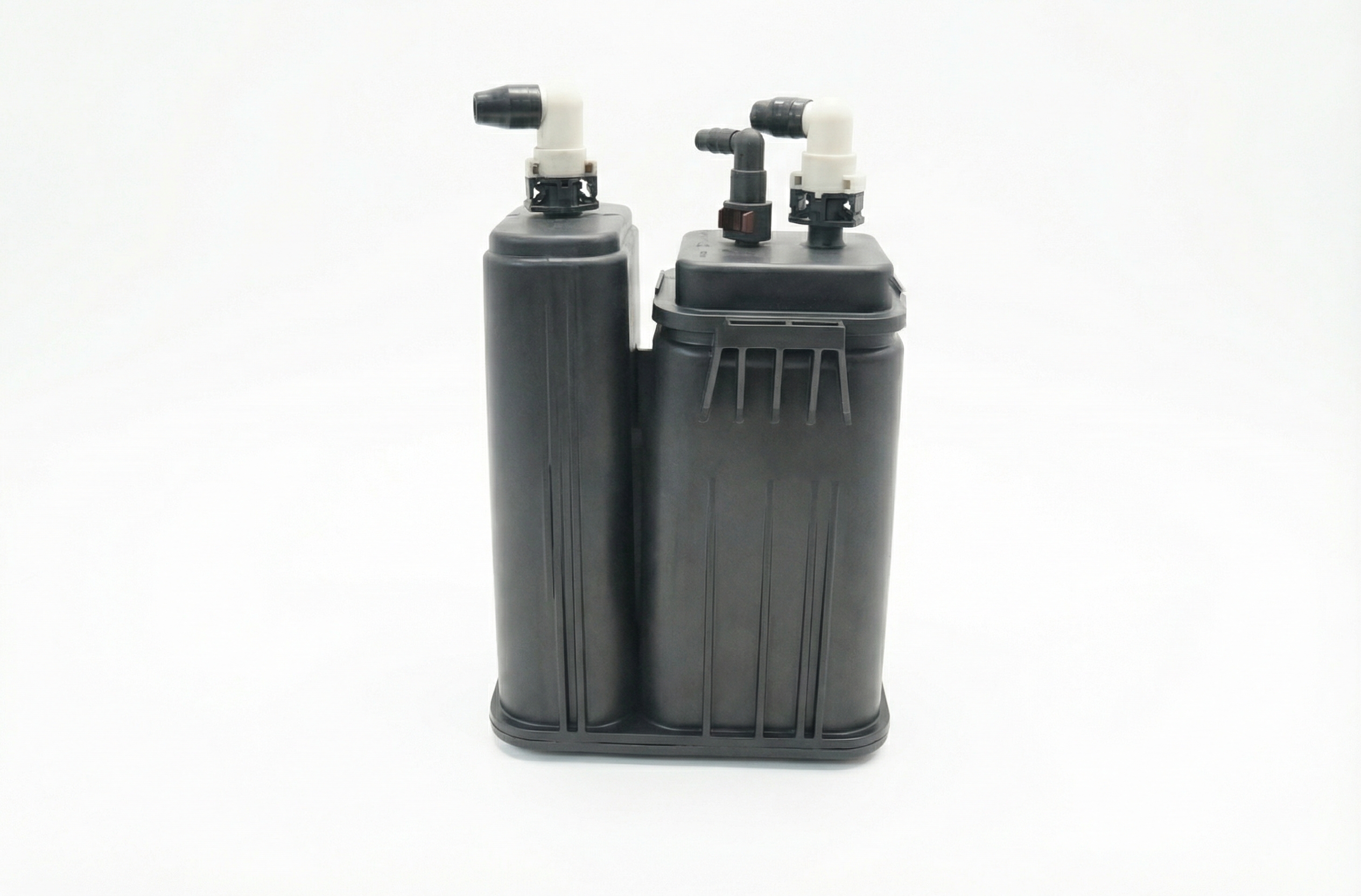
- Cracked EVAP Charcoal Canister: → Shop Vapor Canister The canister itself can crack from road debris impact or become saturated with fuel if the gas tank is habitually overfilled. A TSB for the 2019 model year requested field information on canister failures, suggesting it's a known, if less common, issue. [TSB #PIE0528]
- Faulty Fuel Tank Pressure Sensor: → Shop Fuel Tank The sensor that monitors system pressure can fail, incorrectly reporting a leak to the computer. This will usually be accompanied by other sensor-specific fault codes (like P0451, P0452, P0453).
Diagnosis Steps
- Check the gas cap (2017) or capless fuel filler (2018+). Ensure the cap is tight and the seal is good, or that the capless filler neck is clean and seals properly. Clear the code and drive to see if it returns.
- If the code returns, check for the classic symptom of a stuck purge valve: a rough idle or stalling immediately after refueling. If this symptom is present, the purge valve is the most likely cause.
- Locate the EVAP purge valve in the engine bay. On 2017 models, it's on top of the engine; on 2018+ models, it's behind the throttle body. Disconnect the purge valve and attempt to blow through it. It is a normally-closed valve, so if air passes through, it has failed and must be replaced.
- If the purge valve is good, follow the advice of TSB #21-NA-124: visually inspect all accessible EVAP hoses for obvious cracks, damage, or disconnections.
- If no visible issues are found, the next most likely culprits are the vent solenoid (near the canister at the rear) or a hard-to-see leak in a line or the charcoal canister.
- At this stage, a smoke test is the most effective diagnostic procedure. A machine injects low-pressure smoke into the EVAP system, and the leak will be visible where the smoke escapes. This is often best performed by a professional mechanic.
Parts You'll Likely Need
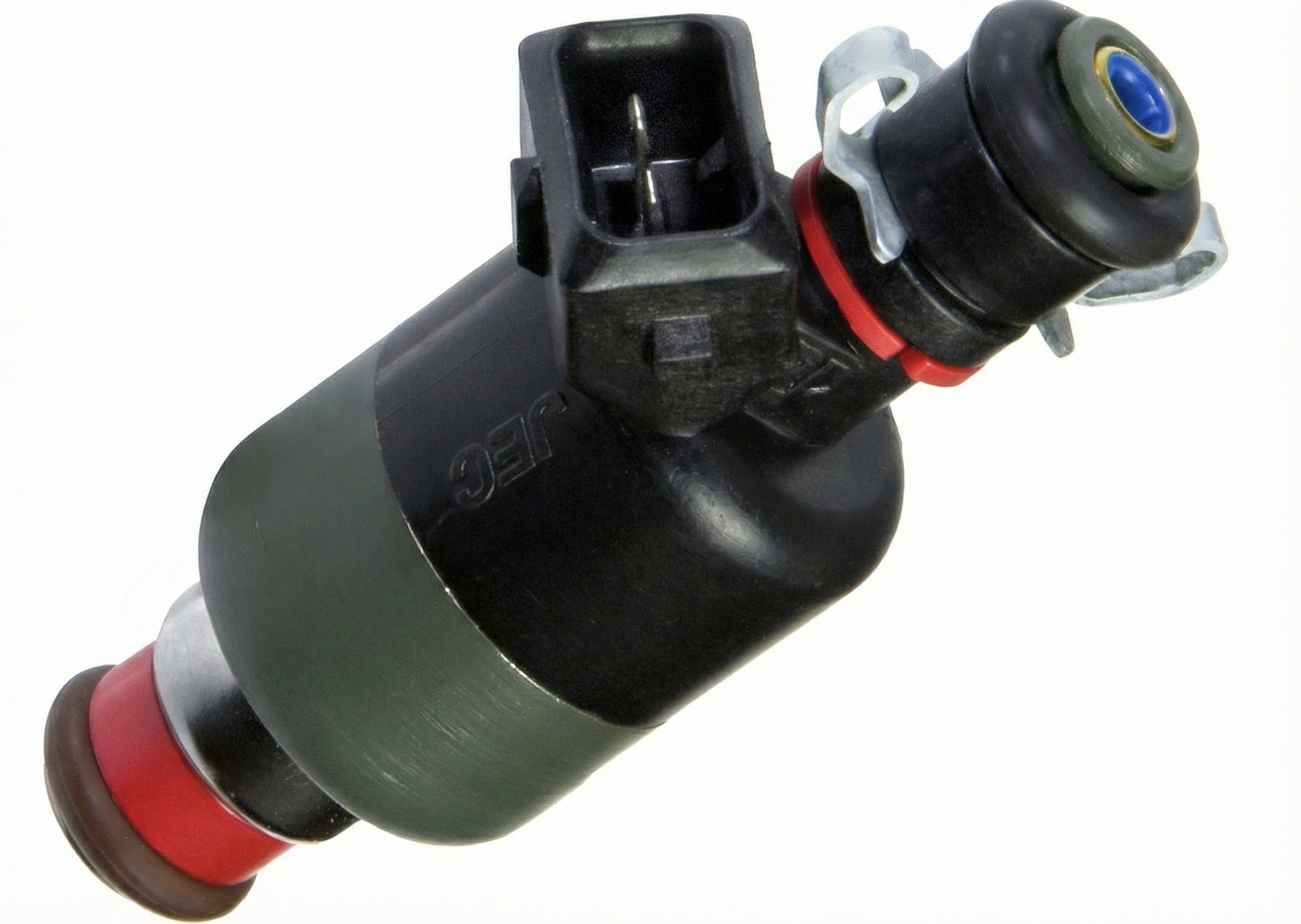
- EVAP Canister Purge Valve
(OEM #12690512 (superseded by 12737252 for 2017-2019), 12630282 (for 2020+))— This is the most common failure part for P0455 on this vehicle. It gets stuck open, creating a permanent leak in the system and often causing a rough idle after refueling.
Trusted brands: ACDelco, Dorman, Standard Motor Products
OEM price range: $30-$50
Aftermarket price range: $20-$40 - EVAP Canister Vent Solenoid
(OEM #85123399)— The second most likely component to fail. It is responsible for sealing the EVAP system near the canister for pressure testing and is prone to failure from its exposed location.
Trusted brands: ACDelco, Dorman, Wells
OEM price range: $40-$60
Aftermarket price range: $25-$45 - Fuel Filler Cap (2017 model only)
(OEM #GT376)— A worn-out or damaged gas cap seal is a simple but very common cause of a large EVAP leak.
Trusted brands: ACDelco, Stant
OEM price range: $20-$30
Aftermarket price range: $15-$25
Related Codes That Often Appear With This One
- P0442 — This code indicates a small EVAP leak. It can appear alongside P0455 if the system has multiple leaks or if a component is failing intermittently. Both codes are mentioned together in manufacturer TSBs. [TSB #21-NA-124, TSB #PIE0528]
- P0496 — This code indicates 'EVAP Flow During a Non-Purge Condition,' which almost always points directly to a purge valve that is stuck open. It's very common to see this code with P0455 and is a strong indicator that the purge valve is the culprit. 🎬 Watch: Diagnosing and fixing the P0496 code on a Traverse.
- P0449 — This code points to a fault in the EVAP vent solenoid control circuit. It often appears with P0455 if the vent solenoid is the root cause of the leak. [TSB #PIE0528]
Technical Service Bulletins (TSBs) & Recalls
- Bulletin #21-NA-124: Provides diagnostic tips for P0455 and P0442, advising technicians to first check for damag
Platform-Specific Known Issues
- A known high failure rate of the EVAP purge valve solenoid is documented across owner forums and by mechanics for the 2018+ Traverse.
- GM issued TSB #21-NA-124 to provide technicians with a specific diagnostic order for P0455 and P0442: 1) Inspect lines/connections, 2) Inspect vent valve, 3) Inspect purge valve.
- GM issued TSB #PIE0528 for 2019 models, requesting information from the field about EVAP canister replacements related to P0455 and other EVAP codes, indicating a potential issue with canister quality or design.
- Some owners on Reddit have mentioned a potential special coverage program from GM, N232395300, for the EVAP purge valve on 2019 models. Owners should contact a dealer with their VIN to see if they are covered for a free repair.
Mechanic-Grade Diagnostic Values
- Fuel Tank Pressure (FTP) Sensor Voltage (Key-On, Engine-Off, gas cap off) — expected: Approximately 1.4V - 1.5V. Failure: A voltage that is stuck high or low and does not change when pressure or vacuum is applied to the system. A stuck reading can trick the ECM into thinking there's a leak when there isn't one.
- EVAP Vent Valve Solenoid Coil Resistance — expected: 20.6 - 20.9 Ohms. Failure: A reading significantly outside this range, such as OL (open circuit) or near zero (short circuit), indicates a failed solenoid coil.
Scan Tool Commands That Help
- GDS2 / Professional Scan Tool: EVAP Service Bay Test — This is a guided, automated test that commands the system to seal and checks for a large leak. It's the first step a dealer technician would take to confirm the P0455 fault condition is active before proceeding with manual tests. A 'Test Failed - Large Leak' result confirms the issue.
- GDS2 / Professional Scan Tool: EVAP Purge/Seal — This function allows manual control over the EVAP solenoids. A technician can command the vent valve closed and the purge valve closed to seal the system. Then, by monitoring the Fuel Tank Pressure sensor, they can see if the system holds a vacuum or if the pressure rises, indicating a leak.
- GDS2 / Professional Scan Tool: EVAP Canister Vent Valve Command (On/Off) — Used to manually command the normally-open vent valve to close. This is essential before performing a smoke test to ensure the system is sealed. It's also used to check if the solenoid is responding to the command by listening for an audible click.
Wiring & Ground Locations
- EVAP Vent Solenoid Connector — On top of the fuel tank, part of a larger connector that also serves the fuel pump and level sensor.. For testing, the key wires are the control wire (White) and the power feed (Red with White stripe). A technician can back-probe these wires to check for voltage and ground signal from the ECM when commanding the valve with a scan tool, which helps determine if the solenoid is bad or if there's a wiring issue.
Real Owner Repair Stories
- Reddit user on r/ChevyTraverse (2019 Chevrolet Traverse) — Check engine light with an EVAP code.
❌ Tried (didn't work) Replaced the EVAP canister/solenoid located under the hood (the purge valve).
✅ What actually fixed it The code remained until they replaced the second EVAP component, the vent solenoid, which is located in the rear of the vehicle near the fuel tank. - YouTube video from 'Car Life' (2019 Chevrolet Traverse) — Check engine light with P0455 (EVAP large leak). Scan tool data showed the fuel tank would build pressure but would not go into a vacuum.
❌ Tried (didn't work) Initial diagnosis with scan tool live data.
✅ What actually fixed it The technician tested the purge valve with a hand vacuum pump and found it would not hold a vacuum, confirming it was stuck open. Replacing the purge valve (located behind the throttle body) fixed the issue.
"I Checked Everything" — The Actual Cause
- In cases where a smoke test does not reveal any leaks, the Fuel Tank Pressure (FTP) sensor itself can be the culprit. If the sensor provides an incorrect, fixed reading (e.g., stuck at 1.5V), the ECM may interpret this as a large leak because it doesn't see the expected pressure change during the EVAP self-test, even though the system is perfectly sealed.
OEM Part Supersession History
12610560→12690512— Standard part evolution and design improvement by the manufacturer.12690512→12737252— Further revision for improved reliability or manufacturing efficiency.
Heads up: While physically similar, using an older part number when a newer one is specified may lead to premature failure. Always use the latest superseded part number for the repair.
Model Year Variations Within This Range
- 2019 vs 2020: For the 2020 model year, Chevrolet discontinued the 2.0L Turbo engine option, making the 3.6L V6 standard across all trims. While this doesn't directly change the P0455 diagnosis for most owners (as the 3.6L was most common), it standardizes the EVAP system components. Additionally, the infotainment system was upgraded to 'Infotainment 3' and the active aero shutters were removed. These changes are unlikely to affect the P0455 code diagnosis.
Helpful Videos
We Have This Part in Stock

The information in this article is provided for general reference and educational purposes only. Vehicle specifications, procedures, and part compatibility can vary by production date, trim level, and region. Always consult your vehicle's factory service manual and verify part numbers before purchasing or performing repairs. Safety-critical components such as airbags, seat belts, and braking systems should be installed by a qualified professional.
- Chevrolet TRAVERSE:
- 🧭 Diagnostic Flowchart
- 🎬 Helpful Videos
- 🛍️ Shop This Part
- What's Unique About the 2017-2023 Chevrolet TRAVERSE
- Symptoms You May Notice
- Most Likely Causes
- Rare But Worth Checking
- Diagnosis Steps
- Parts You'll Likely Need
- Related Codes That Often Appear With This One
- Technical Service Bulletins (TSBs) & Recalls
- Platform-Specific Known Issues
- Mechanic-Grade Diagnostic Values
- Scan Tool Commands That Help
- Wiring & Ground Locations
- Real Owner Repair Stories
- "I Checked Everything" — The Actual Cause
- OEM Part Supersession History
- Model Year Variations Within This Range
- 🎟️ Get 5% Off