

P0455 on 2000-2004 GMC Savana: EVAP Large Leak Causes and Fixes
For a 2000-2004 GMC Savana, a P0455 code is most often caused by a loose or faulty gas cap. If tightening or replacing the cap doesn't work, the next most likely culprits are a failed EVAP vent solenoid or a rusted fuel filler neck. A new gas cap is under $25, while a vent solenoid can cost between $30 and $100.
- Always check the gas cap first for a P0455 code. Ensure it's tight and the seal is intact. This is the most common and cheapest fix.
- If the gas cap isn't the issue, the most likely culprits on a 2000-2004 Savana are the EVAP vent solenoid (near the fuel tank) or a rusted fuel filler neck.
- A smoke test is the most reliable way to find the exact location of the leak, saving you from replacing parts unnecessarily.
- Driving with a P0455 code is not dangerous, but it will prevent your vehicle from passing an emissions test.
What's Unique About the 2000-2004 Gmc SAVANA
On this generation of GMC Savana and its twin, the Chevrolet Express, the primary challenges leading to a P0455 code are age and exposure. Rubber hoses become brittle, plastic components like the vent solenoid fail, and rust, particularly in the fuel filler neck area, can create large leaks. While the components themselves are fairly standard, their placement on the full-size van chassis can sometimes make access a bit more challenging than on a smaller vehicle. The EVAP system components, specifically the vent solenoid, were updated in the 2003 model year refresh, so parts are not always interchangeable across this generation.
Diagnostic Flowchart
Tap your situation to follow the diagnostic path that matches what you're seeing on this vehicle.
Generation note: The 2000-2004 year range covers the first generation of the GMC Savana. A significant refresh occurred in 2003, updating the frame, suspension, and engine options. However, the fundamental design and common failure points of the EVAP system components are largely consistent across this entire period, though some specific parts like the vent solenoid changed with the 2003 update.
Symptoms You May Notice
- Check Engine Light is on
- A noticeable smell of fuel, especially around the rear of the van or after refueling.
- Slight decrease in fuel economy in some cases.
- Difficulty fueling, where the gas pump nozzle clicks off repeatedly before the tank is full.
- Replacing the purge valve when the vent valve is the actual problem. The vent valve is more exposed and generally more likely to cause a large leak code on these vans.
- Replacing EVAP components without performing a smoke test, which can lead to replacing parts that are not the source of the leak.
- Assuming a P0455 is always a leak to the atmosphere. A purge solenoid that is stuck closed can prevent the system from drawing a vacuum during its self-test, causing the computer to incorrectly flag a large leak.
Most Likely Causes
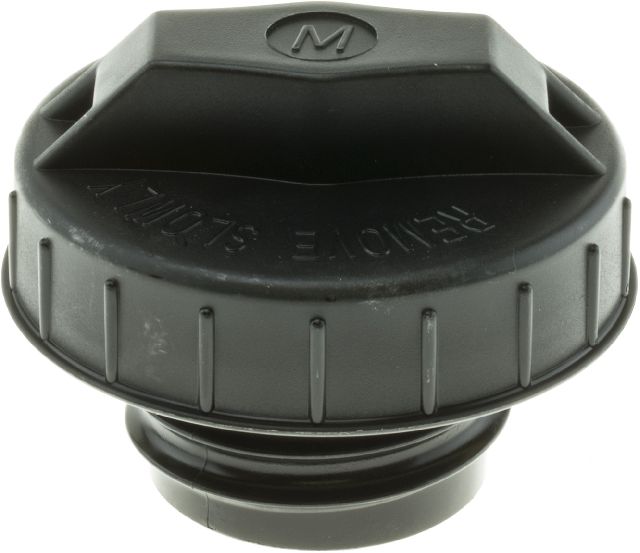
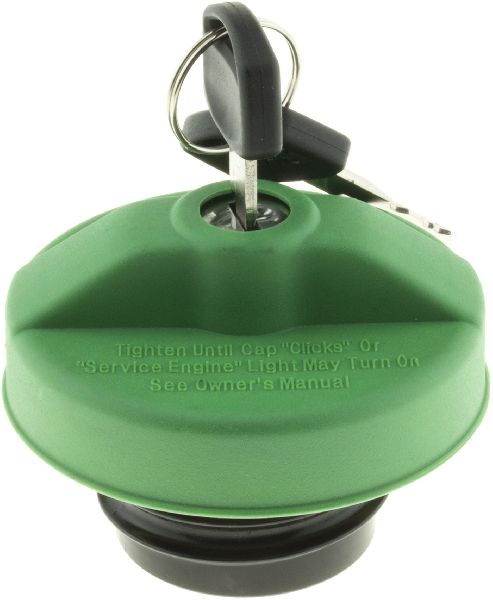
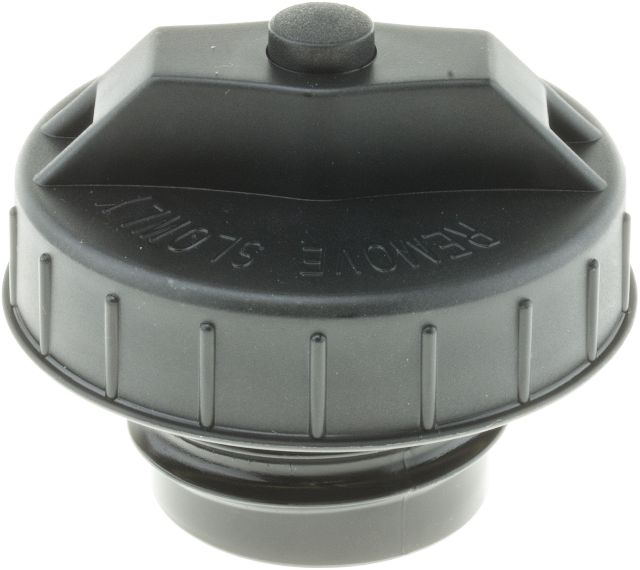
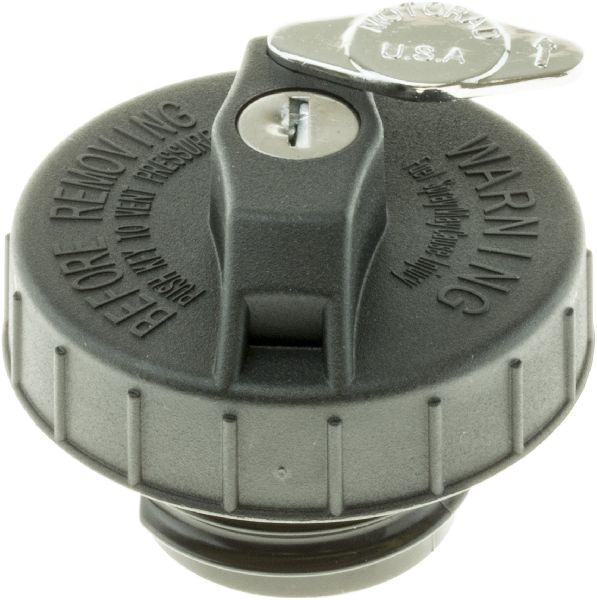
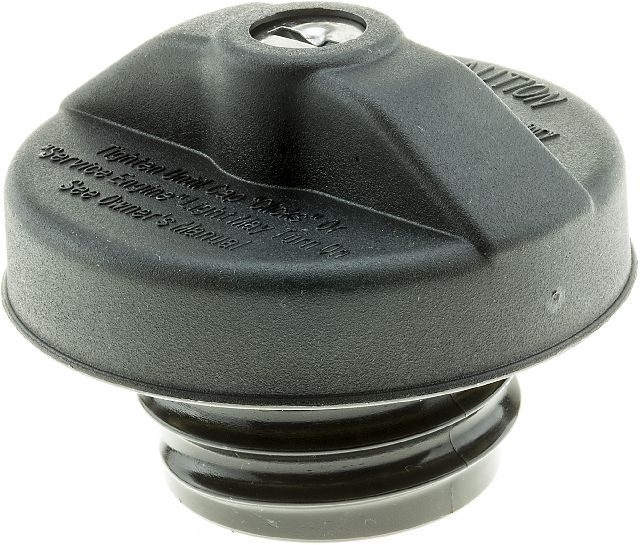
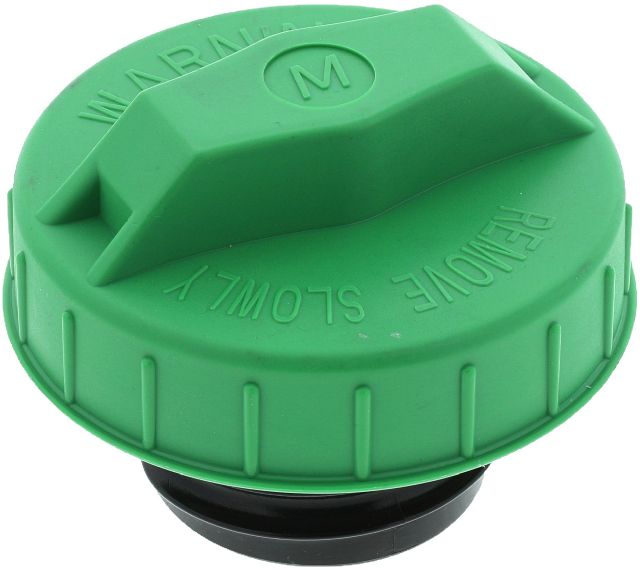
- Loose, Damaged, or Incorrect Gas Cap 🔴 High Probability → Shop Fuel Tank Cap This is the most common cause for a P0455 on any vehicle. The cap's seal can wear out, or it may not have been tightened correctly. Many owner forum posts confirm a new gas cap fixed their issue.
How to confirm: Inspect the gas cap for cracks or a worn, brittle rubber seal. Ensure it is tightened until it clicks at least once. If in doubt, it's an inexpensive part to replace as a first step.
Typical fix: Tighten or replace the gas cap.
Est. part cost: $10-$25 - Failed EVAP Vent Solenoid/Valve 🔴 High Probability → Shop Vapor Canister The vent solenoid is a very common failure point on many GM vehicles of this era. Located near the charcoal canister and exposed to the elements, it can get stuck open from dirt and corrosion, creating a large leak.
How to confirm: A mechanic can command the valve closed with a scan tool during a smoke test to see if it seals. It can also be removed and tested by applying 12V power to see if the valve actuates. If you can blow through it when unpowered, it is stuck open and has failed.
Typical fix: Replace the EVAP vent solenoid. On these vans, it's typically located on a crossmember near the spare tire area.
Est. part cost: $30-$100 - Rusted or Damaged Fuel Filler Neck 🟡 Medium Probability → Shop Fuel Filler Neck These vans are highly susceptible to rust, especially in regions that use road salt. The metal fuel filler neck can corrode and develop holes, 🎬 Watch: A mechanic finds and fixes a common large leak source. creating a large EVAP leak. This is a well-documented issue in owner forums.
How to confirm: Visually inspect the entire length of the fuel filler neck for heavy rust, flaking metal, or visible holes. A smoke test will quickly and definitively reveal a leak in this area.
Typical fix: Replace the fuel filler neck. Ensure all vent lines are securely reconnected.
Est. part cost: $70-$150 - Cracked or Disconnected EVAP Hoses 🟡 Medium Probability After 20+ years, the rubber and plastic hoses that make up the EVAP system can become brittle, crack, or disconnect from their fittings.
How to confirm: Perform a thorough visual inspection of all EVAP lines running from the engine bay to the fuel tank. The most definitive method is a smoke test, which will make any leak visible.
Typical fix: Replace the damaged section of hose.
Est. part cost: $5-$30 - Failed EVAP Purge Solenoid/Valve ⚪ Low Probability → Shop Vapor Canister The purge valve, typically on or near the engine, can fail. While often associated with being stuck open, it can also get stuck closed. If it's stuck closed, the EVAP monitor test cannot pull a vacuum on the tank, and the computer may misinterpret this as a large leak, setting a P0455. 🎬 Watch: How to troubleshoot a P0455 when it's not the gas cap. This can lead to misdiagnosis.
How to confirm: With the engine off, remove the valve and try to blow through it. If air passes through, it is stuck open and has failed. A scan tool can also be used to command it open and closed to check its function and listen for a click.
Typical fix: Replace the purge solenoid.
Est. part cost: $25-$75
Rare But Worth Checking
- Cracked Charcoal Canister: → Shop Vapor Canister The plastic housing of the charcoal canister can be damaged by road debris, leading to a crack and a large leak. This is uncommon but worth a visual check, especially if the vehicle is used on rough roads.
- Leaking Fuel Tank or Fuel Pump Module Seal: → Shop Fuel Pump Rust can also compromise the top of the fuel tank or the seal for the fuel pump module. A forum member noted this as a possibility on similar-era GM trucks. A smoke test is the best way to confirm.
- Loose Fuel Filler Neck Clamp: → Shop Fuel Filler Neck A user on a Chevrolet forum reported that their P0455 code was ultimately resolved by simply tightening a loose clamp on the fuel filler neck hose, which had been overlooked.
Diagnosis Steps
- Check the gas cap. Remove it, inspect the seal for damage, and reinstall it, making sure it clicks several times. Clear the code and drive for a few days to see if it returns.
- If the code returns, perform a visual inspection of the EVAP system. Look under the van near the fuel tank for the charcoal canister, vent solenoid, and associated hoses. Check for anything that is obviously cracked, disconnected, or rusted through.
- Inspect the fuel filler neck for severe corrosion or holes. Pay attention to the hose clamps as well.
- The most effective diagnostic step is to have an automotive smoke test performed. A technician will inject pressurized, UV-dyed smoke into the EVAP system. The smoke will exit from the point of the leak, making it easy to identify.
- If no leak is found with the smoke test, the vent and purge solenoids should be tested electronically with a scan tool or manually with a power source to ensure they are functioning correctly.
Parts You'll Likely Need
- Gas Cap — This is the most frequent and cheapest fix for a P0455 code. The seal simply wears out.
Trusted brands: ACDelco, Stant
OEM price range: $20-$30
Aftermarket price range: $10-$25 - EVAP Vent Valve Solenoid
(OEM #ACDelco 214-2149 (for 2003-2004 models))— A very common failure point on GM vans and trucks of this era. It gets stuck open, causing the system to fail its pressure test. Note that the part changed for the 2003 model year; pre-2003 vans use a different part.
Trusted brands: ACDelco, Dorman (911-021 for 2003-2004), Delphi
OEM price range: $60-$110
Aftermarket price range: $30-$80 - Fuel Filler Neck
(OEM #Dorman 577-235 (for 2003-2004 models w/ left-hand hinged door))— Rust is a common problem on these vans, and the filler neck is a prime spot for corrosion that can create a large leak. The part is specific to year and door configuration.
Trusted brands: Dorman, Spectra Premium
OEM price range: $150-$250
Aftermarket price range: $70-$150
Related Codes That Often Appear With This One
- P0442 — This code indicates a small EVAP leak. It can appear alongside P0455 if the system has multiple leaks of different sizes or if the computer's leak detection threshold is borderline. The provided TSB #21-NA-124 specifically mentions both codes together.
- P0449 — This code specifically points to a fault in the EVAP vent solenoid valve control circuit. If you see P0449 with P0455, it's a very strong indicator that the vent solenoid or its wiring is the root cause of the problem.
Technical Service Bulletins (TSBs) & Recalls
- 21-NA-124: Mentions diagnostic tips for testing EVAP leaks related to P0442 and P0455 codes.
Platform-Specific Known Issues
- GM issued Technical Service Bulletin #21-NA-124 which provides diagnostic advice for technicians dealing with P0442 and P0455 codes, indicating this is a recognized issue by the manufacturer.
- Real Repair Story: Purge Valve as the Final Culprit: → Shop Vapor Canister A user on a Chevrolet forum shared their experience of chasing a P0455 code. After replacing the gas cap and the EVAP vent solenoid near the tank without success, the problem was finally fixed by replacing the canister purge valve located on the engine. This aligns with scenarios where a stuck-closed purge valve is misdiagnosed as a large leak.
Mechanic-Grade Diagnostic Values
- Fuel Tank Pressure (FTP) Sensor Voltage — expected: ~1.5 Volts at Key-On, Engine-Off (atmospheric pressure). Failure: Voltage greater than 1.5V indicates vacuum; less than 1.5V indicates pressure. A reading stuck at a specific voltage or not changing during testing points to a faulty sensor.
- EVAP Purge Solenoid Resistance — expected: 15 - 50 Ohms. Failure: A reading of 0 Ohms indicates a short, while an infinite (O.L.) reading indicates an open circuit.
- EVAP System Pressure (during smoke test) — expected: Should hold pressure; a normal FTP sensor reading will rise above 5 inches of H2O and stabilize between 6-7 inches of H2O.. Failure: Inability to build or hold pressure indicates a leak.
Hidden / Shadow Codes Worth Checking
- EVAP Vent Solenoid Circuit Status: → Shop Vapor Canister While not a DTC, professional scan tools can display the live status of the vent solenoid circuit as seen by the PCM. A status of 'Short to Ground or Open' indicates the computer has detected a wiring fault, pointing directly to the cause of a related code like P0449. (see via Professional scan tool (e.g., Autel MaxiSYS) under EVAP data display.)
Scan Tool Commands That Help
- Tech2 / Professional Scan Tool: EVAP Purge/Seal — Used to command the vent valve closed and seal the entire EVAP system. This is the first step before performing a smoke test or a vacuum decay test to check for leaks.
- Tech2 / Professional Scan Tool: EVAP Canister Vent Solenoid ON/OFF — To functionally test the vent solenoid. A technician can command it closed (ON) and listen for a click, or close it to see if smoke escapes from it during a smoke test, which would indicate it failed to seal.
- Tech2 / Professional Scan Tool: EVAP Canister Purge Solenoid (Duty Cycle %) — To functionally test the purge solenoid. By commanding it to a specific duty cycle (e.g., 30%), a technician can verify it opens and allows engine vacuum to enter the EVAP system by watching the FTP sensor voltage change.
Wiring & Ground Locations
- EVAP Canister Vent Solenoid — On or near the EVAP canister, which is located near the front of the fuel tank.. This is a primary failure point. Its exposed location makes its wiring susceptible to corrosion and damage. A common issue is for the control wire to break inside the insulation right at the connector.
- EVAP Canister Purge Solenoid — On top of the engine, near the throttle body.. This solenoid can get stuck closed, preventing the EVAP monitor from running its test and causing the computer to falsely report a large leak.
- G400 — On the inner left rear frame rail (for 2003+ models).. This is a major chassis ground near the fuel tank and EVAP canister. A poor connection here could cause erratic behavior or failure of the vent solenoid and fuel tank pressure sensor.
- G102 / G103 — Rear of the engine block (left and right sides, respectively, for 2003+ models).. These are the primary engine grounds. A poor connection could affect the operation of the engine-mounted purge solenoid and the PCM's ability to control the EVAP system.
Real Owner Repair Stories
- YouTube channel 'Pine Hollow Auto Diagnostics' (GM Vehicle (similar EVAP system)) — P0455 Large EVAP Leak code, Check Engine Light on.
❌ Tried (didn't work) Customer had replaced the gas cap multiple times.
✅ What actually fixed it The EVAP purge solenoid on the engine was stuck closed. It was not opening when commanded by the scan tool, preventing the system from pulling a vacuum. The computer interpreted this inability to draw a vacuum as a large leak. The diagnosis was confirmed by tapping the solenoid with a screwdriver, which temporarily freed it. Replacing the purge solenoid resolved the code. - YouTube channel 'ScannerDanner' (GM Truck (similar EVAP system)) — P0449 EVAP Vent Control Circuit code (often seen with P0455).
❌ Tried (didn't work) Vehicle owner replaced the EVAP vent solenoid and the pigtail connector.
✅ What actually fixed it The control wire for the vent solenoid was broken internally, inside the insulation, about an inch from the connector. A visual inspection showed nothing wrong, but pulling on the wire revealed the break. The final fix was to properly repair the broken wire.
"I Checked Everything" — The Actual Cause
- A common scenario that fools technicians is when the EVAP purge solenoid (on the engine) is stuck closed. A smoke test is typically introduced at the canister or a service port, so it will show the system is sealed and has no leaks. However, when the PCM runs its self-test, it commands the purge solenoid to open to draw engine vacuum into the system. If the solenoid fails to open, no vacuum is created. The PCM cannot differentiate between a massive leak and the inability to draw a vacuum in the first place, so it sets a P0455 'Large Leak' code, even though the system is perfectly sealed.
When the Usual Fixes Don't Work
- While P0455 is defined as a 'Large Leak,' a significant counter-narrative exists where the root cause is not a leak at all. In cases involving a stuck-closed EVAP purge solenoid, the system is actually sealed perfectly. The diagnostic fails because the test itself cannot be initiated—the engine vacuum can't be drawn into the tank. A technician relying solely on a smoke test would find no fault, potentially replacing parts needlessly. The true diagnosis requires functional testing of the solenoids with a scan tool to ensure they not only have electrical integrity but also actuate mechanically.
OEM Part Supersession History
Unknown→ACDelco 214-2149 / GM 25932571— Part redesign for the 2003 model year refresh.
Heads up: The vent solenoid for 2000-2002 models is a different part and is not interchangeable with the 2003-2004 version (ACDelco 214-2149). Using the wrong year part will result in fitment issues or persistent codes.
Model Year Variations Within This Range
- 2003-2004: Uses a redesigned EVAP system, including a different vapor canister and vent solenoid (ACDelco 214-2149) compared to earlier models. Wiring diagrams and ground locations may also differ from pre-refresh vans.
- 2000-2002: Uses an earlier style of EVAP canister and vent solenoid. Parts are not directly interchangeable with 2003+ models.
Helpful Videos
We Have This Part in Stock

The information in this article is provided for general reference and educational purposes only. Vehicle specifications, procedures, and part compatibility can vary by production date, trim level, and region. Always consult your vehicle's factory service manual and verify part numbers before purchasing or performing repairs. Safety-critical components such as airbags, seat belts, and braking systems should be installed by a qualified professional.
- Gmc SAVANA:
- 🧭 Diagnostic Flowchart
- 🎬 Helpful Videos
- 🛍️ Shop This Part
- What's Unique About the 2000-2004 Gmc SAVANA
- Symptoms You May Notice
- Most Likely Causes
- Rare But Worth Checking
- Diagnosis Steps
- Parts You'll Likely Need
- Related Codes That Often Appear With This One
- Technical Service Bulletins (TSBs) & Recalls
- Platform-Specific Known Issues
- Mechanic-Grade Diagnostic Values
- Hidden / Shadow Codes Worth Checking
- Scan Tool Commands That Help
- Wiring & Ground Locations
- Real Owner Repair Stories
- "I Checked Everything" — The Actual Cause
- When the Usual Fixes Don't Work
- OEM Part Supersession History
- Model Year Variations Within This Range
- 🎟️ Get 5% Off