

P0455 on 2008-2015 GMC Sierra 1500: EVAP Large Leak Causes and Fixes
Code P0455 on a 2008-2015 Sierra 1500 indicates a large leak in the evaporative emissions (EVAP) system. The most common fix is tightening or replacing the gas cap. If that doesn't work, the next most likely culprit is a faulty EVAP vent solenoid located near the spare tire, which is a frequent failure point on these trucks due to debris and corrosion. A key symptom of a bad vent solenoid is the fuel pump nozzle repeatedly clicking off during refueling. The part costs about $25-$70.
- P0455 signifies a large leak in the EVAP system. It is not a critical threat to your engine's operation.
- Always start with the simplest fix: inspect and tighten the gas cap. A new, quality gas cap costs very little and solves the problem in many cases.
- The most common part to fail on these specific trucks is the EVAP vent solenoid near the spare tire. It's a known weak point and should be the second component you inspect.
- If the cause isn't obvious, a smoke test performed by you or a trusted mechanic is the most definitive way to locate the source of the leak.
What's Unique About the 2008-2015 Gmc SIERRA 1500

The GMC Sierra 1500 from this era is known for having a specific weak point in its EVAP system: the canister vent solenoid. Due to its location near the rear axle, it is highly susceptible to damage and clogging from road debris, mud, and corrosion, making it a top suspect for code P0455. GM has issued multiple service bulletins related to EVAP leaks on these trucks. TSB 15-06-04-002 specifically addresses how dust and water intrusion clogs the vent solenoid, causing P0455 and difficulty filling the fuel tank. Another bulletin, TSB 15-NA-019, points to a potentially fractured fuel filler neck connector on some models, also triggering this code.
Diagnostic Flowchart
Tap your situation to follow the diagnostic path that matches what you're seeing on this vehicle.
Generation note: This year range covers two distinct generations of the Sierra 1500: the GMT900 (2008-2013) and the K2XX (2014-2015). While the meaning of P0455 is identical for both, the exact design and location of components like the EVAP vent solenoid and canister may differ slightly. For example, the purge valve replacement procedure is slightly different. However, the common causes—gas cap, vent solenoid, purge valve—are consistent across both generations.
Symptoms You May Notice

- Check Engine Light is on
- A noticeable smell of fuel, especially around the rear of the truck or after filling up.
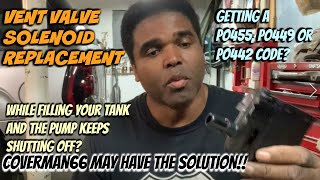
- Difficulty filling the fuel tank (the pump nozzle clicks off repeatedly). This is a classic symptom of a malfunctioning or clogged EVAP vent solenoid.
- A loose or missing gas cap.
- Replacing the O2 sensors. Oxygen sensors are not related to the EVAP system.
- Replacing the catalytic converter. This is an expensive part related to exhaust treatment, not fuel vapor containment.
- Immediately replacing the charcoal canister. While it can fail, the gas cap, vent solenoid, and purge solenoid are far more common and cheaper culprits to check first.
Most Likely Causes

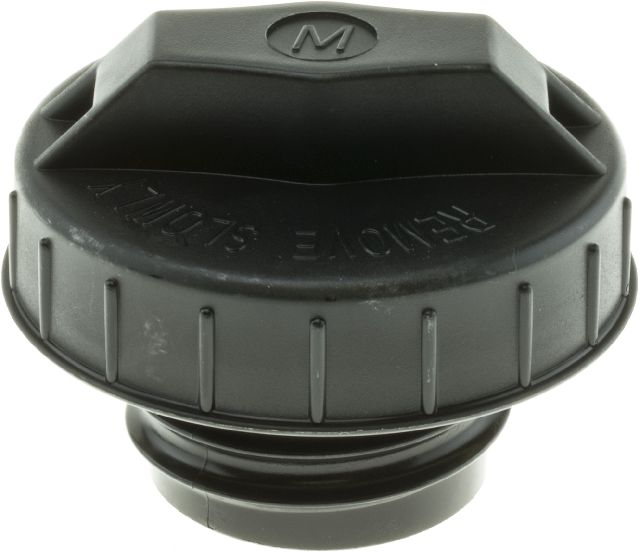
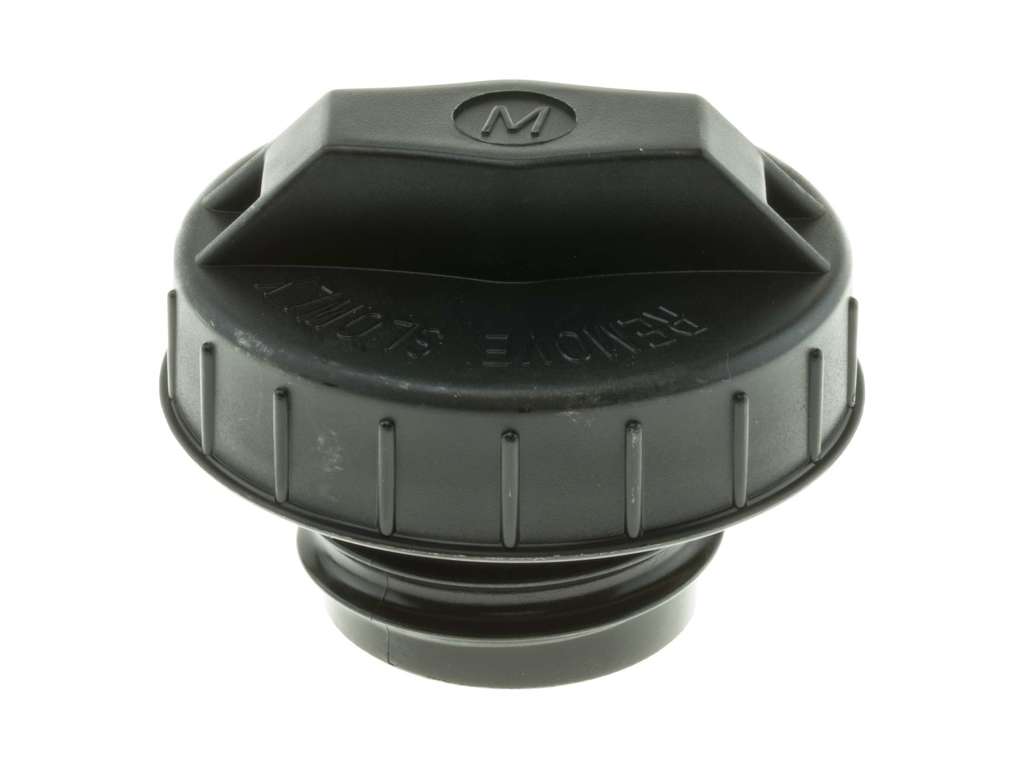
- Loose, Damaged, or Incorrect Gas Cap 🔴 High Probability → Shop Fuel Tank Cap This is the most common cause for a large EVAP leak on any vehicle, accounting for over 30% of cases. The seal can wear out, crack, or the cap may not have been tightened correctly after refueling.
How to confirm: Inspect the gas cap for cracks and check that the rubber seal is intact and pliable. Ensure it clicks at least three times when tightened. An OEM or high-quality aftermarket cap is recommended as universal caps may not seal properly.
Typical fix: Tighten the cap. If the seal is bad or the cap is damaged, replace it. Clear the code with a scanner and drive to see if it returns.
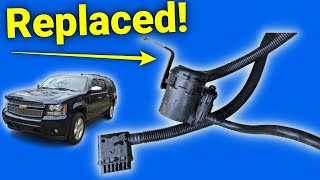
Est. part cost: $10-$30 - Faulty EVAP Canister Vent Valve/Solenoid 🔴 High Probability → Shop Vapor Canister The vent solenoid is located near the spare tire, exposing it to road dirt, moisture, and corrosion, which causes it to fail by sticking open. GM TSB 15-06-04-002 specifically calls out dust and water intrusion clogging this part and causing P0455.
How to confirm: Locate the solenoid near the charcoal canister. Check for physical damage or clogging. A scan tool can command the valve to close; if it doesn't, or if you can blow air through it when it should be closed, it's faulty. A common symptom of failure is the fuel pump nozzle clicking off when trying to fill the tank.
Typical fix: Replace the vent valve solenoid assembly. This is a common DIY repair shown in many online videos. 🎬 Watch: Step-by-step vent valve solenoid replacement guide. Some owners also install a filter relocation kit to move the air intake to a cleaner location.
Est. part cost: $25-$70 - Faulty EVAP Purge Valve/Solenoid 🟡 Medium Probability → Shop Vapor Canister This valve, usually located on the engine's intake manifold, can fail by sticking open or, more deceptively, sticking closed. If stuck closed, the ECU attempts to pull a vacuum on the tank and sees no pressure change, misinterpreting this as a large leak that prevents vacuum from forming.
How to confirm: With the engine off, disconnect the hose from the purge valve. There should be no vacuum present, and you should not be able to blow air through it. If you can, it's stuck open. A scan tool can command it open to check for function; if the fuel tank pressure doesn't drop, it may be stuck closed.
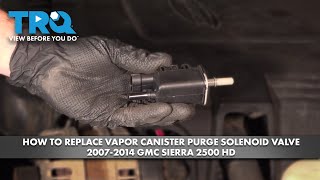
Typical fix: Replace the purge valve. This is typically a straightforward repair on the top of the engine. 🎬 See how to replace the purge solenoid valve.
Est. part cost: $20-$50 - Cracked or Disconnected EVAP Hoses 🟡 Medium Probability Rubber and plastic lines become brittle over time due to heat and age, leading to cracks. Connections can also become loose, particularly on top of the fuel tank.
How to confirm: Visually inspect all accessible EVAP lines from the engine bay to the fuel tank. A smoke test is the most effective way to find a hard-to-see leak.
Typical fix: Replace the damaged section of hose or reconnect a loose line.
Est. part cost: $5-$50
Rare But Worth Checking
- Cracked EVAP (Charcoal) Canister: → Shop Vapor Canister The canister body can be cracked by road debris or become saturated with fuel if the tank is habitually overfilled, leading to leaks. A visual inspection or smoke test will confirm. TSB 15-06-04-002 advises against replacing the canister unless it has clearly ingested debris.
- Leaking Fuel Tank or Filler Neck: → Shop Fuel Tank Rust or physical damage can cause a leak. TSB #15-NA-019 specifically identifies a fractured gasoline filler neck recirculation line connector as a cause for P0455 on 2013-2015 models, with a strong fuel odor. The replacement part is Hose Assembly P/N 22802073 for most Sierra crew/double cabs.
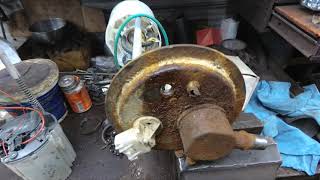
- Damaged Fuel Pump Module Seal or Top: → Shop Fuel Pump As documented in a detailed diagnostic video, the plastic top of the fuel pump assembly can develop cracks, especially around sensor or line connections. This creates a significant leak source on top of the fuel tank, only findable with a smoke test. In other cases, the fuel tank pressure sensor itself, located on the module, can fail and give false readings, leading to a P0455 code.
Diagnosis Steps
- Check the Gas Cap: Remove and inspect the gas cap. Ensure the seal is not cracked or missing. Reinstall it, making sure it clicks several times. Clear the code and drive to see if it returns.
- Visual Inspection: Visually inspect the EVAP hoses, canister, and valves under the truck, especially around the fuel tank and spare tire area. Look for any obvious cracks, damage, or loose connections. Check the fuel filler neck for rust or damage.
- Inspect and Test the Vent Solenoid: Locate the EVAP vent solenoid near the charcoal canister. Check its electrical connector and look for cracks or heavy contamination. Listen for a click when commanding it with a scan tool or by applying 12V power. If it's stuck open (you can blow through it when it should be closed), it needs replacement.
- Inspect and Test the Purge Solenoid: Locate the purge solenoid on the engine. With the engine off, it should be closed. Try to blow through it; if air passes, it's stuck open and needs to be replaced.
- Perform a Smoke Test: If the leak is not obvious, the most reliable method is to use an automotive smoke machine. This involves feeding low-pressure smoke into the EVAP service port (often a green cap in the engine bay) and watching for where it escapes. This is the definitive test for finding cracked hoses, a bad fuel pump seal, or filler neck leaks. 🎬 Watch: How to find a hidden leak using smoke.
Parts You'll Likely Need
- Gas Cap — This is the most frequent and simplest fix for a P0455 code.
Trusted brands: ACDelco, Stant
OEM price range: $20-$35
Aftermarket price range: $10-$25 - EVAP Canister Vent Solenoid
(OEM #23481275)— A very common failure point on GM trucks due to its exposed location, causing it to stick open and create a large leak. This part number is a common replacement that supersedes many previous versions (like 20995472, 25932566, etc.).
Trusted brands: ACDelco, Dorman (e.g., 911-082)
OEM price range: $40-$80
Aftermarket price range: $25-$70 - EVAP Purge Valve Solenoid
(OEM #12690512 (also seen as 12610560))— Less common than the vent solenoid but can fail by sticking open or closed, causing the system to incorrectly report a large leak.
Trusted brands: ACDelco, Dorman
OEM price range: $30-$60
Aftermarket price range: $20-$50
Related Codes That Often Appear With This One
- P0442 — P0442 indicates a small EVAP leak. These codes often appear together as they both relate to leaks in the same system. Several GM TSBs, like 15-NA-019 and 21-NA-124, mention P0455 and P0442 occurring for the same root causes.
- P0449 — This code points specifically to a fault in the EVAP vent solenoid's electrical circuit. It often appears with P0455 if the solenoid has failed electrically or is clogged so severely that the computer flags both a circuit and a performance issue.
- P0446 — This code indicates a restriction or fault in the EVAP vent system. TSB #15-06-04-002 links this code with P0455 and difficulty filling the fuel tank, often due to a clogged vent solenoid.
Technical Service Bulletins (TSBs) & Recalls

- 15-NA-019
- 15-06-04-002
- 21-NA-124
Platform-Specific Known Issues
- TSB #15-NA-019: Fuel Odor / P0455 from Filler Neck: GM issued Technical Service Bulletin #15-NA-019 for some 2013-2015 models due to a "Fuel Odor During Fuel Filling or During Idle," which could set a P0455 code. The cause is a fracture in the gasoline filler neck recirculation line connector. The fix is to inspect and replace the fuel tank filler vent hose assembly (P/N 22802073 for many Sierras).
- TSB #15-06-04-002: Dust Clogging Vent Solenoid: This TSB addresses customer complaints of the check engine light, difficulty filling the fuel tank, and codes P0449, P0446, or P0455. It identifies the cause as dust or water intrusion into the EVAP canister vent solenoid, preventing it from sealing properly. The fix is to replace the vent solenoid.
- Owner Experience: Fuel Pump Clicks Off: → Shop Fuel Pump A widely reported real-world symptom is the inability to fill the gas tank without the pump nozzle constantly clicking off. This is almost always caused by a clogged or failed EVAP vent solenoid that is unable to allow air to escape the tank as fuel enters. Many owners first notice this issue before the Check Engine Light appears.
Mechanic-Grade Diagnostic Values
- Fuel Tank Pressure (FTP) Sensor Voltage — expected: ~1.5 Volts (with Key On, Engine Off, and gas cap removed, representing atmospheric pressure). Failure: A voltage stuck high (e.g., 5V) or low (e.g., 0.3V) suggests a faulty sensor or wiring issue. A reading that doesn't change when the purge valve is commanded open during a test indicates a problem.
- EVAP Canister Vent Solenoid Resistance — expected: 20 - 50 Ohms. Failure: A reading of infinite resistance (open circuit) or near-zero resistance (short circuit) indicates a failed solenoid coil.
- EVAP Canister Purge Valve Solenoid Resistance — expected: 12 - 130 Ohms (a wide but valid range; ~36 Ohms is common). Failure: A reading of 0 ohms (short) or infinite ohms (open) points to a definite failure. However, functional testing is more reliable as the coil can test good while the valve is mechanically stuck.
Scan Tool Commands That Help
- GDS2 / Tech2: EVAP Service Bay Test — This is a guided diagnostic function that automatically commands the vent and purge solenoids to seal and then draw a vacuum on the system, while monitoring the FTP sensor. It's used to confirm the system's ability to hold a vacuum and pinpoint whether the issue is a leak or a faulty component.
- GDS2 / Tech2: Vent Solenoid Command (On/Off) — Used during a smoke test to manually close the normally-open vent solenoid, sealing the EVAP system. This allows the smoke to fill the system and reveal leaks. You should hear a click from the solenoid when it's commanded closed.
- GDS2 / Tech2: Purge/Seal — This function allows a technician to monitor the FTP sensor reading while commanding the purge solenoid to open and the vent solenoid to close. If the FTP voltage doesn't drop, it indicates the purge solenoid is not opening or is blocked.
Wiring & Ground Locations
- G402 — On the rear of the left frame rail, near the fuel tank.. This is a primary ground point for rear-of-vehicle components, including the fuel pump module and potentially the EVAP vent solenoid. A corroded or loose G402 ground can cause intermittent or failed operation of these components, leading to EVAP codes.
- EVAP Canister Vent Solenoid Connector — At the EVAP vent solenoid, near the charcoal canister and spare tire.. The control circuit for the vent solenoid consists of a 12V ignition voltage supply wire and a control wire that the ECM grounds to activate (close) the valve. Technicians test for 12V on the supply wire and check the control wire for continuity back to the ECM.
- G103 / G104 (K2XX models) — On the left side of the engine block (G103) and on the left front of the cylinder head (G104) for 2014+ models.. These are primary engine grounds. While less likely to be the sole cause for P0455, a poor engine ground can cause a host of electrical issues, including incorrect sensor readings and improper solenoid function for engine-mounted components like the purge valve.
Real Owner Repair Stories
- YouTube channel 'Pine Hollow Auto Diagnostics' (2010 GMC Sierra) — P0455 Large Leak Detected.
❌ Tried (didn't work) Initial scan tool test showed the system could not pull a vacuum when the purge solenoid was commanded on.
✅ What actually fixed it The Fuel Tank Pressure (FTP) sensor was faulty and not registering any change in pressure, making the ECM believe there was a massive leak. The technician noted the FTP voltage did not drop at all during the purge command. The entire fuel pump module (which includes the FTP sensor) was replaced to fix the issue. A leak at the fuel pump outlet line was also discovered during the repair. - YouTube channel 'Homie Hektor' (Chevrolet Silverado (similar platform)) — P0455 Large Evap Leak.
❌ Tried (didn't work) Tapping on the purge valve showed no change in pressure., Checking for vacuum at the purge valve with it commanded on revealed no suction.
✅ What actually fixed it The EVAP purge solenoid was stuck closed. Even though the scan tool was commanding it to open, it was mechanically failed and would not allow engine vacuum to enter the EVAP system. The ECM interpreted the lack of vacuum change as a large leak. Replacing the purge solenoid fixed the problem. - YouTube channel 'Flying Wrenches' (2007 GMC Sierra 5.3L) — P0455 Evap System Large Leak Detected.
❌ Tried (didn't work) Commanding the vent solenoid with a scan tool confirmed it was clicking and seemed to be working electrically.
✅ What actually fixed it A smoke test revealed smoke pouring out from the top of the fuel pump module. After removing the truck bed for access, a large crack was found in the plastic top of the fuel pump assembly, right under the electrical connector. This was the source of the large leak. The entire fuel pump module was replaced.
"I Checked Everything" — The Actual Cause
- In some cases, the system may pass a smoke test, yet the P0455 code persists. A documented cause for this is a faulty Fuel Tank Pressure (FTP) sensor. The ECM runs a diagnostic test by commanding the purge valve open and expects to see the FTP sensor report a drop in pressure (an increase in vacuum). If the FTP sensor is bad and its reading is stuck (e.g., at 1.5V), the ECM sees no pressure change and incorrectly logs a P0455, assuming a massive leak is preventing vacuum from building. The actual leak test never truly fails because the sensor provides no valid data.
When the Usual Fixes Don't Work
- While the most common causes are simple leaks from the gas cap or a stuck-open vent solenoid, a significant number of real-world cases for P0455 on this platform are not caused by a physical leak at all. Instead, the fault lies with a component that prevents the diagnostic test from running correctly. A prime example is a stuck-closed purge valve or a non-responsive Fuel Tank Pressure (FTP) sensor. In these scenarios, the system is perfectly sealed, and a smoke test will show no leaks. However, when the ECM attempts to pull a vacuum on the tank for its self-test, it sees no change in pressure and falsely logs a 'large leak' code. Technicians who rely solely on a smoke test without verifying the function of the purge valve and FTP sensor with a scan tool will fail to find the true cause.
OEM Part Supersession History
25932566, 20995472, 22865590→23481275— GM regularly updates service parts to integrate new materials and technologies for improved durability.
Heads up: The part 23481275 is the widely accepted current replacement for most 2007-2014 GM trucks and SUVs and is backwards compatible with the older part numbers.
Model Year Variations Within This Range
- 2008-2013 (GMT900): The ECM commands the EVAP canister vent solenoid valve OFF (open) and the purge solenoid ON to allow vacuum into the system.
- 2014-2015 (K2XX): The ECM commands the EVAP canister vent solenoid valve ON (closed) and the purge solenoid ON to allow vacuum into the system. This reflects a change in the default state or control logic of the vent solenoid between generations.
Helpful Videos
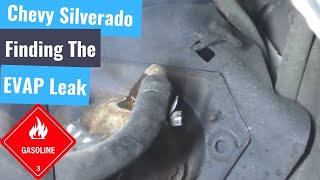
Used OEM Parts in Stock
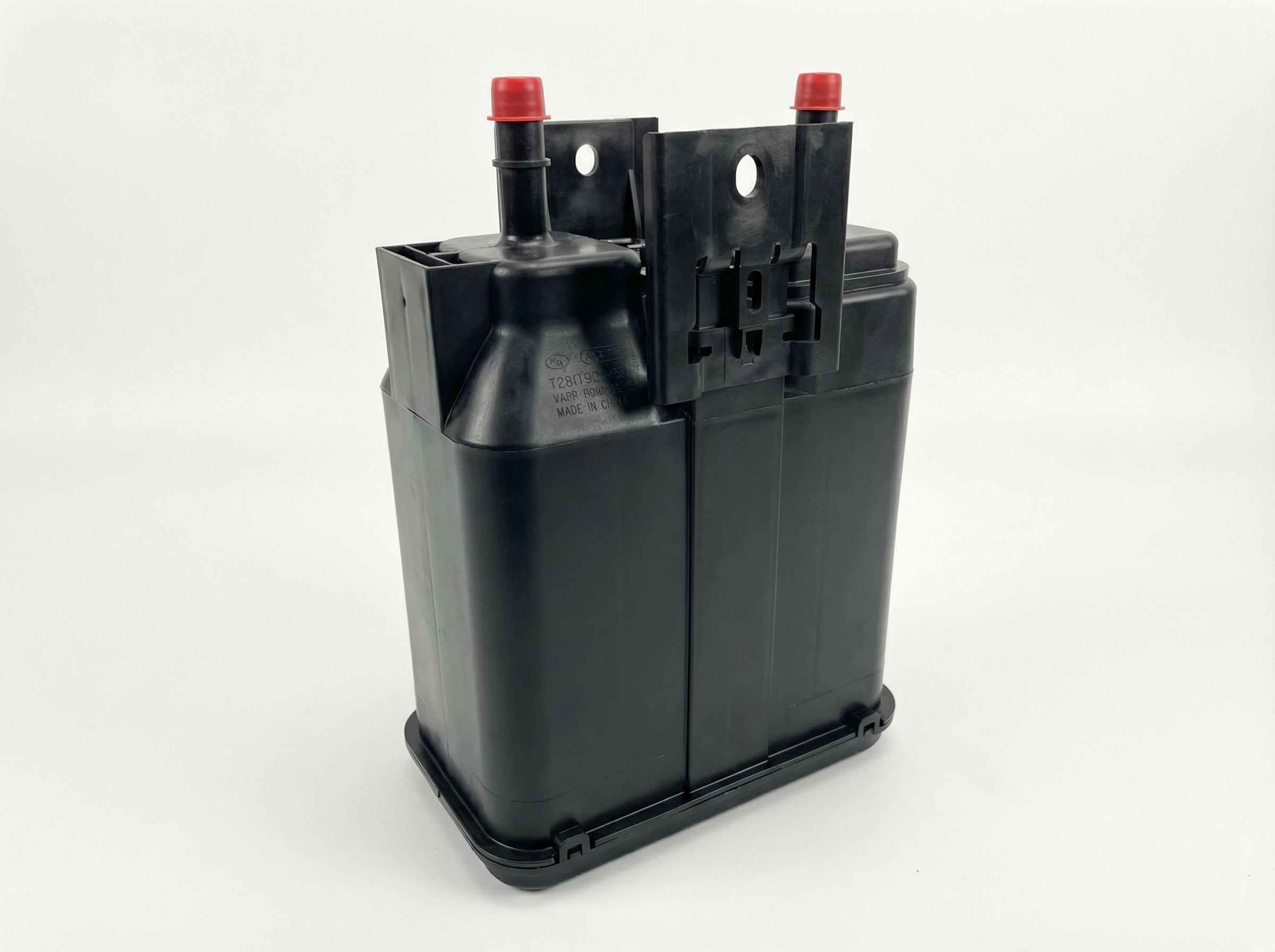

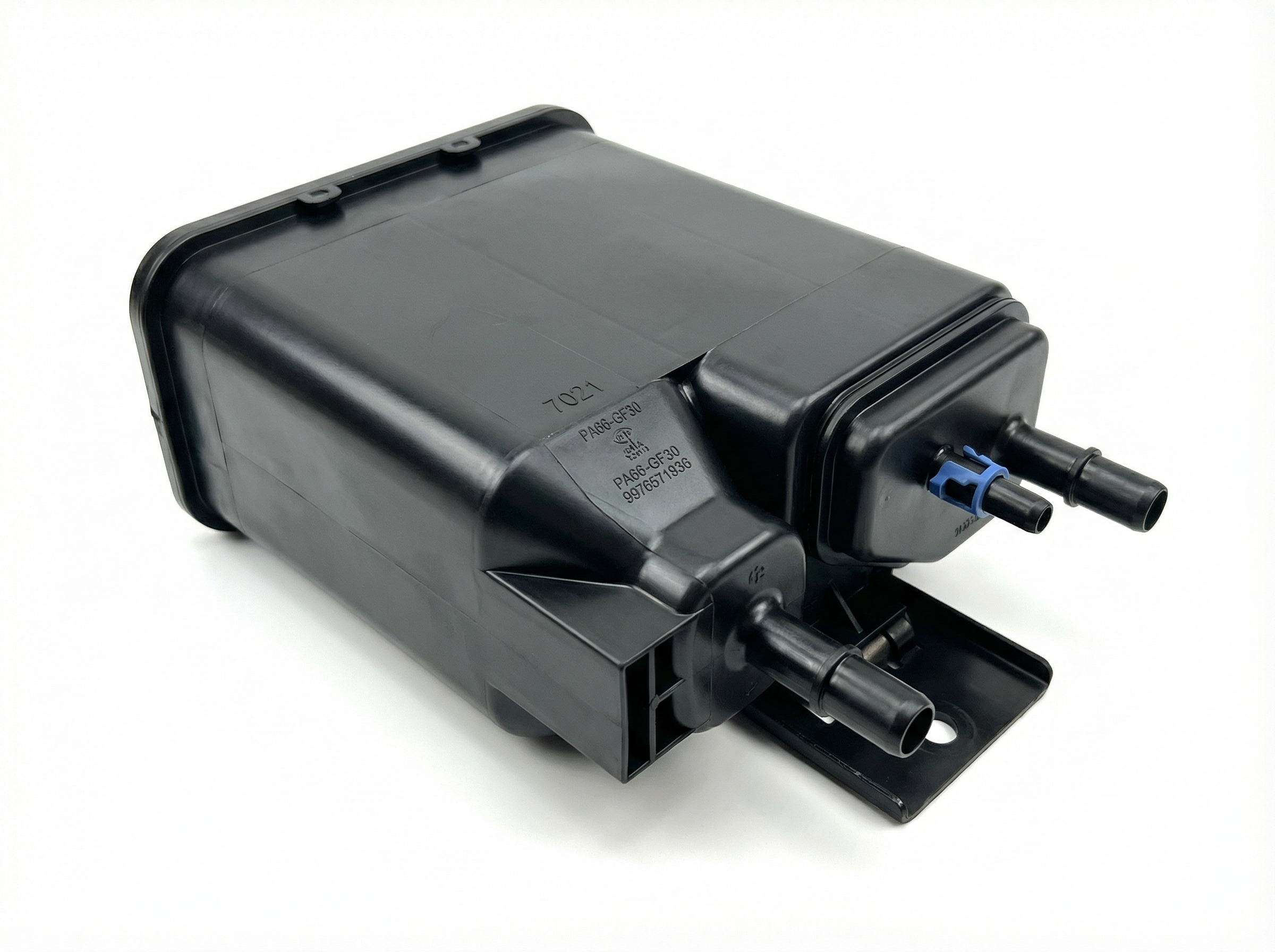
New Aftermarket Parts Available


The information in this article is provided for general reference and educational purposes only. Vehicle specifications, procedures, and part compatibility can vary by production date, trim level, and region. Always consult your vehicle's factory service manual and verify part numbers before purchasing or performing repairs. Safety-critical components such as airbags, seat belts, and braking systems should be installed by a qualified professional.
- Gmc SIERRA 1500:
- 🧭 Diagnostic Flowchart
- 🎬 Helpful Videos
- 🛍️ Shop This Part
- What's Unique About the 2008-2015 Gmc SIERRA 1500
- Symptoms You May Notice
- Most Likely Causes
- Rare But Worth Checking
- Diagnosis Steps
- Parts You'll Likely Need
- Related Codes That Often Appear With This One
- Technical Service Bulletins (TSBs) & Recalls
- Platform-Specific Known Issues
- Mechanic-Grade Diagnostic Values
- Scan Tool Commands That Help
- Wiring & Ground Locations
- Real Owner Repair Stories
- "I Checked Everything" — The Actual Cause
- When the Usual Fixes Don't Work
- OEM Part Supersession History
- Model Year Variations Within This Range
- 🎟️ Get 5% Off