

P0455 on 2010-2017 GMC Terrain: Causes and Fixes for a Large EVAP Leak
For a 2010-2017 GMC Terrain, P0455 most often means you have a loose or faulty gas cap. If not the cap, the next most likely causes are a failed EVAP purge or vent solenoid. A new gas cap is about $15-$30, while solenoids can range from $30 to $100. Always check the gas cap first before buying parts.
- Always check the gas cap first. It's the most common, cheapest, and easiest fix for a P0455 code.
- If the gas cap isn't the issue, the EVAP purge solenoid (on the engine) and vent solenoid (near the tank) are the next most likely culprits.
- The code indicates a large leak, but this can sometimes be caused by a valve that is stuck closed, which prevents the system from pulling a vacuum during its self-test.
- While you can drive the vehicle with this code, you will not pass an emissions test until it is resolved.
- If simple checks don't reveal the problem, a smoke test is the most reliable way to find the exact source of the leak.
What's Unique About the 2010-2017 Gmc TERRAIN

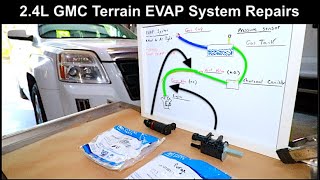
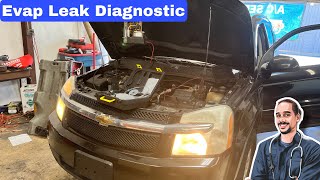
On the first-generation GMC Terrain and its Chevy Equinox platform mate, the P0455 code is a common issue with well-documented causes. While the gas cap is a frequent culprit, the EVAP purge and vent solenoids are also extremely common failure points. A key nuance for this platform is that a P0455 code can be triggered not just by a leak, but by a purge valve that is stuck *closed*. The ECM attempts to pull the system into a vacuum by opening the valve; when the pressure doesn't change, it logs a large leak code, mistaking the blockage for a massive leak. 🎬 Watch: A professional diagnostic process for the P0455 large leak. GM Technical Service Bulletin #21-NA-124 exists specifically to help technicians diagnose P0442 and P0455, indicating it's a recognized issue requiring a specific diagnostic order. For models with a capless fuel filler system, the inner seal can be torn or dislodged, which is a more involved repair.
Diagnostic Flowchart

Tap your situation to follow the diagnostic path that matches what you're seeing on this vehicle.
Symptoms You May Notice
- Check Engine Light is on
- A noticeable fuel smell, especially after parking in an enclosed space like a garage
- For models with capless fuel fillers, difficulty inserting the gas pump nozzle or a nozzle that doesn't seat properly
- Difficulty starting after refueling (in rare cases, if the purge valve is stuck open, which is more commonly associated with code P0496)
- Message on dash to 'Tighten Gas Cap' may appear, even if the cap is tight
- In one reported instance, a user experienced choppy/jerky vehicle movement in reverse that coincided with the P0455 code appearing.
- Replacing the O2 sensors. Oxygen sensors are not related to the EVAP system.
- Replacing the catalytic converter. This is an expensive repair and is unrelated to the P0455 code.
- Assuming it must be a complex issue before checking the gas cap. Always start with the simplest and most common cause.
- Assuming P0455 is always a physical leak. On this platform, a stuck-closed (blocked) purge valve is a common cause that the ECM misinterprets as a large leak.
Most Likely Causes

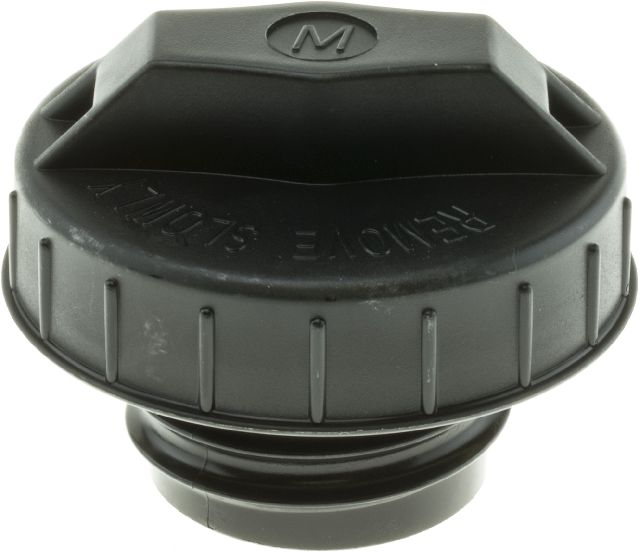
- Loose, Damaged, or Incorrect Gas Cap 🔴 High Probability → Shop Fuel Tank Cap This is the most common cause for any vehicle. Caps wear out, get lost, or are not tightened correctly after refueling.
How to confirm: Ensure the cap is tightened until it clicks several times. Inspect the cap's seal for cracks or damage. If you have a capless system, inspect the filler neck seal for tears or debris.
Typical fix: Tighten or replace the gas cap.
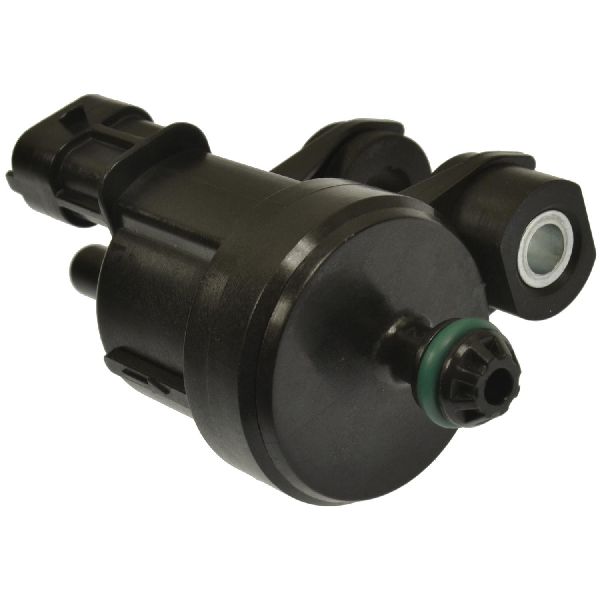
Est. part cost: $15-$40 - Faulty EVAP Purge Solenoid/Valve 🟡 Medium Probability → Shop Vapor Canister This valve is a very high-failure part on many GM vehicles, including the Terrain. It can get stuck open (causing P0496) or stuck closed. A stuck-closed valve will prevent the system from drawing a vacuum during its self-test, causing the computer to incorrectly log a P0455 large leak.
How to confirm: The purge valve is located on top of the engine. A scan tool can command the valve open and closed to test its function. A common failure is being stuck closed; when commanded open with the engine running, no vacuum is felt at the inlet port. Sometimes, tapping it with a screwdriver can temporarily unstick it.
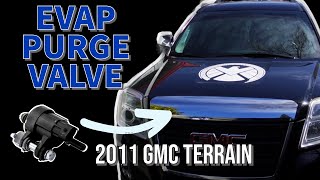
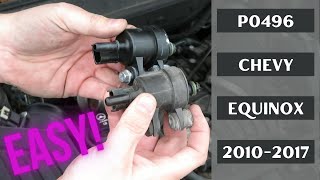
Typical fix: Replace the purge solenoid. This is a very easy DIY job. 🎬 See this step-by-step walkthrough for replacing the purge valve.
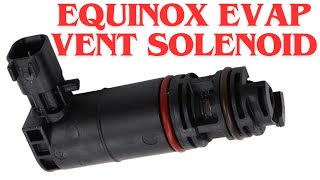
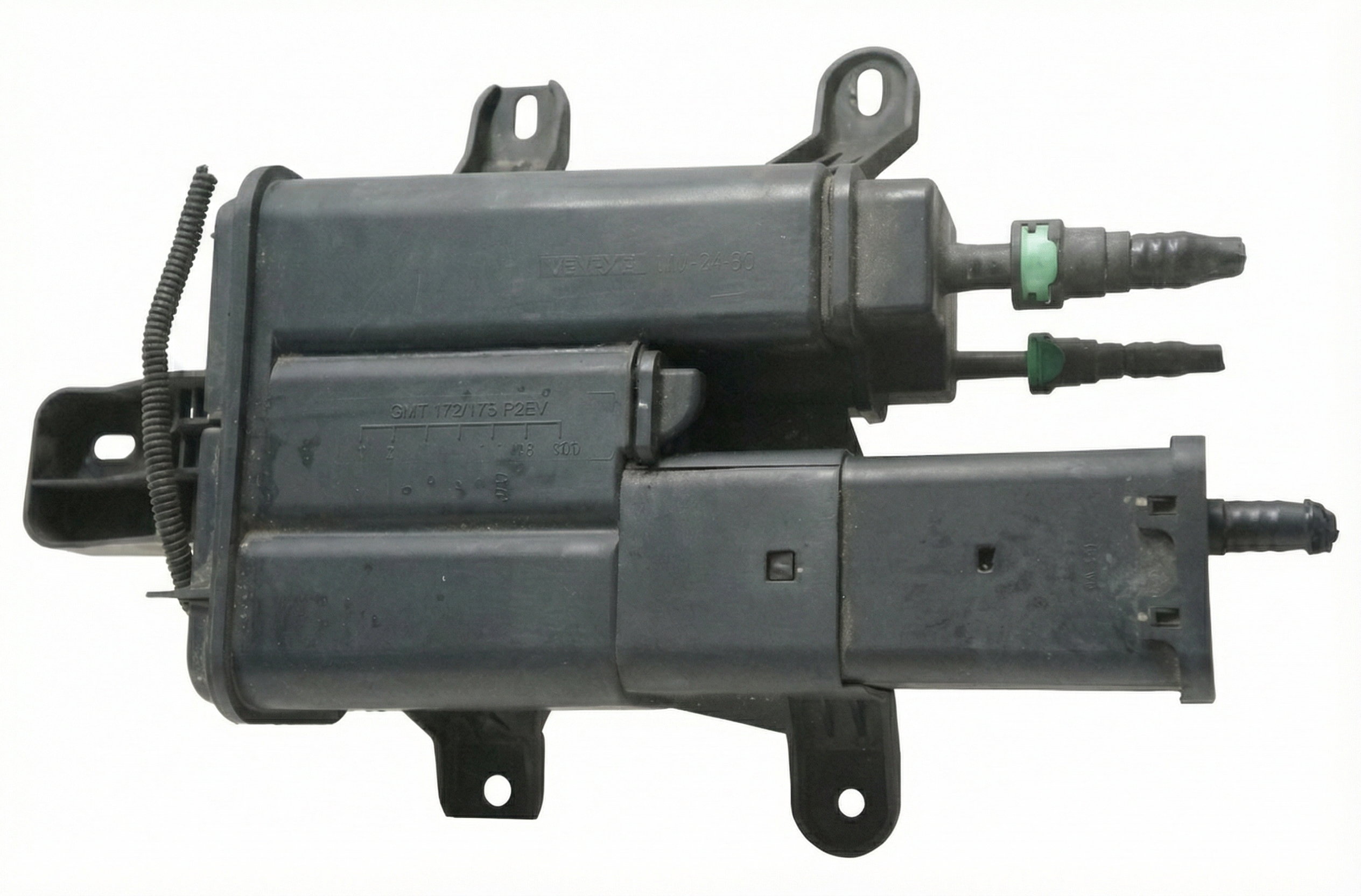
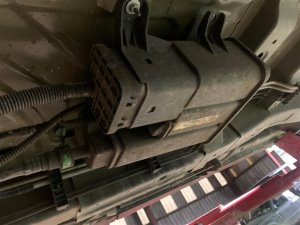
Est. part cost: $25-$75 - Faulty EVAP Vent Solenoid/Valve 🟡 Medium Probability → Shop Vapor Canister Located under the vehicle near the charcoal canister by the muffler, this valve is exposed to road debris and moisture, which can cause it to fail and stick open, creating a large leak.
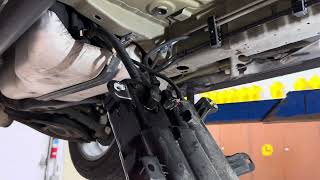
How to confirm: The valve is normally open. A scan tool can command it closed to seal the system for a pressure test. It can also be removed and tested by applying 12V to see if the plunger actuates. Its location is on the driver's side, between the front and back doors, next to the muffler. 🎬 Watch: How to locate and replace the EVAP vent solenoid.
Typical fix: Replace the vent solenoid.
Est. part cost: $30-$100 - Cracked or Disconnected EVAP Hoses ⚪ Low Probability Rubber and plastic hoses become brittle over time with exposure to heat and elements, leading to cracks. Connections can also be improperly seated after other repairs.
How to confirm: A visual inspection may reveal obvious damage. The most effective method is a smoke test, which forces smoke into the EVAP system to reveal the source of the leak. TSB 21-NA-124 specifically calls out checking all seven critical connections in the system.
Typical fix: Replace the damaged section of hose or properly seat the connection.
Est. part cost: $10-$50
Rare But Worth Checking
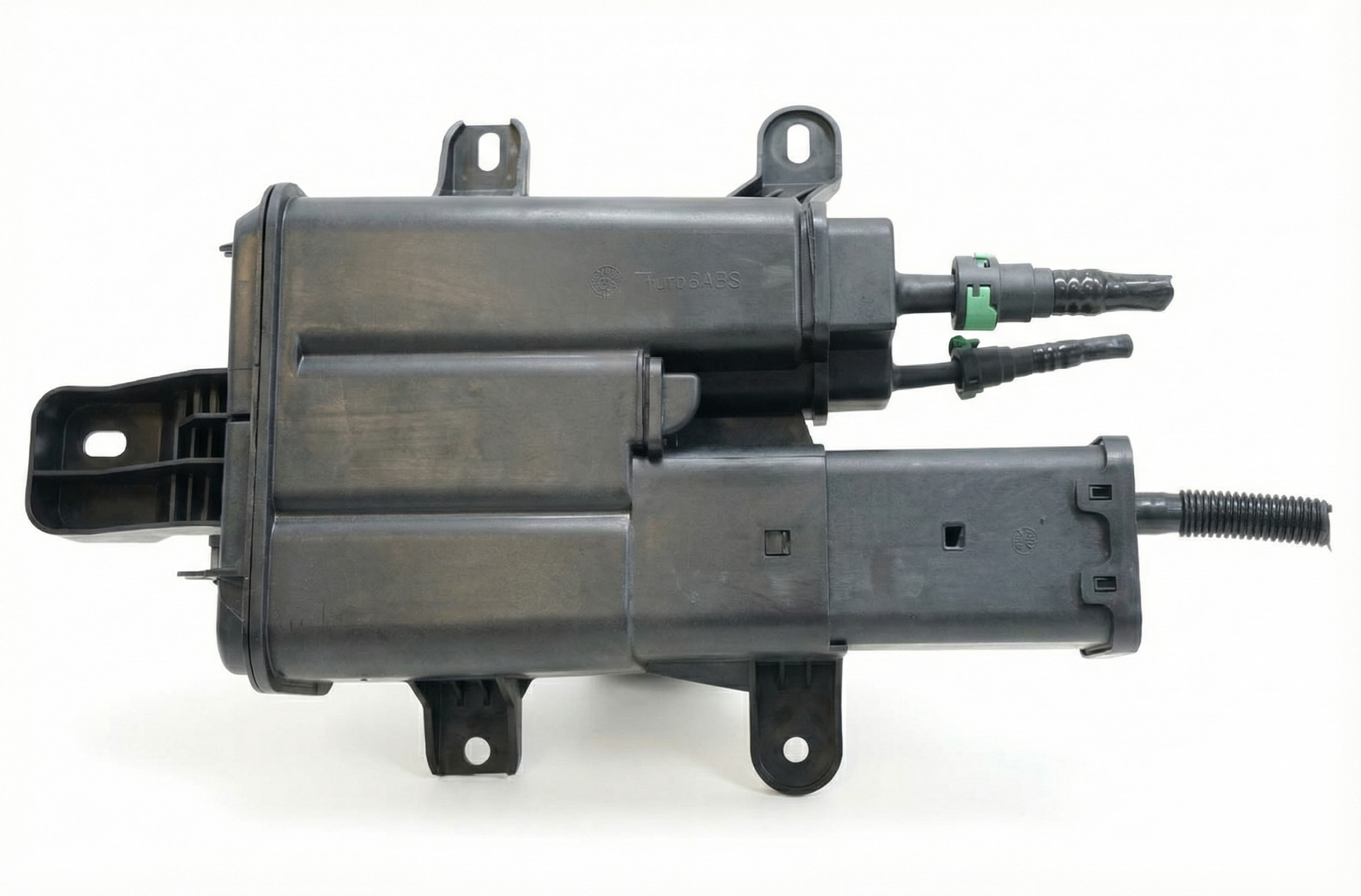
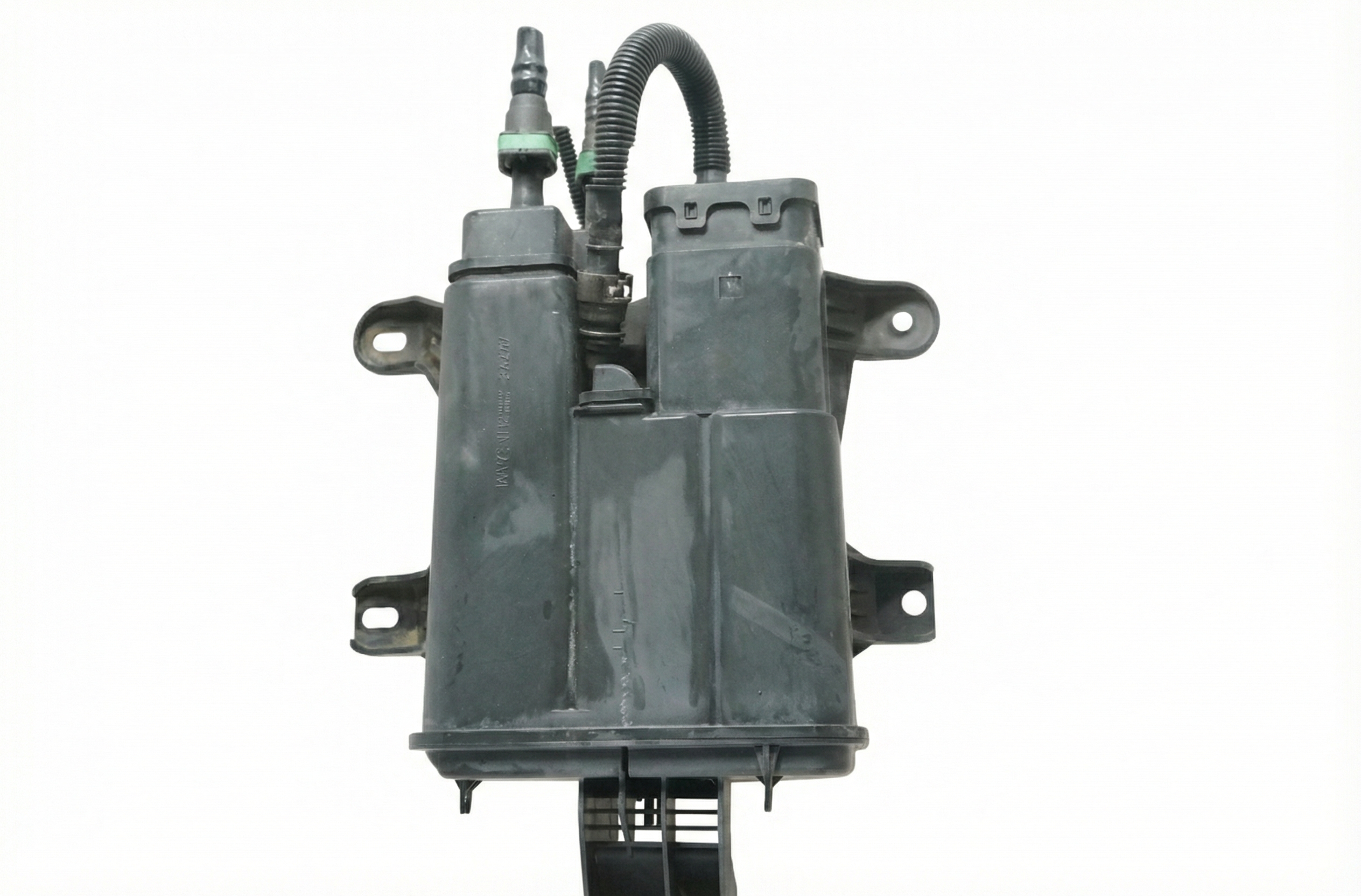
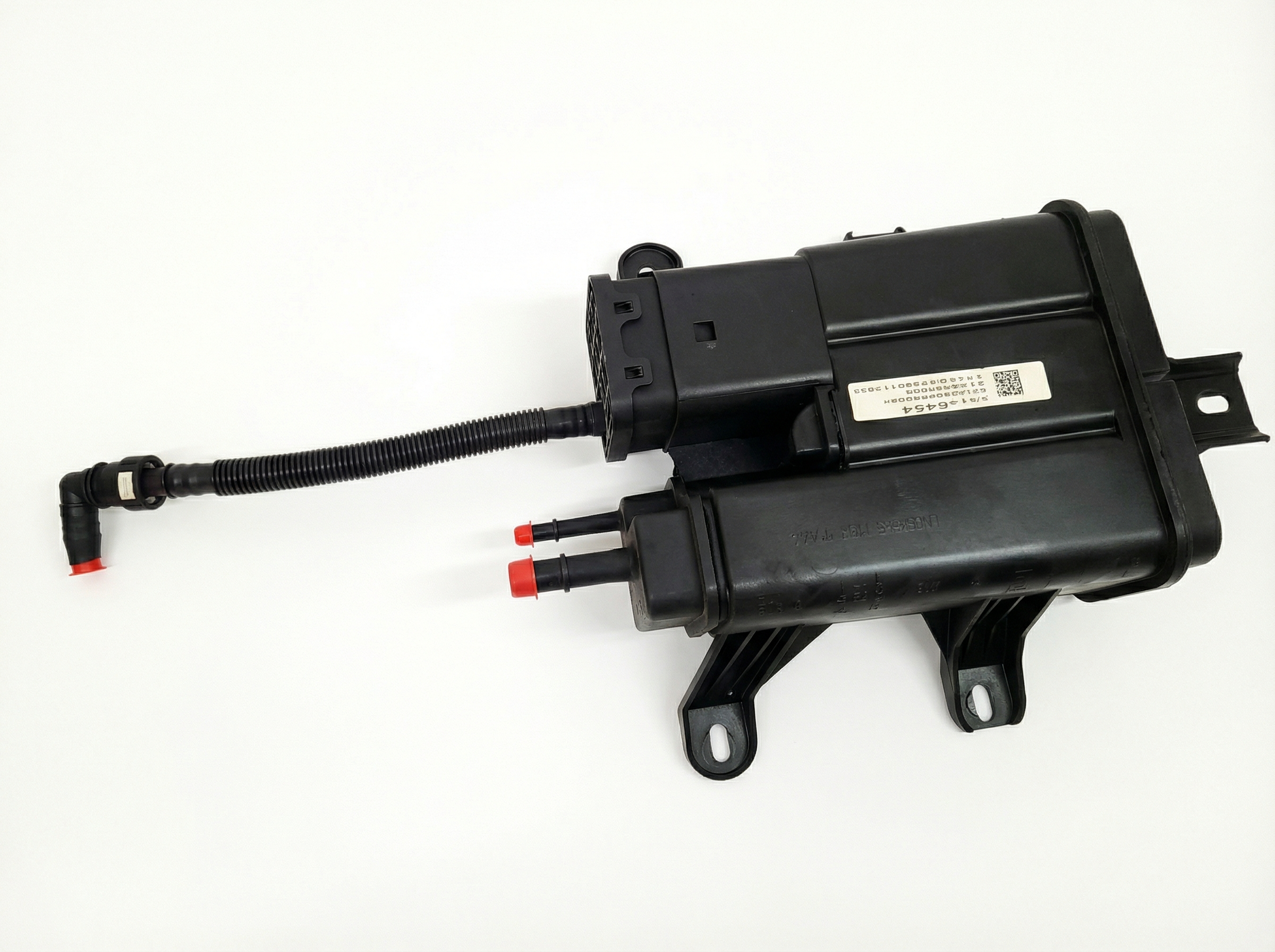
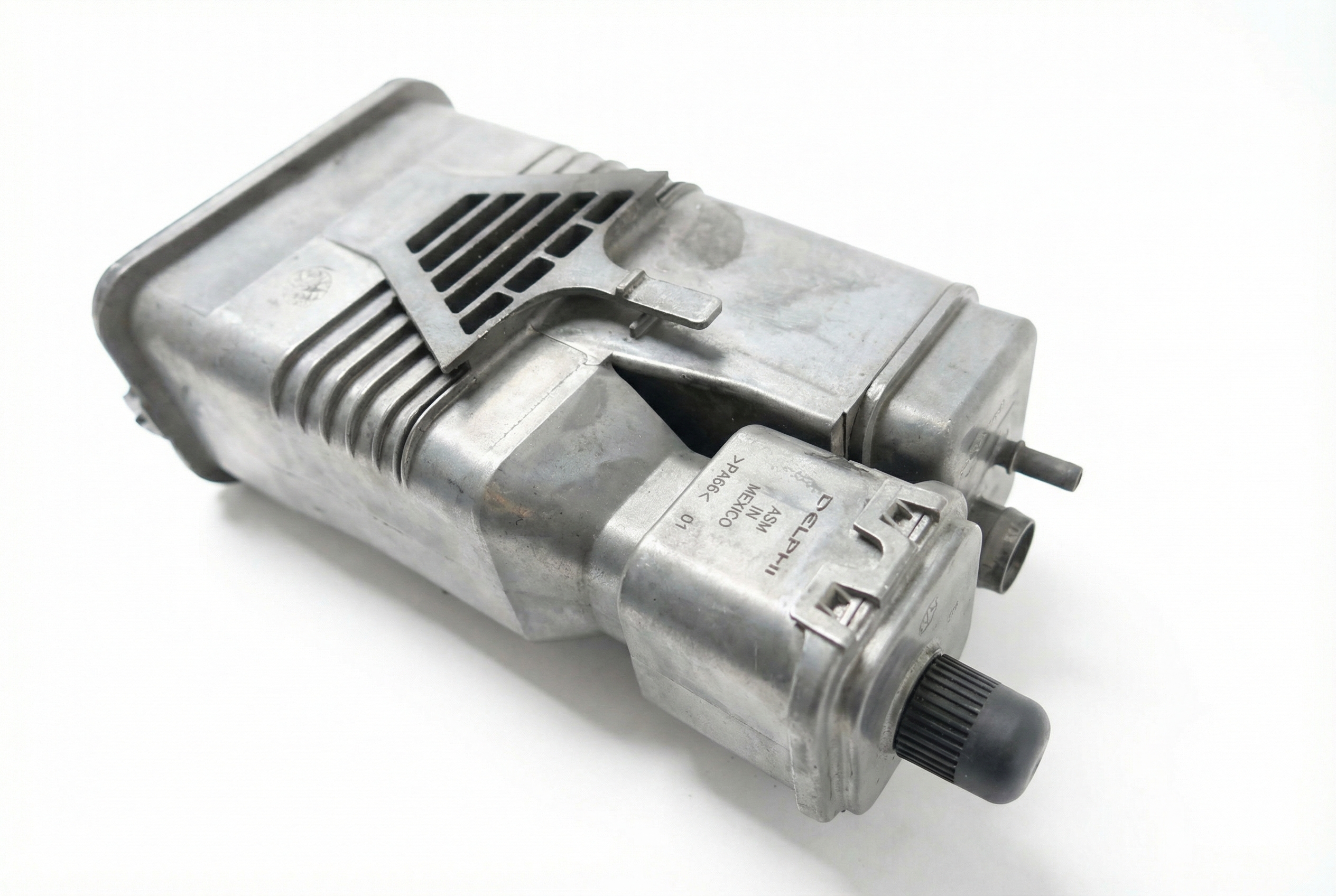
- Cracked Charcoal Canister: → Shop Vapor Canister The canister itself can develop cracks from road debris impact or age, creating a large leak. This is usually found during a smoke test.
- Damaged Fuel Filler Neck: → Shop Fuel Filler Neck Rust or physical damage can create holes in the filler neck, preventing a proper seal with the gas cap. On capless models, the internal spring-loaded seal can be damaged by the fuel nozzle, creating a permanent large leak.
- Faulty Fuel Tank Pressure Sensor: → Shop Fuel Tank In some cases, the sensor itself can fail, incorrectly reporting a large leak when there is none. This is less common than a physical leak.
Diagnosis Steps

- Check the Gas Cap: Remove and reinstall the gas cap, ensuring it clicks at least three times. For capless systems, visually inspect the seal for damage. Clear the code and drive for a few days. If the light returns, inspect the cap's O-ring for cracks or damage and replace if necessary.
- Visual Inspection (per TSB 21-NA-124): Inspect all visible EVAP hoses and lines running from the gas tank to the engine for obvious cracks, disconnections, or damage. Pay close attention to the seven critical connection points outlined by GM.
- Test Vent Solenoid: Locate the vent solenoid near the charcoal canister under the vehicle on the driver's side. Use a scan tool to command it closed and see if it holds a vacuum or pressure. You can also apply 12V to test for actuation.
- Test Purge Solenoid: Locate the purge solenoid on the engine. Use a scan tool to command it open and closed. Check for an audible click and, more importantly, verify that vacuum from the intake manifold is passing through it when commanded open. A stuck-closed valve is a common cause of P0455 on this vehicle.
- Perform a Smoke Test: If the leak source is still not found, the most effective method is a smoke test. A machine injects low-pressure smoke into the EVAP system, and the leak will be visible wherever smoke escapes. This is the definitive way to find cracked hoses, a leaking canister, or a bad filler neck seal.
Parts You'll Likely Need
- Gas Cap — This is the most frequent, cheapest, and simplest fix for a P0455 code.
Trusted brands: ACDelco, Stant
OEM price range: $20-$40
Aftermarket price range: $15-$30 - EVAP Purge Solenoid Valve
(OEM #12690512 (supersedes 55593172, 12610560))— A very common failure item on GM vehicles that gets stuck open or closed. A stuck-closed valve is a known cause for a P0455 on the Terrain.
Trusted brands: ACDelco, Bosch, Dorman (911-082)
OEM price range: $40-$80
Aftermarket price range: $25-$60 - EVAP Vent Solenoid Valve
(OEM #ACDelco 84524035 or 22865590)— Its location under the vehicle makes it susceptible to corrosion and damage from road debris, causing it to stick open and create a large leak.
Trusted brands: ACDelco, Dorman (911-036), Standard Motor Products (CVS38)
OEM price range: $50-$100
Aftermarket price range: $30-$70
Related Codes That Often Appear With This One
- P0442 — P0442 indicates a small EVAP leak. Sometimes a component is beginning to fail and may trigger both a small and large leak code at different times. The provided TSB #21-NA-124 specifically mentions diagnosing both codes together.
- P0496 — This code indicates 'EVAP Flow During a Non-Purge Condition,' which often points directly to a faulty purge solenoid that is stuck open. A stuck-open purge valve can sometimes be interpreted by the ECM as a large leak, triggering P0455.
Technical Service Bulletins (TSBs) & Recalls
- 21-NA-124: Provides diagnostic tips for testing EVAP leaks that cause DTCs P0442 and/or P0455. It clarifies that a P0455 can be a large leak or a purge blockage (stuck closed purge valve).
Platform-Specific Known Issues
- GM issued Technical Service Bulletin #21-NA-124 to provide dealers with a specific diagnostic flow for codes P0442 and P0455. The recommended order is to check lines/connections, then the vent valve, and finally the purge valve.
- The purge solenoid valve fails so frequently on this and related GM models that GM has issued special coverage programs (e.g., N232395300) extending the warranty on this specific part for certain VINs. It is worth calling a dealer with your VIN to check for coverage before purchasing a replacement.
Mechanic-Grade Diagnostic Values
- Fuel Tank Pressure (FTP) Sensor Voltage — expected: ~1.5V (range of 1.3V-1.7V) with key on, engine off, and gas cap removed (atmospheric pressure).. Failure: A reading near 0V suggests a wiring short, while a reading stuck high (e.g., 5V) suggests a faulty sensor.
- EVAP Purge Solenoid Power Supply Wire Voltage — expected: 12V (Battery Voltage) at the power supply wire with the key on.. Failure: 0V indicates a wiring or fuse issue.
- EVAP Purge Solenoid Coil Resistance — expected: Approximately 20-21 Ohms. A general acceptable range for many GM vehicles is 15-30 Ohms.. Failure: A reading far outside this range (open circuit or shorted) indicates a failed solenoid coil.
Scan Tool Commands That Help
- GM GDS2/Tech2 or equivalent professional scan tool: EVAP Purge/Seal — This command is used to manually close the EVAP vent solenoid and seal the system, which is the first step in performing a manual leak test.
- GM GDS2/Tech2 or equivalent professional scan tool: EVAP Canister Purge Solenoid Valve Control — This allows a technician to command the purge solenoid to a specific duty cycle (e.g., 30%) to draw a vacuum on the sealed system and verify its operation and the system's ability to hold vacuum.
Wiring & Ground Locations
- F21 (10A) — In the main underhood fuse block, located next to the brake fluid reservoir.. This is the primary fuse that powers the EVAP canister purge valve and other system components. A blown fuse will de-power the system and can cause diagnostic trouble.
- EVAP Purge Solenoid — On top of the engine, near the oil fill cap, under the plastic engine cover.. This is a primary failure point. Knowing its location is critical for testing and replacement.
- EVAP Vent Solenoid & Charcoal Canister — Under the vehicle on the driver's side, between the front and back doors, next to the muffler.. This is the other primary solenoid failure point. Its under-vehicle location makes it susceptible to corrosion and damage.
- G101 — Left front of the engine compartment.. This is a major engine compartment ground. A poor connection here can cause a variety of intermittent electrical issues for engine and emissions components controlled by the ECM.
Real Owner Repair Stories
- YouTube channel 'OldSoulMillennial' (GMC Terrain 2.4L (similar to 2010-2017)) — Intermittent P0442 (small EVAP leak), which is diagnosed with the same components as P0455.
❌ Tried (didn't work) The video focuses on proactive replacement but highlights the diagnostic path: check gas cap first, then suspect the purge and vent valves.
✅ What actually fixed it The video replaces the purge and vent valves as the most likely culprits after the gas cap. Crucially, it highlights inspecting the metal EVAP line that runs along the vehicle's frame rail, pointing out significant rust buildup as a potential, and often overlooked, source of leaks that a smoke test might miss if not performed carefully along the entire line.
"I Checked Everything" — The Actual Cause
- A common scenario for a P0455 code with a 'clean' smoke test is an internally failing EVAP vent solenoid. The solenoid is normally open, and the ECM commands it closed to seal the system for a self-test. If the valve fails to close completely due to wear or debris, it creates a large leak path during the test cycle. However, since it's an internal valve failure, a standard smoke test performed on a static system may not reveal any smoke, as there are no cracked hoses. The leak only 'exists' when the valve is commanded closed but fails to seal.
OEM Part Supersession History
55593172→12610560, then 12661763, finally 12690512— Standard part evolution and design updates by GM to improve reliability for a high-failure component.
Heads up: While all listed part numbers are for the same component (EVAP Purge Solenoid), it is always best to use the latest available part number (12690512 or its successor) as it contains the most recent design improvements.
Model Year Variations Within This Range
- 2010-2017: This entire generation uses a traditional, screw-on gas cap. The capless fuel filler system, which can have its own unique failure modes for EVAP leaks, was introduced on the second-generation Terrain starting in the 2018 model year and is not a factor for this vehicle range.
Helpful Videos
Used OEM Parts in Stock
New Aftermarket Parts Available


The information in this article is provided for general reference and educational purposes only. Vehicle specifications, procedures, and part compatibility can vary by production date, trim level, and region. Always consult your vehicle's factory service manual and verify part numbers before purchasing or performing repairs. Safety-critical components such as airbags, seat belts, and braking systems should be installed by a qualified professional.
- Gmc TERRAIN:
- 🧭 Diagnostic Flowchart
- 🎬 Helpful Videos
- 🛍️ Shop This Part
- What's Unique About the 2010-2017 Gmc TERRAIN
- Symptoms You May Notice
- Most Likely Causes
- Rare But Worth Checking
- Diagnosis Steps
- Parts You'll Likely Need
- Related Codes That Often Appear With This One
- Technical Service Bulletins (TSBs) & Recalls
- Platform-Specific Known Issues
- Mechanic-Grade Diagnostic Values
- Scan Tool Commands That Help
- Wiring & Ground Locations
- Real Owner Repair Stories
- "I Checked Everything" — The Actual Cause
- OEM Part Supersession History
- Model Year Variations Within This Range
- 🎟️ Get 5% Off