

P0455 on 2018-2023 GMC Terrain: EVAP Large Leak Causes and Fixes
For the 2018-2023 GMC Terrain, a P0455 code most often points to a problem with the capless fuel filler neck seal or a faulty EVAP purge valve. Check the fuel filler opening for damage or debris first, as this is a very common and easy-to-inspect failure point specific to this model generation, before moving on to more complex diagnostics.
- P0455 on your Terrain means a large leak has been detected in the fuel vapor system.
- Before buying any parts, carefully inspect the capless fuel filler opening for any damage, dirt, or debris holding the seal open, as this is a primary and vehicle-specific cause.
- If the filler neck is intact, the most common culprits are the EVAP purge valve (in the engine bay) or the vent valve (near the tank).
- A professional smoke test is the fastest way to accurately pinpoint the leak's location, potentially saving money on unnecessary parts.
What's Unique About the 2018-2023 Gmc TERRAIN
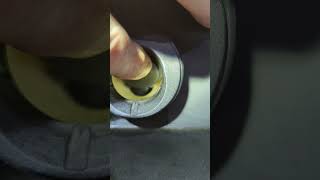
Unlike older vehicles with a traditional gas cap, the 2018-2023 GMC Terrain uses a capless fuel filler system. This design introduces a unique and common failure point: the seal in the filler neck can be damaged or dislodged by a fuel nozzle, causing a large EVAP leak that sets the P0455 code. A video from a repair shop specifically shows a 2022 Terrain where the inner seal was dislodged, causing the code. 🎬 Watch: Mechanic finds a dislodged seal on a 2022 Terrain Additionally, GM has issued technical service bulletins that point towards issues with the EVAP canister's performance and provide specific diagnostic tips for finding leaks on these vehicles.
Diagnostic Flowchart
Tap your situation to follow the diagnostic path that matches what you're seeing on this vehicle.
Symptoms You May Notice
- Check Engine Light is on
- A noticeable smell of fuel, particularly around the rear of the vehicle or fuel filler area.
- In rare cases, a loud intake-sounding noise that changes with throttle application has been reported by an owner in conjunction with a P0455 code.
- Replacing the purge or vent valve without first checking the capless fuel filler neck. The filler neck is a very common and easy-to-check point of failure on this specific vehicle.
- Replacing the gas cap on a vehicle that doesn't have one. The 2018-2023 Terrain is capless; the issue is with the filler neck assembly itself.
- Assuming a new aftermarket part is good. In one documented case on a platform mate, a brand new aftermarket gas cap was the cause of the leak, while the original OEM cap still worked correctly.
Most Likely Causes
- Damaged or Debris-Laden Capless Fuel Filler Neck 🔴 High Probability → Shop Fuel Filler Neck The capless system's spring-loaded flap and internal seal can be damaged by fuel nozzles or held open by dirt, preventing a proper seal. This is a well-documented issue, with mechanics noting it's an 'all too common problem' on these systems. A torn or dislodged seal requires replacement of the entire filler neck assembly.
How to confirm: Visually inspect the fuel filler opening with a flashlight. Look for any visible damage to the rubber seal, check if the flap closes completely, and clear out any dirt or debris. A mechanic confirmed finding a dislodged seal on a 2022 Terrain this way.
Typical fix: If the seal is damaged, the entire fuel filler neck assembly needs to be replaced.
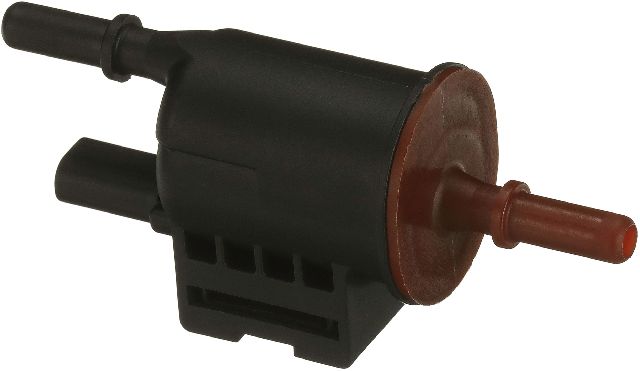
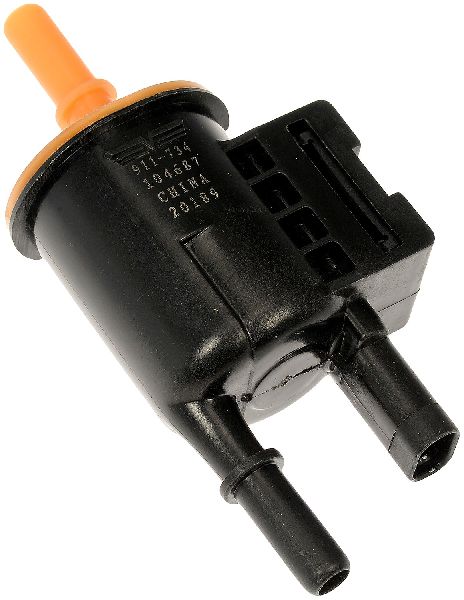
Est. part cost: $220-$350 - Faulty EVAP Purge Valve (Solenoid) 🟡 Medium Probability → Shop Vapor Canister The purge valve is an electromechanical part that cycles frequently and can fail by sticking open or closed. If stuck open, it creates a constant leak path. If stuck closed, the system can't pull a vacuum during its test, which the ECM may interpret as a large leak.
How to confirm: Remove the valve (located in the engine bay) and attempt to blow through it. When unpowered, it should be closed and not allow air to pass. A professional can command it open and closed with a scan tool to verify function.
Typical fix: Replace the purge valve solenoid.
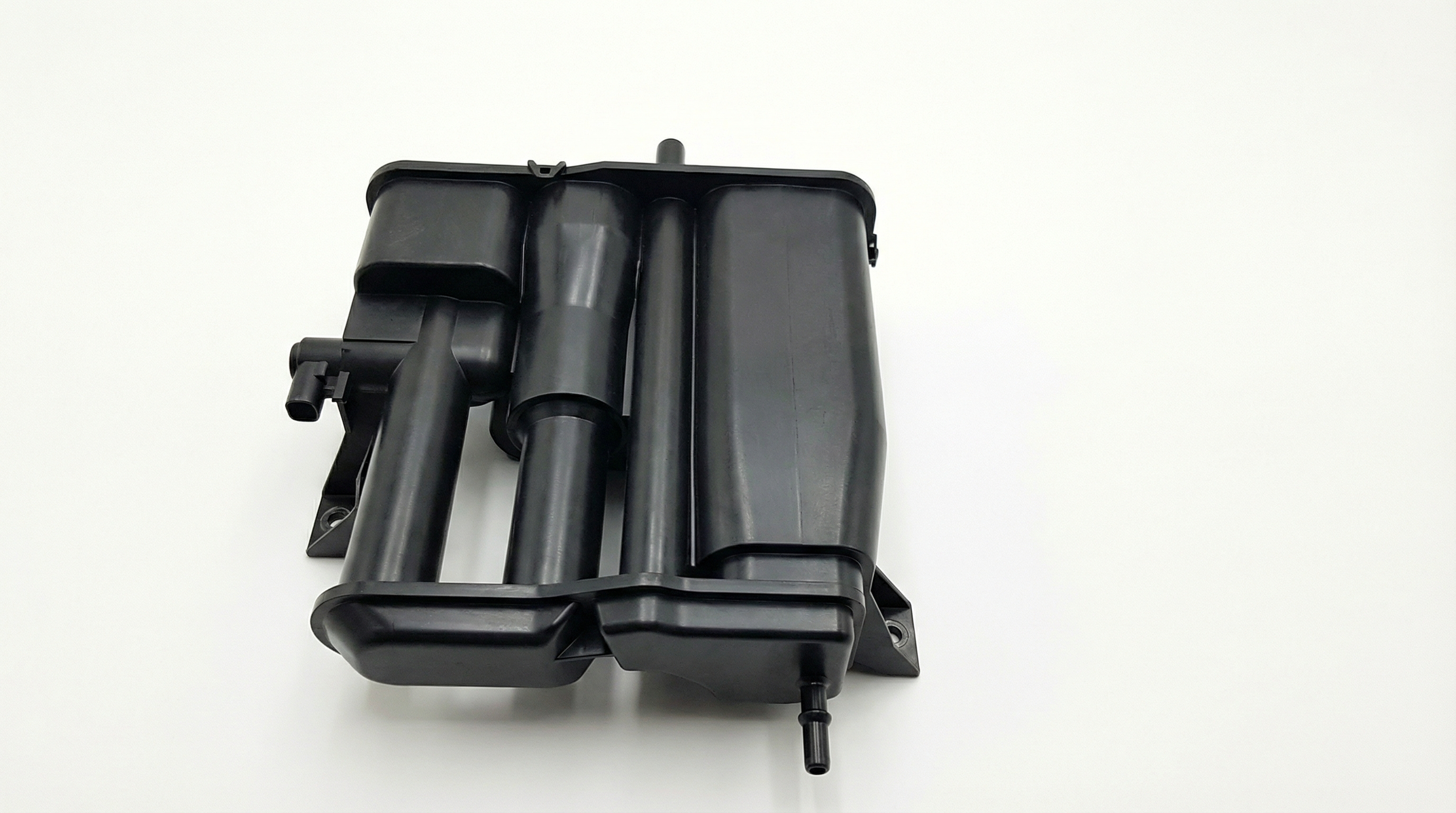
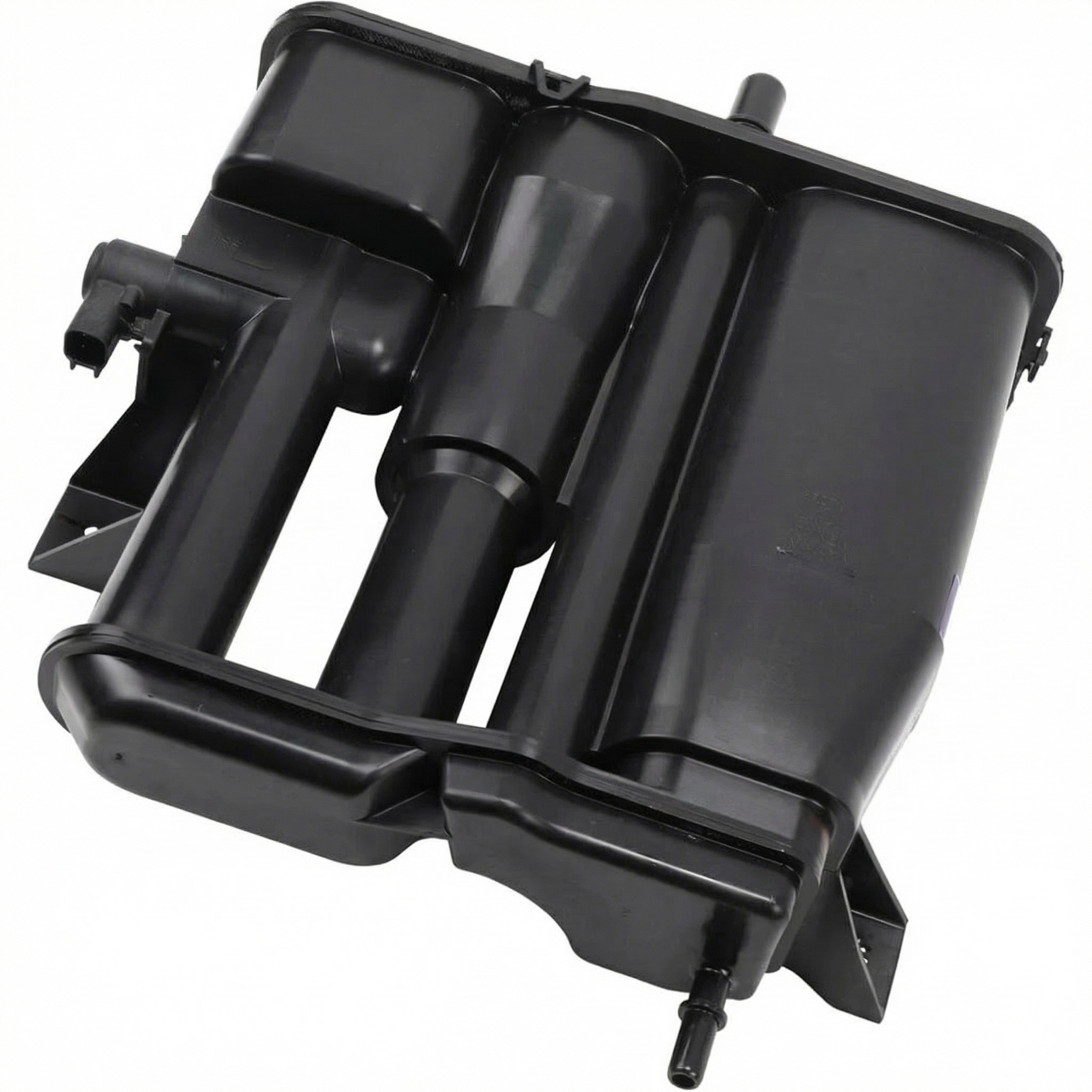
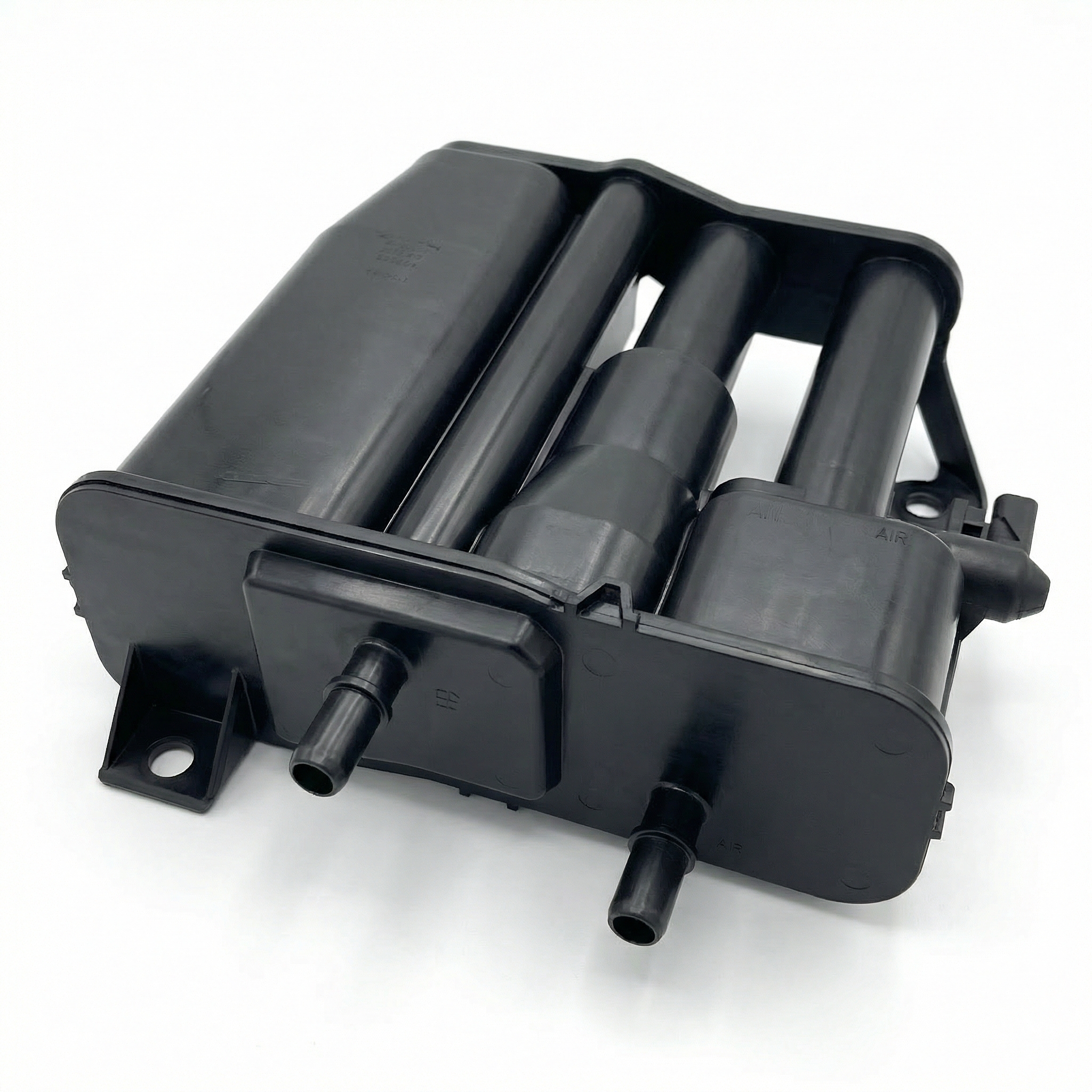
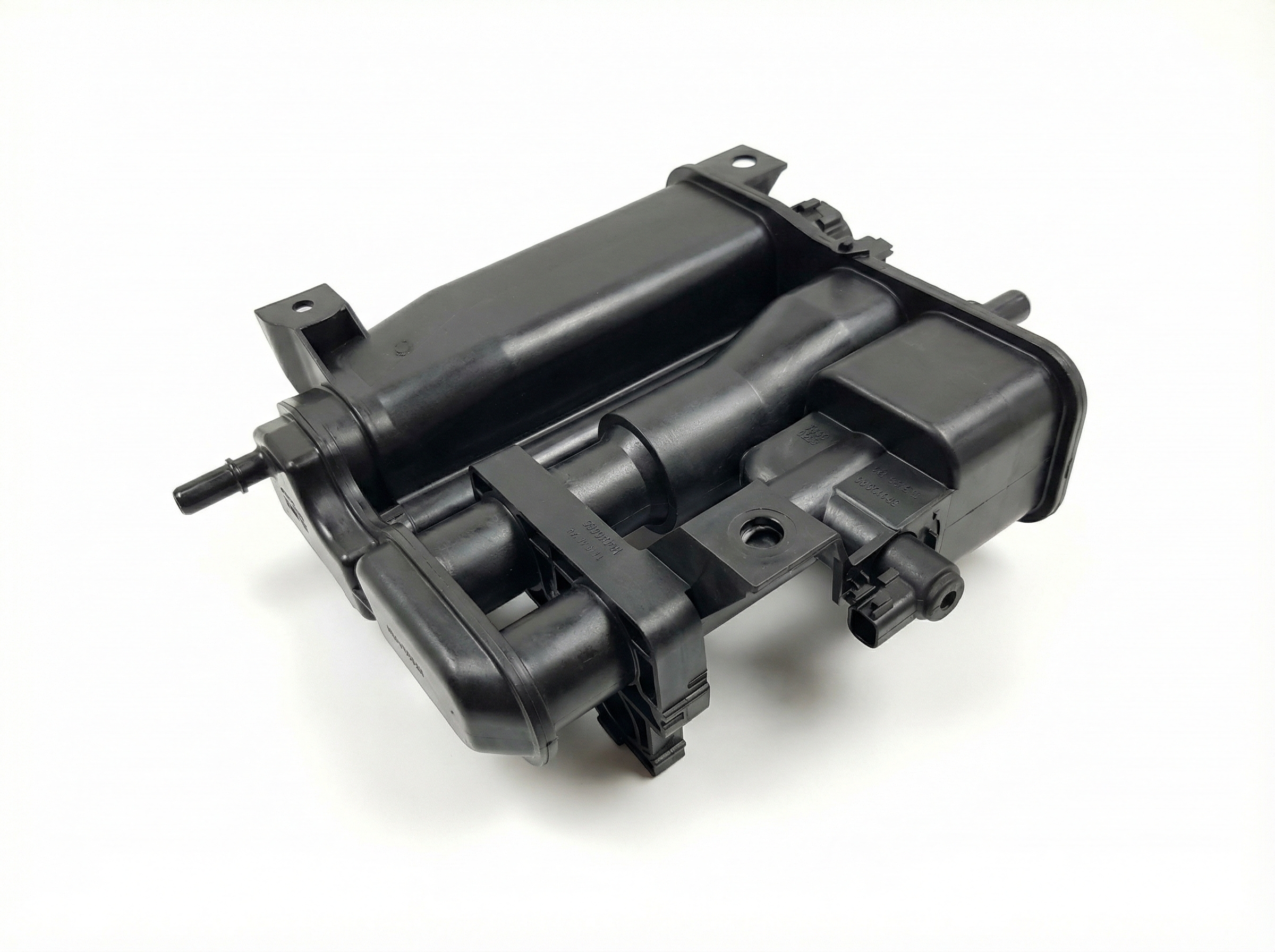
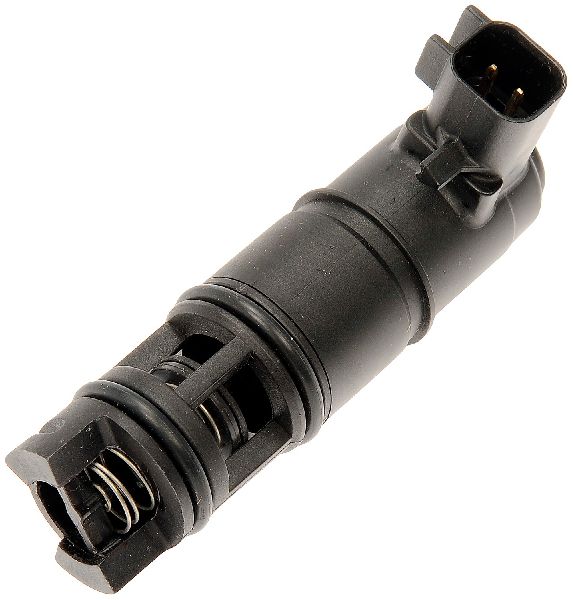
Est. part cost: $25-$60 - Faulty EVAP Vent Valve (Solenoid) 🟡 Medium Probability → Shop Vapor Canister Vent Valve This valve, located near the charcoal canister under the vehicle, is normally open and closes to seal the system for testing. If it gets stuck open due to dirt or internal failure, the system can never seal, directly causing a P0455 code.
How to confirm: A smoke test is the best confirmation. Smoke will be seen exiting the open vent valve when it should be commanded closed by a scan tool. It can also be removed and tested for proper operation when voltage is applied.
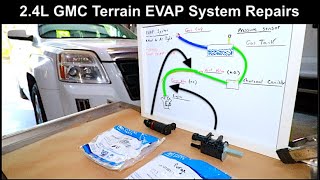
Typical fix: Replace the vent valve solenoid. 🎬 See this walkthrough for replacing the purge and vent valves
Est. part cost: $30-$70 - Cracked or Disconnected EVAP Hose ⚪ Low Probability
How to confirm: Visually inspect all EVAP lines running from the fuel tank to the engine bay. TSB #21-NA-124 lists seven critical connection points to check. A smoke test is the most effective way to find a small crack or hidden leak in a hose.
Typical fix: Replace the damaged section of hose or reconnect it securely.
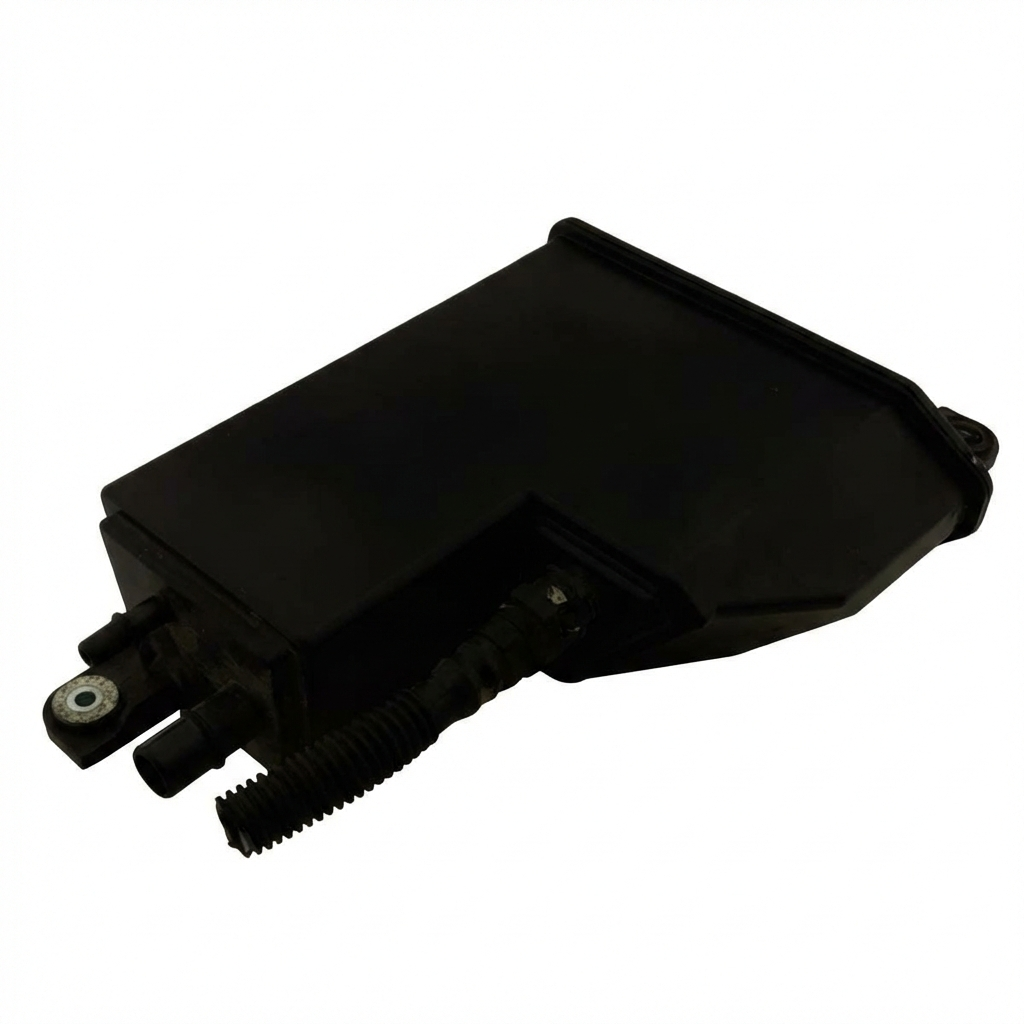
Est. part cost: $10-$30 - Cracked EVAP Charcoal Canister ⚪ Low Probability → Shop Vapor Canister Road debris can strike and crack the plastic housing of the canister, which is located underneath the vehicle near the fuel tank. TSB #PIE0528 also notes performance issues with the canister that can lead to various EVAP codes.
How to confirm: Visually inspect the canister for any signs of physical damage or cracks. A smoke test will show smoke exiting directly from the canister body if it is cracked.
Typical fix: Replace the EVAP charcoal canister.
Est. part cost: $140-$225
Rare But Worth Checking
- Faulty Fuel Tank Pressure (FTP) Sensor: → Shop Fuel Tank
Diagnosis Steps
- Turn the ignition off.
- Inspect the capless fuel filler neck for damage, debris, or an improperly seated flap. Use a flashlight to check the inner seal for tears or displacement. Clean it thoroughly.
- If the filler neck looks good, visually inspect all accessible EVAP hoses in the engine bay and underneath the vehicle for obvious cracks, disconnections, or damage, paying attention to the seven critical connection points mentioned in TSB 21-NA-124.
- Locate and test the EVAP purge valve in the engine bay. With the vehicle off, remove the valve and try to blow through it. It should be closed and block airflow.
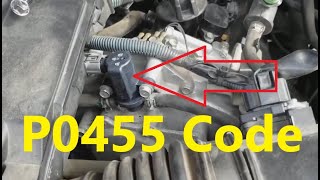
- If the above steps do not reveal the issue, the most reliable next step is to have a smoke test performed. This test fills the EVAP system with visible smoke, making even the smallest leaks easy to spot. 🎬 Watch: Understanding common causes and fixes for P0455 codes
- During the smoke test, use a scan tool to command the vent valve closed. If smoke exits the vent valve, the valve is faulty. The test will also quickly identify leaks from the charcoal canister, fuel tank pressure sensor seal, or hard-to-see hoses.
Parts You'll Likely Need
- Fuel Filler Neck
(OEM #84814671)— The seal in the capless system is a common failure point that causes a large leak, specific to this vehicle generation. The seal is not serviced separately, requiring replacement of the entire neck assembly.
Trusted brands: GM Genuine, ACDelco
OEM price range: $225-$345
Aftermarket price range: $180-$270 - EVAP Canister Purge Valve
(OEM #12690512)— This valve frequently fails by sticking open or closed, which is a very common cause for EVAP leak codes. Part number 12690512 is a widely used GM part that has been superseded by 12737252.
Trusted brands: ACDelco, Dorman, GM Genuine Parts
OEM price range: $40-$60
Aftermarket price range: $25-$45 - EVAP Canister Vent Valve Solenoid
(OEM #84065747)— Failing in the open position prevents the system from sealing for its self-test, directly causing a P0455 code. Its location under the vehicle exposes it to road grime and moisture.
Trusted brands: ACDelco, Dorman, GM Genuine Parts
OEM price range: $50-$70
Aftermarket price range: $30-$50
Related Codes That Often Appear With This One
- P0442 — P0442 indicates a small EVAP leak. The same failing component (like a valve or seal) can initially cause a small leak before worsening into a large leak (P0455), or a scan tool may log both depending on test conditions. TSB #21-NA-124 mentions both codes together.
- P0449 — This code specifically points to a fault in the EVAP Vent Valve Solenoid control circuit. If you have P0455 and P0449 together, it strongly suggests the vent valve or its wiring is the root cause of the large leak.
Technical Service Bulletins (TSBs) & Recalls
- Bulletin #PIE0528: An informational bulletin from GM requesting field data on EVAP canister performance issues that can cause P0455 and related codes.
- Bulletin #21-NA-124: Provides diagnostic tips for technicians to trace the source of EVAP leaks that set P0442 and P0455 codes, emphasizing a chronological check of lines, then the vent valve, and finally the purge valve.
- Bulletin #21-NA-149: A broad
Platform-Specific Known Issues
- A recurring issue noted by technicians for the 2018+ Terrain is damage to the seal within the capless fuel filler neck, often caused by the fuel pump nozzle being inserted forcefully or at an angle. This damage directly leads to a P0455 large leak.
Mechanic-Grade Diagnostic Values
- Fuel Tank Pressure (FTP) Sensor Voltage (Key On, Engine Off, system at atmospheric pressure) — expected: Approximately 1.5 Volts. Failure: A voltage significantly different from 1.5V at rest may indicate a faulty sensor.
- EVAP System Self-Test Enable Conditions — expected: Fuel level between 15-85%; Barometric pressure > 75 kPa; Engine Coolant and Intake Air Temp between 4-30°C (39-86°F) on cold start.. Failure: The EVAP monitor will not run if these conditions are not met, preventing diagnosis.
- EVAP Purge Valve Solenoid Resistance — expected: Approximately 20-21 Ohms (Note: value from a similar but slightly older GM vehicle). Failure: A reading of infinite resistance (open circuit) or zero resistance (short circuit) indicates a failed solenoid coil.
Scan Tool Commands That Help
- GDS2 / Tech2 (or equivalent professional scanner): EVAP Purge and Seal Test — This is the primary bidirectional test for a P0455. It commands the vent valve closed and the purge valve open to create a vacuum, then seals the system. The scan tool then monitors the FTP sensor to see how quickly the vacuum decays, confirming if a leak is present without a smoke machine.
- GDS2 / Tech2: EVAP System Bay Test — This is a more comprehensive, automated test used to force the EVAP monitor to run and complete its self-tests in a service bay setting, rather than waiting for the specific drive cycle conditions to be met naturally. It can confirm a repair is successful.
Wiring & Ground Locations
- Engine Compartment Fuse Box — Located on the driver's side of the engine compartment.. Contains fuses and relays related to the Engine Control Module (ECM) and its control over emissions components like the purge valve.
- Instrument Panel Fuse Box — Located under the instrument panel on the driver's side.. Powers various body control and data link circuits, which can be relevant if communication with emissions components is lost.
- Rear Compartment Fuse Block — Located behind a trim panel on the side of the rear cargo area.. May contain fuses related to the fuel pump module and the integrated Fuel Tank Pressure sensor.
- Canister Vent Solenoid Connector — At the EVAP canister vent solenoid, located underneath the vehicle near the charcoal canister.. This 2-pin connector provides power and ground to the vent valve. The pigtail uses 18-gauge wire and is a common spot for corrosion or damage due to its exposed location.
Real Owner Repair Stories
- Online Mechanic Tips YouTube Channel (2022 GMC Terrain) — Check Engine Light with code P0455 (Large EVAP leak).
❌ Tried (didn't work) The video immediately focuses on the most likely cause after initial code scan.
✅ What actually fixed it The inner rubber seal of the capless fuel filler neck was dislodged, likely by a gas pump nozzle. The mechanic stated the only way to repair this is to replace the entire fuel filler neck assembly.
OEM Part Supersession History
12690512→12737252— Standard part evolution and consolidation. The new part number replaces multiple older ones.
Heads up: The new part number 12737252 also replaces 12610560 and 12661763, making it the correct service part for a wide range of GM vehicles.
Helpful Videos
Used OEM Parts in Stock
New Aftermarket Parts Available


The information in this article is provided for general reference and educational purposes only. Vehicle specifications, procedures, and part compatibility can vary by production date, trim level, and region. Always consult your vehicle's factory service manual and verify part numbers before purchasing or performing repairs. Safety-critical components such as airbags, seat belts, and braking systems should be installed by a qualified professional.
- Gmc TERRAIN:
- 🧭 Diagnostic Flowchart
- 🎬 Helpful Videos
- 🛍️ Shop This Part
- What's Unique About the 2018-2023 Gmc TERRAIN
- Symptoms You May Notice
- Most Likely Causes
- Rare But Worth Checking
- Diagnosis Steps
- Parts You'll Likely Need
- Related Codes That Often Appear With This One
- Technical Service Bulletins (TSBs) & Recalls
- Platform-Specific Known Issues
- Mechanic-Grade Diagnostic Values
- Scan Tool Commands That Help
- Wiring & Ground Locations
- Real Owner Repair Stories
- OEM Part Supersession History
- 🎟️ Get 5% Off