

P0455 on 2008-2015 GMC Yukon: EVAP Large Leak Causes and Fixes
For a 2008-2015 GMC Yukon, the P0455 code is most often caused by a loose or faulty gas cap, a bad EVAP vent solenoid near the spare tire, or a failed purge valve on the engine. A new gas cap is under $25, while replacement solenoids typically cost between $40 and $120. Checking the gas cap first is the most common and inexpensive starting point.
- P0455 indicates a large leak in the EVAP system, which is an emissions-related issue.
- Always check the gas cap first. Make sure it's tight and the seal is not cracked or dirty. This is the simplest and most common fix.
- The two most likely parts to fail on a 2008-2015 Yukon are the EVAP purge valve (on the engine) and the EVAP vent solenoid (near the spare tire).
- While you can drive with this code, you will not pass an emissions test and a potential fuel vapor leak should be addressed for safety.
- If simple fixes don't work, a smoke test is the most effective way to find the exact location of the leak.
What's Unique About the 2008-2015 Gmc YUKON
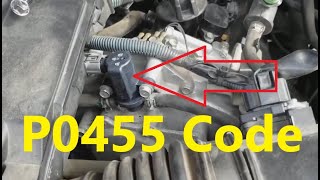
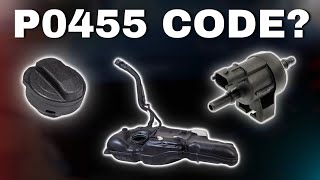
On this generation of GMC Yukon and its siblings (Tahoe, Suburban, Escalade), the EVAP vent solenoid, located near the spare tire, is a very common failure point that leads to a P0455 code. 🎬 Watch: A breakdown of the most common P0455 causes. It is exposed to road debris, salt, and moisture, causing it to get clogged with dirt, stick open, or fail electronically. Additionally, TSB #15-NA-019 points to potential fractures in the fuel tank filler vent hose connector, which can cause a fuel odor and trigger this code, highlighting a known issue for this platform.
Diagnostic Flowchart
Tap your situation to follow the diagnostic path that matches what you're seeing on this vehicle.
Generation note: This range covers two generations of the GMC Yukon: the third generation (2008-2014, GMT900 platform) and the first year of the fourth generation (2015, K2XX platform). While the core EVAP components are similar, some part numbers and locations may differ slightly. For example, some updated vent valves for the GMT900 platform require a wiring harness adapter, part number 19257603. The 2015 model year brought a redesigned EVAP system with different part numbers for the solenoids and canister.
Symptoms You May Notice
- Check Engine Light is on
- A noticeable smell of fuel, especially around the rear of the vehicle or after refueling.
- A "Tighten Gas Cap" message on the driver information center (DIC), even if the cap is tight.
- Difficulty filling the fuel tank (the pump nozzle clicks off repeatedly), which can be caused by a stuck-closed vent valve.
- Rough running or difficulty starting the engine immediately after filling the gas tank, often pointing to a stuck-open purge valve.
- Replacing the fuel tank pressure sensor without proper diagnosis. This sensor rarely fails for this code and will usually set its own specific trouble codes (e.g., P0452) if it does.
Most Likely Causes
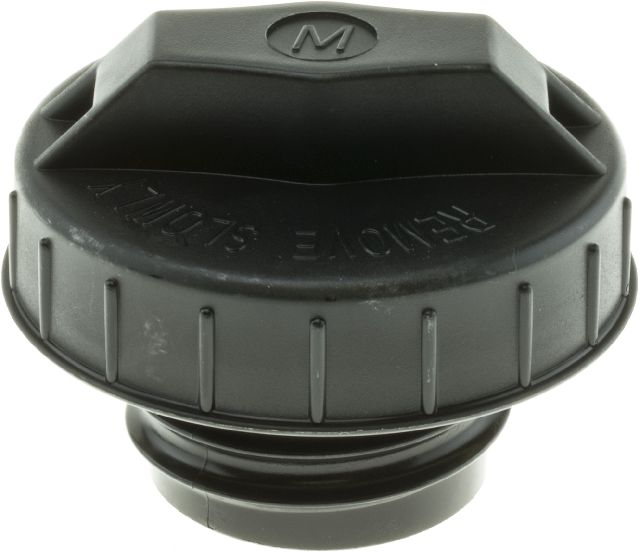
- Loose, Damaged, or Incorrect Gas Cap 🔴 High Probability → Shop Fuel Tank Cap The gas cap is the most frequently handled part of the EVAP system. The seal can wear out, crack, or be compromised by dirt. Over time, the internal spring mechanism can weaken, preventing it from tightening sufficiently even if it clicks.
How to confirm: Inspect the gas cap for cracks or damage to the rubber seal. Ensure it is tightened until it clicks multiple times. Clean the cap's seal and the fuel filler neck. A very strong whoosh of air or fuel vapor smell when opening the cap can sometimes indicate the cap is sealing properly and the issue is elsewhere, like a purge valve that isn't opening.
Typical fix: Replace the gas cap with a new OEM (ACDelco) or equivalent part. This is the cheapest and easiest first step.
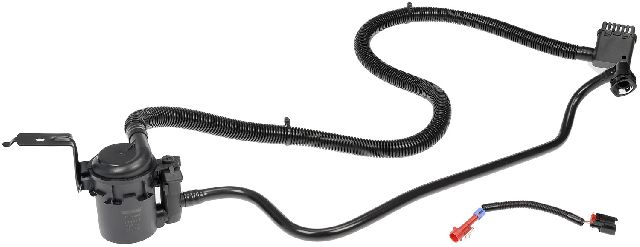
Est. part cost: $15-$30 - Faulty EVAP Vent Solenoid/Valve 🔴 High Probability → Shop Vapor Canister The vent solenoid is mounted under the vehicle near the spare tire and differential, making it highly susceptible to dirt, road salt, and moisture. Debris can clog the valve, causing it to stick open and create a large leak.
How to confirm: The valve is normally open. A mechanic can command it closed with a scan tool during a smoke test to see if it seals. DIYers can remove the valve and apply 12V directly to the solenoid's pins; a healthy valve will make an audible click. If it doesn't click, or if it's full of dirt, it has failed.
Typical fix: Replace the EVAP vent solenoid assembly. Some updated parts (like ACDelco 23481275) may require a new wiring harness adapter (ACDelco 19257603) for older models.
Est. part cost: $40-$120 - Faulty EVAP Purge Valve/Solenoid 🟡 Medium Probability → Shop Vapor Canister This valve is located on the top of the engine's intake manifold and can get stuck open or closed over time due to carbon buildup or electronic failure. A stuck-open valve creates a constant vacuum leak into the intake.
How to confirm: The purge valve is normally closed when the engine is off. Remove the valve (typically held by one 8mm bolt) and try to blow through it. If air passes through, it is stuck open and needs to be replaced.
Typical fix: Replace the purge valve. This is a simple repair with one bolt and two hose connections on the engine.
Est. part cost: $25-$60 - Cracked or Disconnected EVAP Hoses ⚪ Low Probability Rubber and plastic hoses can become brittle and crack with age and exposure to heat and cold cycles. Connections, especially rubber elbows near the PCV valve, can also degrade and leak.
How to confirm: A visual inspection may reveal obvious cracks or disconnections. A smoke test is the most effective way to find small cracks or hidden leaks in the hose lines. Pay close attention to the fuel tank filler vent hose, as identified in TSB 15-NA-019.
Typical fix: Replace the damaged section of hose or reconnect it securely.
Est. part cost: $10-$50
Rare But Worth Checking
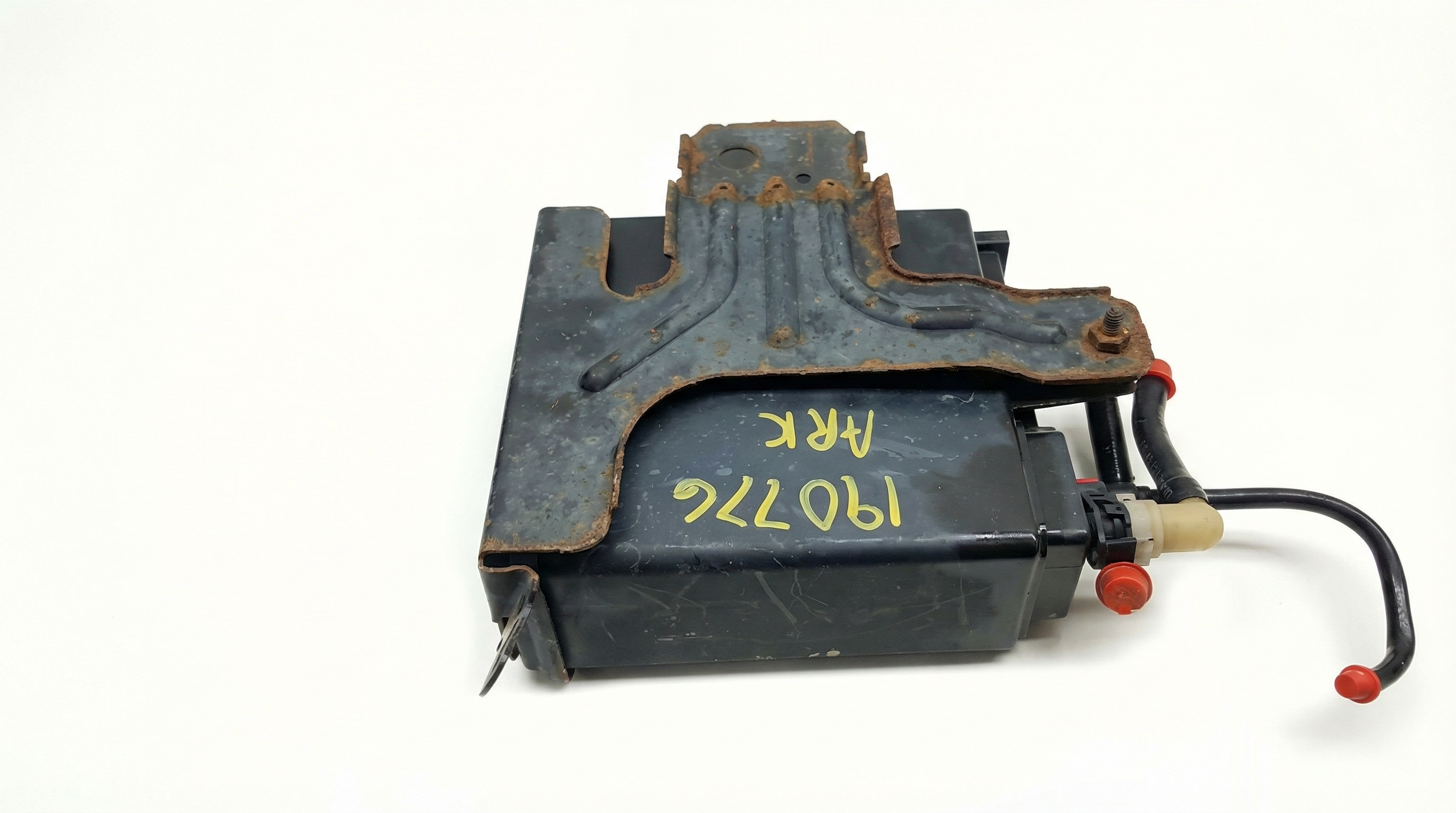
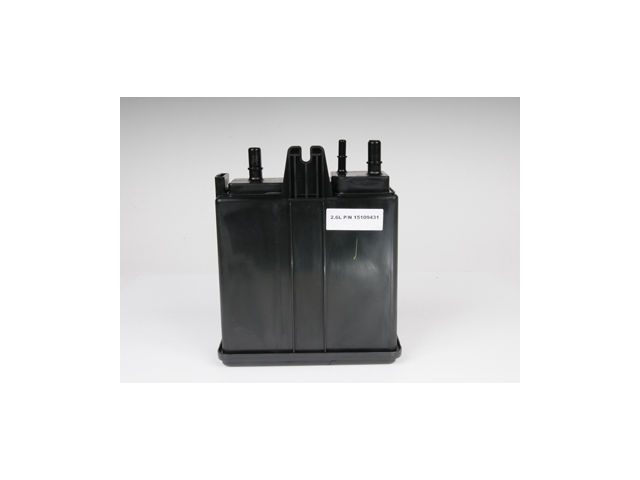
- Cracked EVAP (Charcoal) Canister: → Shop Vapor Canister The canister itself, located near the fuel tank, can be damaged by road debris or develop cracks, leading to a large leak. This is less common than valve failures but should be checked if other components are fine.
- Leaking Fuel Tank Gasket: → Shop Fuel Tank The gasket for the fuel pump module on top of the tank can fail, causing a leak that will trigger P0455. This is often found with a smoke test after other common causes are ruled out. One owner on a forum confirmed this was their issue after replacing both valves and the canister.
- Damaged Fuel Filler Neck: → Shop Fuel Filler Neck Corrosion or damage to the metal filler neck where the gas cap seals can prevent a proper seal, causing a persistent leak. TSB 15-NA-019 specifically points to a fracture on the fuel tank filler vent hose connector as a cause for P0455.
Diagnosis Steps
- Read the code with an OBD-II scanner to confirm P0455 is present.
- Inspect the gas cap. Ensure it is tight and clicks. Check the rubber seal for cracks or dirt. Clean the seal and filler neck. If the cap feels weak or doesn't click firmly, replacing it with an OEM part is an inexpensive first step.
- Visually inspect the EVAP system components under the vehicle, starting from the fuel tank. Look for any obvious cracks, damage, or disconnected hoses, especially around the charcoal canister and vent solenoid near the spare tire.
- Inspect the purge valve on the engine's intake manifold. Disconnect it and try to blow through it. If air passes, it is stuck open and must be replaced.
- Test the vent solenoid. Remove it from its position near the spare tire. Apply 12 volts to its electrical pins. A good solenoid will make a distinct 'click' sound. If there is no sound, or if the valve is visibly clogged with dirt, it needs to be replaced.
- If the above steps do not reveal the issue, a smoke test is required. A mechanic (or DIYer with a smoke machine) will inject smoke into the EVAP service port and look for where it escapes. This is the most reliable way to find leaks in hoses, the canister, filler neck, or gaskets.
- During the smoke test, command the vent solenoid closed with a scan tool. If smoke escapes from the vent valve when it's commanded closed, the valve is faulty.
Parts You'll Likely Need
- Gas Cap
(OEM #GT295 (ACDelco))— This is the most common cause due to frequent use and wear on the seal. It's the cheapest and easiest part to replace first.
Trusted brands: ACDelco, Stant
OEM price range: $20-$30
Aftermarket price range: $15-$25 - EVAP Vent Valve Solenoid
(OEM #23481275 (Supersedes older numbers like 20995472, 25950499))— This part is highly prone to failure on GMC Yukons due to its exposed location under the vehicle. It often gets stuck open with dirt and debris, causing a large leak.
Trusted brands: ACDelco (OEM), Dorman (e.g., 911-070), Standard Motor Products
OEM price range: $60-$120
Aftermarket price range: $40-$80 - EVAP Purge Valve Solenoid
(OEM #12610560 (ACDelco))— Located on the engine, this valve can get stuck open, creating a constant vacuum leak that the system interprets as a large leak. Can also cause hard starting after refueling.
Trusted brands: ACDelco (OEM), Bosch, Dorman
OEM price range: $35-$60
Aftermarket price range: $25-$50 - Vent Valve Wiring Harness Adapter
(OEM #19257603)— Required when replacing an original, older-style vent solenoid on GMT900 models (pre-2015) with the updated OEM part, which uses a different connector.
Trusted brands: ACDelco
OEM price range: $20-$35
Aftermarket price range: $15-$25
Related Codes That Often Appear With This One
- P0442 — This code indicates a small EVAP leak. It can appear alongside P0455 if the system has multiple leaks or if the size of the leak is borderline. GM TSBs #15-NA-019 and #21-NA-124 both mention these codes occurring together.
- P0449 — This code specifically points to a fault in the EVAP vent valve/solenoid circuit. If you see P0449 with P0455, it's a very strong indicator that the vent solenoid or its wiring is the root cause.
- P0496 — This code indicates 'EVAP Flow During a Non-Purge Condition,' which almost always means the purge valve on the engine is stuck open. It's a strong clue to check the purge valve first.
Technical Service Bulletins (TSBs) & Recalls
- 15-NA-019: Fuel Odor During Fuel Filling or During Idle, Possible P0442 or P0455 DTCs Set
- 21-NA-124: Diagnostic Tip for Malfunction Indicator Lamp (MIL) Illuminated - DTC P0442 and/or P0455 Set
Platform-Specific Known Issues
- TSB #15-NA-019 specifically identifies a fracture in the 'gasoline filler neck recirculation line connector' (fuel tank filler vent hose connector) as a potential cause for P0455 and fuel odors. It provides part numbers for the replacement hose assembly (e.g., 22802074 for 2013-2014 Yukon).
- TSB #21-NA-124 provides updated general diagnostic tips for EVAP leaks causing P0442 and P0455, suggesting this is a recurring issue that GM has addressed multiple times. It advises checking line connections first, then the vent valve, then the purge valve.
Mechanic-Grade Diagnostic Values
- EVAP Canister Purge Valve Resistance — expected: 30 to 38 Ohms (when engine is cool). Failure: A reading outside this range, or an open/infinite reading, indicates a bad solenoid coil.
- EVAP Canister Vent Solenoid Resistance — expected: 48 to 65 Ohms (for some common GM parts). Failure: A reading outside the expected range, especially an open circuit (infinite ohms) or a short (near zero ohms), indicates a failed coil. Note: Some sources report other valid ranges like 15-30 ohms for different revisions.
- Fuel Tank Pressure (FTP) Sensor Voltage (Key On, Engine Off) — expected: Approximately 1.5 Volts. Failure: A voltage significantly different from 1.5V with the system at atmospheric pressure (e.g., gas cap off) can indicate a faulty sensor.
Scan Tool Commands That Help
- Tech 2 / GDS2 (GM Dealer Tools): EVAP Purge/Seal — This is a key bidirectional function used to diagnose leaks. It commands the vent valve closed and the purge valve open while the engine is running, applying engine vacuum to the entire EVAP system. The technician then monitors the Fuel Tank Pressure (FTP) sensor data to see if the system holds a vacuum. A rapid loss of vacuum confirms a leak is present.
- Tech 2 / GDS2 (GM Dealer Tools): EVAP Vent Solenoid Control — This command allows a technician to manually open and close the vent solenoid. It's used during a smoke test to verify if the solenoid is sealing correctly. If smoke escapes from the vent with the solenoid commanded 'Closed', the solenoid is faulty.
Wiring & Ground Locations
- Fuse 34 (Underhood Fuse Block) — In the main fuse box in the engine compartment.. This 10-amp fuse supplies power to the EVAP Vent Solenoid. If this fuse is blown, the solenoid cannot operate, which will set a circuit code like P0449 and can contribute to a P0455 if the valve is stuck open.
- EVAP Vent Solenoid Connector — At the vent solenoid, located above the spare tire/rear differential area.. The red wire should have 12V power with the key on. The other wire is the control wire, which the ECM grounds to close the valve. Checking for power at this connector is a critical step in diagnosing a non-responsive vent solenoid.
Real Owner Repair Stories
- Tahoe Yukon Forum (2015+ model) — Intermittent P0455 code and 'Tighten Gas Cap' message.
❌ Tried (didn't work) Replaced gas cap with OEM part, Replaced EVAP canister, Replaced EVAP purge valve, Replaced EVAP vent valve
✅ What actually fixed it The final cause was a bad gasket on the fuel pump module, located on top of the fuel tank. The leak was found using a smoke machine after all other common parts had been replaced. - Chevy Tahoe Forum (2007 Yukon XL Denali) — Check engine light with codes P0455 and P0449.
❌ Tried (didn't work) Initially installing the updated vent solenoid without the correct wiring adapter, which caused the connector to not fit properly and the code to remain.
✅ What actually fixed it Replacing the EVAP vent solenoid with the updated part AND using the required wiring harness adapter (p/n 19257603). After installing both correctly, disconnecting and reconnecting the battery cleared the codes and resolved the issue permanently.
"I Checked Everything" — The Actual Cause
- In a documented case on a GM truck forum, a user reported that after replacing the canister and both the purge and vent valves, the P0455 code persisted. A smoke test was performed, but the leak was difficult to find. The ultimate cause was discovered to be a faulty gasket on the fuel pump assembly, which sits on top of the fuel tank. This is a location that can be missed during a standard smoke test if the tank area isn't thoroughly inspected.
OEM Part Supersession History
Multiple (e.g., 10382080, 15844701, 20995472, 25932566)→23481275 (ACDelco/GM)— Design improvement to increase durability and resistance to debris.
Heads up: The updated part 23481275 often has a different electrical connector than the original factory part on earlier models (approx. 2007-2011). When replacing an original valve with the updated one, a separate wiring harness adapter (p/n 19257603) is required to connect it.
Model Year Variations Within This Range
- 2008-2014 (GMT900 Platform): These models use the well-documented EVAP system where the vent solenoid (ACDelco 23481275 and its predecessors) is a common failure point. The updated part may require a wiring adapter.
- 2015 (K2XX Platform): The 2015 model year marked a full redesign. The EVAP system components, including the vent solenoid, purge valve, and canister, have different part numbers and potentially different locations than the previous generation. While the principles are the same, diagnosis and parts are not interchangeable with 2008-2014 models.
Helpful Videos
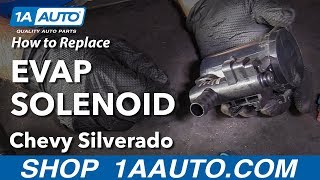
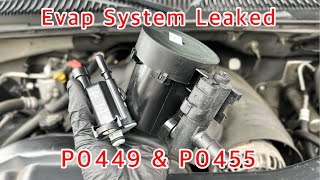
Used OEM Parts in Stock
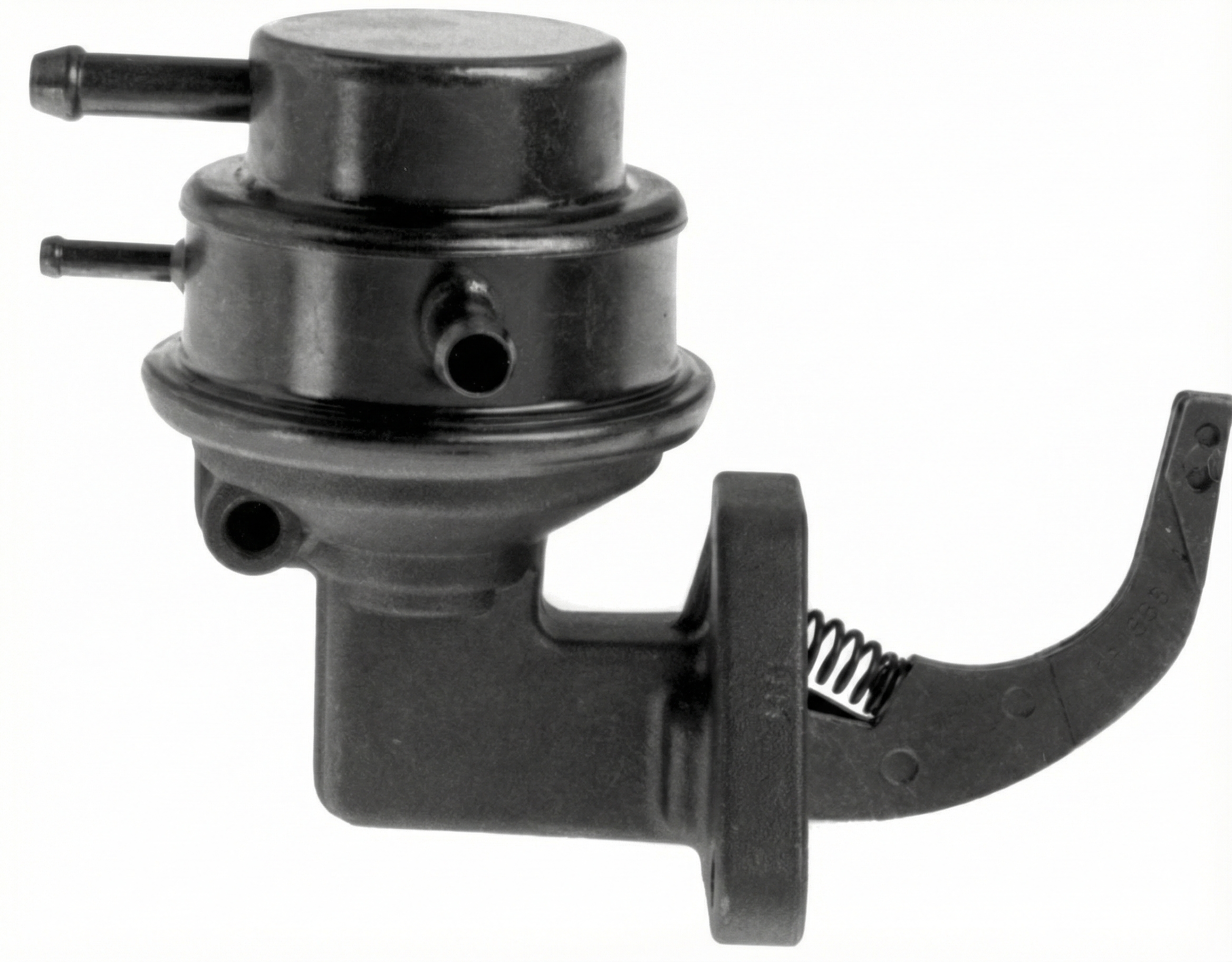
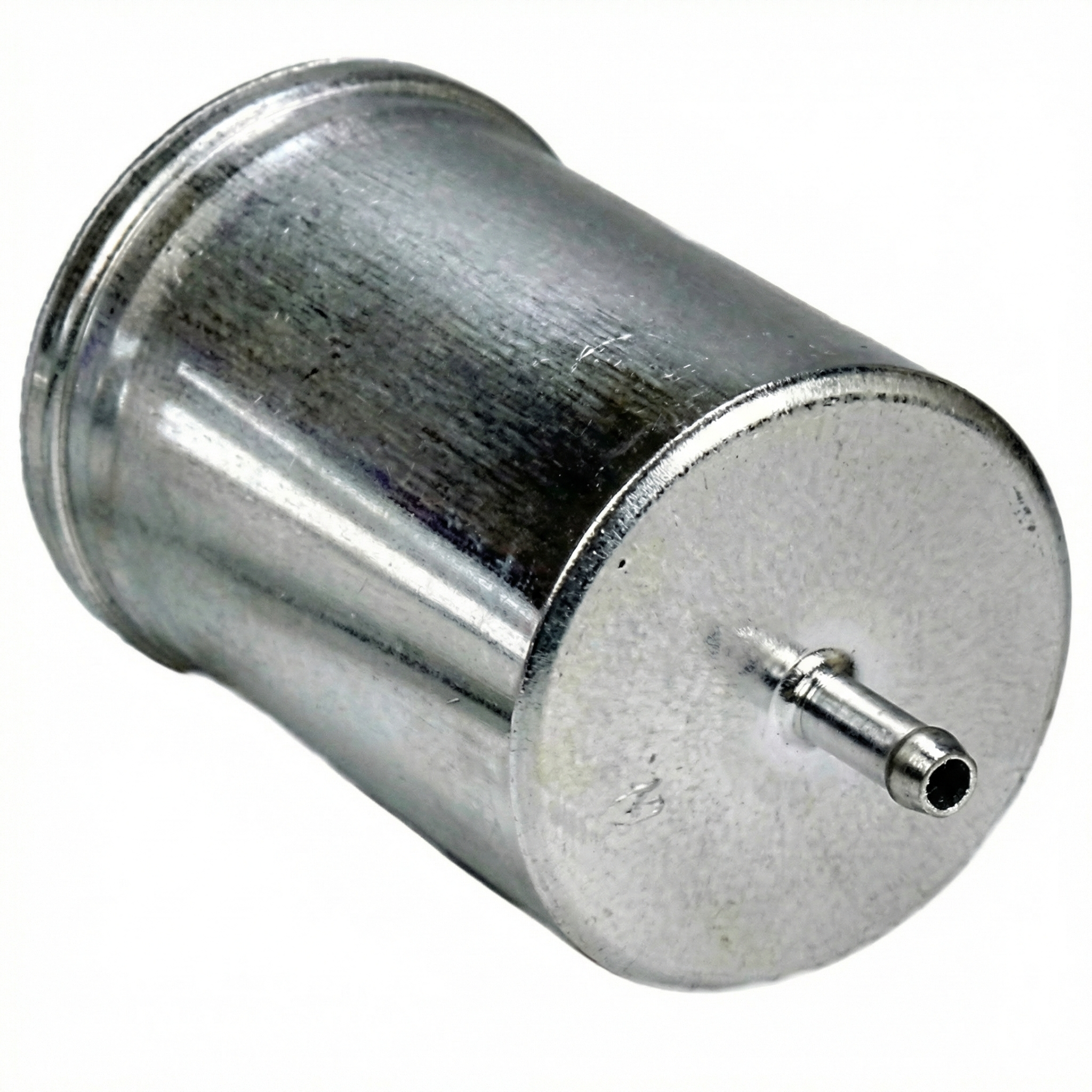
New Aftermarket Parts Available


The information in this article is provided for general reference and educational purposes only. Vehicle specifications, procedures, and part compatibility can vary by production date, trim level, and region. Always consult your vehicle's factory service manual and verify part numbers before purchasing or performing repairs. Safety-critical components such as airbags, seat belts, and braking systems should be installed by a qualified professional.
- Gmc YUKON:
- 🧭 Diagnostic Flowchart
- 🎬 Helpful Videos
- 🛍️ Shop This Part
- What's Unique About the 2008-2015 Gmc YUKON
- Symptoms You May Notice
- Most Likely Causes
- Rare But Worth Checking
- Diagnosis Steps
- Parts You'll Likely Need
- Related Codes That Often Appear With This One
- Technical Service Bulletins (TSBs) & Recalls
- Platform-Specific Known Issues
- Mechanic-Grade Diagnostic Values
- Scan Tool Commands That Help
- Wiring & Ground Locations
- Real Owner Repair Stories
- "I Checked Everything" — The Actual Cause
- OEM Part Supersession History
- Model Year Variations Within This Range
- 🎟️ Get 5% Off