

P0455 on 2016-2023 GMC Yukon: EVAP Gross Leak Causes and Fixes
For a P0455 code on a 2016-2023 GMC Yukon, the most common causes are a loose gas cap (on 2016-2020 models) or a faulty EVAP purge valve on the engine. A new gas cap costs $15-$30, while a purge valve is about $30-$75 and is a simple DIY replacement. A faulty vent valve near the tank is the next most likely culprit.
- For 2016-2020 Yukons, always check that the gas cap is tight and the seal is intact before attempting any other repairs.
- For all years, if the vehicle is difficult to start after you get gas, the EVAP purge valve on the engine is the most likely culprit.
- The 2021-2023 models have a capless fuel system, so a 'loose cap' is not a possible cause; the problem lies elsewhere in the system.
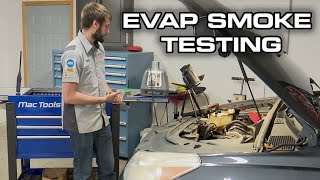
- If the cause isn't obvious (like a gas cap or a hard-start symptom), a smoke test is the most effective way to find the leak and avoid replacing unnecessary parts.
What's Unique About the 2016-2023 Gmc YUKON
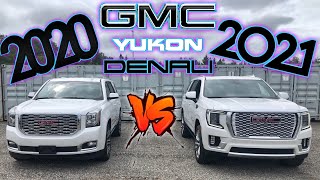
The 2016-2023 GMC Yukon spans two distinct generations, the K2XX (2016-2020) and the T1XX (2021-2023). 🎬 Watch: See the major differences between these two Yukon generations. The most significant difference regarding code P0455 is that the earlier generation uses a traditional gas cap, a very common failure point, while the newer generation uses a capless fuel filler system. For 2021 and newer models, a "loose cap" is not a possible cause; the issue would lie with the capless system's spring-loaded door or other system components like the purge or vent valves. Part numbers for key components like the purge and vent valves differ between these two generations.
Diagnostic Flowchart
Tap your situation to follow the diagnostic path that matches what you're seeing on this vehicle.
Generation note: This guide covers the fourth generation (2016-2020, K2XX platform) and the fifth generation (2021-2023, T1XX platform) of the GMC Yukon. The K2XX models have a standard gas cap, while the T1XX models have a capless fuel filler. Part numbers for EVAP components like the purge and vent solenoids are different between these generations.
Symptoms You May Notice
- Check Engine Light is on
- A noticeable smell of gasoline, especially around the rear of the vehicle.
- Difficulty starting the engine immediately after refueling (often points to a stuck-open purge valve).
- Fuel pump nozzle clicks off repeatedly before the tank is full (can indicate a faulty or clogged vent valve).
- A 'Tighten Gas Cap' message may appear on the driver information center, even if the cap is tight or the vehicle is capless.
- Replacing the charcoal canister when only a hose or the vent solenoid attached to it has failed.
- Replacing the fuel tank pressure sensor without first performing a smoke test to confirm there is no physical leak.
- Immediately assuming a large leak when the code could be caused by a stuck-closed purge valve preventing the system from entering a vacuum.
Most Likely Causes
- Loose or Faulty Gas Cap (2016-2020 models only) 🔴 High Probability → Shop Fuel Tank Cap The gas cap seal is a simple rubber component that degrades over time from fuel exposure and weather, leading to pressure loss. It's the most frequent and simple cause for an EVAP leak code on capped systems.
How to confirm: Ensure the gas cap is tightened until it clicks at least once. Inspect the rubber O-ring on the cap for cracks, stiffness, or damage. If the seal is compromised, the cap needs replacement.
Typical fix: Replace the gas cap.
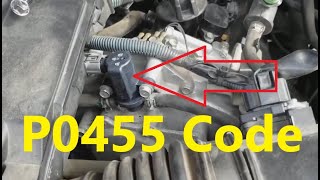
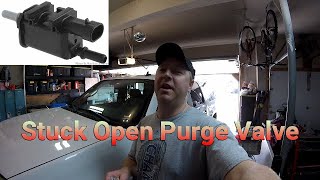
Est. part cost: $15-$55 - Faulty EVAP Purge Solenoid/Valve 🔴 High Probability → Shop Vapor Canister This valve is constantly working while the engine runs and is a known high-failure item on GM trucks. It can fail in two ways: stuck open or stuck closed. A stuck-open valve creates a vacuum leak and often causes hard starting after refueling as excess vapor is drawn into the engine. A stuck-closed valve can also trigger P0455 because the system cannot pull a vacuum during its self-test, which the computer interprets as a large leak.
How to confirm: The valve is located on top of the engine's intake manifold. With the engine off, remove the valve and try to blow through it. If air passes through, it is stuck open and faulty. A more definitive test is to use a scan tool to command the valve open and closed while monitoring fuel tank pressure to see if it responds correctly.
Typical fix: Replace the purge solenoid. This is a very common and easy DIY fix, often taking less than 15 minutes.
Est. part cost: $30-$75 - Faulty EVAP Vent Solenoid/Valve 🟡 Medium Probability → Shop Vapor Canister Located near the fuel tank, this part is exposed to road debris, dust, and moisture, which can cause the solenoid to fail or the valve to stick open or closed. A stuck-closed vent valve can make refueling difficult as air cannot escape the tank. A stuck-open valve will cause a P0455 leak.
How to confirm: The valve is located near the charcoal canister, typically above the spare tire. It can be tested with a scan tool to command it closed (it is normally open) and then perform a smoke test. If it fails to close, it's faulty. You can also apply 12V power directly to its pins to listen for an audible click.
Typical fix: Replace the vent solenoid and its associated filter/hose if needed.
Est. part cost: $45-$105 - Cracked or Disconnected EVAP Hose ⚪ Low Probability Plastic and rubber hoses can become brittle over time and crack. Connections can also become loose. GM TSB 21-NA-124 specifically calls out checking all EVAP line connections as the first diagnostic step.
How to confirm: A visual inspection may reveal an obvious crack or disconnected line. However, the most effective method is to perform a smoke test, which fills the EVAP system with visible vapor to pinpoint the exact location of any leaks.
Typical fix: Replace the cracked hose or re-secure the loose connection.
Est. part cost: $20-$100
Rare But Worth Checking
- Damaged Charcoal Canister: → Shop Vapor Canister The canister itself can be cracked by road debris, creating a large leak. This is uncommon but should be visually inspected, as it's located in an exposed position near the fuel tank.
- Leaking or Rusted Fuel Pump Outlet Pipe: → Shop Fuel Pump On a 2010 Tahoe, a user on tahoeyukonforum.com traced a P0455 code, gas smell, and slow-start condition to a pinhole rust leak on the metal fuel outlet pipe on top of the fuel pump assembly. This required dropping the tank and replacing the entire fuel pump module to fix.
- Faulty Fuel Tank Pressure Sensor: → Shop Fuel Tank A faulty sensor can incorrectly report a leak to the computer. This will typically set other codes along with P0455 and is less common than a physical leak.
- Leaking Fuel Filler Neck (Capless System on 2021+): → Shop Fuel Filler Neck On capless systems, the seal is part of the filler neck assembly. Debris or damage to the spring-loaded door can prevent a proper seal, causing a P0455 code.
Diagnosis Steps
- Check the Gas Cap (2016-2020 models): Ensure the cap is tight. Remove it and inspect the seal for cracks or damage. If in doubt, it's an inexpensive first step to replace it.
- Check the Capless Fuel Filler (2021-2023 models): Inspect the fuel filler opening for any debris holding the flap open. Use the funnel provided with the vehicle to gently work the flap and ensure it closes securely.
- Inspect the Purge Valve: Locate the purge valve on the engine intake. Check for obvious cracks on the valve body or its connecting hoses. A common symptom of failure is difficulty starting after refueling, which points to a stuck-open valve.
- Visual Inspection: Look under the vehicle near the spare tire for the charcoal canister and vent solenoid. Check for any obvious damage, disconnected hoses, or signs of rust on top of the fuel tank.
- Perform a Smoke Test: This is the most definitive diagnostic step. A smoke machine forces low-pressure smoke into the EVAP system. Smoke will exit from any leak, making it easy to find the source, whether it's a hose, valve, canister, or filler neck.
- Test Solenoids: If a smoke test shows no leaks, the issue could be a malfunctioning valve. Use a capable scan tool to command the purge and vent solenoids open and closed to verify their electrical function and ability to hold pressure/vacuum. A stuck-closed purge valve can also cause P0455.
Parts You'll Likely Need
- EVAP Canister Purge Valve (2016-2020)
(OEM #12690512)— This is a highly common failure item on GM trucks that gets stuck open or closed, causing P0455 and often a hard-start issue after getting gas. Fits the K2XX generation.
Trusted brands: ACDelco, Standard Motor Products, Dorman
OEM price range: $40-$75
Aftermarket price range: $25-$40 - EVAP Canister Purge Valve (2021-2023)
(OEM #12630282)— This is the equivalent purge valve for the newer T1XX generation with the capless fuel system. It serves the same function and has similar failure modes.
Trusted brands: ACDelco, GM Genuine
OEM price range: $35-$70
Aftermarket price range: $25-$50 - Gas Cap (2016-2020)
(OEM #20915842)— The seal on the gas cap is the simplest and most common point of failure for an EVAP system, making it the first and cheapest part to check and replace.
Related Codes That Often Appear With This One
- P0442 — P0442 indicates a small EVAP leak. The same faulty component can initially cause a small leak and then worsen to trigger a large leak code (P0455), or both codes may appear during the diagnostic cycle. TSB 21-NA-124 directly addresses both codes together.
- P0496 — This code indicates 'EVAP Flow During a Non-Purge Condition,' which almost always points directly to a purge valve that is stuck open. A stuck-open purge valve is also a common cause of P0455.
- P0446 — This code indicates an EVAP vent control circuit malfunction. A problem with the vent valve/solenoid can also be interpreted by the system as a large leak, triggering P0455 as well. A GM TSB notes that in dusty environments, a plugged canister vent solenoid can cause P0446 and P0455.
Technical Service Bulletins (TSBs) & Recalls
- 21-NA-124 — Diagnostic Tip for Malfunction Indicator Lamp (MIL) Illuminated - DTC P0442 and/or P0455 Set — This GM bulletin provides diagnostic tips for P0455 (large leak) and P0442 (small leak). It states that for P0455, the cause can be a large leak, an unseated tube connection, a stuck open canister vent valve, or a stuck closed purge valve. The recommended diagnostic order is: 1) Inspect all EVAP line connections for proper seating. 2) Check the vent valve for a stuck open position. 3) Investigate the purge valve. (May 2021, Updated Dec 2022)
- 18-NA-182 — DTC P0442, P0446, P0455 or P0449 Set, Fuel Tank Hard to Fill, Dust Intrusion into EVAP System — This bulletin notes that vehicles operated in extremely dusty environments may experience dust clogging the EVAP canister and vent solenoid. This can lead to several EVAP codes, including P0455, and cause difficulty when refueling. (September 2023)
Platform-Specific Known Issues
- Rust on Fuel Pump Module: → Shop Fuel Pump In regions with heavy road salt use, the top of the fuel pump module can rust severely. This can lead to pinhole leaks in the integrated fuel outlet pipe, causing a P0455 code, a raw fuel smell, and hard starting due to loss of fuel pressure. The only fix is to replace the entire fuel pump module.
Mechanic-Grade Diagnostic Values
- Fuel Tank Pressure (FTP) Sensor Voltage — expected: Approximately 1.3V to 1.7V with the gas cap off (at atmospheric pressure).. Failure: A reading significantly different from ~1.5V at atmospheric pressure, such as 0.9V, indicates a faulty sensor or wiring issue.
Scan Tool Commands That Help
- GDS2 / Tech2 (or equivalent): EVAP Purge/Seal — Used to command the vent valve closed to seal the entire EVAP system. The technician can then monitor the Fuel Tank Pressure (FTP) sensor data to see if the system holds a vacuum or if it decays, indicating a leak.
- GDS2 / Tech2 (or equivalent): EVAP Canister Purge Solenoid Valve Control (%) — Allows the technician to manually command the purge solenoid to a specific duty cycle (e.g., 30%) to test its operation while monitoring system pressure.
- GDS2 / Tech2 (or equivalent): EVAP Canister Vent Solenoid Valve Command — Used to manually close the normally-open vent valve. This is a critical first step before performing a smoke test, as smoke will otherwise just exit through the open vent.
Wiring & Ground Locations
- EVAP Canister Vent Valve Connector — Under the vehicle, near the spare tire, connected to the vent valve solenoid by the charcoal canister.. This connector and its wiring are highly exposed to road salt and moisture. Wires can corrode and break, sometimes inside the insulation, creating an open circuit that prevents the valve from closing and causing a leak code.
- Purge Tube to Chassis EVAP Line Connection — At the rear of the engine, near the transmission bell housing.. This is one of seven critical connection points identified in GM TSB 21-NA-124 that can become unseated or damaged, leading to a P0455 code.
Real Owner Repair Stories
- Tahoe Yukon Forum user 'Fless' (GMC Yukon/Chevrolet Tahoe (specific year not mentioned, but in a thread discussing 2015+ models)) — P0455 code that persisted after standard diagnostics.
❌ Tried (didn't work) Replacing the EVAP canister, Replacing the purge valve, Replacing the vent valve, Initial smoke test passed with no obvious leaks
✅ What actually fixed it The final cause was a bad gasket on the fuel pump. A makeshift smoke machine was used to find the leak after dropping the fuel tank. - Tahoe Yukon Forum user 'polonash' (2007 GMC Yukon XL Denali) — P0455 and P0449 codes, Check Engine Light on, OnStar not working after initial part swap.
❌ Tried (didn't work) Replacing the EVAP vent solenoid with a superseded part and forcing the mismatched electrical connector together.
✅ What actually fixed it Installing the correct wiring harness adapter for the superseded vent solenoid part, then disconnecting and reconnecting the battery to reset all modules. This fixed both the EVAP codes and the disabled OnStar system.
"I Checked Everything" — The Actual Cause
- In one documented case on a Tahoe/Yukon forum, a vehicle passed a smoke test but continued to set a P0455 code. After replacing the canister and both EVAP valves without success, the owner dropped the fuel tank and found the actual cause was a bad gasket on top of the fuel pump assembly.
OEM Part Supersession History
12690512 (Purge Valve for 2016-2020 K2XX)→12737252— Standard part revision and consolidation by GM.
Heads up: This specific supersession appears to be a direct fit. However, it's a known issue on other GM EVAP parts (like vent valves on older models) that a superseded part may require a new wiring harness adapter to connect to the vehicle's existing plug. Always verify connector compatibility when using a superseded part number.
Model Year Variations Within This Range
- 2021-2023 (T1XX Platform): The introduction of the independent rear suspension and a redesigned chassis may alter the exact location and serviceability of the rear-mounted EVAP components (canister, vent valve) compared to the 2016-2020 K2XX models.
Helpful Videos
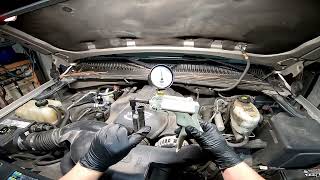
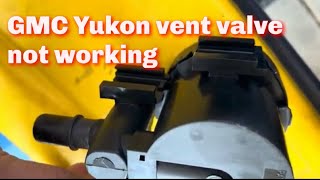
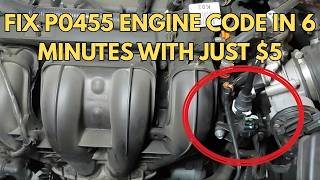
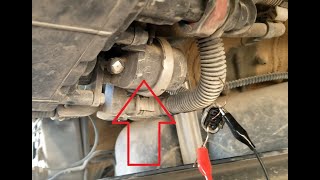
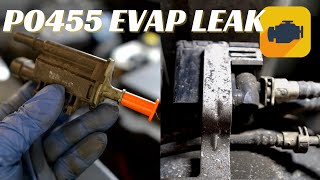
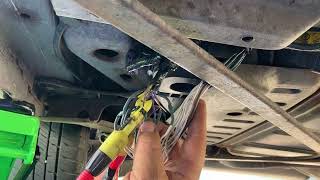
![How to Fix P0455 Engine Code in 3 Minutes [2 DIY Methods / Only $4.61]](https://img.youtube.com/vi/b-o1a2XuVN4/mqdefault.jpg)
Used OEM Parts in Stock
New Aftermarket Parts Available


The information in this article is provided for general reference and educational purposes only. Vehicle specifications, procedures, and part compatibility can vary by production date, trim level, and region. Always consult your vehicle's factory service manual and verify part numbers before purchasing or performing repairs. Safety-critical components such as airbags, seat belts, and braking systems should be installed by a qualified professional.
- Gmc YUKON:
- 🧭 Diagnostic Flowchart
- 🎬 Helpful Videos
- 🛍️ Shop This Part
- What's Unique About the 2016-2023 Gmc YUKON
- Symptoms You May Notice
- Most Likely Causes
- Rare But Worth Checking
- Diagnosis Steps
- Parts You'll Likely Need
- Related Codes That Often Appear With This One
- Technical Service Bulletins (TSBs) & Recalls
- Platform-Specific Known Issues
- Mechanic-Grade Diagnostic Values
- Scan Tool Commands That Help
- Wiring & Ground Locations
- Real Owner Repair Stories
- "I Checked Everything" — The Actual Cause
- OEM Part Supersession History
- Model Year Variations Within This Range
- 🎟️ Get 5% Off