

P0455 on 2008-2012 GMC Yukon Hybrid: EVAP Large Leak Causes and Fixes
For a P0455 code on a 2008-2012 GMC Yukon Hybrid, the most likely cause is a loose or faulty gas cap. If the cap is secure, the next most common failures are the EVAP purge valve on the engine or the vent valve near the fuel tank. A new gas cap is under $30, while the valves typically cost between $25 and $70. A hard start after refueling strongly points to the purge valve.
- P0455 is an emissions code for a large leak and does not affect vehicle safety or drivability.
- Always check your gas cap first. Make sure it's tight and the seal is intact. Replacing it is a cheap and easy first step.
- If the gas cap isn't the issue, the problem is most likely the EVAP purge valve (on the engine) or the vent valve (near the gas tank).
- Both the purge and vent valves are common DIY-friendly repairs that can be done with basic hand tools in under an hour.
- A smoke test is the best way to find a leak if it's not one of the common components.
What's Unique About the 2008-2012 Gmc YUKON HYBRID
The EVAP system on the GMT900 platform, which includes the 2008-2012 Yukon Hybrid, is fairly standard. However, these trucks are known for common failures of the EVAP purge and vent valves due to age and environmental exposure. The vent valve, located under the vehicle, is particularly susceptible to dirt and moisture, while the purge valve on the engine is subject to constant cycling and heat. While the hybrid powertrain is complex, the P0455 code almost always relates to the same simple set of EVAP components found on the non-hybrid models. The manufacturer has issued technical service bulletins (TSBs) with diagnostic advice for this exact code, indicating it's a recognized issue.
Diagnostic Flowchart
Tap your situation to follow the diagnostic path that matches what you're seeing on this vehicle.
Symptoms You May Notice
- Check Engine Light is on
- A noticeable smell of gasoline, especially around the rear of the vehicle or after refueling
- Difficulty starting the engine immediately after filling the gas tank (this strongly points to a stuck-open purge valve)
- Gas pump nozzle clicks off repeatedly when trying to refuel (this strongly points to a stuck-closed vent valve)
- Replacing the fuel tank pressure sensor. While possible, this sensor rarely fails in a way that causes a P0455 code without other accompanying sensor-specific codes.
Most Likely Causes
- Loose, Damaged, or Incorrect Gas Cap 🔴 High Probability → Shop Fuel Tank Cap The gas cap seal is a simple rubber component that degrades over time, leading to pressure loss. It's also easy to forget to tighten it properly after refueling.
How to confirm: Inspect the gas cap for cracks in the rubber O-ring. Ensure it is tightened until it clicks at least once. A hissing sound when opening the cap is often a sign the cap is sealing correctly and the issue lies elsewhere. A new, OEM-spec cap is a cheap and effective first diagnostic step.
Typical fix: Replace the gas cap.
Est. part cost: $15-$35 - Failed EVAP Vent Valve Solenoid 🟡 Medium Probability → Shop Vapor Canister Located under the vehicle near the charcoal canister and spare tire, this valve is exposed to road dirt, salt, and moisture, which can cause it to fail electrically or get stuck open or closed.
How to confirm: The valve is normally open. A scan tool can command it closed to test its function. A classic symptom of failure is difficulty filling the fuel tank (the pump nozzle clicks off repeatedly). A smoke test will show smoke exiting the valve if it's stuck open when commanded closed. You can also remove it and apply 12V to the terminals; it should click closed and prevent air from passing through.
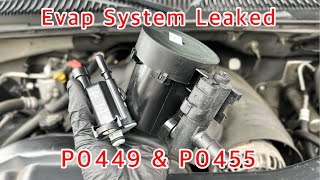
Typical fix: Replace the EVAP vent valve solenoid. 🎬 Watch: Step-by-step guide to replacing both the vent and purge valves. It is typically mounted on or near the charcoal canister by the spare tire.
Est. part cost: $30-$80 - Failed EVAP Purge Valve Solenoid 🟡 Medium Probability → Shop Vapor Canister This valve is located on the engine's intake manifold and cycles frequently, leading to eventual wear and failure, often getting stuck open.
How to confirm: A classic symptom is the engine cranking for a long time or stalling after refueling. To test, remove the valve from the engine (usually one 8mm or 10mm bolt). It should be normally closed, so if you can blow air through it with no power applied, it has failed and is stuck open.
Typical fix: Replace the purge valve solenoid.
Est. part cost: $25-$60 - Cracked or Disconnected EVAP Hoses ⚪ Low Probability The rubber and plastic lines that make up the EVAP system can become brittle and crack with age and exposure to engine heat and under-vehicle elements.
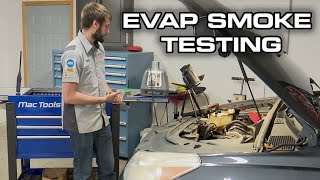
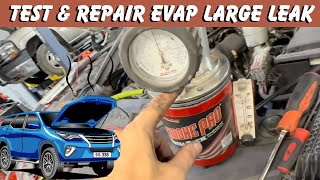
How to confirm: A visual inspection may reveal obvious cracks or disconnections, especially at connection points. The most definitive method is to use a smoke machine, which fills the EVAP system with visible vapor, making even small leaks easy to spot. 🎬 See how to perform a professional EVAP smoke test for leaks.
Typical fix: Replace the damaged section of hose.
Est. part cost: $10-$50
Rare But Worth Checking
- Cracked Charcoal Canister: → Shop Vapor Canister The canister itself can be damaged by road debris, causing a large leak. Inspect it for any visible cracks or damage while checking the vent solenoid.
- Rusted Fuel Filler Neck: → Shop Fuel Filler Neck In regions with heavy road salt use, the metal fuel filler neck can rust through, creating a leak that will trigger P0455. This is usually found during a smoke test.
- Corroded Rear Frame Ground Wires: On GMT900 trucks, corroded ground connections on the rear frame rails (often designated G401 and G402) can cause electrical issues with EVAP components like the vent valve, leading to fault codes. If the vent valve circuit has no power, check the condition of the main ground straps on the frame before replacing parts.
- Cracked PCV/Vacuum Hose: → Shop Vacuum Hose A large vacuum leak on the engine side, such as a cracked rubber elbow on a PCV hose, can sometimes be misinterpreted by the ECU as an EVAP system failure, triggering a P0455 code because the system cannot pull the expected vacuum during its test cycle.
Diagnosis Steps
- Read the code with an OBD-II scanner to confirm P0455 is the primary code.
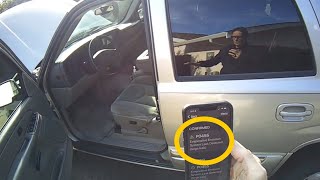
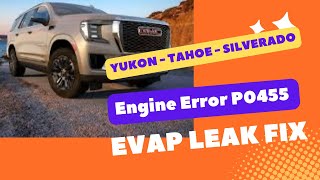
- Inspect the gas cap. Remove it, check the seal for cracks or brittleness, and ensure it's the correct type for the vehicle. Reinstall it and tighten until it clicks several times. 🎬 Watch: A quick walkthrough for diagnosing and fixing the P0455 code.
- If the gas cap appears worn, replace it, clear the code, and drive for a few days. This is the cheapest and most common fix.
- If the code returns, follow the diagnostic procedure outlined in GM TSB 21-NA-124: first, visually inspect all EVAP hoses and lines for obvious cracks or disconnections, from the engine bay to the tank.
- Next, test the EVAP vent valve near the spare tire. A common symptom of failure is the gas pump repeatedly shutting off during refueling. It is normally open and should close when 12V is applied.
- Then, test the purge valve on the engine intake. A key symptom of failure is a long crank or stall after refueling. Disconnect it and try to blow through it. If air passes, it is stuck open and must be replaced.
- If the valves and hoses appear fine, the most effective next step is a professional smoke test. This will pressurize the system with smoke and quickly reveal the location of any hard-to-see leaks in the hoses, filler neck, or canister.
Parts You'll Likely Need
- Fuel Cap
(OEM #GT281)— This is the most common failure point. The seal wears out, causing a pressure leak.
Trusted brands: ACDelco
OEM price range: $20-$35
Aftermarket price range: $15-$25 - EVAP Vent Valve Solenoid
(OEM #25932571)— This valve is exposed to the elements under the truck and is a very common failure item, getting stuck or failing electrically. This part number supersedes 10382105, 15750484, and 22728634.
Trusted brands: ACDelco, Dorman, Standard Motor Products
OEM price range: $50-$80
Aftermarket price range: $30-$60 - EVAP Purge Valve Solenoid
(OEM #12690512)— Located on the hot engine intake, this valve wears out from constant use and can get stuck open, causing a leak and often a hard-start condition after refueling. This part number supersedes 12610560 and may be superseded by 12737252.
Trusted brands: ACDelco, Bosch, Dorman
OEM price range: $30-$50
Aftermarket price range: $20-$40
Related Codes That Often Appear With This One
- P0442 — This code indicates a small EVAP leak. It can appear alongside P0455 if the system has multiple leaks or if the leak is borderline between small and large. TSB 21-NA-124 covers both codes.
- P0449 — This code specifically points to a fault in the EVAP vent valve solenoid circuit. If you see P0449 with P0455, the vent valve or its wiring is almost certainly the culprit.
Technical Service Bulletins (TSBs) & Recalls
- 21-NA-124: Provides diagnostic tips for DTCs P0442 and P0455. It advises a specific diagnostic order: 1) Inspect all EVAP lines for secure connections, 2) Investigate the vent valve for a potential stuck-open condition, and 3) Investigate the purge valve for malfunction.
Platform-Specific Known Issues
- Hard Start After Refueling Points to Purge Valve: → Shop Vapor Canister A widely reported owner experience on TahoeYukonForum is a P0455 code accompanied by the engine cranking excessively or stalling right after getting gas. This was resolved by replacing the EVAP purge valve on the intake manifold. One owner fixed this exact issue with a $26 part.
Mechanic-Grade Diagnostic Values
- Fuel Tank Pressure (FTP) Sensor Voltage — expected: Approximately 1.5V with the gas cap off (at atmospheric pressure). The normal operating signal range is generally between 0.5V and 4.5V.. Failure: A reading significantly different from 1.5V with the system open to atmosphere (e.g., 0.9V) suggests a faulty sensor. A signal stuck high (above 4.5V) or low (below 0.5V) can indicate a sensor or circuit failure.
- EVAP Purge and Vent Solenoid Resistance — expected: While specific OEM resistance values are not consistently published, a functional solenoid coil will show a clear resistance reading (typically between 15-30 Ohms).. Failure: A reading of infinite resistance (open circuit) or zero resistance (short circuit) across the two terminals indicates a failed solenoid coil.
Hidden / Shadow Codes Worth Checking
- Mode $06, Test ID $3D, Component ID $CB: This test specifically checks for a 'Canister Purge Valve stuck open'. A failure here strongly points to the purge valve as the cause of the P0455, even if it seems to function intermittently. (see via A professional scan tool capable of reading GM-specific Mode $06 data, such as a GM Tech2 or high-end Autel/Innova scanner.)
- Mode $06, Test ID $3D, Component ID $8C: This test monitors for a 'Canister Vent Valve Test - Stuck Closed / Restricted'. While P0455 is a large leak, a restricted vent can cause the system to fail its pressure/vacuum test, sometimes being misinterpreted as a leak. (see via A professional scan tool with GM Mode $06 capabilities.)
Scan Tool Commands That Help
- GM Tech2 / GDS2: EVAP Service Bay Test — This is a comprehensive, automated test that commands the purge and vent valves through a sequence to check for leaks and proper function. It provides a 'Passed' or 'Failed' result and can pinpoint issues like 'Vent Performance' failure, helping to confirm a diagnosis after initial checks.
- GM Tech2 / GDS2 or capable bidirectional scanner: EVAP Purge/Seal — This function allows the technician to manually command the vent valve closed ('Seal') and then open/close the purge valve to see if the system can build and hold a vacuum, which is monitored via the FTP sensor data. It's used to isolate a leak or test individual component function in real-time.
- GM Tech2 / GDS2 or capable bidirectional scanner: Vent Solenoid Command — This allows you to command the normally-open vent valve to close. While commanding it closed, you can perform a smoke test; if smoke still exits the vent, the valve is faulty and stuck open.
Wiring & Ground Locations
- G401 — On the left rear body mount.. This is a primary ground point for rear-body electrical components. Corrosion or a loose connection here can interrupt the ground circuit for the EVAP vent valve and fuel tank pressure sensor, causing erratic operation or failure.
- G402 — On the right 'D' pillar, relevant for models with a one-piece liftgate.. Similar to G401, this ground serves components in the rear of the vehicle. Poor grounding can lead to incorrect sensor readings or solenoid failures, triggering EVAP codes.
- Underhood Fuse Block — On the driver's side of the engine compartment.. The power for the EVAP system components originates here. Specifically, fuses #4 (15A) and #5 are listed for the EVAP system on these trucks and should be checked for integrity before diagnosing wiring faults.
- EVAP Vent Valve Connector — At the EVAP canister near the spare tire.. This 2-pin connector provides power and ground to the vent solenoid. One wire should show battery voltage with the key on (coming from the fuse block), and the other is the ground. A lack of voltage here points to a wiring or fuse issue, not a faulty valve.
Real Owner Repair Stories
- Tahoe Yukon Forum (Chevrolet Tahoe (GMT900 platform mate)) — EVAP code, Service Bay Test on Tech2 scanner kept failing with a 'Vent Performance' error. Live data showed Fuel Tank Pressure at 0.9V / 5 mmHg with the vehicle off.
❌ Tried (didn't work) Replaced Purge Valve, Replaced Vent Valve, Replaced Charcoal Canister
✅ What actually fixed it The Fuel Tank Pressure (FTP) sensor was faulty, reading 0.5V off from its expected baseline. Replacing the FTP sensor resulted in the correct 1.5V / ~0 mmHg reading at atmospheric pressure, and the Service Bay Test passed. - Tahoe Yukon Forum (2007-2014 era GMT900) — P0455 code returned after replacing gas cap.
❌ Tried (didn't work) Replaced gas cap, Replaced charcoal canister
✅ What actually fixed it The issue was resolved by replacing the front (engine-mounted) EVAP purge solenoid.
"I Checked Everything" — The Actual Cause
- In some cases, a smoke test may not reveal a leak, but the code persists. A common cause is a faulty Fuel Tank Pressure (FTP) sensor that provides incorrect readings to the ECM. The ECM interprets the incorrect pressure data as a large leak, even though the system is sealed. One owner confirmed this by checking the FTP sensor voltage, finding it was off by 0.5V, and fixing the issue by replacing the sensor after a smoke test would have shown no leaks.
Helpful Videos
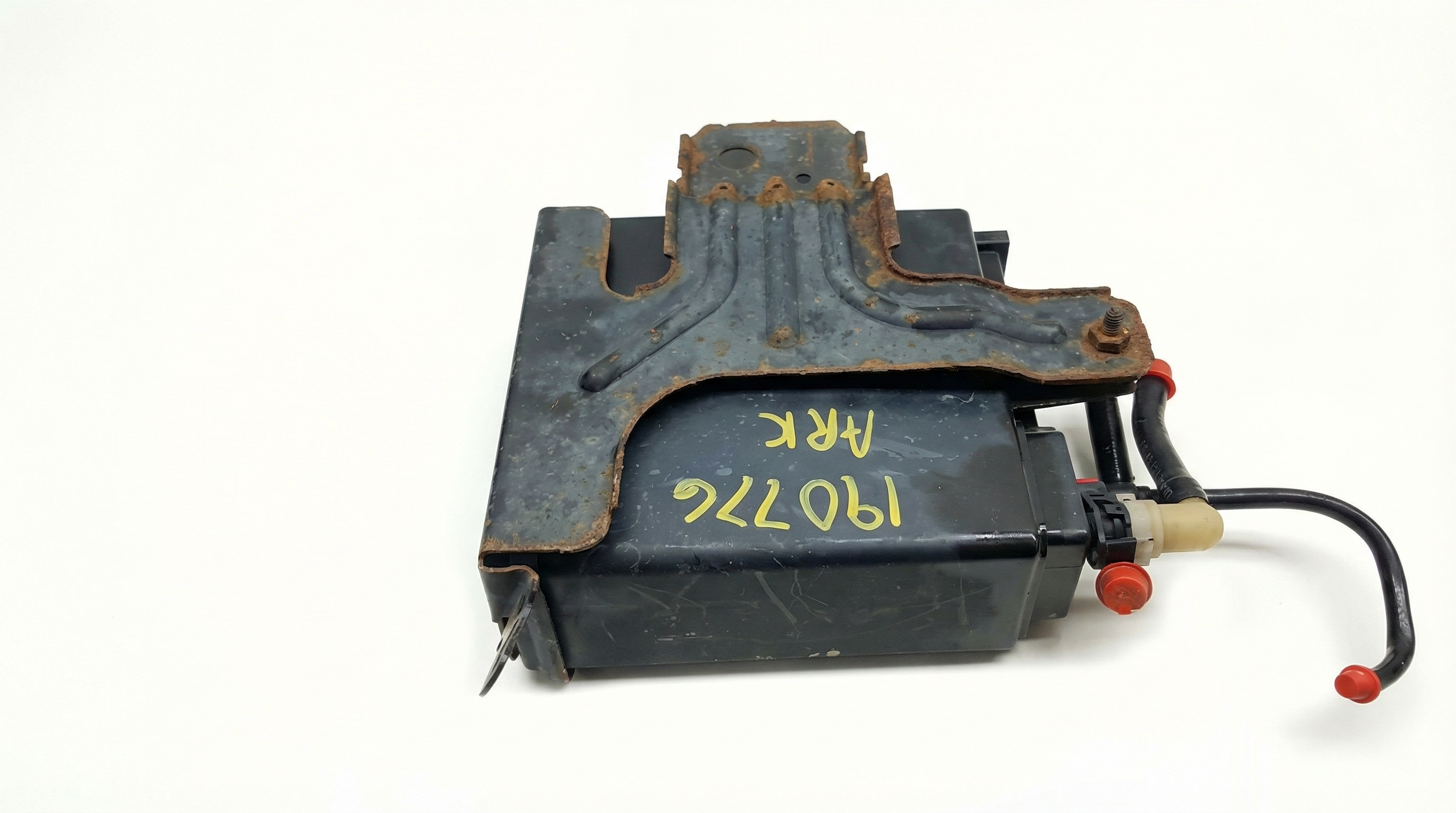
Used OEM Parts in Stock
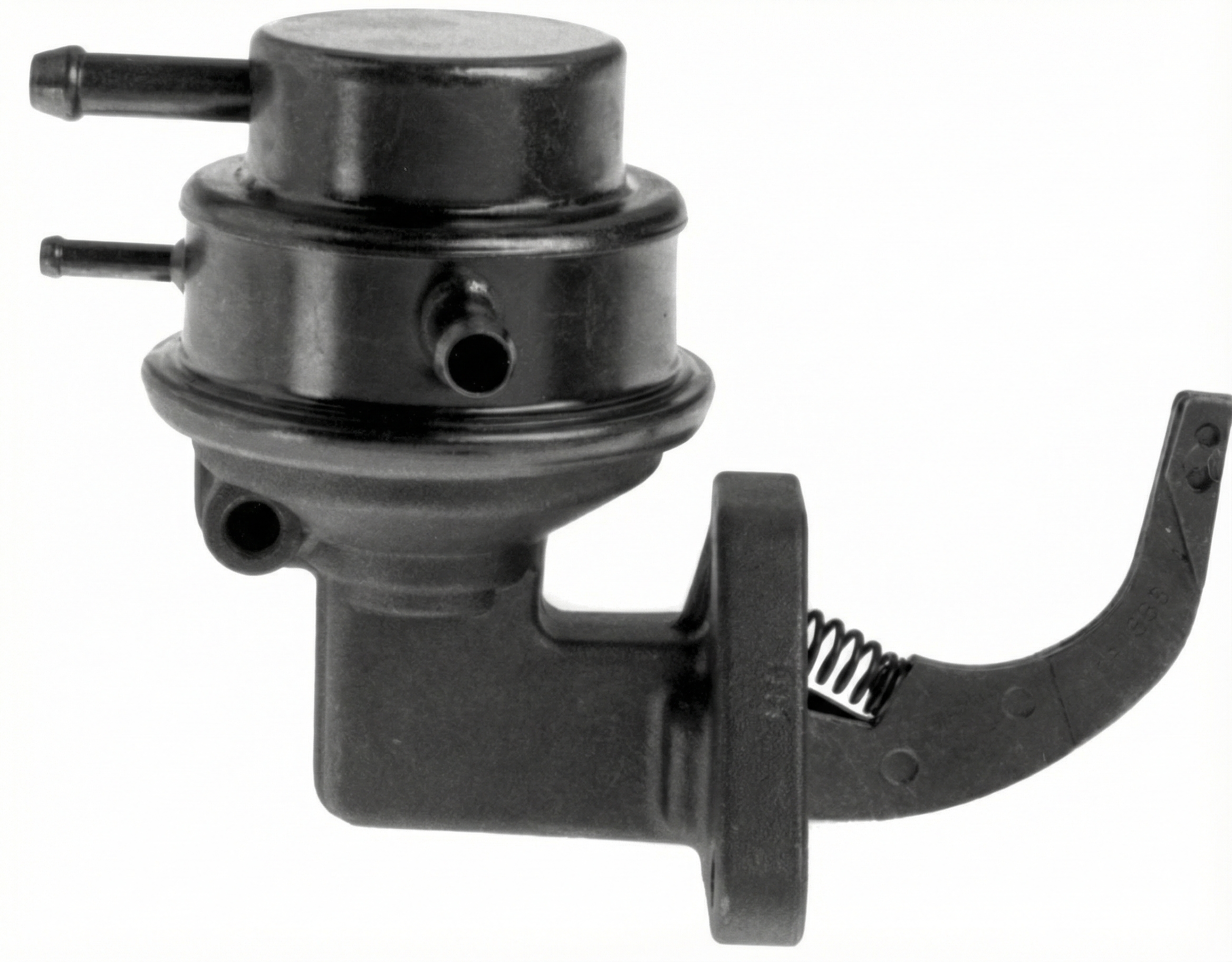
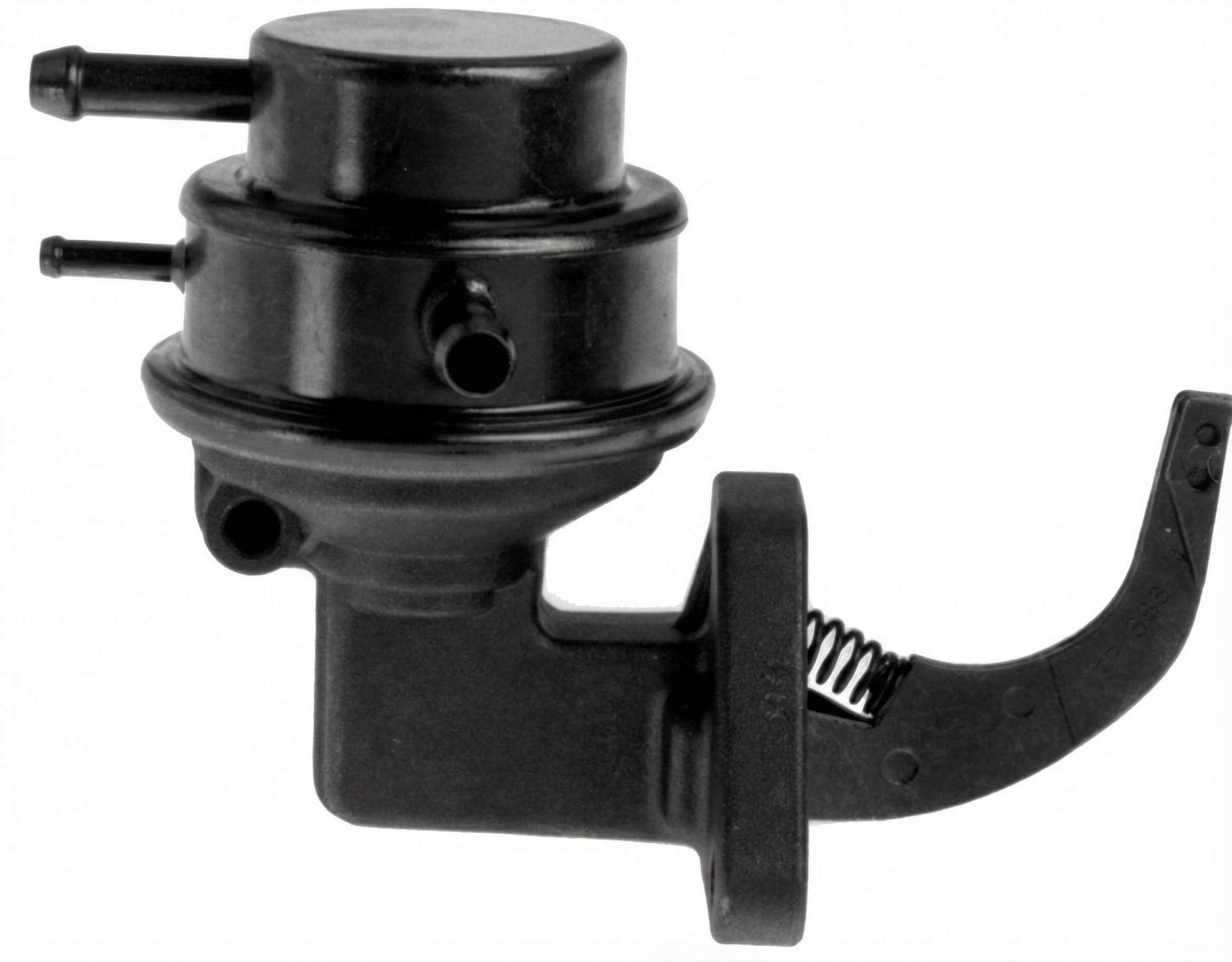
New Aftermarket Parts Available


The information in this article is provided for general reference and educational purposes only. Vehicle specifications, procedures, and part compatibility can vary by production date, trim level, and region. Always consult your vehicle's factory service manual and verify part numbers before purchasing or performing repairs. Safety-critical components such as airbags, seat belts, and braking systems should be installed by a qualified professional.
- Gmc YUKON HYBRID:
- 🧭 Diagnostic Flowchart
- 🎬 Helpful Videos
- 🛍️ Shop This Part
- What's Unique About the 2008-2012 Gmc YUKON HYBRID
- Symptoms You May Notice
- Most Likely Causes
- Rare But Worth Checking
- Diagnosis Steps
- Parts You'll Likely Need
- Related Codes That Often Appear With This One
- Technical Service Bulletins (TSBs) & Recalls
- Platform-Specific Known Issues
- Mechanic-Grade Diagnostic Values
- Hidden / Shadow Codes Worth Checking
- Scan Tool Commands That Help
- Wiring & Ground Locations
- Real Owner Repair Stories
- "I Checked Everything" — The Actual Cause
- 🎟️ Get 5% Off