

P0455 on 2007-2013 GMC Yukon XL 2500: EVAP Large Leak Causes and Fixes
P0455 on a 2007-2013 Yukon XL 2500 indicates a large leak in the EVAP system. The most common fix is replacing a loose or faulty gas cap. If the cap is good, the next most likely culprits are the EVAP purge valve on the engine or the vent solenoid near the spare tire. A cracked fuel filler vent hose, specific to this platform, is also a known cause documented by GM.
- Always check the gas cap first for P0455. It's the most common and cheapest fix.
- If the gas cap is good, the purge valve (on the engine) and vent valve (by the spare tire) are the next most likely culprits.
- On this specific truck, pay special attention to the fuel filler neck for cracks, as noted in a GM Technical Service Bulletin.
- A smoke test is the most effective way to find a leak that isn't obvious from a visual inspection.
- The vehicle is safe to drive with this code, but it will not pass an emissions test.
What's Unique About the 2007-2013 Gmc YUKON XL 2500
For this generation of GMC trucks (GMT900), the P0455 code is very common. While the typical causes like the gas cap and EVAP valves are frequent, there is a specific issue documented by GM. Technical Service Bulletin #15-NA-019 points to a fractured fuel filler neck vent hose (specifically part number 22802075 for the Yukon XL), which can cause this code along with a noticeable fuel odor. This makes a careful inspection of the filler neck area particularly important on these Yukon XL models.
Diagnostic Flowchart
Tap your situation to follow the diagnostic path that matches what you're seeing on this vehicle.
Symptoms You May Notice
- Check Engine Light is on
- A noticeable smell of fuel, particularly around the rear of the vehicle or after refueling.
- Difficulty refueling (the gas pump nozzle clicks off repeatedly).
- A 'whoosh' sound when opening the gas cap, which can surprisingly indicate a faulty purge valve rather than a good seal.
- Slightly rough idle or difficulty starting immediately after filling the gas tank.
- A "Tighten Gas Cap" message on the driver information center.
- Replacing the charcoal canister when the actual problem is a much cheaper vent or purge solenoid.
- Immediately assuming a major, hard-to-find leak before thoroughly checking the gas cap first.
- Replacing the vent valve/solenoid near the tank when the purge valve on the engine is the actual failed component. One owner on TahoeYukonForum reported that a faulty purge valve was causing codes that seemed to point to the vent system.
Most Likely Causes
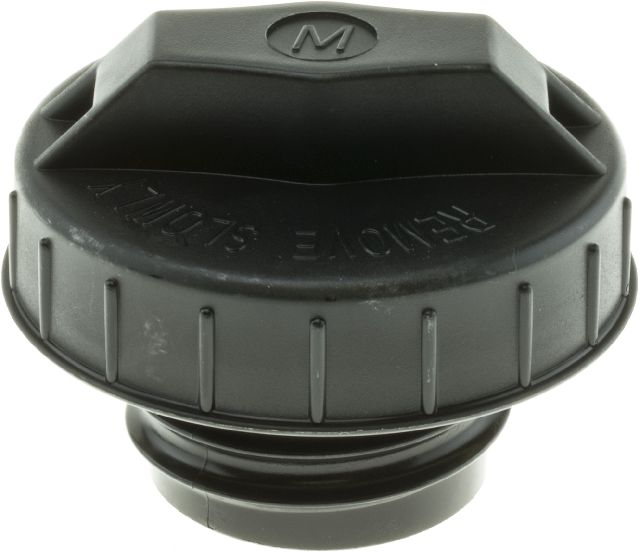
- Loose, Damaged, or Incorrect Gas Cap 🔴 High Probability → Shop Fuel Tank Cap The gas cap is a frequently handled part and its seal can wear out over time, or it can simply be forgotten or not tightened properly after refueling. It is the number one cause of P0455 across all vehicles.
How to confirm: Ensure the gas cap clicks at least three times when tightened. Inspect the rubber O-ring on the cap for cracks, brittleness, or damage. A strong hiss of pressure when removing the cap may indicate the cap is sealing but the system isn't venting properly elsewhere.
Typical fix: Tighten the cap correctly. If the seal is damaged, replace the gas cap. This is the cheapest and easiest first step.
Est. part cost: $15-$35 - Failed EVAP Vent Valve / Solenoid 🟡 Medium Probability → Shop Vapor Canister Located near the charcoal canister by the spare tire, this valve is exposed to road debris, dust, and moisture, which can cause it to stick open or fail electrically. GM issued TSB 09-06-04-028D for an updated design that relocates the air filter to a cleaner location up near the fuel filler neck to prevent this common failure.
How to confirm: The valve should be normally open. When 12V is applied, it should click shut. If it's stuck open or doesn't operate with power, it has failed. A smoke test will show smoke exiting the valve if it's stuck open. If you also have a P0449 code, this part is almost certainly the culprit.
Typical fix: Replace the vent valve solenoid. It is highly recommended to use the updated kit (per TSB 09-06-04-028D) that relocates the filter to a cleaner location. Note that the updated valve may have a different electrical connector, requiring a jumper harness adapter.
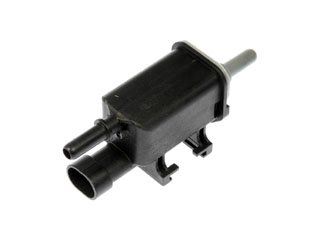
Est. part cost: $30-$70 - Failed EVAP Purge Valve / Solenoid 🟡 Medium Probability → Shop Vapor Canister This valve is mounted on the engine intake manifold and is subject to constant heat cycles and engine vibration, which can cause it to fail over time, usually by sticking open.
How to confirm: Remove the valve from the engine. With no power applied, try to blow through it. It should be closed, and no air should pass. If you can blow through it, it's stuck open and needs replacement. A failure here can also cause a rough idle or hard starting after refueling.
Typical fix: Replace the purge valve solenoid. This is often a 10-minute fix requiring only basic tools.
Est. part cost: $25-$60 - Cracked or Disconnected EVAP Hoses ⚪ Low Probability Over time, the plastic and rubber hoses in the EVAP system can become brittle and crack. The TSB-noted fracture at the fuel filler neck vent hose is a specific, known failure point (Part No. 22802075). Technicians also report finding hoses disconnected after other service, like a fuel pump replacement.
How to confirm: A visual inspection may reveal obvious cracks or disconnected lines. The most reliable method is to have a professional perform a smoke test, which will make even small leaks visible. Pay close attention to the fuel filler neck area and all connections on top of the fuel tank.
Typical fix: Replace the damaged section of hose or the entire component, such as the fuel filler neck vent hose if the vent line is fractured per TSB 15-NA-019.
Est. part cost: $10-$150
Rare But Worth Checking
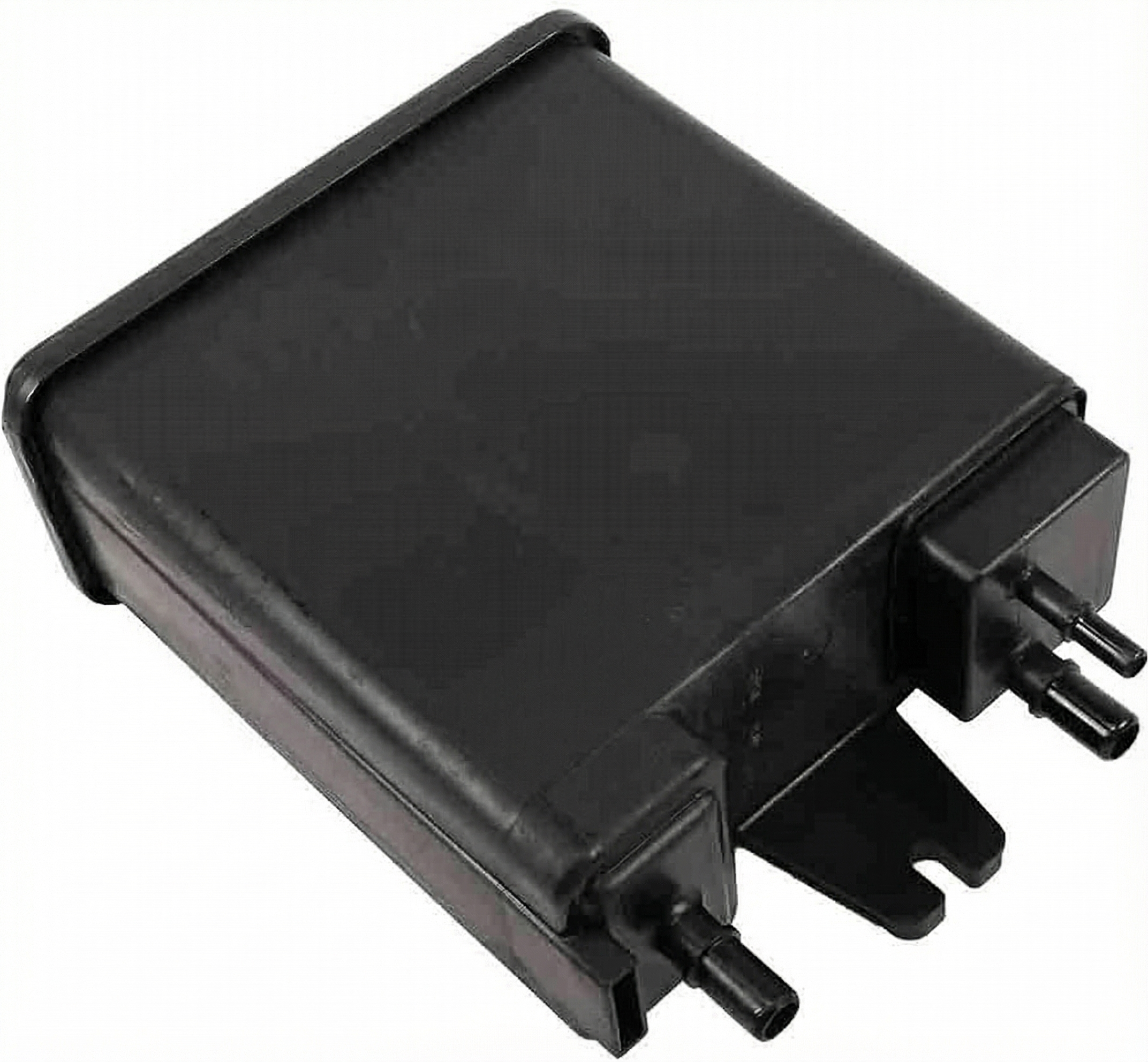
- Cracked Charcoal Canister: → Shop Vapor Canister The canister itself can be damaged by road debris, leading to a large leak. It can also become saturated with fuel if the gas tank is habitually overfilled, causing blockages that may be interpreted as a leak.
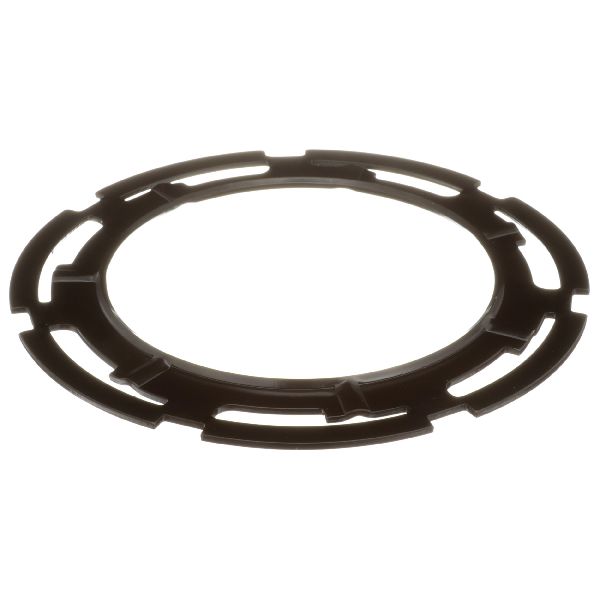
- Leaking Fuel Tank Gasket: → Shop Fuel Tank The gasket for the fuel pump module on top of the fuel tank can fail, causing a large leak that is often accompanied by a strong fuel smell, especially when the tank is full. This is a common point of failure if the tank has been dropped for a fuel pump replacement.
- Clogged EVAP Lines from Failed Charcoal Canister: → Shop Vapor Canister If the charcoal canister fails internally, it can release charcoal pellets into the EVAP lines. This can cause blockages that lead to refueling issues and various EVAP codes, including P0455. In this case, simply replacing parts won't work; the lines must be blown out and the tank may need to be dropped and cleaned.
Diagnosis Steps
- Read the code with an OBD-II scanner to confirm P0455 is present.
- Inspect the gas cap. Ensure it is tight. Remove it and check the seal for cracks or damage. Replace if questionable, as it's the most common and cheapest fix.
- Clear the codes and drive the vehicle for a few days to see if the light returns. If it does, proceed with further diagnosis.
- Visually inspect the EVAP purge valve on the engine and the hoses connected to it for any obvious cracks or damage.
- Locate the EVAP vent solenoid near the spare tire. Inspect it and its hoses for damage, corrosion, or signs of water intrusion as noted in TSB 09-06-04-028D.
- Test the purge valve: Disconnect it and try to blow through it. If air passes, it's stuck open and faulty.
- Test the vent solenoid: Apply 12-volt power to its terminals. You should hear a distinct click as it closes. If there's no click, it's faulty.
- If the cause is still not found, perform a smoke test. This involves injecting smoke into the EVAP system to visually identify the source of the leak. Pay close attention to the fuel filler neck area for a cracked vent hose (TSB #15-NA-019) and the lines on top of the fuel tank.
Parts You'll Likely Need
- Vapor Canister Purge Valve / Solenoid
(OEM #12690512)— This valve, located on the engine, frequently fails by sticking open, creating a constant leak in the system. It's a common failure point due to heat and vibration and can cause starting issues after refueling.
Trusted brands: ACDelco, Dorman, Standard Motor Products
OEM price range: $40-$60
Aftermarket price range: $25-$45 - Vapor Canister Vent Valve / Solenoid
(OEM #25932571)— This valve, located near the rear axle, is prone to failure from road debris and moisture. A failed vent valve is a very common cause for P0455. The original design is flawed; an updated kit (per TSB 09-06-04-028D) that relocates the filter is the recommended permanent fix. The ACDelco part number for the valve itself is often 214-2149.
Trusted brands: ACDelco, Dorman, TRQ
OEM price range: $50-$70
Aftermarket price range: $30-$50 - Fuel Cap
(OEM #GT281)— This is the simplest and most common cause. The seal wears out over time, or the cap isn't tightened properly, causing a large leak. Always check this first.
Trusted brands: ACDelco, Stant
OEM price range: $20-$35
Aftermarket price range: $15-$25 - Fuel Tank Filler Vent Hose Assembly
(OEM #22802075)— A known failure specific to GMT900 SUVs, as documented in TSB 15-NA-019. This hose assembly can fracture at the connector, causing a large leak and often a fuel smell.
Trusted brands: GM Genuine
OEM price range: $70-$120
Aftermarket price range: $50-$90
Related Codes That Often Appear With This One
- P0442 — This code indicates a small EVAP leak. It can appear alongside P0455 if the system has multiple leaks of different sizes or if the computer's leak detection threshold varies. TSB 15-NA-019 explicitly mentions that the filler neck issue can cause either P0442 or P0455.
- P0449 — This code specifically points to a fault in the EVAP vent valve/solenoid control circuit. If you have both P0455 and P0449, the vent valve is almost certainly the problem, either electrically or mechanically.
Technical Service Bulletins (TSBs) & Recalls
- 15-NA-019: Notes a possible fracture in the fuel filler neck vent hose (P/N 22802075 for Yukon XL) causing fuel odor and P0455/P0442 codes.
- 09-06-04-028D: Details a revised EVAP vent valve and filter relocation procedure to prevent failure from water/debris intrusion, which causes codes P0449 and P0455 and can make the vehicle hard to fill with fuel.
- 21-NA-124: Provides updated general diagnostic tips for EVAP leaks related to codes P0442 and P0455.
Platform-Specific Known Issues
- Fractured Fuel Filler Neck Vent Hose: → Shop Fuel Filler Neck A fractured fuel filler neck vent hose can cause a P0455 code and a strong fuel odor, as documented in manufacturer TSB #15-NA-019. The specific part for the Yukon XL is Hose Assembly P/N 22802075.
- Faulty EVAP Vent Solenoid Design: → Shop Vapor Canister The original design of the EVAP vent solenoid was prone to water and debris intrusion, causing it to fail and stick open. An updated kit (per TSB 09-06-04-028D) that relocates the filter to a cleaner, higher location near the fuel filler housing is the recommended permanent repair.
Mechanic-Grade Diagnostic Values
- EVAP Canister Purge Valve Solenoid Resistance — expected: 30 to 38 Ohms. Failure: An open circuit (infinite resistance) or a short circuit (near-zero resistance) indicates a failed solenoid coil.
- EVAP Canister Vent Valve Solenoid Resistance — expected: Varies by manufacturer, but common ranges are 15-30 Ohms or 48-65 Ohms.. Failure: The key is to look for a definitive open (infinite ohms) or short (near-zero ohms), as specific 'good' values can vary.
- Fuel Tank Pressure (FTP) Sensor Voltage (Key On, Engine Off, Gas Cap Off) — expected: Approximately 1.3V to 1.7V.. Failure: A voltage that is stuck, or does not change when vacuum is applied during a test, points to a faulty sensor. A reading significantly higher than 1.6V indicates vacuum, while a lower reading indicates pressure.
Scan Tool Commands That Help
- GM Tech2 / GDS2: EVAP Service Bay Test — This function allows a technician to command the EVAP system to seal (by closing the vent solenoid) and then apply a controlled amount of vacuum using the purge solenoid. By monitoring the FTP sensor voltage, you can determine if the system can hold a vacuum. A rapid drop in vacuum (voltage returning toward ~1.5V) confirms a leak.
- GM Tech2 / GDS2: Vent Solenoid Command (On/Off or Seal/Vent) — This bidirectional control is used to manually close the normally-open vent solenoid. A distinct click should be heard from the rear of the vehicle. This is essential for sealing the system before performing a smoke test to ensure the smoke doesn't just exit through the vent.
- GM Tech2 / GDS2: Purge Solenoid Command (% Duty Cycle) — This allows you to manually open the normally-closed purge solenoid by a specific percentage. It's used to check if the valve is stuck closed. If you command it open and apply vacuum, and no vacuum is drawn, the valve is faulty. It's also used to draw a vacuum on the tank during the Service Bay Test.
Wiring & Ground Locations
- Underhood Fuse Block — On the driver's side of the engine compartment.. This block contains fuses critical for the EVAP system. Specifically, fuse #4 (15A) and fuse #5 (15A) power components of the EVAP system. A blown fuse here would cause a loss of function in a solenoid, potentially leading to a code.
- G103 — On the front of the right cylinder head.. This is a primary engine ground. A poor connection at G103 can cause erratic behavior in various engine sensors and actuators, including the EVAP purge solenoid which is mounted on the engine.
- EVAP Canister Vent Solenoid Connector — At the vent solenoid, located near the EVAP canister by the spare tire.. This connector is in a location prone to moisture and corrosion. A bad connection here can cause a P0449 (vent control circuit fault) to appear with P0455. Checking for power and ground at this connector is a key diagnostic step.
Real Owner Repair Stories
- TahoeYukonForum user (2007-2013 GM SUV (specific model not stated, but platform is the same)) — Recurring P0455 code.
❌ Tried (didn't work) Replaced gas cap, Replaced EVAP vent solenoid (rear), Replaced EVAP purge solenoid (front)
✅ What actually fixed it The user replaced the entire fuel pump module with an AC Delco unit. The implication is that the Fuel Tank Pressure (FTP) sensor, which is integrated into the fuel pump module on these vehicles, had failed, or the seal for the module itself was leaking.
"I Checked Everything" — The Actual Cause
- A common scenario is for a smoke test to show no leaks, even after replacing the gas cap and solenoids. In this situation, the leak is often from the large O-ring that seals the fuel pump/sending unit module to the top of the gas tank. This leak may only become apparent when the tank is full, or it may be too subtle for a low-pressure smoke test to reveal easily, especially if the tank isn't dropped for a clear view. Replacing the fuel pump module gasket (or the entire module if the integrated FTP sensor is suspected) is often the fix.
OEM Part Supersession History
10382105, 15750484, 22728634→25932571— Standard part evolution and consolidation for the EVAP Vent Valve Solenoid.
Heads up: Part number 25932571 itself has been subject to redesigns. Some vendors warn that this specific part number may not be correct for a vehicle even if cataloged, and that VIN verification is required to get the latest correct part, which may include an adapter harness as mentioned in TSB 09-06-04-028D.
Helpful Videos
Used OEM Parts in Stock
New Aftermarket Parts Available


The information in this article is provided for general reference and educational purposes only. Vehicle specifications, procedures, and part compatibility can vary by production date, trim level, and region. Always consult your vehicle's factory service manual and verify part numbers before purchasing or performing repairs. Safety-critical components such as airbags, seat belts, and braking systems should be installed by a qualified professional.
- Gmc YUKON XL 2500:
- 🧭 Diagnostic Flowchart
- 🎬 Helpful Videos
- 🛍️ Shop This Part
- What's Unique About the 2007-2013 Gmc YUKON XL 2500
- Symptoms You May Notice
- Most Likely Causes
- Rare But Worth Checking
- Diagnosis Steps
- Parts You'll Likely Need
- Related Codes That Often Appear With This One
- Technical Service Bulletins (TSBs) & Recalls
- Platform-Specific Known Issues
- Mechanic-Grade Diagnostic Values
- Scan Tool Commands That Help
- Wiring & Ground Locations
- Real Owner Repair Stories
- "I Checked Everything" — The Actual Cause
- OEM Part Supersession History
- 🎟️ Get 5% Off