

P0455 on 2006-2011 Hyundai Azera: EVAP Large Leak Causes and Fixes
For a 2006-2011 Hyundai Azera, the P0455 code is most often caused by a loose or faulty gas cap. If tightening or replacing the cap (~$15-$35) doesn't fix it, the next most likely culprits are the canister purge valve (PCSV) or the canister close valve (CCV), both common failure points on Hyundai vehicles of this era. A smoke test is the definitive way to find the leak if it's not the gas cap.
- P0455 on your Azera means a large leak has been detected in the fuel vapor system.
- Do not panic; the car is safe to drive, but you will fail an emissions test.
- Always check your gas cap first. Make sure it's tight and the seal is intact. This fixes the problem more than 50% of the time.
- If the gas cap isn't the issue, the purge valve (in the engine bay) or the vent valve (near the gas tank) are the next most likely culprits.
- If a visual inspection doesn't reveal the problem, a mechanic can perform a smoke test to quickly pinpoint the source of the leak.
What's Unique About the 2006-2011 Hyundai Azera
The 2006-2011 Hyundai Azera (TG generation) shares its platform and powertrain with the Hyundai Sonata of the same era. It does not have widely documented, unique design flaws related to the P0455 code. The causes and components are typical for Hyundai and Kia vehicles of this period, which use similar Lambda series V6 engines. The most common failures involve standard EVAP system parts like the gas cap, purge valve (PCSV), and canister close valve (CCV), which are known to wear out over time across many Hyundai models. Diagnosis is straightforward and usually follows a standard procedure starting with the gas cap and moving to a smoke test if needed.
Symptoms You May Notice
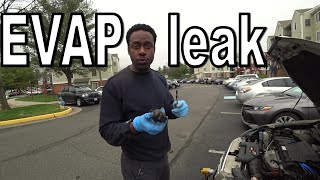
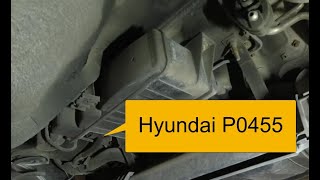
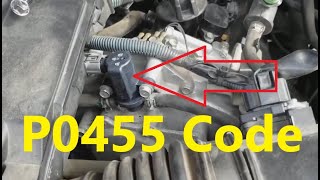
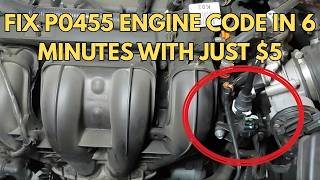
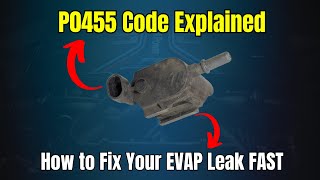
- Check Engine Light is on. 🎬 Watch: A quick overview of the P0455 code on Hyundais.
- A faint smell of fuel, especially around the rear of the car near the gas tank or under the hood.
- Slight decrease in fuel economy over time.
- Difficulty starting the car immediately after refueling (in rare cases, if the purge valve is stuck wide open).
- Replacing the purge valve or vent valve without first checking the gas cap. Always start with the simplest and most common cause.
- Replacing the fuel tank pressure sensor. This sensor rarely causes a P0455 code unless it is physically damaged and leaking. A faulty sensor would typically trigger its own specific codes (e.g., P0452).
- Guessing and replacing parts without performing a smoke test. If the gas cap is not the issue, a smoke test is the most efficient way to pinpoint the exact location of a large leak.
Most Likely Causes
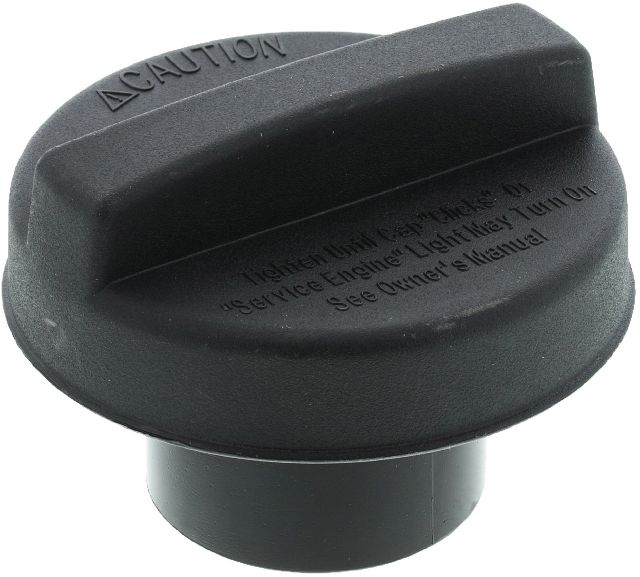
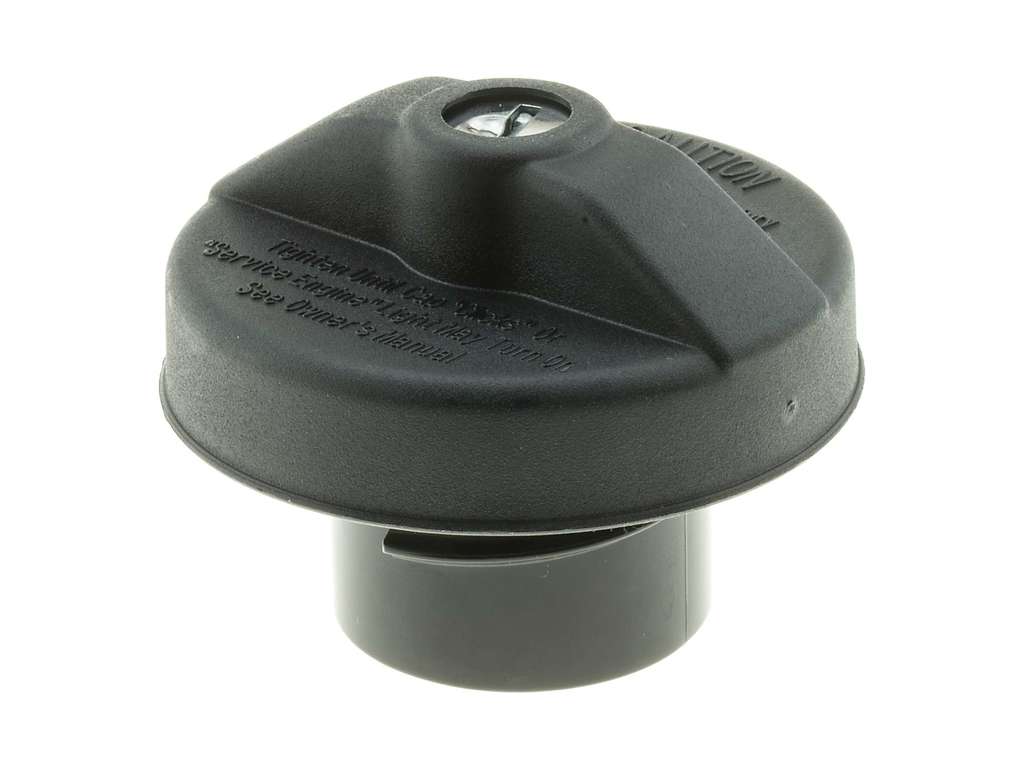
- Loose, Incorrect, or Faulty Gas Cap 🔴 High Probability → Shop Fuel Tank Cap This is the most common cause for a P0455 code on almost any vehicle, as the cap is frequently removed and its seal can wear out or be improperly secured. Using a non-OEM cap can also cause sealing issues.
How to confirm: Remove the gas cap and inspect the rubber O-ring or seal for cracks, stiffness, or damage. Ensure you hear a 'click' when tightening it. If the seal looks worn or the cap doesn't tighten properly, it's suspect. A worn seal is a very common failure point.
Typical fix: Clean the cap's seal and the filler neck surface. If that fails, replace the gas cap. It is highly recommended to use an OEM Hyundai gas cap, as some aftermarket caps are known to cause EVAP codes.
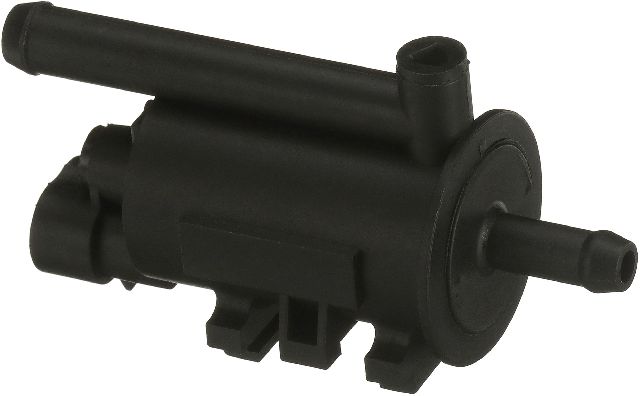
Est. part cost: $15-$35 - Failed Canister Purge Solenoid Valve (PCSV) 🟡 Medium Probability → Shop Vapor Canister The purge valve is a common failure point on many Hyundai models of this era. It can get stuck open, creating a constant, large leak from the EVAP system into the engine intake.
How to confirm: The PCSV is located in the engine bay, usually near the intake manifold and throttle body. With the engine off, remove the valve and try to blow through it. If air passes through, the valve is stuck open and has failed. You can also check for vacuum at the valve's port with the engine running; there should be no vacuum at idle if it's functioning correctly.
Typical fix: Replace the canister purge solenoid valve. This is a relatively simple replacement with basic hand tools.
Est. part cost: $40-$75 - Failed Canister Close Valve (CCV) / Vent Valve 🟡 Medium Probability → Shop Vapor Canister Located near the charcoal canister at the rear of the vehicle, this valve is exposed to road debris and moisture, which can cause it to fail or get stuck open. This is a very common failure on Hyundai/Kia vehicles. A manufacturer service bulletin, Bulletin #5NP-Q7J2C-07, notes that the Canister Closed Valve is a primary component to investigate when P0455 is stored.
How to confirm: The CCV is normally open and closes when 12V is applied. A scan tool can command it closed during a smoke test. If smoke passes through the CCV when it is commanded closed, it has failed. Sometimes charcoal pellets from a ruptured canister can jam the valve open.
Typical fix: Replace the canister close valve. It is often sold as an assembly with the charcoal canister filter.
Est. part cost: $30-$60 - Cracked or Disconnected EVAP Hose ⚪ Low Probability Rubber hoses can become brittle and crack over time due to age and heat cycles. A disconnected hose after recent service is also possible. The lines around the purge valve in the engine bay or near the canister underneath the car are common places to check.
How to confirm: A thorough visual inspection of all EVAP lines, from the engine bay to the fuel tank, may reveal a crack or disconnection. The most definitive way to find a leak in a hose is with a smoke test, which will make the leak visible.
Typical fix: Replace the cracked section of hose or reconnect a disconnected line.
Est. part cost: $10-$50
Rare But Worth Checking
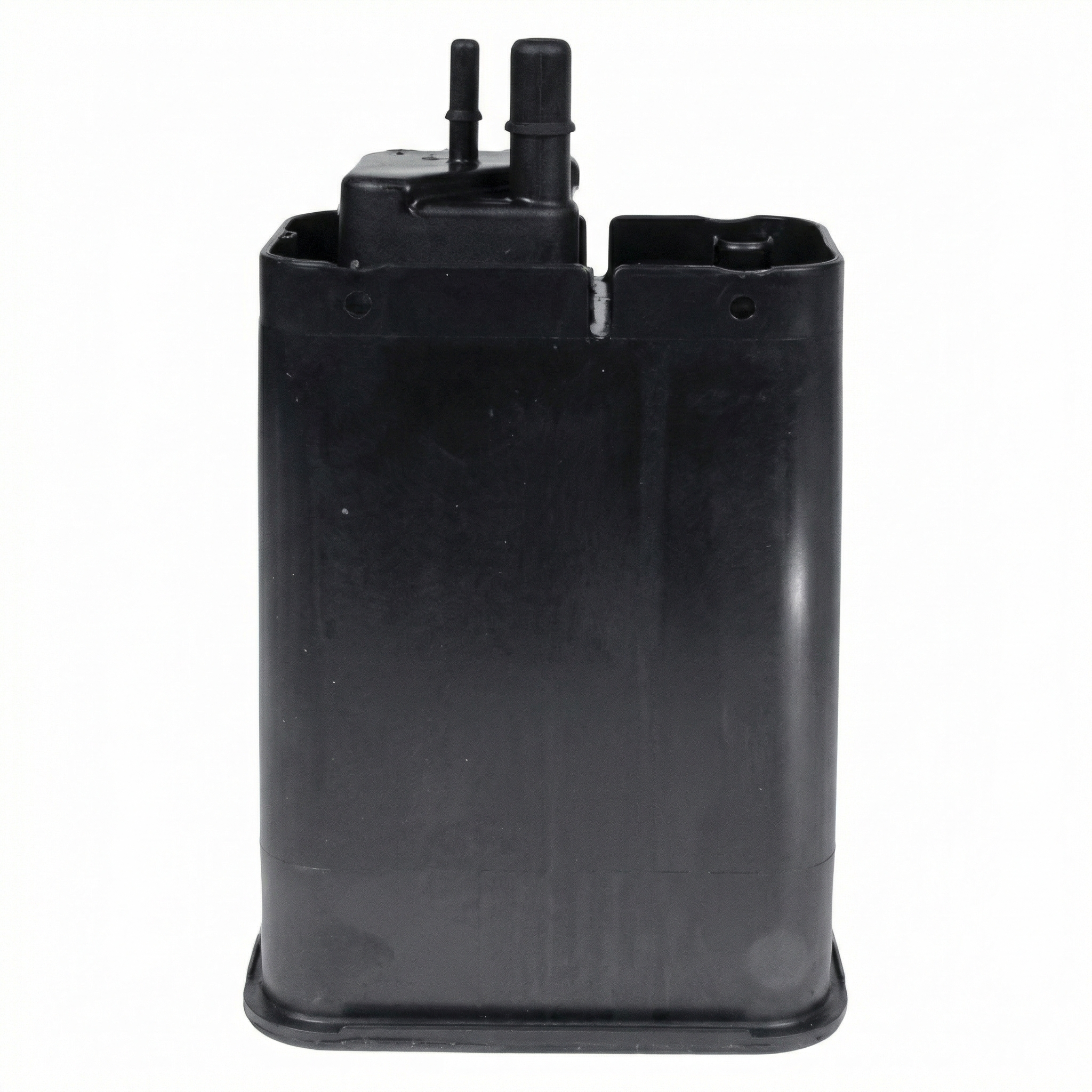
- Cracked Charcoal Canister: → Shop Vapor Canister The charcoal canister itself can develop cracks, especially if the vehicle has sustained an impact from underneath. This is usually found during a smoke test when smoke is seen coming from the body of the canister itself. In some cases, the internal bag holding the charcoal can rupture, sending pellets into the EVAP lines and jamming valves open.
- Damaged Fuel Filler Neck: → Shop Fuel Filler Neck Rust or physical damage to the metal filler neck (where the gas cap screws in) can prevent the cap from sealing properly, causing a large leak. A visual inspection of the sealing surface is necessary if a new gas cap doesn't solve the problem.
- Natural Vacuum Leak Detection (NVLD) Sensor Contamination: → Shop Evaporative Emissions System Leak Detection Pump According to Bulletin #21-FL-002H, salt particulate deposits can form inside the NVLD sensor, which may cause the illumination of the check engine light with DTC P0455. This is particularly common in coastal areas subject to marine layer clouds, as noted in Bulletin #21-01-035H.
Technical Service Bulletins (TSBs) & Recalls
- Bulletin #5NP-Z2J3V-04: This manufacturer bulletin confirms that Hyundai vehicles may experience a check engine light with P0455 (Large Leak) stored in the ECM.
- Bulletin #21-01-035H: Notes that EVAP leakage codes like P0455 can occur primarily in coastal areas due to environmental factors affecting system sensors.
- Bulletin #21-FL-002H: Specifically identifies that salt deposits inside the Natural Vacuum Leak Detection (NVLD) sensor can trigger a P0455 code.
Diagnosis Steps
- Read the code with an OBD-II scanner to confirm P0455 is present.
- Inspect the gas cap. Remove it, check the seal for damage, and ensure it is tightened until it clicks at least once. Clear the code and drive for a few days to see if it returns. Consider replacing with an OEM cap as the first step.
- If the code returns, perform a thorough visual inspection of all accessible EVAP hoses in the engine bay and under the vehicle for obvious cracks, disconnections, or damage.
- Locate the Canister Purge Solenoid Valve (PCSV) in the engine bay. With the engine off, disconnect it and attempt to blow through it. If air passes, it is stuck open and needs replacement.
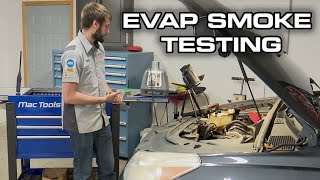
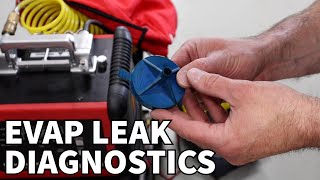
- If the above steps do not identify the issue, the most effective next step is to perform a smoke test. This involves introducing low-pressure smoke into the EVAP system's service port.
- While the smoke machine is running, check for smoke leaking from the gas cap, any hoses, the purge valve, the charcoal canister, or the canister close valve (vent valve) at the rear of the vehicle.
- Use a scan tool to command the Canister Close Valve (CCV) shut during the smoke test. If smoke still exits the CCV vent, the valve is faulty.
- If a component is leaking, replace it, clear the codes, and perform a drive cycle to allow the EVAP monitor to run and confirm the fix.
Parts You'll Likely Need
- Gas Cap
(OEM #31010-3L600)— This is the most frequent cause. The seal wears out or the cap is not tightened properly. Using an OEM cap is highly recommended.
Trusted brands: Hyundai OE, Gates, Stant
OEM price range: $20-$35
Aftermarket price range: $15-$25 - Canister Purge Solenoid Valve (PCSV)
(OEM #28910-3C200)— A common failure item that gets stuck open, creating a large leak. Part number may vary slightly by year and engine.
Trusted brands: Hyundai OE, Dorman (911-808), Standard Motor Products (CP816)
OEM price range: $60-$90
Aftermarket price range: $40-$75 - Canister Close Valve (Vent Valve)
(OEM #31453-3K600 or 31453-3K500)— This valve, located near the canister, can fail and stick open due to its exposure to the elements under the car. It is often sold with the canister filter.
Trusted brands: Hyundai OE, Dorman, Beck/Arnley
OEM price range: $40-$70
Aftermarket price range: $30-$60 - Vapor Canister Assembly
(OEM #31420-3L500 (superseded by 31420-3L500-SJ))— Less common, but the canister can crack or the internal charcoal bag can rupture, causing a large leak or jamming other valves.
Related Codes That Often Appear With This One
- P0441 — Incorrect Purge Flow. If the purge valve is stuck open causing the P0455, the computer may also detect that flow is occurring when it shouldn't be, triggering P0441.
- P0456 — EVAP System Very Small Leak Detected. While P0455 is a large leak, sometimes a system can have multiple leaks of different sizes, or a component is failing intermittently, causing both codes to appear over time.
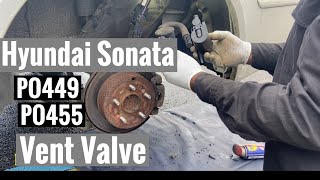
- P0449 — EVAP Vent Valve/Solenoid Circuit Malfunction. This code points directly to an electrical problem with the canister close valve (CCV) circuit, which can accompany a P0455 if the valve is stuck open due to an electrical failure.
Mechanic-Grade Diagnostic Values
- Canister Close Valve (CCV) Solenoid Coil Resistance — expected: 19.8 - 21.8 Ω at 20°C (68°F). Failure: A reading significantly outside this range, or an open circuit (infinite resistance), indicates a failed valve coil.
Scan Tool Commands That Help
- Hyundai GDS or equivalent professional scan tool: EVAP System Leak Test / CCV Actuation Test — This bidirectional command is used during a smoke test to forcibly close the normally-open Canister Close Valve (CCV). If the valve is commanded closed and smoke still exits the vent, the valve is confirmed to be faulty and needs replacement.
Wiring & Ground Locations
- Canister Close Valve (CCV) Location — Under the car, located behind the driver's side rear wheel well liner, attached to or near the charcoal canister assembly.. This location exposes the valve and its electrical connector to road spray, salt, and debris, making the connector pins a common point for corrosion that can cause an electrical failure of the valve, leading to it being stuck open or closed.
"I Checked Everything" — The Actual Cause
- In cases where a thorough smoke test reveals no visible leaks from any hoses, the canister, or valves, the root cause may not be a physical leak at all. A faulty Fuel Tank Pressure Sensor (FTPS) can send incorrect data to the ECM, making the computer believe a large leak exists when the system is actually sealed. This scenario would pass a smoke test but still trigger a P0455 code.
OEM Part Supersession History
31453-3K600→31453-3K600-FFF— Standard part revision by the manufacturer.
Heads up: The new part number is a direct replacement for the original.31420-3L500→31420-3L500-SJ— Standard part revision by the manufacturer.
Heads up: The new part number is a direct replacement, but a critical engine-specific fitment warning applies. See Model Year Variations.
Model Year Variations Within This Range
- 2006 vs 2007-2011: The vapor canister assembly (PN 31420-3L500 / 31420-3L500-SJ) has a specific fitment difference. For the 2006 model year, it only fits the 3.8L V6 engine. For 2007 through 2011 models, it fits both the 3.3L and 3.8L V6 engines.
- 2011: The 2011 model year received a significant refresh, including a new 6-speed automatic transmission and engine updates (Dual CVVT) for more power and efficiency. However, there is no documentation suggesting these changes altered the fundamental design or common failure points of the EVAP system related to code P0455.
Diagnostic Flowchart
Other Known Issues on This Vehicle
Issues unrelated to this code that are worth knowing about as an owner of this generation:
- Cracked Dashboard 🟠 Medium — Very common, especially in warmer climates. Cracks often appear around the passenger airbag outline and on the main dash surface.
- Timing Cover Gasket / Oil Seal Leak 🔴 High — A well-documented issue where the timing chain cover gasket and/or front crankshaft oil seal develops an oil leak. Repair is labor-intensive as it requires significant engine disassembly. (Ref: TSB 10-EM-006 provides details on the repair procedure.)
- Faulty Stop Lamp Switch 🟡 Low — Widespread issue causing brake lights to fail or stay on, and can prevent the vehicle from shifting out of Park. Subject to a major recall. (Ref: Hyundai Recall 110 (NHTSA 13V-113))
- No Sound from Speakers 🟡 Low — A common complaint where the factory amplifier fails, resulting in a complete loss of audio from the stereo system.
- Potential for ABS Module Short Circuit 🔴 High — A recall was issued because water can enter the Anti-lock Brake (ABS) module, potentially causing an electrical short and increasing the risk of an engine compartment fire. (Ref: Hyundai Recall 194 (NHTSA 20V-520))
Used vs. New Parts: Buying Guide for This Vehicle
When a used part is the smart pick: For this repair, sourcing used parts is generally not recommended for valves or sensors due to their electronic nature and wear characteristics. However, a used fuel filler neck from a rust-free donor vehicle or a used charcoal canister assembly (if carefully inspected for cracks) can be a cost-effective option.
Donor-vehicle mileage cap: roughly under 100000 miles for the part to have meaningful remaining life.
What to inspect on the donor part:
- For a fuel filler neck, inspect the gas cap sealing surface for any rust, pitting, or deformation.
- For a charcoal canister, check the plastic housing for any cracks, especially around the hose ports and mounting tabs.
- Ensure all hose connection nipples are intact and not brittle or broken.
OEM-only on this vehicle (don't cheap out):
- Gas Cap: It is strongly recommended to use an OEM Hyundai gas cap. Many forum and technician reports indicate that aftermarket caps may not seal correctly, leading to a repeat P0455 code.
Aftermarket brands forum-validated for this vehicle:
- Dorman: Widely available and cited as a direct replacement for the Canister Purge Solenoid Valve (PCSV, P/N 911-808) and Canister Close Valve (CCV).
- Standard Motor Products: A reputable brand for EVAP system valves and sensors.
Brands owners have reported issues with on this vehicle:
- Unbranded/generic gas caps: While no specific brand is universally condemned, cheap, unbranded gas caps from online marketplaces are a frequent source of persistent EVAP codes.
Real Owner Stories
Aggregated from forums and TSBs cited above. Mileages and costs reflect what owners reported in those sources.
2011 Hyundai Azera
Symptoms: The vehicle triggered a P0455 code. Investigation revealed a failure mode where the internal bag of the charcoal canister had ruptured.
What fixed it: The charcoal pellets from the ruptured canister had jammed the Canister Close Valve (CCV) open; the system required cleaning or replacement of the affected components.
Source hint: Hyundai-Forums.com | Thread: 'Code PO455'
2006-2011 Hyundai/Kia V6
Symptoms: Gross EVAP leak code P0455. Owners discussed the diagnostic path of starting with the gas cap and moving to the vent/close valve.
What fixed it: Using a smoke test to definitively find the leak, often leading to the replacement of the vent/close valve.
Source hint: Reddit r/kia
Documented NHTSA Reports
Hyundai Diagnostic Experience
Symptoms: An owner reported that a Fix Finder report showed Error code P0455. The vehicle later experienced a total loss of power.
What fixed it: NHTSA ODI #11531219 describes the vehicle resetting itself temporarily before eventually requiring a tow to the dealership for further inspection.
Related OBD-II Codes
Frequently Asked Questions
Is there a specific gas cap I should use for my Hyundai Azera to fix a P0455 code?
Could the P0455 code be related to the recall for engine compartment fires on the Azera?
I'm having trouble starting my Azera right after I fill up the gas tank; is this related to P0455?
Where is the Canister Purge Solenoid Valve (PCSV) located on the 2006-2011 Azera?
Could a problem with the charcoal canister cause a P0455 on my Hyundai?
Is there a TSB for oil leaks that I should be aware of while fixing my EVAP system?
Helpful Videos
Used OEM Parts in Stock
New Aftermarket Parts Available


The information in this article is provided for general reference and educational purposes only. Vehicle specifications, procedures, and part compatibility can vary by production date, trim level, and region. Always consult your vehicle's factory service manual and verify part numbers before purchasing or performing repairs. Safety-critical components such as airbags, seat belts, and braking systems should be installed by a qualified professional.
- Hyundai Azera:
- 🧭 Diagnostic Flowchart
- 🎬 Helpful Videos
- 🛍️ Shop This Part
- What's Unique About the 2006-2011 Hyundai Azera
- Symptoms You May Notice
- Most Likely Causes
- Rare But Worth Checking
- Technical Service Bulletins (TSBs) & Recalls
- Diagnosis Steps
- Parts You'll Likely Need
- Related Codes That Often Appear With This One
- Mechanic-Grade Diagnostic Values
- Scan Tool Commands That Help
- Wiring & Ground Locations
- "I Checked Everything" — The Actual Cause
- OEM Part Supersession History
- Model Year Variations Within This Range
- Other Known Issues on This Vehicle
- Used vs. New Parts: Buying Guide for This Vehicle
- Real Owner Stories
- 2011 Hyundai Azera
- 2006-2011 Hyundai/Kia V6
- Documented NHTSA Reports
- Hyundai Diagnostic Experience
- Related OBD-II Codes
- Frequently Asked Questions
- 🎟️ Get 5% Off