

P0455 on 2017-2020 Hyundai Elantra: Causes and Fixes for a Large EVAP Leak
For a 2017-2020 Hyundai Elantra with the 2.0L engine, code P0455 is most often caused by a loose or faulty gas cap. If tightening or replacing the cap doesn't work, the next most likely culprit is a failed canister purge valve (PCSV) in the engine bay, part number 28910-2E000, which is an inexpensive and easy part to replace.
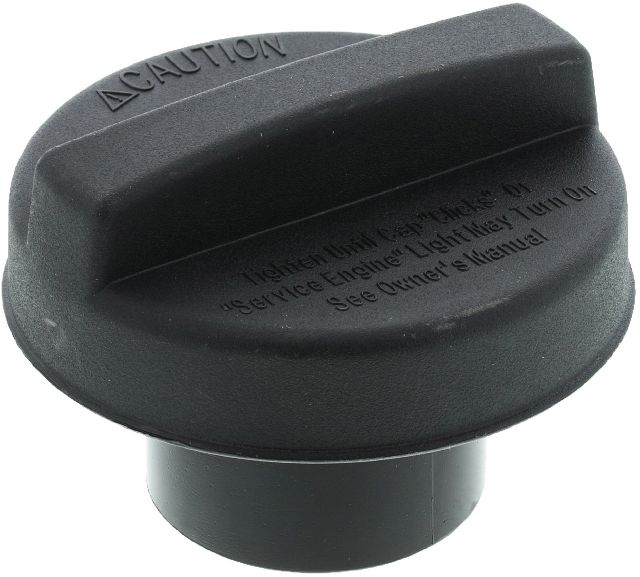
- Always start with the simplest fix: tighten your gas cap. If the light comes back, spend the $25 on a new OEM gas cap (Part No. 31010-3L600) before trying anything else.
- P0455 is not a serious code in terms of vehicle safety or drivability. You can continue to drive the car while you figure out the repair, but you will fail an emissions test.
- If the gas cap isn't the issue, the canister purge valve in the engine bay (Part No. 28910-2E000) is the next most likely and affordable fix.
- Be aware of the serious engine recalls for the 2.0L Nu engine in 2019-2020 models concerning oil consumption, which is a separate but more critical issue to check for your vehicle's VIN.
What's Unique About the 2017-2020 Hyundai Elantra
The 2017-2020 Elantra (AD generation) with the 2.0L Nu engine does not have unique, widespread design flaws related to this code, but it follows a common Hyundai pattern. Owner and technician reports frequently point to two main culprits after an obvious loose gas cap: the canister purge valve (also called a Purge Control Solenoid Valve or PCSV by Hyundai) located in the engine bay, or the canister close valve at the rear of the car. Starting with the gas cap and then the easily accessible purge valve solves the problem in a majority of cases for this specific vehicle.
Symptoms You May Notice
- Check Engine Light illuminated
- A faint to strong smell of fuel, especially around the rear of the vehicle or after refueling
- No noticeable effect on engine performance or drivability in most cases
- Difficulty refueling (gas pump nozzle clicks off prematurely) if the canister or vent valve is clogged
- Immediately replacing the expensive charcoal canister before performing a smoke test or checking the gas cap and purge valve.
- Replacing the fuel tank pressure sensor, which rarely fails for a P0455 code and usually triggers its own specific trouble codes like P0452.
Most Likely Causes
- Loose, Damaged, or Incorrect Gas Cap 🔴 High Probability → Shop Fuel Tank Cap This is the most common cause for any vehicle, as the cap is frequently removed. Aftermarket caps are known to cause sealing issues on Hyundai vehicles, making an OEM replacement the recommended fix.
How to confirm: Check if the gas cap is tight—it should click several times. Remove the cap and inspect its rubber seal for cracks, stiffness, or damage. Also, check the fuel filler neck for rust or debris that could prevent a proper seal.
Typical fix: Tighten the cap. If the code returns after a few drive cycles, clean the filler neck and replace the gas cap with a new, genuine OEM Hyundai part.
Est. part cost: $15-$35 - Faulty Canister Purge Valve (Purge Solenoid) 🟡 Medium Probability → Shop Vapor Canister This valve, located in the hot engine bay, cycles frequently and is a common failure point on many Hyundai models, often sticking open and creating a large leak.
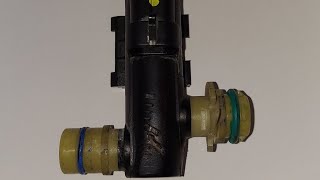
How to confirm: The purge valve is normally closed. Disconnect the valve's hoses and try to blow through it. If air passes through, it is stuck open and needs to be replaced. It is located in the engine bay, connected by two hoses and an electrical connector.
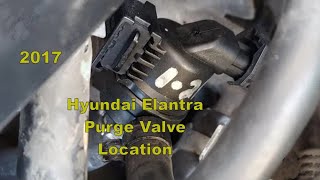
Typical fix: Replace the canister purge valve. This is a simple repair that is very accessible in the engine bay, typically requiring only pliers and a few minutes. 🎬 Watch: How to locate and replace the purge valve.
Est. part cost: $25-$75 - Cracked or Disconnected EVAP Hose ⚪ Low Probability Rubber hoses become brittle over time due to heat and age, leading to cracks, especially at connection points to the purge valve or charcoal canister.
How to confirm: Visually inspect all accessible EVAP lines running from the engine bay to the charcoal canister at the rear. A smoke test is the most effective way to find a leak in a hose that isn't obvious.
Typical fix: Replace the cracked or disconnected section of the hose.
Est. part cost: $10-$50 - Faulty Canister Vent Valve (Close Valve) ⚪ Low Probability → Shop Vapor Canister
How to confirm: This valve is located at the rear of the car near the charcoal canister. It is normally open and closes when the system is tested. It can get stuck open due to dirt or failure. A smoke test will show smoke exiting from a faulty vent valve.
Typical fix: Replace the canister vent valve assembly. It is often sold as part of the charcoal canister. 🎬 See this walkthrough on removing the canister vent valve.
Est. part cost: $40-$100
Rare But Worth Checking
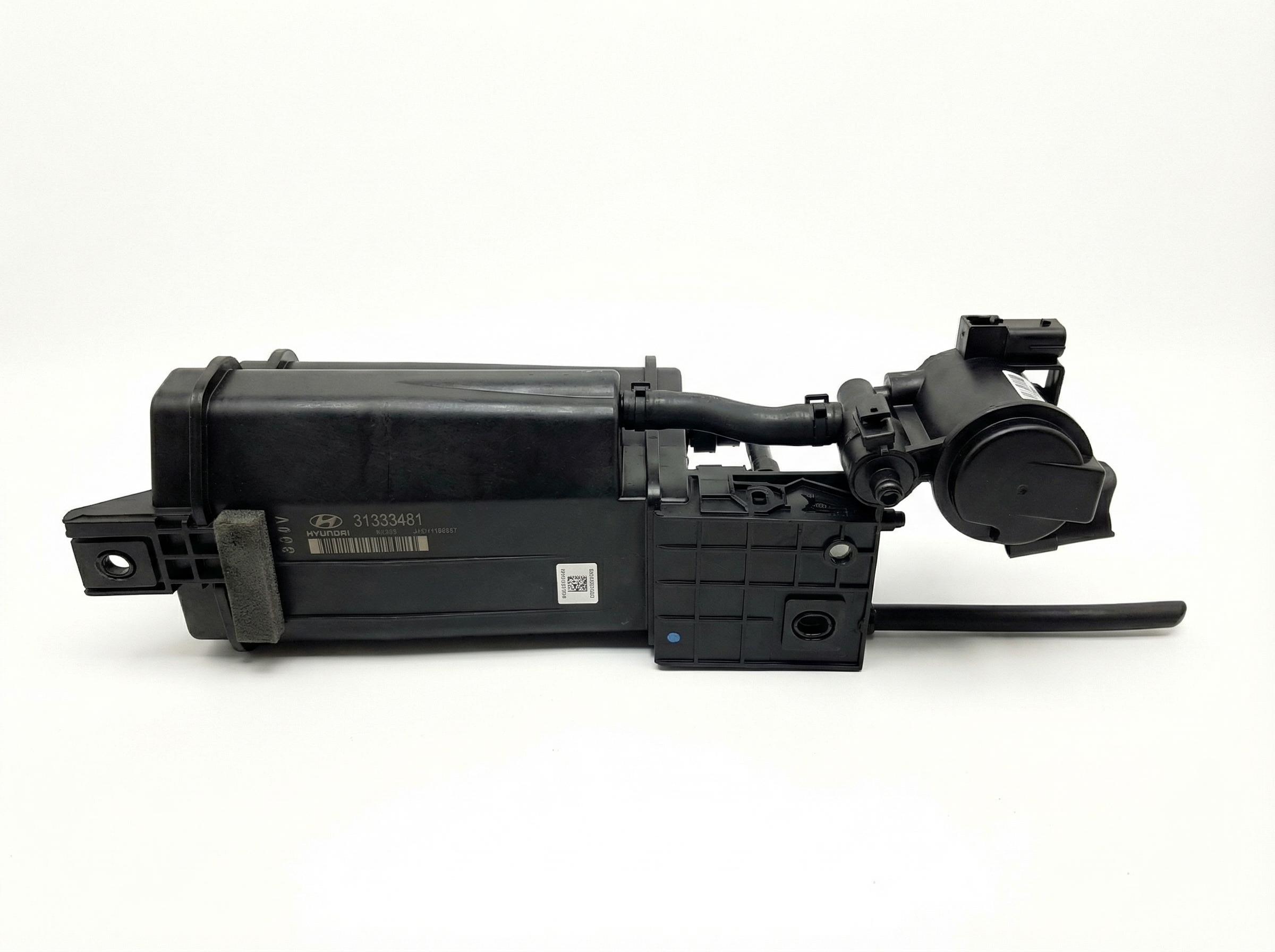
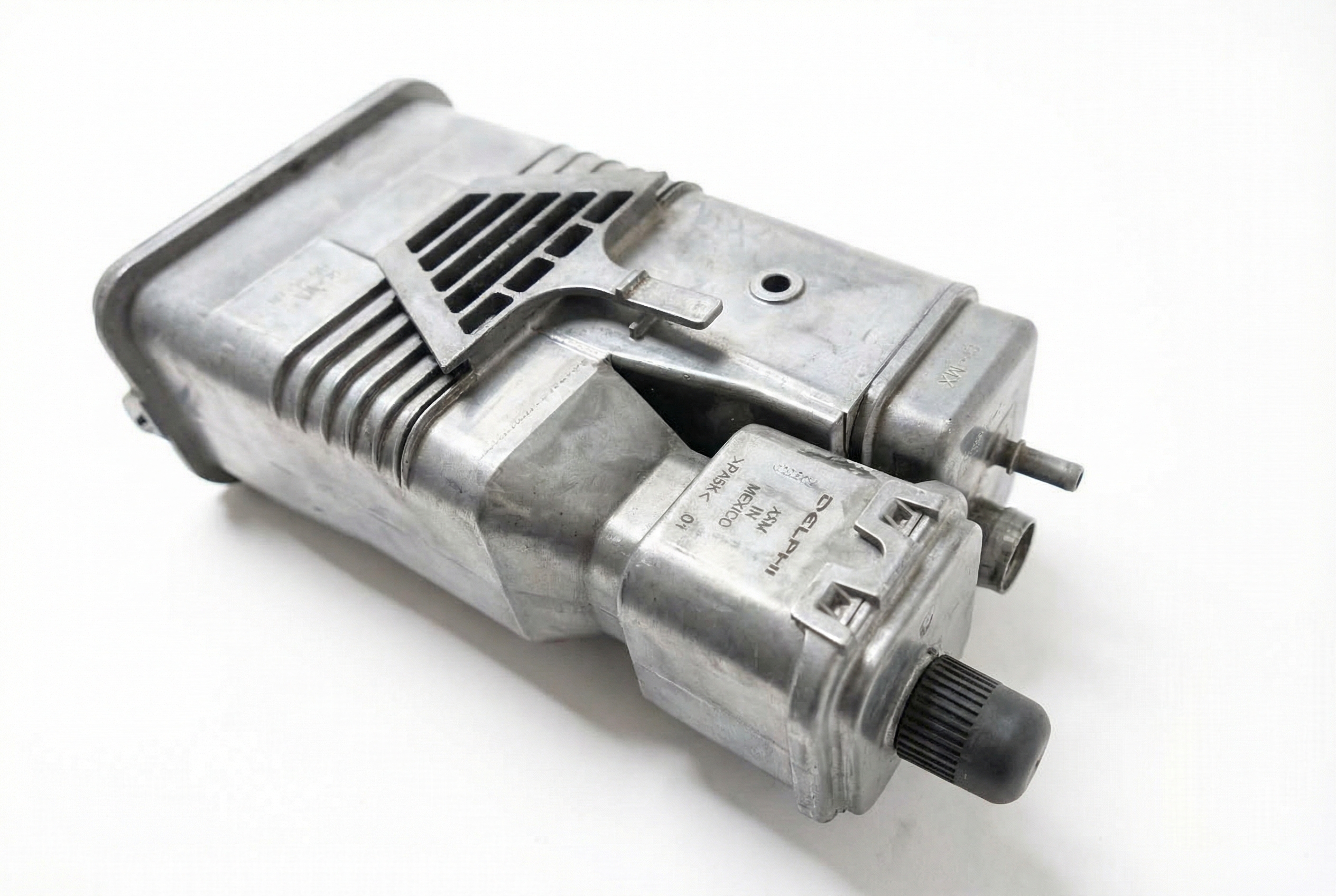
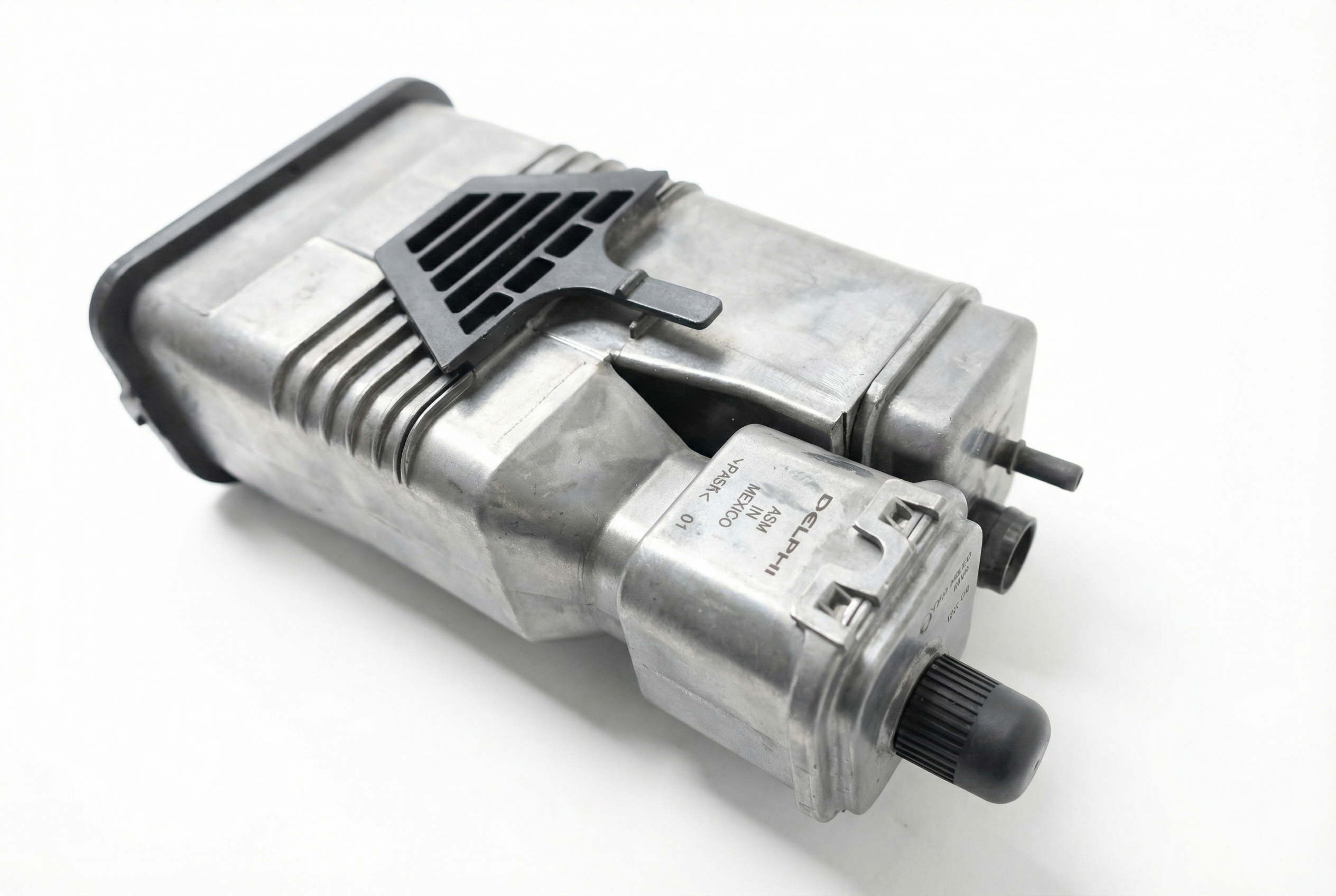
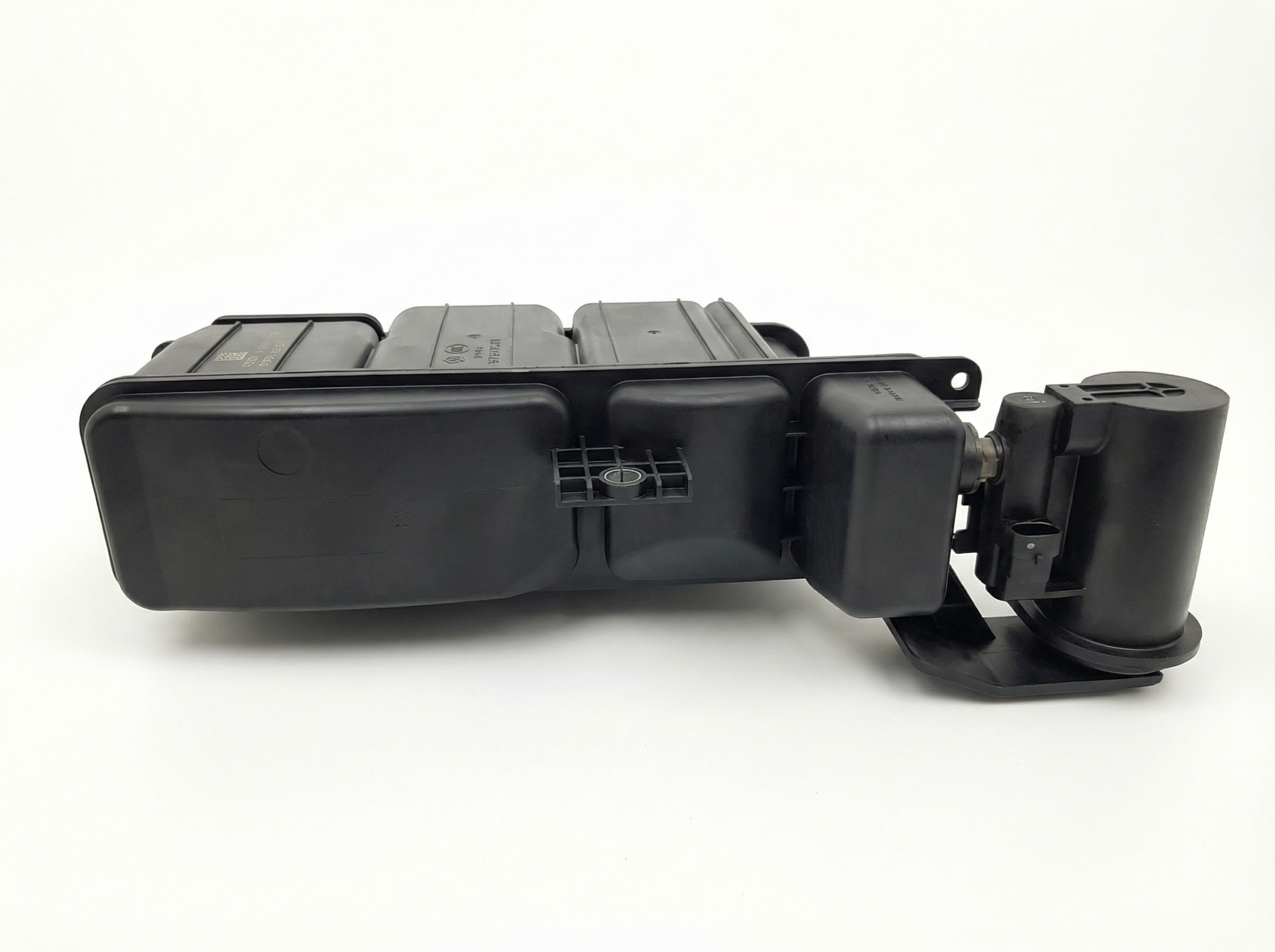
- Cracked Charcoal Canister: → Shop Vapor Canister The plastic housing of the canister can be damaged from road debris or become brittle with age, causing a large leak. This is usually found with a smoke test and can sometimes cause issues with refueling.
- Damaged Fuel Filler Neck: → Shop Fuel Filler Neck Rust or physical damage to the metal filler neck can prevent the gas cap from sealing properly, even if the cap itself is new. A smoke test will reveal leaks around the neck.
- NVLD Sensor Contamination: As noted in manufacturer service bulletins for other Hyundai models like the Sonata Hybrid, salt particulate deposits can form inside the Natural Vacuum Leak Detection (NVLD) sensor, potentially triggering P0455 (Bulletin #21-FL-002H).
Diagnosis Steps
- Secure the Gas Cap: Ensure the gas cap is tightened until it clicks multiple times. Clear the code if you have a scanner. The light may not turn off immediately; it requires the car to complete several specific drive cycles to re-run the EVAP monitor test.
- Inspect and Replace Gas Cap: If the light returns, remove the gas cap and inspect the seal for cracks or hardness. Even if it looks okay, the most cost-effective next step is to replace it with a new OEM cap. Aftermarket caps are a frequent source of EVAP codes.
- Test the Purge Valve: Locate the canister purge valve in the engine bay. With the engine off, disconnect the hoses. You should not be able to blow air through it. If you can, it's faulty and needs replacement. This is a very common failure point.
- Visual Inspection: Check all visible EVAP hoses in the engine bay and under the car for obvious cracks, loose connections, or damage, paying close attention to the connections at the purge valve and charcoal canister.
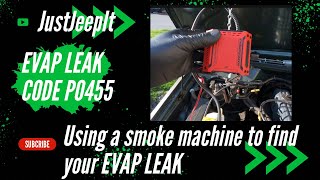
- Perform a Smoke Test: If the previous steps do not identify the leak, the definitive diagnostic method is a smoke test. This involves feeding low-pressure smoke into the EVAP system's service port to precisely locate the source of the leak, which could be a hidden hose, the vent valve, the charcoal canister, or the fuel filler neck. 🎬 Watch: How to find an EVAP leak with a smoke tester.
Parts You'll Likely Need
- Gas Cap
(OEM #31010-3L600)— This is the most frequent cause of a P0455 code due to being loose, worn out, or damaged. Using a genuine Hyundai cap is highly recommended for a proper seal.
Trusted brands: Hyundai (OEM)
OEM price range: $20-$35
Aftermarket price range: $15-$25 - Canister Purge Valve / Purge Control Solenoid Valve
(OEM #28910-2E000)— This is the second most common failure point for a P0455 code on this vehicle. It gets stuck open, creating a permanent leak path to the engine. This part fits a wide range of 2011-2020 Hyundai Elantras with the 2.0L engine.
Trusted brands: Hyundai (OEM), Bosch, Dorman (911-808)
OEM price range: $30-$50
Aftermarket price range: $25-$45
Related Codes That Often Appear With This One
- P0441 — Incorrect Purge Flow. If the purge valve is stuck open causing the P0455, it can also trigger a P0441 because the system detects flow when it's not commanded.
- P0456 — Very Small EVAP Leak. While less common to see with a large leak code, it could indicate multiple leak points or an intermittent issue with a component like a valve.
- P0442 — Small EVAP Leak. Similar to P0456, this indicates a smaller leak but can sometimes appear alongside P0455 if there are multiple leak sources or an intermittent fault.
- P0449 — Canister Closed Valve Circuit. Manufacturer documentation such as Bulletin #5NP-Q7J2C-07 notes that this code may be found stored alongside P0455.
Technical Service Bulletins (TSBs) & Recalls
- TSB 23-EM-007H: While not for P0455 specifically, this TSB provides guidelines for diagnosing and repairing engine oil consumption issues related to carbon deposits in Hyundai gasoline engines, which is a relevant systemic issue for the 2.0L Nu engine in this Elantra.
- Recall 203 / NHTSA 21V301000: A critical recall for 2019-2020 Elantras with the 2.0L Nu engine due to improperly heat-treated piston oil rings that can cause engine damage, oil consumption, and potential fire risk. This is a major known issue for the platform.
- Bulletin #21-01-035H: Notes that EVAP leakage related codes like P0455 primarily occur in California coastal areas subject to marine layer clouds, which can affect system components.
- Bulletin #5NP-Z2J3V-04: Confirms that Hyundai vehicles may experience check engine warning lights with P0455 stored as a "Large Leak" in the evaporative system.
Platform-Specific Known Issues
- Real Repair Story: Chasing P0455: A user on Reddit with a 2019 Elantra reported a P0455 code. They first noticed the gas cap seemed loose. After tightening it and driving 40 miles, the code did not clear on its own. Other users advised that it can take several drive cycles for the EVAP monitor to run and clear the code, and recommended replacing the gas cap with an OEM part as the next logical step before paying for a dealer diagnostic, which would likely start with the same recommendation.
Mechanic-Grade Diagnostic Values
- Canister Purge Valve (PCSV) Coil Resistance — expected: 22.0 - 26.0 Ohms at 20°C (68°F). Failure: A reading outside this range indicates a faulty solenoid coil.
- Canister Close Valve (CCV) / Vent Valve Coil Resistance — expected: 20 - 30 Ohms. Failure: A reading outside this range suggests the solenoid winding in the valve is damaged and requires replacement.
- Fuel Tank Pressure Sensor (DPS) Voltage — expected: Approximately 2.4 - 2.8 volts with the purge solenoid 'off' (no purge).. Failure: A very low voltage reading when the system should be sealed can indicate a sensor issue rather than a physical leak.
Scan Tool Commands That Help
- Hyundai GDS (Global Diagnostic System): Evap. Leakage Test — This is a guided, automated test that commands the purge and vent valves to seal the system, then monitors the fuel tank pressure sensor to confirm if a leak is present. It's the dealer-level method to confirm the P0455 condition before initiating a smoke test.
- Hyundai GDS (Global Diagnostic System): Resetting Adaptive Values — After replacing an EVAP system component like a purge valve or canister, resetting the PCM's learned adaptive values can help the system run its self-tests more quickly and accurately, preventing the code from returning due to old data.
Wiring & Ground Locations
- Canister Purge Valve (PCSV) Connector — In the engine bay, on the driver's side, between the battery and the engine itself. It's a black plastic valve with two hoses and a 2-pin electrical connector.. This is the primary access point for testing the purge valve's resistance and voltage supply. A bad connection or damaged wire here can trigger circuit codes and mimic a failed valve.
- Canister Close Valve (CCV) / Vent Valve — At the rear of the vehicle, mounted on or near the charcoal canister, which is located near the fuel tank.. This valve must close to seal the system for the EVAP leak test. If it's stuck open due to debris or electrical failure, it will cause a large leak code. Accessing its connector is necessary for resistance and voltage tests.
Real Owner Repair Stories
- Reddit user Similar_Cod_1716 (2019 Hyundai Elantra) — Check Engine Light with code P0455.
❌ Tried (didn't work) Tightening the gas cap and driving 40 miles (the code did not clear on its own immediately).
✅ What actually fixed it Replacing the gas cap with a new one from an auto parts store. After replacement, the user turned the ignition off and on, and the Check Engine Light cleared. - Hyundai Forums user Green97GLS (Older model Hyundai Elantra (demonstrates common Hyundai failure pattern)) — Persistent P0455 code after replacing gas cap.
❌ Tried (didn't work) Replacing the gas cap., Clearing the code multiple times.
✅ What actually fixed it The Canister Purge Valve was faulty. The user noted that upon touching the valve, it would intermittently start ticking and vibrating. Replacing it with a used part from a junkyard for $15 resolved the code, which did not return after 150+ miles of driving. - NHTSA ODI #11531219 — An owner reported a P0455 code found on a Fix Finder report. The vehicle reset itself over a weekend with no issues on Monday morning, but later experienced a total loss of power.
When the Usual Fixes Don't Work
- While the vast majority of P0455 codes are fixed by the gas cap or purge valve, some owners have reported chasing the code for years. One Reddit user with a similar Hyundai model replaced the purge valve, gas cap, and charcoal canister, yet the code persisted. This highlights that in rare cases, the leak can be in a hard-to-find location like a cracked fuel filler neck or a pinhole in a vapor line that only opens under specific conditions, frustrating standard diagnostic procedures.
OEM Part Supersession History
28910-2E000→No direct supersession found, this part number remains current.— N/A
Heads up: This part number (28910-2E000) is used across a wide range of Hyundai and Kia vehicles from 2011-2020 with 2.0L engines, indicating broad compatibility within this period.
Diagnostic Flowchart
Other Known Issues on This Vehicle
Issues unrelated to this code that are worth knowing about as an owner of this generation:
- Excessive Oil Consumption / Piston Ring Failure 🔴 High — Widespread issue in the 2.0L Nu MPI engine. Can start as early as 60,000 miles. Caused by improperly heat-treated piston oil rings. (Ref: NHTSA Recall 21V301000 (Hyundai Recall 203). Dealers inspect for damage and may replace the engine. Also related to TSB 23-EM-007H for oil consumption diagnosis.)
- Engine Knocking and Piston Slap 🟠 Medium — Common, especially on cold starts in higher mileage engines. A consequence of lightweight piston design and wear, often linked to the oil consumption issue. (Ref: Related to Recall 21V301000, which installs a Piston Ring Noise Sensing System (PNSS) software update to detect early signs of the problem.)
- Faulty Door Latch Actuators 🟡 Low — A noted common problem where door latches fail to open, requiring replacement of the actuator assembly.
- Crankshaft Position Sensor Failure 🟠 Medium — Can fail intermittently, causing stalling, or fail completely, causing a no-start condition.
- Lower Control Arm Ball Joint Fastener Recall 🔴 High — Affected certain 2020 Elantra models. Insufficiently tightened fasteners could allow the ball joint to detach. (Ref: NHTSA Recall 19V721000)
Used vs. New Parts: Buying Guide for This Vehicle
When a used part is the smart pick: For the Canister Purge Valve (PCSV) and Canister Close Valve (CCV), a used part from a low-mileage donor vehicle can be a cost-effective option, as demonstrated by a successful forum repair story. Structural parts like the fuel filler neck or charcoal canister housing are also good candidates for used purchase if they are visually inspected for cracks and rust.
Donor-vehicle mileage cap: roughly under 80000 miles for the part to have meaningful remaining life.
What to inspect on the donor part:
- For purge/vent valves, check for visible cracks in the plastic housing and ensure electrical pins are clean and uncorroded.
- For a charcoal canister, ensure there are no cracks, especially around the hose ports, and shake it to listen for loose charcoal bits, which indicate internal failure.
- For a fuel filler neck, inspect thoroughly for rust, pitting, or any deformation on the sealing surface where the gas cap sits.
OEM-only on this vehicle (don't cheap out):
- Gas Cap: Aftermarket gas caps are a well-documented cause of EVAP codes on Hyundai vehicles. It is strongly recommended to use a genuine OEM Hyundai cap (PN 31010-3L600) to ensure a proper seal.
Aftermarket brands forum-validated for this vehicle:
- Bosch (for Canister Purge Valve)
- Dorman (specifically part number 911-808 for the Purge Valve)
Brands owners have reported issues with on this vehicle:
- Unbranded, generic gas caps from online marketplaces are frequently reported as not sealing correctly.
Real Owner Stories
Aggregated from forums and TSBs cited above. Mileages and costs reflect what owners reported in those sources.
2019 Hyundai Elantra — ~45000 miles
Symptoms: Check engine light for P0455; the owner noticed the gas cap seemed loose.
What fixed it: Tightened the gas cap and performed several drive cycles to allow the EVAP monitor to run and clear the code.
Source hint: Reddit r/Hyundai: 'How urgent to get these P0455 codes checked?'
2019 Hyundai Elantra
Symptoms: P0455 code appeared; owner was concerned about urgency and potential damage.
What fixed it: The recommended next logical step was replacing the gas cap with a genuine OEM part before seeking dealer diagnostics.
Source hint: Real Repair Story: Chasing P0455
2017 Hyundai Elantra (Hybrid Platform Reference)
Symptoms: A Fix Finder report showed Error code P0455. The vehicle reset itself over the weekend with no issues on Monday morning, but later lost all power.
What fixed it: Towed to dealership for inspection of safety recalls and electrical system issues.
Source hint: NHTSA ODI #11531219
Related OBD-II Codes
Frequently Asked Questions
Does the major engine recall for 2019-2020 Elantras (Recall 203) cause the P0455 code?
Can I use an aftermarket gas cap to fix a P0455 on my Hyundai Elantra?
Where is the purge valve located on the 2017-2020 Elantra for testing?
I tightened my gas cap but the Check Engine Light is still on. Is it still broken?
Is it safe to drive my Elantra with a P0455 code?
Does TSB 23-EM-007H address the P0455 EVAP leak?
Helpful Videos
Used OEM Parts in Stock

New Aftermarket Parts Available


The information in this article is provided for general reference and educational purposes only. Vehicle specifications, procedures, and part compatibility can vary by production date, trim level, and region. Always consult your vehicle's factory service manual and verify part numbers before purchasing or performing repairs. Safety-critical components such as airbags, seat belts, and braking systems should be installed by a qualified professional.
- Hyundai Elantra:
- 🧭 Diagnostic Flowchart
- 🎬 Helpful Videos
- 🛍️ Shop This Part
- What's Unique About the 2017-2020 Hyundai Elantra
- Symptoms You May Notice
- Most Likely Causes
- Rare But Worth Checking
- Diagnosis Steps
- Parts You'll Likely Need
- Related Codes That Often Appear With This One
- Technical Service Bulletins (TSBs) & Recalls
- Platform-Specific Known Issues
- Mechanic-Grade Diagnostic Values
- Scan Tool Commands That Help
- Wiring & Ground Locations
- Real Owner Repair Stories
- When the Usual Fixes Don't Work
- OEM Part Supersession History
- Other Known Issues on This Vehicle
- Used vs. New Parts: Buying Guide for This Vehicle
- Real Owner Stories
- 2019 Hyundai Elantra — ~45000 miles
- 2019 Hyundai Elantra
- 2017 Hyundai Elantra (Hybrid Platform Reference)
- Related OBD-II Codes
- Frequently Asked Questions
- 🎟️ Get 5% Off