

P0455 on 2008-2012 Infiniti EX35: EVAP Gross Leak Causes and Fixes
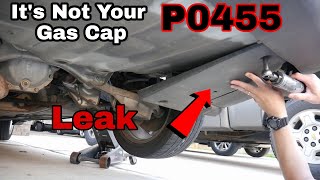
For a P0455 code on a 2008-2012 Infiniti EX35, the most likely cause is a loose or faulty gas cap. If tightening or replacing the cap doesn't work, the next most common failure is the EVAP canister vent control valve, which gets stuck open due to internal rust. A new OEM gas cap costs $25-$40, while a replacement vent valve (OEM part #14935-JF00B or newer) is around $60-$90. The bolts for the protective shield covering the valve are notoriously prone to rusting and breaking off during removal.
- Always check your gas cap first. Make sure it's tight and the seal is intact. This is the most common and cheapest fix.
- If the gas cap isn't the issue, the EVAP canister vent control valve is the next most likely part to have failed, often due to getting stuck open with rust.
- Do not immediately buy an entire EVAP canister assembly; the vent valve can be replaced separately for much less money.
- Using an OEM (original equipment manufacturer) gas cap is highly recommended, as some aftermarket caps do not seal correctly.
- A smoke test is the most reliable way to find the leak if it's not caused by the gas cap or vent valve.
What's Unique About the 2008-2012 Infiniti EX35
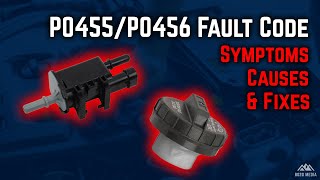
On this generation of Infiniti vehicles, including the EX35, the EVAP system is particularly sensitive to the fuel filler cap's condition. Infiniti issued multiple Technical Service Bulletins (TSBs) highlighting that a loose gas cap is a primary and frequent cause for EVAP leak codes like P0455. [TSB #ITB09012F, TSB #ITB13-044J]. Beyond the cap, the EVAP canister vent control valve is a well-documented failure point. Located at the rear of the vehicle, it's exposed to road spray, causing internal components to rust and the valve to stick open, creating the large leak detected by the system. 🎬 Watch: How to replace the vent control valve yourself. This part has been revised multiple times by Nissan/Infiniti due to its high failure rate.
Diagnostic Flowchart
Tap your situation to follow the diagnostic path that matches what you're seeing on this vehicle.
Symptoms You May Notice
- Check Engine Light is on
- A faint smell of fuel, especially around the rear of the vehicle near the gas tank or charcoal canister.
- Difficulty filling the gas tank (pump clicks off prematurely) if the vent valve or canister is clogged or malfunctioning.
- A "LOOSE FUEL CAP" warning message on the instrument display may appear, even if the cap is tight.
- Replacing the entire EVAP canister assembly when only the vent control valve has failed. The valve is a separate, much cheaper part that twists into the canister.
- Using a cheap, non-OEM gas cap which may not seal properly and can cause the code to return.
- Immediately suspecting a major component failure before thoroughly checking the gas cap, which is the cause in a high percentage of cases per Infiniti TSBs.
Most Likely Causes
- Loose, Faulty, or Incorrect Fuel Filler Cap 🔴 High Probability → Shop Fuel Tank Cap Infiniti TSB #ITB09012F and #ITB13-044J specifically call this out as a common cause for this code on 2007-2012+ models. The cap's rubber seal can wear out, or it may not be tightened correctly. Using non-OEM caps is a frequent source of sealing issues.
How to confirm: Ensure the cap is tightened until it clicks multiple times. Inspect the cap's rubber O-ring for cracks, stiffness, or damage. If in doubt, replace it with a new OEM cap (Part #17251-1NM0D or a superseding number), as aftermarket caps are known to cause issues. A temporary test can be done by applying petroleum jelly to the cap's seal to see if the code stays off after being cleared.
Typical fix: Tighten or replace the fuel filler cap with a genuine OEM part.
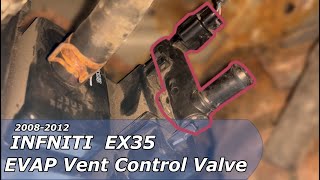
Est. part cost: $25-$40 - Failed EVAP Canister Vent Control Valve 🔴 High Probability → Shop Vapor Canister Vent Valve This valve is located at the rear passenger side of the vehicle, attached to the charcoal canister, and is highly exposed to the elements. Internal rust is extremely common, causing the valve's plunger to stick open and create a large leak. This is a very common failure on Nissan and Infiniti vehicles of this era, and the part has been redesigned several times.
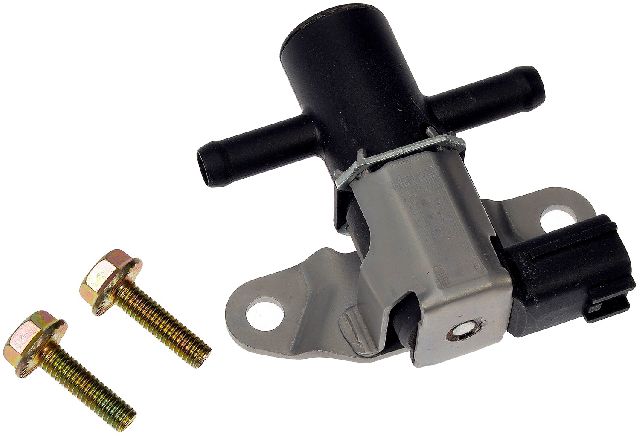
How to confirm: The valve can be removed from the EVAP canister and tested. With no power applied, you should be able to blow through it (it's normally open). When 12V is applied to its two pins, it should click shut completely, blocking airflow. If it's visibly rusted inside, stuck open, or does not close with power, it has failed. The valve is removed by unplugging its electrical connector, removing a hose, and twisting it counter-clockwise to release it from the canister.
Typical fix: Replace the EVAP canister vent control valve. To access it, you must remove a plastic shield and may need to lower the entire charcoal canister (held by one 12mm bolt) to get enough clearance to remove the valve.
Est. part cost: $60-$90 - Cracked or Disconnected EVAP Hose 🟡 Medium Probability Over time, the rubber hoses connected to the EVAP canister, purge valve, and fuel tank can become brittle and crack, especially those exposed to the elements under the car.
How to confirm: A visual inspection of all hoses connected to the EVAP canister, purge valve, and fuel tank may reveal obvious cracks or disconnections. A smoke test is the most effective way to find a leak that isn't visually apparent. This involves injecting low-pressure smoke into the EVAP system's service port and watching for where it escapes.
Typical fix: Replace the damaged section of hose.
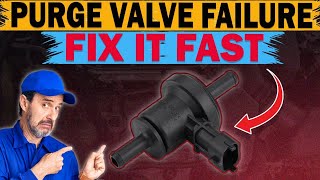
Est. part cost: $10-$50 - Failed EVAP Purge Valve/Solenoid ⚪ Low Probability → Shop Vapor Canister The purge valve, located in the engine bay near the intake manifold, can get stuck open, creating a constant vacuum leak into the engine. While possible, it's less common than the vent valve failure for a P0455 code on this platform.
How to confirm: With the engine off, disconnect the hose from the intake manifold side of the valve. There should be no vacuum present. If you can blow through the valve when it's disconnected (it should be normally closed), it's stuck open and needs replacement.
Typical fix: Replace the purge valve.
Est. part cost: $40-$90
Rare But Worth Checking
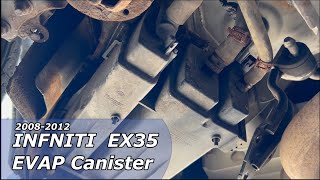
- Cracked EVAP (Charcoal) Canister: → Shop Vapor Canister The plastic housing of the canister itself can develop a crack from road debris impact or age, creating a large leak. This is usually found during a smoke test after all other components have been checked. The OEM part number is 14950-CG200, which has been superseded by 14950-CG20B.
- Leaking Fuel Tank or Filler Neck: → Shop Fuel Tank Rust or physical damage can cause a leak in the fuel tank or the metal filler neck leading to it. This is a more serious issue and is typically identified with a smoke test, as the leak may be difficult to see.
- Topping Off Fuel Tank: → Shop Fuel Tank Repeatedly topping off the fuel tank after the pump automatically clicks off can force liquid fuel into the charcoal canister and EVAP lines. This can saturate the charcoal and damage the vent and purge valves over time, leading to various EVAP codes.
Diagnosis Steps
- Scan the vehicle for any other stored trouble codes to see if they provide more clues (e.g., a specific valve circuit code).
- Inspect the fuel filler cap. Ensure it is an OEM cap and is tightened until it clicks. Check the seal for cracks or wear. If in doubt, replace it with an OEM cap, clear the code, and drive for a few days to see if the light returns.
- If the code returns, perform a thorough visual inspection of all accessible EVAP hoses under the car, from the fuel tank to the canister, and in the engine bay near the purge valve. Look for brittle, cracked, or disconnected lines.
- Locate the EVAP canister vent control valve at the rear passenger side of the vehicle. Be prepared for the 10mm bolts on the protective shield to be heavily rusted and potentially break. Remove the valve and test its operation by applying 12V power to see if the valve actuates (closes). Check for heavy rust or debris inside the valve body.
- Test the purge valve in the engine bay. With the engine off, it should be closed and not allow air to pass through it.
- If no obvious faults are found, the most definitive diagnostic step is to perform a smoke test. This involves injecting low-pressure smoke into the EVAP system's service port and watching for where it escapes, which will pinpoint the exact location of the leak.
Parts You'll Likely Need
- Fuel Filler Cap
(OEM #17251-1NM0D (or superseding #17251-4BA0B))— This is the most common and cheapest fix, specifically cited by Infiniti as a primary cause. [TSB #ITB09012F, TSB #ITB13-044J].
Trusted brands: Infiniti (OEM)
OEM price range: $25-$40
Aftermarket price range: $10-$25 - EVAP Canister Vent Control Valve
(OEM #14935-JF00B (supersedes 14935-AM60B, 14935-JF00A))— This valve is a frequent failure point due to rust causing it to stick open. It is the second most likely cause after the gas cap. The part has been updated multiple times by the manufacturer.
Trusted brands: Infiniti (OEM), Hitachi, Bosch, Dorman
OEM price range: $60-$90
Aftermarket price range: $40-$70
Related Codes That Often Appear With This One
- P0442 — This code indicates a small EVAP leak. It can appear alongside P0455 if the leak size is intermittent or on the threshold between 'large' and 'small' detection. Infiniti groups these codes together in service bulletins.
- P0456 — This code indicates a very small EVAP leak. Like P0442, it can be triggered by the same root causes (especially a failing gas cap seal), and Infiniti groups all three codes (P0442, P0455, P0456) in its service bulletins. [TSB #ITB13-044J].
Technical Service Bulletins (TSBs) & Recalls
- ITB09012F: Notes that a loose fuel fill cap is a common cause for EVAP codes P0442, P0455, and P0456 on 2007-2011 models.
- ITB13-044J / ITB13-044g: General bulletins regarding EVAP leak codes P0442, P0455, and P0456 for 2012 and newer Infiniti vehicles, emphasizing proper gas cap diagnosis before replacing parts.
Platform-Specific Known Issues
- Rusted EVAP Canister Shield Bolts: → Shop Vapor Canister The protective metal shield over the EVAP canister is prone to heavy rust, and its 10mm bolts often seize and break during removal. Many owners report having to drill out broken bolts or simply leaving the shield off after the repair. Penetrating oil and patience are recommended.
- Dropping Canister for Valve Access: Even after removing the shield, the vent control valve may not have enough clearance to be removed because it hits the rear subframe. The repair often requires removing a single 12mm bolt that holds the entire charcoal canister, allowing it to be lowered a few inches for better access.
- TSB Focus on Gas Cap: → Shop Fuel Tank Cap Infiniti Technical Service Bulletin ITB09012F and ITB13-044J explicitly state that for a P0455 code on a 2008-2012+ Infiniti, a loose or faulty fuel fill cap is a highly likely cause and should be the first diagnostic check.
Helpful Videos
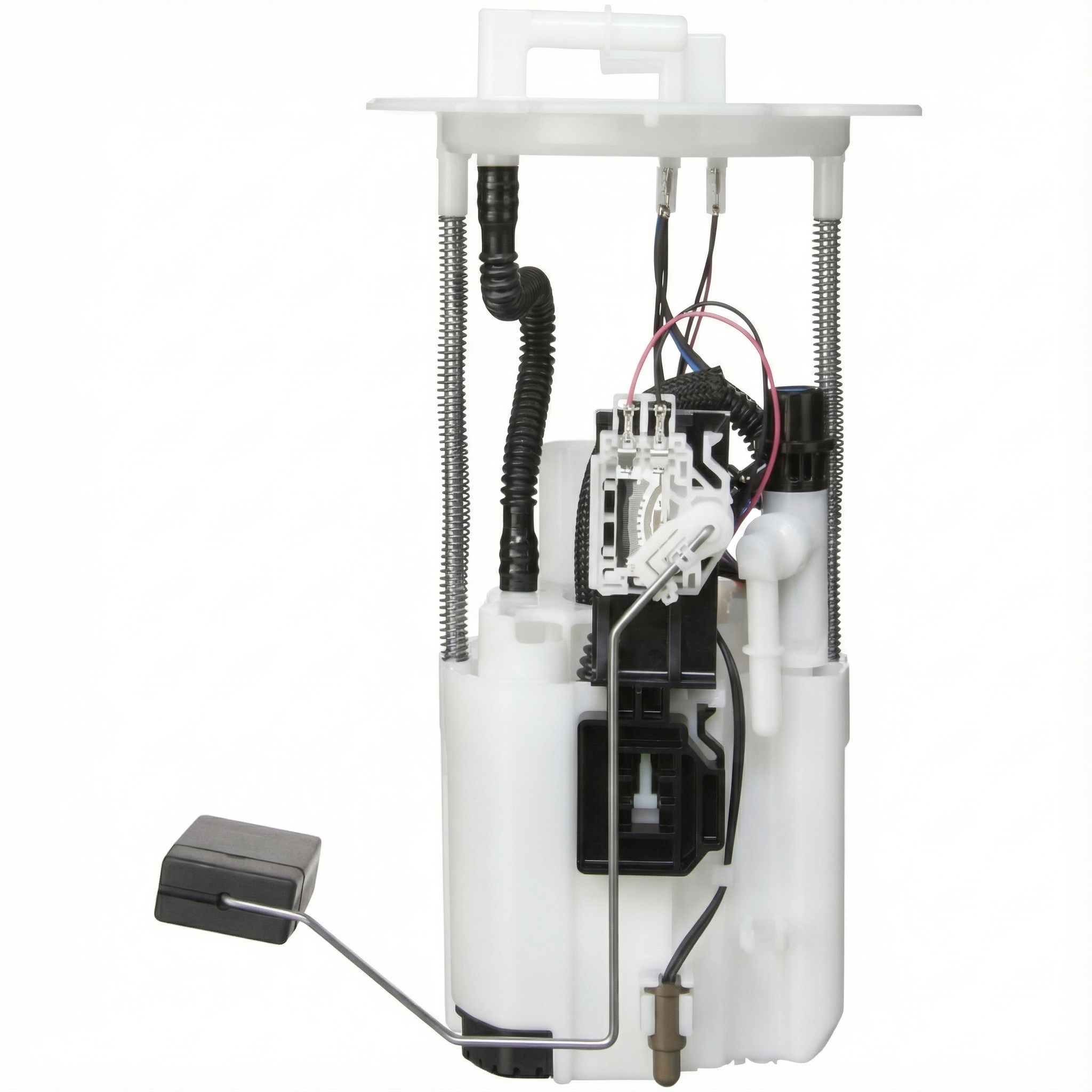
Used OEM Parts in Stock
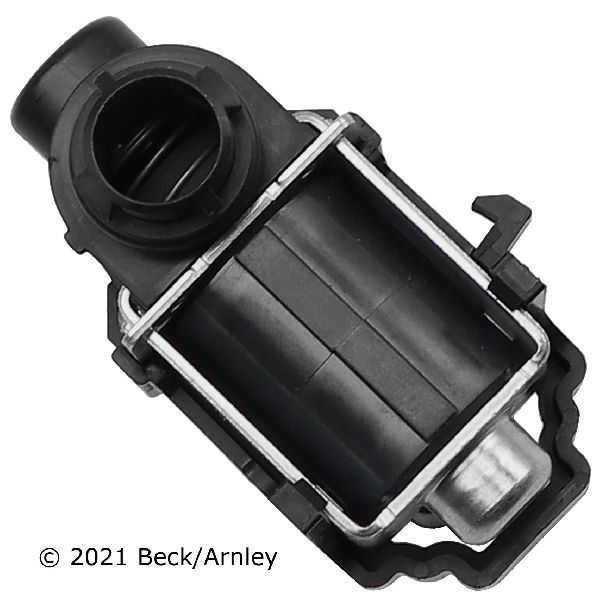
New Aftermarket Parts Available


The information in this article is provided for general reference and educational purposes only. Vehicle specifications, procedures, and part compatibility can vary by production date, trim level, and region. Always consult your vehicle's factory service manual and verify part numbers before purchasing or performing repairs. Safety-critical components such as airbags, seat belts, and braking systems should be installed by a qualified professional.
- Infiniti EX35:
- 🧭 Diagnostic Flowchart
- 🎬 Helpful Videos
- 🛍️ Shop This Part
- What's Unique About the 2008-2012 Infiniti EX35
- Symptoms You May Notice
- Most Likely Causes
- Rare But Worth Checking
- Diagnosis Steps
- Parts You'll Likely Need
- Related Codes That Often Appear With This One
- Technical Service Bulletins (TSBs) & Recalls
- Platform-Specific Known Issues
- 🎟️ Get 5% Off