

P0455 on 2008-2013 Infiniti G37: EVAP Gross Leak Causes and Fixes
For a P0455 code on a 2008-2013 Infiniti G37, the most common causes are a loose gas cap or a faulty EVAP canister vent control valve. Always check the gas cap first. If that doesn't fix it, the vent valve, located behind the rear passenger-side wheel, is the next likely culprit, costing around $30-$85 for the part.
- P0455 indicates a large leak in the EVAP system. It will not stop you from driving but will cause an emissions test failure.
- Always start with the simplest fix: check that your gas cap is tight. If the light returns, replace the gas cap with an OEM part.
- If a new gas cap doesn't solve the issue, the EVAP canister vent control valve (located at the rear of the car) is the next most likely cause and a common failure point on the G37.
- Symptoms like difficulty filling the fuel tank strongly point towards a faulty vent control valve.
- If these common fixes don't work, a professional smoke test is the best way to find the leak without guessing and replacing unnecessary parts.
What's Unique About the 2008-2013 Infiniti G37
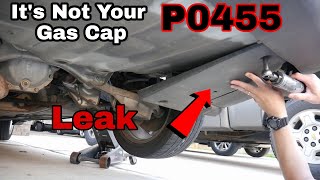
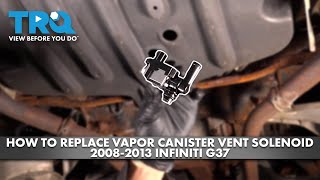
The Infiniti G37, like many Nissan and Infiniti vehicles of its era built on the FM platform (including the 370Z and other G models), is particularly known for issues with the EVAP canister vent control valve. This valve is located near the charcoal canister at the rear of the car, behind the passenger-side rear wheel 🎬 Watch: Step-by-step guide to replacing the vent control valve., where it is exposed to road dirt and moisture. The valve is normally open; its plunger can get stuck due to debris, preventing it from closing when the ECM runs its diagnostic test, thus causing the P0455 code. While the gas cap is a universal first check, numerous forum discussions and mechanic videos point to this specific valve as the true, underlying cause after a gas cap replacement fails to solve the problem. Infiniti has issued multiple Technical Service Bulletins (TSBs) that group P0455 with other EVAP leak codes, acknowledging the frequency of these issues.
Diagnostic Flowchart
Tap your situation to follow the diagnostic path that matches what you're seeing on this vehicle.
Symptoms You May Notice
- Check Engine Light (Service Engine Soon light) is on
- A faint smell of fuel, particularly around the rear of the car or even in the cabin while idling.
- Difficulty filling the gas tank (the pump nozzle shuts off prematurely). This happens because a stuck-open vent valve can interfere with proper tank venting during refueling.
- A "Loose Gas Cap" warning on the dashboard, even if the cap is tight.
- Replacing other emissions components like oxygen sensors, which are not related to the EVAP system.
- Continuously replacing the gas cap when the actual fault lies with the EVAP vent control valve. This is a very common experience reported by owners.
Most Likely Causes
- Loose, Faulty, or Incorrect Fuel Cap 🔴 High Probability → Shop Fuel Tank Cap This is the most common and simplest cause for any vehicle. The gas cap seal can degrade, dry out, or crack over time, or the cap may not have been tightened properly (at least 3 clicks). A pinched tether can also prevent a proper seal. Some owners have reported temporarily fixing the issue by applying petroleum jelly to a dry seal.
How to confirm: Inspect the gas cap for cracks or a worn-out rubber seal. Ensure it is tightened until it clicks multiple times. If in doubt, it's an inexpensive part to replace. TSB ITB09012F specifically calls this out as a primary check.
Typical fix: Tighten or replace the fuel filler cap. Using an OEM cap is highly recommended as aftermarket caps can sometimes cause sealing issues.
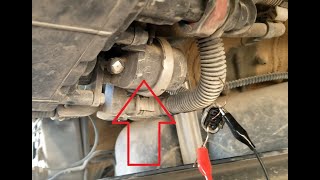
Est. part cost: $25-$40 - Faulty EVAP Canister Vent Control Valve/Solenoid 🔴 High Probability → Shop Vapor Canister Vent Valve This is a well-documented failure point on Nissan and Infiniti vehicles. The valve is located on the charcoal canister behind the rear passenger-side wheel, where it's exposed to road dirt and water, which causes its normally-open plunger to stick.
How to confirm: The valve can be removed and tested. It is a normally open valve, meaning air should pass through freely. Applying 12V power to its two terminals should cause it to click and close, blocking airflow. If it's stuck open (air passes with or without power) or stuck closed, it needs replacement.
Typical fix: Replace the EVAP canister vent control valve. This involves removing a plastic shield in the rear passenger wheel well to access the charcoal canister, unplugging the electrical connector, disconnecting the hose, and twisting the valve to remove it from the canister.
Est. part cost: $30-$85 - Cracked or Disconnected EVAP Hoses 🟡 Medium Probability Rubber hoses become brittle and crack over time due to age and heat cycles. A disconnected or cracked hose, particularly the larger lines connecting to the canister or filler neck, creates a large leak that the system will easily detect.
How to confirm: A visual inspection of all accessible EVAP lines, from the engine bay to the canister in the rear, may reveal obvious damage. For hard-to-find leaks, a smoke test is the definitive diagnostic method.
Typical fix: Replace the damaged section of hose.
Est. part cost: $10-$50 - Faulty EVAP Purge Volume Control Solenoid Valve ⚪ Low Probability → Shop Vapor Canister This valve, located in the engine bay at the back of the intake manifold, can also fail, but it's less common for the P0455 code than the rear vent valve. It is a normally closed valve that can get stuck open.
How to confirm: Remove the valve and try to blow through it. If air passes through, it is stuck open and needs to be replaced. During operation, the ECM commands it to open to allow stored vapors into the engine.
Typical fix: Replace the purge valve.
Est. part cost: $100-$150
Rare But Worth Checking
- Cracked EVAP (Charcoal) Canister: → Shop Vapor Canister The plastic housing of the canister itself can crack from road debris impact or age, creating a large leak. This is usually found during a smoke test after all other common components have been checked.
- Leaking Fuel Filler Neck: → Shop Fuel Filler Neck Rust or corrosion on the fuel filler neck can prevent the gas cap from sealing properly, leading to a persistent leak code even with a new cap. A visual inspection is often sufficient to spot significant rust.
- Overfilling the Fuel Tank: → Shop Fuel Tank Habitually 'topping off' the fuel tank after the pump automatically shuts off can force liquid fuel into the charcoal canister and EVAP lines. This can saturate the charcoal and damage EVAP system valves, leading to various codes including P0455.
Diagnosis Steps
- Read the code with an OBD-II scanner to confirm P0455 is present.
- Inspect the fuel filler cap. Ensure it is tight (clicks 3+ times). Check the seal for cracks or dryness. If you have any doubt, replace it with an OEM cap.
- Clear the code and drive the vehicle for a few days to see if the light returns. If it does, proceed to the next step.
- Visually inspect all visible EVAP hoses and lines in the engine bay and under the car for obvious cracks, disconnections, or damage.
- If the gas cap is good and no visible hose damage is found, the next most likely culprit is the EVAP canister vent control valve.
- Locate the vent control valve on the charcoal canister, behind the rear passenger-side wheel well liner. Remove it by twisting it counter-clockwise. Test the valve by applying 12V power; it should click closed. If it doesn't, or if it's stuck, replace it.
- If the problem persists after replacing the cap and vent valve, a smoke test is the most effective next step. This involves injecting smoke into the EVAP system's service port to visually pinpoint the source of the leak, which could be a cracked canister or a less obvious hose leak.
Parts You'll Likely Need
- Fuel Filler Cap
(OEM #17251-1NM0F (supersedes multiple previous numbers, check fitment for your specific year/body style). Other common numbers include 17251-JL60A (for early coupes/convertibles) and 17251-4BA0B.)— This is the most frequent and simplest fix. The seal wears out or the cap is not tightened correctly.
Trusted brands: Genuine Infiniti, Motorad
OEM price range: $30-$45
Aftermarket price range: $15-$25 - EVAP Canister Vent Control Valve
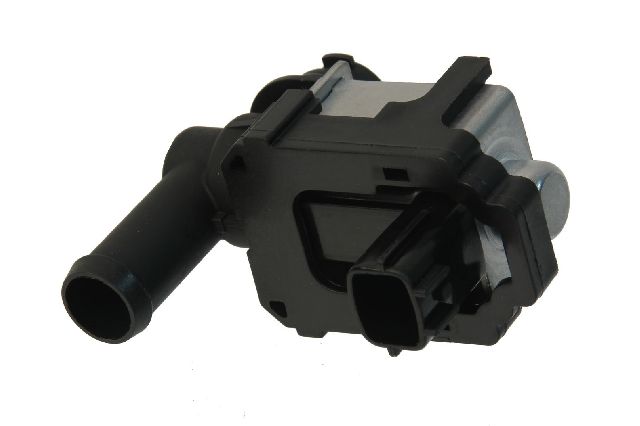
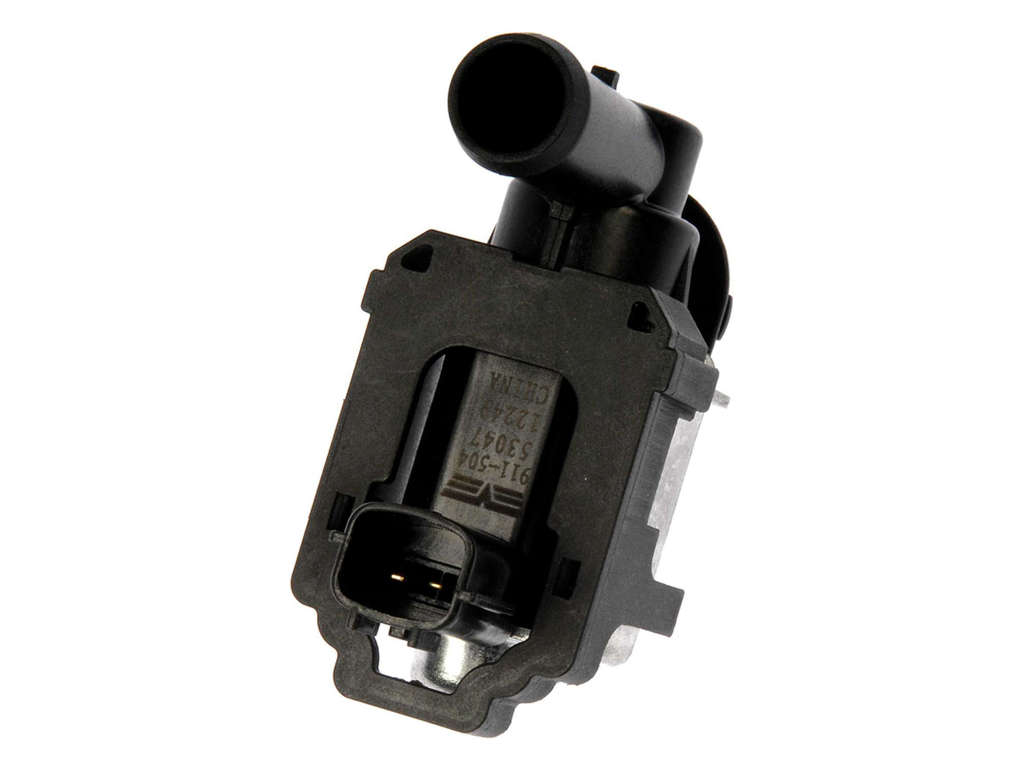
(OEM #14935-JF00E (current part, supersedes 14935-JF00B, 14935-JF00A, 14935-AM60B, etc.).)— A very common failure item on the G37. It gets stuck open from dirt and debris, causing a large leak. The part has been updated multiple times by Nissan/Infiniti, indicating a known design issue.
Trusted brands: Genuine Infiniti/Nissan, Dorman (911-503), Standard Motor Products (PV585)
OEM price range: $60-$85
Aftermarket price range: $30-$55
Related Codes That Often Appear With This One
- P0456 — This code indicates a 'very small leak.' It can appear alongside or intermittently with P0455 if the leak is borderline or if multiple leaks of different sizes exist (e.g., a bad vent valve and a slightly worn gas cap seal). The same TSBs from Infiniti address both codes.
- P0442 — This code indicates a 'small leak.' It is part of the same family of EVAP leak codes and is often caused by the same components as P0455. Infiniti TSB ITB09012F groups these codes together.
Technical Service Bulletins (TSBs) & Recalls
- ITB13-044J: EVAP LEAK DTC P0442, P0455, P0456 INFORMATION - Provides a diagnostic flowchart for 2012+ models, emphasizing proper gas cap use.
- ITB09012F: SERVICE INFORMATION If one or more of these EVAP leak DTCs are stored (P0442, P0455, P0456) on a 2007 thro
Platform-Specific Known Issues
- Infiniti has released multiple Technical Service Bulletins (TSBs) regarding EVAP leak codes P0442, P0455, and P0456, indicating this is a recognized issue. The bulletins guide technicians on a diagnostic flowchart.
- TSB ITB09012F specifically calls out a loose fuel fill cap as a potential cause for these codes on 2007-2011 Infiniti vehicles.
- Owner forums for the G37 are filled with discussions about P0455, with the consensus fix often being the EVAP canister vent control valve after a gas cap replacement fails to solve the issue.
Mechanic-Grade Diagnostic Values
- EVAP Canister Purge Volume Control Solenoid Valve Resistance — expected: 15 to 30 Ohms (general specification). Failure: A reading far outside this range indicates a damaged internal electrical circuit in the valve.
- EVAP Canister Vent Control Valve Function Test — expected: Valve should click and close when 12V is applied.. Failure: If there is no click, or the valve does not close and stop airflow when power is applied, it is faulty.
Scan Tool Commands That Help
- Infiniti CONSULT-III: ACTIVE TEST mode, select 'PURG VOL CONT/V' — This command allows a technician to manually open and close the EVAP Canister Purge Volume Control Solenoid Valve to check its response and impact on the system, verifying if it's stuck or responding correctly.
- Advanced OBD-II Scanner: EVAP Service Bay Test / Active Test — This function initiates the vehicle's self-test for the EVAP system on demand, allowing a technician to check if the system can seal and hold a vacuum without waiting for the car's natural drive cycle to run the monitor. Note that specific preconditions, like engine coolant temperature being below a certain threshold (e.g., 158°F), must be met for the test to run.
Wiring & Ground Locations
- EVAP Control System Pressure Sensor — Under the vehicle, on or near the EVAP canister, which is located above the rear passenger-side wheel well.. This sensor is what the ECM uses to detect the pressure drop that signifies a leak. A faulty sensor or bad wiring/ground to it can mimic a leak and trigger a P0455 code.
- Body Control Module (BCM) — Behind the right kick panel in the passenger footwell.. The BCM is a central hub for many electronic functions and data lines. Several wires related to ignition and other systems that interact with the ECM are located here, making it a key diagnostic point.
- Fuse Block (J/B) — Behind the left kick panel in the driver's footwell.. This is a central location for fuses and power distribution. A bad connection or corroded ground point in this area can cause various electrical issues.
- Chassis Ground Points — Key factory grounding points are located on the strut towers in the engine bay, under the battery tray, and on the engine block itself (e.g., near the dipstick mount).. Poor grounding can cause erratic behavior from sensors and solenoids. The EVAP valves rely on a solid ground connection to function correctly when commanded by the ECM.
Real Owner Repair Stories
- G35Driver Forum User (2008 Infiniti G35 Sedan, 99k miles) — Recurring P0455 code.
❌ Tried (didn't work) Replaced gas cap with an aftermarket one., Replaced the aftermarket gas cap with a new OEM gas cap.
✅ What actually fixed it The problem continued to return intermittently even after replacing the gas cap twice. The forum consensus pointed to the next most likely cause being the EVAP canister vent control valve, as simply replacing parts without a proper smoke test or component test is the most expensive way to diagnose.
"I Checked Everything" — The Actual Cause
- In one documented case, a G35 owner had the P0455 code come on intermittently over a period of weeks. A Nissan specialty shop performed a smoke test twice, both forward and backward through the system, and found no leaks. The gas cap had also been replaced. The code continued to appear and disappear. The most likely cause, though not confirmed with a final repair, was an intermittently sticking EVAP canister purge valve that would function correctly during the test but fail at other times.
OEM Part Supersession History
14935-AM60B (and earlier variants)→14935-JF00A, 14935-JF00B, 14935-JF00C, 14935-JF00D, and finally 14935-JF00E— The part has been updated multiple times by Nissan/Infiniti, suggesting revisions to improve reliability and prevent the sticking issue common on these vehicles.
Heads up: All listed part numbers are physically interchangeable. Dealerships will only supply the latest version, 14935-JF00E, when an older number is ordered.
Model Year Variations Within This Range
- 2012-2013: According to TSB ITB13-044J, all 2012 and newer Infiniti vehicles have a specific warning indicator in the instrument cluster to alert the driver of a loose fuel filler cap. While earlier models may have had warnings, this TSB specifically calls out this feature for later models in the generation, making the initial diagnosis of a loose cap potentially more obvious to the driver.
Helpful Videos
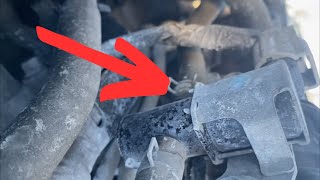
Used OEM Parts in Stock
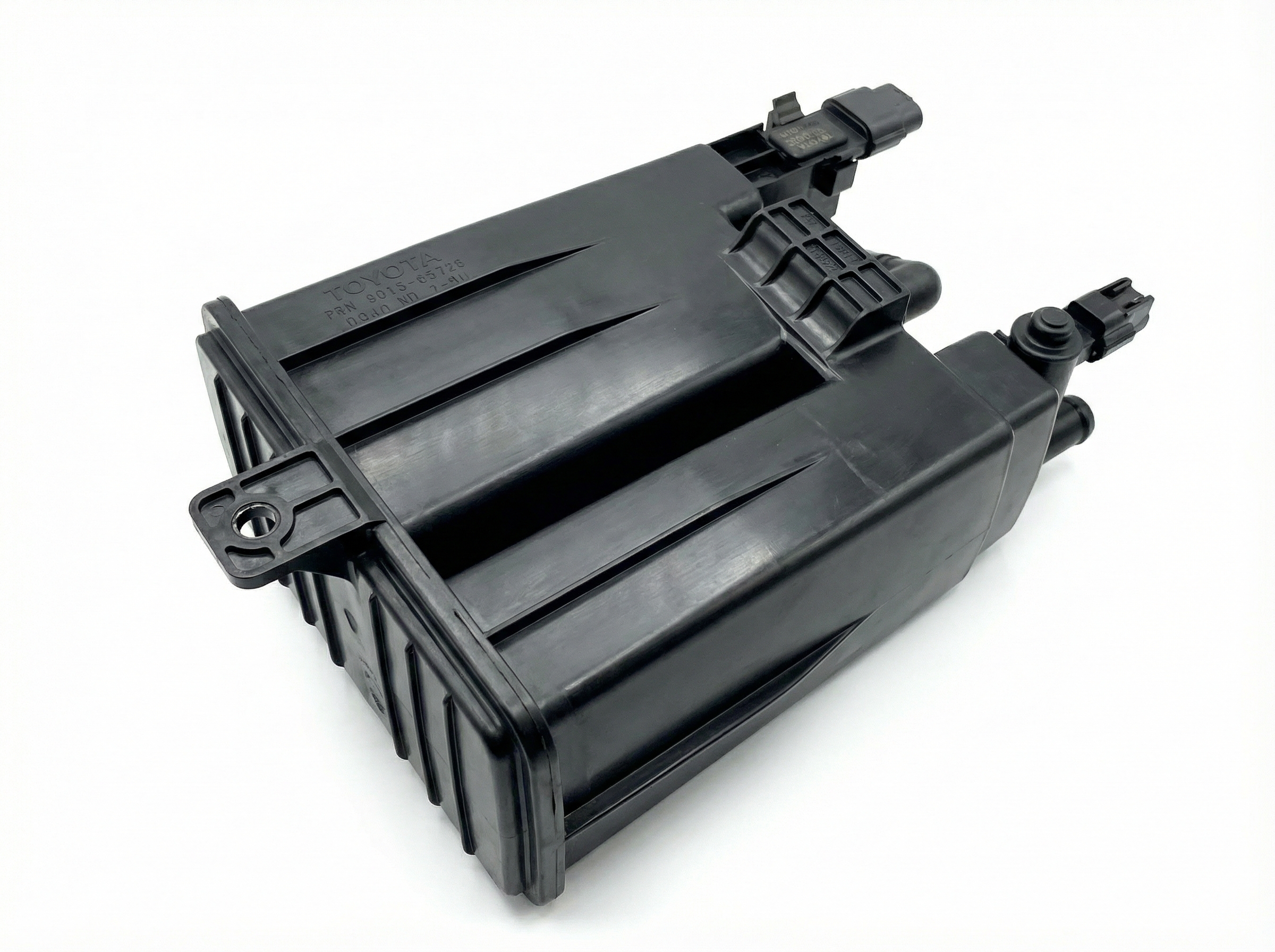

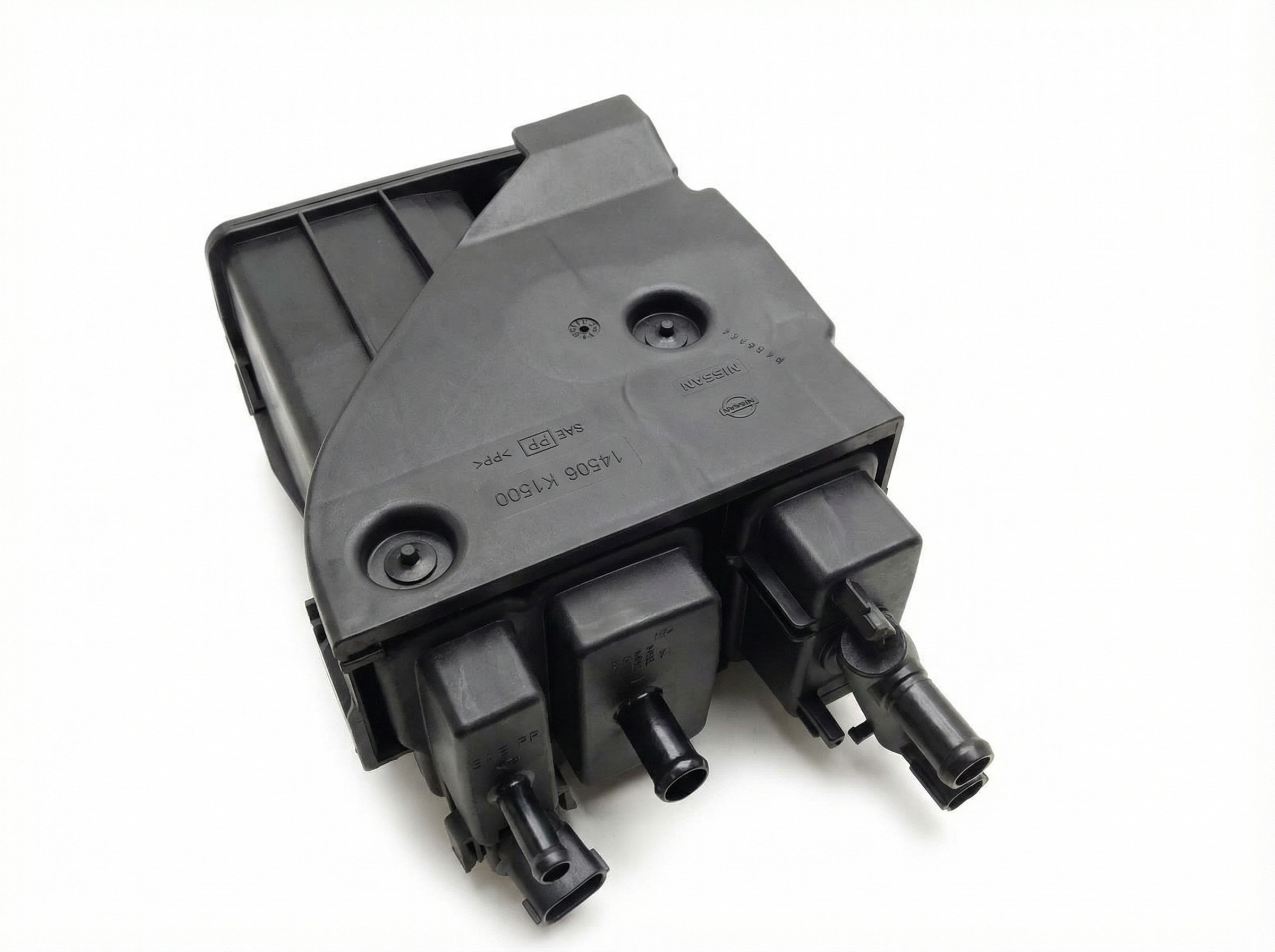
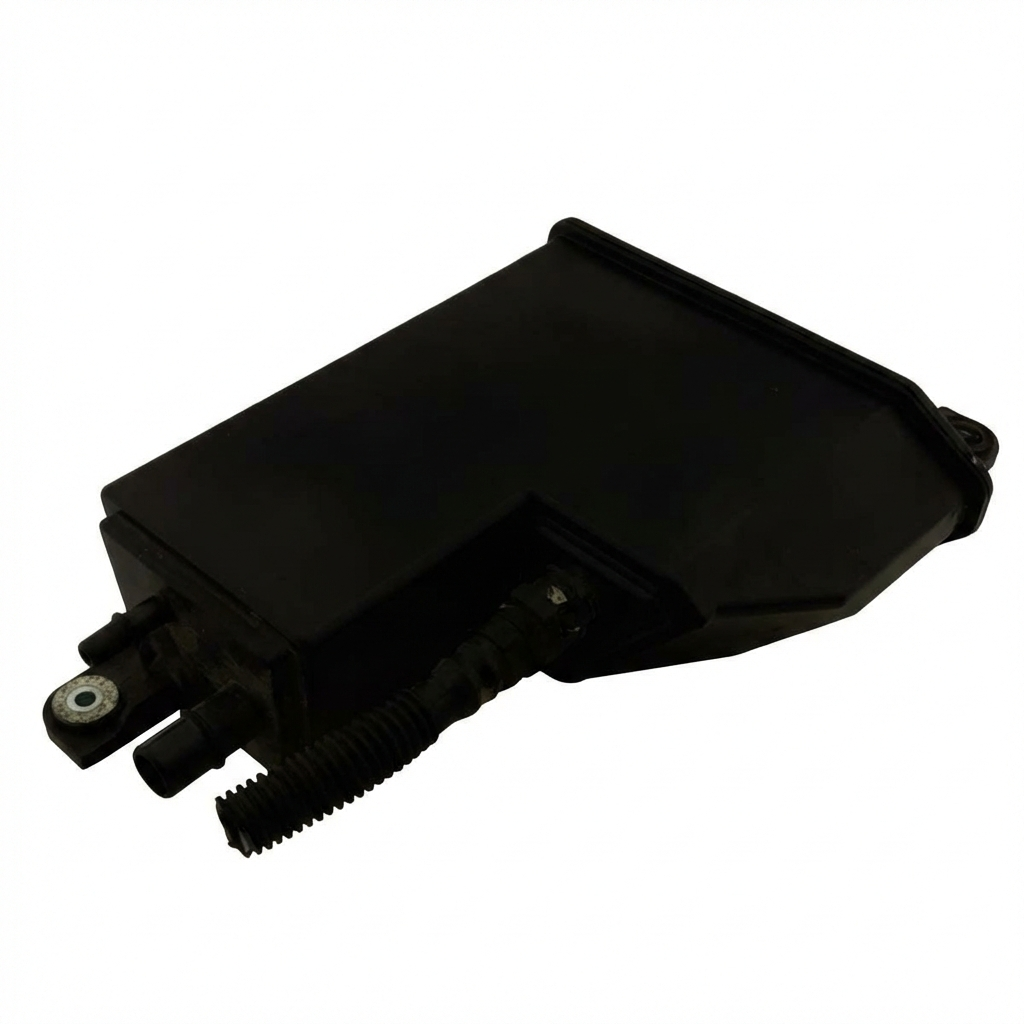
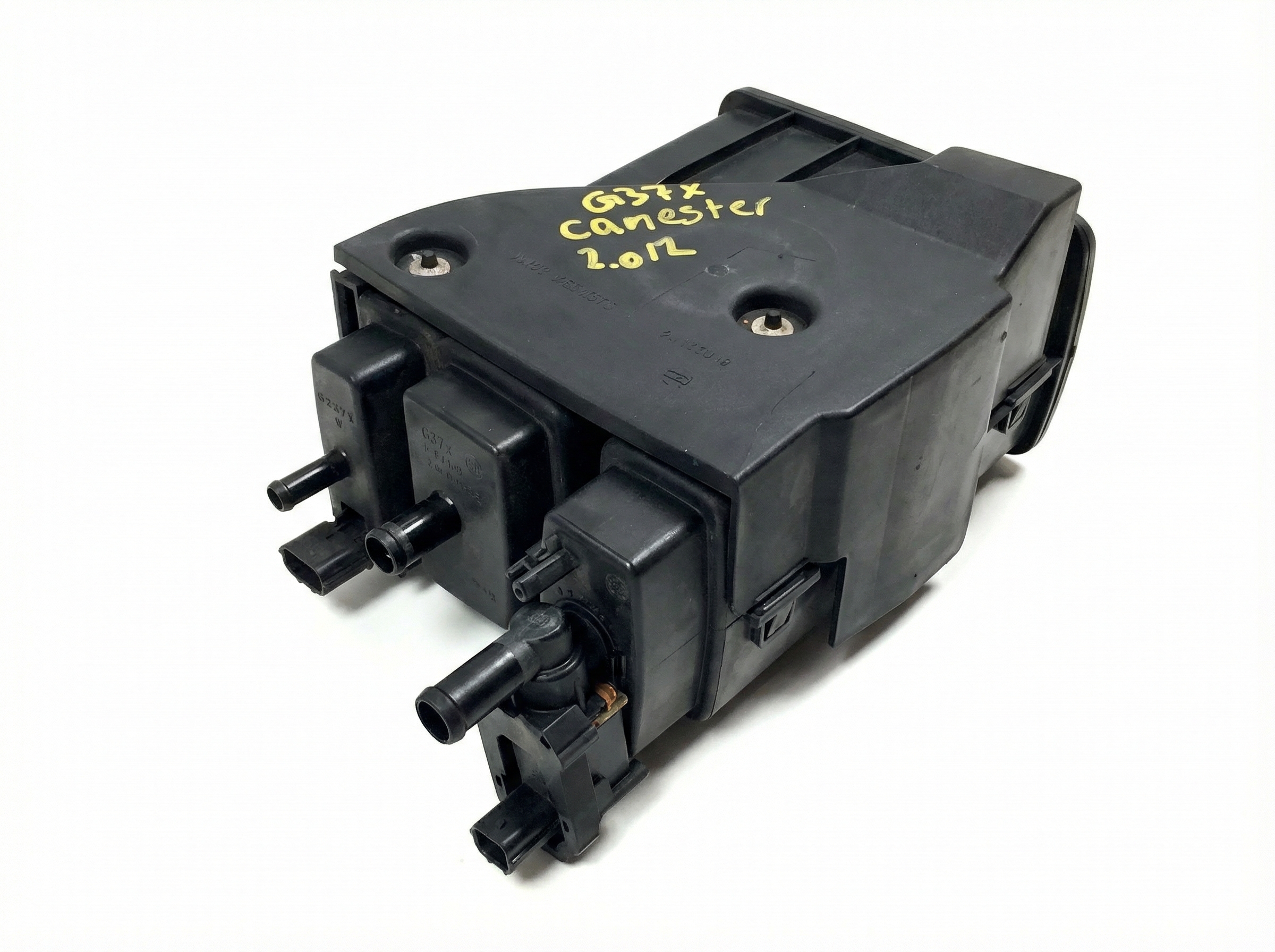
New Aftermarket Parts Available

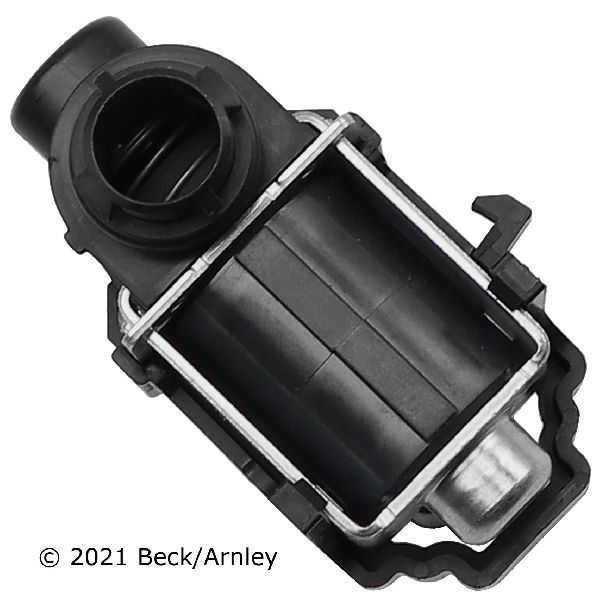

The information in this article is provided for general reference and educational purposes only. Vehicle specifications, procedures, and part compatibility can vary by production date, trim level, and region. Always consult your vehicle's factory service manual and verify part numbers before purchasing or performing repairs. Safety-critical components such as airbags, seat belts, and braking systems should be installed by a qualified professional.
- Infiniti G37:
- 🧭 Diagnostic Flowchart
- 🎬 Helpful Videos
- 🛍️ Shop This Part
- What's Unique About the 2008-2013 Infiniti G37
- Symptoms You May Notice
- Most Likely Causes
- Rare But Worth Checking
- Diagnosis Steps
- Parts You'll Likely Need
- Related Codes That Often Appear With This One
- Technical Service Bulletins (TSBs) & Recalls
- Platform-Specific Known Issues
- Mechanic-Grade Diagnostic Values
- Scan Tool Commands That Help
- Wiring & Ground Locations
- Real Owner Repair Stories
- "I Checked Everything" — The Actual Cause
- OEM Part Supersession History
- Model Year Variations Within This Range
- 🎟️ Get 5% Off