

P0455 on 2014-2015 Infiniti Q60: EVAP Large Leak Causes and Fixes
For a 2014-2015 Infiniti Q60, a P0455 code almost always means you have a loose gas cap or a failed EVAP canister vent control valve. First, tighten the gas cap until it clicks multiple times. If the light returns, the vent valve (OEM Part #14935-JF00B or newer), located on the charcoal canister near the rear passenger-side wheel, is the next most likely culprit. This is a well-known failure point on this platform and costs about $60-$120 for the OEM part.
- P0455 indicates a large leak in the EVAP emissions system; it is not a critical engine problem and the car remains safe to drive.
- Always check the gas cap first. Ensure it is tight and the seal is in good condition. Replacing it with an OEM cap is a cheap and effective first step.
- If the gas cap is not the issue, the EVAP canister vent control valve, located at the rear of the car, is the second most common cause of P0455 on a Q60.
- Do not replace parts randomly. A professional smoke test is the fastest and most accurate way to locate the source of the leak if it's not the gas cap.
- You will not be able to pass an emissions test until this code is resolved.
What's Unique About the 2014-2015 Infiniti Q60
The 2014-2015 Infiniti Q60 is part of the V36 platform, which it shares with the Infiniti G37. On these vehicles, while the gas cap is a primary suspect for P0455, the EVAP canister vent control valve is a well-documented weak point. This valve is located on the charcoal canister at the rear of the car, exposed to road debris, dirt, and moisture. This exposure causes the internal solenoid plunger to corrode and stick open, creating the large leak detected by the system. Infiniti has issued multiple Technical Service Bulletins (TSBs), including ITB13-044J, for all its 2012 and newer vehicles, emphasizing that a loose fuel cap is a very common cause that should be checked first before proceeding with more complex diagnostics.
Diagnostic Flowchart
Tap your situation to follow the diagnostic path that matches what you're seeing on this vehicle.
Symptoms You May Notice
- Check Engine Light is on
- A faint smell of gasoline, especially around the rear of the vehicle
- A 'LOOSE FUEL CAP' message may appear on the instrument display
- Difficulty refueling (gas pump nozzle clicks off prematurely)
- Slightly rough idle if the purge valve (in the engine bay) is stuck open, though less common for P0455 alone
- Replacing the EVAP canister purge solenoid in the engine bay when the more common failure is the vent control valve at the rear of the car.
- Replacing other EVAP components before thoroughly checking the gas cap seal and ensuring it is an OEM part.
- Replacing the entire charcoal canister assembly when only the serviceable and much cheaper vent control valve has failed.
Most Likely Causes
- Loose, Damaged, or Incorrect Fuel Cap 🔴 High Probability → Shop Fuel Tank Cap This is the most frequent cause for P0455 on any vehicle. Infiniti TSBs ITB13-044J and ITB13-044g specifically instruct technicians to check the fuel filler cap first, as it's a primary cause of EVAP leak codes. The cap's rubber seal can wear out, or users may not tighten it enough (several clicks are recommended). Using a non-OEM cap is a frequent source of sealing issues.
How to confirm: Ensure the gas cap is tightened until it clicks multiple times. Inspect the rubber O-ring for cracks, stiffness, or debris. Clean the sealing surfaces. If the seal looks worn, or if you are using a non-OEM cap, replacement with an OEM part is the best first step.
Typical fix: Tighten or replace the fuel filler cap. It is highly recommended to use an OEM (Original Equipment Manufacturer) cap to ensure a perfect seal. An applicable OEM part number is 17251-79960.
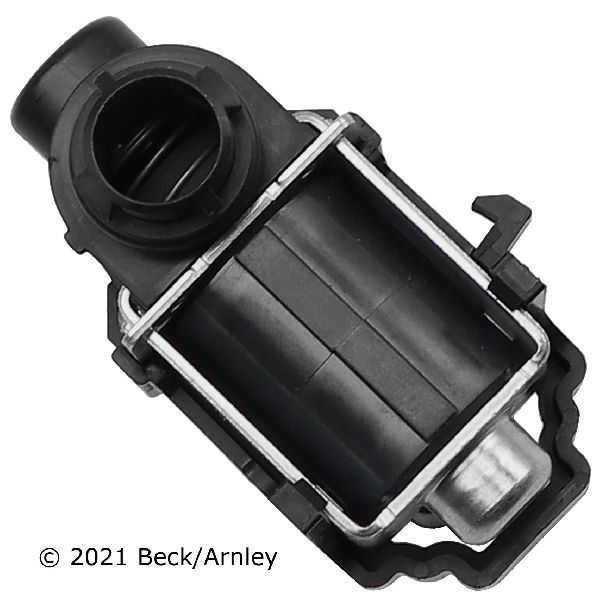
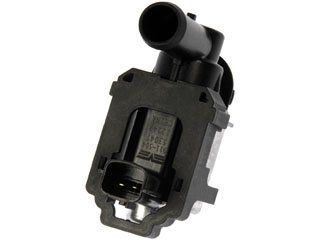
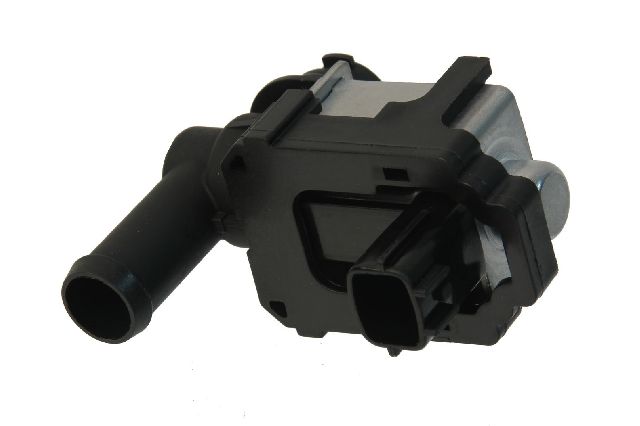
Est. part cost: $25-$55 - Failed EVAP Canister Vent Control Valve 🔴 High Probability → Shop Vapor Canister Vent Valve This valve is located on the EVAP canister at the rear of the vehicle, where it is exposed to road spray and debris. This can cause the internal solenoid to corrode and stick open, creating a permanent large leak. This is a very common failure point on the Infiniti G/Q platform, as documented in numerous owner forums.
How to confirm: The valve is normally open and should close (click audibly) when 12V is applied to its terminals. It can be removed and bench-tested. A smoke test is the most definitive method; smoke will pour out of the vent valve if it is stuck open. A resistance check across the terminals should read between 20 and 50 Ohms.
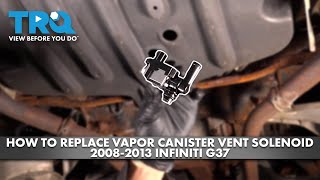
Typical fix: Replace the EVAP canister vent control valve. The valve twists into the EVAP canister, which is located behind a plastic shield in the rear passenger-side wheel well. 🎬 Watch this step-by-step guide on replacing the vent control valve. The latest superseded OEM part number is 14935-JF00B or newer.
Est. part cost: $60-$120 - Cracked or Disconnected EVAP Hose 🟡 Medium Probability Rubber hoses, particularly those under the car connected to the EVAP canister and filler neck, can become brittle with age and exposure to the elements, leading to cracks.
How to confirm: Visually inspect all accessible EVAP hoses between the engine bay, the fuel tank, and the charcoal canister. A smoke test is the most effective way to find a cracked hose that isn't obvious visually.
Typical fix: Replace the cracked section of hose.
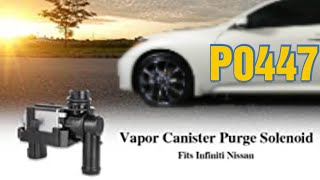
Est. part cost: $10-$40 - Failed EVAP Canister Purge Volume Control Solenoid ⚪ Low Probability → Shop Vapor Canister This valve is located in the engine bay and is normally closed. If it sticks open, it creates a vacuum leak that can cause a P0455 code, but it is more likely to also cause noticeable performance issues like a rough idle, stalling, or difficulty starting after refueling.
How to confirm: With the engine off, disconnect the hose leading from the canister to the valve. Apply vacuum to the port; it should hold vacuum. If it doesn't, the valve is stuck open. You can also try blowing through it with it removed from the car; no air should pass. A resistance check across the terminals should read between 15 and 30 Ohms.
Typical fix: Replace the purge volume control solenoid. It is located in the engine bay, at the back of the intake manifold. 🎬 Watch: How to locate and replace the engine bay purge solenoid.
Est. part cost: $70-$150
Rare But Worth Checking
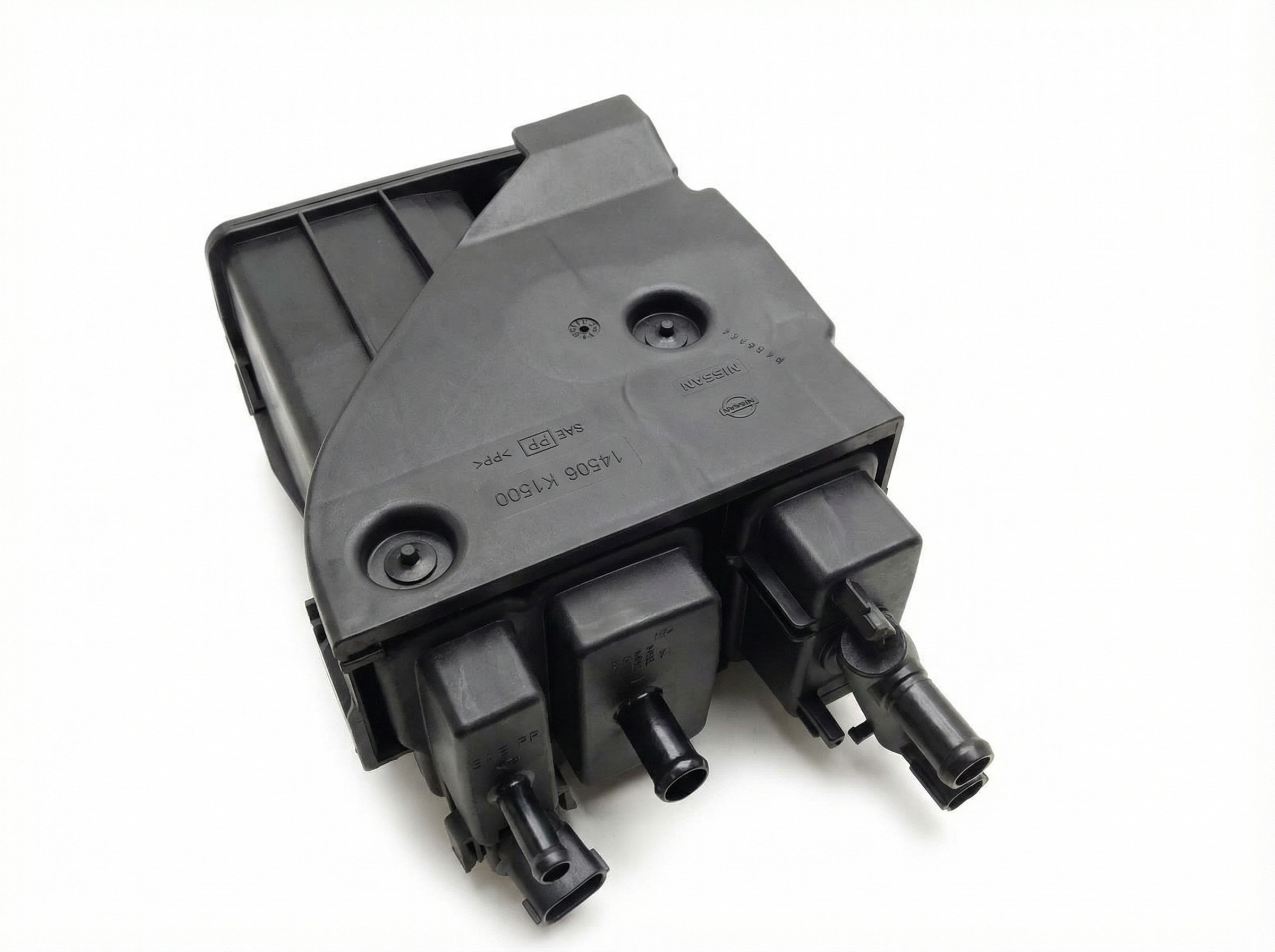
- Cracked EVAP (Charcoal) Canister: → Shop Vapor Canister Physical damage from road debris or an impact can crack the plastic body of the canister itself, causing a large leak. This is uncommon but will be immediately obvious during a smoke test. Replacement is more expensive than the associated valves.
- Cracked Fuel Filler Neck: → Shop Fuel Filler Neck In regions with heavy road salt use, the metal pipe leading to the fuel tank can rust. This corrosion can create a rough surface that prevents the gas cap from sealing correctly, even if the cap itself is new. A smoke test will show smoke escaping from around the gas cap area.
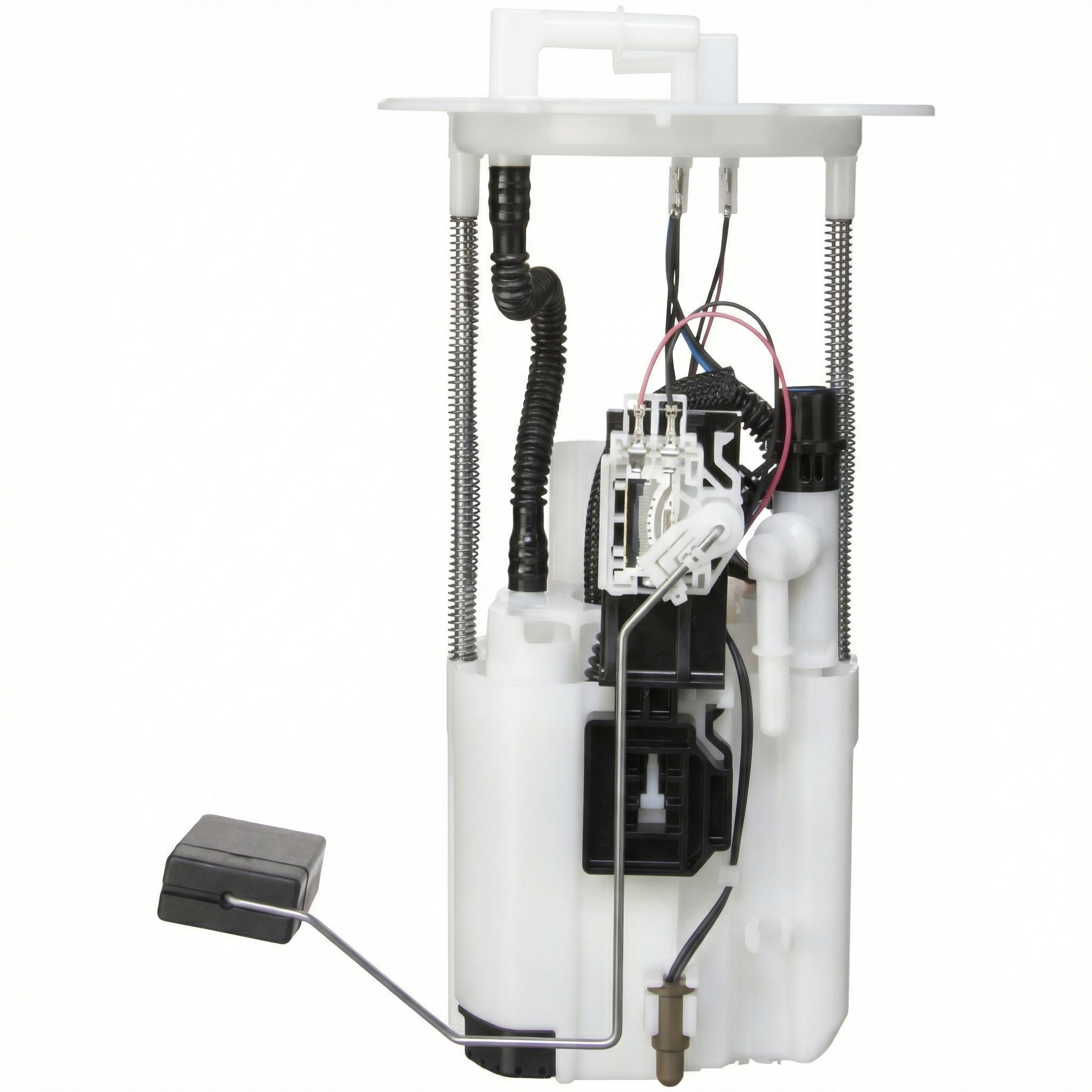
- Leaking Fuel Pump/Sender O-Rings: → Shop Fuel Pump On the related Nissan 370Z, owners have reported the large O-rings that seal the fuel pump and level sender units on top of the fuel tank can degrade and cause a P0455 leak. This is more likely if the fuel pump has been serviced previously.
Diagnosis Steps
- Read the code with an OBD-II scanner to confirm P0455 is the primary code.
- Inspect the gas cap. Ensure it is tight and clicks multiple times when closed. Remove it and check the rubber seal for cracks, stiffness, or damage. Clean the sealing surfaces of the cap and filler neck.
- If the cap is suspect, replace it with an OEM part (e.g., Part No. 17251-79960), clear the code, and drive for a few days to see if the light returns.
- If the light comes back, perform a visual inspection of all accessible EVAP hoses under the hood and near the rear axle for obvious cracks or disconnections.
- Locate the EVAP canister and vent control valve at the rear of the vehicle, behind a plastic shield near the passenger-side rear wheel. Check the valve and its electrical connector for damage or corrosion.
- The most definitive diagnostic step is to perform a smoke test. A mechanic will inject low-pressure smoke into the EVAP system's service port. The leak will be revealed by the point where smoke escapes. 🎬 See how a smoke test quickly identifies large EVAP leaks. This will quickly identify a bad vent valve, cracked hose, or faulty canister.
- If a smoke test is not available, you can remove the vent control valve and test it. It is normally open. Apply 12 volts from the battery to the two terminals; it should make an audible click and close. If it doesn't actuate or is stuck open, it needs replacement. Check the resistance between the two terminals; it should be between 20-50 Ohms.
- To test the purge solenoid (in the engine bay), remove it and try to blow through it. It is normally closed, so no air should pass. If air passes, it is stuck open and faulty. Check its resistance; it should be between 15-30 Ohms.
Parts You'll Likely Need
- Fuel Filler Cap
(OEM #17251-79960)— This is the most common cause of P0455 due to a worn seal or not being tightened properly. Using an OEM cap is critical for a reliable seal.
Trusted brands: Infiniti (OEM)
OEM price range: $25-$55
Aftermarket price range: $15-$30 - EVAP Canister Vent Control Valve
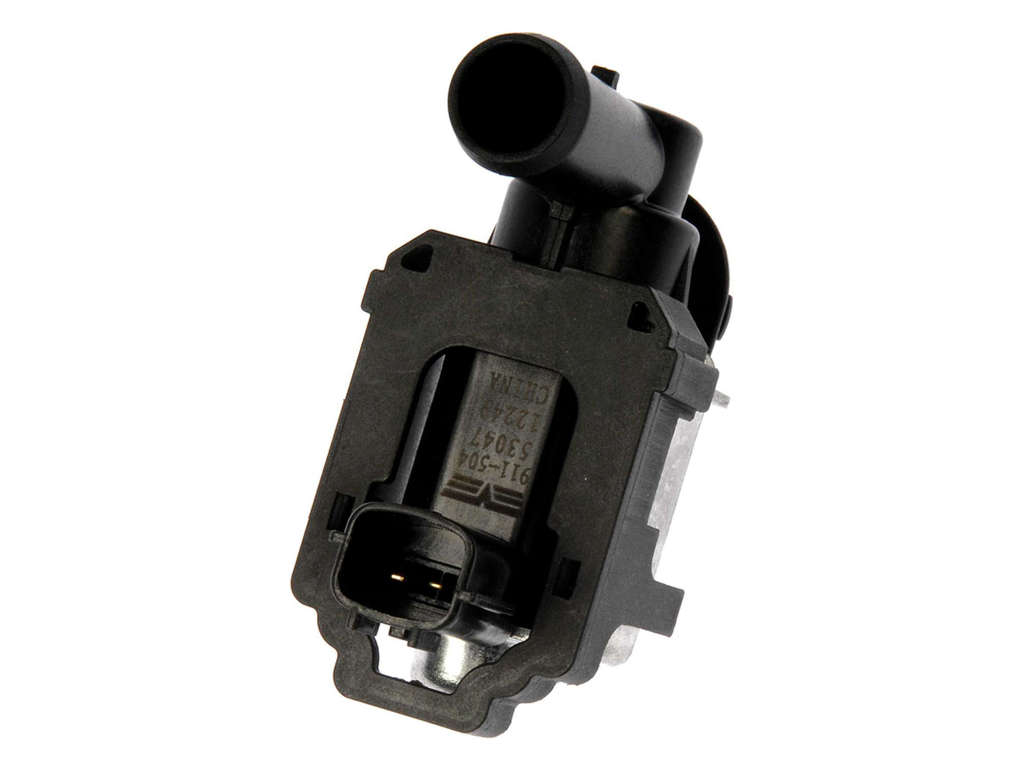
(OEM #14935-JF00B)— This valve is a known failure point on this platform, sticking open due to its exposed location under the car. An older part number (14935-AM60B) was superseded by an updated design. This is the most likely component to fail after the gas cap.
Trusted brands: Hitachi (OEM Manufacturer), Dorman (911-504), Bosch
OEM price range: $60-$120
Aftermarket price range: $40-$80 - EVAP Canister Purge Solenoid
(OEM #14930-JK20E)— A less common failure, this valve in the engine bay can stick open, causing a leak. It's more likely to
Related Codes That Often Appear With This One
- P0442 — This code indicates a small EVAP leak. It can appear alongside P0455 if the system's self-test detects different leak sizes on subsequent tests, or if there are multiple leaks of varying sizes. Both are mentioned in the same Infiniti TSB.
- P0456 — This code indicates a very small EVAP leak. Like P0442, it is triggered by similar faults and may appear in the vehicle's history along with P0455. It is often caused by a faulty gas cap seal.
Technical Service Bulletins (TSBs) & Recalls
- ITB13-044J: An informational bulletin for all 2012 and newer Infiniti vehicles regarding EVAP leak codes P0442, P0455, and P0456. It advises technicians to first confirm the fuel filler cap is installed correctly and to inform the customer about proper operation before beginning extensive diagnostics. It explicitly states that test-driving for these codes is a waste of time.
- ITB13-044g: A previous version of the same bulletin with similar information, superseded by ITB13-044J.
Platform-Specific Known Issues
- Owner Experiences with Vent Control Valve: → Shop Vapor Canister Vent Valve Numerous owners on forums like myG37.com and G35Driver.com have documented fixing their P0455 code by replacing the EVAP canister vent control valve after a new gas cap did not solve the issue. Many report the job takes less than an hour and only requires basic tools to remove the rear wheel and plastic splash shield.
- Difficulty Refueling as a Symptom: A user on the Infiniti Scene forum reported that after replacing their faulty vent control valve to fix a P0455 code, they experienced the gas pump nozzle stopping prematurely for the first few fill-ups, which then resolved itself. This indicates a relationship between the valve's function and fuel tank pressure during refueling.
Mechanic-Grade Diagnostic Values
- EVAP Canister Vent Control Valve Solenoid Resistance — expected: 20 - 50 Ohms. Failure: A reading of 0 Ohms (short circuit) or infinite/OL (open circuit) indicates a failed solenoid coil.
- EVAP Canister Purge Volume Control Solenoid Valve Resistance — expected: 15 - 30 Ohms. Failure: A reading outside this range indicates a faulty solenoid coil.
- EVAP Control System Pressure Sensor Voltage (at idle) — expected: ~1.5V - 2.5V (varies with atmospheric pressure). Failure: A voltage that is stuck high (e.g., 5V) or low (e.g., 0V), or does not change when vacuum is applied during testing.
Scan Tool Commands That Help
- Infiniti CONSULT (or advanced bidirectional scanner): EVAP System Leak Check / Vent Valve Control — This function allows a technician to command the normally-open vent valve to close, sealing the EVAP system. This is a crucial step before performing a smoke or pressure test to see if the system can hold pressure. It directly tests the functionality of the vent valve's solenoid and its circuit.
Wiring & Ground Locations
- EVAP Canister Vent Control Valve Connector — On the EVAP canister, located under the vehicle behind the plastic shield in the rear passenger-side wheel well.. This 2-pin connector is the primary point for electrical testing of the most common failure part (after the gas cap). Technicians test for 12V power and ground signal here, and check for corrosion which can interrupt the circuit.
- EVAP Canister Purge Volume Control Solenoid Valve Connector — At the rear of the engine compartment, on the passenger side, mounted near the intake manifold.. This is the connection point for testing the less-common purge solenoid. A failure here is more likely to cause performance issues in addition to the P0455 code.
- EVAP Control System Pressure Sensor — Under the vehicle, near or on the EVAP canister.. This sensor is what reports the pressure loss to the ECM. Its wiring should be inspected for damage. A faulty sensor can incorrectly trigger a P0455 code even if no leak exists.
Real Owner Repair Stories
- Infiniti Scene forum user (Infiniti G-series (platform mate)) — Check Engine Light with P0455 code.
❌ Tried (didn't work) Replacing the fuel filler cap with a new OEM part.
✅ What actually fixed it The problem was resolved by replacing the EVAP Canister Vent Control Valve. The user also noted that after replacement, a previous issue with the gas pump nozzle stopping prematurely during fill-ups was also fixed.
"I Checked Everything" — The Actual Cause
- In cases where a smoke test shows no leaks, the P0455 code can be caused by a faulty Fuel Tank Pressure (FTP) sensor. The sensor may send incorrect readings to the ECM, making the computer believe a large leak exists when the system is actually sealed. Testing the FTP sensor's voltage output against a known vacuum source is the next diagnostic step if a smoke test passes.
OEM Part Supersession History
14935-AM60A / 14935-AM60B→14935-JF00A > 14935-JF00B > 14935-JF00C > 14935-JF00E > 14935-JF01C > 14935-JF02C— The EVAP Canister Vent Control Valve has been revised multiple times by Nissan/Infiniti to address high failure rates due to the internal solenoid sticking from corrosion and debris.
Heads up: Newer part numbers are generally backward-compatible and recommended over the older, failure-prone versions. Always verify the latest applicable part number for the specific vehicle.
Helpful Videos
Used OEM Parts in Stock
New Aftermarket Parts Available


The information in this article is provided for general reference and educational purposes only. Vehicle specifications, procedures, and part compatibility can vary by production date, trim level, and region. Always consult your vehicle's factory service manual and verify part numbers before purchasing or performing repairs. Safety-critical components such as airbags, seat belts, and braking systems should be installed by a qualified professional.
- Infiniti Q60:
- 🧭 Diagnostic Flowchart
- 🎬 Helpful Videos
- 🛍️ Shop This Part
- What's Unique About the 2014-2015 Infiniti Q60
- Symptoms You May Notice
- Most Likely Causes
- Rare But Worth Checking
- Diagnosis Steps
- Parts You'll Likely Need
- Related Codes That Often Appear With This One
- Technical Service Bulletins (TSBs) & Recalls
- Platform-Specific Known Issues
- Mechanic-Grade Diagnostic Values
- Scan Tool Commands That Help
- Wiring & Ground Locations
- Real Owner Repair Stories
- "I Checked Everything" — The Actual Cause
- OEM Part Supersession History
- 🎟️ Get 5% Off