

P0455 on 2011-2016 Kia Forte Koup: EVAP Large Leak Causes and Fixes
This code indicates a large leak in the evaporative emissions system. The most common causes are a loose or faulty gas cap, a bad canister purge valve, or a cracked charcoal canister. Start by checking the gas cap, which is a simple and often free fix. Many owners report that only an OEM gas cap will solve the issue if the cap is the culprit.
- P0455 indicates a large leak in the EVAP (emissions) system.
- Always check your gas cap first. Make sure it's tight and the seal is intact. This is the most common and cheapest fix.
- If the gas cap isn't the issue, the canister purge valve and the charcoal canister are the next most likely culprits.
- You can continue to drive the car, but you will fail an emissions test and may experience a slight drop in fuel economy.
- For leaks that aren't obvious, a professional smoke test is the best way to pinpoint the source of the problem.
What's Unique About the 2011-2016 Kia FORTE KOUP
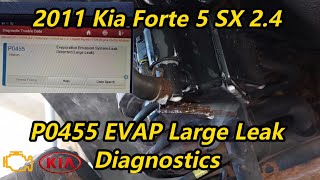
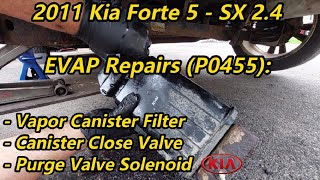
The 2011-2016 Kia Forte Koup spans two vehicle generations (first-gen up to 2013, second-gen from 2014). While the P0455 code has the same meaning for both, some underlying causes can differ. Notably, Kia has issued service bulletins for other models regarding cracked charcoal canisters in 'salt belt' states due to corrosion, which could potentially affect the Forte Koup as well. A detailed diagnostic video on a 2011 Forte with a 2.4L engine specifically identified a cracked canister close valve (also called a vent valve) attached to the vapor filter, along with a slightly leaking purge valve, as the dual cause of a P0455 code. 🎬 Watch: Diagnostic walkthrough of a 2.4L Forte with this code. This highlights the importance of thorough diagnosis, as multiple small issues can combine to create a large leak code.
Diagnostic Flowchart
Tap your situation to follow the diagnostic path that matches what you're seeing on this vehicle.
Generation note: The specified year range covers two generations of the Kia Forte Koup: the first generation (TD, 2010-2013) and the second generation (YK, 2014-2016). While the EVAP system components are similar, their exact location and part numbers may differ. For example, purge valve part numbers can vary by engine and year. The diagnostic approach remains the same for both.
Symptoms You May Notice
- Check Engine Light is on
- A noticeable smell of fuel, especially around the gas tank area or driver's side front wheel well.
- Slight decrease in fuel economy
- Code may appear and disappear intermittently.
- Replacing the oxygen sensor, as this is an emissions system code but is unrelated to the EVAP system.
- Immediately replacing expensive components like the charcoal canister without performing a proper diagnosis, such as a smoke test.
- Replacing multiple parts without confirming the fix. One forum user replaced the solenoid valve, charcoal canister, hoses, and purge valve, but the code remained, indicating a missed diagnosis.
Most Likely Causes
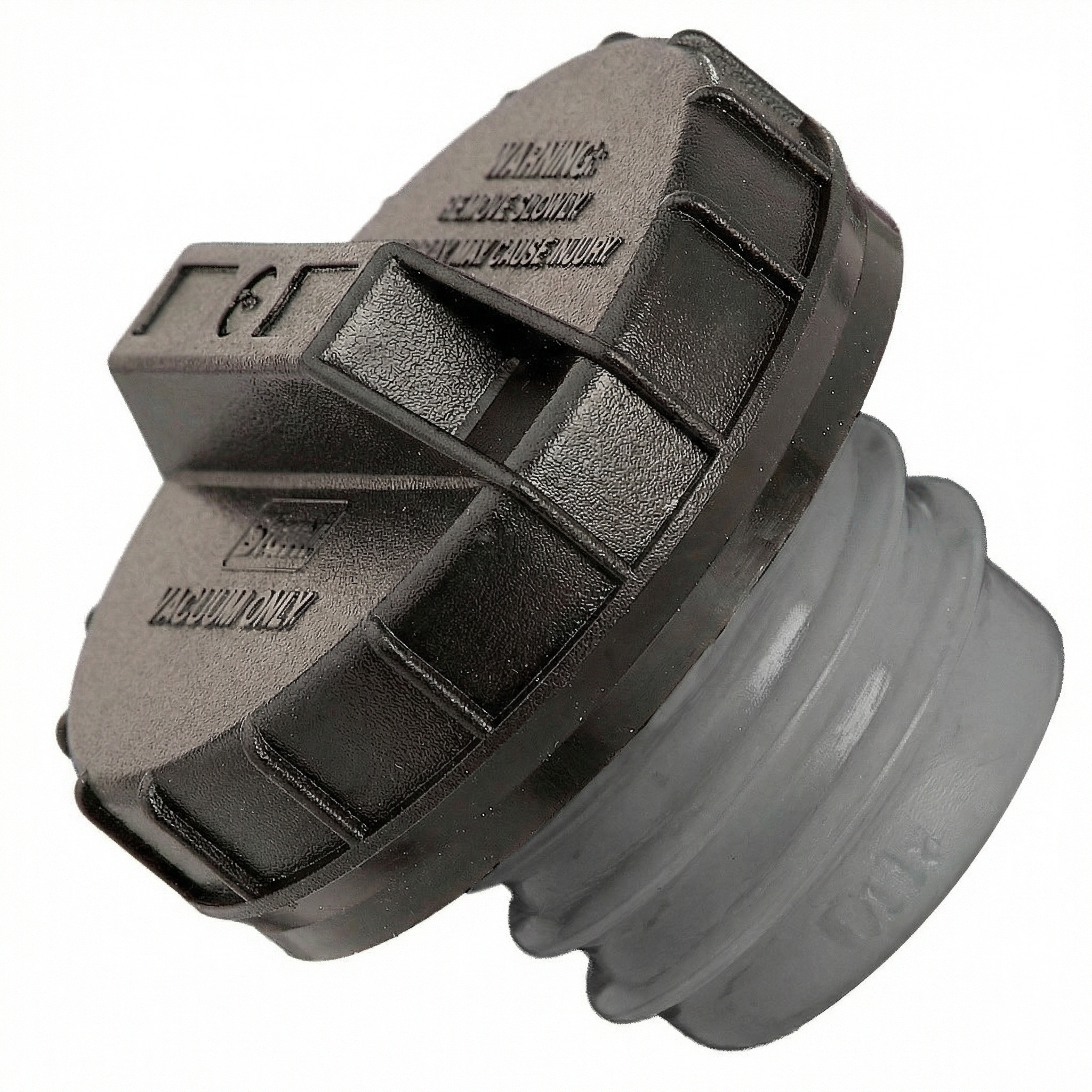
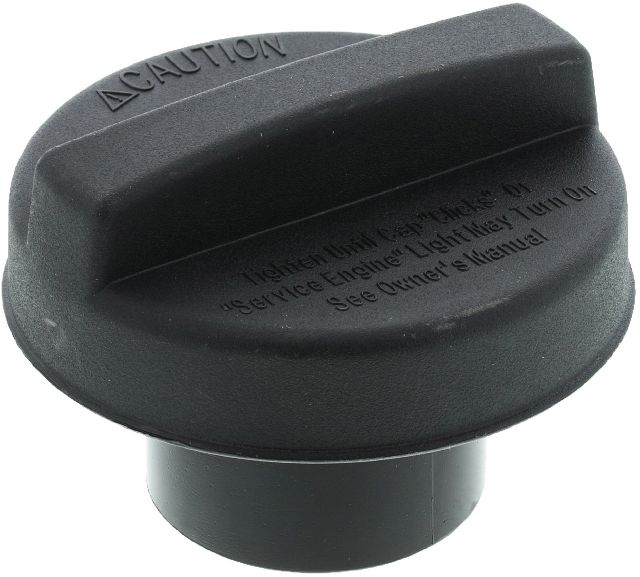
- Loose, Missing, or Faulty Gas Cap 🔴 High Probability → Shop Fuel Tank Cap This is the most common cause for P0455 on any vehicle, as the cap is frequently handled and the seal can wear out over time or simply not be tightened correctly after refueling. Many Kia owners specifically report that aftermarket gas caps fail to create a proper seal, and the issue is only resolved by using a genuine OEM Kia gas cap.
How to confirm: Inspect the gas cap for cracks or damage to the rubber seal. Ensure it is tightened until it clicks at least once. If the seal is worn, or if you are using an aftermarket cap, it may not be sealing properly. Even if it looks good, it can be the cheapest part to replace as a first step.
Typical fix: Tighten the gas cap. If the seal is damaged or it's an aftermarket cap, replace it with a genuine OEM Kia gas cap. Part number 31010-3L600U is a common fit.
Est. part cost: $15-$40 - Faulty Canister Purge Valve (CPV) 🟡 Medium Probability → Shop Vapor Canister The purge valve (or purge control solenoid valve) is an electromechanical part in the engine bay that can fail by getting stuck open, causing a constant leak path from the EVAP system to the engine intake. This is a common failure point on many modern vehicles, including Kias.
How to confirm: With the engine off, disconnect the valve and try to blow through it. If air passes through, it is stuck open and needs replacement. Alternatively, with the engine running at idle, place your finger over the vacuum port; if you feel suction, the valve is stuck open and faulty.
Typical fix: Replace the canister purge valve. Common OEM part numbers include 28910-25100 for 2.0L/2.4L engines and 28910-2E000 for some 2014-2016 models. 🎬 Watch: How to test and replace the purge control valve.
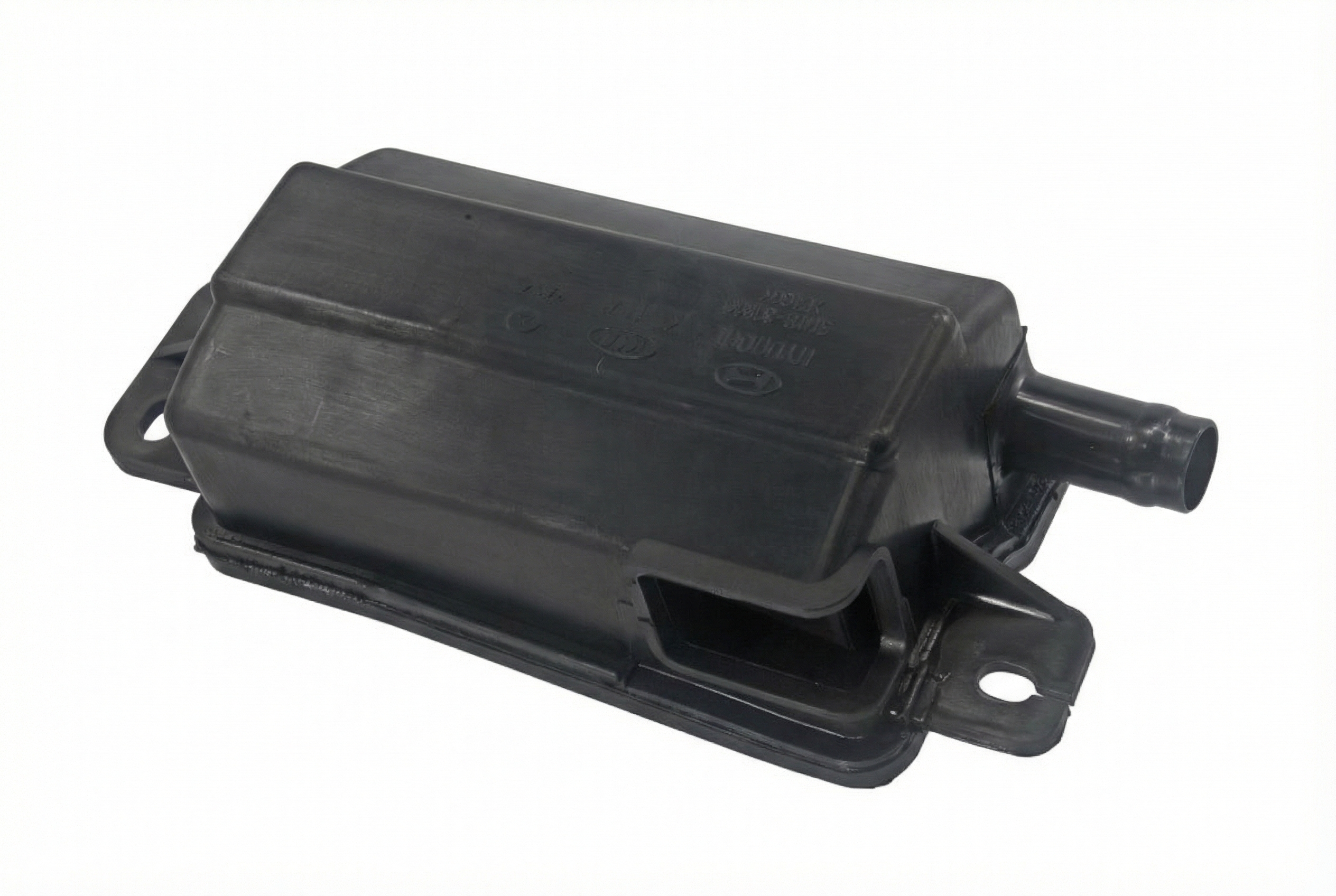
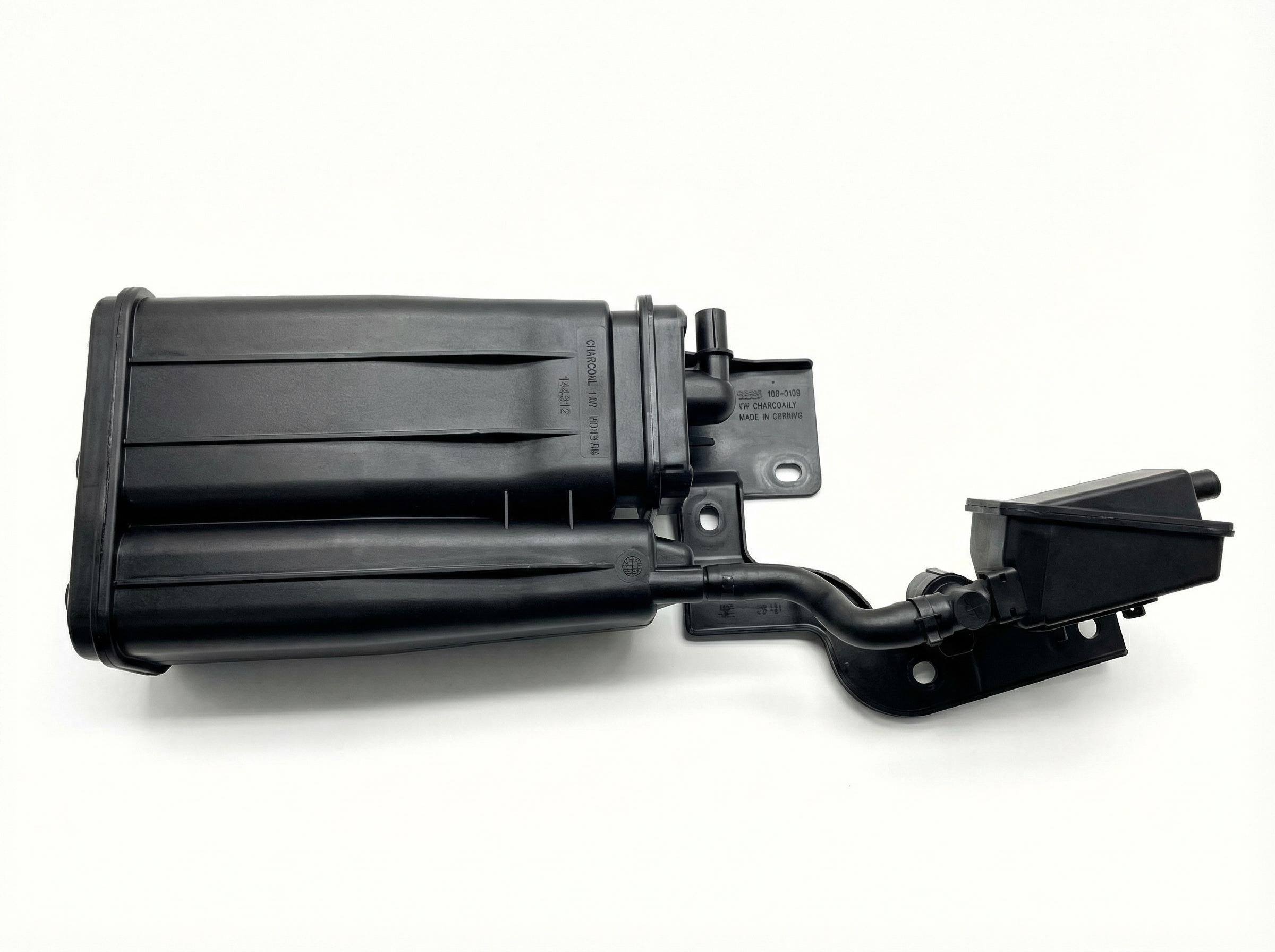
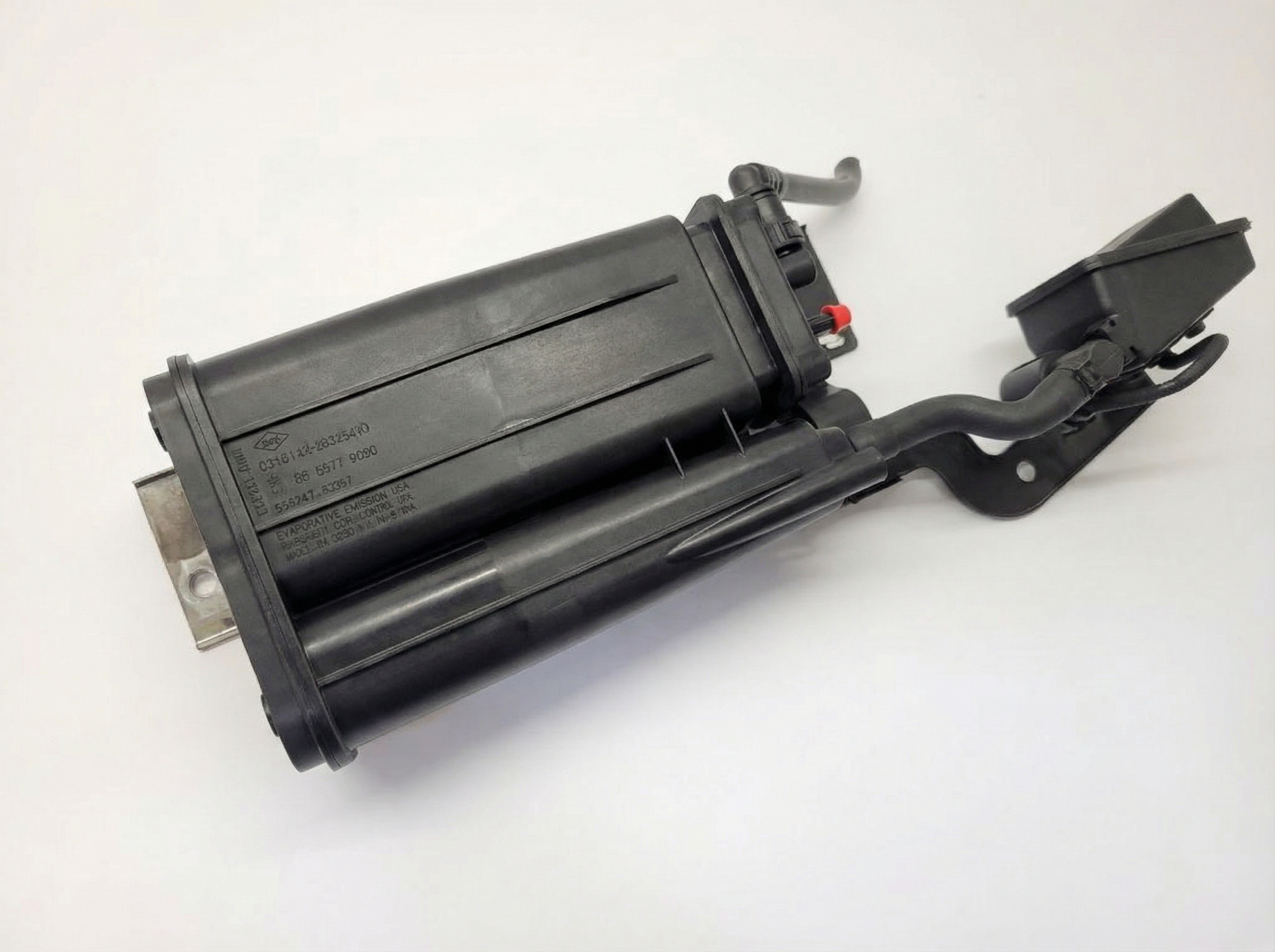
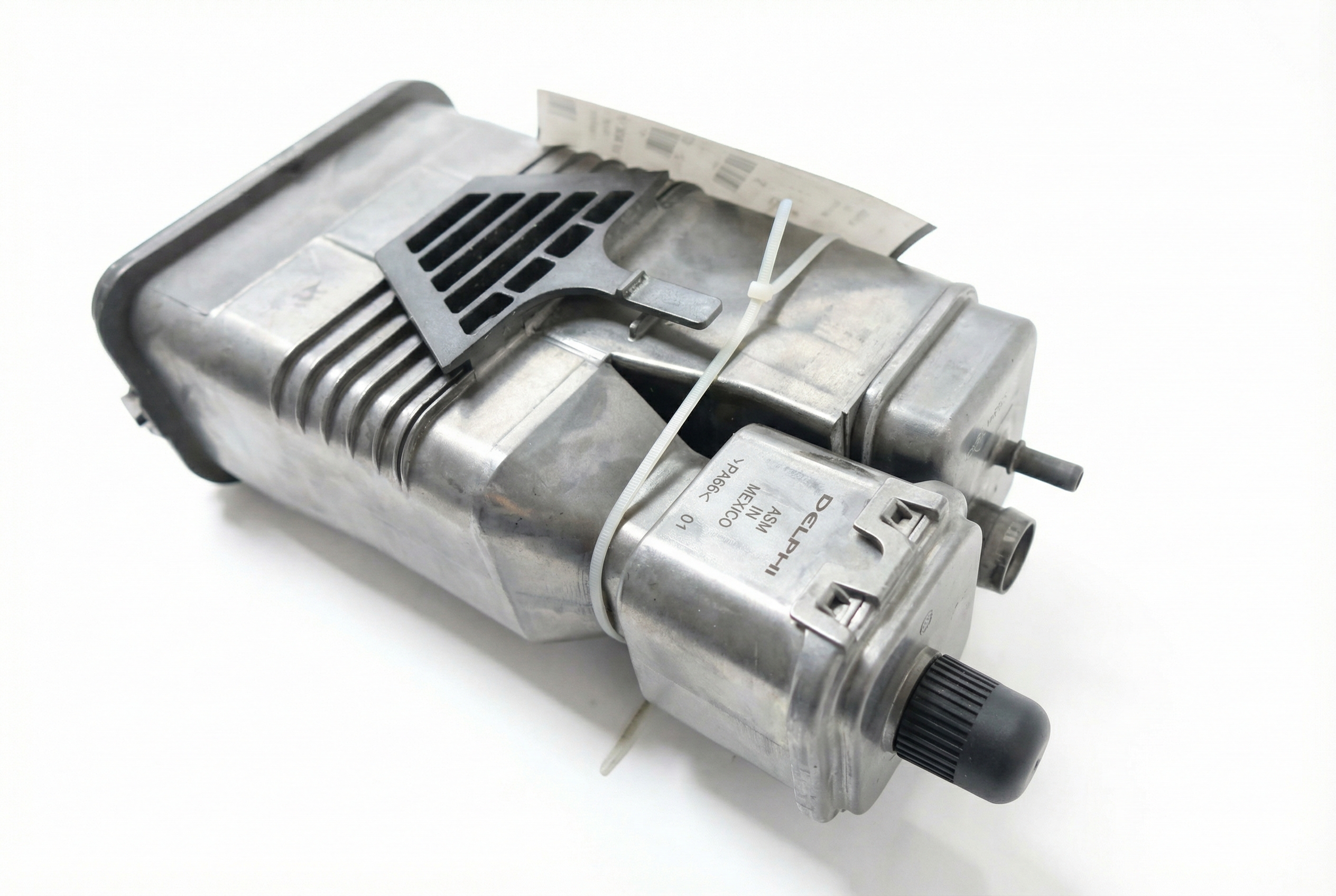
Est. part cost: $20-$70 - Cracked or Damaged Charcoal Canister / Vent Valve Assembly 🟡 Medium Probability → Shop Vapor Canister The charcoal canister, typically located near the fuel tank, can develop cracks from road debris or corrosion of its mounting hardware, especially in 'salt belt' states. More specifically for Kia, the Canister Close Valve (CCV), also known as the vent valve, is often attached to the canister or a separate vapor filter and is prone to cracking. A technician diagnosed a 2011 Forte and found the leak was from a crack in the CCV housing.
How to confirm: A visual inspection may reveal cracks in the canister or valve body. A smoke test is the most definitive way to confirm a leak from the canister or its connections. During the test, the vent valve should be commanded closed with a scan tool to ensure it's sealing properly.
Typical fix: Replace the charcoal canister or the canister close valve assembly. The vent valve/solenoid may be available separately (e.g., OEM part 31453-AA000) or as part of the canister assembly.
Est. part cost: $150-$250 - Cracked or Disconnected EVAP Hoses ⚪ Low Probability Over time, rubber and plastic hoses can become brittle and crack, or connections can become loose, creating a leak in the system. This can happen anywhere between the fuel tank, charcoal canister, and purge valve.
How to confirm: Visually inspect all accessible EVAP hoses for visible cracks, rot, or loose connections. A smoke test is the most effective method for finding hard-to-see leaks in hoses.
Typical fix: Replace the damaged section of hose or reconnect it securely.
Est. part cost: $5-$30
Rare But Worth Checking
- Faulty Canister Vent Valve/Solenoid (Canister Close Valve): → Shop Vapor Canister This valve is normally open and closes to seal the system for testing. If it fails to close when commanded by the ECM, it will cause a large leak code. It is often located on the charcoal canister and can be tested by applying 12 volts and seeing if it seals.
- Damaged Fuel Filler Neck: → Shop Fuel Filler Neck Rust or physical damage to the metal filler neck where the gas cap seals can prevent a proper seal, causing a P0455 code even with a new, functional gas cap.
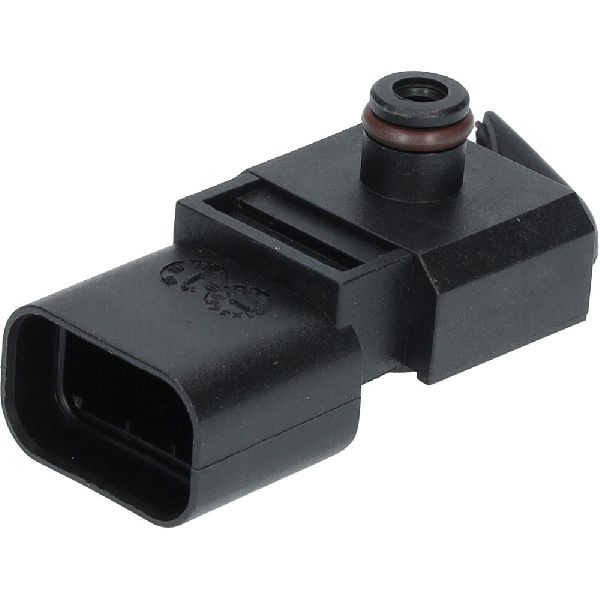
- Faulty Fuel Tank Pressure Sensor: → Shop Fuel Tank While rare, a faulty fuel tank pressure sensor can incorrectly report a large leak to the ECM when none exists. This would typically be accompanied by other codes, but it remains a possibility.
- Blown EVAP System Fuse: The purge and vent valves are electrical components that rely on a fuse. If the fuse blows, the valves may not operate correctly, leading to a leak code. Check the fuse box in the engine bay for a fuse labeled for sensors or emissions components.
Diagnosis Steps
- Check the Gas Cap: Ensure the gas cap is present, tight (clicked at least once), and visually inspect its rubber seal for cracks or damage. If in doubt, an OEM replacement (like part 31010-3L600U) is a cheap and effective first step.
- Clear the Code and Drive: After checking the cap, clear the code with an OBD-II scanner and drive the vehicle for a few days to see if the code returns. The EVAP monitor runs under specific conditions (fuel level, temperature), so it may take time.
- Visual Inspection: If the code returns, inspect all visible EVAP hoses and lines for obvious cracks, disconnections, or damage. Pay close attention to the lines around the purge valve in the engine bay and the charcoal canister near the rear of the car.
- Test the Purge Valve: Locate the purge valve in the engine bay. With the engine off, disconnect it and see if you can blow air through it. If you can, it's stuck open and needs to be replaced. You can also check for vacuum at the port with the engine idling; there should be none.
- Perform a Smoke Test: This is the most effective way to find a leak. A smoke machine forces low-pressure, UV-dyed smoke into the EVAP system via a service port. The leak will be revealed by the point where smoke escapes. This is the recommended procedure for hard-to-find leaks per TSB #PS469.
- Inspect the Canister Vent Valve (CCV): During the smoke test, command the vent valve closed with a capable scan tool. If smoke exits from the vent valve, it is faulty and needs to be replaced. You can also test it by removing it and applying 12v power to see if the valve actuates and seals.
Parts You'll Likely Need
- Fuel Tank Cap
(OEM #31010-3L600U (verify for specific year/model))— This is the most frequent and easiest fix. The seal wears out or the cap is not tightened properly. Aftermarket caps are a frequent source of continued problems.
Trusted brands: Kia (OEM)
OEM price range: $25-$40
Aftermarket price range: $15-$25 - Canister Purge Valve
(OEM #28910-25100 (2.0L/2.4L) or 28910-2E000 (1.8L/2.0L 2014+). Verify by VIN.)— A common failure point that can get stuck open, creating a leak. It's relatively inexpensive and easy to access in the engine bay.
Related Codes That Often Appear With This One
- P0442 — This code indicates a small EVAP leak. It can sometimes appear alongside P0455 if the system has multiple leaks or if the computer's leak detection criteria are met for both thresholds.
- P0456 — This code indicates a very small EVAP leak. Similar to P0442, it points to a leak in the same system, just of a different size.
- P0453 — Indicates a problem with the fuel tank pressure sensor circuit (high input). A faulty sensor could potentially trigger a false leak code like P0455.
Technical Service Bulletins (TSBs) & Recalls
- PS469: Recommends a manual EVAP test for hard-to-find leaks when codes like P0442, P0455, P0456, or P0457 are present and a standard self-test results in 'No Trouble Found' (NTF). This reinforces the need for a smoke test.
Platform-Specific Known Issues
- Cracked Canister Close Valve Housing: → Shop Vapor Canister A detailed YouTube diagnosis of a 2011 Forte with a 2.4L engine found the P0455 was caused by a combination of a slightly leaky purge valve and a cracked housing on the canister close valve, which is attached to a separate vapor filter near the charcoal canister. The technician noted the rusted mounting bracket may have contributed to stress on the plastic housing.
Mechanic-Grade Diagnostic Values
- Purge Control Solenoid Valve (PCSV) Coil Resistance — expected: 14 to 36 Ohms, varies with temperature.. Failure: Infinite resistance (open circuit) or zero resistance (short circuit).
- Fuel Tank Pressure Sensor (FTPS) Signal Voltage (KOEO, Gas Cap Off) — expected: Approximately 2.5 Volts, representing atmospheric pressure.. Failure: Voltage is significantly different, or reads 0V. If 5V reference and ground are good, the sensor is likely faulty.
- Manual Purge Test FTPS Voltage (Engine Running) — expected: Voltage should remain greater than 1.5V while the PCSV control wire is manually grounded for 25 seconds.. Failure: Voltage drops below 1.5V, indicating a restriction in the EVAP system (e.g., canister, lines, or valves).
Scan Tool Commands That Help
- Kia GDS (or capable bidirectional scanner): EVAP System Active Test / Actuation Test — This command allows a technician to manually cycle the Purge Control Solenoid Valve (PCSV) and the Canister Close Valve (CCV) to test their mechanical and electrical function without removal. It is essential for confirming if a valve is stuck or not responding.
- Kia GDS (or capable bidirectional scanner): EVAP System Leak Test — This function commands the vehicle to perform its own onboard EVAP leak test. It seals the system by closing the CCV and PCSV, then monitors pressure to confirm a leak is present before proceeding with more invasive tests like a smoke test.
Wiring & Ground Locations
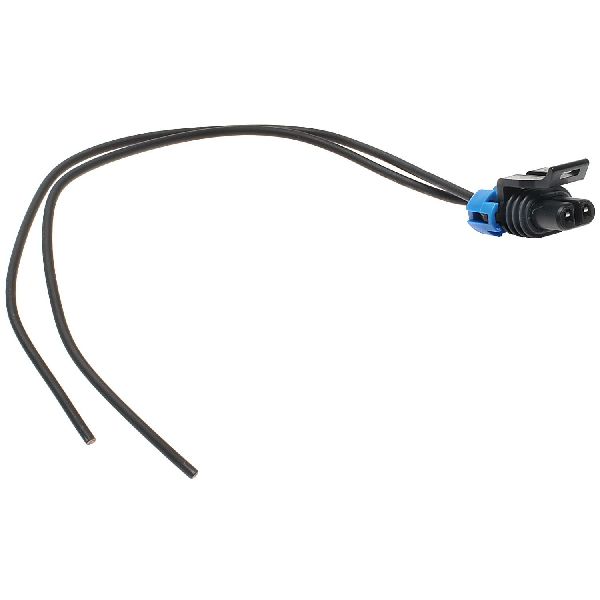
- Purge Control Solenoid Valve (PCSV) — In the engine bay, typically mounted on or near the intake manifold with two hoses and a 2-pin electrical connector.. A bad connection, chafed wire, or poor ground for this valve's circuit can prevent it from operating correctly, mimicking a stuck-open valve.
- Charcoal Canister & Canister Close Valve (CCV) — Under the rear of the vehicle, mounted near the fuel tank, often on the driver's side.. This area is exposed to road debris and corrosion, especially in salt-belt states. Wiring to the CCV can be damaged, and the canister itself provides a major ground path for the system that can be compromised by rust.
- Fuel Tank Pressure Sensor (FTPS) — On top of the fuel pump module, accessed via a service cover under the rear seat.. Damage to the wiring harness leading to the fuel pump assembly can cause a loss of signal from the FTPS, potentially leading to false codes.
Real Owner Repair Stories
- YouTube channel 'Moose Mobile Auto Repair' (2011 Kia Forte 5-door (platform mate) with 2.4L engine) — Intermittent P0455 Check Engine Light.
❌ Tried (didn't work) The owner had already replaced the gas cap, which did not solve the problem.
✅ What actually fixed it A comprehensive diagnosis found two separate issues contributing to the large leak code: 1) The Purge Control Solenoid Valve (PCSV) was found to be leaking slightly (a small amount of suction was felt at idle when it should be fully closed). 2) A smoke test revealed a crack in the plastic housing of the Canister Close Valve (CCV), which was attached to the vapor canister filter assembly. The final recommendation was to replace both the PCSV and the CCV assembly.
"I Checked Everything" — The Actual Cause
- If a thorough smoke test is performed with the system properly sealed (CCV commanded closed) and no smoke is found escaping from any hose, the canister, the filler neck, or the gas cap, the cause is likely not a physical leak. In this scenario, the next most probable cause is a faulty Fuel Tank Pressure Sensor (FTPS). The sensor may be sending incorrect voltage readings to the ECM, tricking the computer into thinking a large leak exists when the system is actually holding pressure correctly.
Model Year Variations Within This Range
- 2011-2013 (First Gen, TD): The Purge Control Solenoid Valve (PCSV) for the 2.0L and 2.4L engines is commonly listed as OEM part number 28910-25100.
- 2014-2016 (Second Gen, YK): The PCSV part number changes for this generation; aftermarket sources indicate 28910-3C200 is a compatible part for the 2014-2018 Forte. The vapor canister assembly also has a different part number, such as 31410-2V500-DS for the hatchback model. Always verify part numbers with a VIN.
Helpful Videos

Used OEM Parts in Stock

New Aftermarket Parts Available


The information in this article is provided for general reference and educational purposes only. Vehicle specifications, procedures, and part compatibility can vary by production date, trim level, and region. Always consult your vehicle's factory service manual and verify part numbers before purchasing or performing repairs. Safety-critical components such as airbags, seat belts, and braking systems should be installed by a qualified professional.
- Kia FORTE KOUP:
- 🧭 Diagnostic Flowchart
- 🎬 Helpful Videos
- 🛍️ Shop This Part
- What's Unique About the 2011-2016 Kia FORTE KOUP
- Symptoms You May Notice
- Most Likely Causes
- Rare But Worth Checking
- Diagnosis Steps
- Parts You'll Likely Need
- Related Codes That Often Appear With This One
- Technical Service Bulletins (TSBs) & Recalls
- Platform-Specific Known Issues
- Mechanic-Grade Diagnostic Values
- Scan Tool Commands That Help
- Wiring & Ground Locations
- Real Owner Repair Stories
- "I Checked Everything" — The Actual Cause
- Model Year Variations Within This Range
- 🎟️ Get 5% Off