

P0455 on 2011-2017 Kia Rio: EVAP Large Leak Causes and Fixes
For a P0455 code on a 2011-2017 Kia Rio, first check for a loose or faulty gas cap (OEM Part No. 31010-3L600U). If the cap is secure, the most likely cause, especially on 2012-2017 models, is a failed Canister Close Valve (CCV), a known issue covered by TSB #TSBFUE040. The improved replacement part is 31453-3K600FFF and can be identified by its tan port. Replacing the CCV can cost between $50 and $150 for the part.
- P0455 indicates a large leak in your Kia Rio's fuel vapor (EVAP) system.
- Always check your gas cap first. Make sure it's tight and the seal isn't cracked. This is the simplest and most common fix.
- For 2012-2017 models, a faulty Canister Close Valve (CCV) is a very common cause, as noted in a Kia service bulletin.
- Other potential causes include a bad purge valve in the engine bay or cracked EVAP hoses.
- The vehicle is safe to drive, but you should get the issue fixed to pass emissions tests and prevent fuel waste.
What's Unique About the 2011-2017 Kia RIO

The 2012-2017 Kia Rio (UB generation) is specifically known for an issue with the Canister Close Valve (CCV) getting stuck open, which directly causes the P0455 code. Kia acknowledged this with Technical Service Bulletin (TSBFUE040), recommending the replacement of the CCV. The TSB specifies that the original, failure-prone part has a black port, while the improved replacement part (31453-3K600FFF) has a tan port and a better seal material. While a loose gas cap is always the first suspect for this code on any car, this specific valve failure is a well-documented weak point on this generation of the Rio and its platform mate, the Hyundai Accent.
Generation note: This range covers two generations of the Kia Rio: the end of the 2nd generation (2011, model JB) and the entire 3rd generation (2012-2017, model UB). The most significant vehicle-specific issue, a faulty Canister Close Valve, is officially documented in a TSB for the 3rd generation (2012-2017) models. However, the general diagnostic principles for an EVAP leak apply to both generations, with the Hyundai Accent of the same era sharing the platform and many of the same parts and issues.
Symptoms You May Notice

- Check Engine Light is on
- A noticeable smell of gasoline, particularly around the rear of the vehicle near the fuel tank or from the engine bay.
- Slight decrease in fuel mileage.
- Difficulty starting the engine immediately after refueling.
- Replacing the oxygen sensors. O2 sensors are not directly related to the EVAP system, although a severe vacuum leak could potentially affect air-fuel mixture down the line.
- Replacing the fuel tank pressure sensor without proper diagnosis. While a faulty sensor can cause EVAP codes, it's less common than a physical leak for P0455.
- Immediately assuming the fix worked after clearing the code. The EVAP monitor only runs under specific driving conditions, so it can take several days of driving for the code to reappear if the underlying issue isn't resolved.
Most Likely Causes


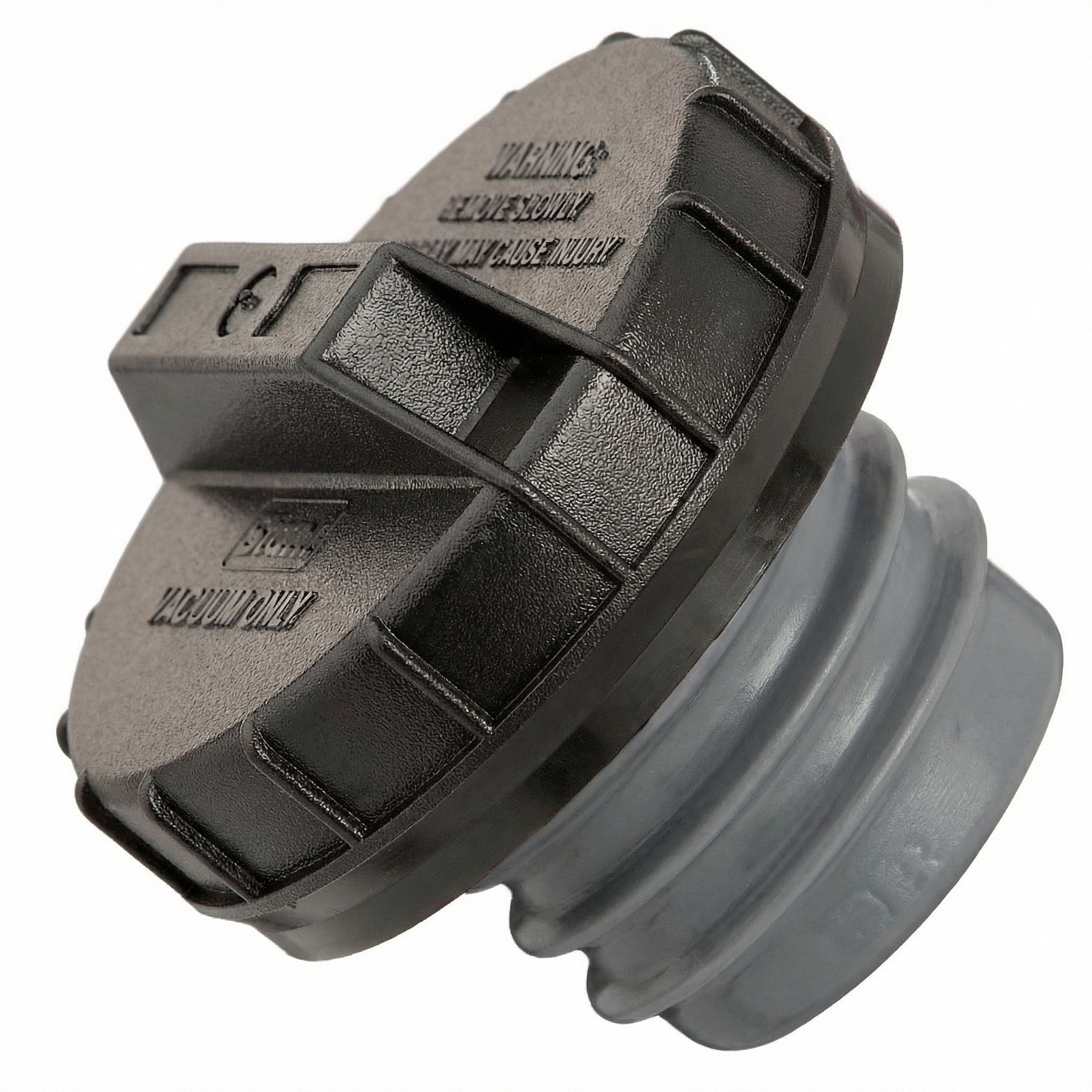
- Loose or Faulty Gas Cap 🔴 High Probability → Shop Fuel Tank Cap This is the most common cause for a P0455 code on any vehicle. The cap's seal can degrade over time, or it may simply not have been tightened correctly after refueling until it clicks. Using non-OEM caps is a frequent source of problems as they may not seal correctly.
How to confirm: Ensure the gas cap clicks at least once when tightened. Inspect the rubber seal on the cap for cracks, stiffness, or damage. A new OEM cap is a relatively inexpensive diagnostic step.
Typical fix: Tighten the cap until it clicks. If the seal is bad or the cap doesn't click, replace the gas cap with a new OEM part (Part No. 31010-3L600U) to ensure a proper seal.
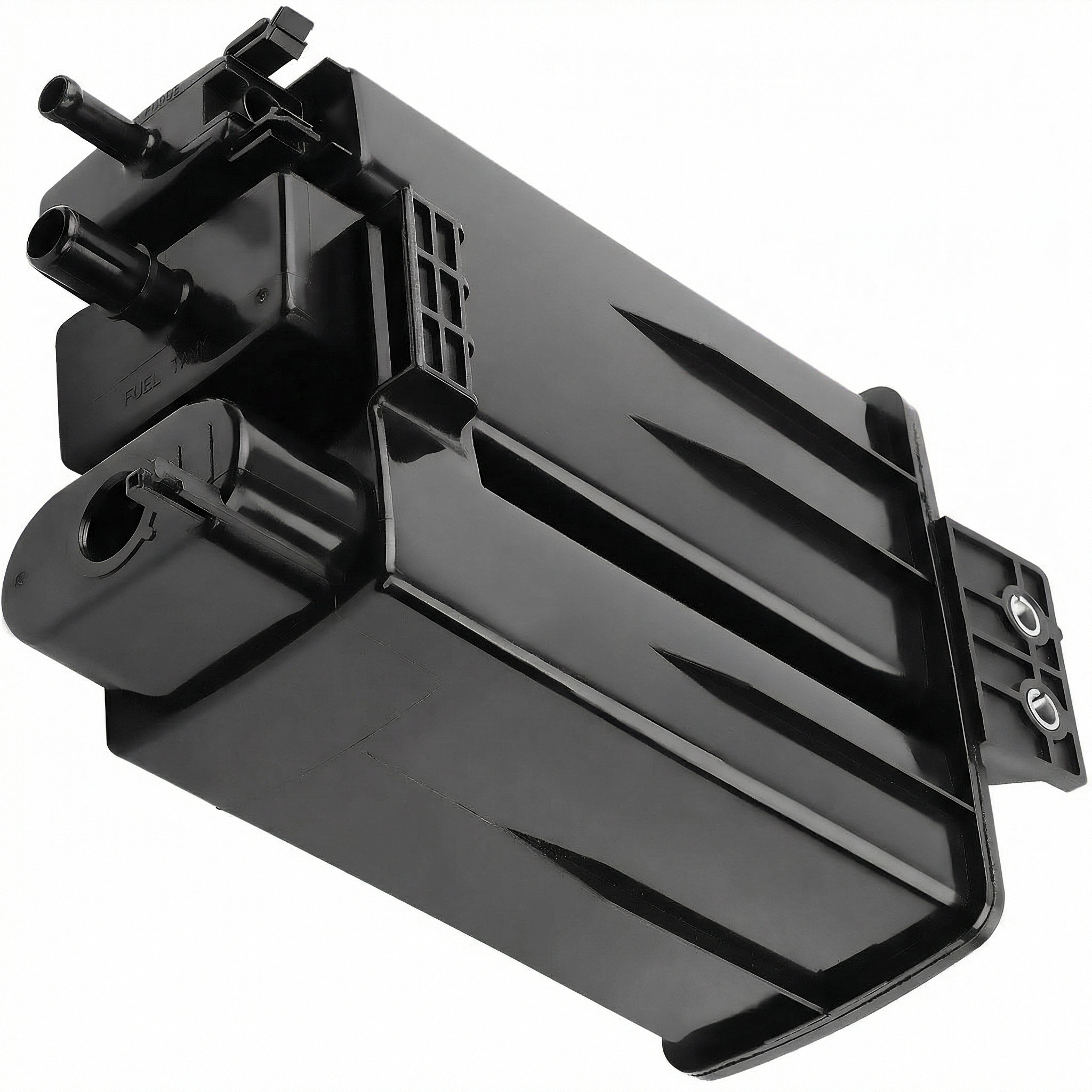
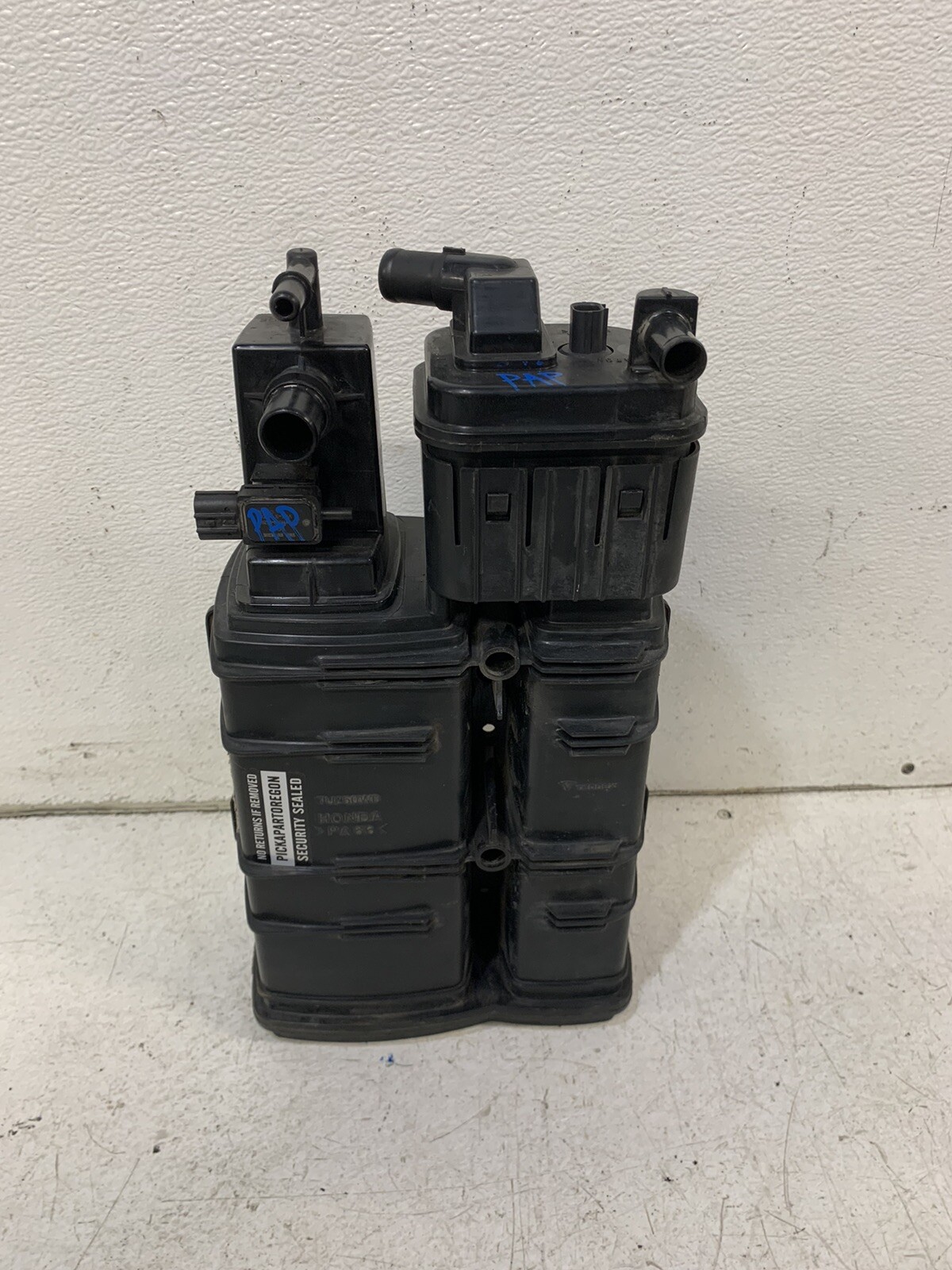
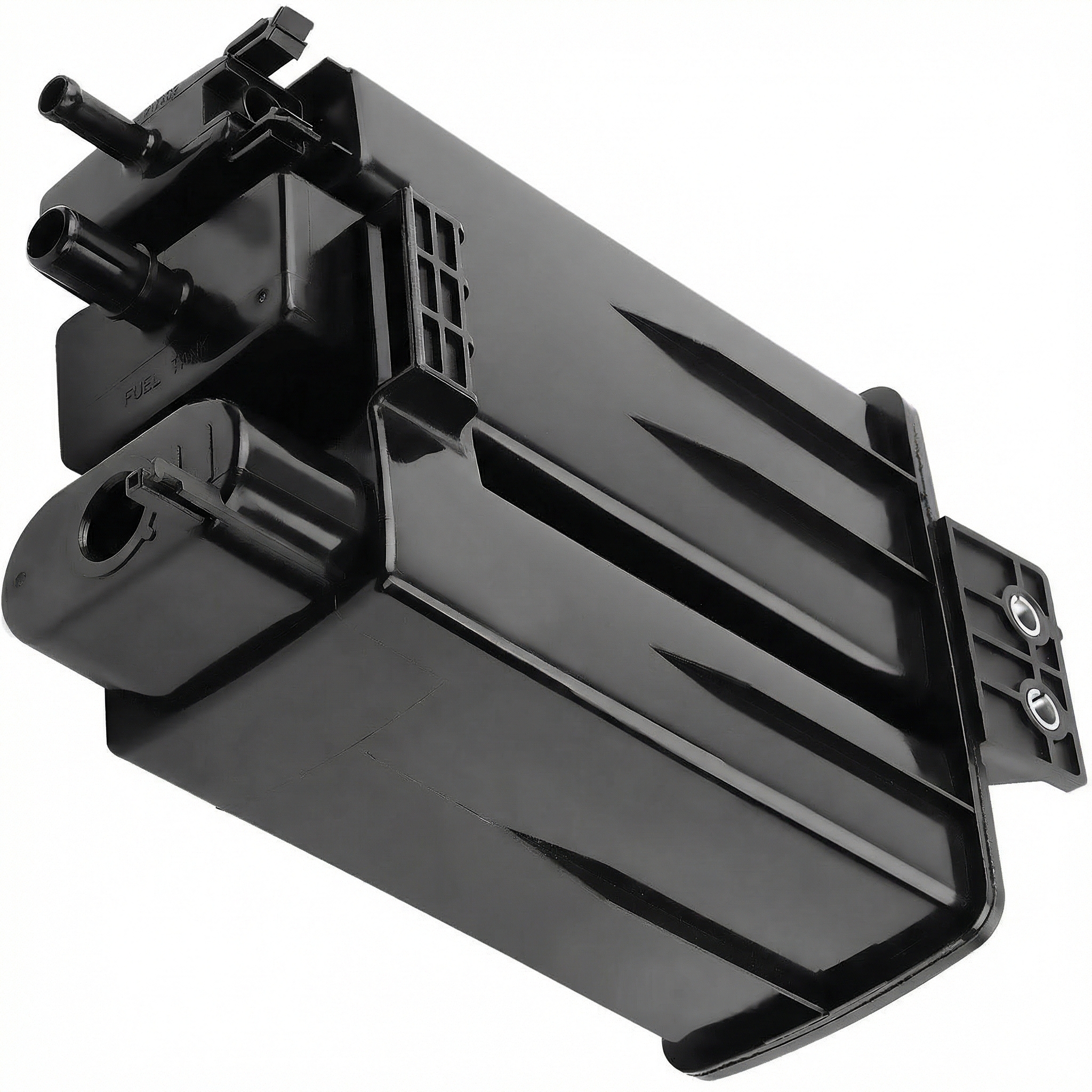
Est. part cost: $15-$40 - Faulty Canister Close Valve (CCV) 🔴 High Probability → Shop Vapor Canister A manufacturer TSB (#TSBFUE040) specifically identifies the CCV getting stuck open as a cause for P0455 on 2012-2017 Rio models. This is a very common failure point for this platform.
How to confirm: The CCV is a normally open valve that closes when commanded by the ECU during an EVAP test. The TSB identifies the improved part by its tan-colored port, versus the original black port. A visual inspection can confirm if you have the older part. A scan tool can command the valve to close for testing. It is located on the charcoal canister near the rear of the vehicle.
Typical fix: Replace the Canister Close Valve with the updated OEM part, number 31453-3K600FFF.
Est. part cost: $50-$150 - Faulty Purge Control Solenoid Valve (PCSV) 🟡 Medium Probability → Shop Vapor Canister Purge Solenoid This is a common failure point in many modern EVAP systems. The valve can get stuck open or closed, causing a leak. In a YouTube repair video for a 2013 Rio with P0455, this part was the ultimate culprit. 🎬 Watch: 2013 Rio P0455 repair and purge valve replacement walkthrough.
How to confirm: The purge valve is normally closed. With the engine off, disconnect the hose leading from the valve to the intake manifold and try to blow through it. If air passes through, the valve is stuck open and needs replacement. It is located in the engine bay, near the top of the engine, and is easy to access.
Typical fix: Replace the purge control solenoid valve. An example OEM part number is 28910-3C200.
Est. part cost: $20-$70 - Cracked or Disconnected EVAP Hoses ⚪ Low Probability Rubber hoses can become brittle and crack over time due to age and heat cycles, especially the lines connected to the purge valve in the engine bay and around the charcoal canister.
How to confirm: Visually inspect all accessible EVAP lines between the engine bay, fuel tank, and charcoal canister for obvious cracks, breaks, or loose connections. A smoke test is the most effective way to find a hard-to-see leak in the hose system.
Typical fix: Replace the damaged section of hose.
Est. part cost: $10-$50
Rare But Worth Checking
- Cracked Charcoal Canister: → Shop Vapor Canister The canister itself can be damaged by road debris or develop cracks from age, creating a large leak. This is less common than valve or hose failures, but often becomes a suspect after all valves have been replaced.
- Damaged Fuel Filler Neck: → Shop Fuel Filler Neck Rust or damage to the metal filler neck where the gas cap seals can prevent a proper seal, even with a new cap. A smoke test will clearly show smoke escaping from the gas cap area if this is the problem.
- Faulty Fuel Tank Pressure Sensor (FTPS): → Shop Fuel Tank While less common for a large leak code, a faulty FTPS can provide incorrect data to the ECU, causing it to believe there is a leak when none exists. One owner of a related Kia Soul with a P0455 code ultimately traced the issue to a bad FTPS after other parts were replaced.
Diagnosis Steps
- Read the code with an OBD-II scanner to confirm P0455 is present.
- Inspect the gas cap. Remove it, check the seal for damage, and reinstall it, ensuring it clicks shut. A non-clicking cap is faulty.
- As a cheap and easy first step, consider replacing the gas cap with a new OEM part (31010-3L600U), especially if it's old or the seal looks worn.
- Clear the code and perform a complete drive cycle. Note that simply disconnecting the battery will clear the light, but the underlying permanent code may remain, and the light will return once the EVAP monitor runs again, which can take days.
- If the light returns, visually inspect the engine bay for the Purge Control Solenoid Valve (PCSV). Check its connected hoses for cracks or disconnection. Test the valve by attempting to blow through it with the engine off; if air passes, it's faulty.
- Visually inspect the underside of the vehicle near the fuel tank for the charcoal canister and Canister Close Valve (CCV). Check for any obvious damage or disconnected hoses. Note the color of the CCV port; if it's black, it's the older, failure-prone part.
- Given the high probability from TSB #TSBFUE040, replacing the CCV (updated part 31453-3K600FFF) is a strong next step for 2012-2017 models if the gas cap and purge valve are confirmed good.
- If the cause is still not found, a smoke test is the most definitive diagnostic procedure. This involves feeding pressurized smoke into the EVAP system (usually via the purge valve line) to visually identify the location of the leak 🎬 Watch: A deep dive into EVAP leak causes, symptoms, and repairs. from any hose, the canister, or the filler neck.
Parts You'll Likely Need
- Fuel Cap
(OEM #31010-3L600U)— This is the most frequent and cheapest potential fix for a large EVAP leak due to a worn seal or not being tightened properly. Aftermarket caps are a known source of issues.
Trusted brands: Kia (OEM), Gates, Stant
OEM price range: $25-$40
Aftermarket price range: $15-$25 - Canister Close Valve (CCV)
(OEM #31453-3K600FFF (Improved Part))— A known failure point on 2012-2017 models that causes this specific code, as documented in Kia TSB #TSBFUE040. The original part (often 31453-3K600) is superseded by this improved version.
Trusted brands: Kia (OEM), Bosch, Standard Motor Products
OEM price range: $60-$100
Aftermarket price range: $30-$70 - Vapor Canister Purge Valve / Solenoid
(OEM #28910-3C200)— A common failure item in the EVAP system that can get stuck open, causing a large leak. It's located in the engine bay and is relatively easy to replace.
Trusted brands: Kia (OEM), Delphi, Dorman
OEM price range: $40-$70
Aftermarket price range: $20-$50
Related Codes That Often Appear With This One
- P0456 — P0456 indicates a 'small' EVAP leak. The same faulty component, like the CCV mentioned in TSB #TSBFUE040, can cause either a large or small leak code depending on the severity of the failure at the time of the test.
- P0442 — P0442 indicates a 'medium' EVAP leak. It often shares the same causes as P0455, and TSB #PS469 groups these codes together for diagnostic procedures.
Technical Service Bulletins (TSBs) & Recalls
- TSBFUE040: Addresses P0455 and P0456 codes on 2012-2017 Rio vehicles caused by a stuck-open Canister Close Valve (CCV). Specifies the production date range and the new part number for the fix.
- PS469: Recommends a manual EVAP test (i.e., a smoke test) for hard-to-find leaks when codes like P0442, P0455, or P0456 are present and a system self-test is inconclusive.
Platform-Specific Known Issues
- A Technical Service Bulletin (TSB #TSBFUE040) was issued for 2012-2017 Kia Rio models (produced June 21, 2011, through March 28, 2016) due to the Canister Close Valve (CCV) sticking open, which directly triggers DTCs P0455 and P0456. The bulletin advises replacing the old CCV (black port) with an improved part (tan port, P/N 31453-3K600FFF).
Mechanic-Grade Diagnostic Values
- Fuel Tank Pressure Sensor (FTPS) Signal Voltage — expected: With Key On, Engine Off (KOEO) and the gas cap removed, the voltage should be within the vehicle's specific range per the service manual.. Failure: If the voltage is outside the specified range, and the 5V reference and ground are confirmed good, the FTPS is likely faulty.
- EVAP System Restriction Test — expected: After starting the engine and manually grounding the Purge Control Solenoid Valve (PCSV) control wire for 25 seconds, the FTPS signal voltage should be greater than 1.5V.. Failure: If the FTPS voltage drops below 1.5V during the test, it indicates a restriction in the EVAP system (e.g., rollover valve, charcoal canister, CCV, or lines).
Scan Tool Commands That Help
- Kia GDS (Global Diagnostic System) or equivalent advanced scanner: EVAP Leakage Test — This is a forced, bidirectional test used to command the EVAP system's self-test to run on demand in a service bay, rather than waiting for the specific drive cycle conditions to be met. It helps confirm if a repair was successful or to diagnose an intermittent issue.
Wiring & Ground Locations
- Purge Control Solenoid Valve (PCSV) Control Pin — On the 2013 Rio, this is Pin 15 on the Engine Control Module (ECM) connector.. This is the specific pin a technician would test for a control signal from the ECM to the PCSV. A lack of signal or a short on this wire could prevent the valve from operating correctly, mimicking a faulty valve.
- Canister Close Valve (CCV) Control Pin — On the 2013 Rio, this is Pin 77 on the Engine Control Module (ECM) connector EGGG-AK.. This is the pin that sends the ground signal to close the normally-open CCV during an EVAP test. A fault in this circuit would prevent the valve from closing, guaranteeing a P0455 leak code.
Real Owner Repair Stories
- YouTube channel 'Epic Help' (2013 Kia Rio) — Check engine light with code P0455 and a noticeable smell of gasoline from the front of the vehicle. The gas cap also did not 'click' when tightened.
❌ Tried (didn't work) The owner diagnosed the issue as the purge valve first due to the gas smell location, so no other parts were tried before the fix.
✅ What actually fixed it The problem was solved by replacing the Vapor Canister Purge Solenoid Valve located in the engine bay. The owner also replaced the non-clicking gas cap as a preventative measure. After one week, the check engine light was off, the gas smell was gone, and fuel mileage had slightly increased.
"I Checked Everything" — The Actual Cause
- In cases where the EVAP self-test results in 'No Trouble Found' (NTF) or a smoke test does not reveal a physical leak, Kia provides a manual electrical test procedure. This points to the cause being a faulty sensor or a flow restriction rather than a simple leak. The procedure involves monitoring the Fuel Tank Pressure Sensor (FTPS) voltage while manually commanding the Purge Valve and Canister Close Valve. An incorrect voltage response under these controlled conditions can identify a faulty FTPS or a restriction in a line or canister that a smoke test might not show.
OEM Part Supersession History
31453-3K600→31453-3K600FFF— The original part with a black electrical port was prone to sticking open. The improved part has a tan-colored port and uses a better rubber seal material to prevent failure.
Model Year Variations Within This Range
- 2011 vs 2012-2017: The EVAP system components changed between the 2nd generation (JB, through 2011) and 3rd generation (UB, 2012-2017) Rio. Part catalogs show a different Vapor Canister Assembly for the 2005-2011 models versus the 2012-2017 models. The TSB for the faulty Canister Close Valve (CCV) specifically applies only to the 2012-2017 (UB) models.
- 2011 vs 2012+: The Purge Control Solenoid Valve (PCSV) part number may differ. Some part listings show part number 28910-26900 fitting up to 2012 models, while part number 28910-3C200 is specified for 2012-2017 models, indicating a potential change during the 2012 model year.
Helpful Videos
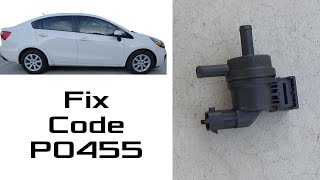
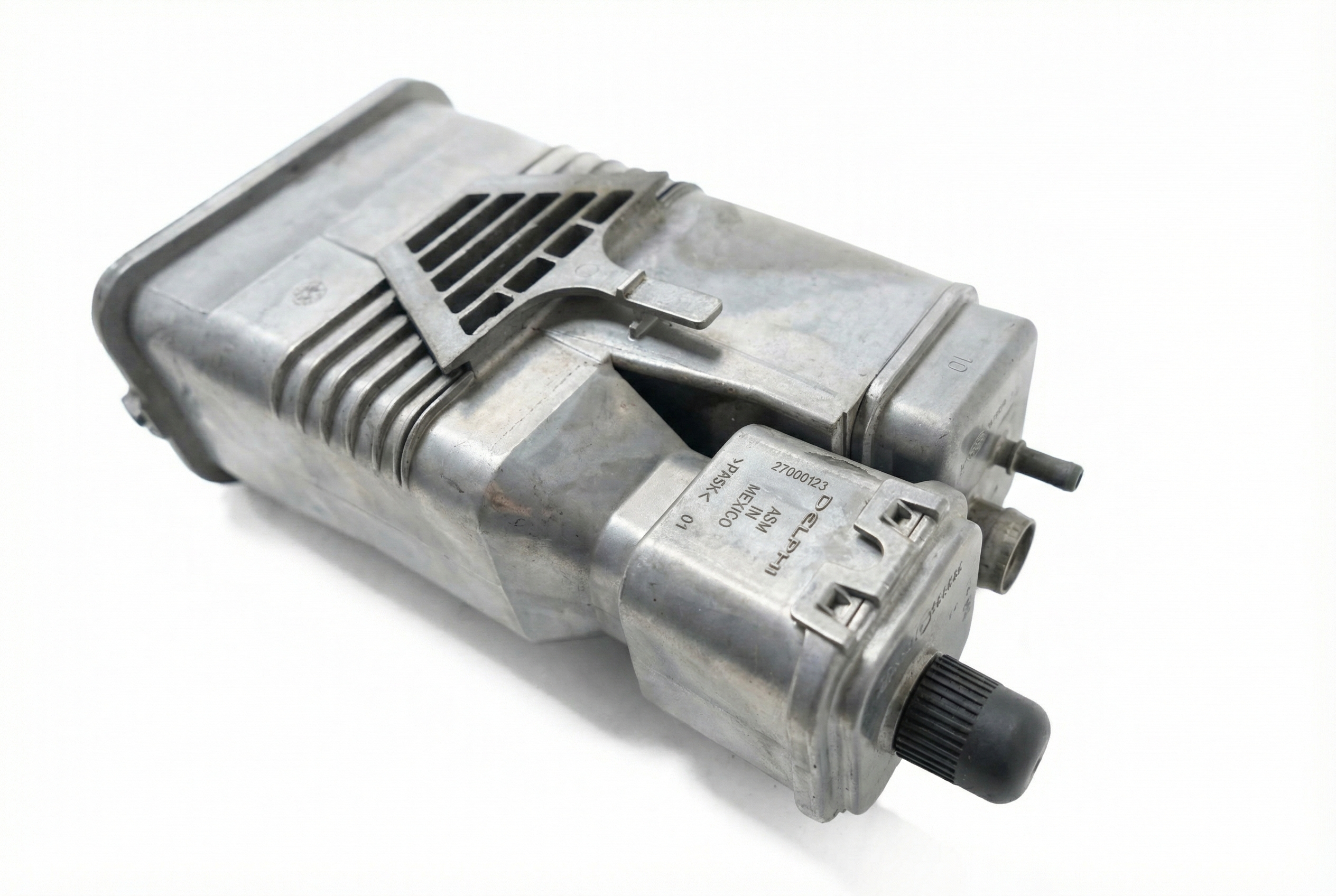
Used OEM Parts in Stock
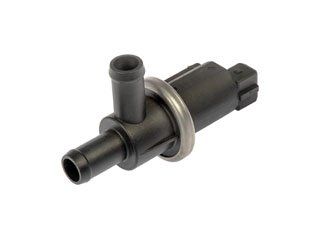
New Aftermarket Parts Available


The information in this article is provided for general reference and educational purposes only. Vehicle specifications, procedures, and part compatibility can vary by production date, trim level, and region. Always consult your vehicle's factory service manual and verify part numbers before purchasing or performing repairs. Safety-critical components such as airbags, seat belts, and braking systems should be installed by a qualified professional.
- Kia RIO:
- 🎬 Helpful Videos
- 🛍️ Shop This Part
- What's Unique About the 2011-2017 Kia RIO
- Symptoms You May Notice
- Most Likely Causes
- Rare But Worth Checking
- Diagnosis Steps
- Parts You'll Likely Need
- Related Codes That Often Appear With This One
- Technical Service Bulletins (TSBs) & Recalls
- Platform-Specific Known Issues
- Mechanic-Grade Diagnostic Values
- Scan Tool Commands That Help
- Wiring & Ground Locations
- Real Owner Repair Stories
- "I Checked Everything" — The Actual Cause
- OEM Part Supersession History
- Model Year Variations Within This Range
- 🎟️ Get 5% Off