

P0455 on 2016-2020 Kia Sorento: EVAP Large Leak Causes and Fixes
This code means a large leak is detected in your fuel vapor system. The most common cause is a loose or faulty gas cap. If that's not it, the purge control valve or canister close valve are the next most likely culprits. An OEM gas cap is under $30, while other valve repairs can cost $100-$300.
- Always start by checking the gas cap. Ensure it's tight and the seal is in good condition. This fixes the problem more than 50% of the time.
- If your Sorento is difficult to start right after you get gas, the Purge Control Solenoid Valve (PCSV) in the engine bay is the most likely culprit.
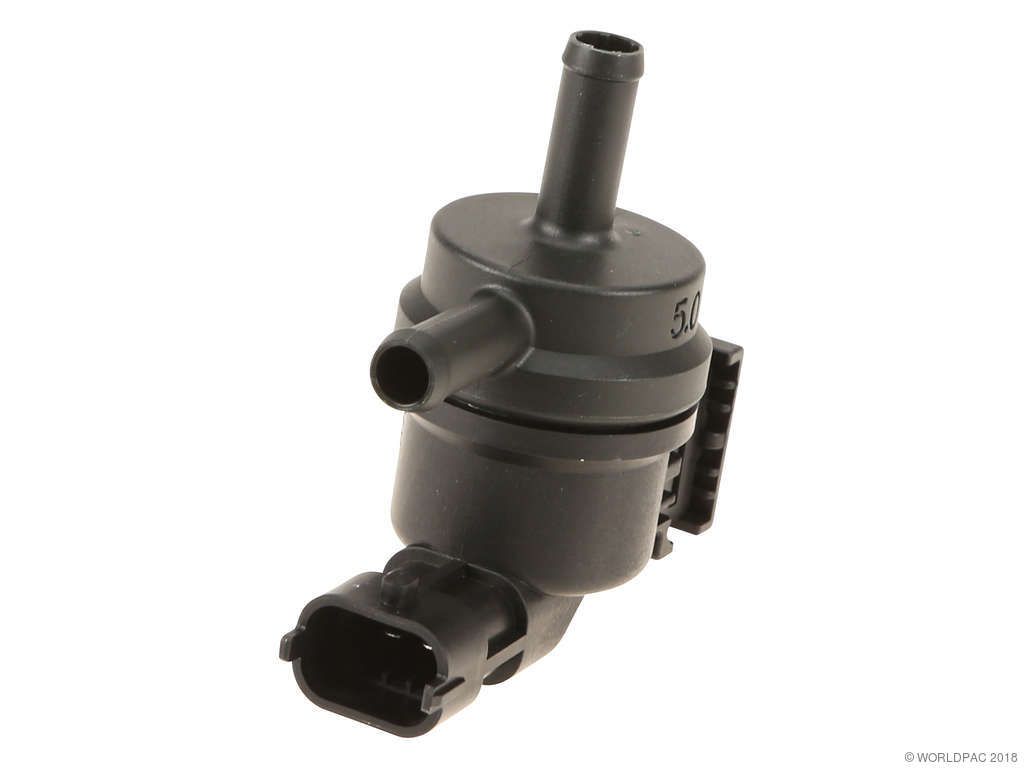
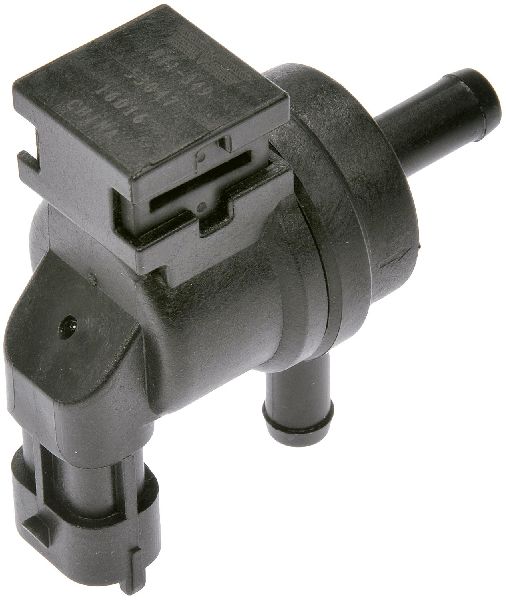
- If the gas cap and purge valve are good, the next part to check is the Canister Close Valve (CCV) under the rear of the vehicle.
- Do not replace any parts without confirming the leak. If the cause isn't obvious, a smoke test is the fastest and most accurate way to find the source of the leak, saving you money on unnecessary parts.
What's Unique About the 2016-2020 Kia Sorento
For this generation of Sorento, the P0455 code follows a common pattern of failures seen across many Kia and Hyundai vehicles. The primary culprits are often basic components like the gas cap, the engine-bay-mounted purge valve, or the under-vehicle canister close valve. While the code itself is standard, Kia has issued a voluntary service campaign for 2016-2018 Sorento models with the 2.0L Turbo engine to install an auxiliary evaporative canister to improve system performance. Owners frequently solve this code with simple, inexpensive part replacements before needing a professional smoke test. The platform-mate Hyundai Santa Fe experiences identical P0455 failure patterns.
🎬 See a professional diagnose a large leak on this platform. 🎬 Watch this quick guide on fixing Kia gross EVAP leaks.Symptoms You May Notice
- Check Engine Light is on
- A faint to strong fuel odor near the vehicle
- Difficulty starting the engine immediately after refueling (points to a stuck-open purge valve)
- Replacing the fuel tank pressure sensor. This sensor rarely fails and will typically set its own specific trouble codes (e.g., P0452, P0453) if it malfunctions.
Most Likely Causes
- Loose, Damaged, or Incorrect Gas Cap 🔴 High Probability → Shop Fuel Tank Cap This is the most common cause for any vehicle. The seal on the cap can degrade over time, or an aftermarket cap may not seal correctly. It is the first and easiest thing to check.
How to confirm: Ensure the cap is tightened until it clicks at least once. Inspect the rubber O-ring or seal on the cap for cracks, stiffness, or damage. If it looks worn, replace it. Many forum users report that even if the cap looks fine, replacing it with a genuine OEM part solves the problem.
Typical fix: Tighten or replace the gas cap. It is highly recommended to use a genuine OEM Kia gas cap for a guaranteed proper seal.
Est. part cost: $15-$35 - Faulty Purge Control Solenoid Valve (PCSV) 🟡 Medium Probability → Shop Vapor Canister Purge Solenoid This valve is frequently activated and can fail over time, commonly getting stuck open. It's a well-documented failure point on Kia/Hyundai vehicles.
How to confirm: The PCSV is located in the engine bay. A key symptom is difficulty starting after refueling. To test, disconnect the valve's hoses and try to blow through it with the engine off. If air passes through, the valve is stuck open and must be replaced.
Typical fix: Replace the Purge Control Solenoid Valve. This is a relatively simple DIY job.
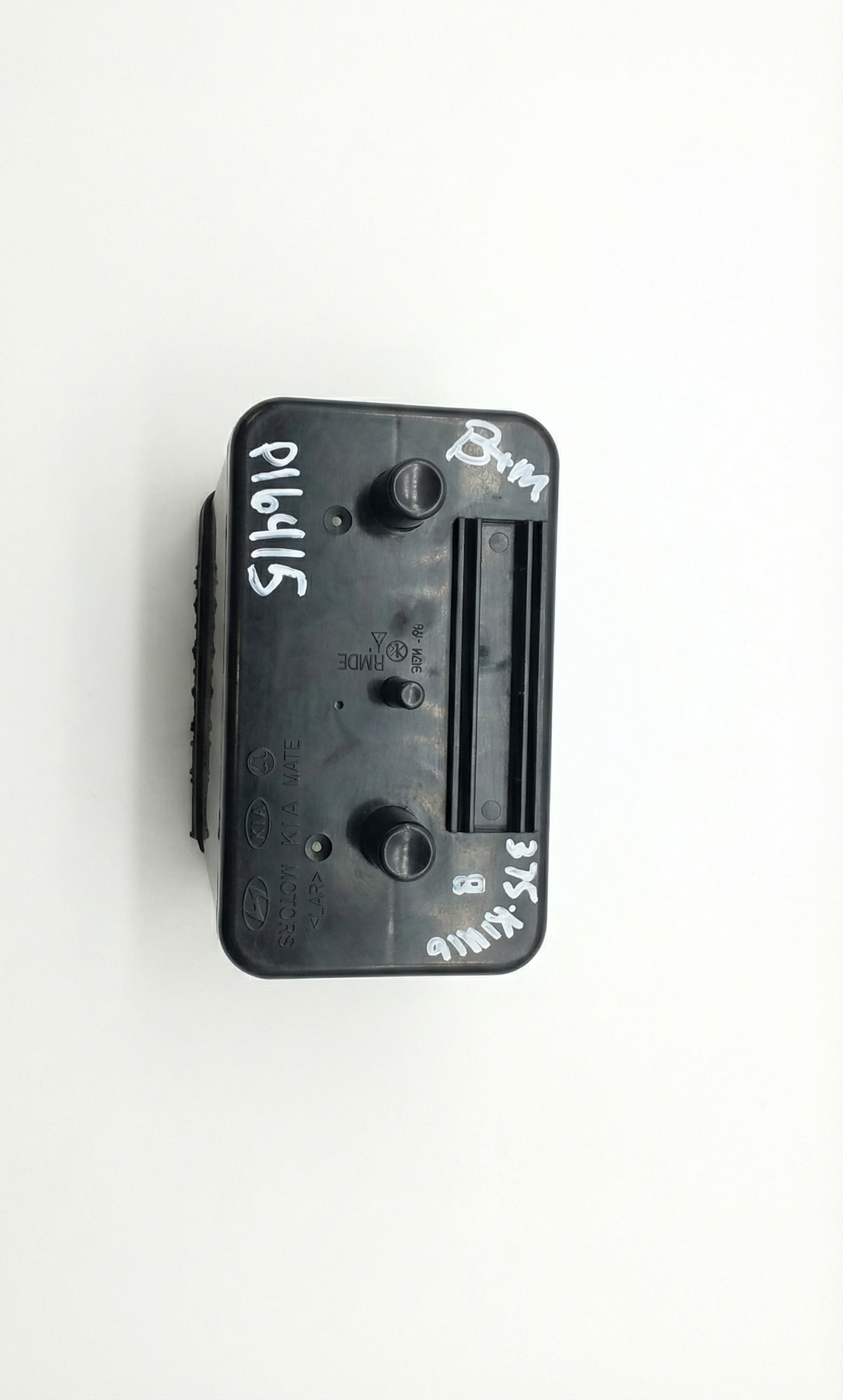
Est. part cost: $40-$80 - Faulty Canister Close Valve (CCV) / Vent Valve 🟡 Medium Probability → Shop Vapor Canister This valve is located under the car near the charcoal canister, making it susceptible to corrosion and road debris, which can cause it to stick open or fail electronically.
How to confirm: The valve can be tested by applying 12V power to its connector; it should click and close, not allowing air to pass. A smoke test is the most effective way to confirm a leak at the CCV. A failed valve may be stuck open. Resistance across the two pins should be between 20-40 Ω.
Typical fix: Replace the Canister Close Valve.
Est. part cost: $50-$100 - Cracked or Disconnected EVAP Hose ⚪ Low Probability Rubber hoses can become brittle and crack with age and exposure to heat cycles. The lines connecting the purge valve, canister, and tank are all potential failure points.
How to confirm: Visually inspect all accessible EVAP hoses in the engine bay and under the vehicle for obvious cracks or disconnections. A smoke test is the most reliable method to find a small crack or a leak in a hard-to-see area.
Typical fix: Replace the damaged section of hose.
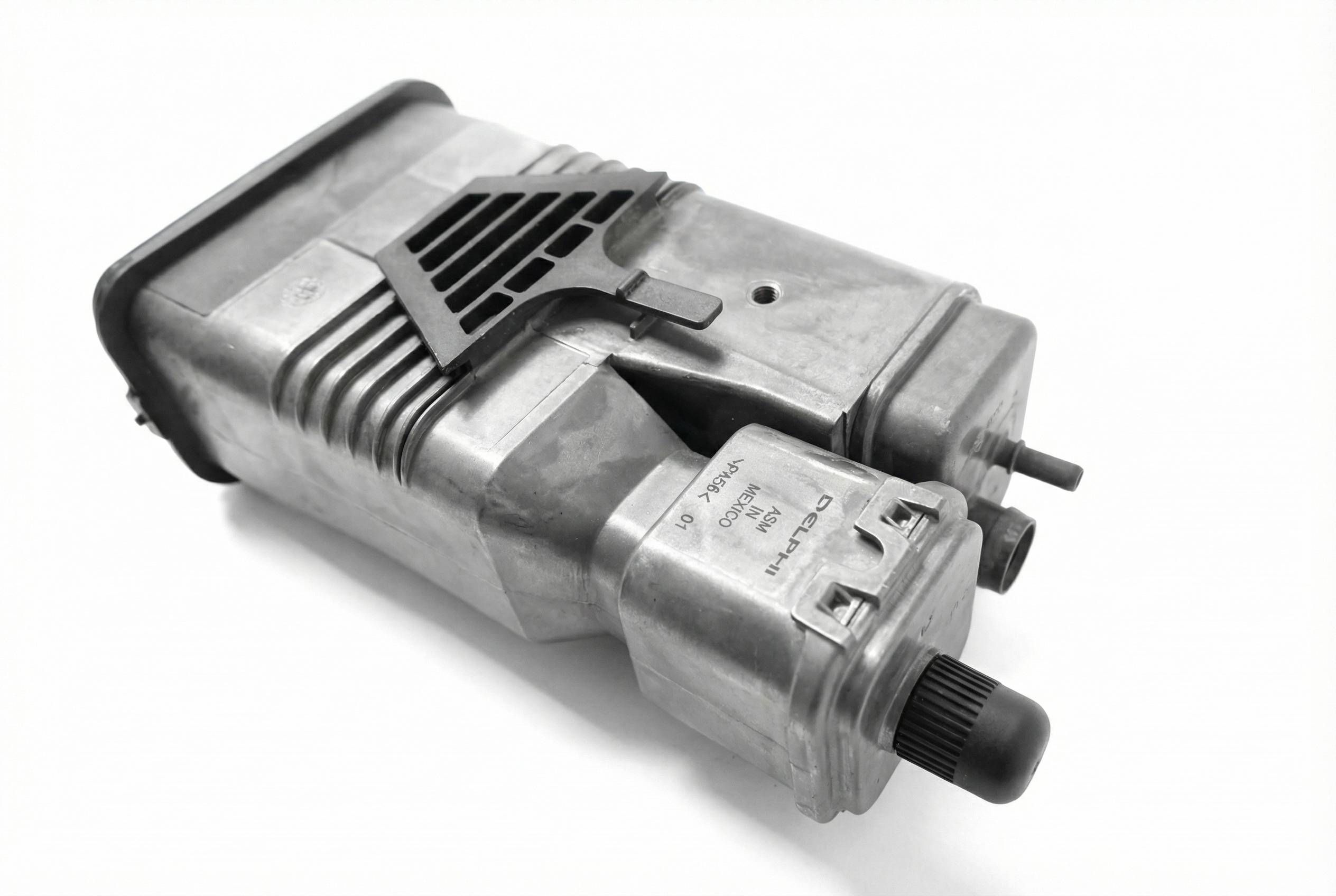
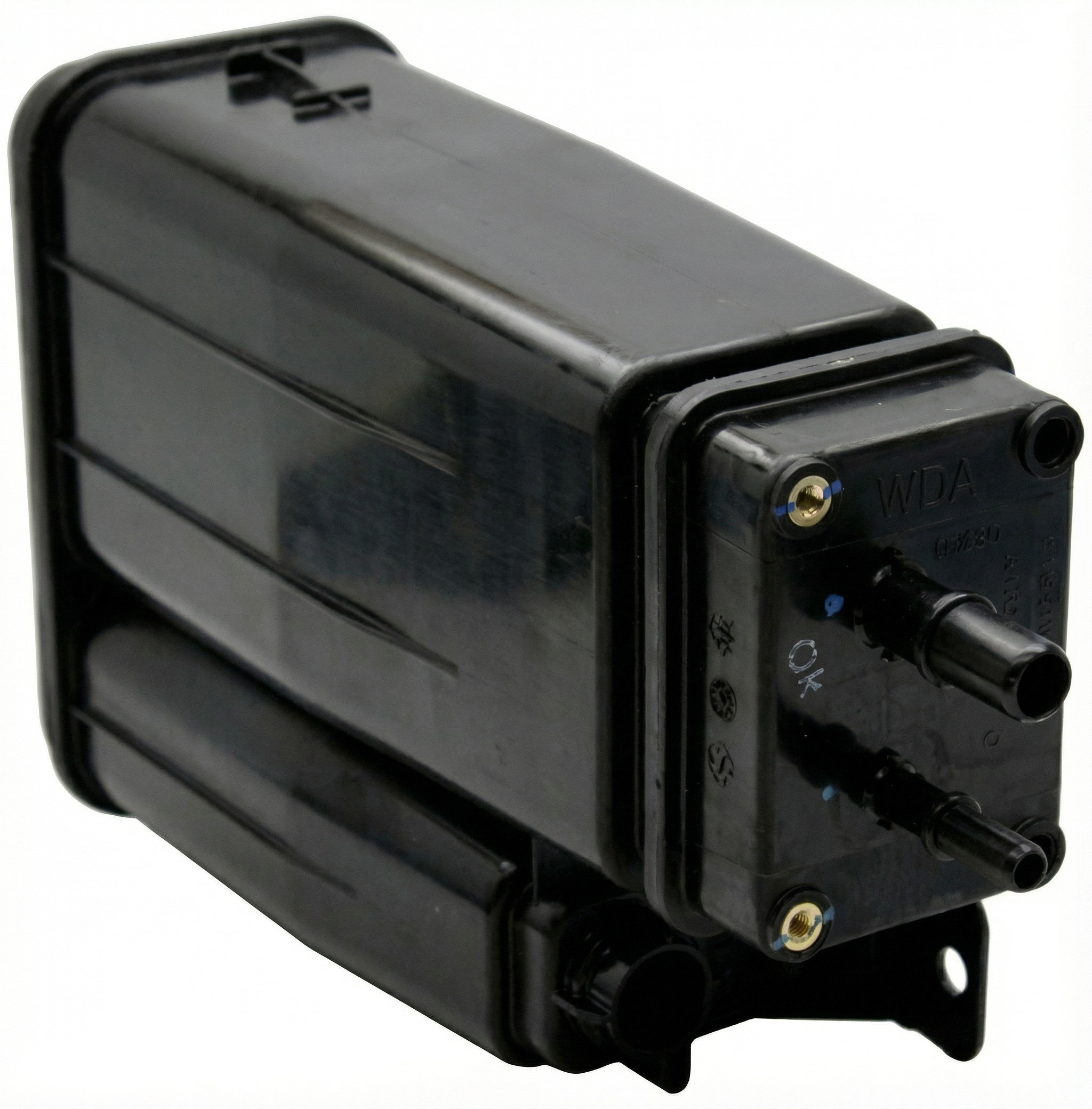
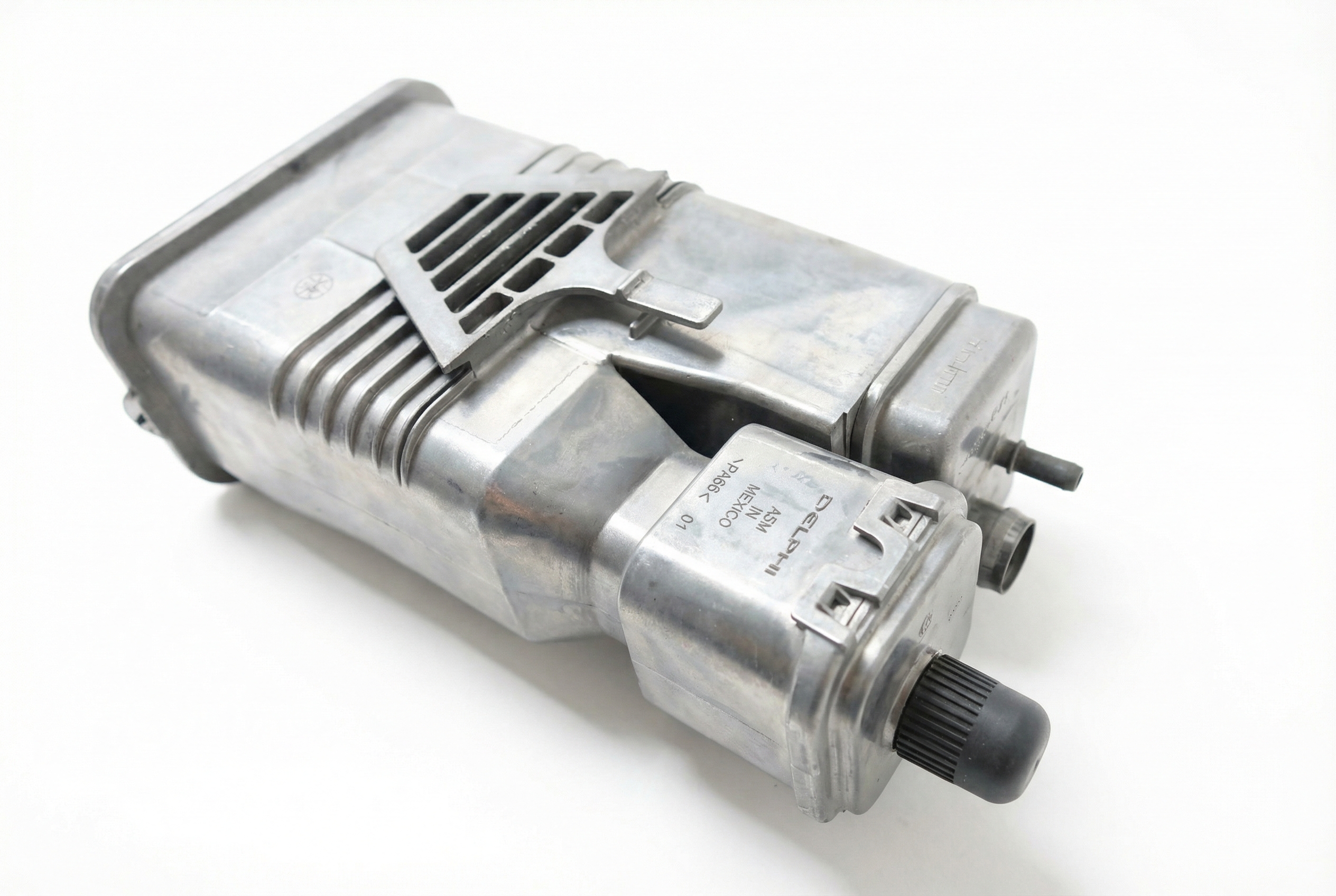
Est. part cost: $10-$50 - Cracked Charcoal Canister ⚪ Low Probability → Shop Vapor Canister A Kia TSB for other models notes that in 'salt belt' states, the canister's mounting bracket can corrode, leading to stress and cracks in the canister housing. It can also be damaged by road debris. Forum users on Reddit have pointed to this as a common cause on similar Kia models.
How to confirm: Visually inspect the canister (located near the fuel tank) for physical cracks or damage. A smoke test will show smoke billowing from the canister body if it is cracked.
Typical fix: Replace the charcoal canister assembly.
Est. part cost: $150-$300
Rare But Worth Checking
- Leaking Fuel Tank Lock Ring: → Shop Fuel Tank On a previous generation Sorento, a leaking seal for the fuel pump/sending unit lock ring was found to be the cause of a P0455 code. This is less common but possible if other components check out.
- Faulty Fill Level Limit Valve (FLLV): Kia TSB FUE033 was issued for the 2014-2015 Sorento for this valve inside the fuel tank causing P0455. While for the prior generation, it's a known, if rare, possibility. The fix requires accessing the fuel pump assembly.
- Cracked Fuel Filler Neck: → Shop Fuel Filler Neck In regions that use road salt, the metal pipe leading from the gas cap to the fuel tank can rust and develop holes, creating a large EVAP leak that will trigger P0455.
Diagnosis Steps
- Read the code with an OBD-II scanner to confirm P0455 is the only code present.
- Inspect the gas cap. Remove it, check the seal for damage, and reinstall it, ensuring it clicks several times. Clear the code and drive for a few days. If the code does not return, the problem is solved. Many owners recommend simply replacing it with an OEM cap as the first step.
- If the code returns, perform a visual inspection of the EVAP hoses in the engine bay and leading back to the fuel tank. Look for any obvious cracks, disconnections, or rot.
- Test the Purge Control Solenoid Valve (PCSV) in the engine bay. If the vehicle is hard to start after refueling, this part is highly suspect. Disconnect it and attempt to blow through it; if air passes, it's faulty and needs replacement.
- Inspect the Canister Close Valve (CCV) and charcoal canister under the vehicle, near the rear axle. Check for visible cracks or heavy corrosion. The CCV can be tested with a 12V power source to see if it actuates.
- If the leak source is still not found, the most effective next step is to have a professional (or use a DIY kit) perform a smoke test. This involves injecting harmless, visible smoke into the EVAP system to quickly and accurately reveal the leak's location.
Parts You'll Likely Need
- Fuel Filler Cap
(OEM #31010-3L600)— This is the most frequent cause due to a worn seal or not being tightened properly. An OEM cap is strongly recommended as aftermarket versions can be unreliable.
Trusted brands: Kia (Genuine OEM)
OEM price range: $20-$35
Aftermarket price range: $10-$20 - Purge Control Solenoid Valve (PCSV)
(OEM #28910-2S000)— A common failure item that gets stuck open, causing a constant vacuum leak and often making the car hard to start after getting gas. Note: Part number may vary by engine; 28910-3C200 is also used on this platform, likely for the V6.
Trusted brands: Kia (Genuine OEM), Dorman, Standard Motor Products, SKP
OEM price range: $50-$90
Aftermarket price range: $30-$60 - Canister Close Valve (CCV)
(OEM #31453-3Q500)— This valve, located under the vehicle, fails due to exposure to moisture and road salt, causing it to stick open. It has been superseded by part number 31453-3K600FFF.
Trusted brands: Kia (Genuine OEM), Dorman, SKP
OEM price range: $60-$110
Aftermarket price range: $40-$80
Technical Service Bulletins (TSBs) & Recalls
- TIOSl05l: A Kia Tech Tip for a 2012 Sorento with P0455 directs technicians to test the Purge Solenoid Valve (PSV).
- SC135: While for other Kia models, this bulletin highlights a known issue where corroded canister mounting brackets in salt-belt states can cause the charcoal canister to crack, triggering P0455.
- FUE033: This TSB for the 2014-2015 Sorento identifies a faulty Fill Level Limit Valve (FLLV) inside the fuel tank as a cause for P0455, offering a specific repair procedure.
- Voluntary Emissions Service Campaign SC209: For certain 2016-2018 Sorento models with the 2.0L Turbo-GDI engine, Kia initiated a campaign to install an auxiliary evaporative canister to improve EVAP system performance and ensure emissions compliance.
- Bulletin #TSB-FUE033: This manufacturer record notes that some vehicles may exhibit a Malfunction Indicator Light (MIL) with DTC P0455, and provides a procedure to correct the concern without needing to replace the fuel tank.
- Bulletin #TT051: A manufacturer tech tip suggests testing the functionality of the PSV (purge solenoid valve) and monitoring EVAP test results and CARB readiness monitors to resolve P0455.
Platform-Specific Known Issues
- Cracked Purge Valve Nipple: → Shop Vapor Canister Some owners on forums like Kia-Forums.com have found that the plastic nipple on the purge valve itself can crack, creating a leak right at the source. This is often discovered during a smoke test.
- Rodent Damage to Soy-Based Wiring: Like many modern vehicles, the Sorento uses soy-based wire insulation, which can attract rodents. Chewed wires on the EVAP system components, such as the CCV or pressure sensor, can cause electrical faults that trigger a P0455 code.
Mechanic-Grade Diagnostic Values
- Canister Close Valve (CCV) coil resistance — expected: 20-40 Ω. Failure: A reading outside this range (e.g., open circuit or short) indicates a failed coil.
- Canister Close Valve (CCV) function test — expected: Valve should click and seal (preventing air flow) when 12V is applied.. Failure: If the valve does not actuate or fails to seal when power is applied, it is faulty.
Scan Tool Commands That Help
- Professional Scan Tool (e.g., Kia GDS): EVAP System Leak Test / Actuator Test — After checking the gas cap, a technician can use a bidirectional scan tool to command the purge valve and canister close valve to seal the system. The tool then monitors the fuel tank pressure sensor to see if the system holds a vacuum. This can confirm a leak is present without a smoke machine and can also test the functionality of the valves themselves.
Wiring & Ground Locations
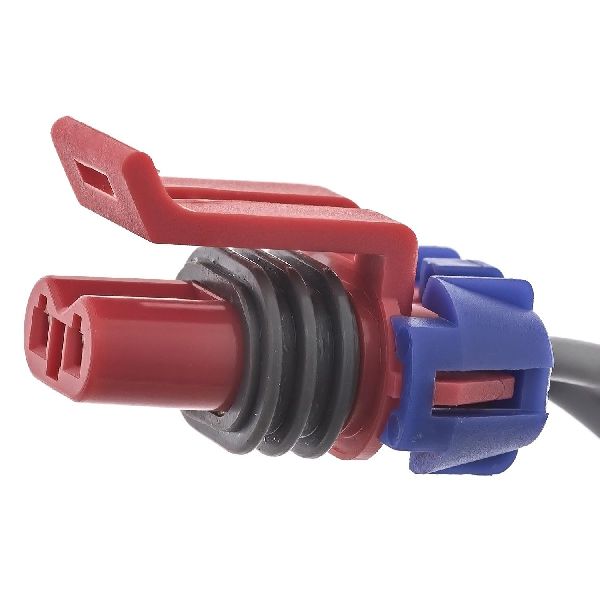
- Canister Close Valve (CCV) Connector — Under the rear of the vehicle, connected to the valve which is mounted on or near the charcoal canister.. This 2-pin connector is exposed to road debris and moisture. Corrosion or damage to the connector or its wiring can prevent the valve from sealing the EVAP system, directly causing a P0455 leak.
- Purge Control Solenoid Valve (PCSV) Connector — In the engine bay, connected to the purge valve, which is typically mounted on or near the intake manifold.. This 2-pin, 14-gauge wire connector provides power to the purge valve. A loose connection or damaged wiring here can cause the valve to malfunction, though it more commonly leads to circuit codes (like P0443) rather than a large leak code.
Real Owner Repair Stories
- YouTube user 'blainenojiri' (Kia (model not specified, but common EVAP design)) — Check Engine Light with code P0455, failed smog test.
❌ Tried (didn't work) Initial assumption was a leak in the lines.
✅ What actually fixed it The Canister Close Valve (solenoid on the EVAP canister) was faulty. The old part would not actuate/seal when 12V power was applied, while the new part did. Replacing this valve solved the P0455 code and allowed the vehicle to pass its smog inspection. - YouTube user 'Sean Miller' (2010 Kia Sorento (older generation, but relevant issue)) — Check Engine Light with code P0455, large EVAP leak.
❌ Tried (didn't work) Smoke tested the front of the system (purge valve area) with no leaks found., Checked the canister and vent valve, which appeared to work correctly.
✅ What actually fixed it A smoke test revealed a leak from the fuel pump lock ring on top of the gas tank. Replacing the sending unit and lock ring seal fixed the large leak.
"I Checked Everything" — The Actual Cause
- In some cases, a P0455 can persist even after a smoke test shows no leaks. This can happen if the leak is intermittent, such as a Canister Close Valve that only sticks open sometimes. Another possibility is a faulty Fuel Tank Pressure (FTP) sensor that is giving an incorrect reading, tricking the ECU into thinking there is a leak when there isn't. However, this scenario is rare as a faulty FTP sensor usually sets its own specific code.
When the Usual Fixes Don't Work
- While most P0455 codes on this vehicle are resolved by replacing the gas cap, purge valve, or canister close valve, it is not always a simple fix. A Reddit user with a 2019 Sorento 2.4L reported replacing all three of these common components with OEM parts, yet the code persisted. This highlights that in some instances, the leak may be in a less common location, such as a cracked hose, the fuel filler neck, or the fuel pump seal, requiring a thorough smoke test to pinpoint.
OEM Part Supersession History
31453-3Q500→31453-3K600FFF— The Canister Close Valve was updated by Kia. The new part is the current replacement.28910-2S000 (for 2.4L I4)→28910-3C200 (for 3.3L V6)— Part variation by engine. These are not interchangeable.
Heads up: The Purge Control Solenoid Valve is engine-specific. The part for the 4-cylinder engine (2.4L) is different from the one used on the V6 (3.3L). Using the wrong part can lead to improper fitment or incorrect purge flow, failing to resolve the code.
Model Year Variations Within This Range
- 2016-2018: Sorento models equipped with the 2.0L Turbo-GDI engine were subject to a Voluntary Emissions Service Campaign (SC209). Dealers were instructed to install an auxiliary evaporative canister kit to improve the EVAP system's performance. Owners of these specific models should check if this campaign was performed.
- 2019-2020: The 2.0L Turbo engine was discontinued after the 2018 model year as part of the 2019 facelift. Diagnostics on 2019-2020 models will only involve the 2.4L I4 or 3.3L V6 engines.
Diagnostic Flowchart
Other Known Issues on This Vehicle
Issues unrelated to this code that are worth knowing about as an owner of this generation:
- Theta II GDI Engine Failure 🔴 High — Widespread across 2.0L and 2.4L engines, typically between 60,000-120,000 miles. Led to a massive class-action lawsuit and recalls. (Ref: Multiple recalls (e.g., 17V-224) and a class-action settlement providing lifetime warranties for the engine short block for certain failures.)
- Excessive Oil Consumption 🔴 High — Common on the 2.4L GDI engine, often starting around 80,000-100,000 miles. Can be over 1 quart per 1,000 miles. (Ref: Kia has Technical Service Bulletins (TSBs) outlining an oil consumption test procedure. If consumption is confirmed, engine replacement may be covered under the engine settlement warranty.)
- Faulty Knock Sensor Detection System (KSDS) 🟠 Medium — The software update intended to detect impending engine failure can be overly sensitive, putting the car into limp mode unnecessarily. (Ref: Part of the engine recall/settlement campaign (e.g., PI1802, PI1803).)
- Trailer Hitch Wiring Fire Risk 🔴 High — Affects vehicles with the factory or dealer-installed tow hitch wiring harness. Moisture can short the module, causing a fire even when the vehicle is off. (Ref: NHTSA Recall 22V612000)
- Cracked Crankshaft (3.3L V6) 🔴 High — Affects a specific batch of 2017 models where the crankshaft was not properly heat-treated, leading to potential fracture and catastrophic engine failure. (Ref: NHTSA Recall 17V224000)
- Sticky Steering Wheel 🟡 Low — Reported in 2016-2018 models, the steering can feel like it's sticking in the straight-ahead position, requiring extra force to initiate a turn. (Ref: The fix often involves replacing the electric steering gear assembly.)
Used vs. New Parts: Buying Guide for This Vehicle
When a used part is the smart pick: For major, expensive components like the charcoal canister assembly, a used part from a low-mileage, accident-free donor vehicle (especially from a dry, non-rust-belt climate) can be a cost-effective option. Visually inspect the used canister for any cracks or damage to the housing and hose nipples before purchase.
Donor-vehicle mileage cap: roughly under 60000 miles for the part to have meaningful remaining life.
What to inspect on the donor part:
- No visible cracks or stress marks on the plastic housing.
- Hose connection nipples are intact and not brittle.
- Mounting brackets are free of heavy corrosion.
- Part comes from a vehicle that was not in a rear-end collision.
OEM-only on this vehicle (don't cheap out):
- Fuel Filler Cap: Aftermarket gas caps are notoriously unreliable for providing the precise seal required by the EVAP system. Always use a genuine OEM Kia cap to avoid a recurring P0455 code.
Aftermarket brands forum-validated for this vehicle:
- Standard Motor Products (SMP)
- Dorman (often provides re-engineered solutions, like for the CCV)
Brands owners have reported issues with on this vehicle:
- No-name, unbranded electronic valves from online marketplaces can have high failure rates. It is better to stick with established aftermarket brands or OEM.
Real Owner Stories
Aggregated from forums and TSBs cited above. Mileages and costs reflect what owners reported in those sources.
2016 Kia Sorento
Symptoms: The owner experienced a P0455 large leak code and began a diagnostic process starting with the gas cap and moving to the purge valve.
What fixed it: After checking the gas cap and purge valve, the owner and forum members identified the charcoal canister and its associated valves as the most frequent failure points for this specific model year.
Source hint: Kia-Forums.com thread titled '2016 Sorento P0455'
2016-2018 Kia Sorento 2.0L Turbo-GDI
Symptoms: Potential emissions non-compliance and EVAP system performance issues.
What fixed it: Installation of an auxiliary evaporative canister as part of a voluntary emissions service campaign.
Source hint: Voluntary Emissions Service Campaign SC209
2016-2020 Kia Sorento
Symptoms: A P0455 code was triggered, and upon inspection, a physical crack was found on the component responsible for vacuuming vapors.
What fixed it: Replacing the purge valve because the plastic nipple on the valve itself had cracked, creating a leak.
Source hint: Kia-Forums.com 'Cracked Purge Valve Nipple' report
Related OBD-II Codes
Frequently Asked Questions
Does Kia TSB FUE033 apply to my 2016-2020 Sorento regarding the P0455 code?
Is there a specific campaign for the 2016-2018 Sorento 2.0L Turbo regarding EVAP issues?
Why does my Sorento have trouble starting only after I fill up the gas tank?
Can I use an aftermarket gas cap to fix the P0455 leak on my Kia?
Could the P0455 code be related to the engine recalls on my 2.4L Sorento?
Is it true that rodents can cause this EVAP code on the Sorento?
Helpful Videos
![How to Fix KIA P0455 Engine Code in 3 Minutes [2 DIY Methods / Only $4.61]](https://img.youtube.com/vi/v3j7s1R1NhY/mqdefault.jpg)
Used OEM Parts in Stock
New Aftermarket Parts Available


The information in this article is provided for general reference and educational purposes only. Vehicle specifications, procedures, and part compatibility can vary by production date, trim level, and region. Always consult your vehicle's factory service manual and verify part numbers before purchasing or performing repairs. Safety-critical components such as airbags, seat belts, and braking systems should be installed by a qualified professional.
- Kia Sorento:
- 🧭 Diagnostic Flowchart
- 🎬 Helpful Videos
- 🛍️ Shop This Part
- What's Unique About the 2016-2020 Kia Sorento
- Symptoms You May Notice
- Most Likely Causes
- Rare But Worth Checking
- Diagnosis Steps
- Parts You'll Likely Need
- Technical Service Bulletins (TSBs) & Recalls
- Platform-Specific Known Issues
- Mechanic-Grade Diagnostic Values
- Scan Tool Commands That Help
- Wiring & Ground Locations
- Real Owner Repair Stories
- "I Checked Everything" — The Actual Cause
- When the Usual Fixes Don't Work
- OEM Part Supersession History
- Model Year Variations Within This Range
- Other Known Issues on This Vehicle
- Used vs. New Parts: Buying Guide for This Vehicle
- Real Owner Stories
- 2016 Kia Sorento
- 2016-2018 Kia Sorento 2.0L Turbo-GDI
- 2016-2020 Kia Sorento
- Related OBD-II Codes
- Frequently Asked Questions
- 🎟️ Get 5% Off