

P0455 on 2011-2016 Kia Soul: EVAP Large Leak Causes and Fixes
The P0455 code on a 2011-2016 Kia Soul indicates a large leak in the evaporative emissions (EVAP) system. The most common cause is a loose or faulty gas cap; using a genuine OEM cap (Part No. 31010-3L600U) is strongly recommended as aftermarket caps often fail to seal properly. If the cap isn't the issue, the canister purge valve (PCSV) or canister close valve (CCV) are the next most likely culprits. For Souls in 'salt belt' regions, rust creating pinholes in the fuel tank or filler neck is a kn
- P0455 indicates a large leak in the EVAP system, not a critical engine problem.
- Always start by checking the gas cap. Ensure it is tight and the seal is not damaged. Using an OEM replacement is highly recommended.
- If the gas cap isn't the issue, the canister purge valve (on the engine) and the canister close valve (under the car) are the next most likely parts to fail.
- For persistent leaks that are hard to find, a professional smoke test is the most reliable way to locate the source.
- You can continue to drive the vehicle, but you will not pass an emissions inspection until the leak is fixed.
What's Unique About the 2011-2016 Kia SOUL

The 2011-2016 Kia Soul spans two vehicle generations (2011-2013 and 2014-2016), but the common causes for P0455 are consistent across both. Like many vehicles, the gas cap is a primary suspect. However, owner experiences and mechanic reports suggest that the canister purge valve and canister close valve are also frequent failure points. For Souls in 'salt belt' states, corrosion can cause pinhole leaks in the fuel tank or fuel filler neck, which are much harder to diagnose than a simple valve or cap replacement. A Reddit user with a 2011 Soul confirmed this exact issue, finding multiple pinhole leaks on the tank and filler neck after months of troubleshooting other parts.
Diagnostic Flowchart

Tap your situation to follow the diagnostic path that matches what you're seeing on this vehicle.
Generation note: This guide covers the first generation (2011-2013) and the beginning of the second generation (2014-2016) Kia Soul. While the EVAP system components are similar, their exact location and part numbers may differ slightly. For example, the purge valve is located on top of the engine for the 1.6L engine from 2012-2016, but its position can vary slightly on the 2.0L engine. The first generation Soul is based on the Hyundai i20 platform.
Symptoms You May Notice
- Check Engine Light is on
- A faint smell of fuel, particularly around the rear of the vehicle or from the engine bay.
- Slight decrease in fuel economy
- Difficulty starting the car immediately after refueling.
- Replacing the O2 sensor. An owner complaint (NHTSA ODI #11594618) mentioned P0455 alongside a catalyst code (P0420), but the EVAP leak is a separate issue from the oxygen sensors or catalytic converter.
- Replacing the fuel tank pressure sensor without proper diagnosis. While possible, the sensor itself is less likely to fail than the valves or gas cap. One owner did find this to be the fix, but only after other common parts were replaced first.
Most Likely Causes

- Loose or Faulty Gas Cap 🔴 High Probability → Shop Fuel Tank Cap This is the most common cause for any vehicle, as the cap is frequently handled and its seal can wear out or it can be left loose by mistake. Aftermarket caps are a notorious source of problems on Kia/Hyundai vehicles and often do not seal correctly, leading to a persistent P0455 code.
How to confirm: Ensure the gas cap is tightened until it clicks at least once. Inspect the rubber O-ring on the cap for cracks, dirt, or signs of wear. A cap that doesn't click is a sure sign it needs replacement. If the light returns after tightening, replace the cap with a genuine OEM part.
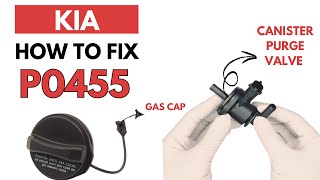
Typical fix: Replace the gas cap with a genuine OEM part from Kia. The common part number is 31010-3L600U, which supersedes several older numbers.
Est. part cost: $25-$40 - Failed Canister Purge Solenoid Valve (PCSV) 🟡 Medium Probability → Shop Vapor Canister The purge valve is a common failure point on many modern vehicles, including the Soul and its platform mates like the Kia Rio and Hyundai Elantra. It can get stuck open, creating a constant vacuum leak that the system detects.
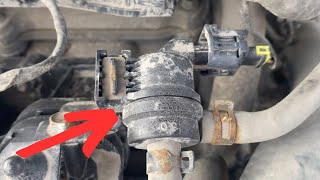
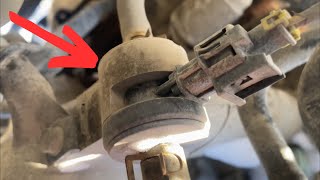
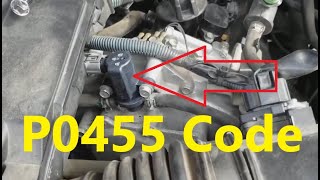
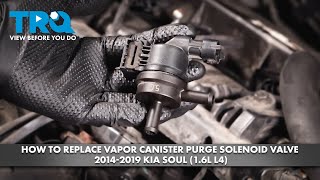
How to confirm: The purge valve is typically located on or near the intake manifold, often on the right side on top of the engine for the 1.6L. With the engine running, you can disconnect the electrical connector and place your finger on the vacuum port; if you feel suction, the valve is stuck open. A more definitive test involves applying 12V to see if the solenoid actuates or attempting to blow through it when it should be closed. A good valve should have a resistance of around 26 Ohms.
Typical fix: Replacement of the purge solenoid valve. This is generally an easy DIY job involving disconnecting two hoses and an electrical connector.
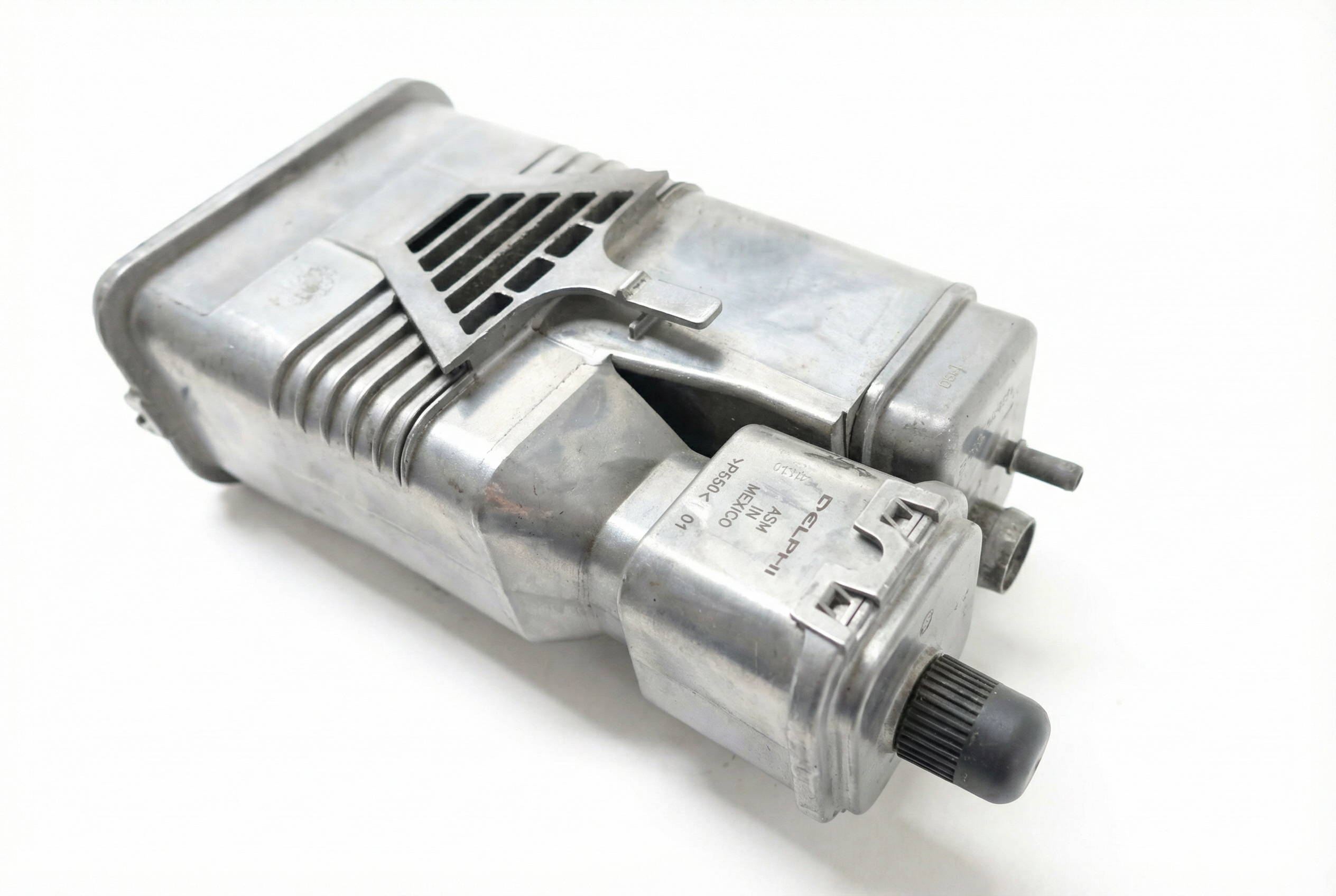
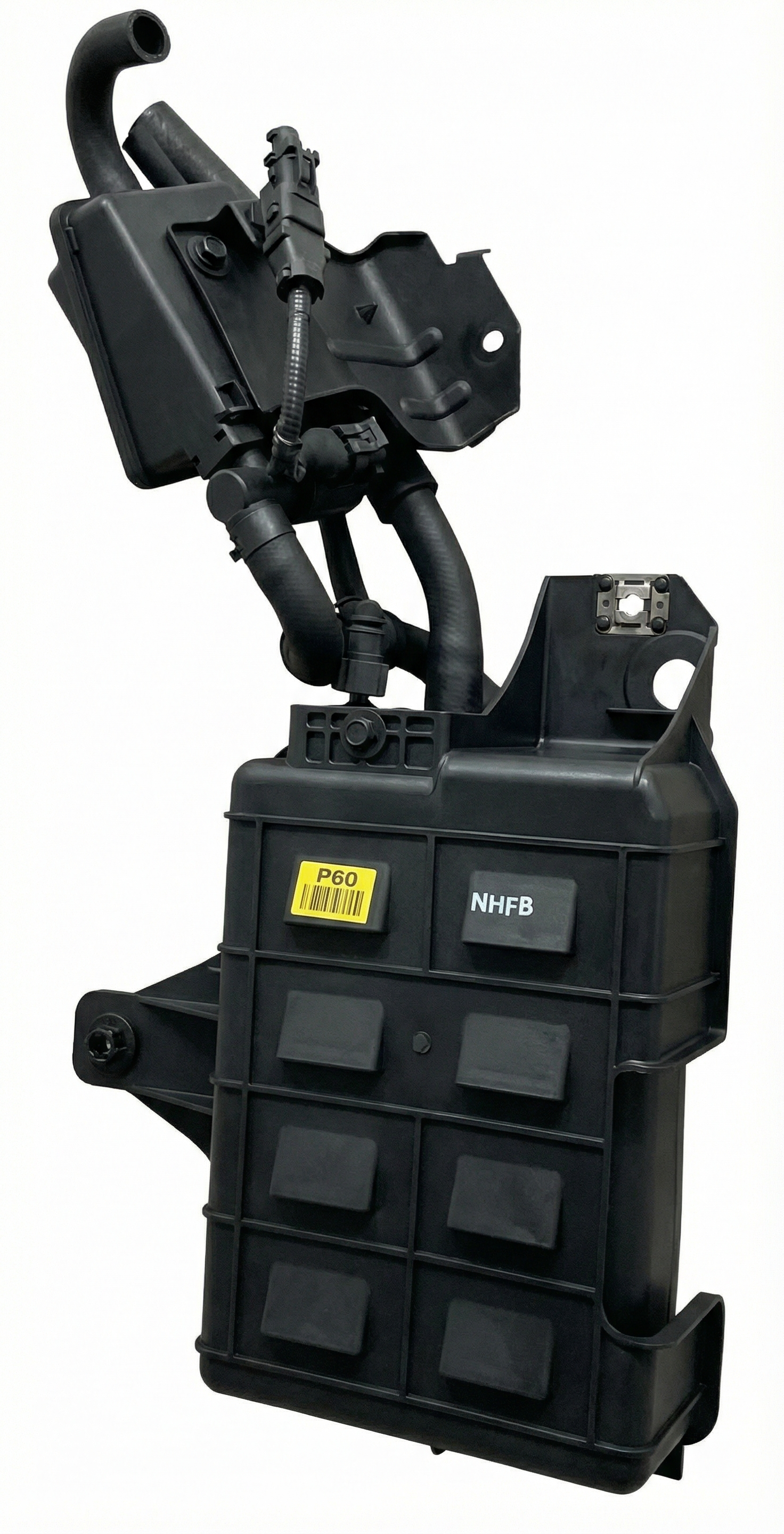
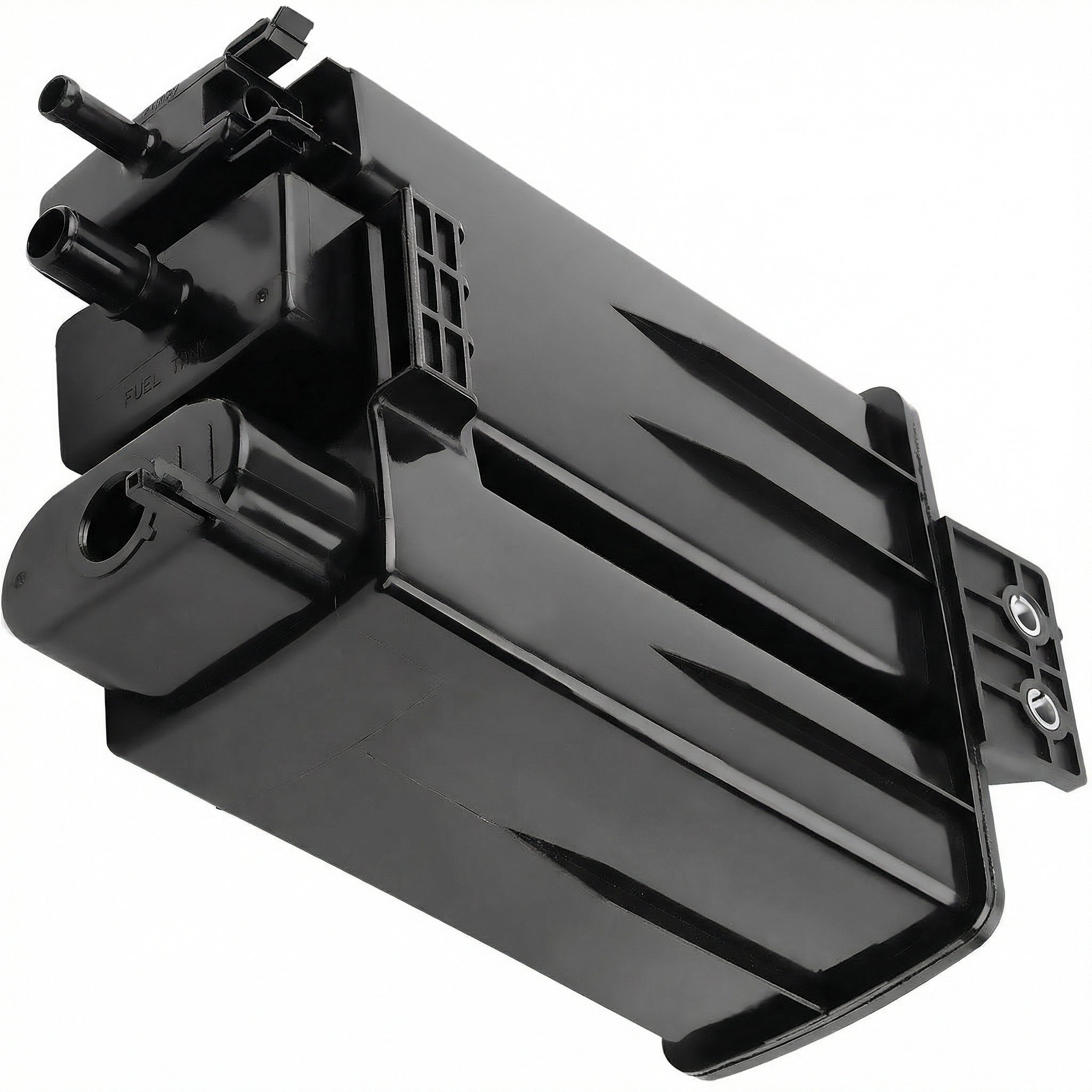
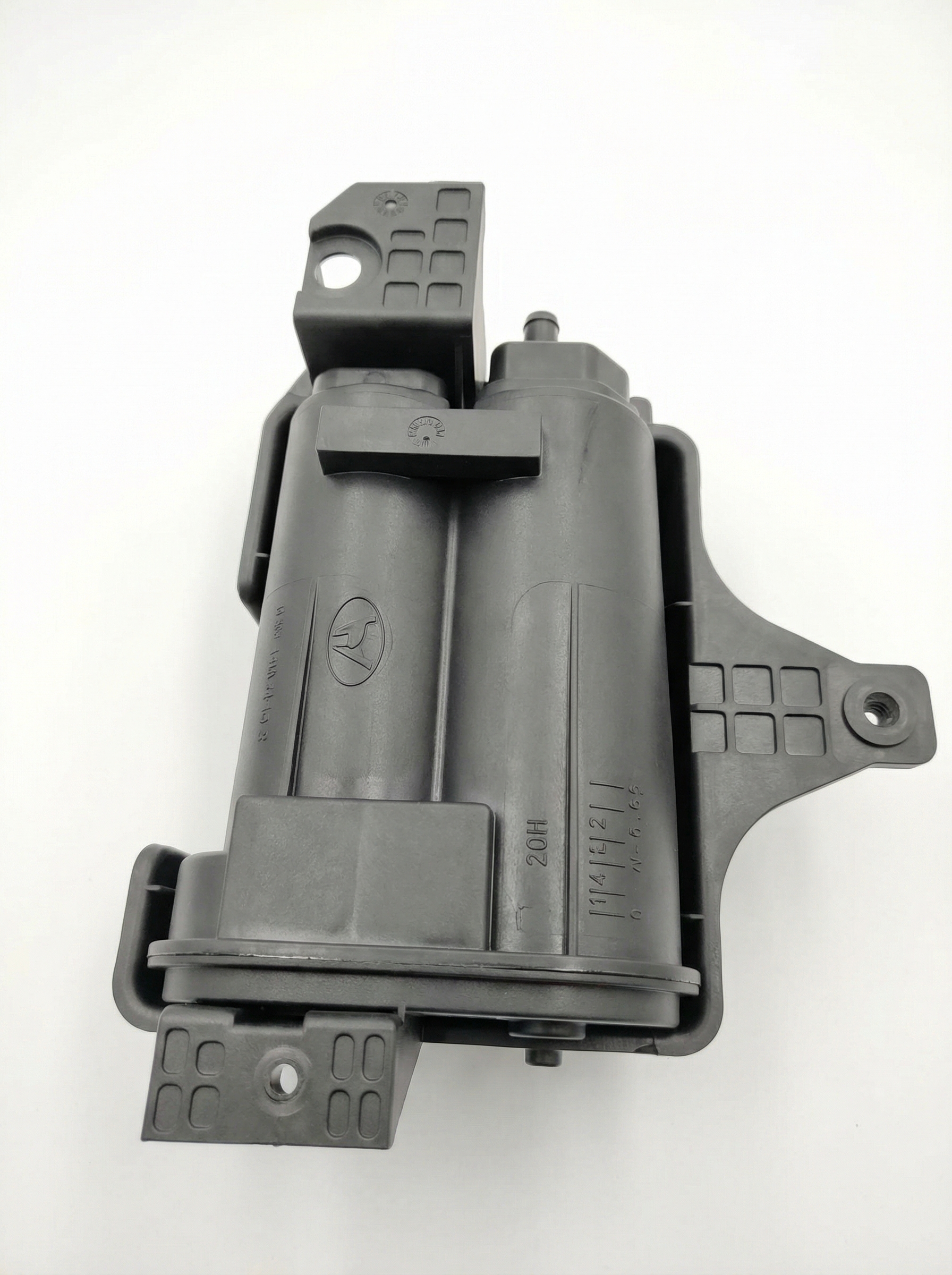
Est. part cost: $40-$100 - Failed Canister Close Valve (CCV) / Vent Valve 🟡 Medium Probability → Shop Vapor Canister This valve is located near the charcoal canister at the rear of the vehicle and is exposed to road debris and corrosion, especially in salt-belt regions. It can get stuck open, preventing the system from sealing for its pressure test.
How to confirm: The valve is located near the EVAP canister, under the rear of the car. It can be tested by applying 12V power to see if it clicks closed. A smoke test is the most reliable way to confirm if this valve is stuck open, as smoke will billow out from it.
Typical fix: Replace the canister close valve. Access requires getting under the rear of the vehicle, and the valve often twists off the canister assembly.
Est. part cost: $50-$150 - Cracked or Disconnected EVAP Hoses ⚪ Low Probability Over time, the rubber and plastic hoses in the EVAP system can become brittle and crack, especially at connection points or bends. A hose connected to the purge valve breaking is a known issue.
How to confirm: A visual inspection may reveal obvious cracks, but small leaks are best found using a smoke test, which forces smoke through the EVAP system to reveal the source of the leak.
Typical fix: Replace the damaged section of hose.
Est. part cost: $10-$50
Rare But Worth Checking
- Cracked Charcoal Canister: → Shop Vapor Canister The canister itself can develop cracks, often due to road debris or corrosion of its mounting brackets. This was noted in Kia TSB SC135 for other models in salt-belt states and is a plausible, though less common, cause for the Soul.
- Rusted Fuel Filler Neck or Fuel Tank: → Shop Fuel Filler Neck In areas with heavy road salt use, the metal fuel filler neck or the fuel tank itself can rust and develop pinhole leaks. This can be very difficult to find without a smoke test or pressurizing the tank and using soapy water. A 2011 Soul owner on Reddit confirmed this was their issue after replacing many other parts.
- Failed Fuel Tank Pressure Sensor (FTPS): → Shop Fuel Tank While less common than valves, a faulty FTPS can also trigger a P0455 code. One owner of a 2011 Soul resolved their code by replacing this sensor, which is located on top of the fuel pump assembly under the rear seat. Access involves removing the rear seat bottom and cutting through a tar-like sealant to get to the fuel pump cover.
Diagnosis Steps
- Check the Gas Cap: Remove and inspect the gas cap. Ensure it's tight and clicks. Check the seal for cracks. If in doubt, replace it with an OEM cap (Part No. 31010-3L600U). Clear the code and drive for a few days to see if it returns.
- Visual Inspection: Inspect all accessible EVAP hoses in the engine bay (especially around the purge valve) and under the vehicle for obvious cracks, disconnections, or damage.
- Inspect the Purge Valve (PCSV): Locate the purge valve on the engine. With the engine off, disconnect the hose leading to the canister and try to blow through the valve. If air passes, it's stuck open and needs replacement. Alternatively, with the engine running, check for vacuum at the port when the valve should be closed.
- Inspect the Canister Close Valve (CCV): Locate the CCV near the charcoal canister at the rear of the vehicle. Check for corrosion or damage. Test its operation by applying 12V power; it should click closed. A smoke test is the most effective way to see if it's stuck open.
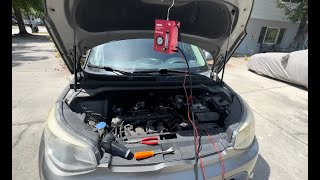
- Perform a Smoke Test: If the leak source is not obvious, a smoke test is the most effective diagnostic method. A mechanic will introduce smoke into the EVAP system via a service port. Smoke will exit from the location of the leak, whether it's a hose, valve, the canister, or the fuel tank itself. This is essential for finding pinhole rust leaks on the fuel tank or filler neck.
Parts You'll Likely Need

- Fuel Cap
(OEM #31010-3L600U (supersedes 31010-3L600, 31010-2C800))— This is the most frequent and simplest cause of a P0455 code. The seal wears out or the cap is not tightened properly. Aftermarket caps are known to cause issues.
Trusted brands: Kia (OEM)
OEM price range: $25-$40
Aftermarket price range: $15-$25 - Canister Purge Solenoid Valve
(OEM #29015-2B000 (for 1.6L, 2010-2013), 28910-2E000 (for 2.0L, 2014-2016))— This valve often fails by sticking open, causing a large leak detected by the system. It's a common failure point on many Kia/Hyundai models.
Trusted brands: Kia (OEM), Dorman, Standard Motor Products
OEM price range: $70-$110
Aftermarket price range: $20-$80
Related Codes That Often Appear With This One
- P0442 — This code indicates a small EVAP leak. If a small leak worsens, it can eventually trigger the P0455 for a large leak. Both codes are mentioned together in Kia TSB PS469.
- P0456 — This code indicates a very small EVAP leak. It points to the same system but a different leak size threshold. It is also mentioned in TSB PS469.
- P0420 — Catalyst System Efficiency Below Threshold. While a separate system, an EVAP leak can affect the air-fuel mixture, potentially contributing to conditions that might trigger a P0420 code over time. An NHTSA complaint for a 2015 Soul lists both codes appearing.
Technical Service Bulletins (TSBs) & Recalls
- PS469: Recommends a manual EVAP test for hard-to-find leaks when codes like P0455 are present.
Platform-Specific Known Issues
- A Kia Technical Service Bulletin (TSB) #PS469 was issued for hard-to-find EVAP leaks (P0455, P0442, P0456), recommending a manual test procedure when the self-test doesn't find the fault.
- An owner of a 2015 Soul reported a dealer initially suspected a loose gas cap for a P0455 code, which is a common first step. (NHTSA ODI #11519719)
- A Reddit user with a 2011 Soul with 286,000km chased a P0455 code for months. After replacing the gas cap, purge valve, and fuel tank pressure sensor, multiple smoke tests were inconclusive. The final fix was pressurizing the tank and using soapy water, which revealed numerous pinhole rust leaks on the fuel tank and fuel filler neck, a common issue for vehicles in rust-prone areas.
- A 2010 Soul owner on Reddit also struggled with a persistent P0455 after replacing the gas cap, vent valve, purge valve, canister, pressure sensor, and filler neck, highlighting how difficult a small leak can be to trace even after replacing all common components.
Mechanic-Grade Diagnostic Values
- Canister Purge Solenoid Valve (PCSV) coil resistance — expected: Approximately 26.2 Ohms. Failure: A reading significantly higher or lower than 26 Ohms, or an open circuit (infinite resistance), indicates a faulty coil.
- Fuel Tank Pressure Sensor (FTPS) signal voltage with gas cap OFF (KOEO) — expected: Approximately 1.5V (normal range 1.3V - 1.7V). Failure: A voltage stuck high (near 5V) or low (near 0V) can indicate a faulty sensor or a wiring issue. Kia TSB PS469 provides a manual test procedure starting with this measurement.
Scan Tool Commands That Help
- G-Scan (OEM-level tool): EVAP Leak Test — This is a guided, automated function that commands the CCV and PCSV to seal the system and monitors the FTPS to check for leaks. It's a quick way to verify system integrity after a repair or to confirm a leak exists without a smoke machine.
Wiring & Ground Locations
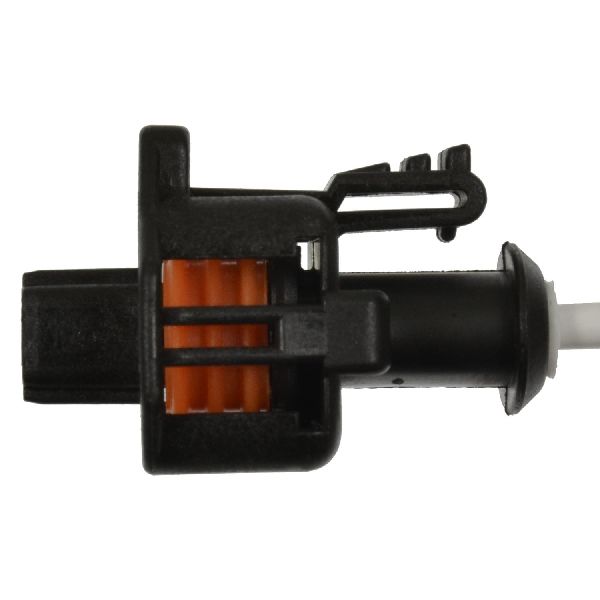
- Canister Purge Solenoid Valve Connector — On the purge valve itself, located on top of the engine near the intake manifold.. The 2-wire connector provides power and ground to the solenoid. Corrosion or a loose connection here can cause an open or short in the circuit, leading to codes like P0444 (Purge Control Circuit) but can also be investigated for P0455 if the valve is suspected of not operating correctly. Aftermarket replacement pigtails are available.
- EVAP System Fuse — In the engine compartment fuse box. For a 2016 Optima (similar architecture), it is labeled 'SENSORS 2' (10 amp).. A blown fuse will cut power to the purge valve and/or vent valve solenoids, preventing them from operating. This can cause the system to fail its leak test and set a P0455 code.
Real Owner Repair Stories
- Reddit user in r/askcarguys (2011 Kia Soul) — Check Engine Light with codes P0455 (EVAP large leak) and P0133 (O2 slow response).
❌ Tried (didn't work) Replaced upstream oxygen sensor, Replaced gas cap, Replaced purge valve solenoid (a year prior), Performed a smoke test which found no leaks
✅ What actually fixed it The mechanic noted the fuel tank was very rusty and the tank pressure sensor wasn't working properly. The strong implication, though not explicitly stated as 'fixed' by the original poster, is that the rusty tank itself was the source of the leak, which is why the smoke test was inconclusive. - Reddit user in r/MechanicAdvice (2010 Kia Soul) — P0455 code and hard starting after refueling.
❌ Tried (didn't work) Replacing the gas cap with an aftermarket one
✅ What actually fixed it Replacing the purge valve fixed the hard-starting issue after refueling, but the P0455 code returned. The user noted they had to cut and repair a hose connected to the new purge valve, indicating the leak may persist there or in another location. This story highlights that hard starting after fueling is a classic symptom of a stuck-open purge valve.
"I Checked Everything" — The Actual Cause
- A Reddit user with a 2011 Kia Soul reported that a smoke test failed to find any leaks, yet the P0455 code persisted. The mechanic noted the fuel tank was extremely rusty and the fuel tank pressure sensor was not working correctly. This suggests the leak was likely a pinhole in the rusty tank, which can be difficult to spot even with a smoke test, or the faulty sensor was causing an incorrect diagnosis.
When the Usual Fixes Don't Work
- In one owner's experience with a 2011 Soul, the common fixes including replacing the gas cap and purge valve did not resolve the P0455 code. Even a professional smoke test came back clean. The actual suspected cause was a very rusty fuel tank developing pinhole leaks that were not easily visible, combined with a faulty fuel tank pressure sensor. This highlights a scenario, particularly in salt-belt regions, where the standard diagnostic path may fail and the root cause is a more systemic corrosion issue rather than a single component failure.
OEM Part Supersession History
31430-3X000→31430-1Y000— Part number consolidation and design update for the Canister Close Valve.
Model Year Variations Within This Range
- 2011-2013 (Gen 1): The 1.6L engine in this range commonly uses Purge Control Valve Assembly P/N 29015-2B000.
- 2014-2016 (Gen 2): The 2.0L engine in this range commonly uses Purge Control Valve P/N 28910-2E000. The Canister Close Valve P/N 31430-1Y000 is also specified for this generation.
Helpful Videos
![How to Fix KIA P0455 Engine Code in 3 Minutes [2 DIY Methods / Only $4.61]](https://img.youtube.com/vi/v3j7s1R1NhY/mqdefault.jpg)



Used OEM Parts in Stock

New Aftermarket Parts Available


The information in this article is provided for general reference and educational purposes only. Vehicle specifications, procedures, and part compatibility can vary by production date, trim level, and region. Always consult your vehicle's factory service manual and verify part numbers before purchasing or performing repairs. Safety-critical components such as airbags, seat belts, and braking systems should be installed by a qualified professional.
- Kia SOUL:
- 🧭 Diagnostic Flowchart
- 🎬 Helpful Videos
- 🛍️ Shop This Part
- What's Unique About the 2011-2016 Kia SOUL
- Symptoms You May Notice
- Most Likely Causes
- Rare But Worth Checking
- Diagnosis Steps
- Parts You'll Likely Need
- Related Codes That Often Appear With This One
- Technical Service Bulletins (TSBs) & Recalls
- Platform-Specific Known Issues
- Mechanic-Grade Diagnostic Values
- Scan Tool Commands That Help
- Wiring & Ground Locations
- Real Owner Repair Stories
- "I Checked Everything" — The Actual Cause
- When the Usual Fixes Don't Work
- OEM Part Supersession History
- Model Year Variations Within This Range
- 🎟️ Get 5% Off