

P0455 on 2009-2013 Mazda 6: EVAP Large Leak Causes and Fixes
For a 2009-2013 Mazda 6, a P0455 code is most often caused by a loose or faulty gas cap. Before buying any parts, ensure the cap is tightened until it clicks several times. If the code returns, the next most likely causes are a faulty EVAP purge solenoid or canister vent valve. A smoke test is the most reliable way to find the exact source of the leak.
- Start with the simplest fix: check your gas cap. Ensure it's tight and the seal is in good condition. This resolves the issue a majority of the time.
- A P0455 code will cause an automatic failure of any emissions inspection, so it must be resolved in states that require smog checks.
- While you can visually inspect hoses, the most reliable way to find a leak that isn't the gas cap is with a professional smoke test.
- The two most common part failures are the purge solenoid (in the engine bay) and the vent solenoid (near the gas tank).
- The code indicates a large leak, so it could be something as obvious as a completely disconnected hose.
What's Unique About the 2009-2013 Mazda 6
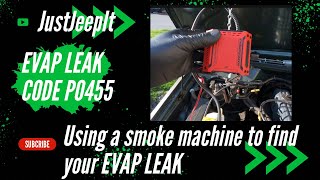
The second-generation Mazda 6 (2009-2013) does not have widespread, unique design flaws in its EVAP system that are commonly cited for this code. The causes are typical for most vehicles of this era. However, Mazda has issued general technical service bulletins (TSBs) for EVAP leaks that include this model, often emphasizing correct gas cap diagnosis and providing detailed procedures for smoke testing to locate the source of the leak accurately. 🎬 See how a smoke test quickly pinpoints the leak source. The North American version sits on the Ford CD3 platform, sharing some underlying components with the Ford Fusion of the same era, which also sees similar P0455 failure patterns.
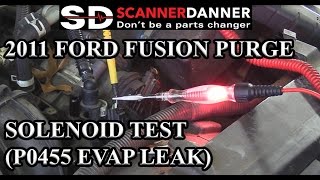
🎬 Watch: Testing the purge solenoid on a shared Ford platform.Symptoms You May Notice
- Check Engine Light is on
- A noticeable fuel smell, especially around the gas cap area or after refueling
- Slightly reduced fuel economy (uncommon)
- A 'check fuel cap' message may appear on the instrument cluster for some models
- Replacing the charcoal canister when the actual fault is a less expensive vent solenoid attached to it.
- Replacing the fuel tank pressure sensor, which usually sets its own specific codes (e.g., P0451, P0452, P0453) if it fails.
Most Likely Causes
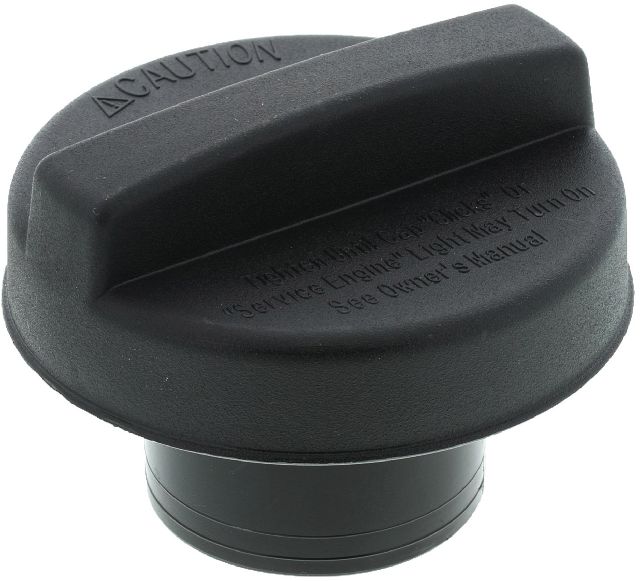
- Loose, Damaged, or Incorrect Gas Cap 🔴 High Probability → Shop Fuel Tank Cap This is the most common cause for P0455 on almost all vehicles, including the Mazda 6. The rubber seal on the cap degrades over time, or the cap may not have been tightened properly after refueling.
How to confirm: Inspect the gas cap for any visible cracks, stiffness, or damage to the rubber O-ring. Ensure it is tightened until it clicks at least once or twice. After tightening or replacing, the code may need to be cleared with a scanner or will clear on its own after several drive cycles.
Typical fix: Tighten the cap. If the seal is damaged or the cap is worn, replace it with a new OEM or high-quality aftermarket cap. The OEM part number is GS3L-42-250B, which has superseded previous versions.
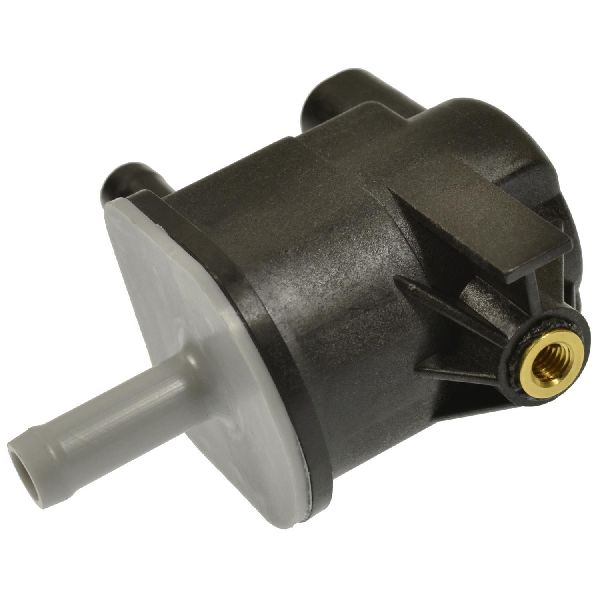
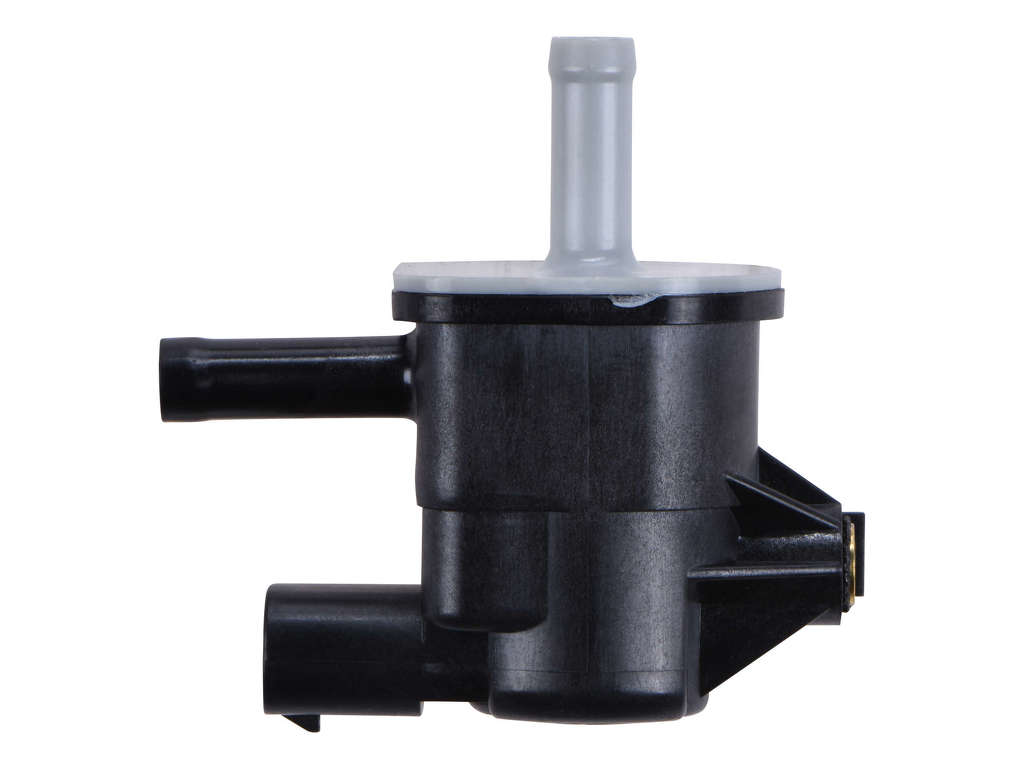
Est. part cost: $15-$40 - Faulty EVAP Purge Solenoid Valve 🟡 Medium Probability → Shop Vapor Canister The purge solenoid is an electromechanical valve that can fail by getting stuck open, creating a constant leak path from the EVAP canister to the engine intake. It's a common failure point across many Mazda models.
How to confirm: The purge solenoid is typically located in the engine bay, connected by two hoses and an electrical connector. With the engine off, you can remove the valve and try to blow through it. If air passes through, it is stuck open and needs to be replaced. A user on Mazdas247 suggests starting the car, popping the hood, and listening for the valve to click, which indicates it is operating; a silent valve may be faulty.
Typical fix: Replace the purge solenoid valve. For the 2.5L engine, the OEM part number is commonly cited as LF82-18-740. A different part number, LF15-18-741, is also listed for the second generation.
Est. part cost: $40-$90 - Faulty EVAP Canister Vent Solenoid Valve 🟡 Medium Probability → Shop Vapor Canister This valve is normally open to allow air into the EVAP system and closes during self-tests. It is located near the charcoal canister at the rear of the vehicle and is exposed to road debris and moisture, which can cause it to fail or get stuck open, preventing the system from sealing.
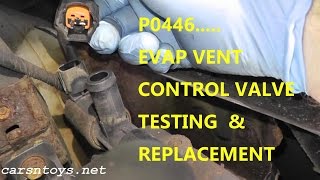
How to confirm: A visual inspection may reveal cracks or damage. The valve can be tested with a scan tool to command it closed, followed by a smoke test to see if it leaks. It can also be removed and tested with a 12V power source to see if it actuates correctly. 🎬 Watch: How to test and replace the canister vent valve. Because it's normally open, a failure to close during the test cycle is a common cause for P0455.
Typical fix: Replace the canister vent solenoid valve. Aftermarket options are readily available.
Est. part cost: $50-$120 - Cracked or Disconnected EVAP Hoses/Lines ⚪ Low Probability Over time, the rubber and plastic hoses that make up the EVAP system can become brittle, crack, or disconnect, especially at connection points or bends. This is more common in older, higher-mileage vehicles.
How to confirm: A thorough visual inspection of all accessible EVAP lines from the engine bay to the fuel tank may reveal the leak. However, the most effective method is to have a professional perform a smoke test, which fills the system with a low-pressure, high-density vapor that will visibly escape from any leak point.
Typical fix: Replace the cracked hose section or re-secure the connection.
Est. part cost: $10-$50 for hose sections
Rare But Worth Checking
- Cracked Charcoal Canister: → Shop Vapor Canister The plastic housing of the charcoal canister can develop cracks from age, road debris impact, or stress, creating a large leak. This is usually found during a smoke test.
- Leaking Fuel Tank or Filler Neck: → Shop Fuel Tank Rust or physical damage to the fuel tank or the filler neck where the gas cap seals can cause a P0455 code. In a forum post, an owner reported their P0455 was ultimately caused by rust on the gas tank around the fuel pump seating area, which prevented a proper seal and required a new tank. A cracked fuel pump locking ring is also a known, though rare, cause on some Mazda platforms.
Diagnosis Steps
- Check the gas cap. Remove it, inspect the seal for cracks or damage, and retighten it until it clicks several times. Clear the code and drive for a few days to see if it returns.
- If the code returns, perform a thorough visual inspection of all visible EVAP hoses in the engine bay and around the fuel tank area for obvious cracks, disconnections, or damage.
- Locate the purge solenoid valve in the engine bay. With the engine off, disconnect it and test if you can blow air through it. If you can, it's stuck open and needs replacement. You can also listen for a clicking sound from the valve with the engine running, which indicates it's being commanded by the ECU.
- Inspect the canister vent solenoid and charcoal canister near the fuel tank for any visible damage. These are located at the rear of the vehicle and may be covered by a plastic shield.
- If the simple checks do not reveal the problem, the most effective next step is a professional smoke test. This involves injecting vaporized smoke into the EVAP system to quickly and accurately pinpoint the source of the leak. A forum user noted that a shop quoted around $150 for this diagnostic test.
Parts You'll Likely Need
- Fuel Cap
(OEM #GS3L-42-250B (supersedes GS3L-42-250A))— This is the most frequent cause of a P0455 code due to a worn seal or improper tightening.
Trusted brands: Mazda OE, Stant, Gates
OEM price range: $25-$40
Aftermarket price range: $15-$25 - EVAP Purge Solenoid Valve
(OEM #LF82-18-740 (for 2.5L engine))— This valve is a common failure point, often getting stuck open and creating a large, permanent leak in the system.
Trusted brands: Bosch, Denso, Dorman, Standard Motor Products
OEM price range: $70-$110
Aftermarket price range: $40-$90 - EVAP Canister Vent Valve Solenoid — Located near the rear of the vehicle, this valve is prone to failure from dirt and moisture, causing it to stick open and preventing the system from sealing for its self-test.
Trusted brands: Mazda OE, Dorman, Standard Motor Products
OEM price range: $80-$150
Aftermarket price range: $50-$120
Related Codes That Often Appear With This One
- P0442 — A P0442 (Small Leak Detected) may appear alongside or intermittently with P0455 if the size of the leak is borderline between the two thresholds.
- P0456 — A P0456 (Very Small Leak Detected) can sometimes precede a P0455 as a component begins to fail and the leak worsens over time.
- P0171 — If the purge solenoid valve is stuck open, it creates a vacuum leak into the intake manifold. This can introduce unmetered air, causing the engine to run lean and potentially trigger a P0171 (System Too Lean) code along with the P0455.
Technical Service Bulletins (TSBs) & Recalls
- TSB 01-002/18: A general Mazda bulletin for multiple models including the 2009-2013 Mazda 6, providing a detailed diagnostic flowchart for finding the location of EVAP leaks for codes P0442, P0455, and P0456. It emphasizes using a smoke machine with nitrogen and an ultrasonic leak detector for difficult-to-find leaks.
- Bulletin #01-002-18-3417: A manufacturer service bulletin notes that some vehicles may have MIL illumination with DTCs P0441, P0442, P0455, or P0456 stored in memory and provides specific repair procedures to determine the location of the evaporative system leak.
Mechanic-Grade Diagnostic Values
- EVAP Canister Purge Valve Resistance — expected: 30 - 38 ohms (when engine is cool). Failure: A reading outside this range indicates a faulty valve coil.
- EVAP Canister Vent Solenoid Resistance — expected: 20 - 50 ohms (general approximation). Failure: An open circuit (infinite resistance) or a reading far outside the typical range suggests a bad solenoid coil.
- Fuel Tank Pressure (FTP) Sensor Voltage — expected: Typically around 2.5V with the gas cap off (atmospheric pressure). Voltage changes as pressure/vacuum is applied.. Failure: Voltage that is stuck high (e.g., 5V) or low (e.g., 0V) regardless of pressure, or does not change during testing, points to a faulty sensor or wiring.
Scan Tool Commands That Help
- Mazda IDS / FORScan: Manual EVAP System Test — This function, found in the Datalogger, allows a technician to manually command the canister vent valve closed and the purge valve on/off to check if the system can seal and hold a vacuum. It's a critical step before a smoke test to confirm valve functionality.
- Advanced Bidirectional Scanner (e.g., XTOOL, Autel): EVAP System Vent Solenoid ON/OFF — The vent solenoid is normally open. This command forces it closed, which is required to seal the system for a smoke test or a vacuum decay test. Listening for a 'click' during this command helps confirm the solenoid is activating.
- Advanced Bidirectional Scanner (e.g., XTOOL, Autel): EVAP System Purge Solenoid Command — This allows you to command the purge valve open while monitoring fuel trims or fuel tank pressure. With the vent valve closed, commanding the purge valve should cause a vacuum to build in the tank, visible on the FTP sensor data. This verifies the purge valve's ability to open and draw vapor.
Wiring & Ground Locations
- Engine Bay Ground Block — Under the air box, in the direct splash path of the front driver's side tire.. This ground point is notorious for corrosion on first-generation Mazda 6s and the principle applies to the second generation. While not directly tied to the P0455 code in all cases, a poor ground here can cause a variety of erratic electrical issues for engine bay components, including the purge solenoid. A forum user recommends removing the corroded block and extending the wires to a clean ground point near the battery hold-down.
- EVAP Canister Vent Solenoid Connector — At the rear of the vehicle, near the charcoal canister, typically behind the driver's side rear wheel.. The wiring to the vent solenoid is exposed to road debris and moisture. On similar Mazda models, rodent damage or corrosion on the purple and tan/blue wires at this connector is a common cause for EVAP codes, creating an open circuit.
- G1 Ground Point — At the left side of the engine compartment.. Wiring diagrams for the first-generation Mazda 6 show this as a key ground point for various engine components. A compromised ground here could potentially affect the operation of the purge solenoid.
Real Owner Repair Stories
- Reddit user 'slimylilman' in r/mazdaspeed3 (MazdaSpeed (Gen 1, but relevant principle)) — P0455 code, which later progressed to a noticeable fuel smell after refueling and eventually fuel leaking from the top of the tank.
❌ Tried (didn't work) Initial diagnosis did not immediately point to the final cause.
✅ What actually fixed it The fuel pump locking ring on top of the fuel tank was cracked. This is a known issue on that platform that causes a large EVAP leak. Replacing the locking ring resolved the code and the leak. - Mazdas247 Forum user 'AJC9725' (2013 Mazda CX-5 (shares EVAP system principles)) — Persistent P0455 and P0456 codes.
❌ Tried (didn't work) Tightening the original gas cap., Replacing the gas cap with a new OEM part ($50).
✅ What actually fixed it The user was advised to check all rubber components in the EVAP system for brittleness and cracks, as another user had previously fixed a similar code caused by a cracked charcoal canister. The final resolution was not posted, but the failure of the most common fix (gas cap) is a valuable data point. - NHTSA ODI #11439442 — An owner reported that the fuel pump lock ring failed, causing engine codes P0442 and P0455, accompanied by a strong smell of gasoline fumes around the rear of the car after driving and parking.
- NHTSA ODI #11128161 — An owner of a similar Mazda model reported the check engine light coming on every few weeks with various OBD codes including P0455, P2402, and P2407, noting that the dealer had replaced the filler cap twice.
- NHTSA ODI #11331433 — A report regarding a similar Mazda platform noted a "gross EVAP leak" involving the gas filler neck and canister purge valve, leading to codes P0455 and P0457.
- NHTSA ODI #10096503 — An owner reported a strong gasoline smell and a P0455 large leak code following a repair or physical impact, noting the vehicle apparently lacked a metal skid pad under the gas tank.
OEM Part Supersession History
GS3L-42-250A→GS3L-42-250B— Updated design for better sealing and durability of the gas cap.LF15-18-741→LF82-18-740 (for 2.5L)— Part number consolidation or minor revision for the purge solenoid valve.
Heads up: While LF82-18-740 is commonly cited for the 2.5L, LF15-18-741 is also listed for the second generation. Always verify the correct part number with a VIN before purchasing.
Diagnostic Flowchart
Other Known Issues on This Vehicle
Issues unrelated to this code that are worth knowing about as an owner of this generation:
- Sticky / Melting Dashboard 🟠 Medium — Very common, especially in warmer climates. Caused by material degradation from heat and humidity. (Ref: Mazda issued a warranty extension program (SSP A0) covering this specific issue for 10 years with no mileage limit.)
- Harsh Shifting or Hesitation in Automatic Transmission 🟠 Medium — A well-documented issue, particularly with the 6-speed automatic. Symptoms include hesitation from a stop and rough shifts. (Ref: Often a software issue correctable with a TCM reflash, but can also be due to failing shift solenoids or worn fluid.)
- Engine Ticking Noise 🟡 Low — A ticking noise, especially when the engine is cold, is often attributed to sticking hydraulic valve lash adjusters. More common at higher mileage (around 120,000+ miles).
- Prematurely Warped Front Brake Rotors 🟡 Low — Many owners report steering wheel shake when braking from higher speeds, indicative of warped front rotors.
- Failed Cooling Fan Control Module 🟠 Medium — A common cause of engine overheating at idle, often accompanied by the A/C blowing warm air.
- Timing Chain Rattle (VVT Actuator) 🔴 High — Some engines can develop a rattling noise on startup, which may indicate a failing timing chain tensioner or VVT actuator. If left unaddressed, it can lead to significant engine damage.
Used vs. New Parts: Buying Guide for This Vehicle
When a used part is the smart pick: Used parts for a P0455 fix are generally not recommended due to the nature of the components. Rubber hoses, seals, and plastic canisters from a junkyard vehicle will have similar age and degradation as the failed part. The only exception might be a major structural component like a fuel filler neck if it is rust-free and from a low-mileage, dry-climate vehicle.
Donor-vehicle mileage cap: roughly under 50000 miles for the part to have meaningful remaining life.
What to inspect on the donor part:
- For a filler neck, inspect for any rust, especially around the cap sealing area and mounting points.
- For hoses, check for any signs of cracking, hardening, or swelling. Squeeze the hose to ensure it's still pliable.
- For a charcoal canister, inspect the plastic housing for any cracks, especially around the hose ports.
OEM-only on this vehicle (don't cheap out):
- Gas Cap: While aftermarket caps are available, many forum users report that only the OEM Mazda cap provides a reliable, long-term seal. The cost difference is often minimal compared to the hassle of a recurring code.
Aftermarket brands forum-validated for this vehicle:
- Standard Motor Products (SMP): Often cited as a reliable alternative to OEM for electronic components like purge and vent solenoids.
- Denso: A well-regarded OEM supplier for many Japanese brands, their parts are generally considered high quality.
Brands owners have reported issues with on this vehicle:
- Dorman: Owner experiences with Dorman EVAP parts are mixed. While some products are praised for being available when OEM is not, others report premature failure, especially with rubber components like hoses which can crack within months. It is often considered a hit-or-miss option.
Real Owner Stories
Aggregated from forums and TSBs cited above. Mileages and costs reflect what owners reported in those sources.
2009-2013 Mazda 6
Symptoms: Check Engine Light on for P0455; user was advised to check the most common failure point first.
What fixed it: Re-tightened the gas cap and cleared the code with a scanner; the code did not return.
Source hint: Mazdas247 - 'P0455 woes' (https://www.mazdas247.com/forum/index.php?threads/p0455-woes.123847998/)
Related OBD-II Codes
Frequently Asked Questions
Is there a specific diagnostic procedure recommended by Mazda for the P0455 code on my 2009-2013 Mazda 6?
What is the correct OEM replacement gas cap part number for my Mazda 6 to fix a P0455?
I have a 2.5L Mazda 6; which purge solenoid valve part number should I look for?
Can I test the EVAP purge solenoid myself before buying a new one?
Where is the canister vent solenoid located on the 2009-2013 Mazda 6?
Will a loose gas cap always trigger a 'Check Engine' light, or are there other warnings?
Helpful Videos
We Have This Part in Stock


The information in this article is provided for general reference and educational purposes only. Vehicle specifications, procedures, and part compatibility can vary by production date, trim level, and region. Always consult your vehicle's factory service manual and verify part numbers before purchasing or performing repairs. Safety-critical components such as airbags, seat belts, and braking systems should be installed by a qualified professional.
- Mazda 6:
- 🧭 Diagnostic Flowchart
- 🎬 Helpful Videos
- 🛍️ Shop This Part
- What's Unique About the 2009-2013 Mazda 6
- Symptoms You May Notice
- Most Likely Causes
- Rare But Worth Checking
- Diagnosis Steps
- Parts You'll Likely Need
- Related Codes That Often Appear With This One
- Technical Service Bulletins (TSBs) & Recalls
- Mechanic-Grade Diagnostic Values
- Scan Tool Commands That Help
- Wiring & Ground Locations
- Real Owner Repair Stories
- OEM Part Supersession History
- Other Known Issues on This Vehicle
- Used vs. New Parts: Buying Guide for This Vehicle
- Real Owner Stories
- 2009-2013 Mazda 6
- Related OBD-II Codes
- Frequently Asked Questions
- 🎟️ Get 5% Off