

P0455 on 1998-2005 Mazda Miata: EVAP Gross Leak Causes and Fixes
For a 1998-2005 Miata, a P0455 code is most often caused by a loose or faulty gas cap. Before buying any parts, ensure the cap is tightened until it clicks multiple times. If tightening or replacing the cap (~$15-$40) doesn't fix it, the next most likely culprits are a failed purge solenoid valve in the engine bay or a cracked vacuum hose near the charcoal canister.
- Always start with the simplest solution: check that your gas cap is tight and its seal is intact.
- A P0455 code on an NB Miata is very DIY-friendly, as the most common culprits (gas cap, purge valve, hoses) are inexpensive and accessible.
- If you smell fuel inside the car, check the fuel pump cover under the carpet behind the seats for a loose seal before looking elsewhere.
- A professional smoke test is the fastest way to find the leak if it is not visually obvious, and can save you from replacing unnecessary parts.
What's Unique About the 1998-2005 Mazda Miata
On the 'NB' generation Miata (1998-2005), the EVAP system components are relatively simple and accessible. The most common failure points, beyond the universal gas cap issue, are the purge solenoid in the engine bay and the rubber hoses connected to the charcoal canister, which is located under the car near the passenger-side rear wheel. Owners have also reported leaks from the fuel pump assembly mounting ring under the rear package tray carpet, a unique and often overlooked spot, especially if the fuel pump was recently replaced.
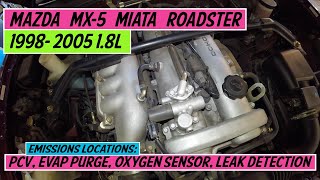
Generation note: This guide covers the entire second-generation Mazda Miata, known as the 'NB' (1998-2005). This includes the NB1 (1998-2000) and the facelifted NB2 (2001-2005). The location and function of the EVAP components are very similar across these model years. 🎬 Watch: Locate your Miata's EVAP components and emissions sensors. The OEM part number for the purge solenoid may vary slightly, but the diagnostic process is identical.
Symptoms You May Notice
- Check Engine Light is on
- A noticeable smell of raw fuel, especially around the rear of the car or after parking in a garage.
- Slightly reduced fuel economy
- Difficulty starting or a rough idle immediately after refueling (this often points to a stuck-open purge valve).
- The gas pump nozzle clicks off repeatedly when trying to fill the tank (can indicate a problem with the vent valve or canister).
- Replacing the charcoal canister when the leak is actually a simple cracked hose connected to it.
- Replacing O2 sensors, which are not directly related to the EVAP system's integrity.
- Assuming a smoke test that leads to the canister means the canister is bad. The leak could be from the connected vent solenoid or a hose.
Most Likely Causes
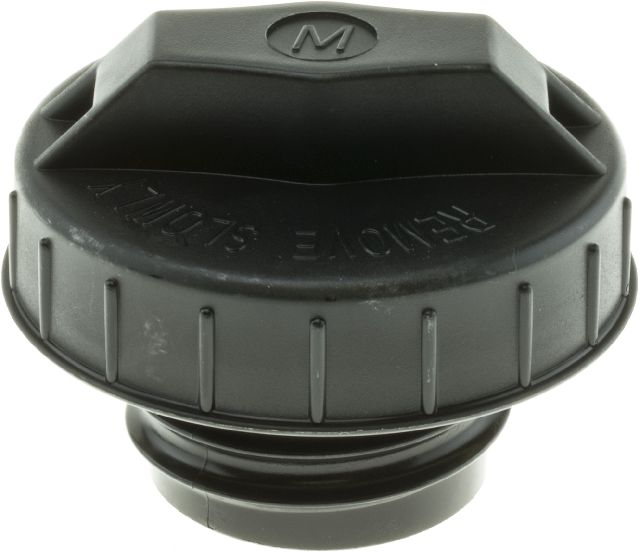
- Loose, Damaged, or Incorrect Gas Cap 🔴 High Probability → Shop Fuel Tank Cap The gas cap seal is a simple rubber part that degrades over time, and it's the most frequently disturbed part of the sealed EVAP system. It's the number one cause for this code.
How to confirm: Ensure the cap is tightened until it clicks at least 3 times. Inspect the rubber O-ring on the cap for cracks, stiffness, or damage. An incorrect aftermarket cap may not seal properly. If in doubt, it's the cheapest part to replace first.
Typical fix: Tighten the cap. If the seal is bad or the cap is incorrect, replace it with a new OEM or high-quality aftermarket equivalent. After replacement, you must clear the code with a scan tool; it will not go away on its own immediately.
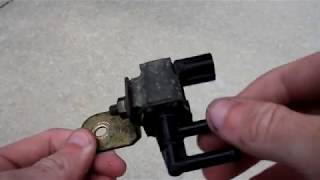
Est. part cost: $15-$40 - Failed EVAP Purge Solenoid Valve 🟡 Medium Probability → Shop Vapor Canister This solenoid is an electromechanical part that cycles frequently during engine operation and can fail by getting stuck open, creating a large, permanent leak path from the charcoal canister to the intake manifold.
How to confirm: Locate the purge solenoid in the engine bay, on the passenger side near the firewall. It has two hoses and an electrical connector. Disconnect the electrical connector and the two vacuum hoses. Try to blow through the valve. If air passes through freely, it is stuck open and has failed. It should be normally closed.
Typical fix: Replace the purge solenoid valve. It is typically held in place by a simple rubber bracket and two hoses. Ensure the arrow on the new valve points toward the front of the car. 🎬 See this walkthrough on replacing the purge valve yourself.
Est. part cost: $40-$90 - Cracked or Disconnected EVAP Hoses 🟡 Medium Probability
How to confirm: Visually inspect the rubber and plastic EVAP lines. Key areas are the hoses connected to the purge solenoid in the engine bay and the hoses connected to the charcoal canister, located under the car just in front of the passenger-side rear tire. Rodent damage is a possible cause. A smoke test is the most effective way to find a hose leak that isn't obvious.
Typical fix: Replace the damaged section of hose. Ensure all connections are secure with clamps.
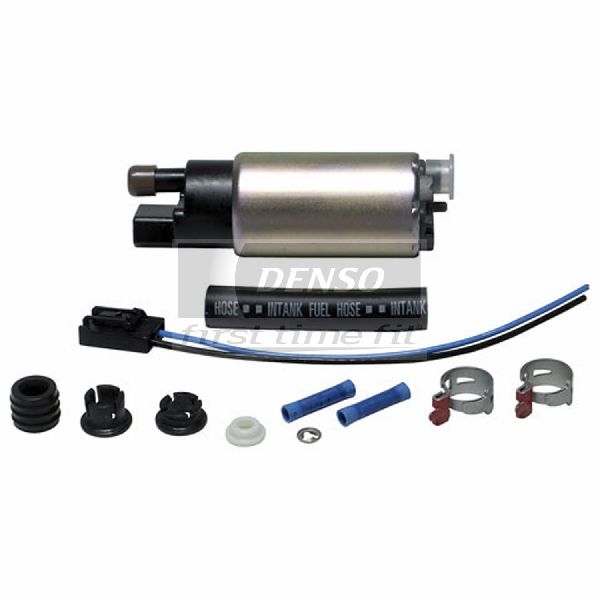
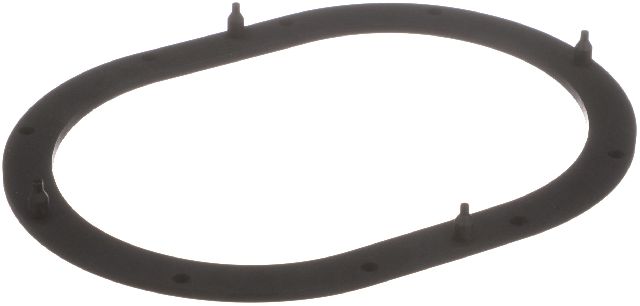
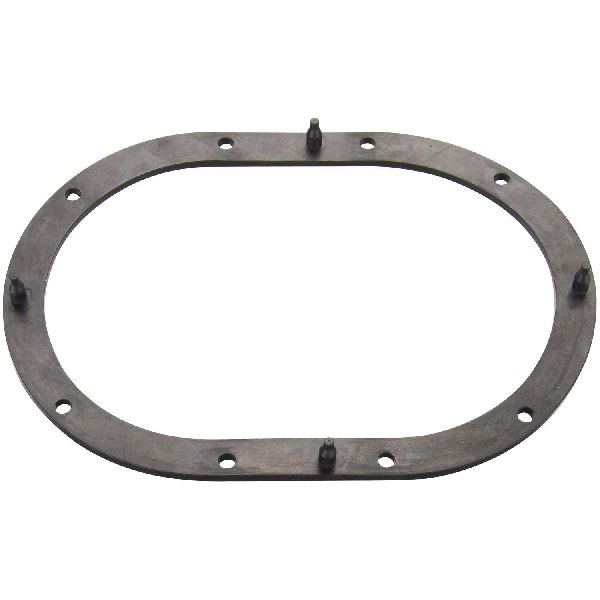
Est. part cost: $5-$25 for hoses and clamps - Leaking Fuel Pump Assembly Seal ⚪ Low Probability → Shop Fuel Pump If the fuel pump has been replaced previously, the large metal retaining ring and gasket on top of the fuel tank may not have been tightened correctly or the gasket may have been damaged, creating a leak directly into the cabin area.
How to confirm: Access the top of the fuel tank by removing the carpet on the package shelf behind the seats. A strong fuel smell in this area is a key indicator. Check that all screws on the fuel pump access cover are snug. One owner found these screws loose after a fuel pump replacement, and tightening them solved the P0455 code and fuel smell.
Typical fix: Tighten the screws on the fuel pump retaining ring in a star pattern to ensure an even seal. If the gasket is damaged, it will need to be replaced. The OEM gasket part number is NA01-42-166.
Est. part cost: $0 (for tightening) or $15-$30 for a new gasket.
Rare But Worth Checking
- Cracked Charcoal Canister: → Shop Vapor Canister The canister itself is durable, but it's located under the car and can be damaged by road debris, causing a crack in the plastic housing. A visual inspection or smoke test will confirm this. A shop may incorrectly diagnose this part when the issue is a simple hose.
- Failed Canister Vent Solenoid (CVS) / Drain Cut Valve (CDCV): → Shop Vapor Canister This valve, located near the charcoal canister, is normally open and closes to seal the system for a leak test. If it fails to close (often due to dirt or moisture ingress), it will cause a P0455. You can test it by applying 12V power; it should click closed. If it's stuck open, it will need replacement.
- Cracked Fuel Filler Neck: → Shop Fuel Filler Neck Rust or damage to the metal pipe leading from the gas cap to the tank can cause a large leak. This is more common in regions where road salt is used and can be visually inspected by removing the trim in the trunk. A manufacturer report for a similar model, NHTSA ODI #11331433, specifically notes that a gas filler neck gross EVAP leak can trigger P0455.
Diagnosis Steps
- Check the Gas Cap: This is the easiest and most common fix. Remove the cap, inspect the seal for cracks or damage, and reinstall it, ensuring it clicks several times. Clear the code and drive for a few days to see if it returns. An OEM cap is recommended if replacement is needed.
- Visual Inspection: Look over the EVAP hoses in the engine bay near the purge solenoid and under the car around the charcoal canister (passenger side, rear). Look for anything that is obviously cracked, disconnected, or chewed by rodents.
- Test the Purge Solenoid: Locate the valve in the engine bay. With the engine off, disconnect it and try to blow through it. If air passes, it's stuck open and must be replaced. The arrow on the valve should point towards the engine/intake manifold.
- Inspect Fuel Pump Seal: If you smell fuel inside the cabin, pull back the rear carpet on the package shelf behind the seats to access the fuel pump cover. Check for loose screws or a damaged gasket, especially if the fuel pump has been serviced before.
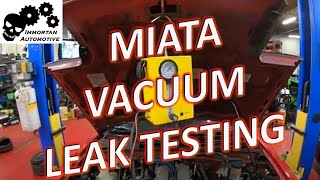
- Perform a Smoke Test: If the leak isn't obvious, the most reliable method is to use an EVAP smoke machine. A machine injects low-pressure smoke into the EVAP service port, and the leak will be visible wherever smoke escapes. 🎬 Watch: A guide to diagnosing common EVAP leak causes. This is the definitive way to find hairline cracks in hoses or other non-obvious leaks.
Parts You'll Likely Need
- Fuel Filler Cap
(OEM #NC10-42-250B)— The seal is a common wear item and is the most frequent cause of a P0455 code. OEM is often recommended for a perfect seal.
Trusted brands: Mazda OE, Stant, Gates
OEM price range: $25-$40
Aftermarket price range: $8-$25 - EVAP Canister Purge Solenoid Valve
(OEM #K5T49096 (Verify by VIN, may also be BP4W-18-740))— This is the most common electronic component to fail in the NB Miata's EVAP system, typically by sticking open.
Trusted brands: Mazda OE, Dorman (917-379), Standard Motor Products
OEM price range: $70-$120
Aftermarket price range: $40-$70 - EVAP Charcoal Canister
(OEM #BP4W-13-970 (1999-2000), NC10-13-970 (2001-2005) - Verify by VIN)— Only needed if the original canister is physically cracked or damaged by road debris. This is an uncommon failure.
Trusted brands: Mazda OE
OEM price range: $150-$250
Aftermarket price range: $100-$180 - Fuel Pump Tank Seal Gasket
(OEM #NA01-42-166)— Needed if the seal is found to be leaking during the fuel pump assembly inspection, often after a prior fuel pump replacement.
Trusted brands: Mazda OE
OEM price range: $20-$30
Aftermarket price range: $8-$15
Technical Service Bulletins (TSBs) & Recalls
- Mazda TSB 01-002/18: This multi-model bulletin provides a comprehensive diagnostic flowchart for EVAP codes including P0455. It instructs technicians on how to use the Mazda diagnostic system to run an EVAP test and suggests using an ultrasonic leak detector or smoke machine to find leaks. It also mentions replacing the fuel filler cap with an improved part as a potential fix.
- Bulletin #01-002-18-3417: This manufacturer bulletin notes that some vehicles may have a MIL illumination with DTC P0455 stored in memory and provides specific repair procedures to determine the location of the evaporative system leak.
Platform-Specific Known Issues
- Loose Fuel Pump Cover Screws: → Shop Fuel Pump A recurring theme in owner forums is discovering the P0455 code after a fuel pump replacement. Mechanics sometimes fail to properly torque the screws on the fuel pump access cover located under the carpet behind the seats. This creates a large EVAP leak and a strong fuel smell in the cabin.
- Fuel Pump Lock Ring Failure: → Shop Fuel Pump As reported in NHTSA ODI #11439442 for a related Mazda model, a failure of the fuel pump lock ring can cause a strong smell of gasoline fumes around the rear of the car and trigger code P0455.
Mechanic-Grade Diagnostic Values
- EVAP Canister Purge Solenoid Coil Resistance — expected: 15 to 30 Ohms. Failure: A reading of 0 Ohms (short circuit) or OL/infinity (open circuit) indicates a failed solenoid.
- EVAP Purge Solenoid Power Supply Voltage (Key On, Engine Off) — expected: Battery Voltage (~12V). Failure: Significantly lower or no voltage on the power supply wire points to a wiring or fuse issue before the solenoid.
- EVAP Canister Drain Cut Valve (CDCV) / Vent Solenoid Voltage Test — expected: Should click audibly when 12V is applied directly to its terminals.. Failure: No click indicates the solenoid is seized and needs replacement.
Scan Tool Commands That Help
- Professional Scan Tool (e.g., Mazda IDS, Autel, Snap-on): EVAP System Test / Purge Solenoid Activation — This bidirectional control allows you to command the purge solenoid and vent valve to open or close while the engine is off. This is used to confirm the PCM can control the components and to seal the system for a smoke or vacuum decay test without having to manually apply power to the valves.
Wiring & Ground Locations
- G4 / G7 — G4 is at the right kick panel. G7 is at the lower right center of the dash.. These are primary ground points for various systems in the cabin and dash area. A poor ground at these locations could potentially affect the PCM or related sensor readings, although it is not a primary cause for P0455.
- Purge Solenoid Connector — In the engine bay, on the passenger side near the firewall, connected to the purge solenoid valve.. This is where voltage and resistance tests are performed. One pin will have battery voltage with the key on, and the other is the ground-side control from the PCM.
Real Owner Repair Stories
- Miata.net forum user / mostlymiata.com (1999 Mazda Miata Anniversary Edition (AE)) — Check Engine Light with code P0455 and a worsening fuel smell inside the car.
❌ Tried (didn't work) Visual inspection of vacuum lines, Testing the Canister Drain Cut Valve (CDCV), Testing the Purge Solenoid Valve
✅ What actually fixed it The screws on the fuel pump cover, located under the carpet behind the seats, were all loose. Tightening these screws properly sealed the fuel tank and resolved both the fuel smell and the P0455 code. The fuel pump had been replaced previously. - Miata.net forum user / mostlymiata.com (2000 Mazda Miata) — Persistent P0455 code since a restoration.
❌ Tried (didn't work) Resetting the code repeatedly.
✅ What actually fixed it A vacuum tube connected to the charcoal canister (located under the passenger side) was found to be broken and chewed by a rodent. A temporary repair of the hose fixed the code. - Reddit user DrJazzy3 (Mazda Miata NC2 (later generation, but relevant behavior)) — Intermittent P0455 code.
❌ Tried (didn't work) Clearing the code.
✅ What actually fixed it The issue resolved itself once the car was driven regularly. The owner noted the code would appear after the car sat for a while, especially in humid weather. While not a specific part failure, this suggests that intermittent sealing issues (like a sticky valve or aging seal) can be exacerbated by lack of use. - NHTSA ODI #11128161 — An owner reported that the check engine light comes on every few weeks with various OBD codes including P0455. The selling dealer replaced the filler cap twice and a sensor, but the issue persisted.
- NHTSA ODI #10096503 — An owner reported a strong gasoline smell and a diagnostic P0455 (EECS large leak) after a repair or a bounce, noting the vehicle apparently did not have the metal skid pad under the gas tank.
"I Checked Everything" — The Actual Cause
- In a case on a Reddit thread, a shop performed a smoke test which led them to replace the charcoal canister, but the P0455 code returned. This highlights that smoke exiting near a component does not definitively mean the component itself is bad; the leak could be from a connecting hose, a seal, or an attached solenoid that is stuck open.
OEM Part Supersession History
BP4W-13-970→BP5R-13-970— Standard part revision or supplier change for the charcoal canister.
Heads up: The BP4W-13-970 is listed for 1999-2000 models, while the NC10-13-970 is for 2001-2005. The BP5R-13-970 appears to be a later replacement for the early NB canister. Physical mounting points and hose connections may differ slightly between the NB1 and NB2 generations, so verifying by VIN is critical.
Model Year Variations Within This Range
- 1998-2000 (NB1) vs 2001-2005 (NB2): The charcoal canister part number changes between the NB1 and NB2 generations. The early NB1 uses part numbers like BP4W-13-970, while the later NB2 uses NC10-13-970. While the overall system function is the same, the canister and potentially some hose routings are physically different, making them non-interchangeable.
Diagnostic Flowchart
Used vs. New Parts: Buying Guide for This Vehicle
When a used part is the smart pick: A used charcoal canister is a viable option if a visual inspection confirms it is not physically cracked or damaged, as it is a largely passive component. Simple mechanical items like brackets or covers are also excellent candidates for used parts. A used purge solenoid can be considered if it's tested for resistance and function before purchase.
Donor-vehicle mileage cap: roughly under 100000 miles for the part to have meaningful remaining life.
What to inspect on the donor part:
- For charcoal canisters, inspect the plastic body for any cracks, especially around the hose nipples.
- For solenoids, check for corrosion on the electrical pins and ensure the plastic housing isn't brittle or cracked.
- For hoses, ensure they are still pliable and not hardened, brittle, or showing signs of cracking.
OEM-only on this vehicle (don't cheap out):
- Fuel Filler Cap: Aftermarket gas caps are a frequent source of sealing problems. It is highly recommended to use an OEM Mazda cap to ensure a perfect seal and avoid chasing a persistent P0455 code.
Aftermarket brands forum-validated for this vehicle:
- Standard Motor Products (SMP)
- Dorman (for solenoids)
Brands owners have reported issues with on this vehicle:
- No-name or unbranded gas caps from online marketplaces are frequently reported as causing EVAP codes.
Real Owner Stories
Aggregated from forums and TSBs cited above. Mileages and costs reflect what owners reported in those sources.
1999 Miata AE
Symptoms: Worsening fuel smell inside the car, Check Engine Light with P0455 code.
What fixed it: Tightened the loose mounting screws on the fuel pump cover to properly seal it to the fuel tank.
Source hint: Mostly Miata (mostlymiata.com - Miata P0455)
2000 Miata
Symptoms: Check Engine Light with P0455 code.
What fixed it: Replaced a rodent-chewed vacuum hose located at the charcoal canister.
Source hint: MostlyMiata.com (mostlymiata.com)
Mazda Miata
Symptoms: Check Engine Light with P0455 code returned after a repair.
What fixed it: A shop replaced the charcoal canister based on a smoke test, but the code returned. This highlights a common misdiagnosis where the actual leak is in a connected hose or valve, not the canister itself.
Source hint: Reddit (r/Miata) thread titled 'P0455 Code - Advice on common remedies?'
Related OBD-II Codes
Frequently Asked Questions
I just replaced the gas cap on my Miata for a P0455 code, but the Check Engine Light is still on. Why?
Where is the EVAP purge solenoid valve located on a 1998-2005 Miata?
I smell a strong odor of raw fuel inside my Miata's cabin. Is this related to the P0455 code?
Is there an official Mazda TSB that can help my mechanic diagnose the P0455 code on my car?
How can I test the purge solenoid valve myself?
My mechanic replaced the charcoal canister, but the P0455 code came back. What else could it be?
I recently had the fuel pump replaced and now I have a P0455 code. Could the two be related?
Helpful Videos
We Have This Part in Stock



The information in this article is provided for general reference and educational purposes only. Vehicle specifications, procedures, and part compatibility can vary by production date, trim level, and region. Always consult your vehicle's factory service manual and verify part numbers before purchasing or performing repairs. Safety-critical components such as airbags, seat belts, and braking systems should be installed by a qualified professional.
- Mazda Miata:
- 🧭 Diagnostic Flowchart
- 🎬 Helpful Videos
- 🛍️ Shop This Part
- What's Unique About the 1998-2005 Mazda Miata
- Symptoms You May Notice
- Most Likely Causes
- Rare But Worth Checking
- Diagnosis Steps
- Parts You'll Likely Need
- Technical Service Bulletins (TSBs) & Recalls
- Platform-Specific Known Issues
- Mechanic-Grade Diagnostic Values
- Scan Tool Commands That Help
- Wiring & Ground Locations
- Real Owner Repair Stories
- "I Checked Everything" — The Actual Cause
- OEM Part Supersession History
- Model Year Variations Within This Range
- Used vs. New Parts: Buying Guide for This Vehicle
- Real Owner Stories
- 1999 Miata AE
- 2000 Miata
- Mazda Miata
- Related OBD-II Codes
- Frequently Asked Questions
- 🎟️ Get 5% Off