

P0455 on 2006-2010 Mazda MX-5: EVAP Gross Leak Causes and Fixes
For a 2006-2010 Mazda MX-5, code P0455 is most often caused by a loose or faulty gas cap. Before attempting more complex repairs, check that the cap is tight and inspect its seal. A new OEM-spec gas cap is an inexpensive first step, costing around $20-$40. If the cap isn't the issue, the purge solenoid valve in the engine bay is the next most likely culprit.
- P0455 means your MX-5 has a large leak in the fuel vapor system.
- Always check your gas cap first. Make sure it's tight and the seal is intact. This solves the problem in a high percentage of cases.
- The car is safe to drive, but you will not pass an emissions inspection until the leak is fixed.
- If a new gas cap doesn't solve the issue, a smoke test is the most reliable way to find the leak without guessing.
- Other common culprits are the purge valve in the engine bay or a cracked EVAP hose.
What's Unique About the 2006-2010 Mazda MX-5
The 2006-2010 MX-5 (NC generation) has a well-documented history with EVAP system codes like P0455. While the causes are typical for most cars, owner forums and even NHTSA complaints frequently point to the gas cap as the first and most common culprit. [OWNER COMPLAINT ODI #11128161, 9, 12] The second most common failure point discussed in owner forums is the purge solenoid valve located in the engine bay. Mazda also issued a Technical Service Bulletin (TSB 01-002-18-3417) that includes P0455, providing dealers with a specific diagnostic procedure to locate leaks in the system, indicating it's a known issue.
Diagnostic Flowchart
Tap your situation to follow the diagnostic path that matches what you're seeing on this vehicle.
Symptoms You May Notice
- Check Engine Light is on
- A faint smell of fuel, especially around the rear of the car or in the trunk area.
- Difficulty refueling where the gas pump clicks off repeatedly (if the charcoal canister or vent valve is the cause)
- Hard starting and rough idle immediately after refueling, which can be a strong indicator of a faulty purge valve stuck open.
- Replacing the charcoal canister before performing a smoke test. The canister is an expensive part, and the leak is often a much cheaper component like a hose, gas cap, or purge valve.
Most Likely Causes
- Loose or Faulty Gas Cap 🔴 High Probability → Shop Fuel Tank Cap This is the most common cause across all vehicles and is frequently cited by MX-5 owners and in an NHTSA complaint. [OWNER COMPLAINT ODI #11128161, 9, 12] The rubber seal on the cap can degrade over time, preventing a proper seal. Even if it appears fine, it's the cheapest first step. Mazda also issued a TSB related to loose fuel caps causing this code.
How to confirm: Ensure the cap is tightened until it clicks several times. Remove the cap and inspect the rubber O-ring for cracks, stiffness, or damage. If the seal is compromised, the cap needs replacement. A smoke test will definitively show smoke escaping from a bad cap seal.
Typical fix: Replace the gas cap with a new, high-quality OEM or equivalent part. The OEM Mazda part number is NE51-42-210C.
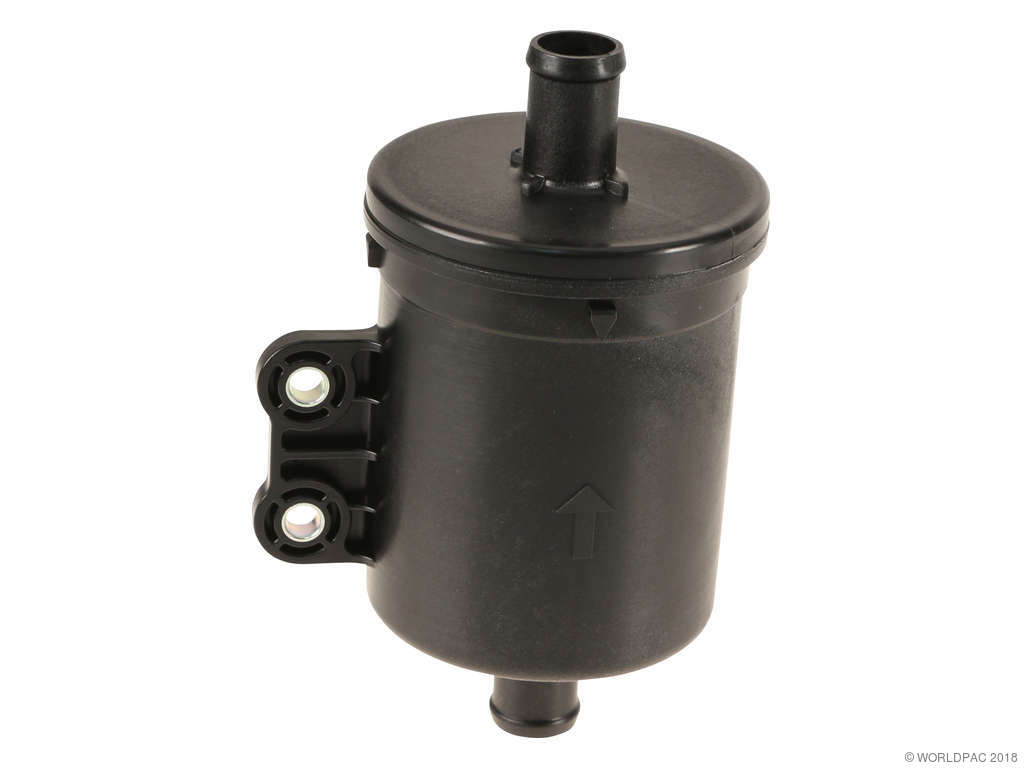
Est. part cost: $20-$45 - Faulty Canister Purge Valve (Purge Solenoid) 🟡 Medium Probability → Shop Vapor Canister This is a very common failure point on the NC MX-5. The valve is located in the engine bay, near the dipstick on the driver's side. It can fail by getting stuck open, creating a constant vacuum leak into the EVAP system, which the computer detects as a large leak. This can also cause a lean idle code (P2187) and difficult starts after getting gas.
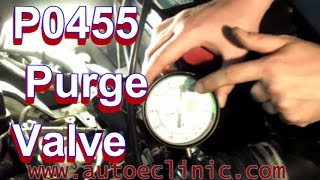
How to confirm: The purge valve is normally closed. With the engine off, remove the valve and try to blow through it. If air passes through, it is stuck open and faulty. You can also apply 12V to the terminals to see if it clicks open and closed. The valve has an arrow on it which should point towards the front of the car.
Typical fix: Replace the canister purge valve. The OEM part number for 2006-2008 models is often cited as LFG1-18-741B, while other sources point to LF66-18-74X as a valid number that supersedes several older versions. An aftermarket equivalent is Dorman 911-702.
Est. part cost: $50-$120 - Cracked or Disconnected EVAP Hoses 🟡 Medium Probability
How to confirm: Visually inspect all accessible EVAP hoses running from the engine bay to the charcoal canister at the rear of the car. Look for obvious cracks, breaks, or loose connections. Rodents have been known to chew through these vacuum lines. A smoke test is the most effective way to find a leak that isn't visually apparent.
Typical fix: Replace the damaged section of hose and secure the connections.
Est. part cost: $10-$50 - Faulty Canister Vent Valve/Solenoid ⚪ Low Probability → Shop Vapor Canister This valve is located near the charcoal canister at the rear of the car and is normally open to allow air into the system. It closes during the EVAP system self-test. If it fails to close (often due to dirt/dust ingress), the system cannot be sealed, resulting in a P0455 code.
How to confirm: A smoke test is the best method. Smoke will be seen exiting the vent valve if it is stuck open when it should be commanded closed by a scan tool. You can also apply 12V to test for a clicking sound, indicating operation.
Typical fix: Replace the vent valve/solenoid, which may be integrated with the charcoal canister.
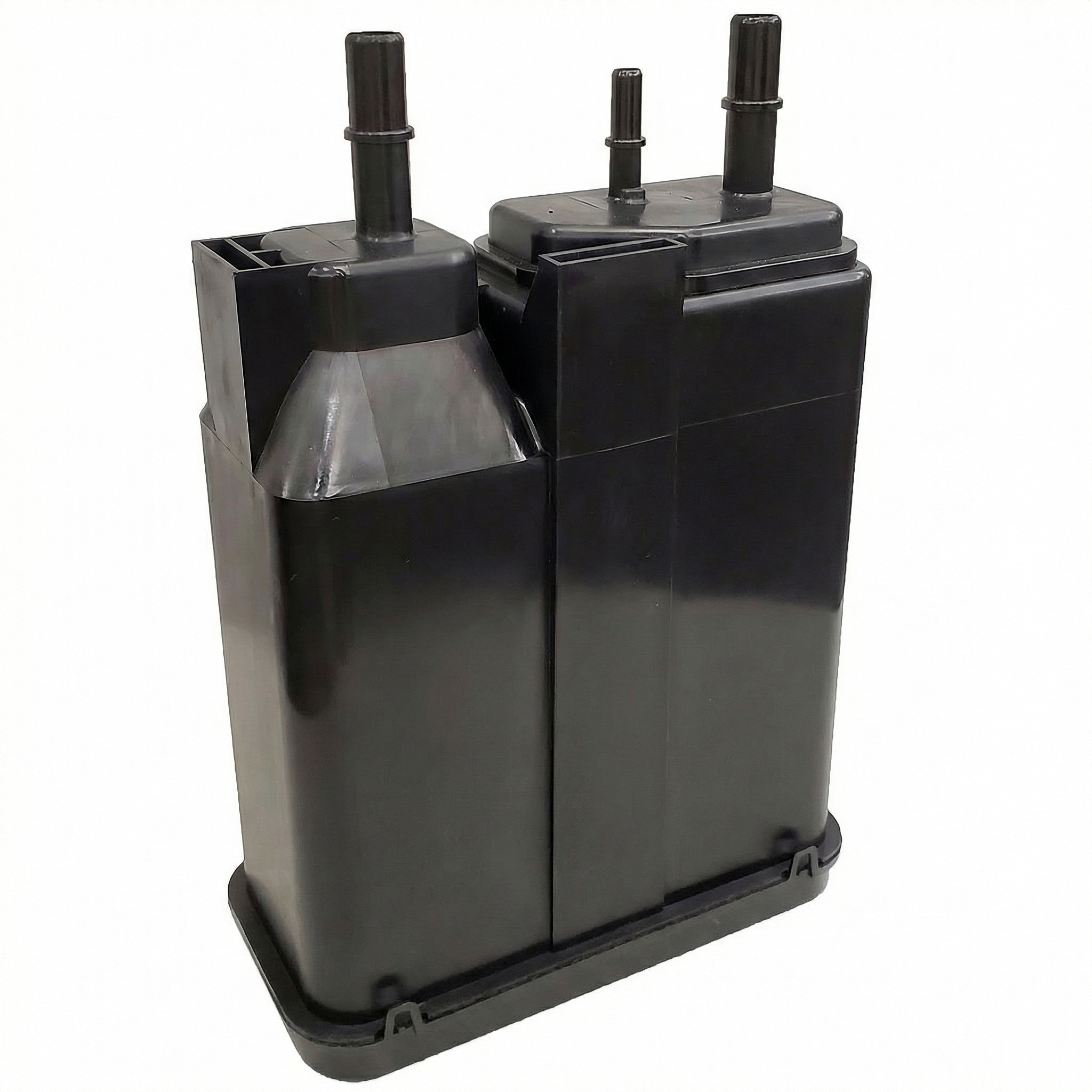
Est. part cost: $70-$150 - Cracked Charcoal Canister ⚪ Low Probability → Shop Vapor Canister The canister is a plastic box located at the rear of the car, near the differential. Road debris can potentially strike and crack it, causing a large leak. Consistently overfilling the fuel tank can also saturate the canister with raw fuel, causing it to fail.
How to confirm: Visually inspect the canister for any cracks or physical damage. A smoke test will show smoke billowing from the crack if it is the source of the leak.
Typical fix: Replace the entire charcoal canister assembly.
Est. part cost: $200-$350
Rare But Worth Checking
- Damaged Fuel Filler Neck: → Shop Fuel Filler Neck Rust or physical damage to the metal tube where the gas cap screws on can prevent a proper seal, even with a new cap. This is more common in regions that use road salt. A visual inspection behind the trunk liner panel (held by a few screws) can reveal issues.
- Loose Fuel Pump Sealing Ring: → Shop Fuel Pump On other Mazda models like the Mazda3 which share engine architecture, a cracked or loose plastic lock ring on top of the fuel pump assembly has been found to cause a P0455 code and a strong fuel smell. While less documented on the MX-5, it remains a possibility as a fuel pump unit being loose is a potential cause listed in Mazda's diagnostic materials.
Diagnosis Steps
- Read the code with an OBD-II scanner to confirm P0455 is present.
- Inspect the gas cap. Ensure it is tight (clicks 3 times). Remove it and check the seal for cracks or damage. If in doubt, replace it with an OEM cap (Part No. NE51-42-210C), clear the code, and drive for a few days to see if it returns.
- If the code returns, perform a thorough visual inspection of all EVAP hoses and lines. In the engine bay, check the hoses connected to the purge valve. Under the rear of the car, inspect the hoses around the charcoal canister and fuel filler neck.
- Locate the purge solenoid valve in the engine bay (driver's side, near the dipstick). With the engine off, disconnect it and try to blow through it. If air passes, it's stuck open and needs to be replaced.
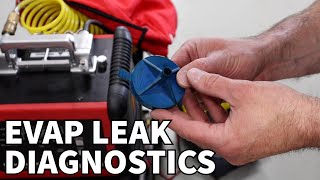
- If no obvious issues are found, the most effective next step is to have a smoke test performed. This involves injecting pressurized smoke into the EVAP system (usually via the service port) to quickly and accurately reveal the location of any leaks. 🎬 See how to use a smoke machine to find leaks.
- During the smoke test, pay close attention to the gas cap seal, all hose connections, the purge valve, the vent valve (near the canister), and the charcoal canister itself.
- Based on the smoke test results, replace the faulty component, whether it's a hose, solenoid, or the charcoal canister itself.
Parts You'll Likely Need
- Fuel Cap
(OEM #NE51-42-210C)— This is the most frequent cause of a P0455 code due to its simple seal failing over time. It's the cheapest and easiest part to replace first.
Trusted brands: Mazda OE
OEM price range: $30-$45
Aftermarket price range: $15-$25 - Canister Purge Valve / Solenoid
(OEM #LF66-18-74X (supersedes many), LFG1-18-741B (for NC1))— This valve is a common failure point that can get stuck open, causing a large leak code and often a lean idle code (P2187). It's located in the engine bay and is relatively easy to replace.
Trusted brands: Mazda OE, Dorman (911-702)
OEM price range: $80-$120
Aftermarket price range: $30-$80 - Charcoal Canister
(OEM #L3P5-13-970)— While less common, the canister can crack from road debris or become clogged if the fuel tank is consistently overfilled, leading to P0455 and refueling issues.
Trusted brands: Mazda OE
OEM price range: $250-$400
Aftermarket price range: $150-$250
Related Codes That Often Appear With This One
- P0441 — Incorrect Purge Flow. This often points towards a faulty purge valve.
- P0442 — Small EVAP Leak Detected. If you have both a small and large leak code, it may indicate multiple leak points or an intermittent issue with a component.
- P2402 — EVAP Leak Detection Pump Control Circuit High. This was mentioned in an NHTSA complaint alongside P0455 and points to a more complex electrical issue within the EVAP system. [OWNER COMPLAINT ODI #11128161]
- P2187 — System Too Lean at Idle. This code frequently appears with P0455 when the purge solenoid valve is stuck open, creating a vacuum leak that introduces unmetered air into the intake manifold.
Technical Service Bulletins (TSBs) & Recalls
- Bulletin #01-002-18-3417: Addresses MIL illumination with DTCs P0441, P0442, P0455, or P0456 and provides a procedure to determine the location of the evaporative system leak. This TSB applies to a wide range of Mazda vehicles, including the 2006-2015 MX-5.
Platform-Specific Known Issues
- Mazda issued Technical Service Bulletin #01-002-18-3417 which includes diagnostic procedures for P0455, indicating a recognized pattern of EVAP leaks on these vehicles. [ MANUFACTURER TSB #01-002-18-3417, 13]
- An owner of a 2007 model filed NHTSA complaint #11128161 reporting a recurring check engine light with code P0455, noting that the dealer replaced the filler cap twice, which suggests the problem can sometimes be more complex than just the cap. [ OWNER COMPLAINT ODI #11128161]
- A recurring theme in owner forums is the combination of P0455 and P2187 (lean idle), which almost always points to a failed purge solenoid valve stuck in the open position.
Mechanic-Grade Diagnostic Values
- EVAP System Vacuum Pump Leak Test — expected: System should hold applied vacuum for 20 seconds without significant loss.. Failure: Pressure fails to hold, indicating a leak.
- Fuel Tank Pressure (FTP) Sensor Voltage (Key On, Engine Off, no pressure) — expected: Approximately 1.4V - 1.5V.. Failure: A significantly different voltage may indicate a sensor or wiring issue.
- EVAP Monitor Self-Test Conditions — expected: The self-test runs only when specific parameters are met.. Failure: N/A - This is for context.
Scan Tool Commands That Help
- Mazda Modular Diagnostic System (M-MDS): EVAP test (KOEO - Key On, Engine Off) — This is the Mazda-specific dealer function to initiate a system leak test, as outlined in TSB 01-002/18. It automatically seals the system and monitors for pressure loss.
- Professional Bidirectional Scan Tool: EVAP Canister Vent Valve Command (On/Closed) — The vent valve is normally open. To perform a smoke test or any pressure/vacuum test, this command must be used to close the valve and seal the system.
- Professional Bidirectional Scan Tool: EVAP Purge Valve Command (Duty Cycle %) — Used to test the functionality of the purge valve. A technician can command it open while checking for vacuum flow or command it closed to ensure it's not leaking.
Wiring & Ground Locations
- EVAP System Wiring Diagrams — Vehicle-wide. For diagnosing electrical faults with the purge valve, vent valve, or pressure sensor, a technician must consult the correct wiring diagram for the specific model year (NC1 2006-2008 vs. NC2 2009-2010) to trace circuits and check for power, ground, and signal integrity.
- Ground Distribution Points — Various points in the engine bay and chassis.. A poor ground connection for an EVAP solenoid can cause it to malfunction. Wiring diagrams show the specific ground points for each component, which must be clean and secure for proper operation.
Real Owner Repair Stories
- YouTube channel 'Auto Etcetera' (2006-2008 (NC1) Mazda Miata MX-5) — Check Engine Light with codes P0455 (EVAP Gross Leak) and P2187 (System Too Lean at Idle). Also experienced hard starts and rough running immediately after refueling.
❌ Tried (didn't work) The video focuses directly on the successful repair, not prior failed attempts.
✅ What actually fixed it Replacing the canister purge valve solenoid located in the engine bay with a new OEM part (LFG1-18-741B). The owner confirmed this resolved all symptoms and cleared the codes.
"I Checked Everything" — The Actual Cause
- In cases where a standard smoke test reveals no leaks, the issue may be a faulty Fuel Tank Pressure (FTP) sensor providing incorrect readings to the computer. Another possibility is an intermittent leak from a component (like a solenoid valve) that seals properly during a static test but fails under different temperature or vibration conditions. A more advanced diagnostic approach is to isolate and individually test sections of the EVAP system with a vacuum pump and flow meter to measure the leak rate of each part.
OEM Part Supersession History
LFG1-18-741B (and others)→LF66-18-74X— Component revision and consolidation by Mazda.
Heads up: LFG1-18-741B is specifically cited for the 2006-2008 (NC1) models, while LF66-18-74X is a broader replacement number. Always verify the part number with a dealer using the vehicle's VIN for accuracy.
Model Year Variations Within This Range
- 2006-2008 (NC1) vs 2009-2010 (NC2): The physical process for replacing the purge valve is noted to be different between the NC1 and NC2 models. Furthermore, separate wiring diagrams exist for the NC1 (2005-2008) and NC2 (2009-2012) generations, indicating potential differences in connectors, wire colors, or pinouts for EVAP components that would be critical for electrical diagnosis.
Helpful Videos
![How to Fix P0455 Engine Code in 3 Minutes [2 DIY Methods / Only $4.61]](https://img.youtube.com/vi/b-o1a2XuVN4/mqdefault.jpg)

Used OEM Parts in Stock
New Aftermarket Parts Available


The information in this article is provided for general reference and educational purposes only. Vehicle specifications, procedures, and part compatibility can vary by production date, trim level, and region. Always consult your vehicle's factory service manual and verify part numbers before purchasing or performing repairs. Safety-critical components such as airbags, seat belts, and braking systems should be installed by a qualified professional.
- Mazda MX-5:
- 🧭 Diagnostic Flowchart
- 🎬 Helpful Videos
- 🛍️ Shop This Part
- What's Unique About the 2006-2010 Mazda MX-5
- Symptoms You May Notice
- Most Likely Causes
- Rare But Worth Checking
- Diagnosis Steps
- Parts You'll Likely Need
- Related Codes That Often Appear With This One
- Technical Service Bulletins (TSBs) & Recalls
- Platform-Specific Known Issues
- Mechanic-Grade Diagnostic Values
- Scan Tool Commands That Help
- Wiring & Ground Locations
- Real Owner Repair Stories
- "I Checked Everything" — The Actual Cause
- OEM Part Supersession History
- Model Year Variations Within This Range
- 🎟️ Get 5% Off