

P0455 on 1999-2003 Mazda Protege: EVAP Gross Leak Causes and Fixes
For a 1999-2003 Mazda Protege, code P0455 is most often caused by a loose or faulty gas cap, or a rusted fuel filler neck. Start by inspecting and tightening the gas cap. If that doesn't work, a replacement filler neck is the next most likely culprit and costs between $50 and $150 for an aftermarket part.
- Always start with the simplest fix: check that your gas cap is tight. If the code returns, replace the gas cap.
- The most likely cause on a 1999-2003 Protege after the gas cap is a rusted-out fuel filler neck. Inspect it carefully.
- Do not replace expensive parts like the charcoal canister without confirming the leak location with a smoke test.
- This code will not affect how the car drives, but it will prevent you from passing an emissions test.
What's Unique About the 1999-2003 Mazda Protege
The third-generation (BJ) Mazda Protege is particularly susceptible to rust in the fuel filler neck area. This component, which connects the gas cap to the fuel tank, can corrode and develop cracks or holes, creating a large leak that is a textbook cause for the P0455 code on this specific vehicle. The rust often forms where the mounting bracket is welded to the pipe, as this area traps moisture and road salt kicked up by the rear wheel. The factory splash shielding in the wheel well provides inadequate protection, accelerating this process. While gas caps and valves fail on all cars, the rusted filler neck is a well-documented weak point for Proteges of this era.
Symptoms You May Notice
- Check Engine Light (CEL) is on
- A noticeable smell of gasoline, especially around the rear of the car after refueling.
- Difficulty filling the gas tank (pump clicks off repeatedly) in some cases, which can point to a blocked vent valve or canister.
- In rare cases, a very large vacuum leak from a stuck-open purge valve can cause a slightly rough or unstable idle.
- Replacing the expensive charcoal canister before ruling out a simple gas cap or filler neck issue.
- Replacing EVAP valves or solenoids without performing a smoke test to confirm the actual leak location.
Most Likely Causes
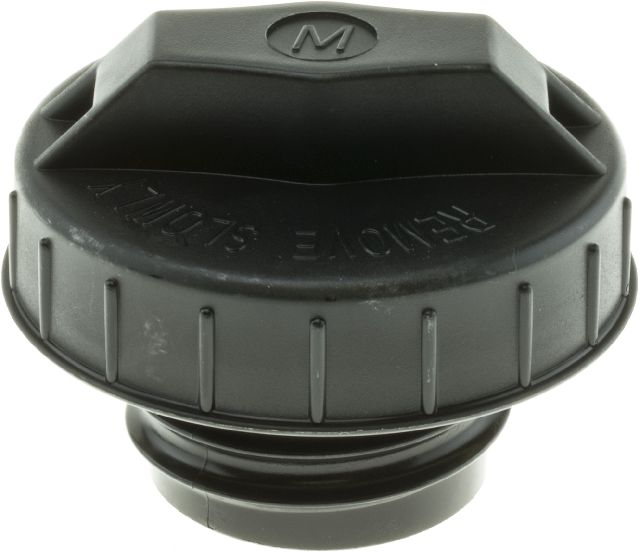
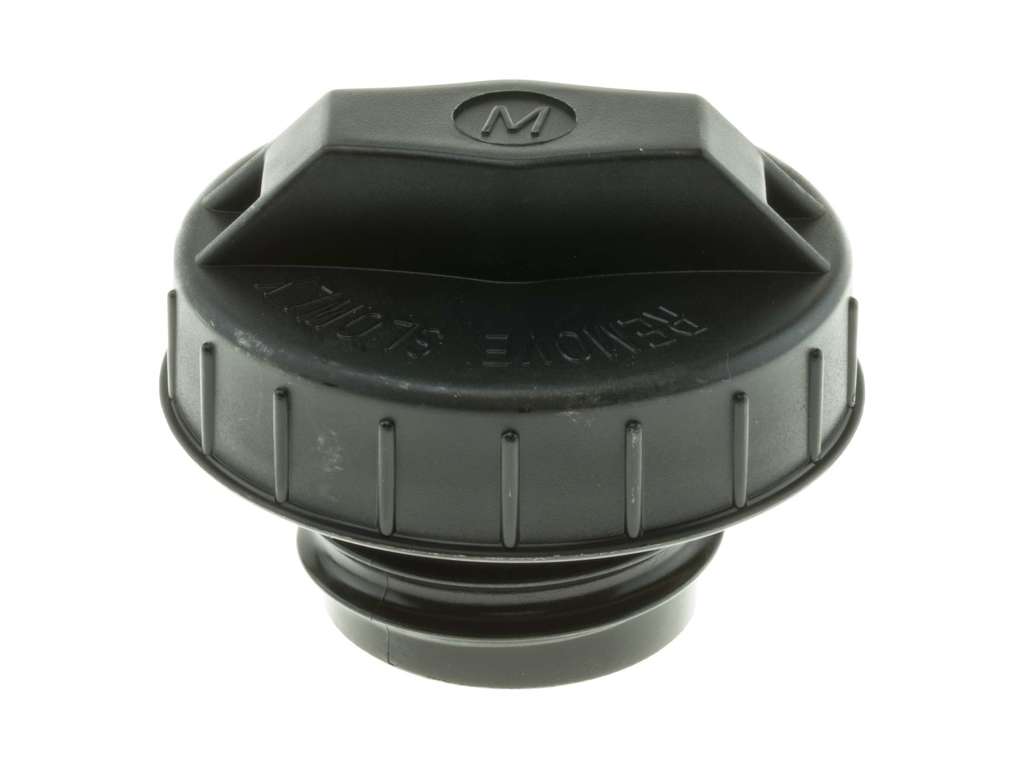
- Loose, Damaged, or Incorrect Gas Cap 🔴 High Probability → Shop Fuel Tank Cap Gas caps are a common failure item on all vehicles due to wear on the sealing O-ring and the ratchet mechanism. Owners may also forget to tighten it properly after refueling. TSB 01-020/10 specifically addresses this issue.
How to confirm: Ensure the cap is tightened until it clicks several times. Inspect the rubber seal on the cap for cracks, stiffness, or damage. A new gas cap is a cheap and easy first step. Some owners report success with a temporary fix by creating a better seal with a plastic bag under the cap to confirm the diagnosis before buying a new one.
Typical fix: Replace the gas cap. An updated part is available per a TSB.
Est. part cost: $15-$40 - Rusted or Cracked Fuel Filler Neck 🔴 High Probability → Shop Fuel Filler Neck These models are known for corrosion in the rear wheel wells, and the fuel filler neck is highly exposed to moisture and road salt, leading to rust that creates large leaks. This is the most common cause of P0455 on this car after the gas cap has been ruled out. NHTSA ODI #11331433 notes that a gas filler neck gross EVAP leak is a known source for P0455 and P0457 codes in similar manufacturer platforms.
How to confirm: Visually inspect the metal pipe that runs from the gas cap area down toward the fuel tank. You will likely need to remove the driver's side rear wheel and the plastic splash shield in the wheel well for a clear view. Look for obvious rust, flaking metal, or holes, especially around the mounting bracket. A smoke test is the definitive way to confirm a leak here.
Typical fix: Replace the fuel filler neck. This is a common DIY job.
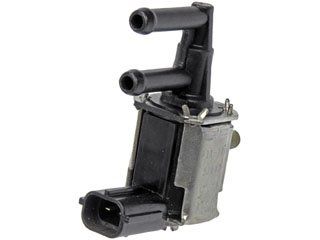
Est. part cost: $50-$150 - Faulty EVAP Canister Vent Valve/Solenoid 🟡 Medium Probability → Shop Vapor Canister The vent valve is located near the charcoal canister at the rear of the car and is exposed to the elements. It can get stuck open due to dirt or internal failure, creating a large leak path to the atmosphere.
How to confirm: The valve is normally open. When 12V is applied, it should click shut. You can test this with a power probe or by removing it and applying battery voltage. If it doesn't click or is stuck open, it has failed. It is mounted on the charcoal canister, which is located in the spare tire well or just in front of the driver's side rear wheel on some models.
Typical fix: Replace the canister vent valve.
Est. part cost: $40-$90 - Cracked or Disconnected EVAP Hoses 🟡 Medium Probability Over time, the rubber hoses in the EVAP system can become brittle, crack, or slip off their connections, especially the larger hoses connected to the charcoal canister and filler neck.
How to confirm: Visually inspect all accessible EVAP hoses, particularly around the charcoal canister (located near the fuel tank) and the purge valve (in the engine bay). A smoke test is the most effective way to find a hose leak.
Typical fix: Replace the damaged section of hose or re-secure the connection.
Est. part cost: $5-$25 - Faulty EVAP Purge Solenoid Valve ⚪ Low Probability → Shop Vapor Canister This valve is located in the engine bay and is generally more protected than rear-mounted components. A failure here is less common for a P0455 but possible if it gets stuck open.
How to confirm: The purge valve is normally closed. With the engine off, disconnect the hose from the intake manifold side and see if you can blow through it. If you can, it's stuck open and needs replacement. It is typically found on the firewall or near the intake manifold.
Typical fix: Replace the purge solenoid valve.
Est. part cost: $30-$70
Rare But Worth Checking
- Cracked Charcoal Canister: → Shop Vapor Canister The plastic housing of the charcoal canister can crack from age, road debris impact, or improper jacking. This is uncommon but will cause a large leak.
- Rusted Fuel Tank: → Shop Fuel Tank In areas with heavy road salt use, the fuel tank itself can rust through, particularly around the seams or where the fuel pump module mounts. This is a serious issue that often presents with a strong fuel smell and may be mistaken for a filler neck leak initially.
- Faulty Fuel Tank Pressure (FTP) Sensor: → Shop Fuel Tank While less common, the FTP sensor itself can fail or provide incorrect readings, causing the ECU to believe there is a large leak when there isn't one. This can sometimes occur without a specific sensor-related trouble code.
Diagnosis Steps
- Read the code with an OBD-II scanner to confirm P0455 is present.
- Inspect the gas cap. Ensure it is tight and the seal is not cracked or worn. If in doubt, replace it as it's the cheapest and most common fix. Per TSB 01-020/10, an updated cap design exists.
- Clear the code and drive for a few days to see if it returns. If it does, proceed to the next step.
- Perform a thorough visual inspection of the fuel filler neck. Remove the driver's side rear wheel and plastic splash guard for the best view. Check for heavy rust, flaking, and pinholes, especially around the mounting bracket.
- Inspect all visible EVAP hoses and lines running from the fuel tank to the engine bay for cracks, disconnections, or damage. Pay close attention to the connections at the charcoal canister and purge valve.
- If no obvious issues are found, the most effective next step is to have the system smoke tested. A manufacturer service bulletin, Bulletin #01-002-18-3417, recommends following a specific repair procedure to determine the location of the evaporative system leak when DTCs P0441, P0442, P0455, or P0456 are stored.
- Based on the smoke test results, test the specific component (e.g., vent valve, purge valve) for correct electrical and mechanical operation before replacing it. The vent valve is normally open and should close with 12V applied; the purge valve is normally closed and should open with 12V applied.
Parts You'll Likely Need
- Fuel Cap
(OEM #GJ6A-42-250B (Updated TSB part))— This is the most frequent cause of P0455. The seal wears out or the cap is not tightened correctly.
Trusted brands: Stant, Gates, Motorad, Duralast
OEM price range: $25-$40
Aftermarket price range: $15-$30 - Fuel Filler Neck
(OEM #BJ0E-42-210B)— A very common failure on the 1999-2003 Protege due to rust, causing a large, un-sealable leak in the system.
Trusted brands: Dorman (p/n 577-921 may be listed for other vehicles but is visually similar, confirm fitment; 577-914 is listed for 2000 Protege), Spectra Premium (p/n FN591), Lilienthal
OEM price range: $150-$250
Aftermarket price range: $50-$150 - EVAP Canister Vent Valve
(OEM #Z504-18-741A)— This valve can get stuck open from dirt and debris, creating a permanent large leak.
Trusted brands: Dorman (p/n 911-706), Standard Motor Products (p/n CP720)
OEM price range: $70-$120
Aftermarket price range: $40-$90
Related Codes That Often Appear With This One
- P0442 — P0442 indicates a small EVAP leak. You might see this code intermittently as a component like the filler neck begins to rust or a valve starts to fail, before the leak worsens and triggers the P0455 for a large leak.
- P0441 — P0441 indicates incorrect purge flow. If a P0455 is caused by a purge valve that is stuck wide open, a P0441 might accompany it, though it's more common for a stuck-open purge valve to cause idle issues.
Technical Service Bulletins (TSBs) & Recalls
- TSB 01-020/10 - Addresses loose fuel filler caps causing P0442, P0455, and P0456, recommending replacement with a modified part, GJ6A-42-250B.
- Bulletin #01-002-18-3417 - Provides a diagnostic procedure for Mazda vehicles exhibiting MIL illumination with DTCs P0441, P0442, P0455, or P0456 stored in memory.
Platform-Specific Known Issues
- The fuel filler neck is highly prone to rusting through, making it a primary suspect for a P0455 code on this vehicle. The rust typically originates where the support bracket is welded to the pipe, trapping moisture.
- Owners on forums frequently document replacing the filler neck as a DIY job, confirming it as the solution after replacing the gas cap did not work.
Mechanic-Grade Diagnostic Values
- Fuel Tank Pressure (FTP) Sensor Voltage, Key On Engine Off (KOEO) — expected: ~1.5V - 2.5V at atmospheric pressure (gas cap off).. Failure: A reading of 0V or 5V indicates a wiring issue or failed sensor. Voltage should decrease as vacuum is applied.
- EVAP Canister Vent Valve Solenoid — expected: Should click and close when 12V is applied. It is a normally open valve.. Failure: No click when 12V is applied, or remains open/closed regardless of power, indicates failure. Often fails due to internal corrosion from moisture.
- EVAP Purge Solenoid Valve — expected: Should not allow air to pass when unpowered (normally closed). Should click and open when 12V is applied.. Failure: Air can be blown through it when unpowered, or it fails to open when 12V is applied.
Scan Tool Commands That Help
- Mazda WDS/IDS or equivalent professional scan tool: EVAP System Leak Test (Vent Valve Command) — This bidirectional command is used to manually close the normally-open canister vent valve. This is a required step before performing a smoke test to seal the system and accurately find the source of a leak.
Wiring & Ground Locations
- Main Engine/Transaxle Grounds — The main battery ground cable connects from the negative terminal to the chassis and then to the engine block or transaxle case.. A poor ground connection to the engine or chassis can cause erratic behavior in various sensors and solenoids, including the EVAP system components. While not a primary cause, ensuring grounds are clean and tight is a fundamental step in diagnosing any electrical issue.
- ECU Ground — The Engine Control Unit (ECU) has its own ground wires within its harness, which ultimately terminate at the chassis or engine block.. A compromised ECU ground can affect the reference voltage for all sensors it monitors, including the Fuel Tank Pressure sensor, potentially leading to false codes.
- General Grounding Points — Key grounding points mentioned by owners include the chassis near the power steering reservoir, a stud on the engine mount, the valve cover, the intake manifold, and a bolt on the transaxle.. The various EVAP solenoids are controlled by the ECU, and their circuits rely on solid ground connections to function correctly. A poor ground can prevent a solenoid from actuating properly.
Real Owner Repair Stories
- Reddit user on r/Cartalk (2003 Mazda Protege ES 2.0L Manual) — Persistent P0455 code for 3-4 months. Slight hissing sound from behind the engine after shutoff. Car ran perfectly otherwise with no fuel smell or starting issues.
❌ Tried (didn't work) Replacing gas cap, Replacing PCV valve, Replacing multiple solenoid valves, Visually checking hoses near charcoal canister
NHTSA ODI #11128161 describes a similar situation where the check engine light comes on every few weeks with codes P0455, P2402, and P2407, even after the dealer replaced the filler cap twice.
✅ What actually fixed it The user later updated that the issue was a faulty ODBII reader giving a false positive on the EVAP test. After using a different reader and re-diagnosing, the actual cause was found to be the vapor canister purge valve, which was located in the area of the hissing sound. - Mazdas247 forum user (2003 Protege5) — P0442 (small leak) that appeared shortly after a fuel pump replacement.
❌ Tried (didn't work) Initial shop diagnosis pointed to a rusted gas tank.
✅ What actually fixed it A second opinion from a trusted shop with a smoke test revealed the leak was not the tank itself, but the seal for the fuel pump locking ring, which was not seated correctly during the recent fuel pump replacement. This highlights the importance of checking recent repair work. NHTSA ODI #11439442 confirms that a failed fuel pump lock ring can cause both P0442 and P0455 codes, accompanied by a strong smell of gasoline fumes around the rear of the car.
Documented NHTSA Reports
- NHTSA ODI #10096503: An owner reported a strong gasoline smell and a diagnostic P0455 (EECS large leak) following a repair or impact. While investigating, it was noticed that the vehicle apparently did not have a metal skid pad under the fuel system area.
- NHTSA ODI #11331433: A report indicates that the gas filler neck and canister purge valve are common sources for gross EVAP leaks (P0455), noting that these components are often shared across manufacturer platforms.
OEM Part Supersession History
z50418740, z50418741→Z504-18-741A— Part revision/update by Mazda.
Heads up: This part number (Z504-18-741A) is listed for both the canister vent valve and the purge solenoid in different contexts by vendors, causing confusion. It is critical to visually match the old part to the new one. The vent valve is typically near the charcoal canister at the rear, while the purge solenoid is in the engine bay.
Model Year Variations Within This Range
- 1999-2000 vs 2001-2003: The engine options changed significantly. For 1999-2000, the engines were a 1.6L and a 1.8L. For 2001-2003, the 1.8L was replaced by a 2.0L. While the general EVAP system layout is similar, some specific components like purge valves or solenoids may have different part numbers between the 1.8L and 2.0L engines. For example, some parts catalogs list different solenoid valves for the 1.8L/2.0L engines versus the 1.6L engine.
- 2001: The Protege received a facelift for the 2001 model year, which included a new front fascia and the introduction of the 2.0L engine. This marks a clear dividing line for engine-bay-mounted components like the purge solenoid valve.
Diagnostic Flowchart
Real Owner Stories
Aggregated from forums and TSBs cited above. Mileages and costs reflect what owners reported in those sources.
2003 Mazda Protege5
Symptoms: Check Engine Light with code P0455. A shop diagnosed it as a stuck open vent valve.
What fixed it: Owner plans to replace the gas cap and purge valve first. If the code returns, they will replace the vent valve at the rear of the car.
Source hint: Reddit r/MazdaProtege thread 'P0455 and P0660 : r/MazdaProtege'
Mazda Protege
Symptoms: P0455 code present, and replacing the gas cap did not resolve the issue.
What fixed it: Diagnosed via a smoke test, which revealed rust on the fuel filler neck requiring replacement.
Source hint: Mazdas247.com thread titled 'P0455 - Not the gas cap'
Mazda Protege (BJ Chassis)
Symptoms: P0455 (EVAP large leak) accompanied by the engine almost stalling when the clutch is pushed in.
What fixed it: Identified the known BJ chassis fuel filler neck rust issue as the primary suspect.
Source hint: ClubProtege.com thread titled 'P0455 (EVAP large leak) + almost stalling when clutch pushed in'
Related OBD-II Codes
Frequently Asked Questions
Is there a TSB for the gas cap on my 1999-2003 Mazda Protege?
Why do I smell gas near the rear wheel of my Protege after filling up?
I replaced the gas cap on my Protege but P0455 came back. What should I check next?
Where is the EVAP vent valve located on my Protege?
Does the P0455 code affect the Mazda Protege5 as well?
Can a P0455 cause my Protege to idle roughly or almost stall?
We Have This Part in Stock


The information in this article is provided for general reference and educational purposes only. Vehicle specifications, procedures, and part compatibility can vary by production date, trim level, and region. Always consult your vehicle's factory service manual and verify part numbers before purchasing or performing repairs. Safety-critical components such as airbags, seat belts, and braking systems should be installed by a qualified professional.
- Mazda Protege:
- 🧭 Diagnostic Flowchart
- 🛍️ Shop This Part
- What's Unique About the 1999-2003 Mazda Protege
- Symptoms You May Notice
- Most Likely Causes
- Rare But Worth Checking
- Diagnosis Steps
- Parts You'll Likely Need
- Related Codes That Often Appear With This One
- Technical Service Bulletins (TSBs) & Recalls
- Platform-Specific Known Issues
- Mechanic-Grade Diagnostic Values
- Scan Tool Commands That Help
- Wiring & Ground Locations
- Real Owner Repair Stories
- Documented NHTSA Reports
- OEM Part Supersession History
- Model Year Variations Within This Range
- Real Owner Stories
- 2003 Mazda Protege5
- Mazda Protege
- Mazda Protege (BJ Chassis)
- Related OBD-II Codes
- Frequently Asked Questions
- 🎟️ Get 5% Off